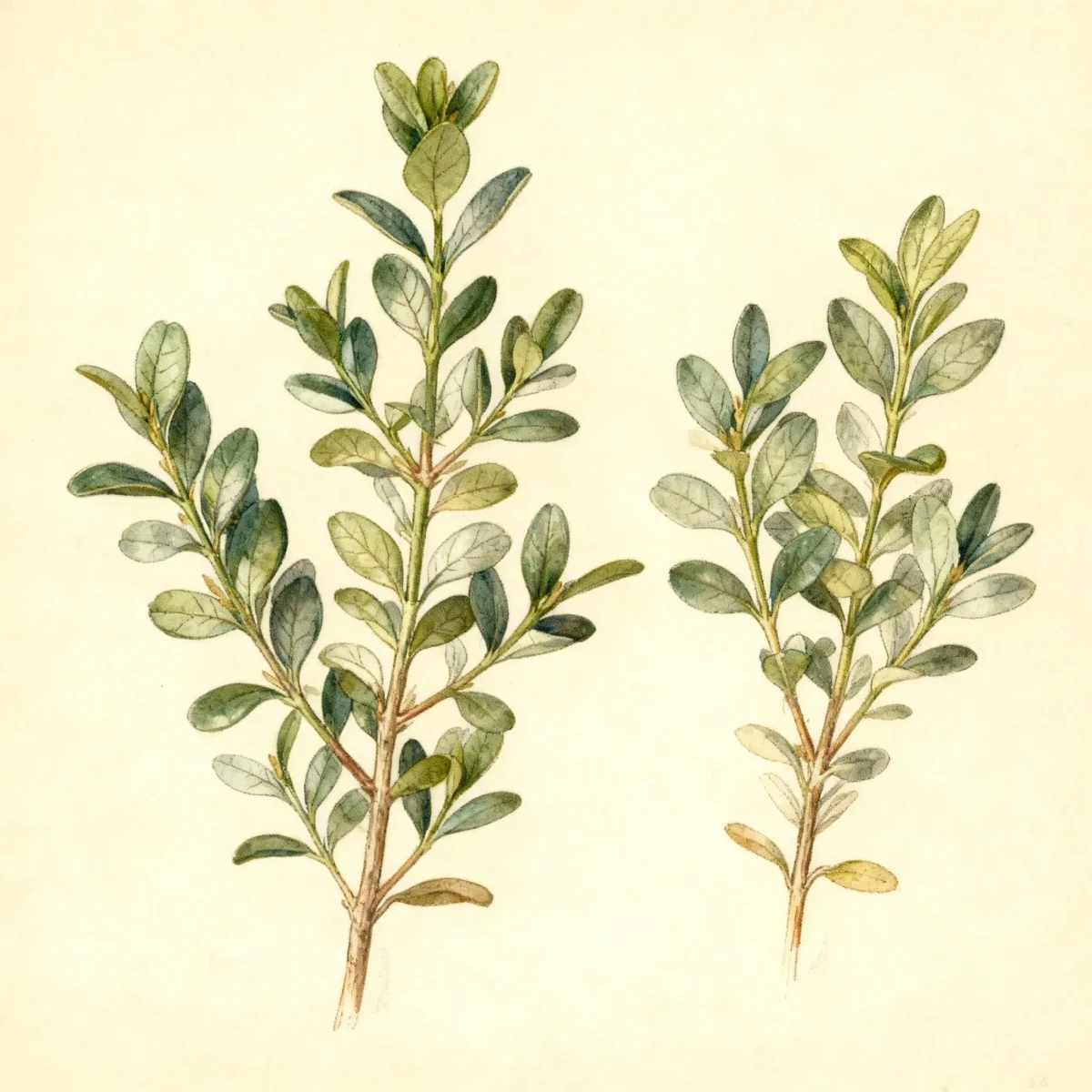
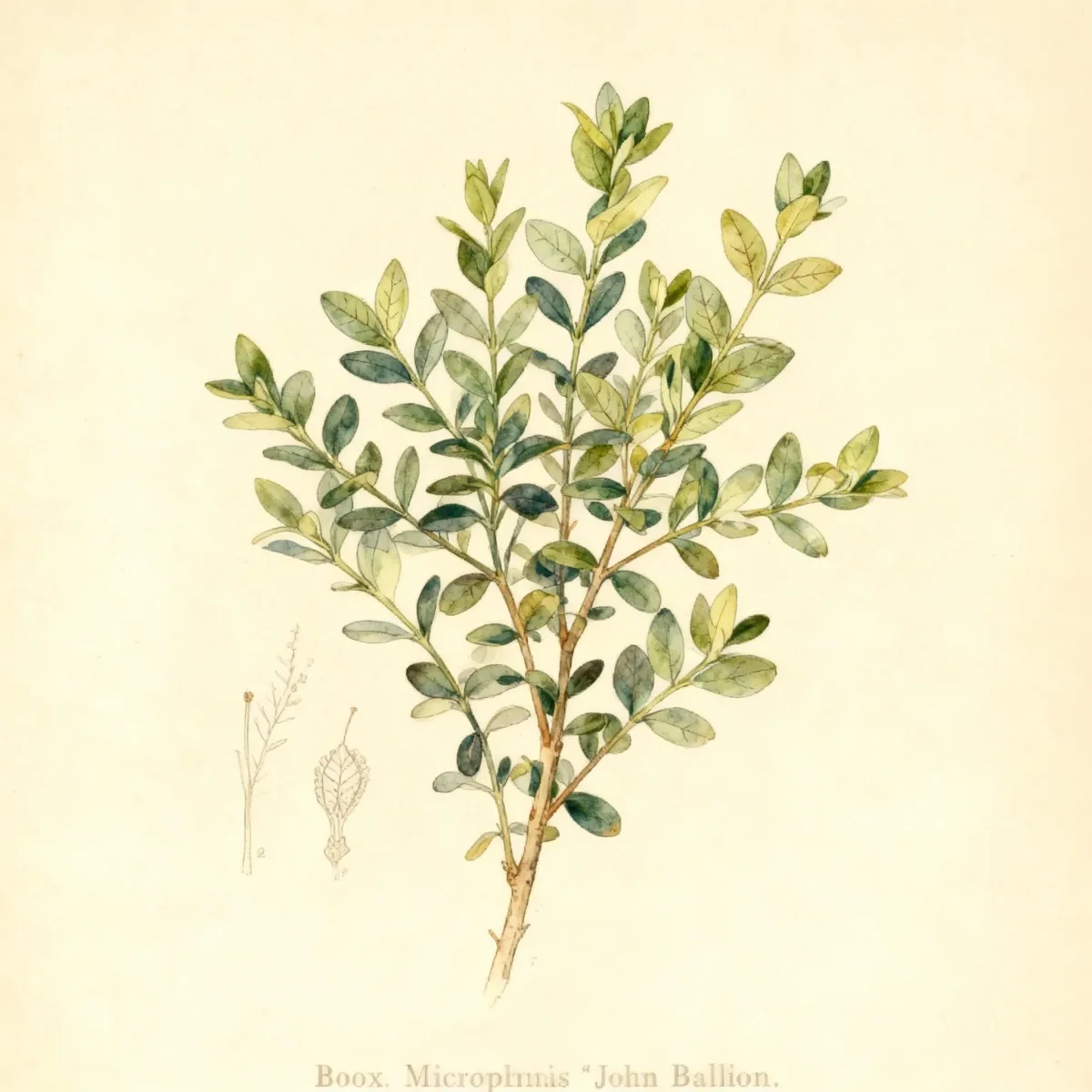
Boxwood (Buxus sempervirens 'Henry Shaw')
Buxus sempervirens 'Henry Shaw' Boxwood is a dense, pyramidal evergreen perfect for formal hedges, formal gardens, and topiary work in Zones 6-8.
Scroll down to discover growing tips, care requirements, companion plants, and more
Complete Plant Information
Overview
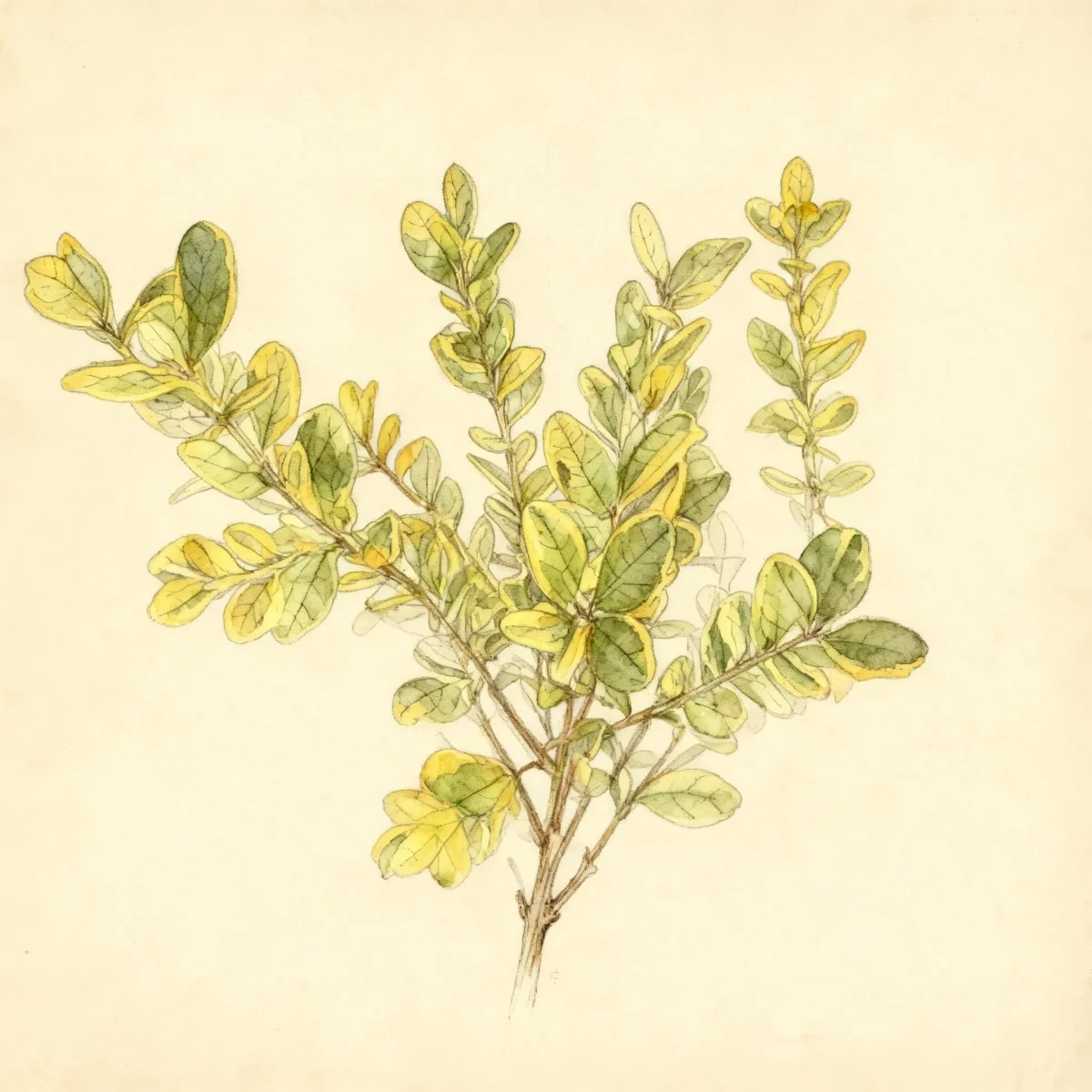
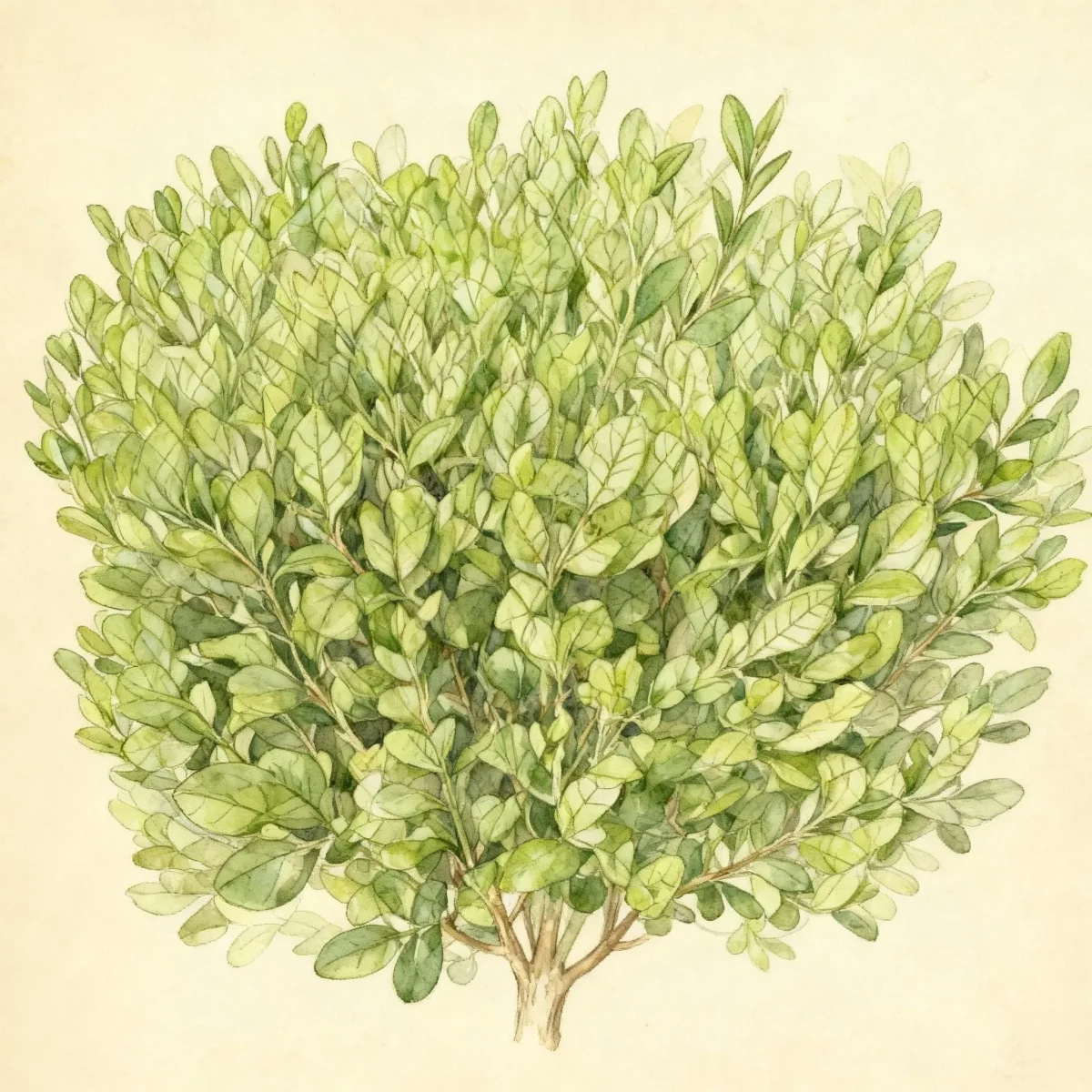
The Buxus sempervirens ‘Henry Shaw’ Boxwood is a prized cultivar prized for its dense, pyramidal-rounded habit, making it structurally invaluable in formal landscape designs. This slow-growing broadleaf evergreen provides consistent dark green foliage year-round, a crucial trait when other plants lose interest. Gardeners often select Buxus sempervirens ‘Henry Shaw’ for its reliable shape, which minimizes the need for constant heavy shearing, though it remains tolerant of pruning.
As a durable addition to the landscape, this Boxwood offers year-round structure and visual texture in foundation plantings or mixed borders. While its overall mature size is modest compared to the species, it maintains a neat presence without becoming overly large too quickly, achieving heights up to 6-7 feet eventually. Its hardiness in USDA Zones 6 through 8 ensures widespread usability across many temperate gardens.
This cultivar offers practical benefits beyond its aesthetic appeal; it is known to be resistant to browsing by both deer and rabbits, a significant advantage in areas affected by wildlife. Proper siting and care will ensure the deep green foliage of your Buxus sempervirens ‘Henry Shaw’ remains vibrant throughout the seasons, providing a foundational element for any well-planned garden scheme.
Fast Facts
- Plant Family: Buxaceae
- Plant Type: Broadleaf evergreen
- Hardiness Zones: USDA Zones 6-8
- Size at Maturity:
- Height: 4-7 ft
- Spread: 3-6 ft
- Bloom Time: April to May
- Bloom Description: Greenish-cream
- Sun Exposure: Full sun to part shade
- Water Needs: Medium
- Maintenance Level: Medium
How to Grow
Buxus sempervirens ‘Henry Shaw’ thrives when planted in the spring or fall, establishing best before temperature extremes. Choose a location that offers protection from harsh winter winds and intense afternoon sun if possible. The ideal soil is an evenly moist, well-drained loam, such as a sand-clay mixture, leaning slightly acidic to slightly alkaline in pH.
Maintain consistent moisture, especially for new plantings; Boxwood requires medium water needs. Avoid cultivating deeply around the base, as these plants possess shallow roots that appreciate a 1–2 inch layer of organic mulch, like compost or bark, to retain moisture and moderate soil temperature. Pruning and shearing should be postponed until after the last spring frost date to prevent new, tender growth from being damaged by unexpected cold snaps.
Annual thinning is recommended; remove crossing, dead, or damaged branches to enhance air circulation within the dense canopy. This improved airflow is critical for mitigating potential fungal issues. If placed in full sun, the foliage of your Boxwood may bronze or scorch, particularly when stressed by winter winds which rapidly dehydrate the leaves.
Landscape Uses
The dense, slow-growing nature of Buxus sempervirens ‘Henry Shaw’ makes it supremely versatile for structured landscape applications. It excels when massed together to form narrow, formal hedges that provide excellent property delineation or background definition for perennial borders. Furthermore, this cultivar is perfectly suited for topiary work, responding well to shaping into cones, balls, or other geometric forms required in Mediterranean or formal garden styles.
Consider using this Boxwood as a vertical specimen or accent plant near entries or foundations where year-round deep green structure is desired. Unlike some larger species, the manageable size of Buxus sempervirens ‘Henry Shaw’ allows it to integrate beautifully into mixed beds and borders without overwhelming surrounding plantings. For continuous elegance, consider planting it alongside plants with contrasting foliage texture, such as ferns or feathery ornamental grasses.
Standout Features
Flower Qualities
- Insignificant
Noteworthy Characteristics
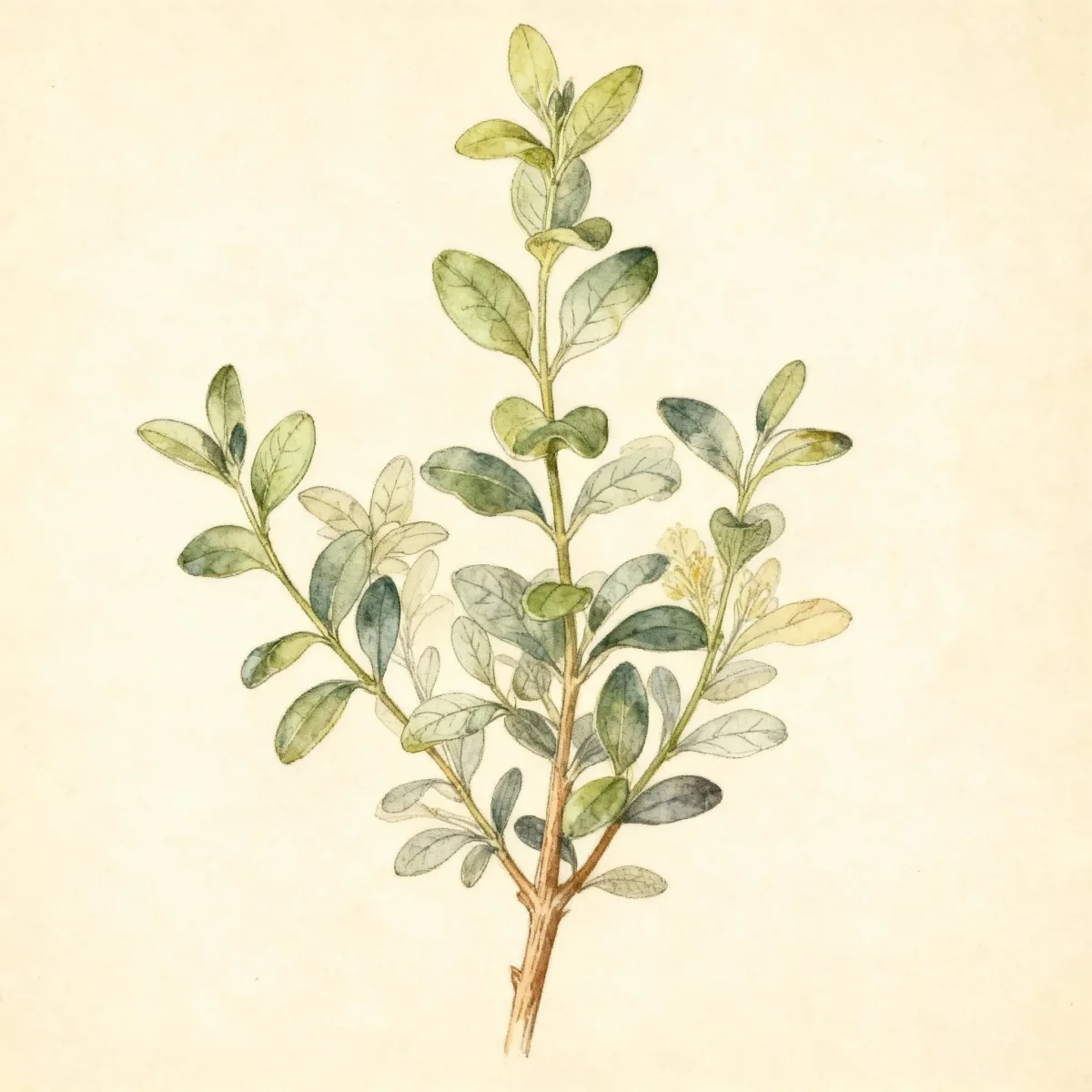
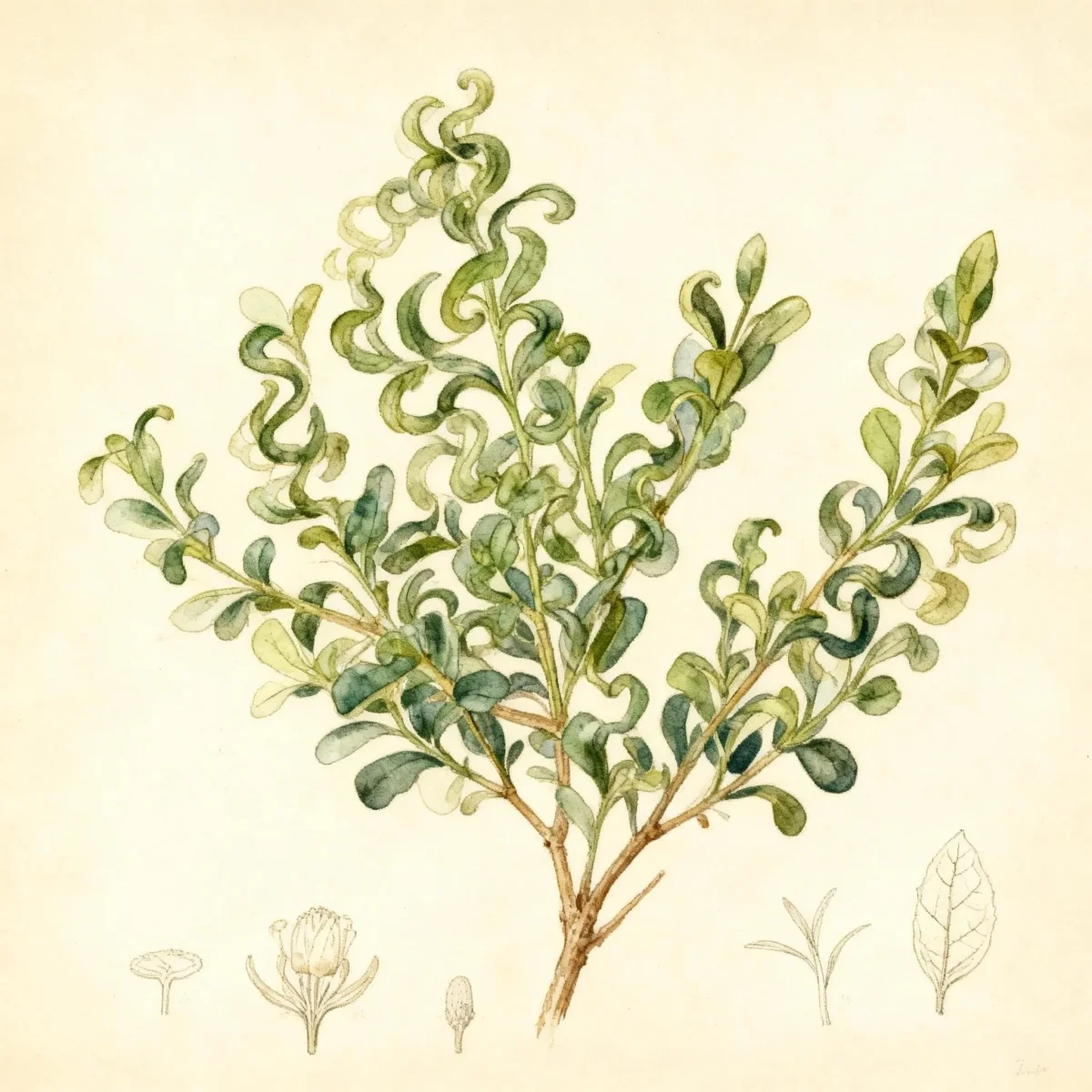
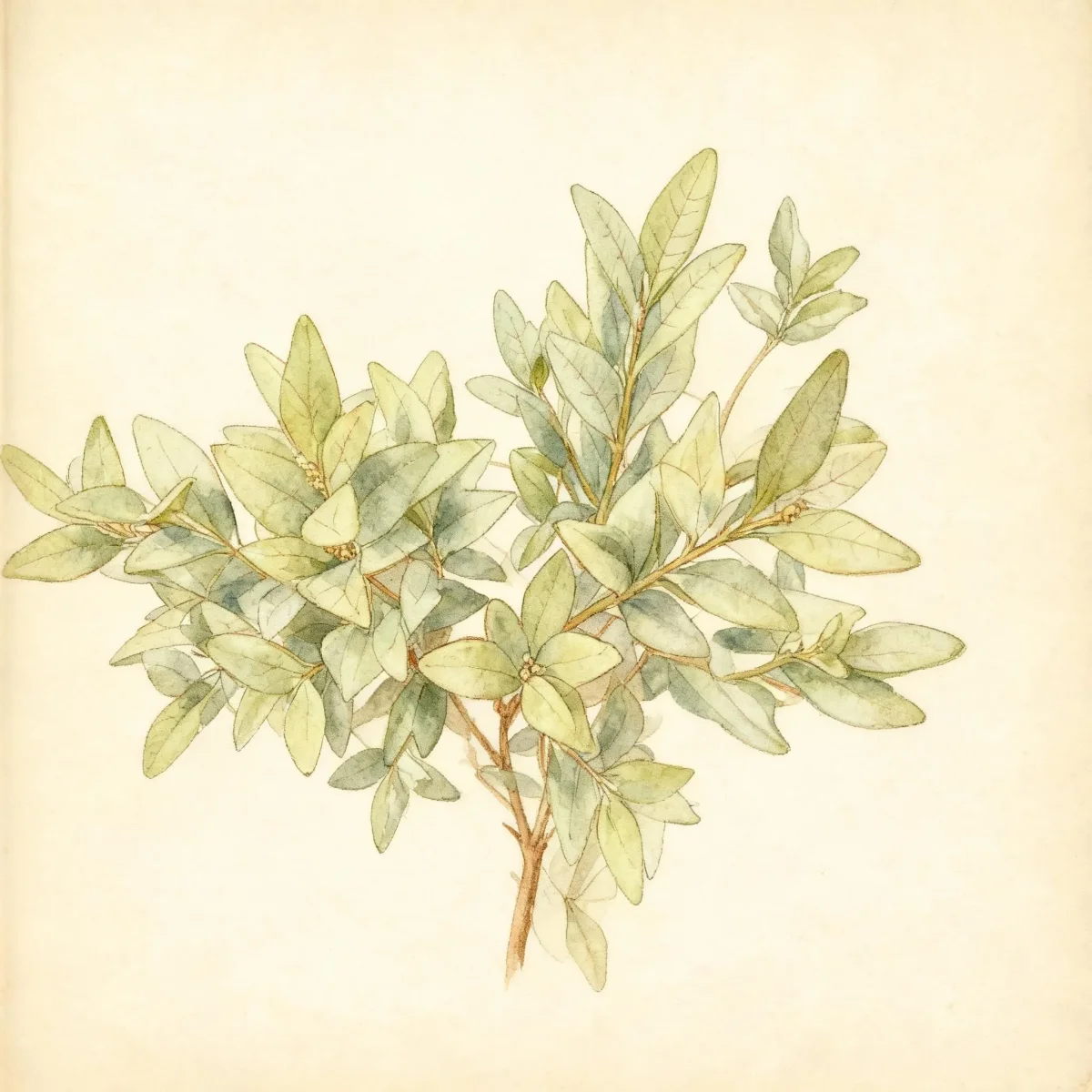
Buxus sempervirens is a rounded to broad-rounded shrub or small tree native to southern Europe, northern Africa and western Asia, typically maturing between 5-15’ tall in shrub form. The defining feature of this plant is its small, opposite, evergreen leaves that are dark glossy green above. The cultivar ‘Henry Shaw’ is specifically noted as a dense, pyramidal-rounded shape that matures slowly, honoring Henry Shaw, the founder of the Missouri Botanical Garden.
Tolerances
- Rabbit
- Deer
Potential Problems
The primary aesthetic issue for Boxwood foliage is bronzing, which appears as an unattractive brownish-yellow tint during harsh winters. This usually occurs when plants are situated in completely exposed locations facing full sun combined with drying winter winds, leading to dehydration. To prevent bronzing, site Buxus sempervirens ‘Henry Shaw’ where it receives protection from the strongest winter sun and wind, or ensure adequate consistent watering even during dormancy.
Fungal diseases pose a significant threat, including boxwood blight, volutella blight, and general leaf spot. Good air circulation is key to managing these; ensure proper spacing and prune annually to thin the interior structure. In poorly drained areas, root rot is a serious concern, underscoring the necessity of planting in excellent, well-drained loam.
Several pests target this Boxwood, including the boxwood leafminer, mite, and psyllid, and gardeners must look out for the devastating box tree moth. Immediate identification and treatment according to local recommendations are vital upon pest discovery, especially when treating new spring growth which is highly vulnerable.
Frequently Asked Questions
What hardiness zones is Boxwood suitable for?
Buxus sempervirens ‘Henry Shaw’ Boxwood is reliably hardy in USDA Zones 6 through 8.
How large does Buxus sempervirens ‘Henry Shaw’ grow?
This cultivar typically reaches a mature height between 4 to 7 feet tall and spreads 3 to 6 feet wide, though it is known to be slow-growing.
What sun exposure does Boxwood need?
Buxus sempervirens ‘Henry Shaw’ performs best when placed in locations receiving full sun to part shade, though excessive afternoon sun in its upper hardiness range can cause bronzing.
When does Boxwood bloom?
The inconspicuous flowers of this Boxwood appear in early to mid-spring, typically between April and May, displaying a greenish-cream color.
Conclusion
The Buxus sempervirens ‘Henry Shaw’ offers unmatched reliability for gardeners seeking year-round evergreen structure, dense foliage, and formal appeal, particularly suited for hedging and topiary work. Its resistance to deer and rabbits further cements its value as a foundational landscape element. Before planting, verify your garden lies within USDA Zones 6-8 and ensure site conditions provide adequate drainage for years of robust performance from your Boxwood.
Companion Planting
When pairing plants near Buxus sempervirens ‘Henry Shaw’, focus on complementary textures and colors that thrive in similar light and moisture conditions. Plants that offer finer texture, such as Japanese Forest Grass (Hakonechloa macra) or various ferns, create a beautiful contrast against the Boxwood’s dense, small leaves. For seasonal color near a formal hedge, consider low-growing Geraniums or Hosta varieties that prefer partial shade.
Ensure that companion plants do not compete aggressively for nutrients or moisture near the shallow roots of the Boxwood. Avoid planting shallow-rooted annuals too tightly against the drip line, as this can interfere with the beneficial mulch layer. Good companion choices are those that appreciate the slightly acidic to neutral soil pH that this evergreen prefers.
Seasonal Care Calendar
Spring is the critical rejuvenation time for your Boxwood. Wait until after the risk of hard frost before pruning new growth—pruning too early invites frost damage. Begin annual fertilization targeted for evergreens as new growth emerges, and refresh the organic mulch layer at this time.
Summer care focuses heavily on monitoring moisture. While Boxwood needs medium water, irregular watering during heatwaves stresses the plant, increasing its susceptibility to mites. If you notice foliage bronzing during dry spells, provide a deep, slow soak to the root zone.
In autumn, prepare your Buxus sempervirens ‘Henry Shaw’ for winter stress. Water deeply right up until the ground freezes; well-hydrated plants handle winter winds better. If the plant is exposed to significant winter sun, consider wrapping it or erecting a temporary burlap screen to minimize dehydration and bronzing while leaves are dormant.