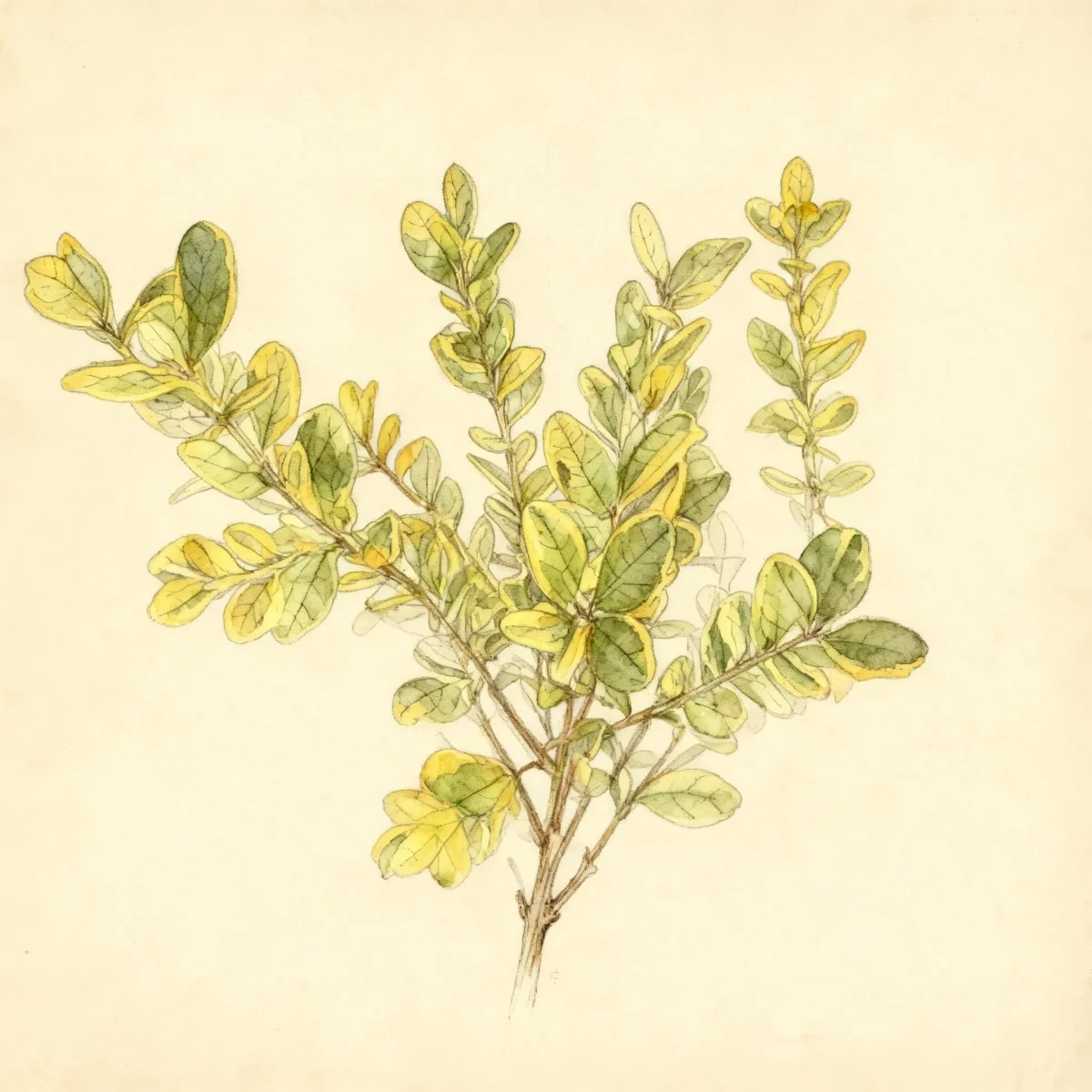
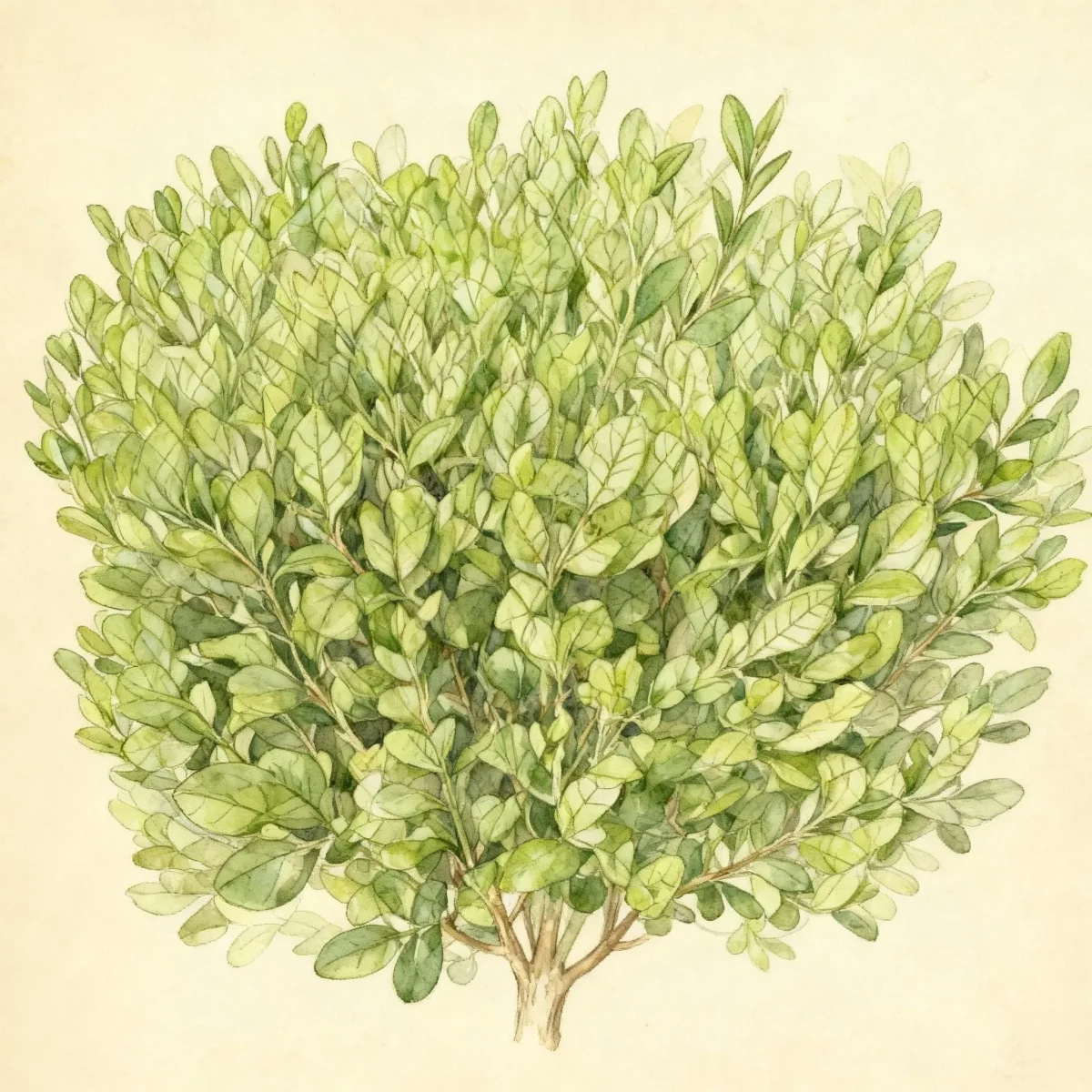
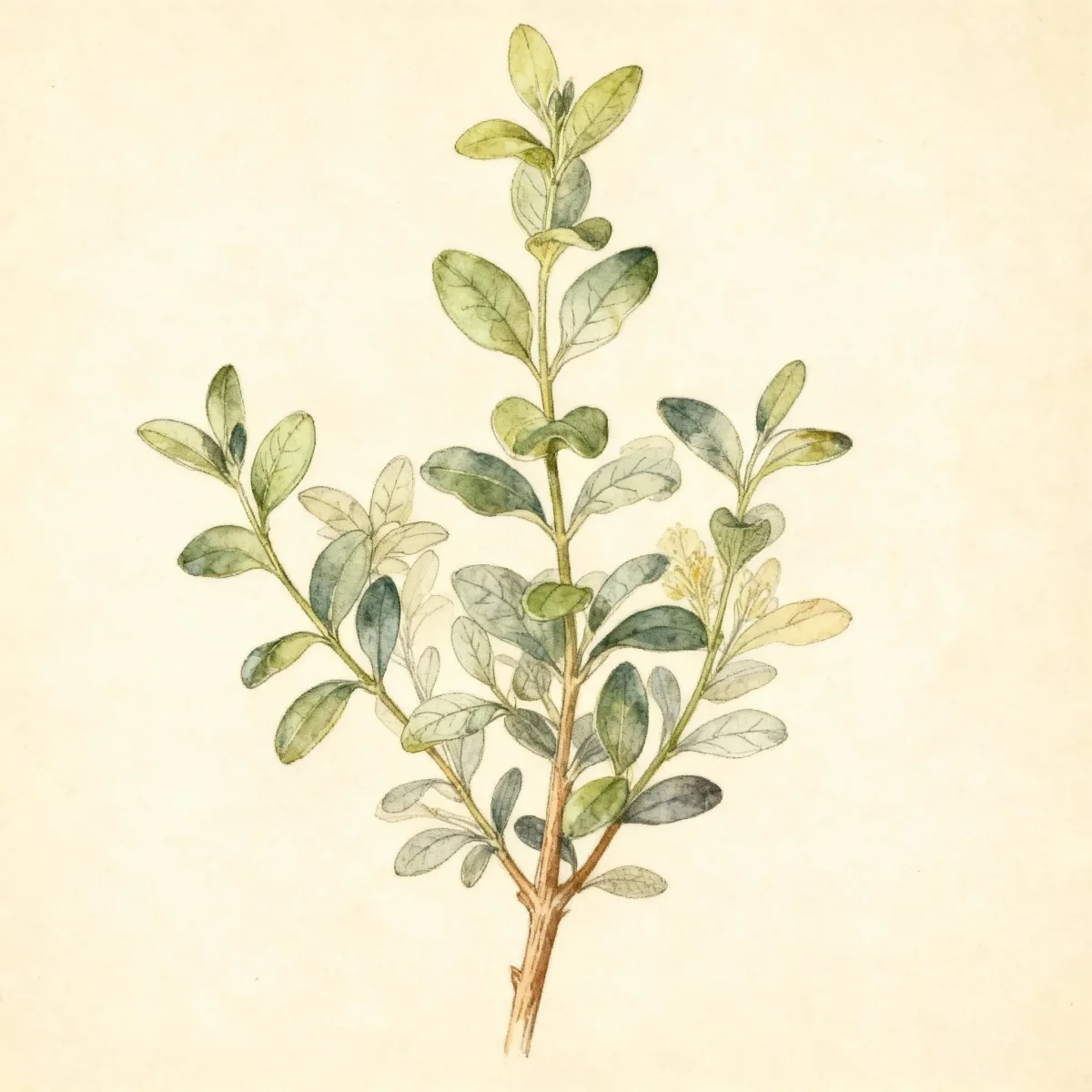
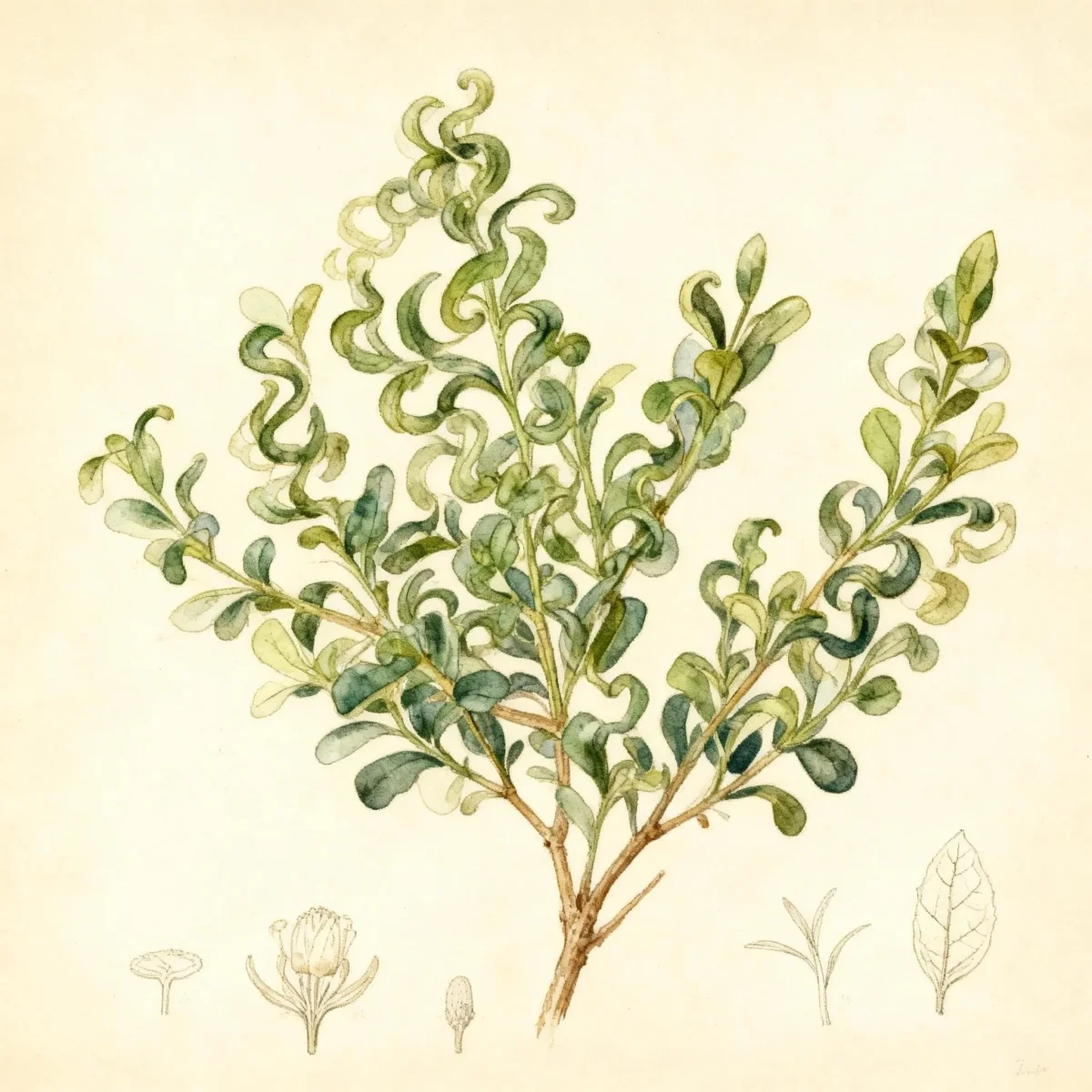
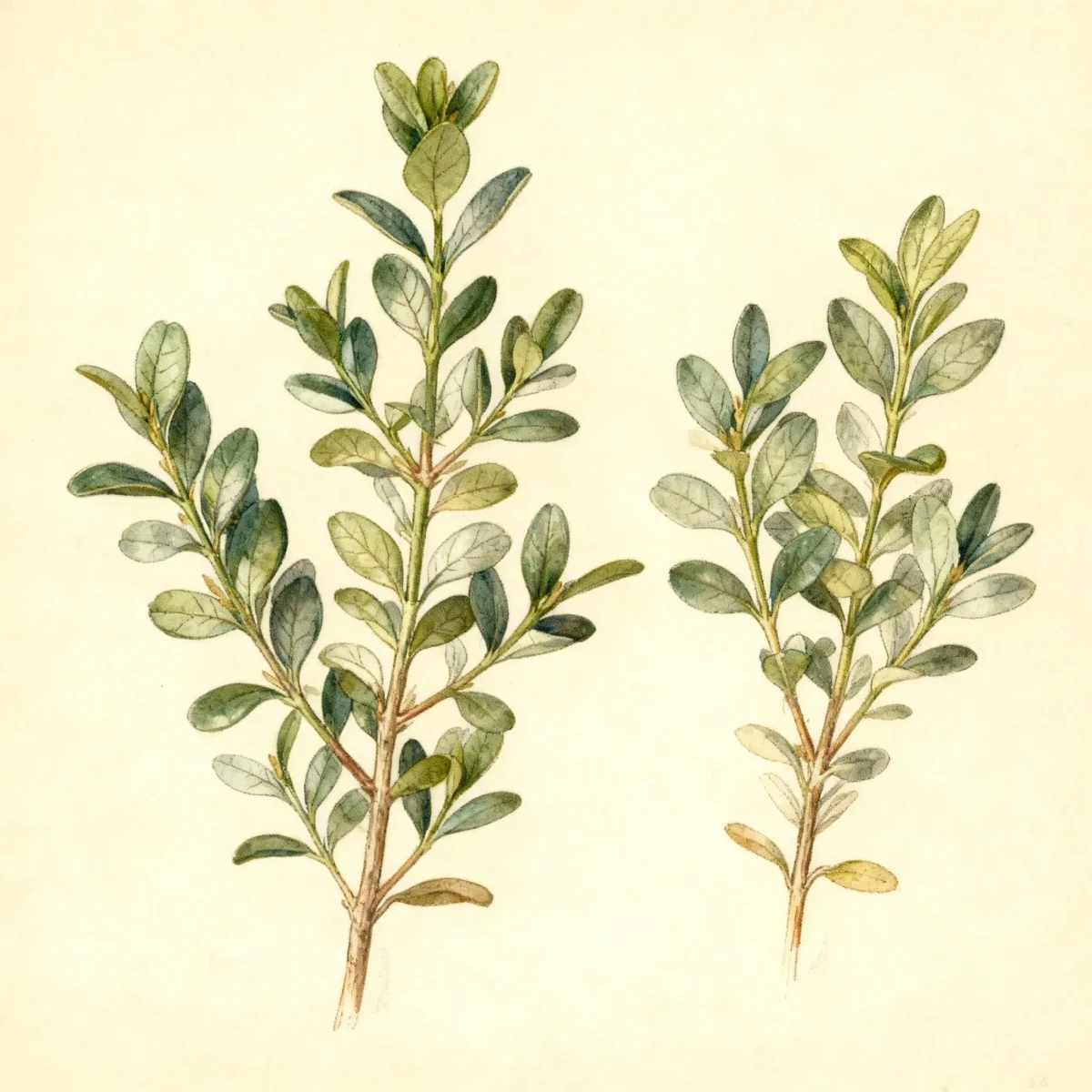
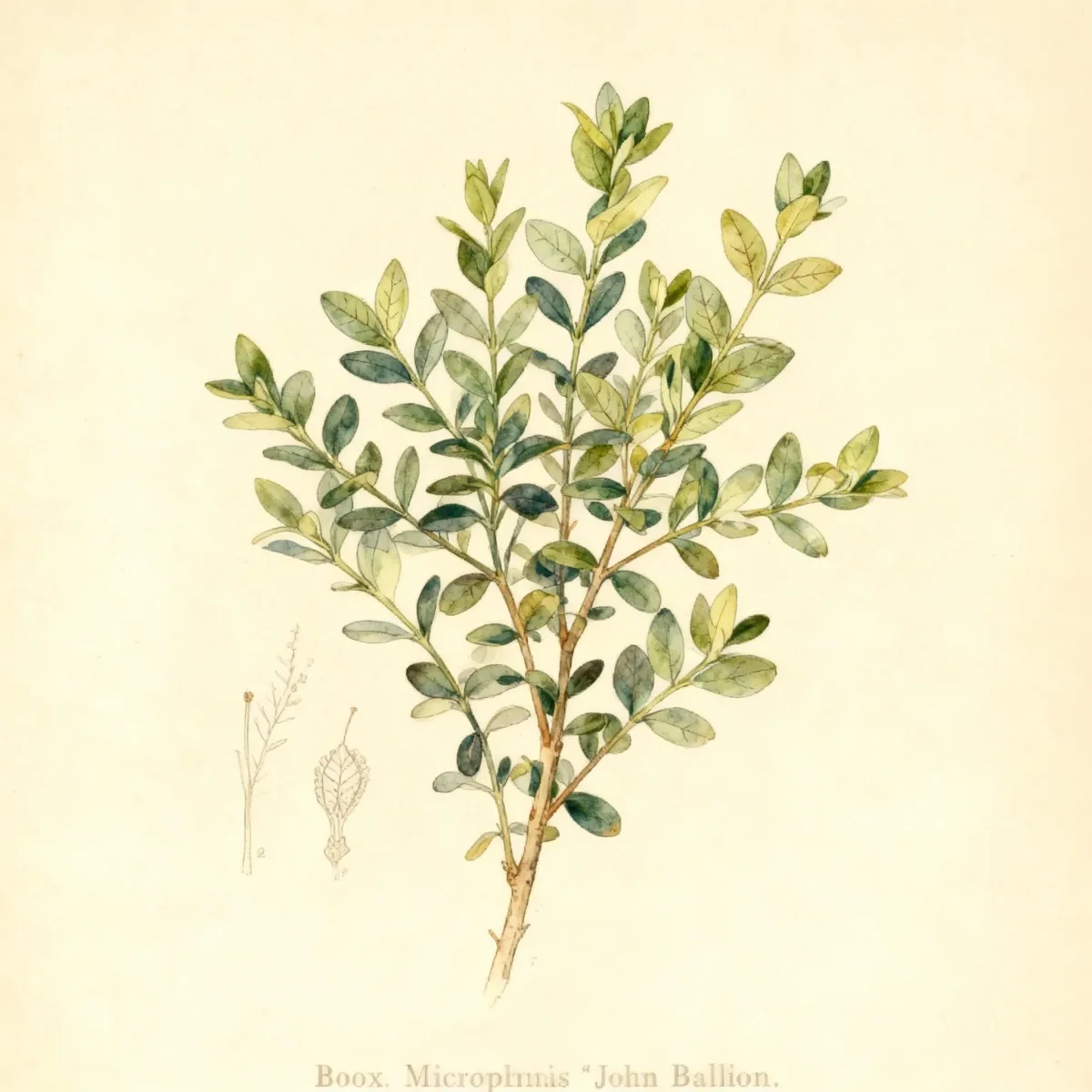
Boxwood (Buxus sempervirens 'Inglis')
Buxus sempervirens 'Inglis' Boxwood offers dense, pyramidal evergreen structure, ideal for formal hedges in Zones 6-8. Slow growth ensures low overall maintenance.
Scroll down to discover growing tips, care requirements, companion plants, and more
Complete Plant Information
Overview
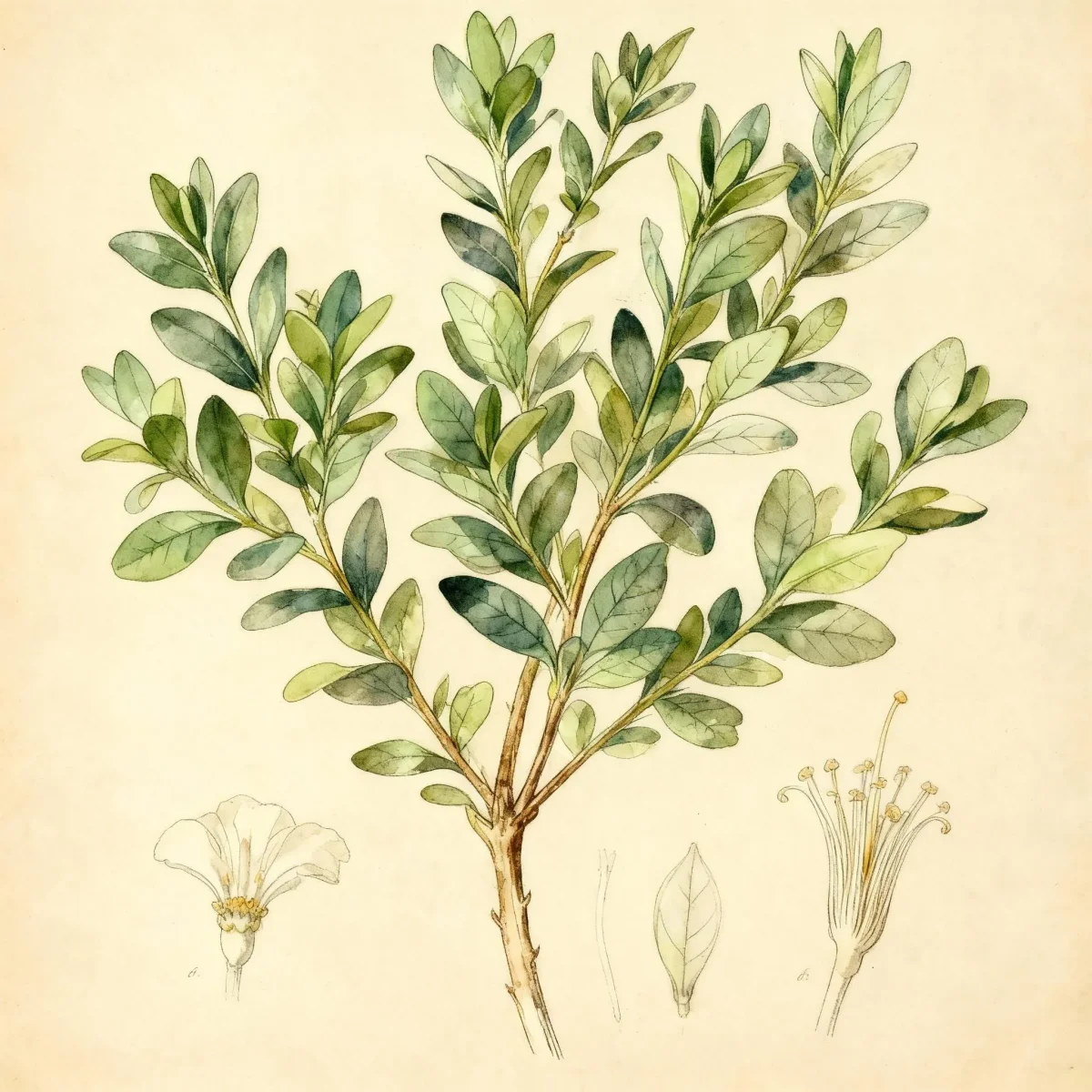
Buxus sempervirens ‘Inglis’ is a highly valued broadleaf evergreen, appreciated for its dense, slow-growing, and reliably dark green foliage. This specific Boxwood cultivar maintains a desirable pyramidal habit, making it an excellent foundational plant where formality and year-round structure are required. Unlike some greener Boxwood types, ‘Inglis’ is specifically noted for its resistance to winter bronzing.
This tough shrub performs best when matched to its specific needs regarding light and soil moisture. It thrives in full sun to partial shade, though protection from intense, drying winter winds is often beneficial for any Boxwood specimen. The steady growth rate of Buxus sempervirens ‘Inglis’ contributes to its popularity in high-design and formal landscape settings.
Functionally, this Boxwood provides excellent year-round screening and architectural interest, serving as a dependable backbone in mixed borders or as a primary element in hedge designs. Its evergreen nature ensures visual appeal even when deciduous neighbors have dropped their leaves.
Fast Facts
- Plant Family: Buxaceae
- Plant Type: Broadleaf evergreen
- Hardiness Zones: USDA Zones 6-8
- Size at Maturity:
- Height: 6-7 ft
- Spread: 5-6 ft
- Bloom Time: April to May
- Bloom Description: Pale green to pale yellow to creamy white
- Sun Exposure: Full sun to part shade
- Water Needs: Medium
- Maintenance Level: Medium
How to Grow
Planting Buxus sempervirens ‘Inglis’ should ideally occur in spring or early fall when temperatures are moderate. Select a site that offers evenly moist, well-drained loam—a sand-clay mix is often ideal. While this Boxwood tolerates a range of light conditions, from open sun-dappled areas to light shade, deep shade results in less vigorous growth and thinner foliage. Though adaptable, avoid soils that retain excessive water to prevent root rot issues common to Boxwood.
Care involves consistent moisture during the establishment phase; once mature, maintain medium watering levels. Avoid cultivating deeply around Buxus sempervirens ‘Inglis’ as it possesses shallow root systems. Instead, apply a 1-2 inch layer of organic mulch, such as bark or compost, to conserve moisture and regulate soil temperature. Plants generally prefer soils slightly acidic to slightly alkaline.
Pruning and shearing are common practices, but timing is crucial. Never prune new growth before the last expected spring frost, as tender new shoots are highly susceptible to late-season frost damage. Annual thinning of older branches helps improve air circulation, which is vital for disease prevention. Site your Boxwood away from harsh winter winds and intense, direct afternoon winter sun to minimize foliage bronzing caused by dehydration.
Landscape Uses
The moderate, dense stature of Buxus sempervirens ‘Inglis’, maturing around 6 to 7 feet tall and wide, makes it exceptionally versatile. It is perfect when massed to create narrow, formalized hedge rows that define property lines or garden rooms. Its upright, dense pyramidal form also lends itself perfectly to use as an accent plant in foundation plantings.
For formal gardens or Mediterranean-style landscapes, this Boxwood excels as a subject for topiary, providing permanent sculptural elements throughout the year. When used in mixed beds or borders, Buxus sempervirens ‘Inglis’ offers necessary dark green contrast to both bright foliage and seasonal flowers. It also performs admirably when planted in large containers, provided drainage is excellent.
Standout Features
Flower Qualities
- Insignificant
Noteworthy Characteristics
Buxus sempervirens is a rounded to broad-rounded shrub or small tree native to open woodlands and rocky hillsides across southern Europe, North Africa, and Western Asia. Its small, evergreen leaves are dark glossy green above and yellowish-green below, providing dense texture. The cultivar ‘Inglis’ particularly stands out due to its dense pyramidal growth habit and its enhanced resistance to the winter bronzing that affects many other Boxwood types.
Tolerances
- Rabbit
- Deer
Potential Problems
The primary aesthetic concern for Boxwood foliage is bronzing, which turns the attractive dark green leaves unattractive brownish-yellow, especially following harsh winters exposed to full sun and strong winds. To mitigate this, site Buxus sempervirens ‘Inglis’ where it receives some afternoon shelter. Proper watering during dry winter spells can also help combat dehydration.
This plant is susceptible to several diseases, including boxwood blight, volutella blight, and various leaf spots; ensuring good air circulation through annual pruning helps reduce fungal pressure. Root rot is a serious risk in poorly-drained soils, emphasizing the need for amended, draining planting sites. Watch for insect pests such as the boxwood leafminer, mite, and psyllid.
Frequently Asked Questions
What hardiness zones is Boxwood suitable for?
Buxus sempervirens ‘Inglis’ is hardy and thrives in USDA Hardiness Zones 6 through 8.
How large does Buxus sempervirens ‘Inglis’ grow?
This Boxwood typically matures slowly to a height between 6 and 7 feet, with an equal spread ranging from 5 to 6 feet wide.
What sun exposure does Boxwood need?
This evergreen performs well in conditions ranging from full sun to partial shade, though heavy, unmitigated sun exposure can increase the risk of scorching or mite infestations.
When does Boxwood bloom?
The inconspicuous flowers of this Boxwood appear relatively early in the season, generally blooming from April into May, showing colors described as pale green to pale yellow to creamy white.
Conclusion
Buxus sempervirens ‘Inglis’ is an exceptional choice for gardeners needing reliable, durable evergreen structure and hedging properties. Its dense foliage and noted resistance to seasonal bronzing establish it as a superior Boxwood variety. Before planting, confirm your site falls within Zones 6-8 and ensure the location offers well-draining soil to guarantee decades of low-fuss formality.
Companion Planting
When selecting companions for Buxus sempervirens ‘Inglis’, focus on alternatives that share similar cultural needs, especially regarding sun and moisture regulation. Plants that thrive in well-drained, slightly acidic to neutral soil and can handle dappled shade make excellent partners. Consider using contrasting foliage texture, such as ferns or hostas (in shadier spots), to highlight the fine texture of the Boxwood leaves.
For color contrast near your dark green hedges, incorporate groundcovers that offer lighter, silvery, or variegated tones. Low-growing Sedums or creeping Thymes can serve as attractive, low-maintenance edging plants that complement the formality of the Boxwood without competing aggressively for nutrients or water in the shallow root zone.
Seasonal Care Calendar
Spring preparation is vital for Buxus sempervirens ‘Inglis’ care. After the threat of frost has passed, apply fresh mulch (1-2 inches) and perform any necessary thinning cuts to promote internal air circulation. Begin fertilization after new growth hardens off.
Summer care focuses primarily on monitoring for signs of drought stress, as medium water needs must be consistently met, especially during hot periods. Overhead watering should be avoided late in the day to keep foliage dry overnight, reducing fungal risks.
In autumn, ensure the Boxwood receives deep watering before the ground freezes; this hydration is essential to prevent winter desiccation and subsequent foliage burn. Avoid any pruning activities during this time, as this encourages soft growth that will suffer winter damage.