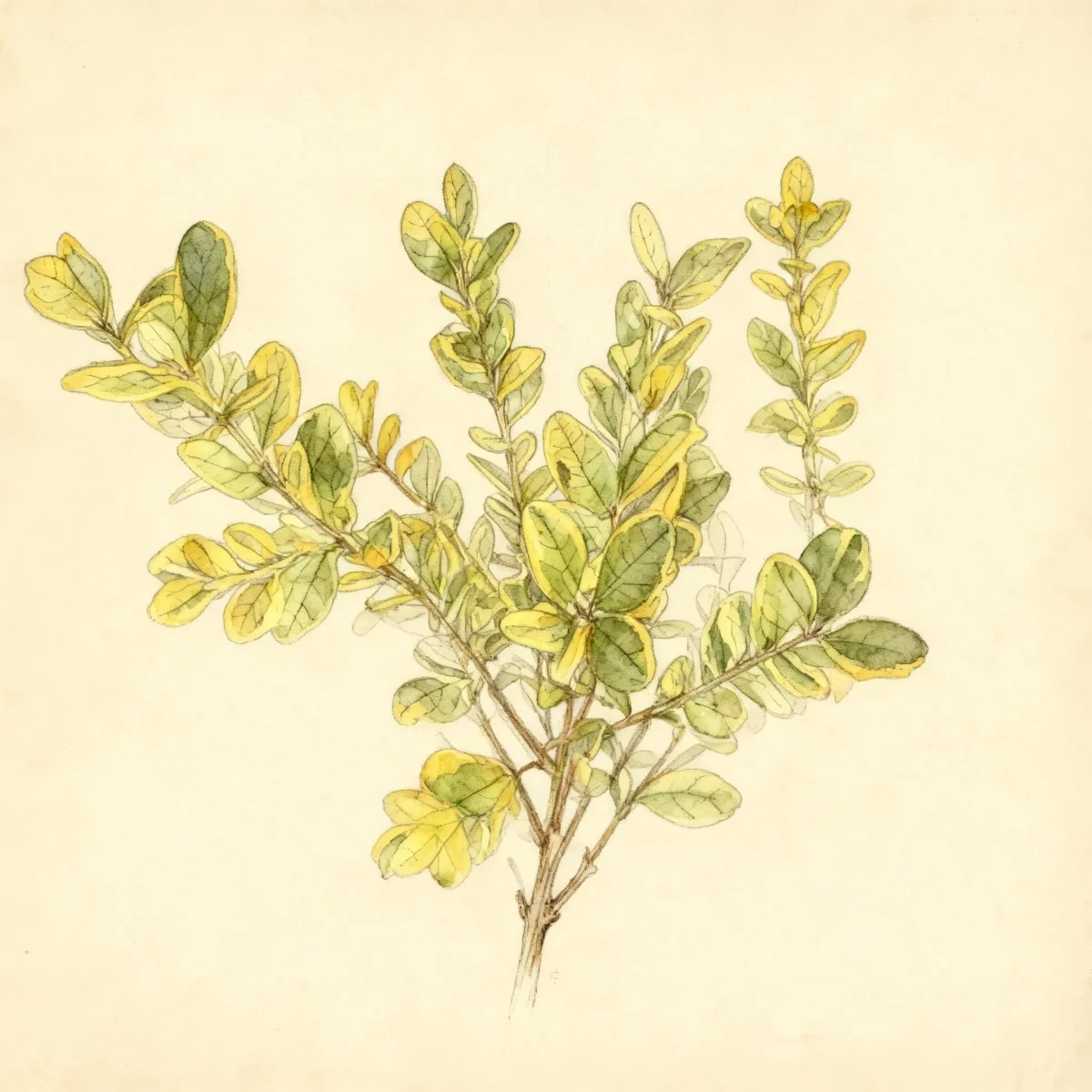
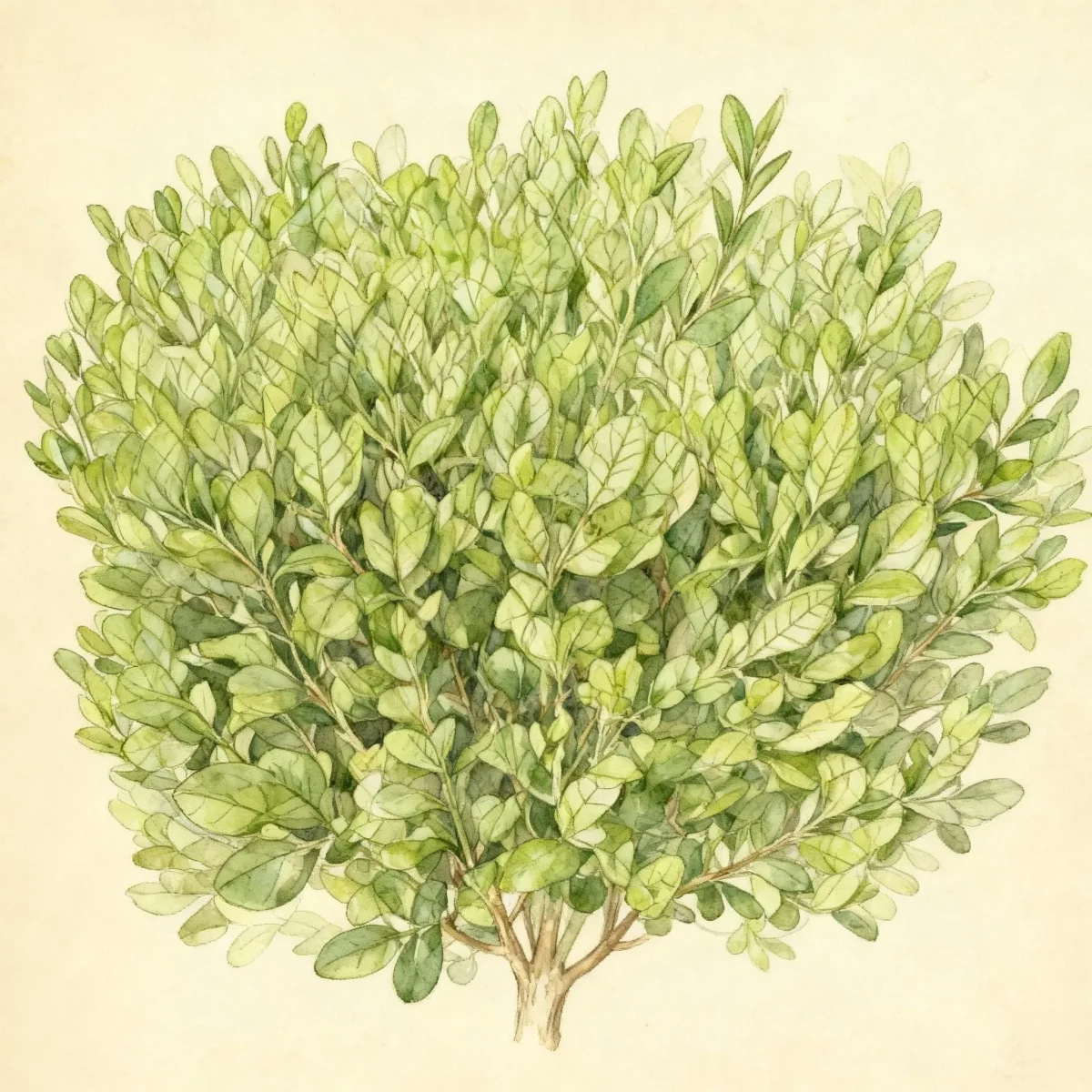
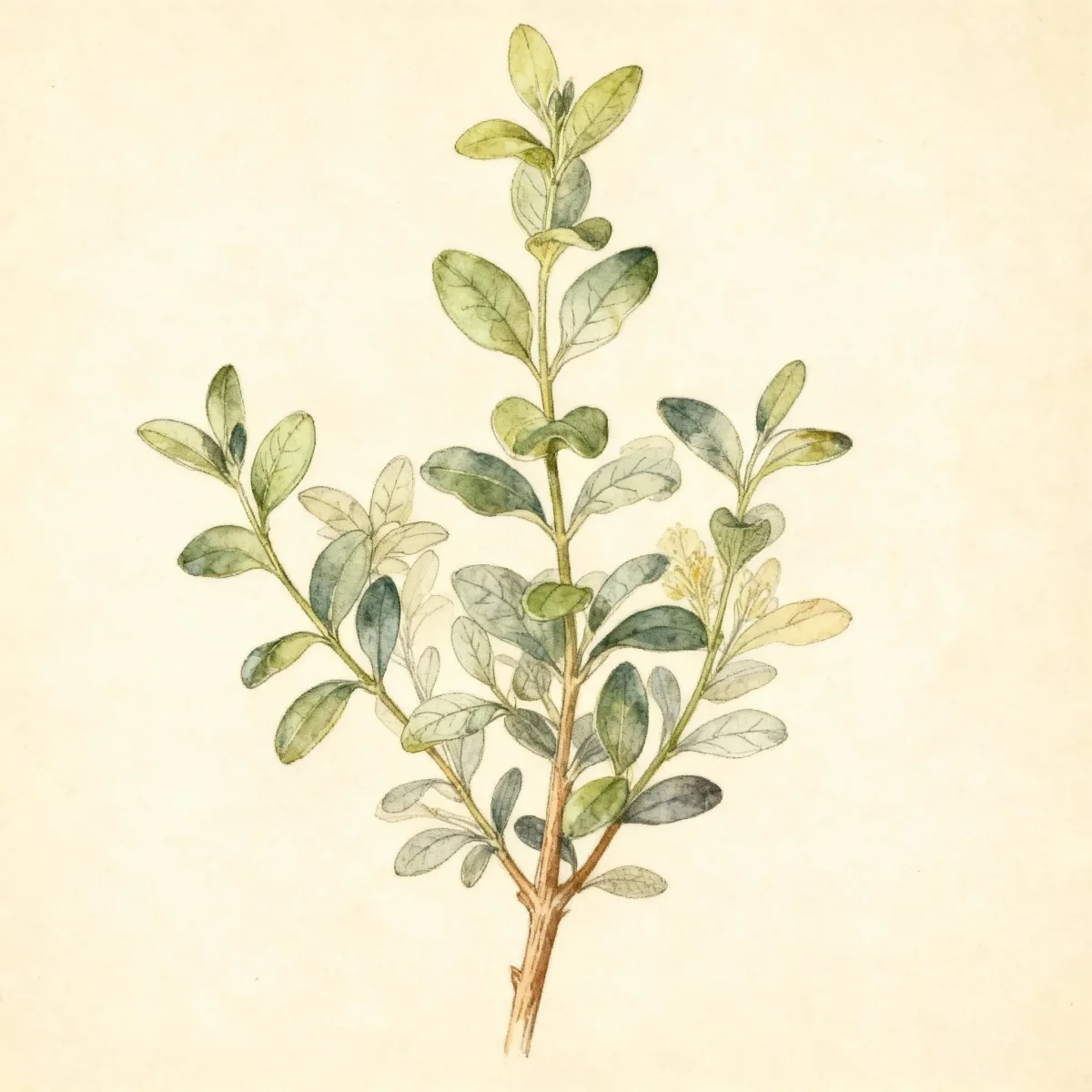
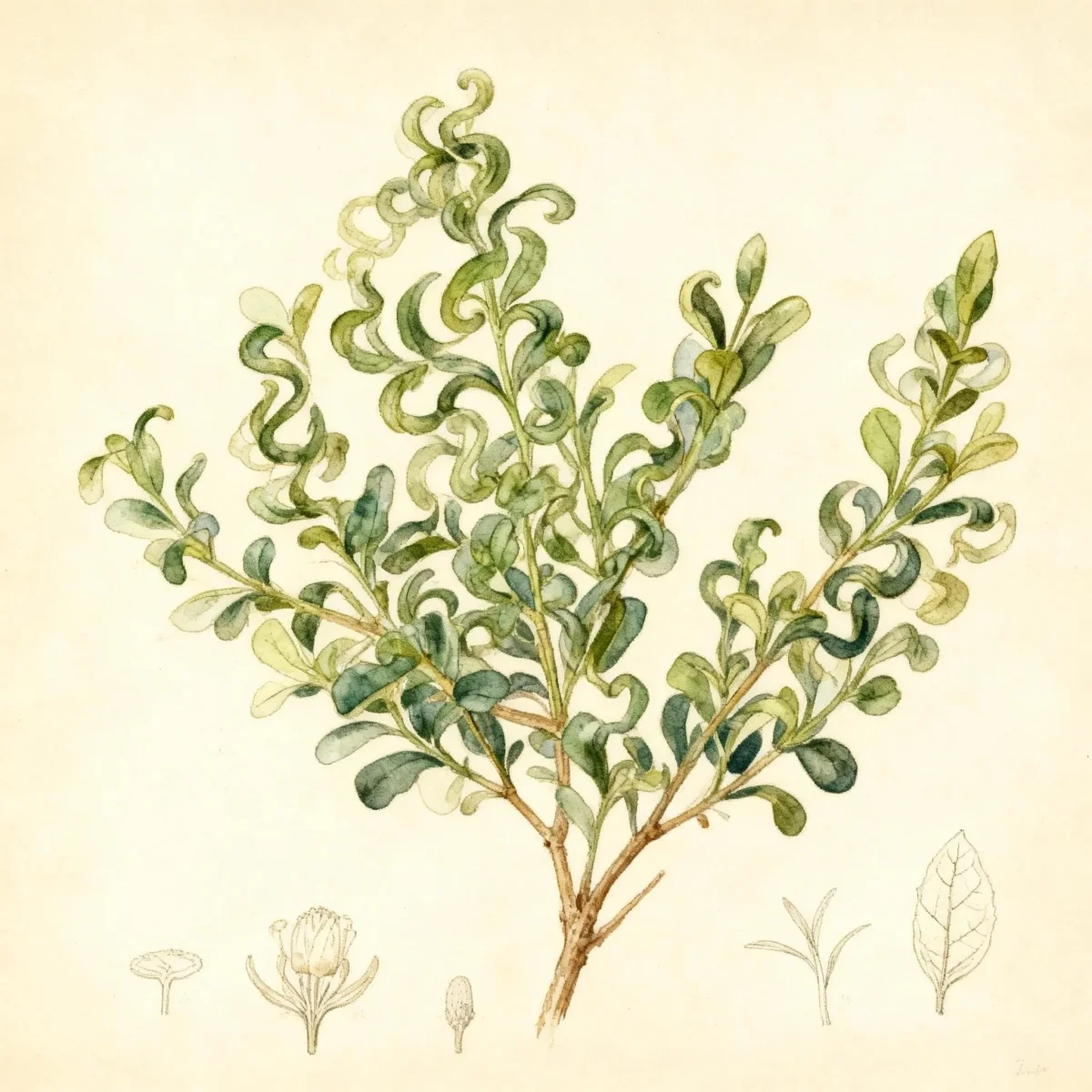
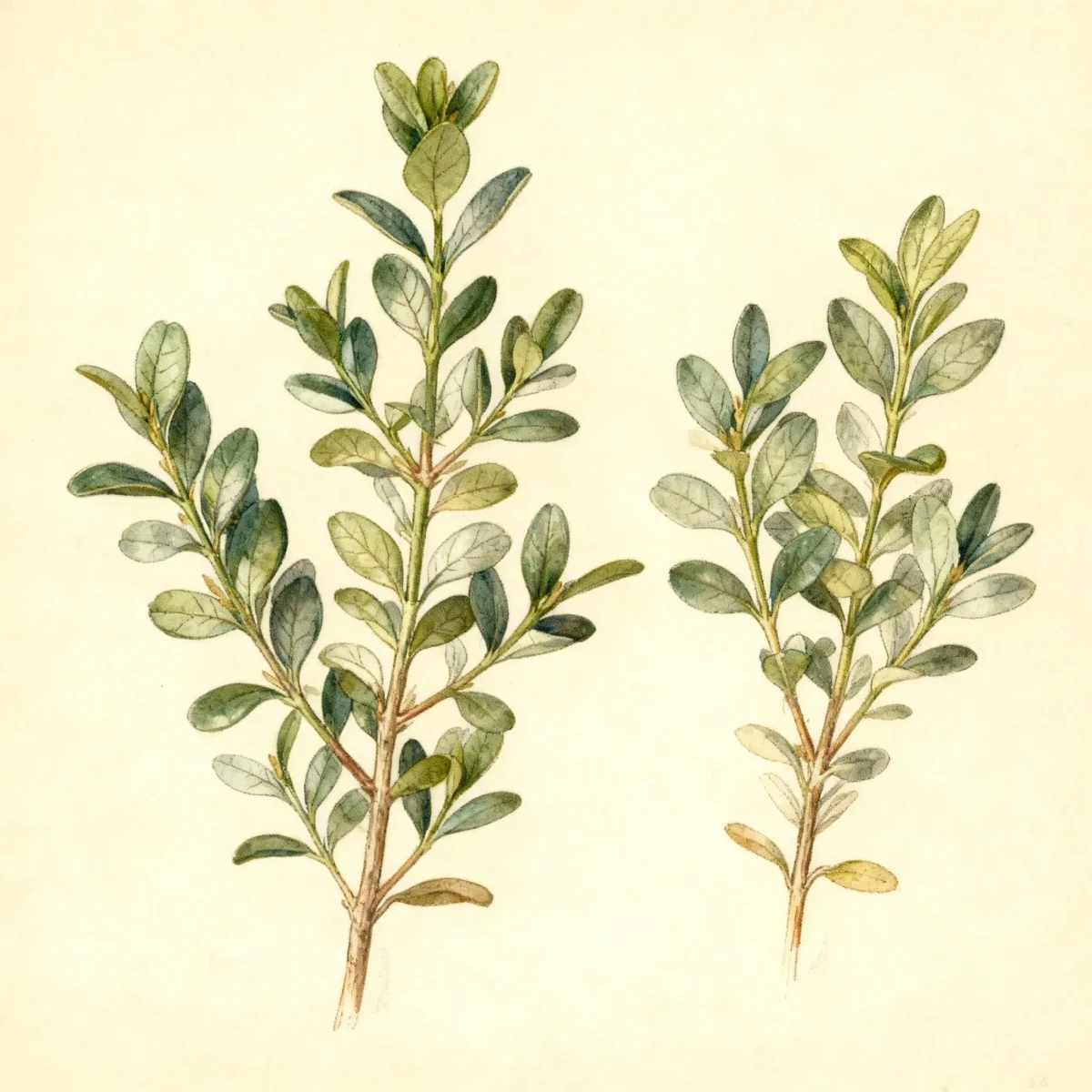
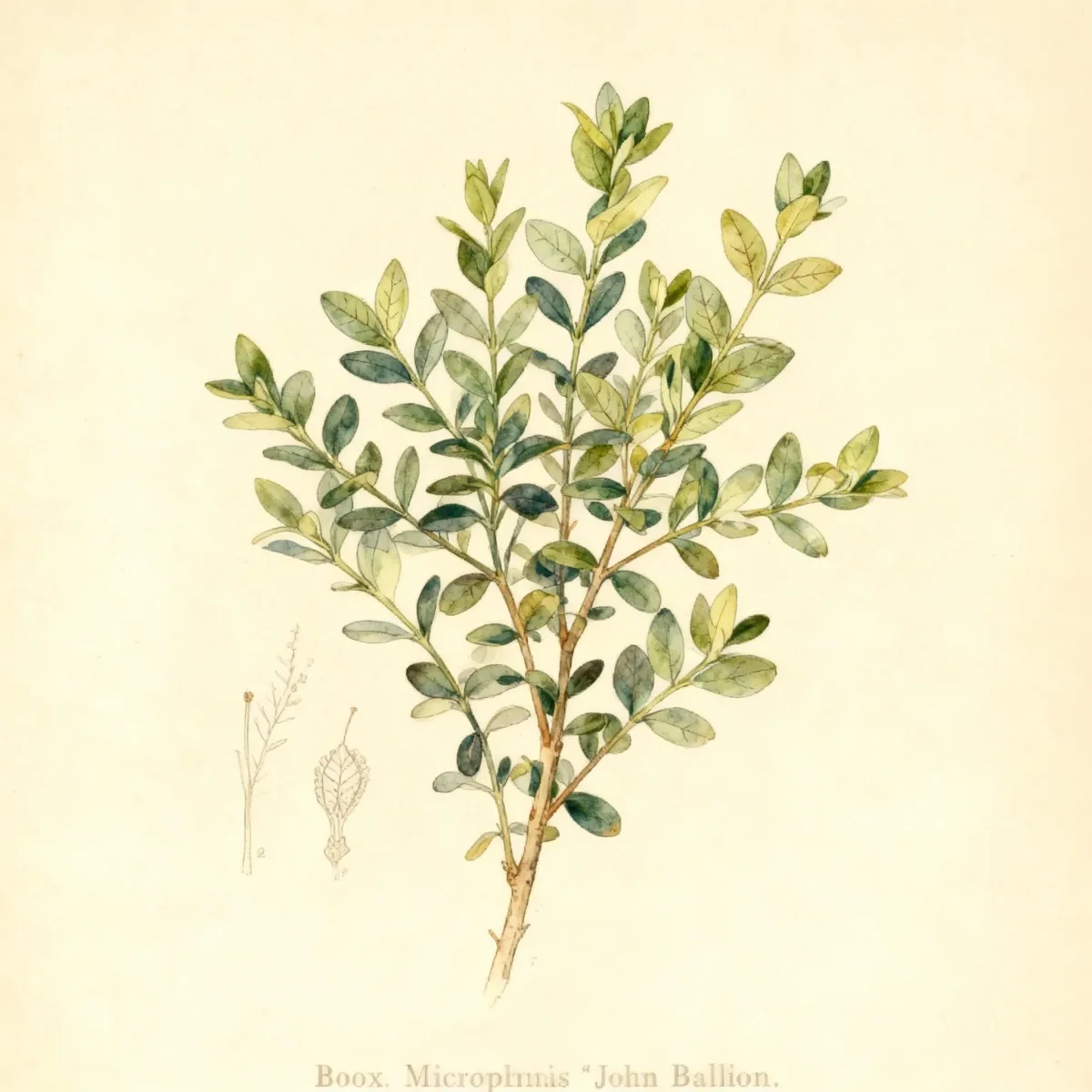
Boxwood (Buxus sempervirens 'Mary Gamble')
Buxus sempervirens 'Mary Gamble' Boxwood is an upright, dense evergreen shrub perfect for hedges and formal gardens. Hardy in Zones 5-8.
Scroll down to discover growing tips, care requirements, companion plants, and more
Complete Plant Information
Overview
The Buxus sempervirens ‘Mary Gamble’ Boxwood is highly valued by landscape designers for its dense, upright habit and finely textured, evergreen foliage, making it an excellent choice for formal settings. This cultivar of the common Boxwood maintains excellent structure throughout the year, providing consistent green texture where deciduous plants might falter. It matures into a compact shrub, typically reaching 4 to 5 feet in height and spread, which is ideal for defining spaces without overwhelming them.
As a broadleaf evergreen, the Buxus sempervirens ‘Mary Gamble’ offers year-round visual appeal and excellent utility as a year-round screen or low hedge. While it produces inconspicuous white flowers in spring, its primary ornamental value lies in its dependable shape and dense growth pattern. Gardeners select this Boxwood for its tolerance to regular shearing, allowing it to be shaped into precise forms for elegant garden architecture.
This reliable shrub thrives across USDA Zones 5 through 8, provided it receives protection from harsh winter elements common to exposed sites. Its manageable size ensures that maintaining the neat appearance expected of a Boxwood specimen remains practical for most home gardeners, solidifying the appeal of Buxus sempervirens ‘Mary Gamble’ in classical landscape designs.
Fast Facts
- Plant Family: Buxaceae
- Plant Type: Broadleaf evergreen
- Hardiness Zones: USDA Zones 5-8
- Size at Maturity:
- Height: 4-5 ft
- Spread: 4-5 ft
- Bloom Time: April to May
- Bloom Description: White
- Sun Exposure: Full sun to part shade
- Water Needs: Medium
- Maintenance Level: Medium
How to Grow
Planting Buxus sempervirens ‘Mary Gamble’ should occur when soil conditions are favorable, typically in spring after the danger of late frost has passed, or in early fall. This Boxwood performs best in evenly moist, well-drained loams, such as a good sand-clay mixture. Site the plant where it can receive full sun down to light shade; morning sun or dappled afternoon shade is often ideal, as opposed to intense, uninterrupted afternoon sun which can cause foliage scorch. Soil pH preferences lean toward slightly acidic to slightly alkaline conditions.
Watering requirements for this Boxwood are medium; ensure consistent moisture, especially when establishing the shallow root system. Avoid cultivating directly around the base of the plant due to these shallow roots. Instead, apply 1 to 2 inches of organic mulch, such as bark or compost, to help conserve moisture and regulate soil temperature. Annual pruning and thinning of dead or damaged branches will improve air circulation, which is crucial for disease prevention.
Pruning or shearing tolerances are high, but timing is critical: wait until after the last spring frost date to prune. Early spring cutting encourages tender new growth that is highly susceptible to damage from unexpected late frosts. For optimal winter appearance, site your Buxus sempervirens ‘Mary Gamble’ away from areas prone to strong prevailing winds, as winter wind coupled with sun exposure can rapidly dehydrate foliage, leading to undesirable bronzing of the evergreen leaves.
Landscape Uses
The recommended uses for Buxus sempervirens ‘Mary Gamble’ center around its formal structure, making it superb for creating crisp lines and evergreen masses. Functionally, it excels when massed to create a narrow hedge, providing a low, dense barrier or border definition along pathways. It is also perfectly suited for use as a topiary due to its dense leaf structure and tolerance for precise shearing.
Beyond hedging, this Boxwood works wonderfully as a vertical specimen or accent plant within foundation plantings, especially in formal or Mediterranean-style gardens where structure is paramount. The uniform 4 to 5-foot mature size integrates seamlessly into mixed beds and borders, offering reliable anchor points throughout the seasons. Its classic green serves as a perfect foil for flowering perennials or colorful annuals planted adjacent to it in large containers.
Standout Features
Flower Qualities
- Insignificant
Noteworthy Characteristics
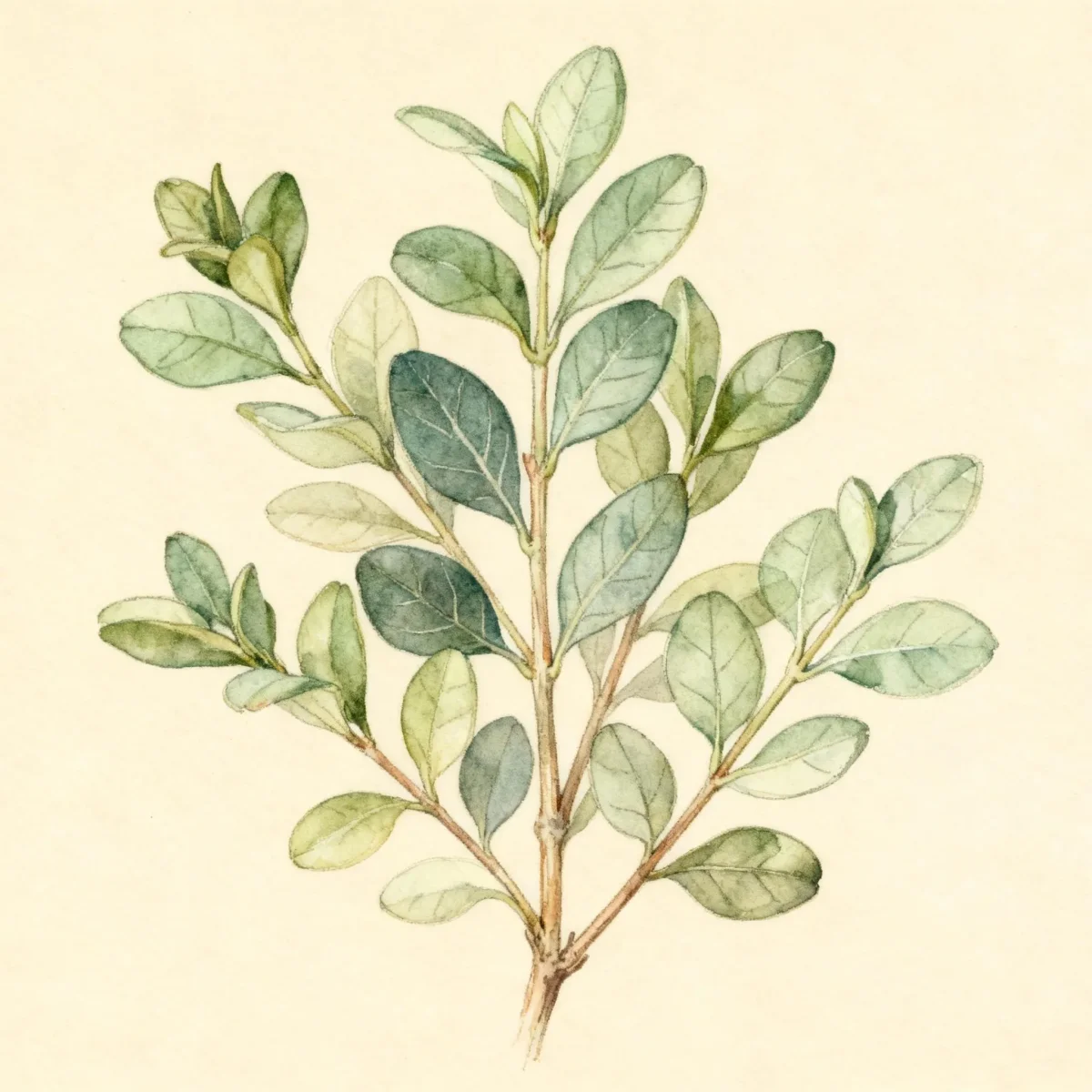
Buxus sempervirens is a rounded to broad-rounded shrub or small tree native to open woodlands and rocky hillsides in Southern Europe, Northern Africa, and Western Asia. The cultivar ‘Mary Gamble’ is an upright, dense shrub recognized by its narrowly elliptic, finely textured leaves, maturing reliably around 4 to 5 feet tall and wide. Its evergreen nature and sturdy structure make it a foundational plant for classic garden design.
Tolerances
- Rabbit
- Deer
Potential Problems
Boxwood foliage is susceptible to bronzing, where the leaves turn an unattractive brownish-yellow, particularly during harsh winters when exposed to full sun combined with drying winter winds. To mitigate this, sites sheltered from severe winter exposure are highly recommended for this Boxwood. The plant is also vulnerable to several diseases, including boxwood blight, volutella blight, and general leaf spot; ensuring good air circulation through annual thinning helps reduce humidity stress. Poorly-drained soils are a major risk factor, often leading to fatal root rot. Keep an eye out for common insect pests such as the boxwood leafminer, mite, psyllid, and the box tree moth, treating infestations promptly to protect the dense foliage of your Buxus sempervirens ‘Mary Gamble’.
Frequently Asked Questions
What hardiness zones is Boxwood suitable for?
This Boxwood, Buxus sempervirens ‘Mary Gamble’, is suitable for USDA Hardiness Zones 5 through 8.
How large does Buxus sempervirens ‘Mary Gamble’ grow?
This specific Boxwood cultivar typically achieves a mature height between 4 and 5 feet, with a similar spread ranging from 4 to 5 feet wide.
What sun exposure does the Boxwood need?
Buxus sempervirens ‘Mary Gamble’ prefers full sun to part shade conditions; morning sun is often preferred over intense, hot afternoon light.
When does this Boxwood bloom?
The inconspicuous flowers of this Boxwood appear relatively early in the season, blooming from April to May, and are described as white.
Conclusion
The Buxus sempervirens ‘Mary Gamble’ is an irreplaceable element in structured gardening, prized for its dense, upright evergreen form ideal for low hedging and shaping. This dependable Boxwood cultivar provides steadfast texture and color across USDA Zones 5-8, easily managed at a height of 4 to 5 feet. Before ordering, confirm your site conditions align with its medium water needs and preference for morning sun, and plan your pruning schedule around the last spring frost.
Companion Planting
When integrating Buxus sempervirens ‘Mary Gamble’ into a refined garden scheme, selecting companions that share similar light and moisture requirements enhances the overall display. Consider using perennials that offer contrasting textures or colors that pop against the deep, glossy green of the Boxwood foliage. Many classic cottage garden elements pair well; for example, planting late-blooming Salvias or hardy Geraniums along the base of the hedge provides reliable summer color without competing aggressively for root space.
For formal designs, pair this Boxwood with highly structured, slow-growing evergreens or dwarf conifers that echo its formal nature but offer variation in color, perhaps blues or golds. Ensure that any companion plant chosen also prefers well-drained soil, as excess moisture is detrimental to the Boxwood’s shallow root system.
Seasonal Care Calendar
Spring is the crucial time for preparing the Boxwood for its growth season. Wait diligently until after the last spring frost date to perform any significant pruning or shaping, allowing the new growth to harden off safely before shearing. Apply fresh, light layers of organic mulch (1-2 inches) around the root zone during mid-to-late spring to help retain moisture throughout the summer heat.
Summer care focuses primarily on irrigation; monitor soil moisture levels, providing medium water to prevent drought stress, which often exacerbates mite problems and foliage bronzing. In the fall, ensure the Boxwood receives adequate water leading into winter dormancy, especially if the autumn has been dry; this hydration is essential for preventing winter desiccation.
Winter protection involves siting considerations—choose a location sheltered from harsh, drying winds whenever possible. If planted in a sunny area that receives winter sun, gardeners should monitor closely for bronzing. No pruning should occur until spring, allowing the protective structure of the older wood to shield the interior of the Buxus sempervirens ‘Mary Gamble’ from extreme cold.