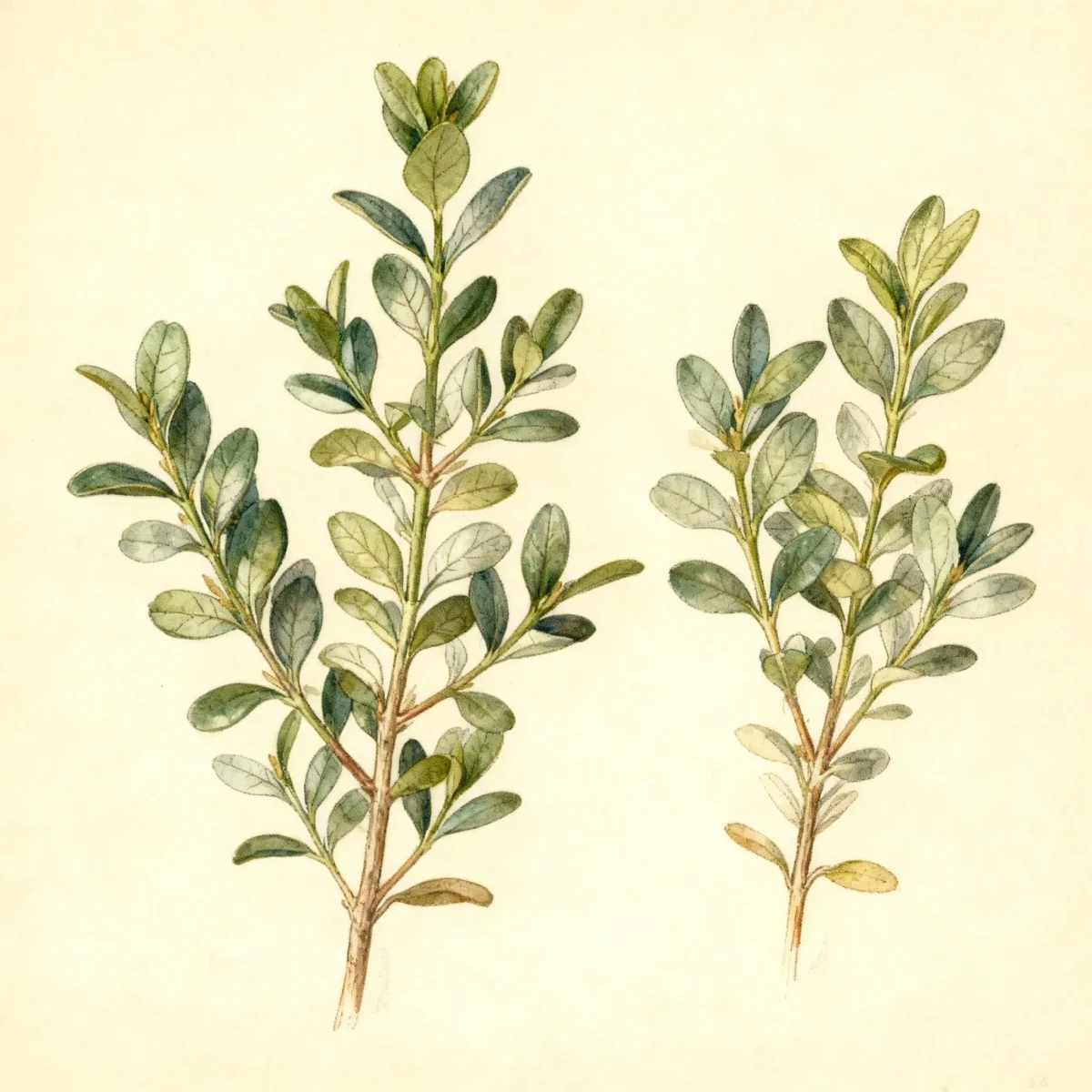
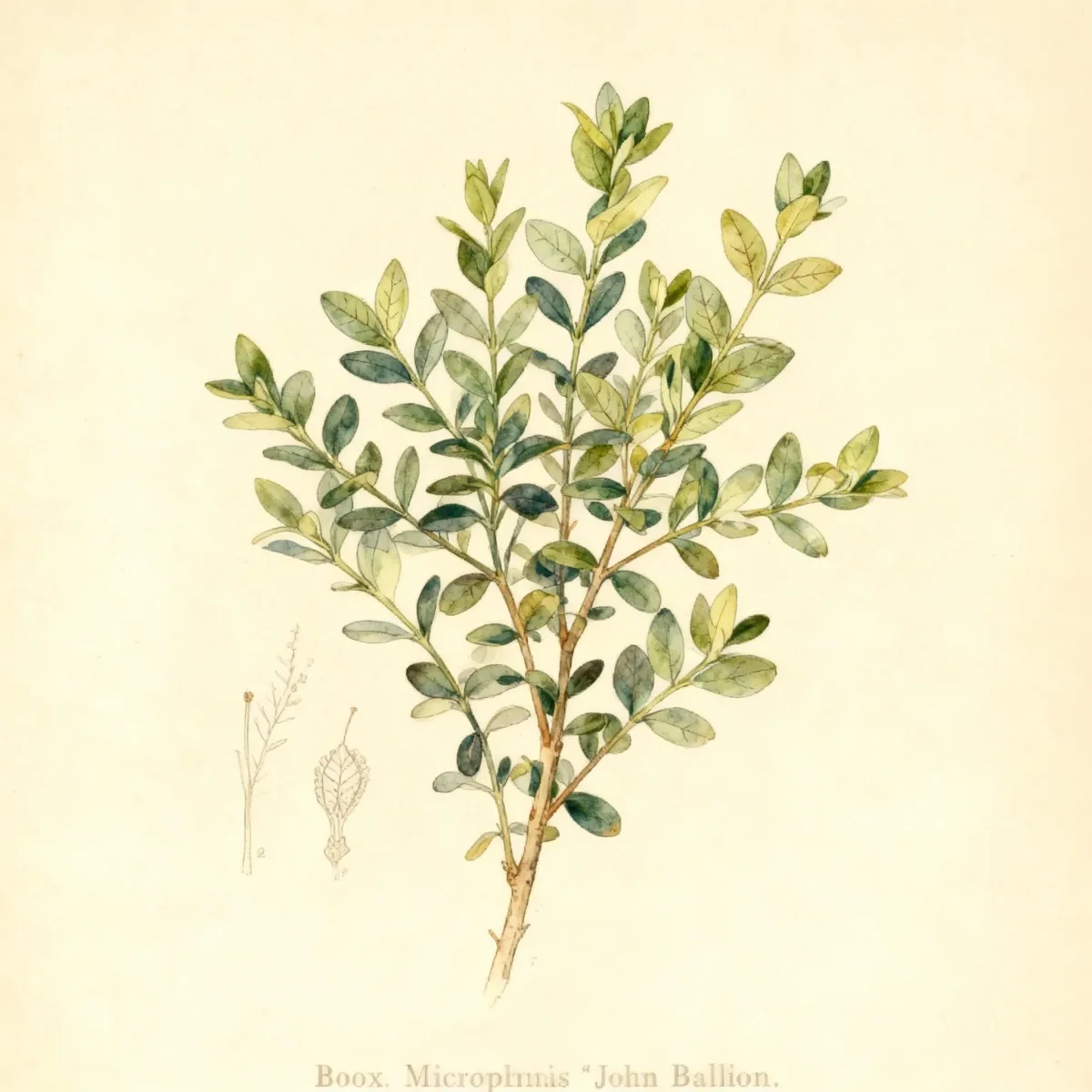
Boxwood (Buxus sempervirens 'Myrtifolia')
Buxus sempervirens 'Myrtifolia' is a dense, slow-growing Boxwood cultivar perfect for formal hedges in USDA Zones 6-8.
Scroll down to discover growing tips, care requirements, companion plants, and more
Complete Plant Information
Overview
The Buxus sempervirens ‘Myrtifolia’ is a distinguished cultivar prized for its dense, upright habit and narrow, glossy dark green foliage, making it an indispensable element in formal landscape design. As a variation of the common Boxwood, this specific variety offers reliable evergreen structure through all seasons, retaining its rich color even when exposed to winter conditions. Gardeners select this slow-growing evergreen shrub for its impeccable performance as a low hedge or as a structural accent where refined texture is paramount.
This specific Boxwood matures slowly, generally remaining manageable in height, perfect for low borders or foundational plantings where repeated shearing is desired to maintain crisp lines. While it adapts well to various light conditions, achieving the best density and color requires careful placement away from the harshest winter elements that can cause bronzing. Overall, the Buxus sempervirens ‘Myrtifolia’ provides unparalleled year-round architectural appeal to gardens across its suitable hardiness range.
Fast Facts
- Plant Family: Buxaceae
- Plant Type: Broadleaf evergreen
- Hardiness Zones: USDA Zones 6-8
- Size at Maturity:
- Height: 4-7 ft
- Spread: 4-7 ft
- Bloom Time: April to May
- Bloom Description: Greenish-cream
- Sun Exposure: Full sun to part shade
- Water Needs: Medium
- Maintenance Level: Medium
How to Grow
Planting Boxwood selections like Buxus sempervirens ‘Myrtifolia’ is best accomplished in spring or early fall, allowing roots time to establish before temperature extremes. This evergreen thrives in evenly moist, well-drained loams, often performing well in sand-clay mixtures. Site the plant in locations receiving full sun to partial shade; while it tolerates very deep shade, growth will be less vigorous and the foliage more open in darker conditions.
Care centers around consistent moisture management, especially during the first few growing seasons. While needing medium water, ensure excellent drainage to prevent root rot, a common issue for Boxwood prone to sitting in soggy soil. Avoid cultivating deeply around the base, as these shrubs possess shallow roots; instead, apply 1-2 inches of organic mulch, such as compost or bark, to conserve moisture and moderate soil temperature.
Pruning and shearing are essential maintenance tasks, but timing is critical. Never shear the Buxus sempervirens ‘Myrtifolia’ too early in spring, as new, tender growth can be severely damaged by a late frost. Removing dead or damaged branches annually improves interior air circulation, which helps guard against fungal issues. Furthermore, site your Boxwood where it is sheltered from harsh winter winds, which exacerbate leaf dehydration and cause unsightly winter bronzing.
Landscape Uses
The structure and classic appeal of Buxus sempervirens ‘Myrtifolia’ make it highly versatile, moving seamlessly from formal European designs to modern mixed borders. Its dense, upright form is perfectly suited for creating geometric low hedges, acting as formal edging along walkways, or defining spaces in Mediterranean gardens. These plants also excel as vertical specimens or accents near foundations where year-round greenery is desired.
For those practicing topiary, this cultivar responds excellently to detailed shearing, allowing for the creation of precise shapes that serve as focal points. When massed, the Boxwood creates an unbroken, narrow visual screen. Consider planting near lighter-colored perennials or white-flowering shrubs whose brightness will contrast beautifully with the Boxwood’s deep, glossy green leaves.
Standout Features
Flower Qualities
- Insignificant
Noteworthy Characteristics
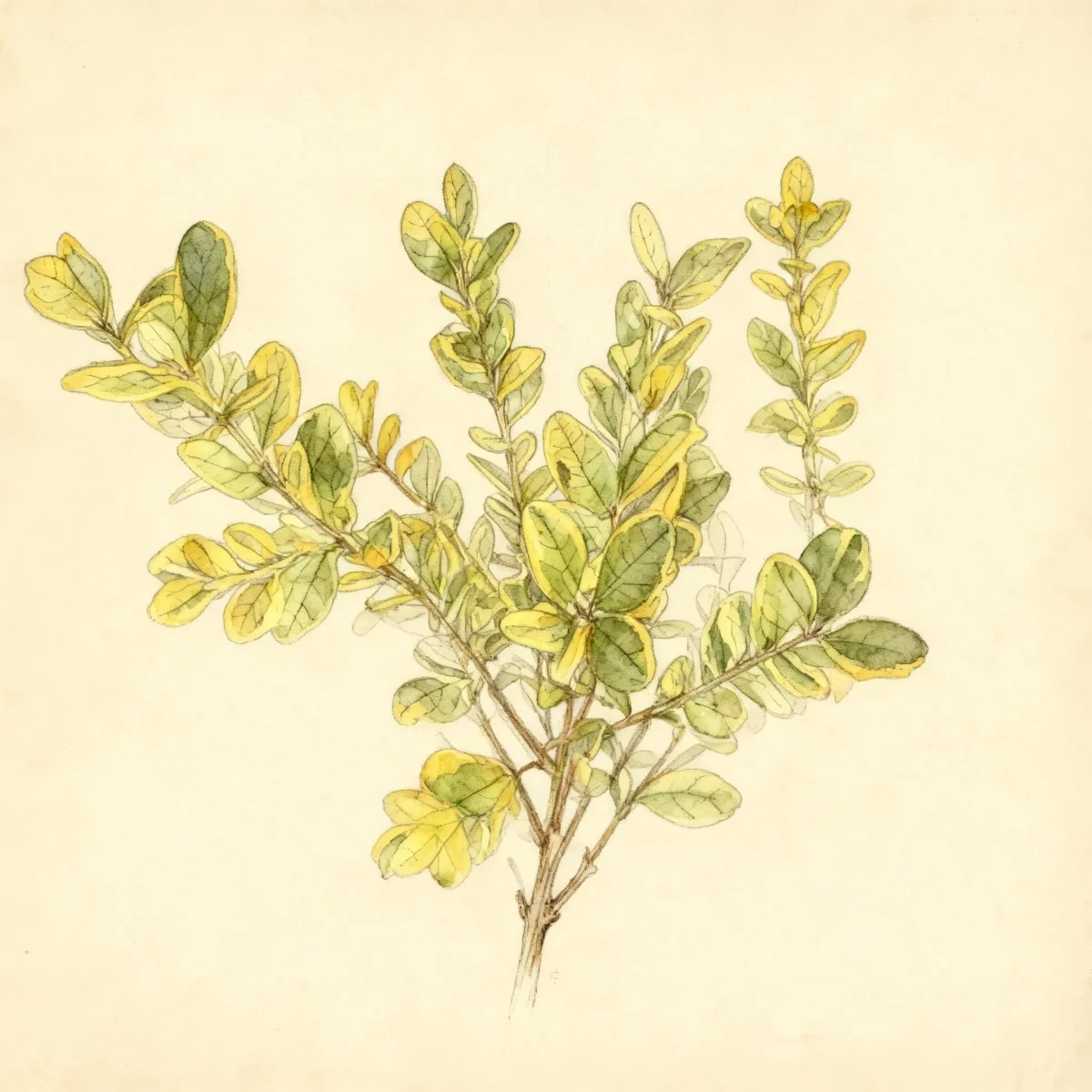
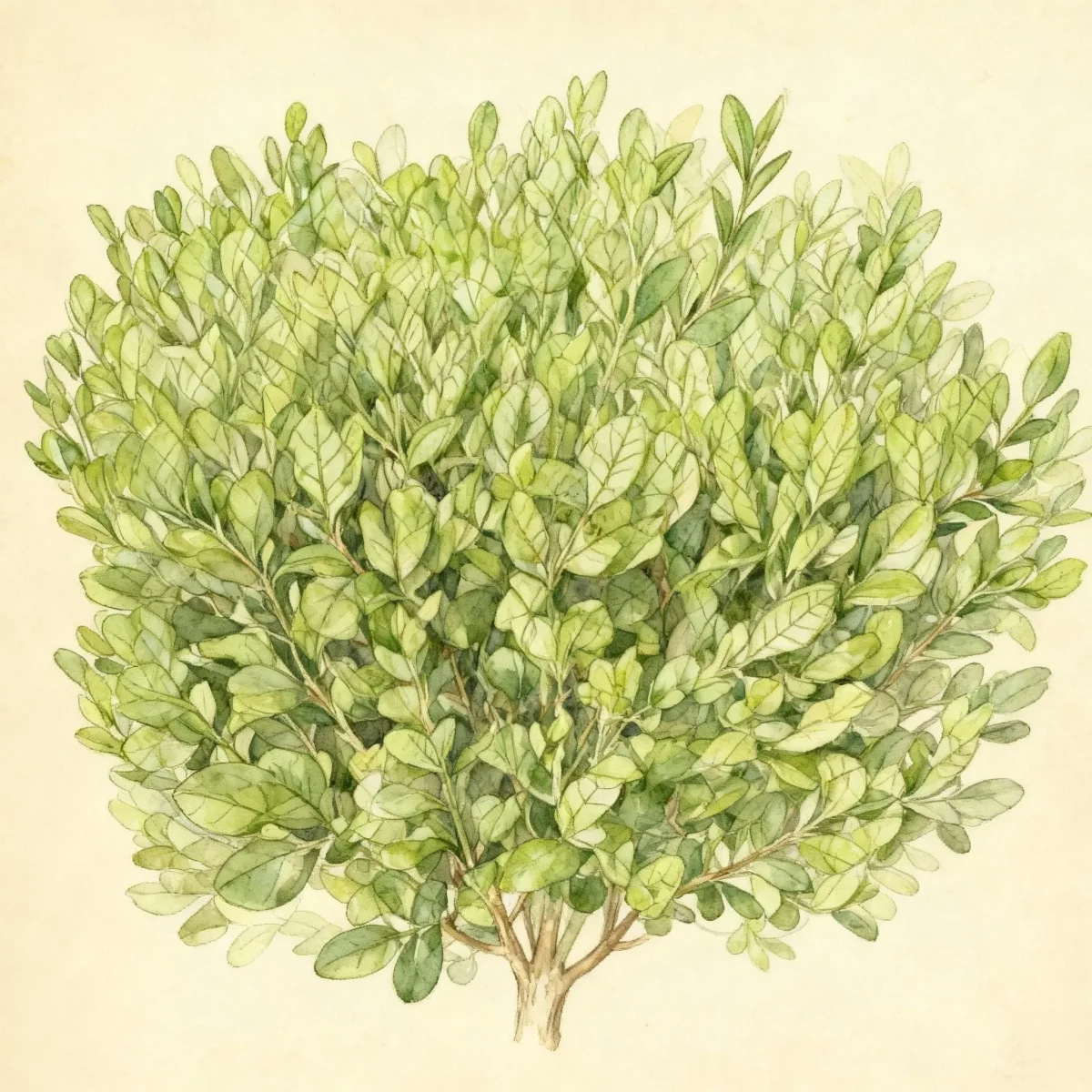
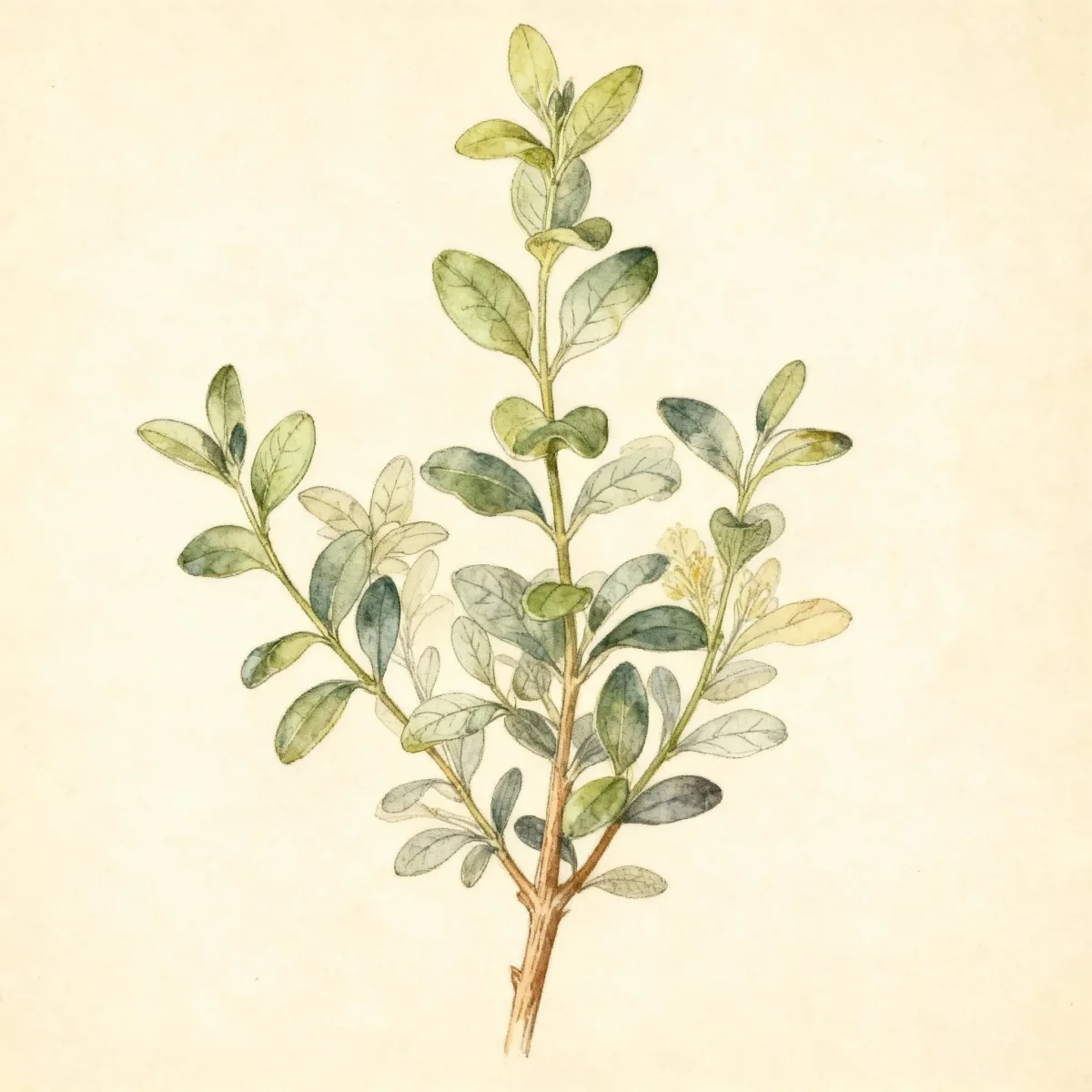
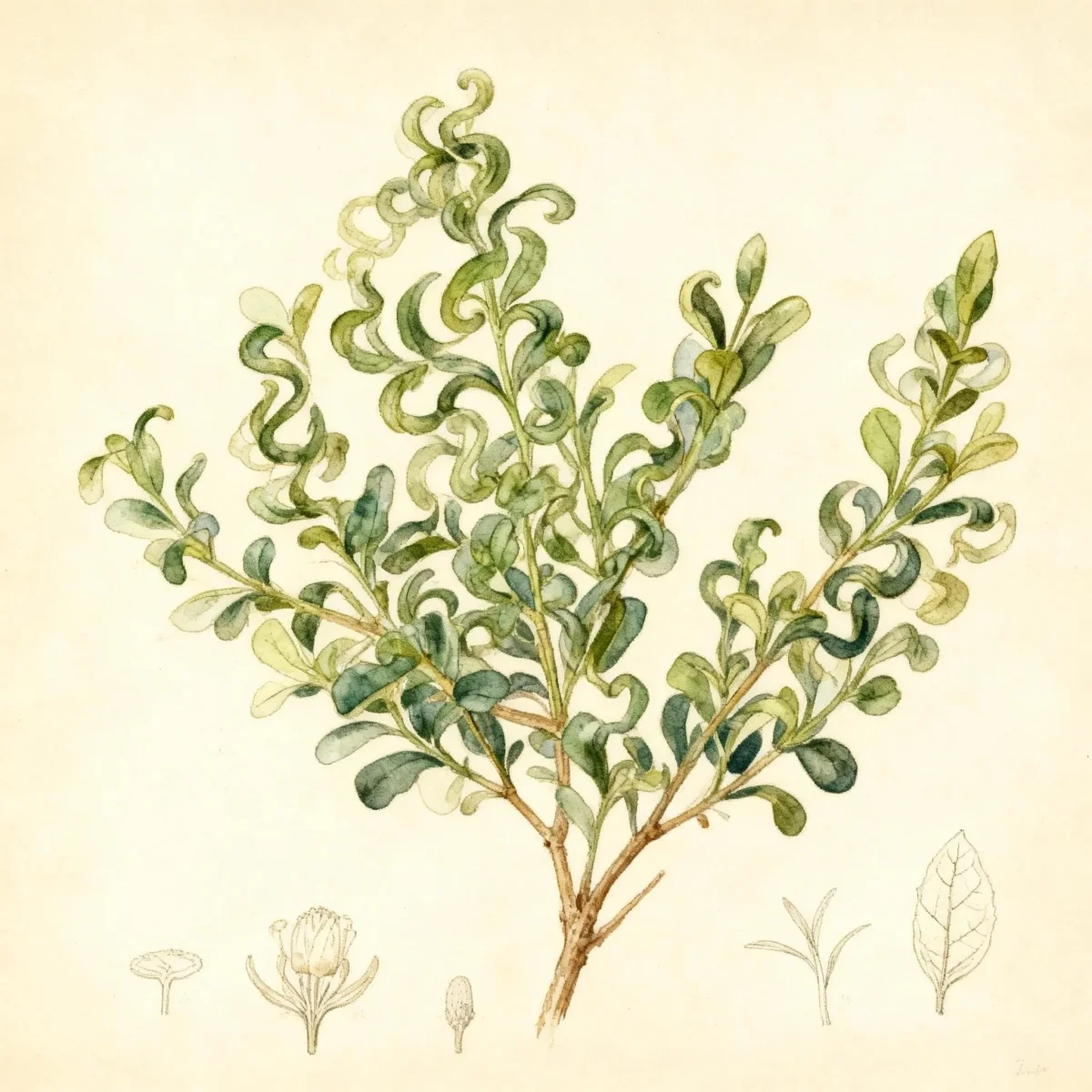
Buxus sempervirens ‘Myrtifolia’ maintains a distinctly rounded to broad-rounded growth habit, maturing slowly into a dense evergreen shrub typically reaching 6-7 feet tall eventually. Its defining feature is the narrow-elliptic, glossy dark green leaves, which are slightly smaller than the species, somewhat resembling myrtle foliage, accounting for its cultivar name. This specific Boxwood offers consistent texture and color, though foliage can show bronze tones in exposure to intense winter sun and wind.
Tolerances
- Rabbit
- Deer
Potential Problems
A primary aesthetic concern for Boxwood growing in exposed sites is foliage bronzing. This unattractive brownish-yellow discoloration occurs in harsh winters, particularly when plants face both full sun and drying winter winds, stripping moisture from the leaves. To mitigate this, site Buxus sempervirens ‘Myrtifolia’ in locations protected from strong winds and intense afternoon winter sun when possible.
Fungal diseases pose significant threats; the plant is susceptible to boxwood blight, volutella blight, and general leaf spot diseases. Good air circulation, achieved through pruning crowded interior branches, is key to prevention. Additionally, poor drainage leads to root rot; ensure your loamy soil drains exceptionally well, as consistent standing water is fatal to this plant. Watch for pests like the boxwood leafminer and boxwood mite, treating new growth promptly if infestations are noted.
Frequently Asked Questions
What hardiness zones is Boxwood suitable for?
This specific Boxwood variety, Buxus sempervirens ‘Myrtifolia’, is reliably hardy in USDA Zones 6 through 8. Always ensure adequate winter protection if planting near the colder limits of Zone 6.
How large does Buxus sempervirens ‘Myrtifolia’ grow?
In terms of size, garden specimens generally mature to heights between 4 and 7 feet, with a spread of 4 to 7 feet, though growth tends to be slow, especially in the first decade.
What sun exposure does Boxwood need?
This cultivar performs best when grown in conditions ranging from full sun to partial shade. Be cautious with prolonged, intense afternoon sun, especially in low winter temperatures, as this increases the risk of foliage scorching or bronzing.
When does Buxus sempervirens ‘Myrtifolia’ bloom?
Flowering occurs moderately early in the season, typically from April to May, producing small, inconspicuous flowers described as greenish-cream in color.
Conclusion
The Buxus sempervirens ‘Myrtifolia’ remains a cornerstone evergreen for structure, formal elegance, and reliable year-round privacy when managed correctly. Featuring dense growth and refined foliage, this Boxwood cultivar is an excellent choice for defining landscape architecture. Before planting, confirm your local hardiness zone compatibility and prepare a well-draining soil site sheltered from severe winter exposure.
Companion Planting
When selecting companions for the Boxwood, focus on plants that share similar preferences for well-drained soil and the ability to tolerate partial shade. Hostas, Ferns, and Astilbes thrive in similar filtered light conditions and offer soft, contrasting textures against the sharp form of the evergreen shrub. For year-round visual interest, mass planting of evergreen groundcovers like Pachysandra or low-growing Heuchera beneath the canopy can effectively shade the shallow root zone of the Boxwood.
Seasonal Care Calendar
Spring is the crucial time for maintenance preparation; wait until after the last expected frost date to prune or shear the Buxus sempervirens ‘Myrtifolia’, allowing tender new growth to harden off safely. Focus early summer care on deep, consistent watering during dry spells to keep the soil evenly moist. In late fall, before the ground freezes, ensure the plant has access to moisture, as this primes the foliage to better resist winter dehydration and reduce the likelihood of bronzing throughout the dormant season.