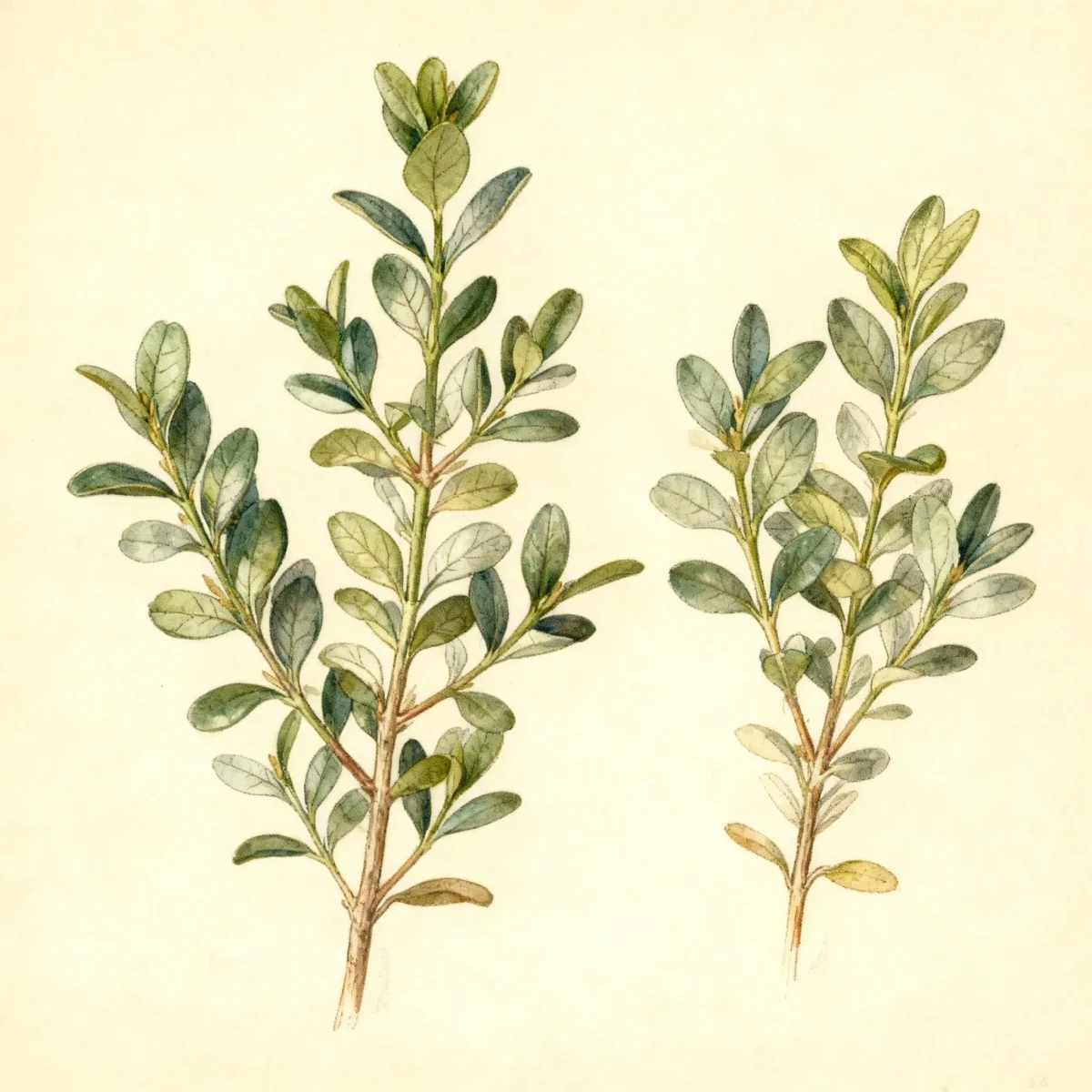
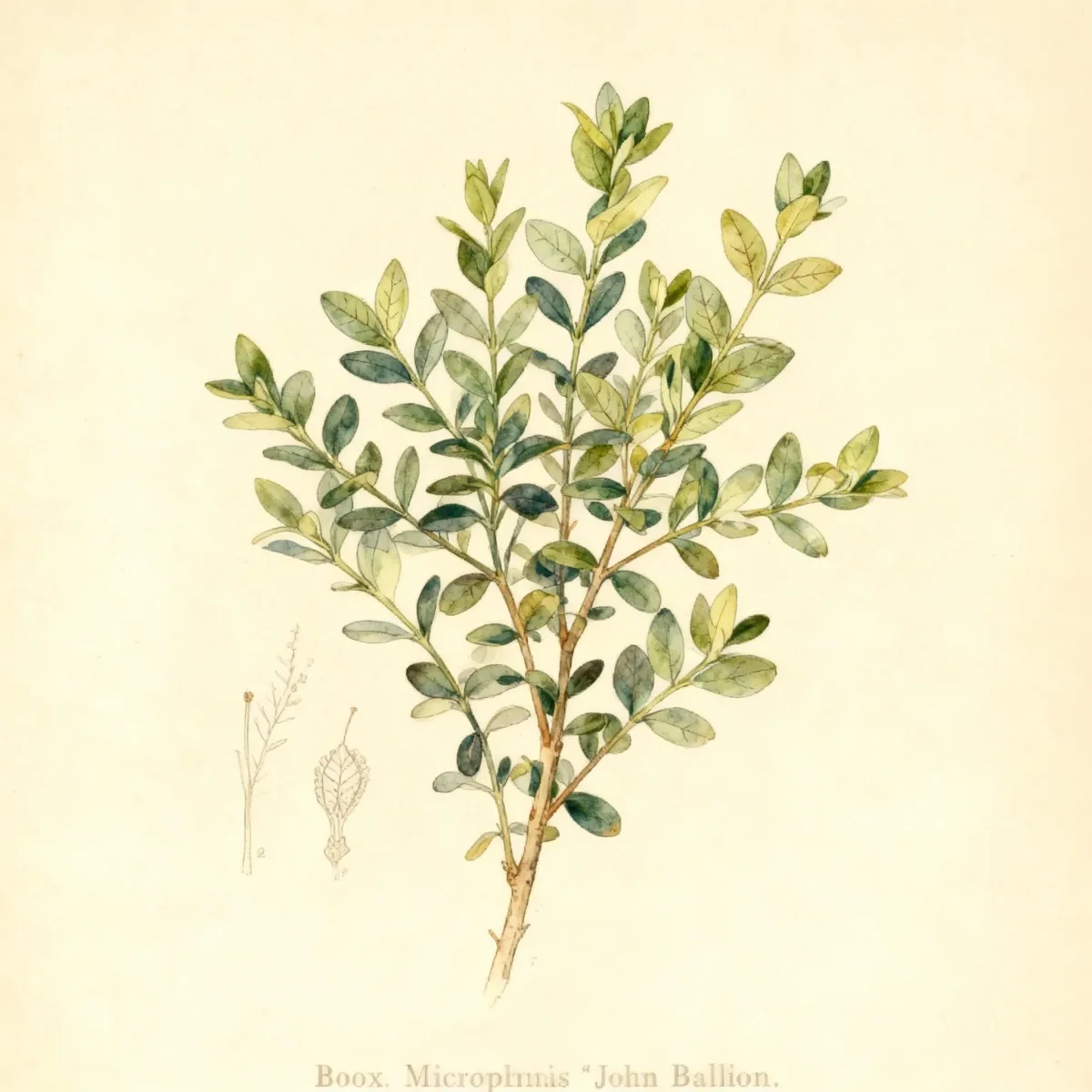
Boxwood (Buxus sempervirens 'Natchez')
Buxus sempervirens 'Natchez' Boxwood is a dense, compact broadleaf evergreen ideal for formal hedges and foundation plantings in USDA Zones 5-8.
Scroll down to discover growing tips, care requirements, companion plants, and more
Complete Plant Information
Overview
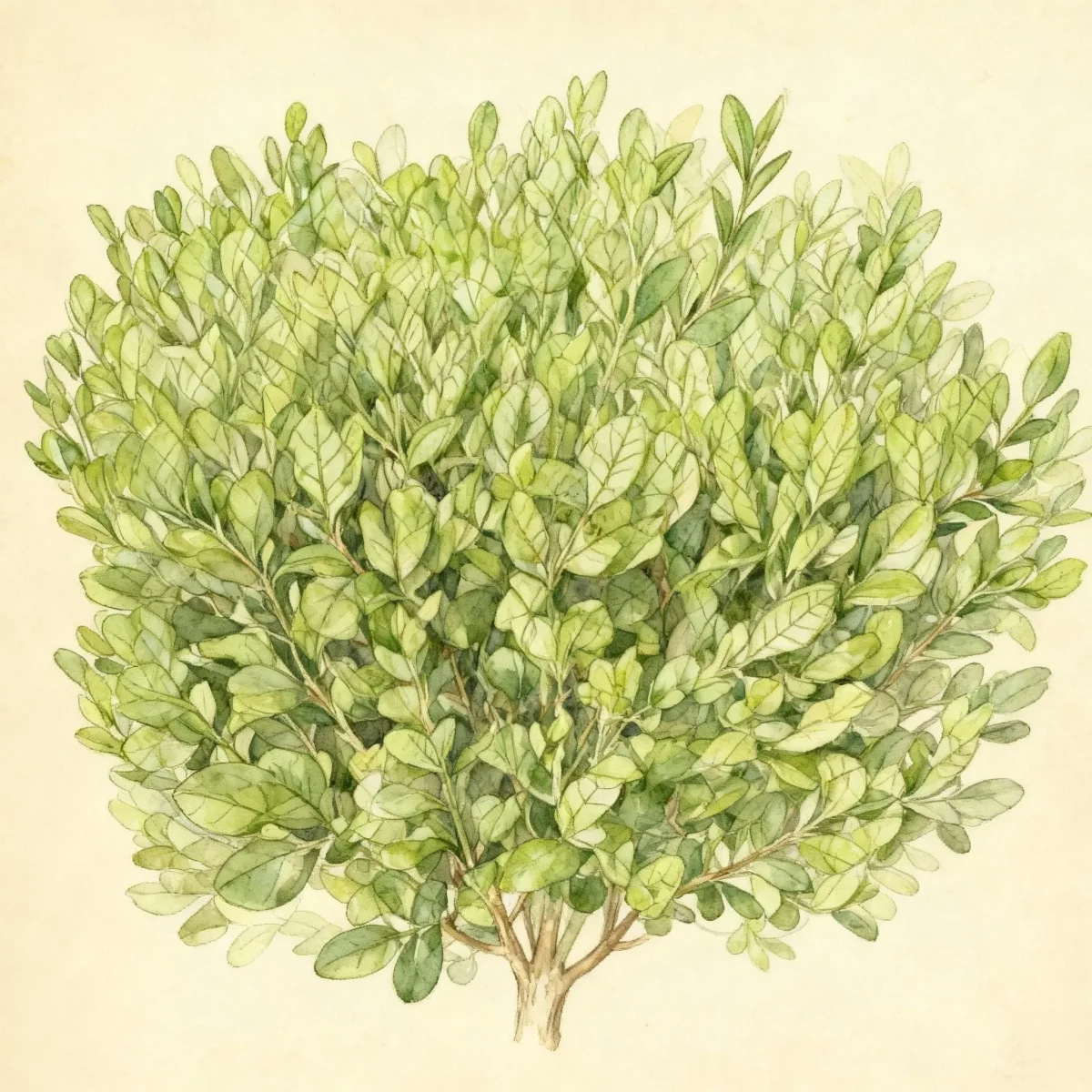
The Buxus sempervirens ‘Natchez’ offers gardeners a dense, robust evergreen option prized for its formal structure in the landscape. This specific Boxwood cultivar maintains a neat, compact, rounded habit, making it an indispensable choice for defining garden spaces or acting as reliable foundation planting material. Its dark, glossy green foliage, which retains good color even through winter exposure, provides year-round structure.
This variety of common Boxwood is highly valued for its suitability as a low hedge or topiary subject, offering excellent texture and visual weight throughout all four seasons. Mature sizes are reliably modest, typically reaching 3 to 4 feet tall and 2 to 3 feet wide, answering the demand for low-maintenance screening and edging. Gardeners appreciate the reliable evergreen nature of Buxus sempervirens ‘Natchez’ for providing consistent visual interest where other plants may fade.
Fast Facts
- Plant Family: Buxaceae
- Plant Type: Broadleaf evergreen
- Hardiness Zones: USDA Zones 5-8
- Size at Maturity:
- Height: 3-4 ft
- Spread: 2-3 ft
- Bloom Time: April to May
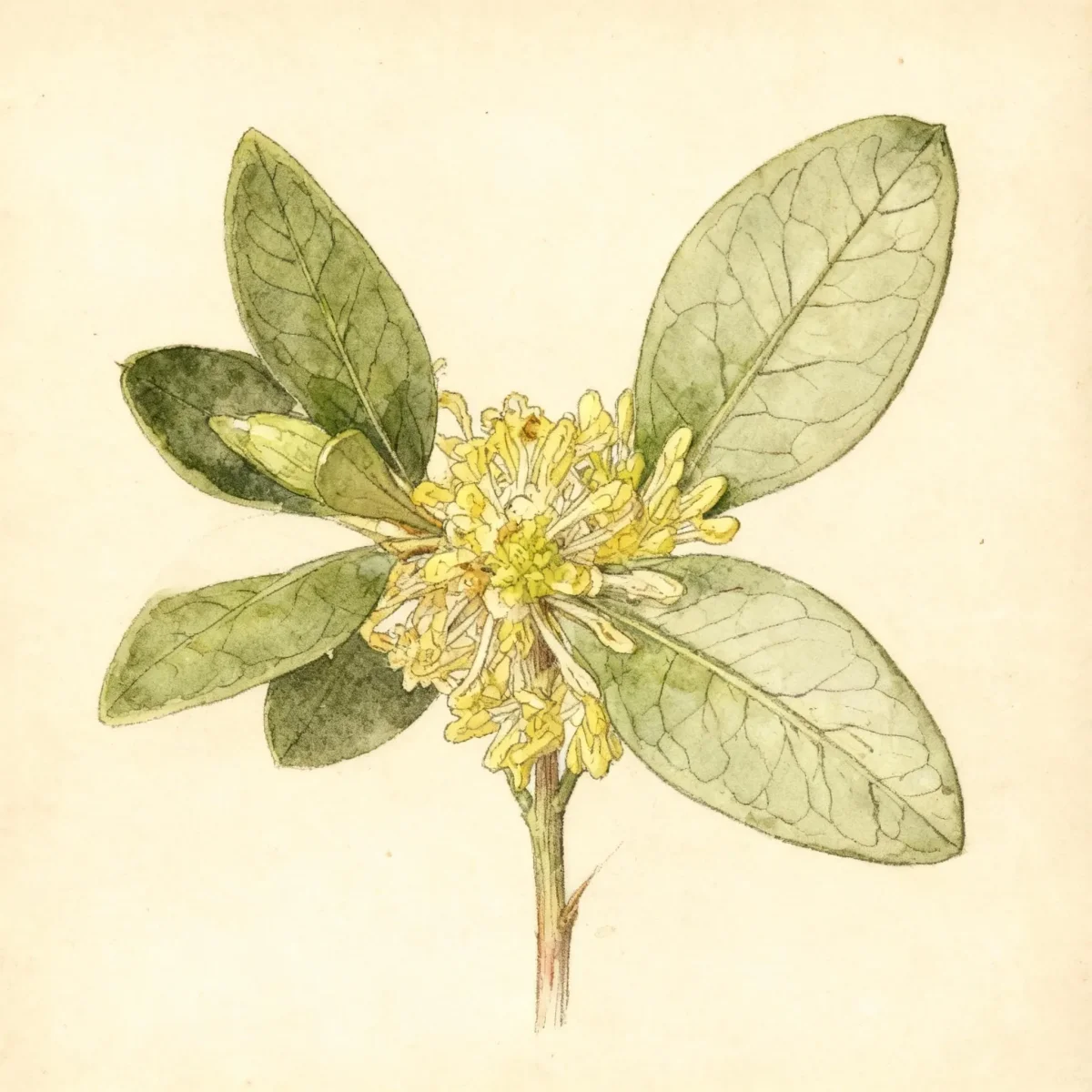
- Bloom Description: Green to white
- Sun Exposure: Full sun to part shade
- Water Needs: Medium
- Maintenance Level: Medium
How to Grow
Plant Buxus sempervirens ‘Natchez’ best when soil conditions match its preference: evenly moist, well-drained loams with a texture that might be a sand-clay mixture. While it tolerates a variety of part shade situations, including dappled light or morning sun, growth will be less vigorous and foliage density decreased in deep, dark shade. Aim for a slightly acidic to slightly alkaline pH range for optimal establishment.
Watering should be consistent, maintaining medium moisture levels, especially when young. Avoid cultivating deeply around Boxwood plants, as they are known for their shallow root systems; instead, apply a 1 to 2-inch layer of organic mulch, like compost or bark, to conserve soil moisture and regulate temperature. Protection from strong winter winds is crucial, as dehydration caused by wind pulling moisture from the leaves often results in unattractive winter bronzing.
Pruning and shearing are well tolerated by this Boxwood variety. However, never prune prior to the last expected spring frost. Early shearing promotes tender new growth that is highly susceptible to damage from subsequent late frosts. Annual thinning of dead or damaged branches improves internal air circulation, which is key to mitigating fungal issues.
Landscape Uses
The inherent formality and dependability of Buxus sempervirens ‘Natchez’ make it a staple for structured garden designs. It excels when massed to create dense, narrow hedges that define pathways or property lines within formal gardens or Mediterranean-themed landscapes. Its compact, rounded shape makes it exceptionally suitable for use as topiary, providing low-level architectural interest.
Beyond hedging, this Boxwood serves perfectly as a vertical specimen or accent piece nestled against a foundation, or as a consistent structural element mixed into perennial borders where seasonal bloomers provide contrast. Its evergreen nature ensures that structure remains long after perennials have gone dormant, keeping the design intact.
Standout Features
Flower Qualities
- Insignificant
Noteworthy Characteristics
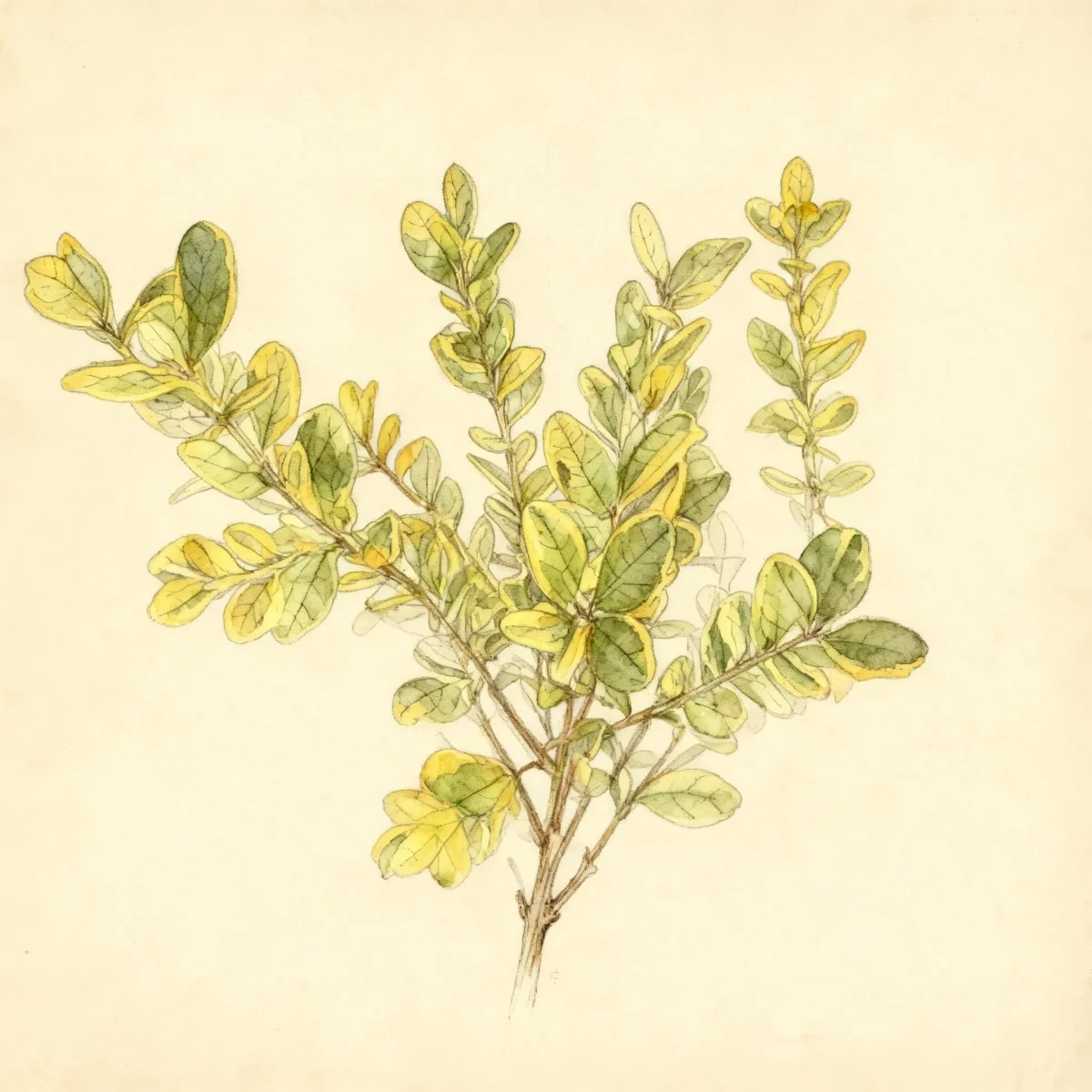
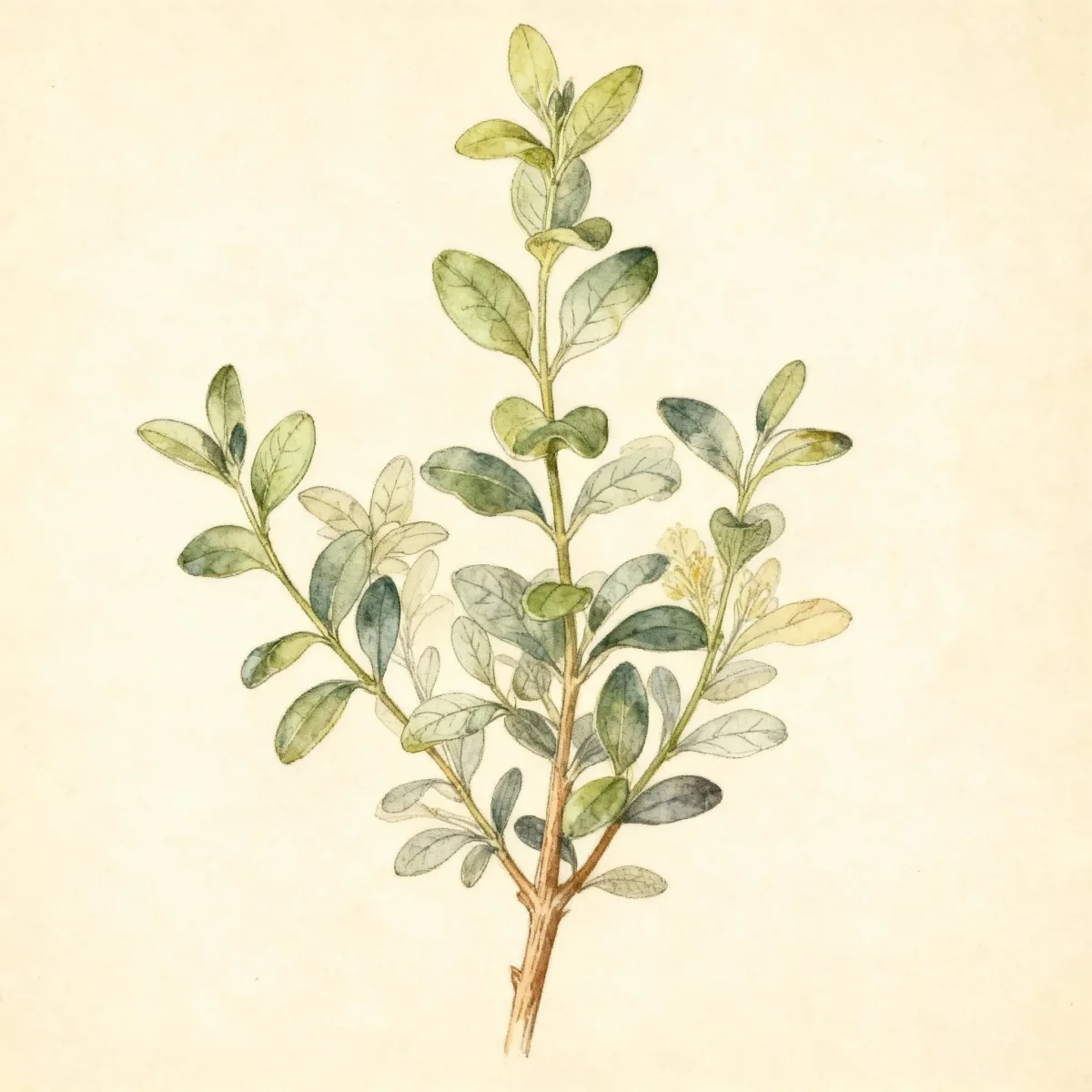
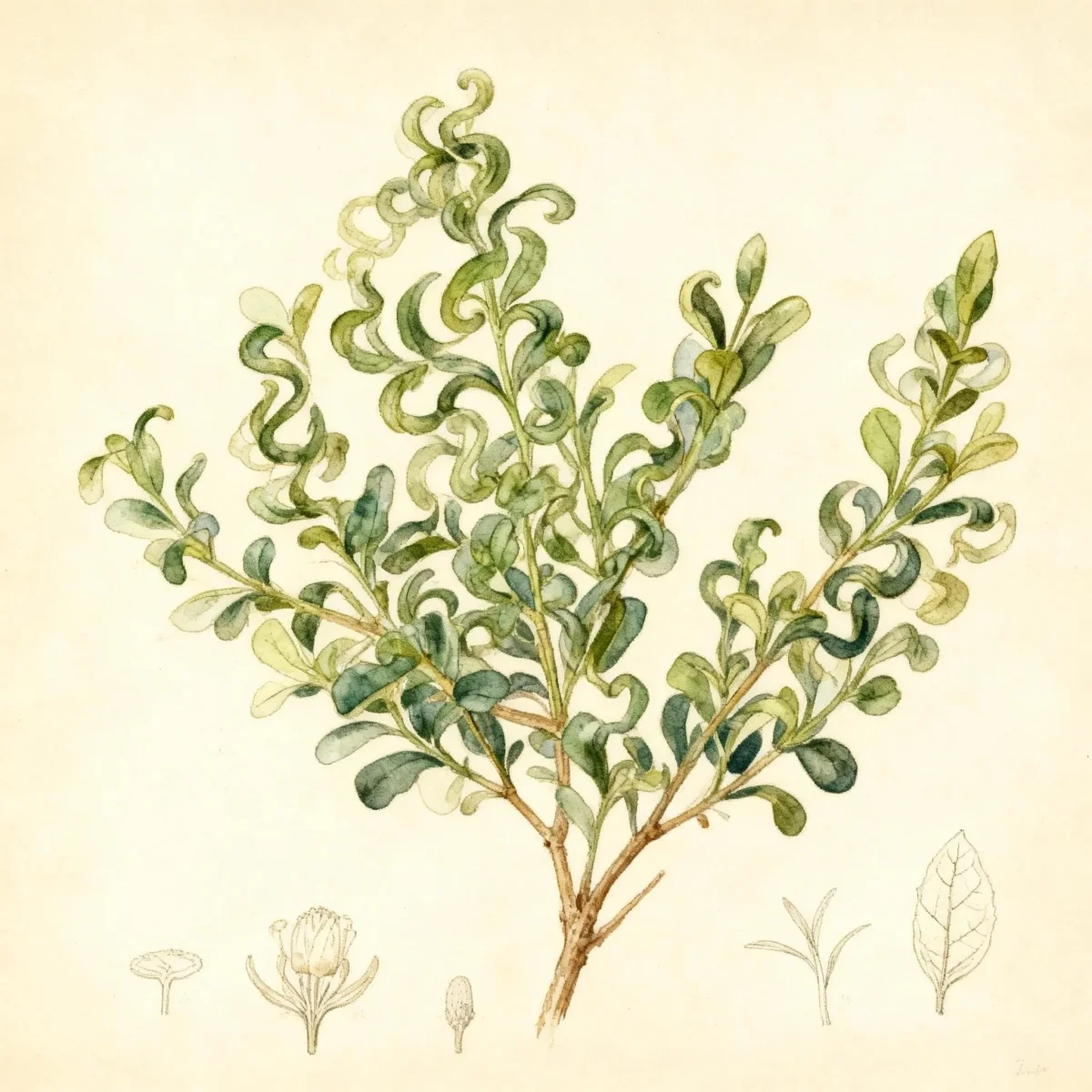
Buxus sempervirens yields small, elliptic to oval, smooth-margined leaves that are dark glossy green above and yellowish-green underneath. The species typically matures as a shrub from 5 to 15 feet tall, though some specimens can reach tree height. The cultivar ‘Natchez’ is specifically noted for its compact, rounded form, maturing around 4 feet tall, and its dark blue-green leaves that maintain their color well during winter months.
Tolerances
- Rabbit
- Deer
Potential Problems
Boxwood foliage can bronze significantly, turning a brownish-yellow, particularly if exposed to intense full sun combined with harsh winter winds, causing dehydration. To mitigate this, site Boxwood in locations sheltered from severe winter weather whenever possible. Poorly drained soils must be avoided, as they create conditions ripe for root rot.
Fungal issues such as boxwood blight, leaf spot, and volutella blight pose ongoing threats, often exacerbated by humidity and poor air circulation. Management involves ensuring good airflow through annual thinning and treating affected areas appropriately. Monitor closely for common pests like the boxwood leafminer, mite, and psyllid, applying targeted controls immediately upon detection to protect the dark foliage of your Buxus sempervirens ‘Natchez’.
Frequently Asked Questions
What hardiness zones is Boxwood suitable for?
This Boxwood variety, Buxus sempervirens ‘Natchez’, thrives in USDA Hardiness Zones 5 through 8. Ensure your planting site falls within this range for best results.
How large does Buxus sempervirens ‘Natchez’ grow?
Mature height is generally between 3 and 4 feet, with a corresponding spread of 2 to 3 feet, maintaining a very manageable, compact, rounded form.
What sun exposure does Boxwood need?
This plant performs well in conditions ranging from full sun to part shade. Excessive full summer sun, however, can increase the risk of scorching or mite infestations on the foliage.
When does Buxus sempervirens ‘Natchez’ bloom?
The inconspicuous flowers appear relatively early in the season, typically blooming from April to May, characterized by their green to white coloration.
Conclusion
The reliability and dense, evergreen structure offered by Buxus sempervirens ‘Natchez’ make it an essential foundation plant capable of providing formal structure year-round. Its compact habit is perfect for low hedges and precise shaping. Before planting, confirm your local hardiness zone within USDA 5-8 and ensure well-drained soil to maximize the long-term health of your Boxwood investment.
Container Growing
Growing Boxwood, including the desirable Buxus sempervirens ‘Natchez’, in containers is entirely feasible, making them excellent choices for patios or formal entryways where permanent structure is desired. Use a high-quality potting mix amended with grit or perlite to ensure superior drainage, imitating the loam preference of these plants. Ensure containers are large enough to house the 2–3 foot spread comfortably, as root-bound plants will quickly decline.
When containerizing, pay extra attention to moisture control, as pots dry out much faster than garden beds. While Zone 5 temperatures can freeze root balls solid, you may need to insulate containers or move them to an unheated garage for winter protection to prevent root damage and excessive winter bronzing from dehydration.
Companion Planting
Because Boxwood prefers medium moisture and slightly acidic to neutral soil, select companion plants that share similar cultural requirements rather than those demanding constant boggy conditions or intense dry spells. Good partners for Buxus sempervirens ‘Natchez’ include slow-growing, shade-tolerant perennials like Hellebores (Helleborus spp.) or creeping groundcovers such as Pachysandra terminalis. These companions complement the evergreen structure without competing aggressively for surface nutrients due to the Boxwood’s shallow roots. For seasonal color contrast against the dark green foliage, consider planting early spring bulbs like Snowdrops (Galanthus nivalis) or Muscari, allowing them to emerge before the Boxwood’s structure fully dominates the view.