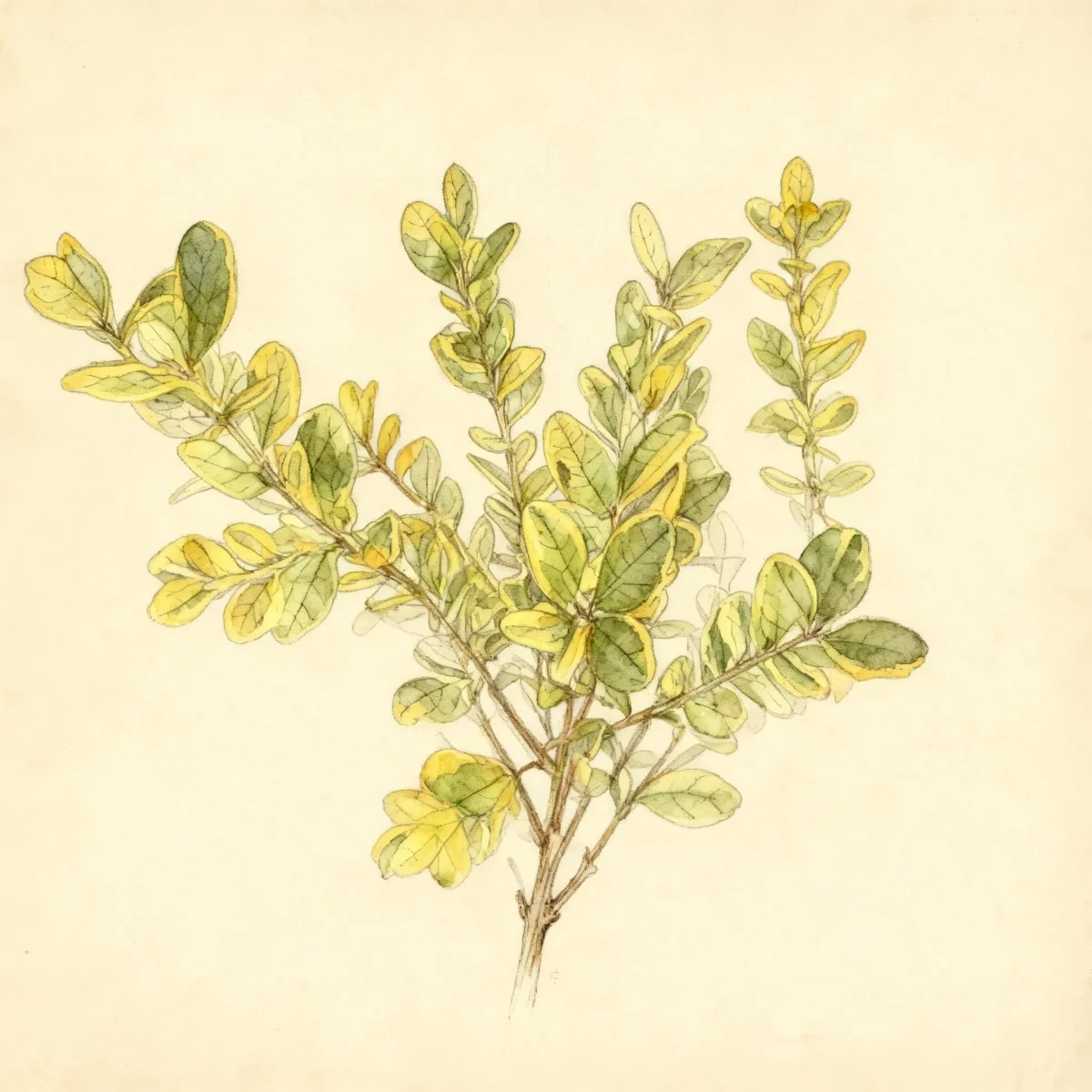
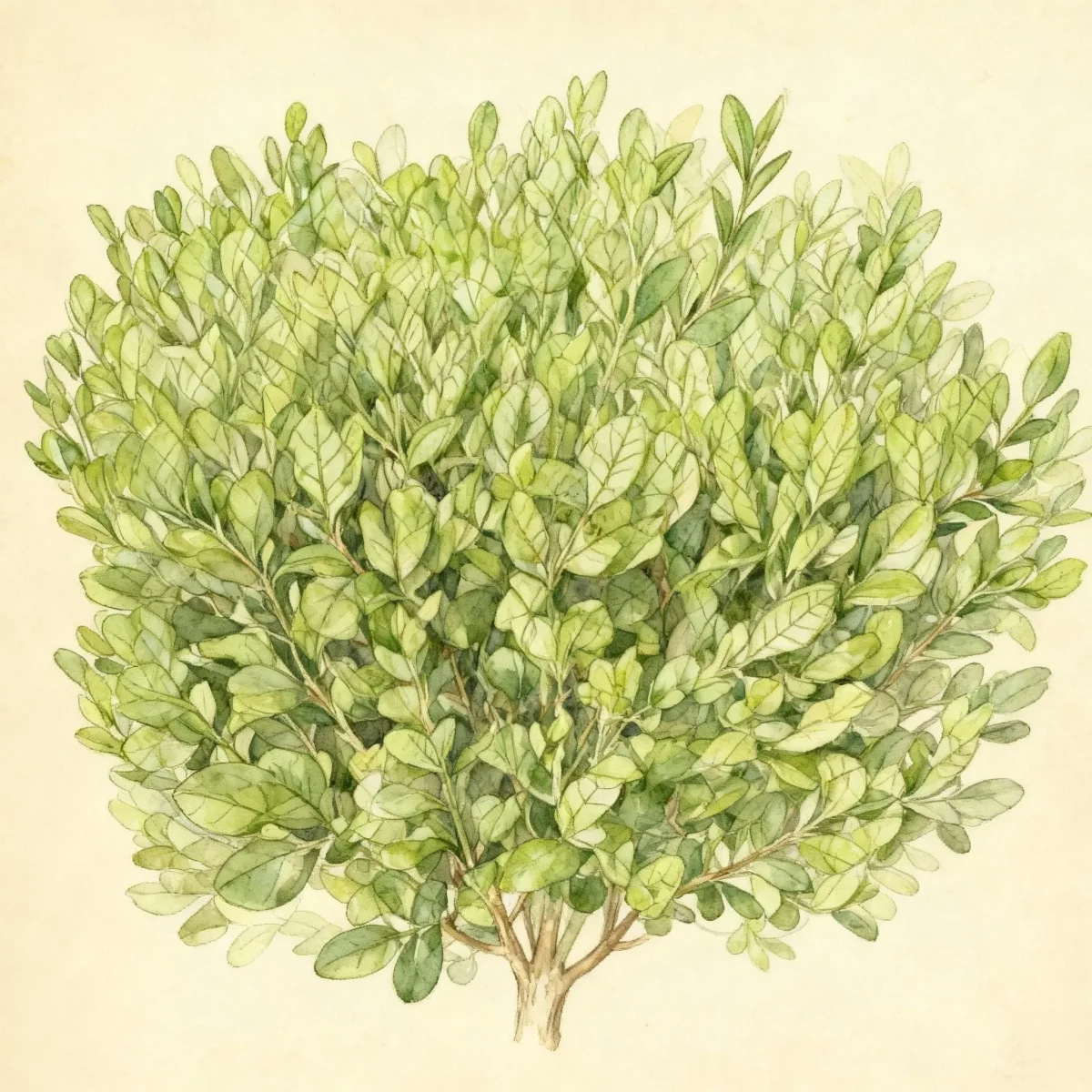
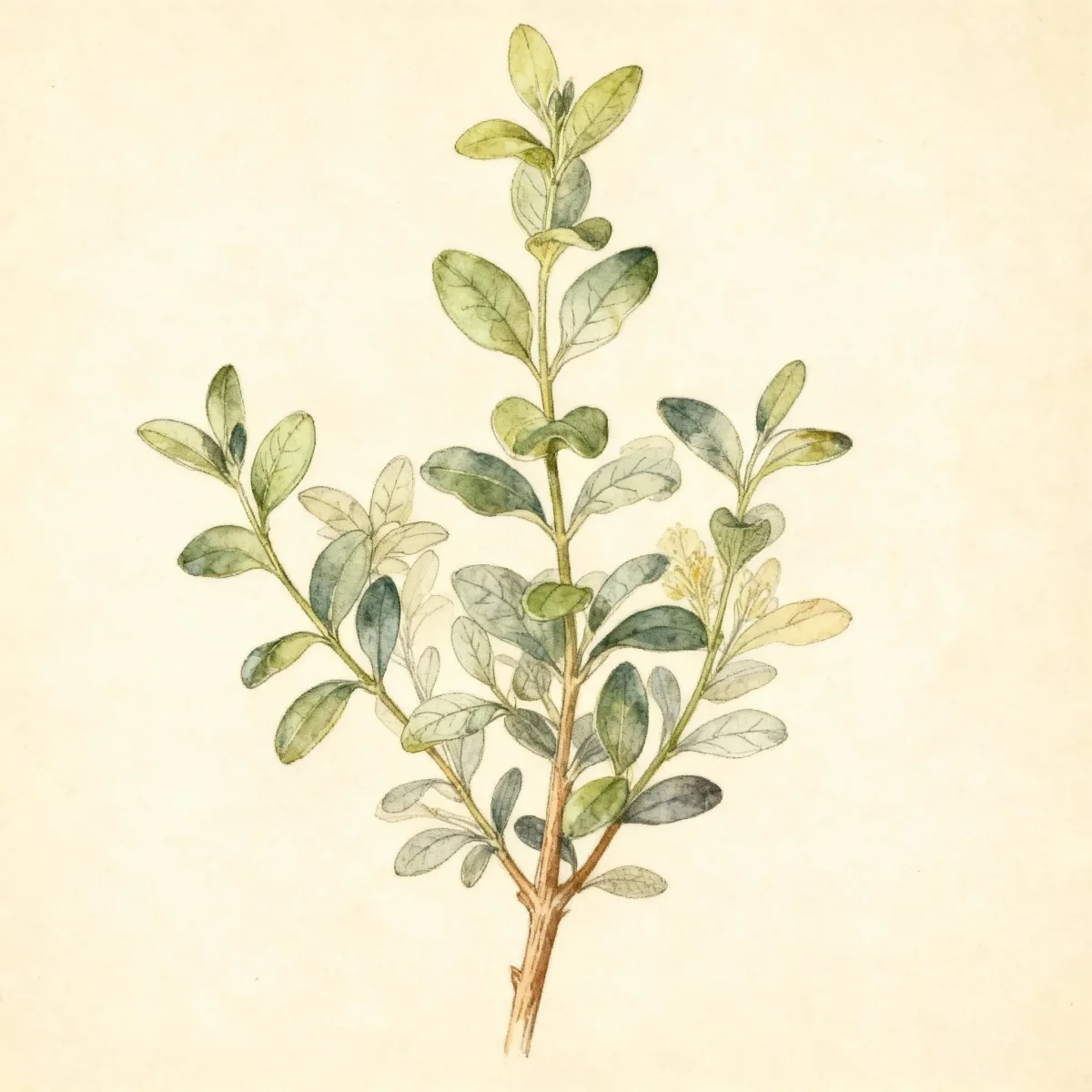
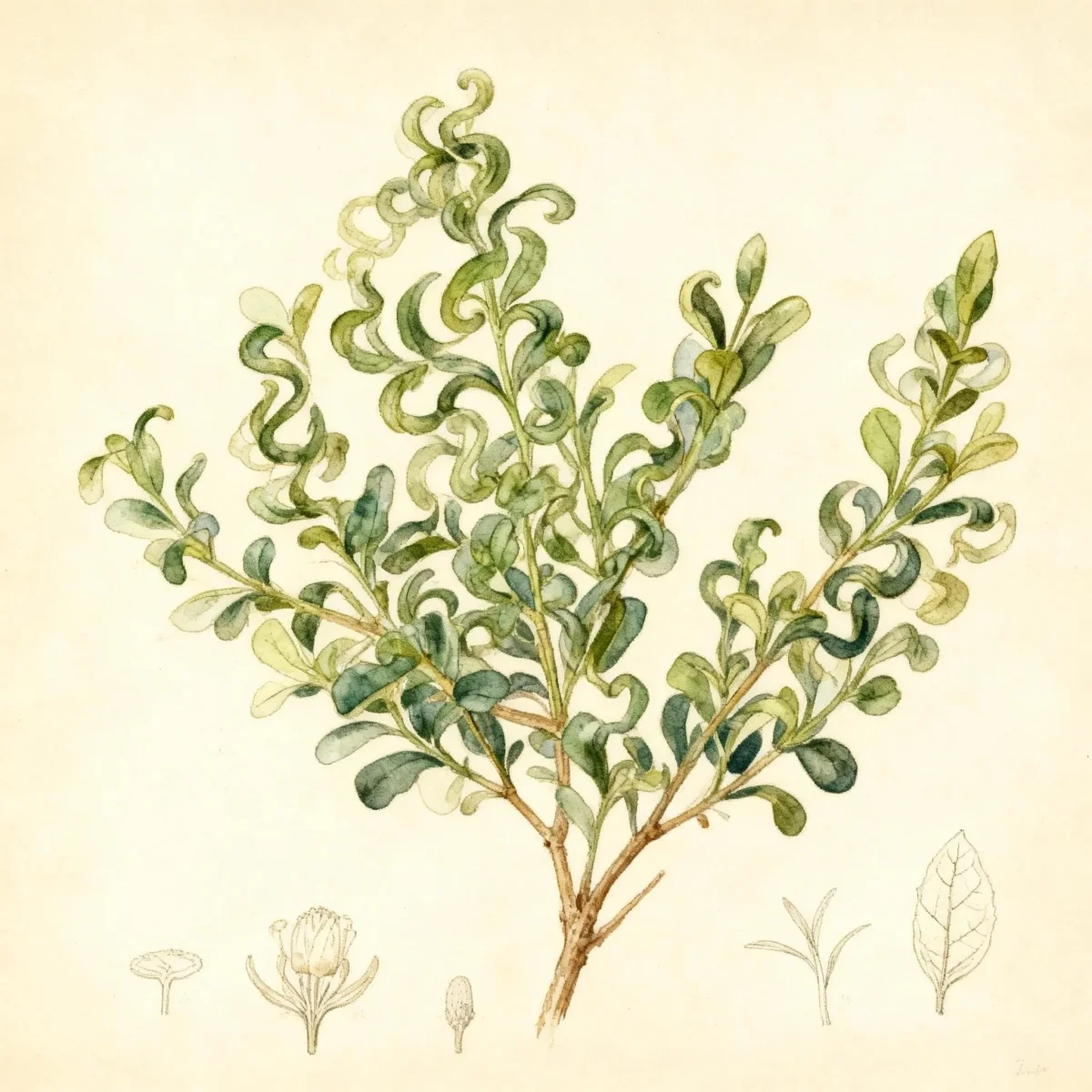
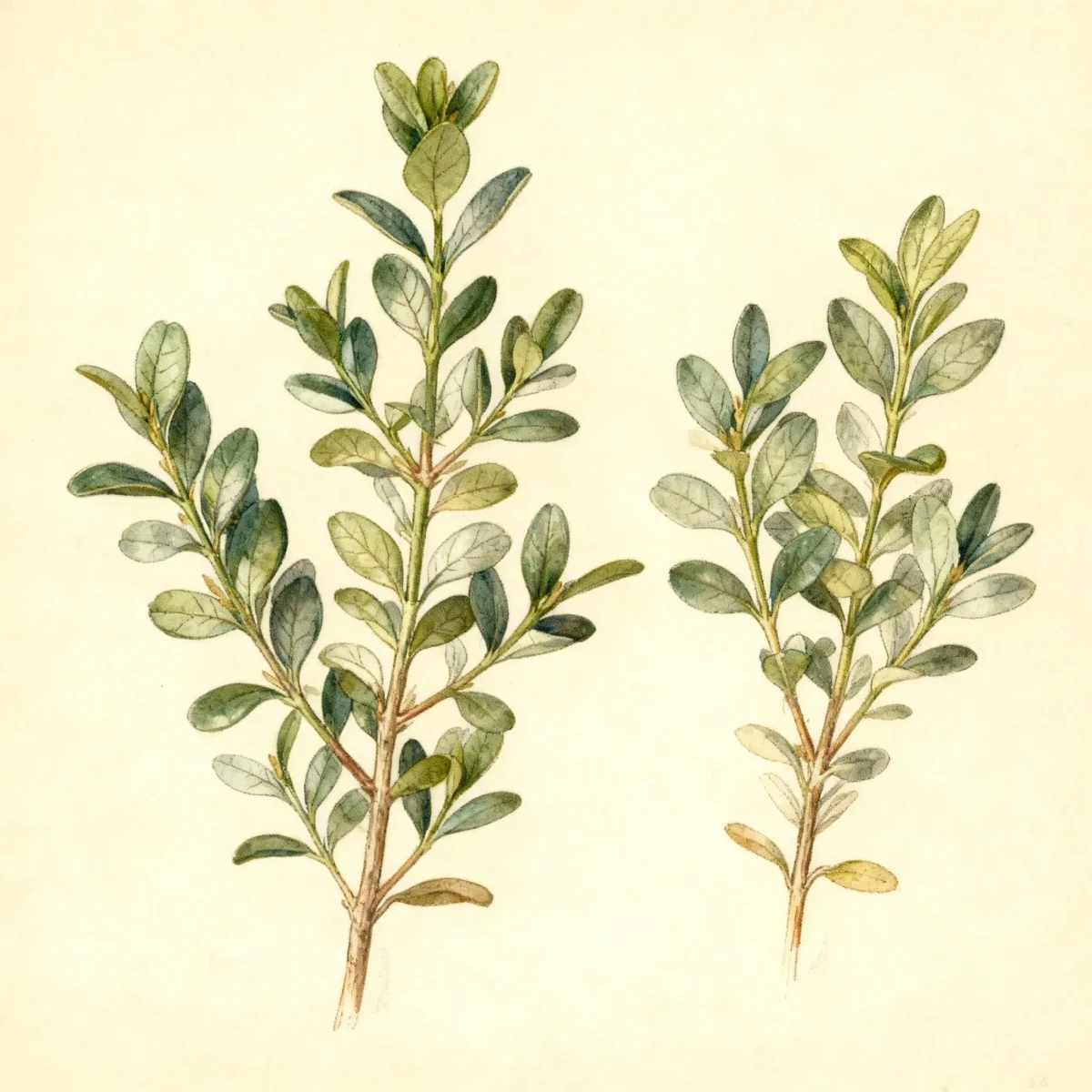
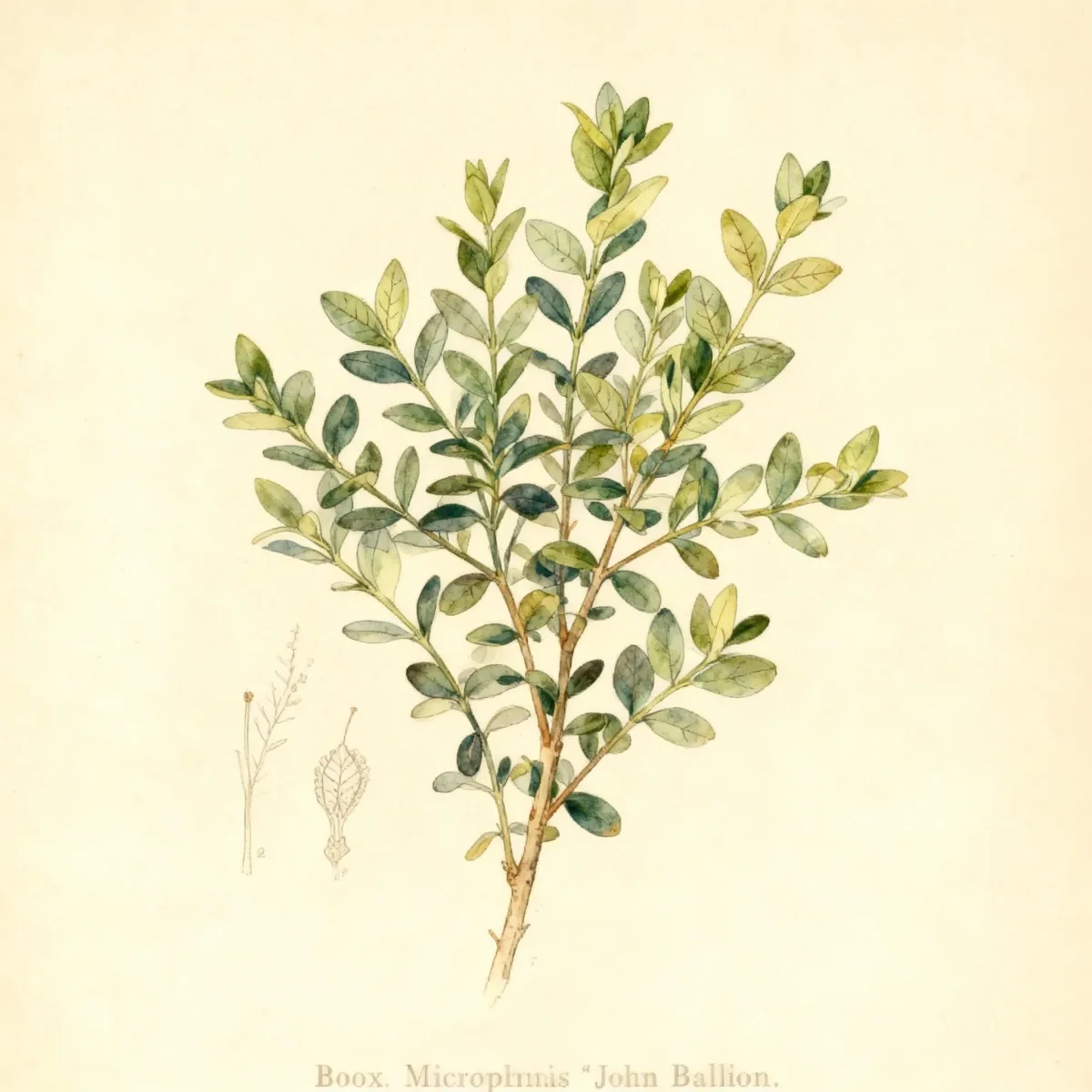
Boxwood (Buxus sempervirens 'Nish')
Buxus sempervirens 'Nish' Boxwood provides dense, bright green, upright evergreen structure ideal for formal gardens. Hardy in Zones 5-8.
Scroll down to discover growing tips, care requirements, companion plants, and more
Complete Plant Information
Overview
The Buxus sempervirens ‘Nish’ Boxwood cultivar is highly valued for maintaining dense, bright green foliage throughout the year, offering essential structure to dormant winter landscapes. This cultivar exhibits a dense, upright habit, maturing into a compact shrub suitable for shaping and formal design elements where consistent evergreen presence is critical. As a reliable Boxwood, Buxus sempervirens ‘Nish’ serves excellently as a vertical accent or foundation planting.
This broadleaf evergreen thrives across a resilient range of conditions, typically flourishing between USDA Zones 5 and 8. While generally medium maintenance, understanding its preferences for soil drainage and winter exposure greatly improves its aesthetic performance. Its manageable size of 4 to 5 feet tall and wide makes it a perfect choice for controlled garden spaces.
Gardeners appreciate this specific Boxwood for its defined shape and clean look, which contrasts well with looser plantings. Whether used en masse to define space or shaped into topiaries, Buxus sempervirens ‘Nish’ provides the timeless formality associated with classic European gardens adapted for modern residential settings.
Fast Facts
- Plant Family: Buxaceae
- Plant Type: Broadleaf evergreen
- Hardiness Zones: USDA Zones 5-8
- Size at Maturity:
- Height: 4-5 ft
- Spread: 4-5 ft
- Bloom Time: April to May
- Bloom Description: White
- Sun Exposure: Full sun to part shade
- Water Needs: Medium
- Maintenance Level: Medium
How to Grow
For optimal health, plant Buxus sempervirens ‘Nish’ during the cooler months, avoiding the stress of intense summer heat. Choose a location that supplies evenly moist, well-drained loams, such as a sand-clay mixture. While this Boxwood tolerates light shade, particularly morning sun, avoid deep, constant shade, which results in less vigorous growth and thinner foliage density.
Consistent watering is key, as this plant requires medium water input, especially when establishing. When grown in full sun, the foliage is more prone to scorching or winter bronzing, and mite infestations are more likely. Protect the shallow root system by avoiding cultivation directly around the base; instead, apply a 1-2 inch layer of organic mulch, like bark or compost, to conserve moisture and regulate soil temperature.
Prune Boxwood sparingly and strategically. Never shear until after the last anticipated spring frost date, as early pruning encourages tender new growth vulnerable to late frost damage. Annual thinning can improve air circulation, which helps mitigate disease pressure. Siting the shrub in an area sheltered from harsh winter winds is crucial, as desiccating winter winds rapidly remove moisture from the evergreen leaves, leading to unsightly winter bronzing.
Landscape Uses
The symmetrical 4-5 foot stature of the Buxus sempervirens ‘Nish’ Boxwood makes it exceptionally versatile for formal landscapes, offering year-round evergreen structure. It excels when massed together to create narrow, defined hedges that manage traffic flow or separate garden rooms. This plant is also highly suitable for use as a topiary subject, capable of being clipped into geometric spheres or cones.
Consider Buxus sempervirens ‘Nish’ as a vertical specimen or accent placement near entryways or against foundations where a solid, contrasting texture is desired. Within formal or Mediterranean garden designs, its dark, glossy green leaves provide an excellent backdrop for flowering perennials or seasonal annuals. For larger containers, this Boxwood provides a permanent anchor, requiring pairing with seasonal color that suits its medium maintenance profile.
Standout Features
Flower Qualities
- Insignificant
Noteworthy Characteristics
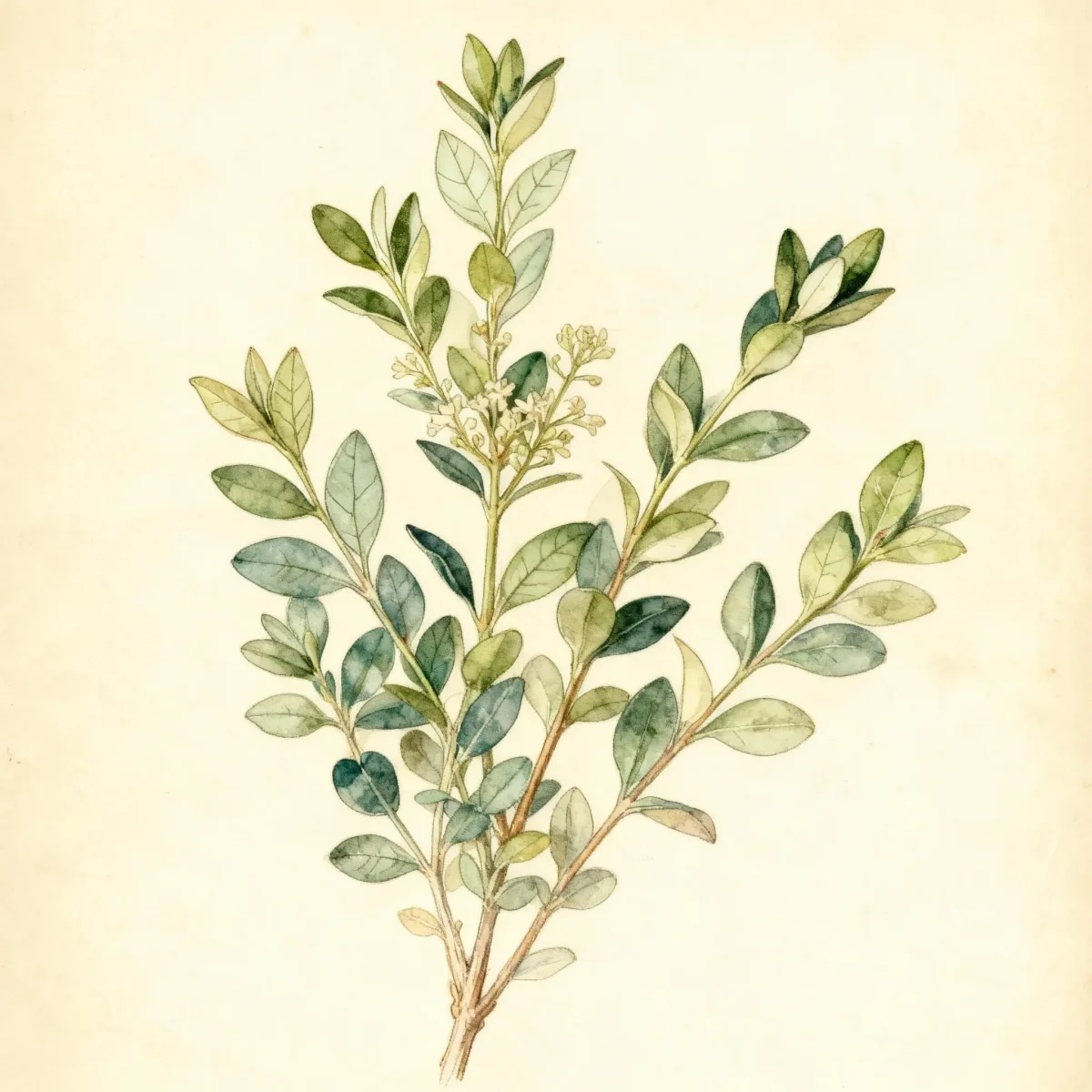
Buxus sempervirens generally forms a rounded to broad-rounded shrub native to open woodlands and rocky hillsides across southern Europe, northern Africa, and western Asia. Its small, glossy, dark green, evergreen leaves are simple and opposite, measuring between 1/2” to 1 1/2” long. The ‘Nish’ cultivar, specifically, was obtained from plants sourced from the Balkans and is noted for its bright green leaves and dense, upright habit, growing reliably to 4 to 5 feet tall and wide.
Tolerances
- Rabbit
- Deer
Potential Problems
Boxwood foliage is known to bronze in harsh winters, especially when exposed to intense midday or afternoon sun coupled with drying winter winds. Proper siting—away from reflected heat and strong winter gusts—is preventative. Susceptibility exists for several fungal issues, including boxwood blight, leaf spot diseases, and volutella blight; ensure excellent air circulation through occasional thinning to keep foliage dry.
Poorly drained soils are a significant concern, often leading to fatal root rot. Always confirm soil percolation meets the requirement for well-drained loams before planting. Insect pests frequently target Boxwoods, including the boxwood leafminer, boxwood psyllid, and boxwood mite. Regular scouting for new growth damage and prompt, appropriate treatment is necessary for managing these common Boxwood afflictions.
Frequently Asked Questions
What hardiness zones is Boxwood suitable for?
Buxus sempervirens ‘Nish’ is suitable for USDA Hardiness Zones 5 through 8, providing reliable evergreen performance across these ranges.
How large does Buxus sempervirens ‘Nish’ grow?
This Boxwood typically matures to a height between 4 and 5 feet, with an equal spread of 4 to 5 feet, maintaining a dense, upright shape.
What sun exposure does Boxwood need?
Buxus sempervirens ‘Nish’ performs best in full sun to part shade conditions, though intensity of afternoon sun should be monitored in hotter zones to prevent foliage scorch.
When does Boxwood bloom?
This variety flowers between April and May, producing small, inconspicuous white blooms.
Conclusion
The Buxus sempervirens ‘Nish’ Boxwood remains an indispensable evergreen selection, offering superior density and a bright green color palette ideal for formal structures throughout the year. Its manageable mature size and tolerance for shearing make it a cornerstone plant for hedgerows or specimen planting. Before installing, ensure your site offers well-drained soil and reasonable shelter from prevailing winter winds to best enjoy this robust Boxwood.
Companion Planting Considerations
To enhance the visual appeal of your Buxus sempervirens ‘Nish’ plantings, select companions that contrast well with its dense, dark green texture while sharing similar cultural needs. Plants that thrive in partial shade and medium moisture, such as Hellebores (Lenten Rose) or early spring bulbs like Daffodils, create beautiful seasonal interest beneath the established shrub line. For Mediterranean or formal areas, consider pairing the Boxwood hedge with evergreen structure plants like dwarf conifers or neatly pruned Lavender, ensuring all selections tolerate slightly acidic to slightly alkaline soil pH.
Seasonal Care Calendar
Spring is the key time for rejuvenation; wait until after the last frost to prune any winter-damaged wood and thin inner branches for air flow. Apply a fresh layer of organic mulch (1-2 inches) as the weather warms to help maintain consistent soil moisture for the shallow roots of the Boxwood. Summer care focuses primarily on deep, even watering during dry spells, avoiding overhead sprinkling late in the day. In autumn, ensure the Buxus sempervirens ‘Nish’ is well-hydrated before the ground freezes, as this moisture buffer is critical for preventing winter dehydration and leaf bronzing.