Boxwood (Buxus sempervirens 'Pullman')
Buxus sempervirens 'Pullman' Boxwood is a dense, upright evergreen perfect for formal hedges or topiary in zones 5-8.
Scroll down to discover growing tips, care requirements, companion plants, and more
Complete Plant Information
Overview
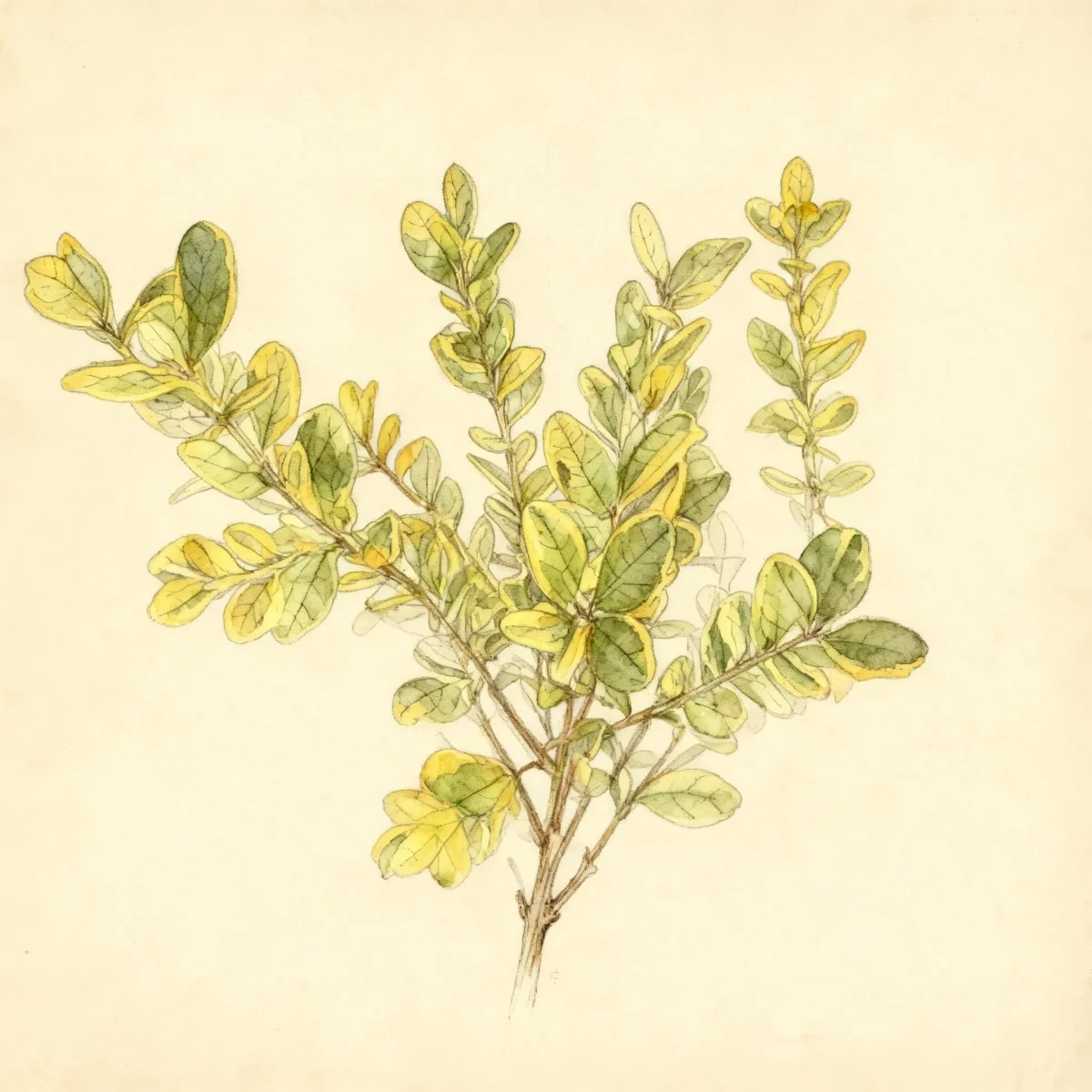
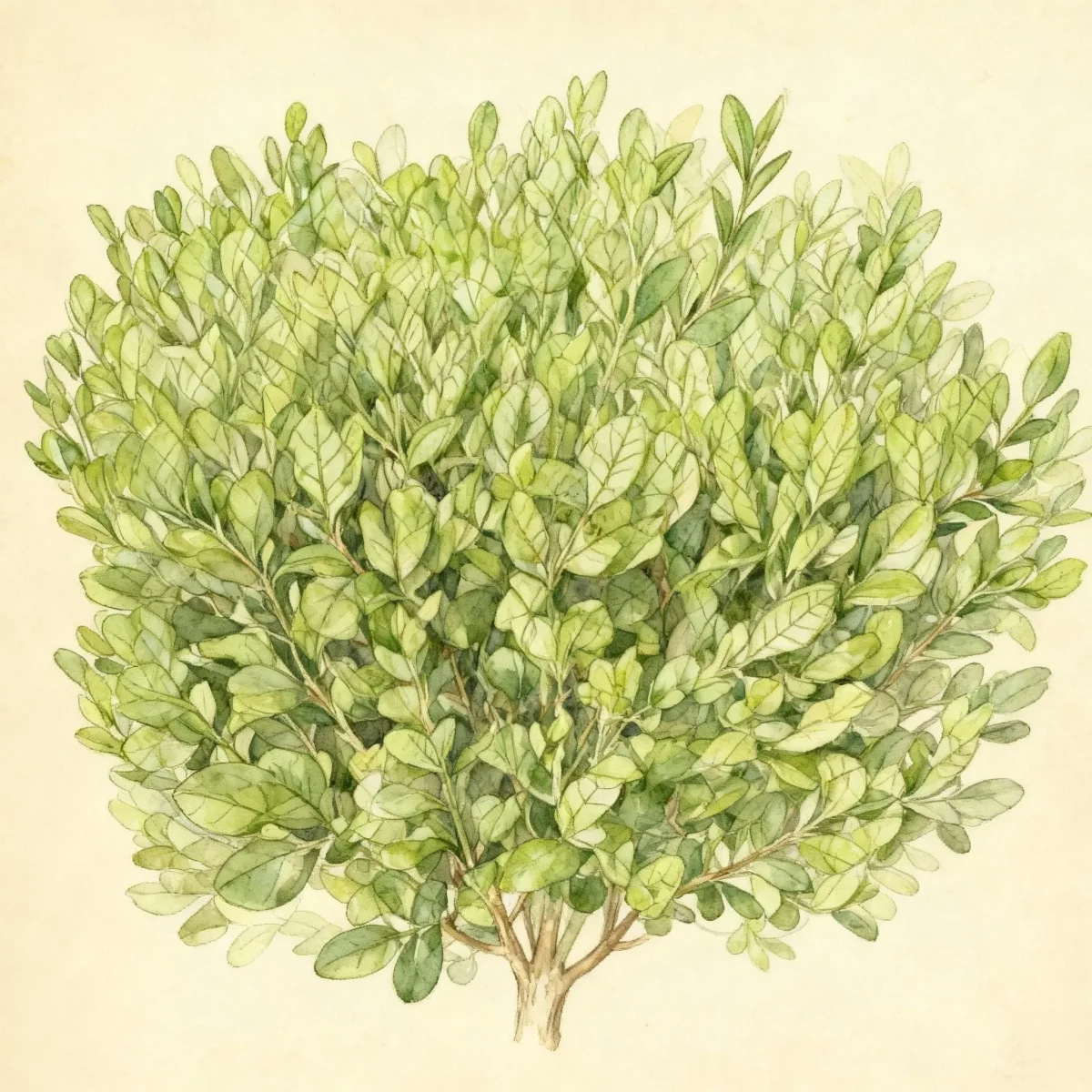
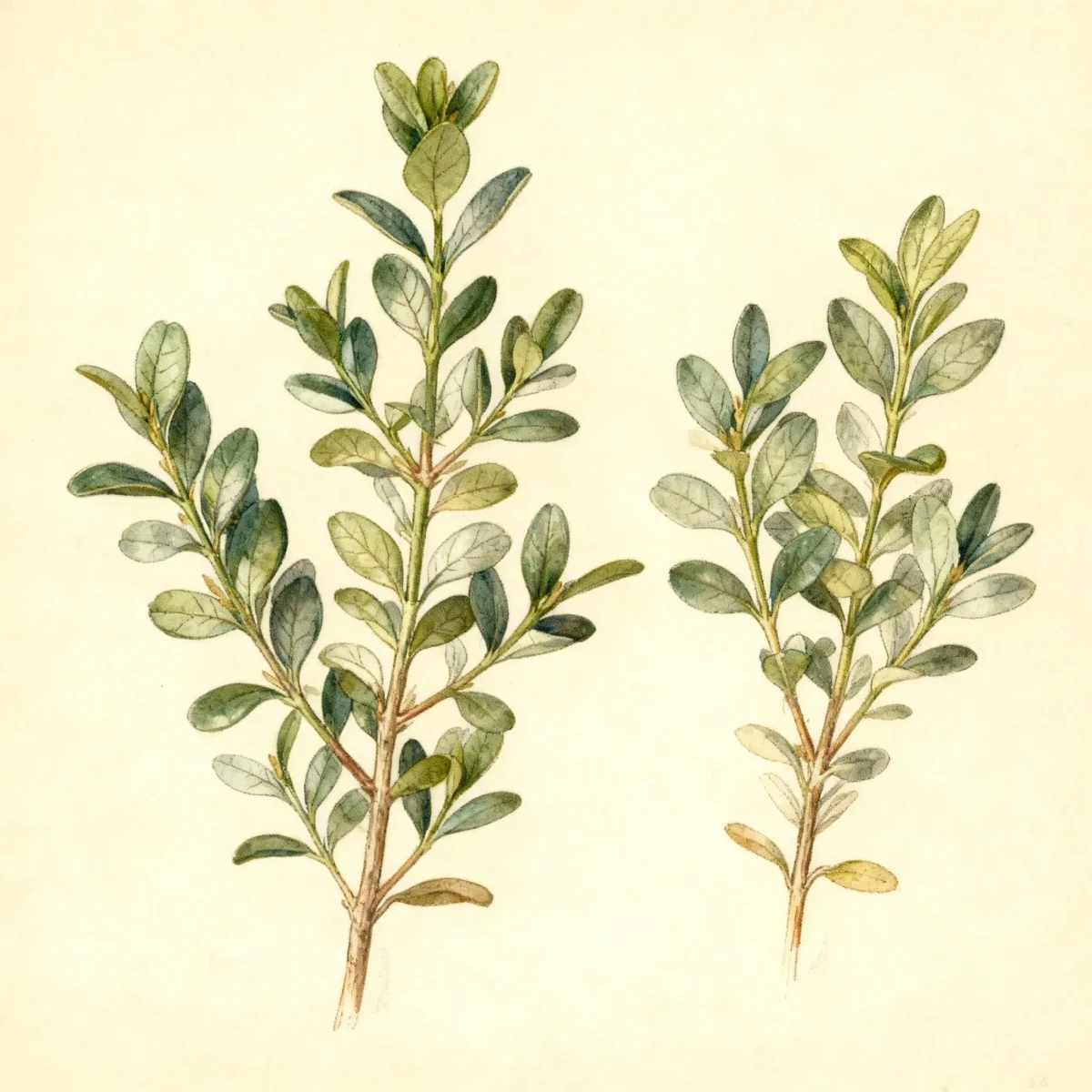
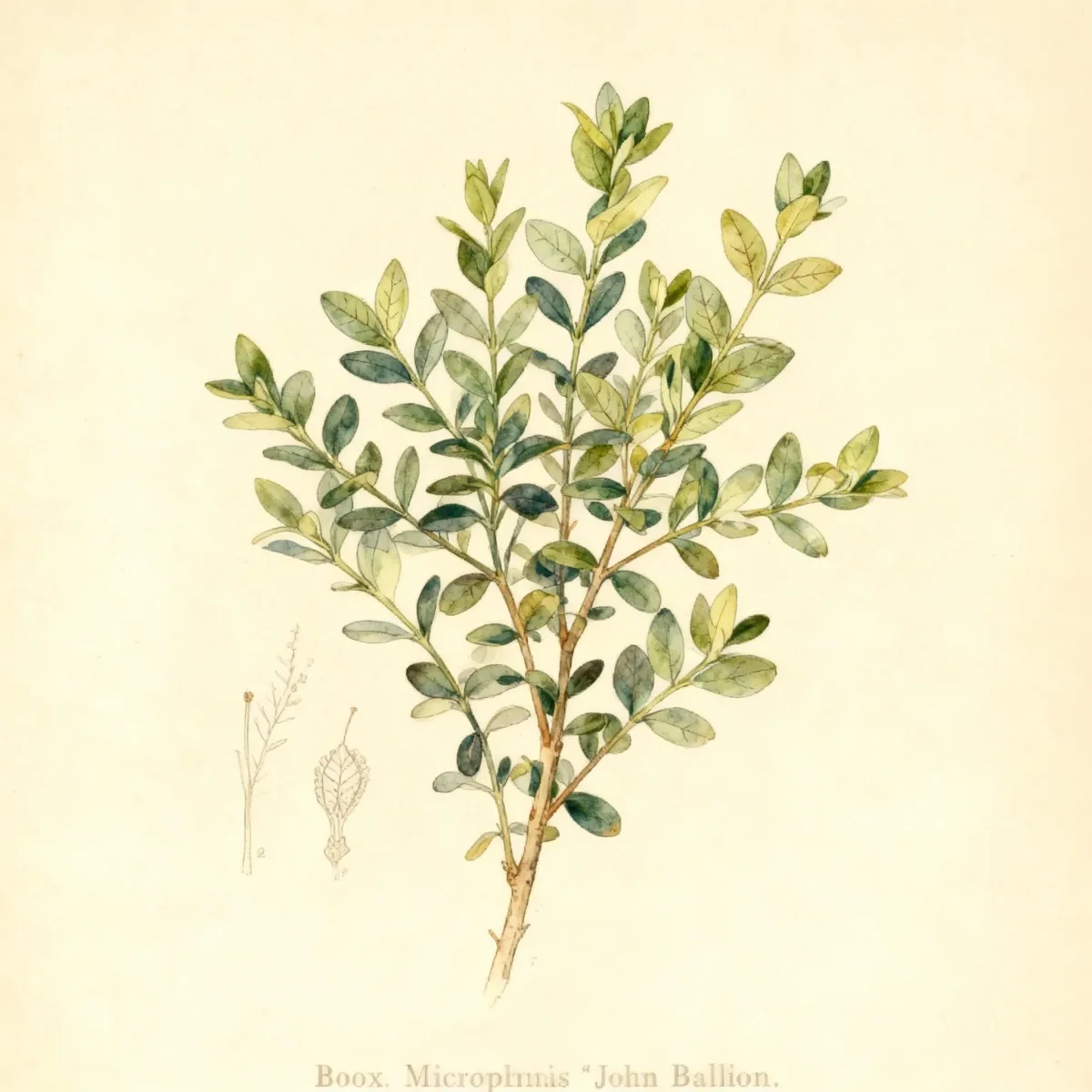
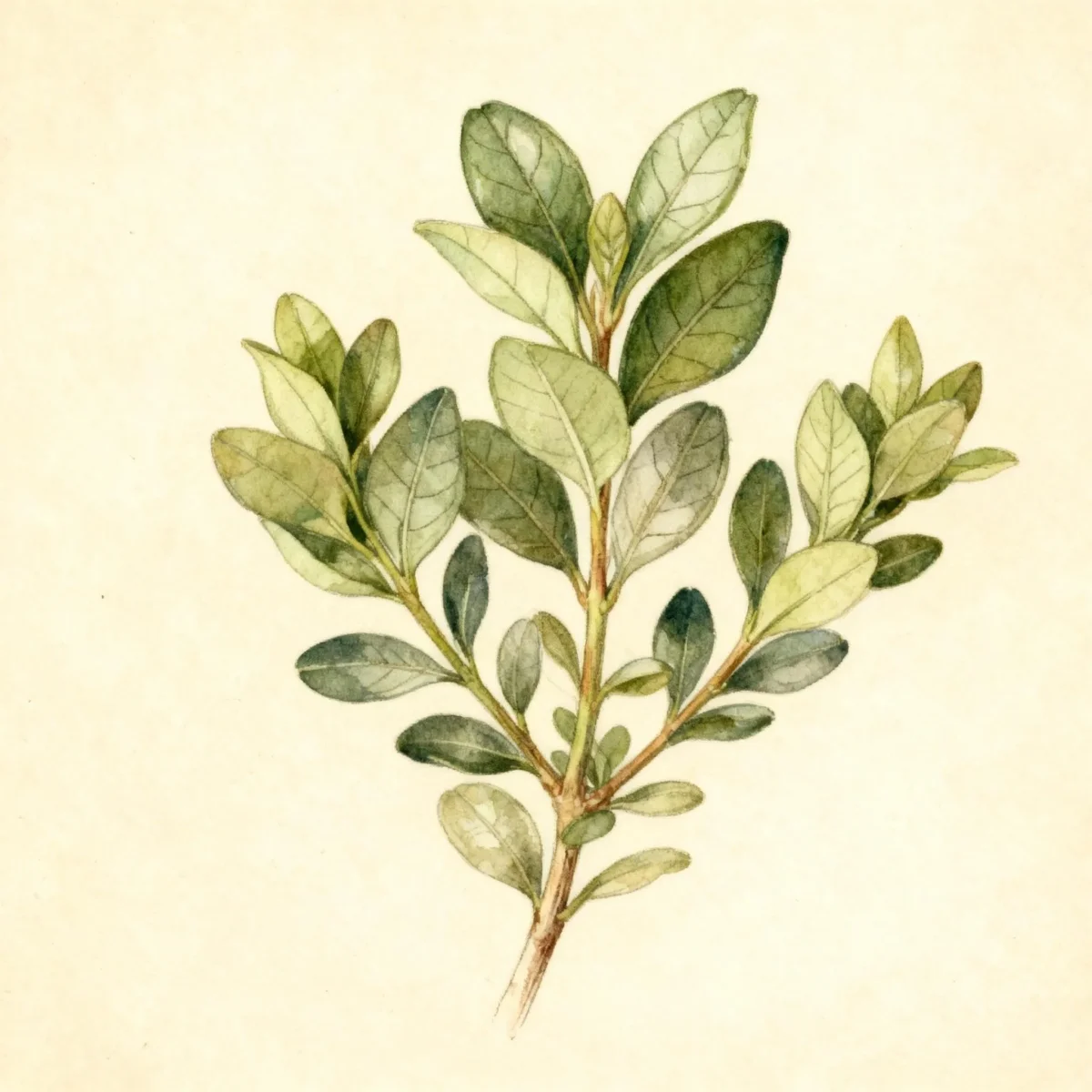
Buxus sempervirens ‘Pullman’ is a highly valued, dense, upright-rounded cultivar of Boxwood, cherished for its uniform evergreen structure. This slow-growing shrub offers consistent deep green color throughout the year, making it an exceptional choice for formal landscape designs and structured plantings. Its mature size typically remains manageable, fitting well into foundation plantings where larger shrubs might overwhelm the space.
This specific Boxwood cultivar maintains a relatively compact habit, reaching about 4 to 7 feet tall and 2 to 4 feet wide at maturity. It performs best when sited where it receives protection from harsh winter sun and drying winds, which can cause foliage bronzing. The visual appeal of Buxus sempervirens ‘Pullman’ lies in its ability to be meticulously shaped or allowed to assume its naturally dense, upright form.
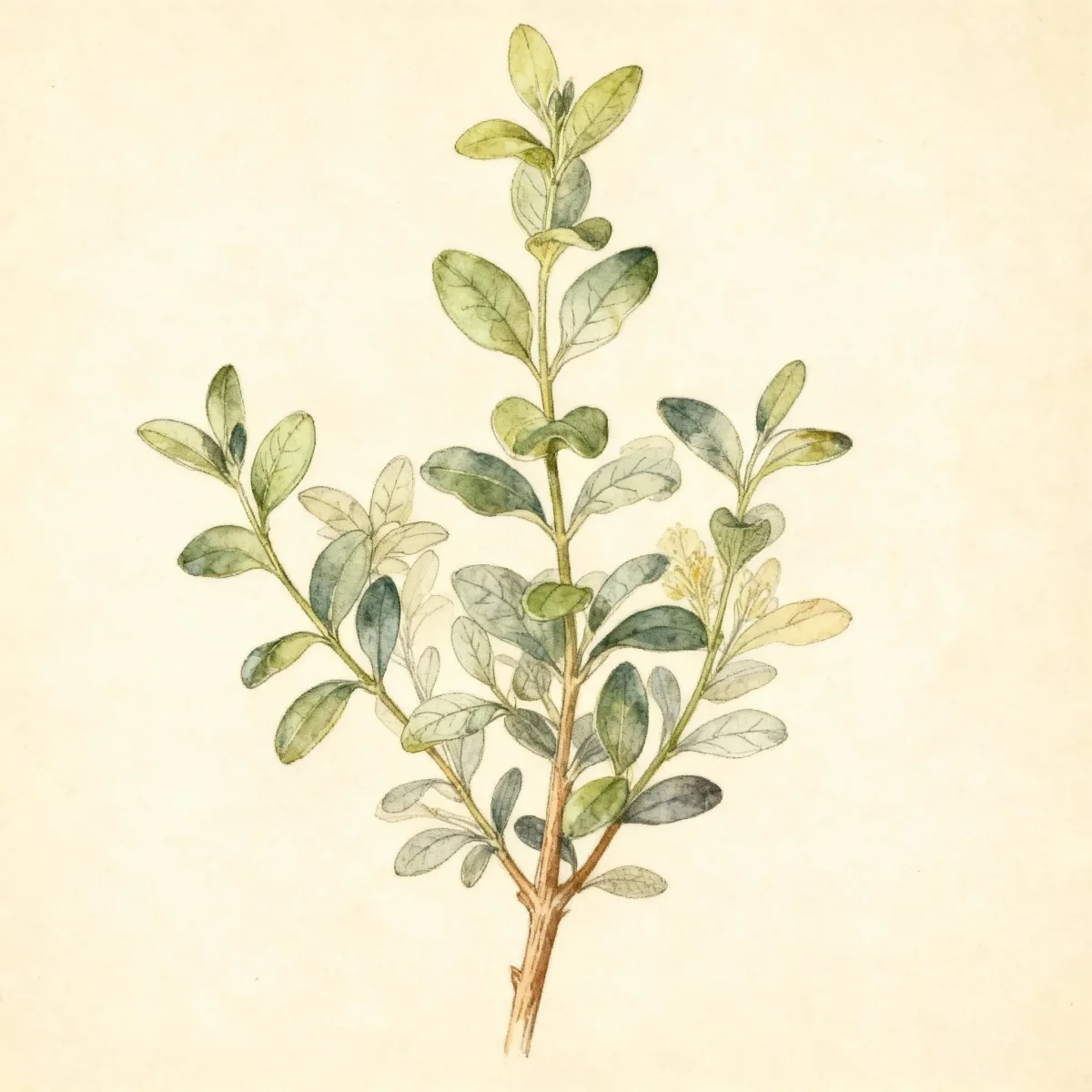
As an evergreen broadleaf shrub, this Boxwood provides year-round screening and architectural definition in the garden. While it produces small, inconspicuous greenish-cream flowers in spring, its primary aesthetic contribution is its foliage and dense form, ideal for creating formal hedges or defined accents.
Fast Facts
- Plant Family: Buxaceae
- Plant Type: Broadleaf evergreen
- Hardiness Zones: USDA Zones 5-8
- Size at Maturity:
- Height: 4-7 ft
- Spread: 2-4 ft
- Bloom Time: April to May
- Bloom Description: Greenish-cream
- Sun Exposure: Full sun to part shade
- Water Needs: Medium
- Maintenance Level: Medium
How to Grow
The ideal time for planting Buxus sempervirens ‘Pullman’ is when the ground is workable, typically early spring or fall, avoiding the last spring frost date for any necessary pruning. This Boxwood thrives in evenly moist, well-drained loam soils, which can range from slightly acidic to slightly alkaline. While it tolerates a range of light, full sun conditions can stress the plant, making it more prone to scorching or mite attacks; dappled light or morning sun conditions are often superior.
Watering should be consistent, maintaining medium soil moisture, especially as the plant establishes its shallow root system. Avoid cultivating directly around the base of the shrub, as the roots are delicate; instead, apply a 1-2 inch layer of organic mulch, such as compost or bark, to conserve moisture and regulate soil temperature. Pruning and shearing are tolerated well, but gardeners must wait until after the last spring frost to avoid stimulating tender new growth that late freezes could damage.
For winter preparation, site your Buxus sempervirens ‘Pullman’ where it receives shelter from strong winter winds. Prolonged exposure to drying winter winds and sun depletes leaf moisture, leading to undesirable winter bronzing. Annual thinning helps improve internal air circulation, which is crucial for disease prevention.
Landscape Uses
Buxus sempervirens ‘Pullman’ is highly versatile, offering structure in formal garden settings while also serving as a valuable vertical accent in mixed borders. Its dense, upright-rounded shape makes it suitable for shaping into topiary forms, or massing closely together to create a narrow, defined hedge that requires consistent trimming. Use this Boxwood as a permanent foundation planting where structure is needed near architecture or along walkways.
For Mediterranean gardens or mixed beds, its dark green evergreen foliage provides a strong contrast to softer, finer-textured plants or colorful seasonal bloomers. When grown in large containers, ensure excellent drainage, which is paramount for any Boxwood. Because of its moderate size, Buxus sempervirens ‘Pullman’ can serve as an unclipped background for smaller perennials, maintaining visual weight throughout the winter months.
Standout Features
Flower Qualities
- Insignificant
Noteworthy Characteristics
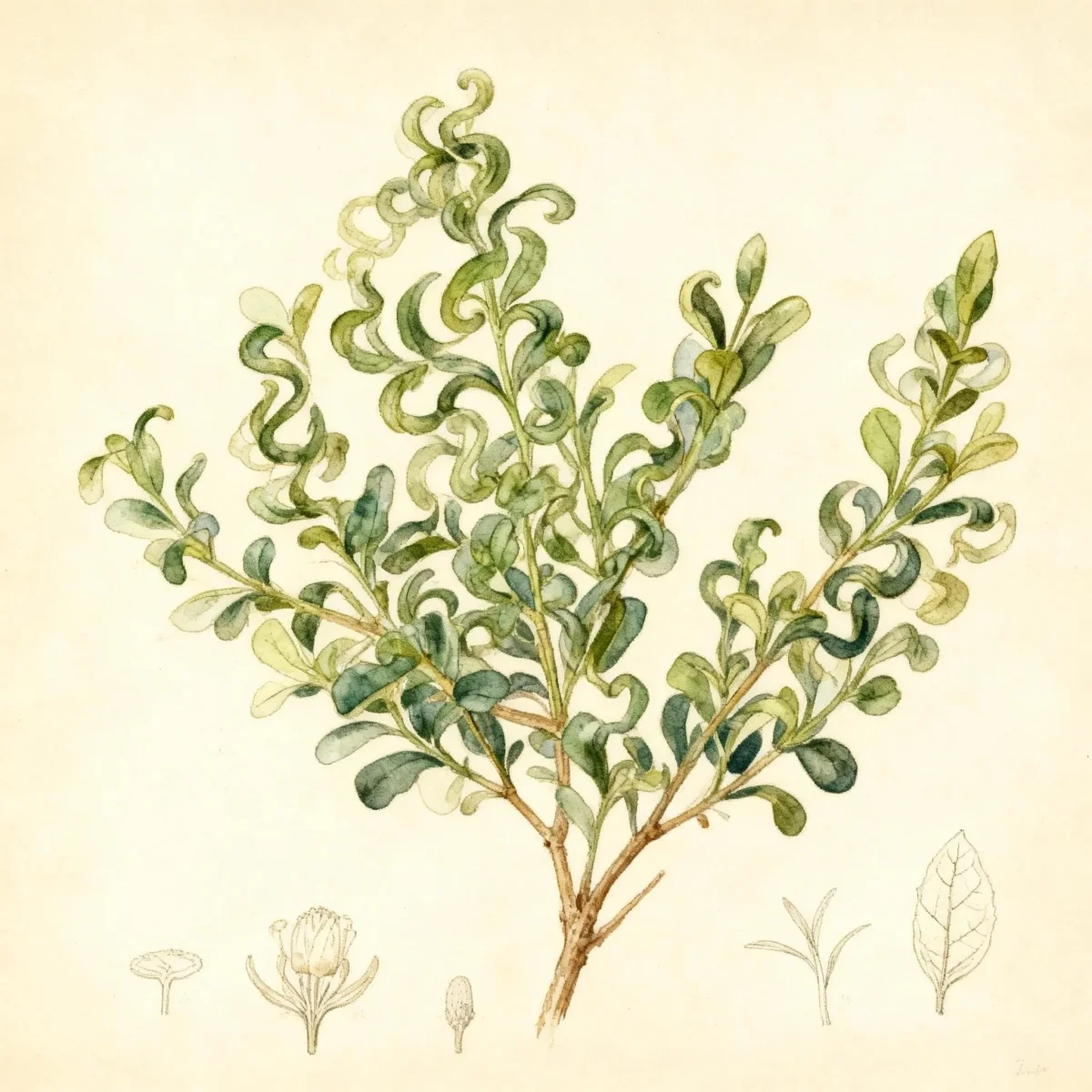
Buxus sempervirens is typically a rounded to broad-rounded shrub native to southern European open woodlands; the ‘Pullman’ cultivar offers a dense, upright-rounded habit, growing slowly to 3-4 feet initially with potential maturation around 6-7 feet tall. Its narrow-elliptic leaves remain dark green, providing consistent color, though they may show bronze tones during harsh winters. This cultivar was developed from selections made by William A. P. Pullman in the 1940s.
Tolerances
- Rabbit
- Deer
Potential Problems
The primary cosmetic issue for Boxwood foliage is bronzing, which turns the leaves an unattractive brownish-yellow, usually occurring in harsh winters when the plant is exposed to continuous full sun and drying winter winds. Culturally, poor drainage is a significant risk, often leading to root rot. Gardeners must also monitor for pests like the boxwood leafminer, mite, and psyllid, as well as diseases such as boxwood blight and leaf spot. Pruning too early in spring must be avoided to prevent frost damage to new, susceptible growth.
Frequently Asked Questions
What hardiness zones is Boxwood suitable for?
Buxus sempervirens ‘Pullman’ is hardy and maintains its evergreen nature in USDA Zones 5 through 8.
How large does Buxus sempervirens ‘Pullman’ grow?
This cultivar typically reaches a mature height between 4 and 7 feet, with a spread between 2 and 4 feet, maintaining a desirable upright density.
What sun exposure does Boxwood need?
This Boxwood variety performs well in conditions ranging from full sun to part shade, though excessive afternoon sun in hot climates can sometimes lead to winter bronzing.
When does Buxus sempervirens ‘Pullman’ bloom?
Flowering occurs between April and May, producing small, inconspicuous flowers described as greenish-cream.
Conclusion
The Buxus sempervirens ‘Pullman’ provides unparalleled evergreen structure, making it an indispensable choice for formal hedges, accents, and topiary work across USDA Zones 5-8. Ensure you site this Boxwood with protection from harsh winter exposure to maintain peak foliage health. Check your local frost dates before performing any necessary formative pruning this spring.
Companion Planting
When selecting companions for Buxus sempervirens ‘Pullman’ in mixed borders or foundation plantings, consider plants that share similar cultural needs regarding moisture and soil pH. Plants that prefer slightly acidic to neutral, well-drained soil environments are excellent partners. Consider pairing the dark, dense foliage of the Boxwood with silver-leaved plants like Lamb’s Ears (Stachys byzantina) or contrasting textures such as ornamental grasses for year-round interest.
For foundation plantings, low-growing perennials that offer early or late-season color, such as Hellebores or certain low-mounding Sedums, work well beneath the canopy of the Boxwood. Because Boxwood has shallow roots, avoid highly competitive shallow-rooted groundcovers; selecting plants that benefit from annual, light applications of organic mulch is generally recommended.
Seasonal Care Calendar
Spring is critical for this Boxwood; after the final spring frost, begin your annual thinning to improve air circulation and remove dead or damaged branches, which prevents disease accumulation. Throughout the growing season, water deeply but infrequently, allowing the top inch of soil to dry slightly between waterings, consistent with its medium water needs.
In late summer or early fall, monitor carefully for signs of boxwood mite or insect activity, treating as necessary before the plant hardens off for winter dormancy. Avoid any heavy feeding late in the season, as this promotes vulnerable new growth. Just before the first hard freeze, give the Buxus sempervirens ‘Pullman’ a thorough, deep watering to ensure it enters winter well-hydrated, reducing the risk of winter desiccation and bronzing.