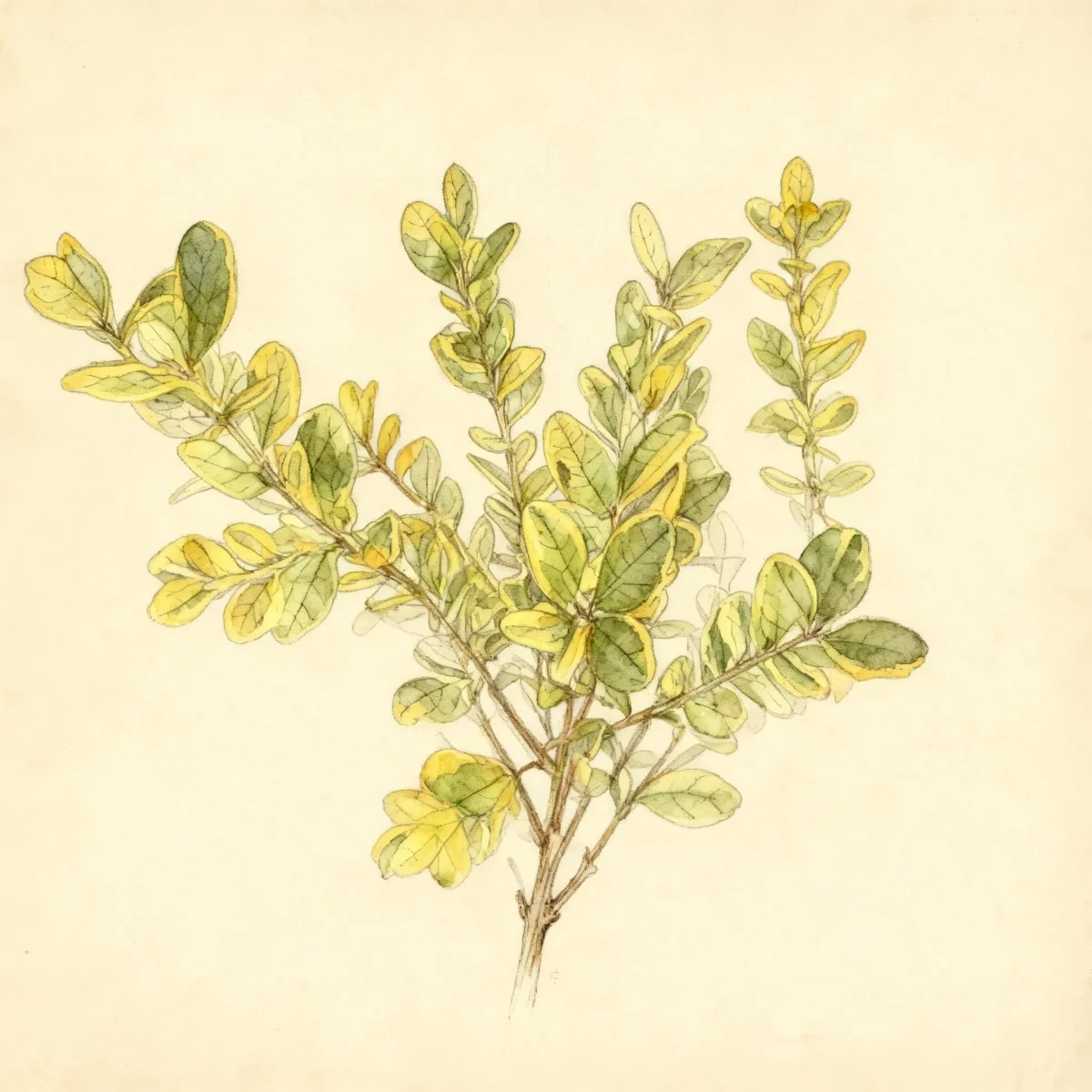
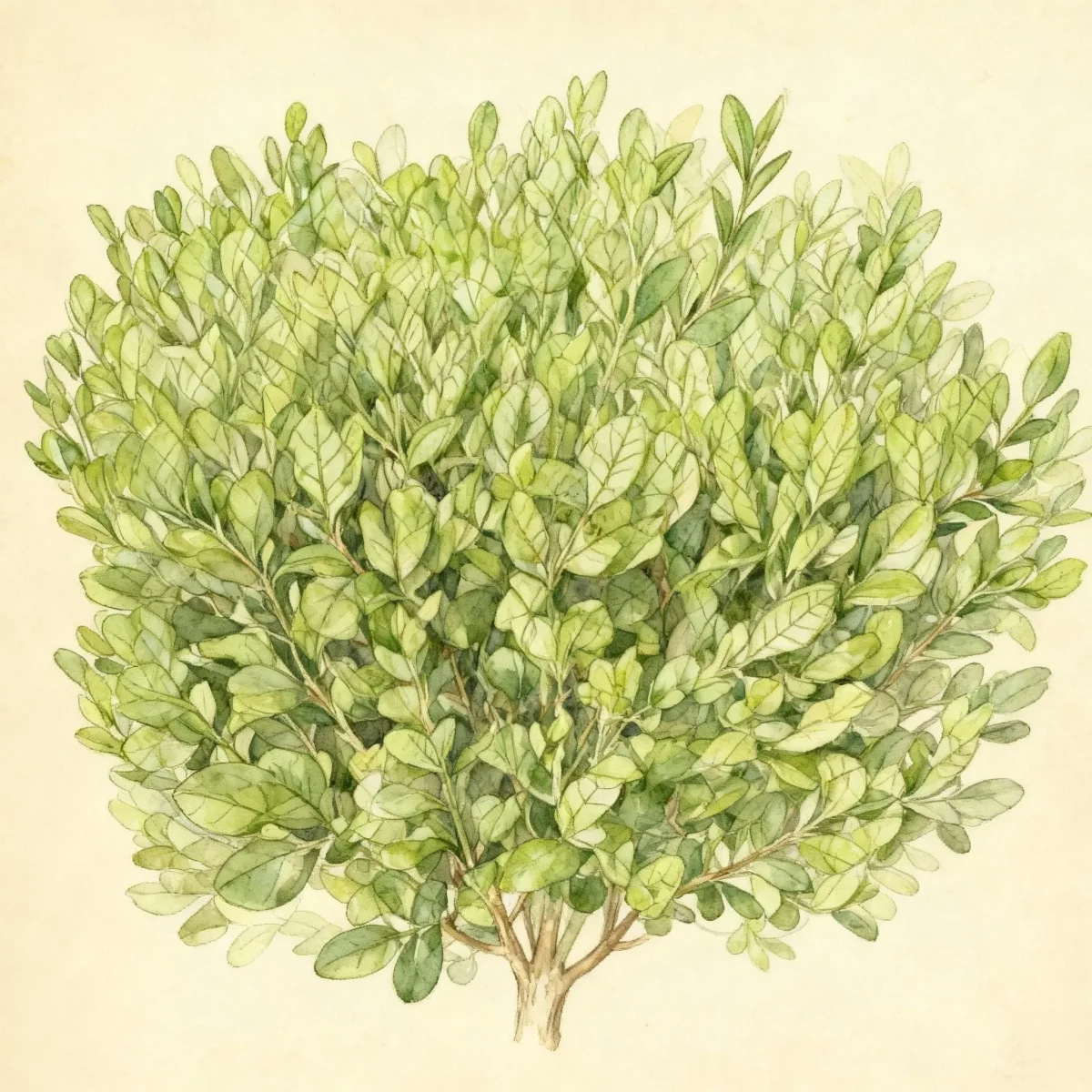
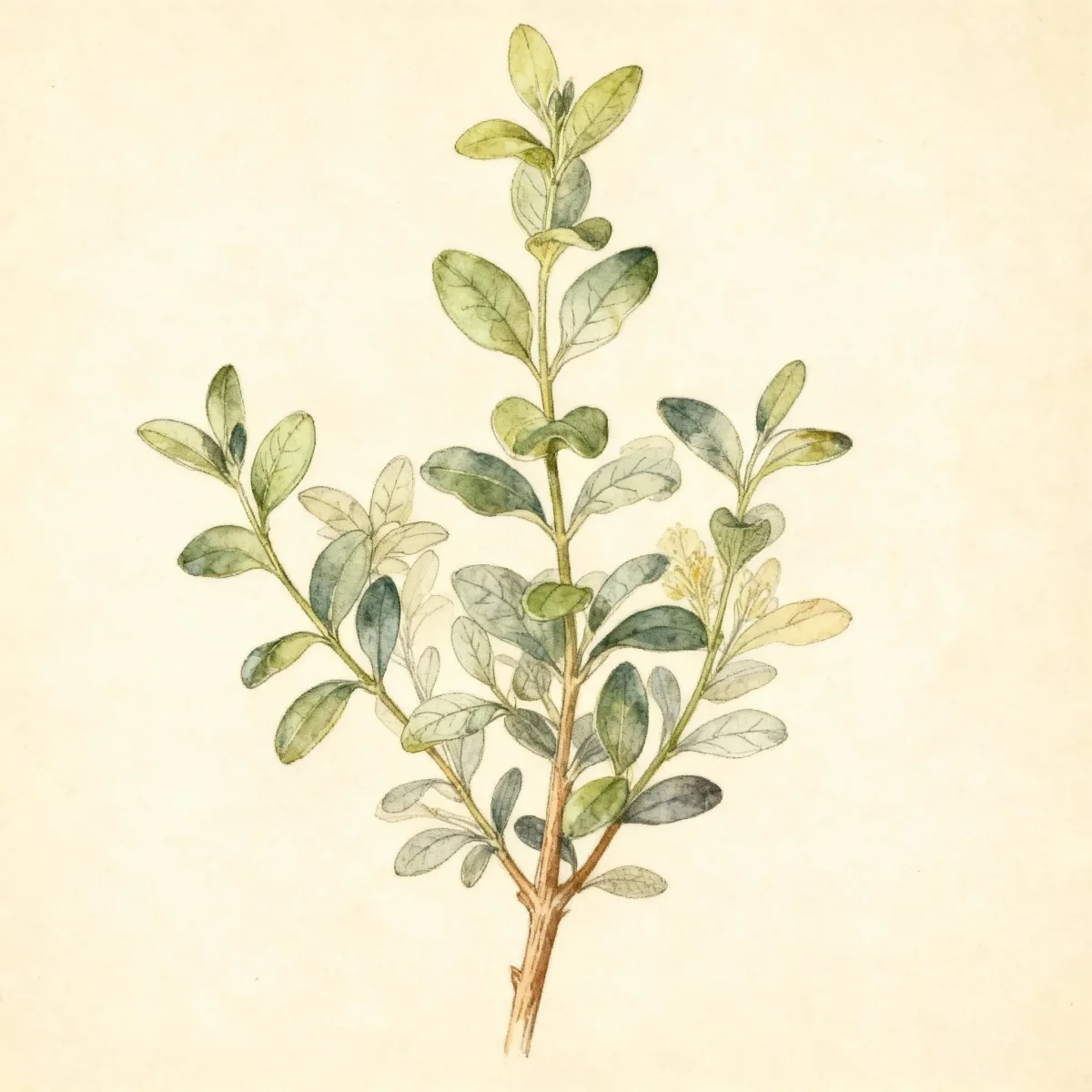
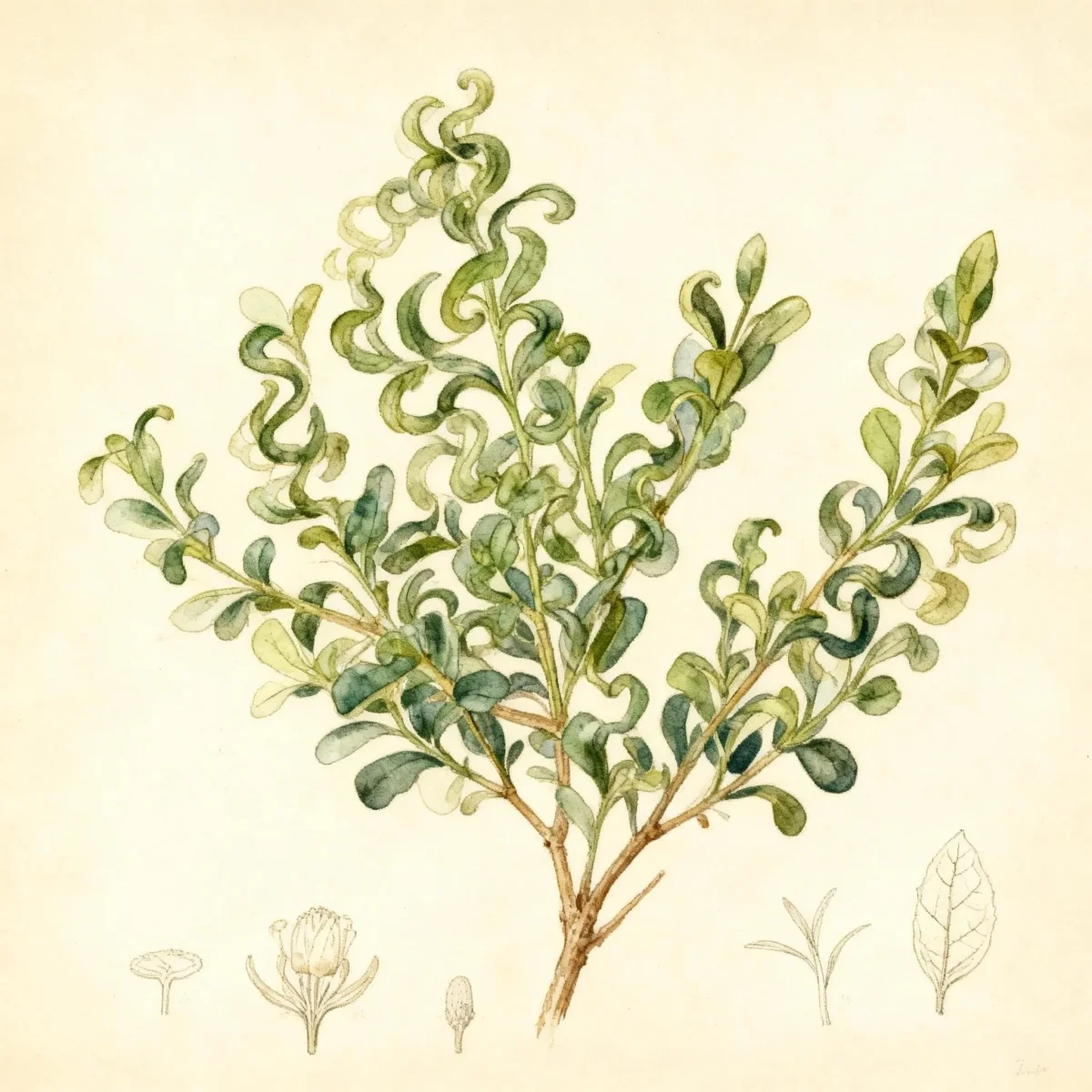
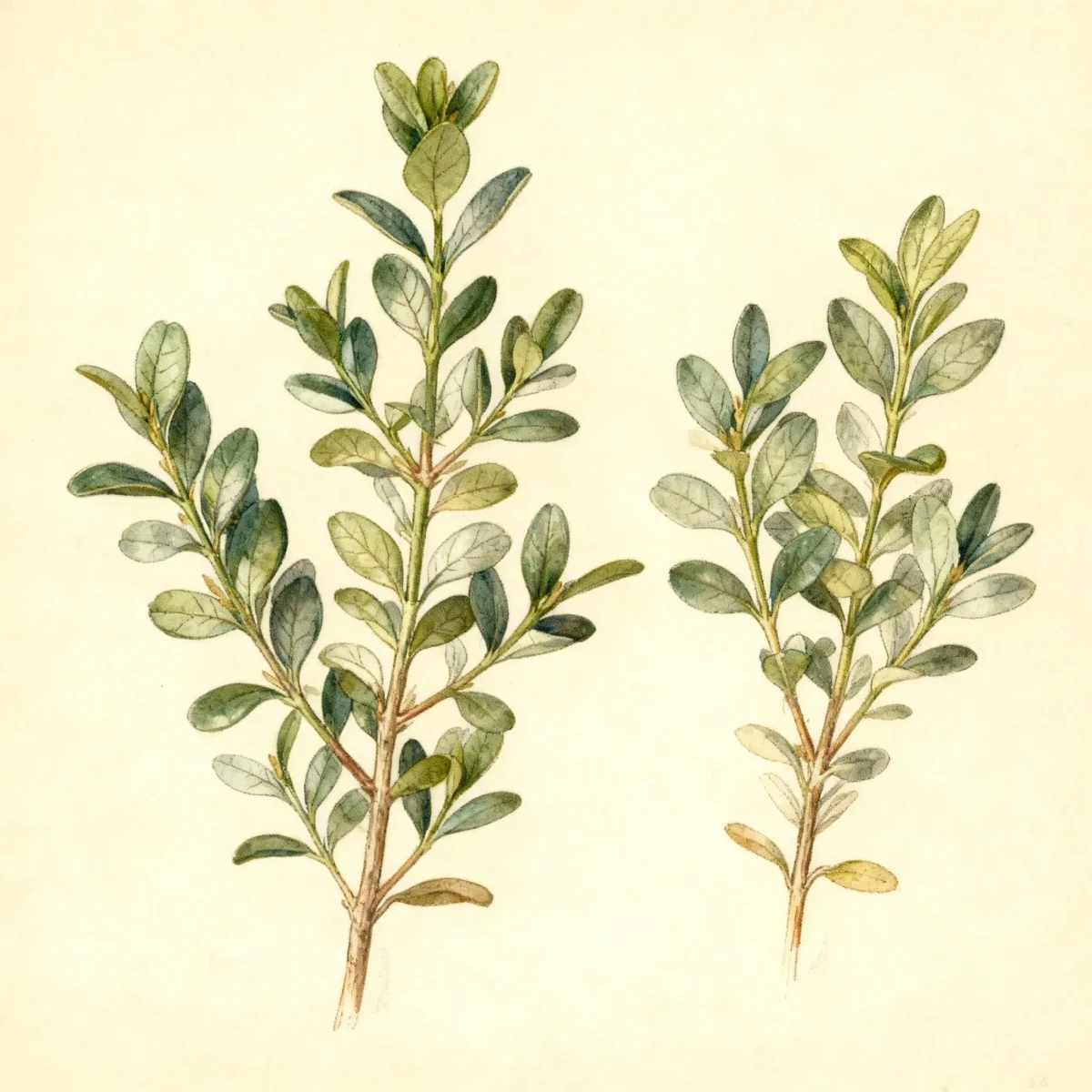
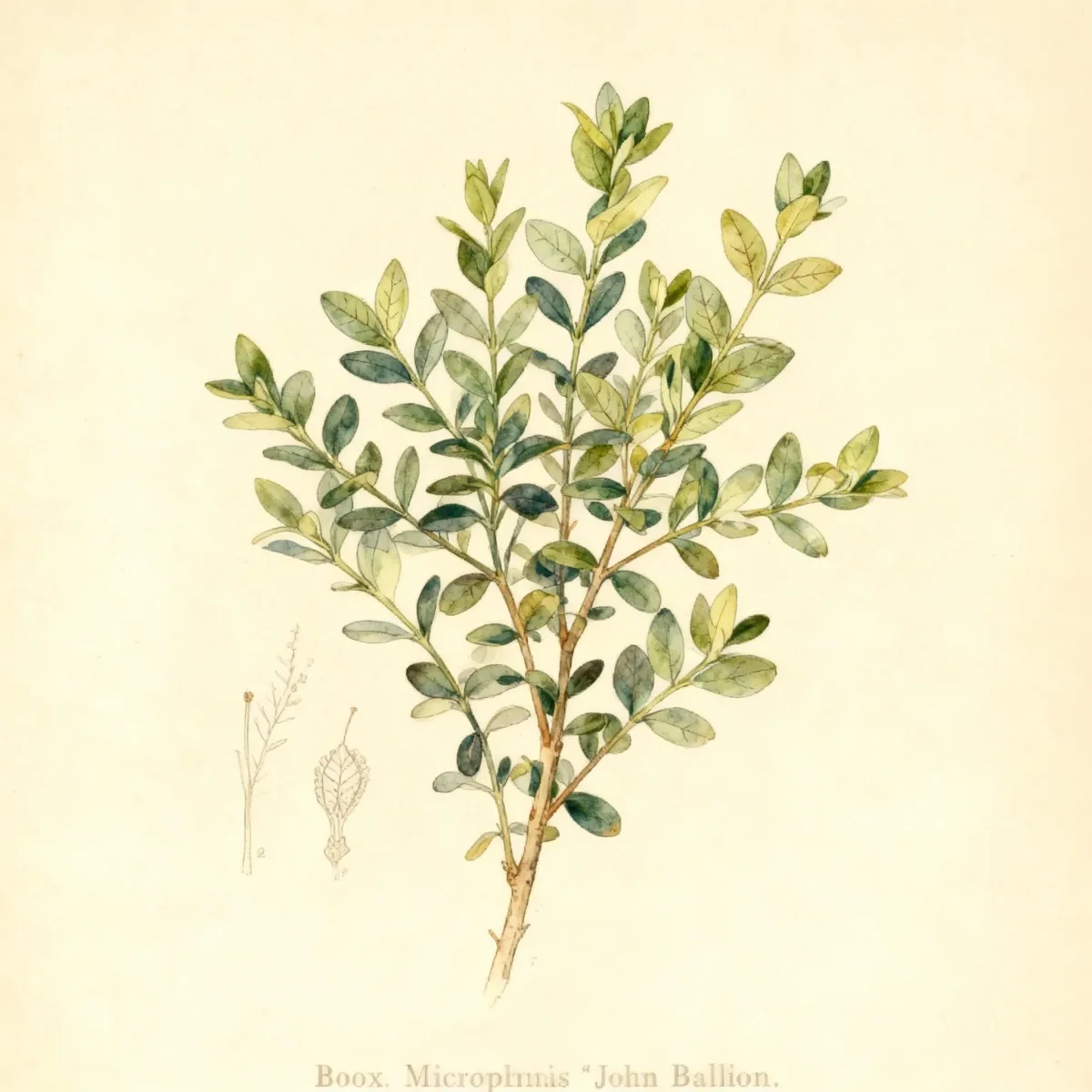
Boxwood (Buxus sempervirens 'Salicifolia')
Buxus sempervirens 'Salicifolia' (Boxwood) is a dense, broadleaf evergreen offering stately form, ideal for formal hedges and structure in zones 6-8.
Scroll down to discover growing tips, care requirements, companion plants, and more
Complete Plant Information
Overview
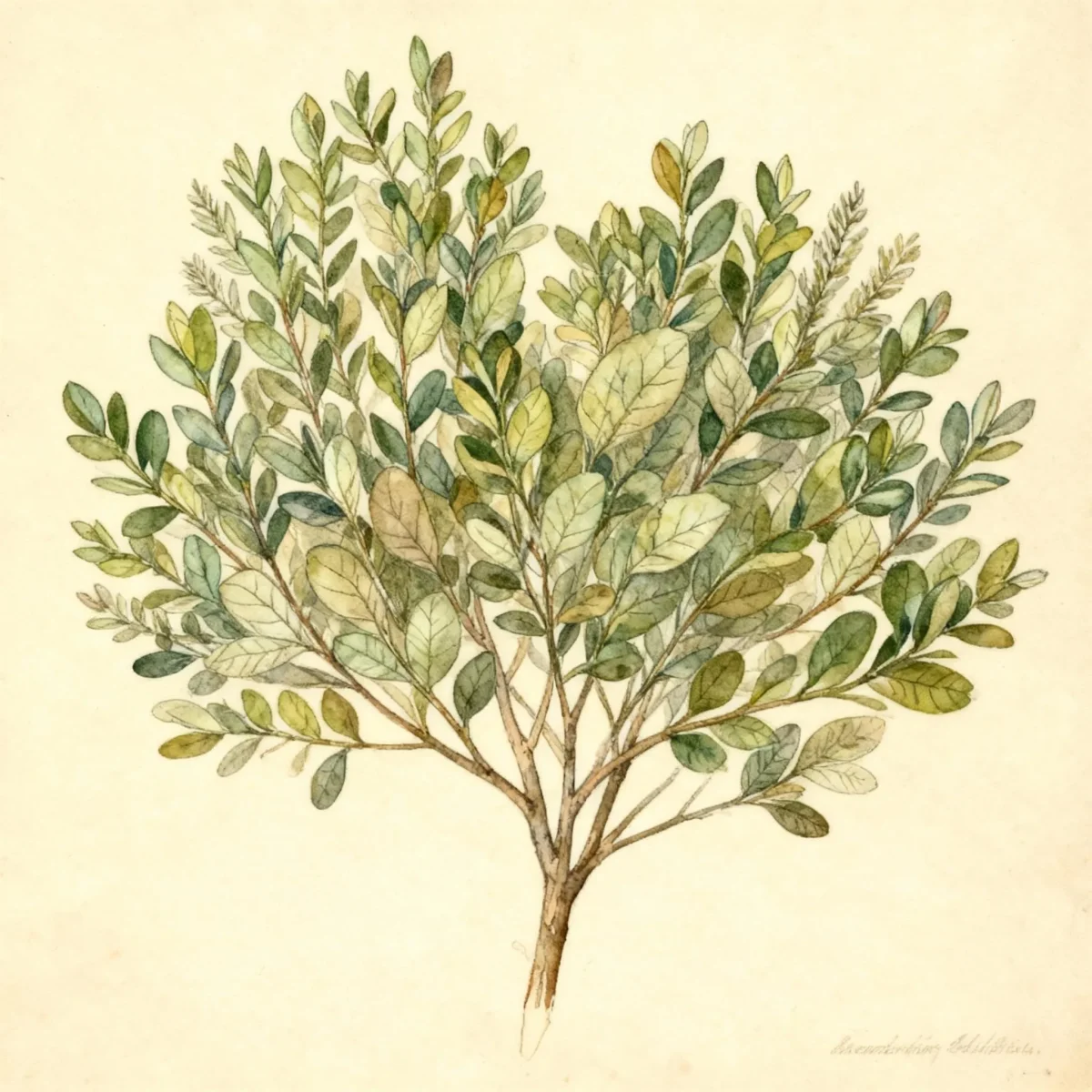
The Boxwood cultivar Buxus sempervirens ‘Salicifolia’ is a highly valued broadleaf evergreen, recognized for its handsome, dense foliage and tree-like cultivar form. This variety lends itself perfectly to creating formal structure in the landscape, often acting as a refined accent or substantial hedge. Its dark, glossy green leaves maintain excellent color year-round, providing essential winter interest.
This specific Boxwood, Buxus sempervirens ‘Salicifolia’, typically matures between 5 and 15 feet tall, offering versatility in placement where a taller, narrower profile is desired compared to standard Boxwood types. While adaptable to various light conditions, placement is key to preventing winter bronzing or scorching. Gardeners appreciate this plant for its reliability in shaping and its inherent resistance to browsing by deer and rabbits.
Functionally, the Buxus sempervirens ‘Salicifolia’ excels when massed to form narrow hedges or utilized as a vertical specimen where its elegant, narrow-leaved form can be appreciated. Proper siting away from harsh winter winds will ensure the foliage remains vibrant throughout the coldest months, making it a cornerstone plant for traditional and Mediterranean garden designs.
Fast Facts
- Plant Family: Buxaceae
- Plant Type: Broadleaf evergreen
- Hardiness Zones: USDA Zones 6-8
- Size at Maturity:
- Height: 5-15 ft
- Spread: 5-15 ft
- Bloom Time: April to May
- Bloom Description: White
- Sun Exposure: Full sun to part shade
- Water Needs: Medium
- Maintenance Level: Medium
How to Grow
Planting Buxus sempervirens ‘Salicifolia’ is best accomplished in the spring or early fall, allowing the root system time to establish before contending with extreme temperatures. Ensure the planting site offers evenly moist, well-drained loams, such as a sand-clay mixture. This Boxwood thrives in a range of light, performing well in sun-dappled conditions or light shade with some morning or early afternoon sun. Avoid overly dense, full shade, as vigor and foliage density will decrease noticeably.
Ongoing care focuses on maintaining consistent moisture without waterlogging, as the plant has shallow roots susceptible to rot in poorly-drained sites. Applying 1–2 inches of organic mulch, such as bark or compost, helps conserve moisture and protect these superficial roots; avoid cultivating near the base. Pruning and shearing are tolerated well by this Boxwood, but gardeners must wait until after the last spring frost date to perform these tasks, preventing damage to tender new growth from sudden cold snaps.
For optimal health, site your Buxus sempervirens ‘Salicifolia’ where it is sheltered from strong winter winds. Exposure to intense winter sun combined with desiccating winds rapidly removes moisture from the leaves, leading to foliage bronzing or dehydration. Annual thinning to remove dead or damaged branches improves essential air circulation, which is vital for disease prevention.
Landscape Uses
The formal habit of Buxus sempervirens ‘Salicifolia’ makes it an outstanding choice for structured plantings, perfect for foundation plantings where a vertical accent is needed. Its ability to be shaped into topiary or massed to create a narrow, dense hedge firmly establishes it within formal and Mediterranean garden frameworks. This cultivar provides excellent year-round structure in mixed beds and borders.
When using this Boxwood, consider pairing it with plants that share similar light and moisture requirements, such as Japanese maples for dappled shade contrast or drought-tolerant perennials for sunny borders. The rich, dark green of the ‘Salicifolia’ foliage serves as a strong, neutral backdrop, allowing brighter flowering specimens to really stand out. Its height potential (up to 15 feet) allows it to effectively screen undesirable views or define major axis points in a design.
For large containers, Buxus sempervirens ‘Salicifolia’ works well as a long-term architectural element, provided container drainage is excellent. Regular feeding and attentive watering will be necessary in pots to support its robust growth outside of the native soil ecosystem.
Standout Features
Flower Qualities
- Insignificant
Noteworthy Characteristics
Buxus sempervirens is fundamentally a rounded to broad-rounded shrub native to open woodlands across southern Europe and western Asia, maturing into a small tree reaching up to 30 feet in ideal conditions. The specific cultivar ‘Salicifolia’ features narrow, lancelolate, dark green leaves, giving rise to its name, which translates to willow-leaved. This evergreen provides consistent texture and deep color, remaining a valuable structural plant even when not in bloom.
Tolerances
- Rabbit
- Deer
Potential Problems
The primary aesthetic challenge with Buxus sempervirens ‘Salicifolia’ is foliage bronzing, which turns the leaves an unattractive brownish-yellow during harsh winters, especially when exposed to full sun and drying winds. To prevent this, siting specimens in locations protected from prevailing winter winds is crucial. New growth is particularly vulnerable to late spring frost damage if pruned too early.
Fungal diseases pose a significant threat to Boxwood health, including boxwood blight, volutella blight, and various leaf spot diseases. Proper air circulation, achieved through careful pruning and appropriate spacing, is the best defense. Furthermore, ensure excellent drainage, as poorly draining soils invite root rot, a fatal condition for Boxwood.
Insect pests must also be monitored; common culprits include the boxwood leafminer, mite, and psyllid, while the invasive box tree moth is cause for serious concern in affected regions. Regular inspection of foliage, especially the undersides of leaves, will allow for early intervention against these infestations.
Frequently Asked Questions
What hardiness zones is Boxwood suitable for?
Buxus sempervirens ‘Salicifolia’ is reliably hardy across USDA Zones 6 through 8.
How large does Boxwood grow?
This cultivar typically reaches a mature height between 5 and 15 feet, with a similar spread of 5 to 15 feet, often exhibiting a tree-like habit over time.
What sun exposure does Boxwood need?
This plant performs best in locations receiving full sun to part shade, though excessive direct afternoon sun in hot climates should be avoided to prevent scorching.
When does Boxwood bloom?
The inconspicuous flowers of Buxus sempervirens ‘Salicifolia’ appear relatively early in the season, typically blooming from April into May, showing a white color.
Conclusion
The Buxus sempervirens ‘Salicifolia’ remains a powerhouse for bringing evergreen structure, formality, and reliable year-round color to the landscape. Its unique, narrow foliage sets it apart from other Boxwood types, offering subtle textural variation. Before selecting this beautiful Boxwood, confirm your garden sits comfortably within USDA Zones 6-8 and plan your pruning schedule carefully around your region’s last expected frost date.
Companion Planting Strategies
When designing alongside your Boxwood hedges or specimens, consider utilizing plants that thrive in similar medium-moisture, well-drained soil conditions. Hostas (in shadier spots) or dwarf conifers that contrast texturally, such as certain varieties of upright juniper, pair beautifully with the dense, dark green of Buxus sempervirens ‘Salicifolia’. For seasonal color that respects the plant’s formality, consider planting spring bulbs like tulips or daffodils in front of the hedge line; they offer vibrant temporary displays before the Boxwood fully asserts its presence.
Design Ideas for Formal Gardens
The inherent suitability of this Boxwood for shearing and topiary makes it central to formal garden design. Use mass plantings of Buxus sempervirens ‘Salicifolia’ to create low, structured edging to define pathways or parterres. Its relatively narrow growth habit excels where space is limited but height is desired for backdrop plantings against fences or walls. For Mediterranean themes, allow taller specimens to mature slightly to evoke the stately lines often seen in Italianate landscapes.