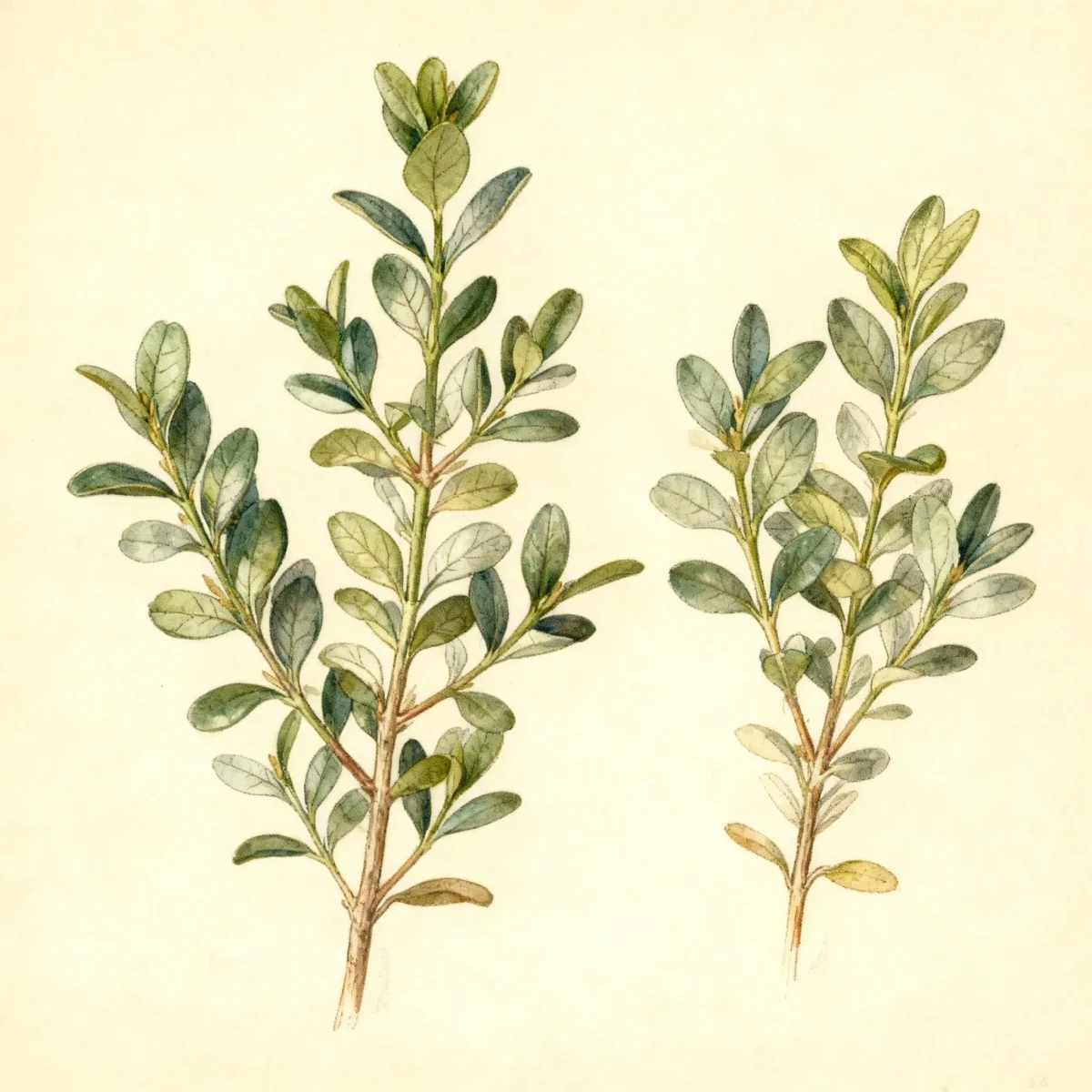
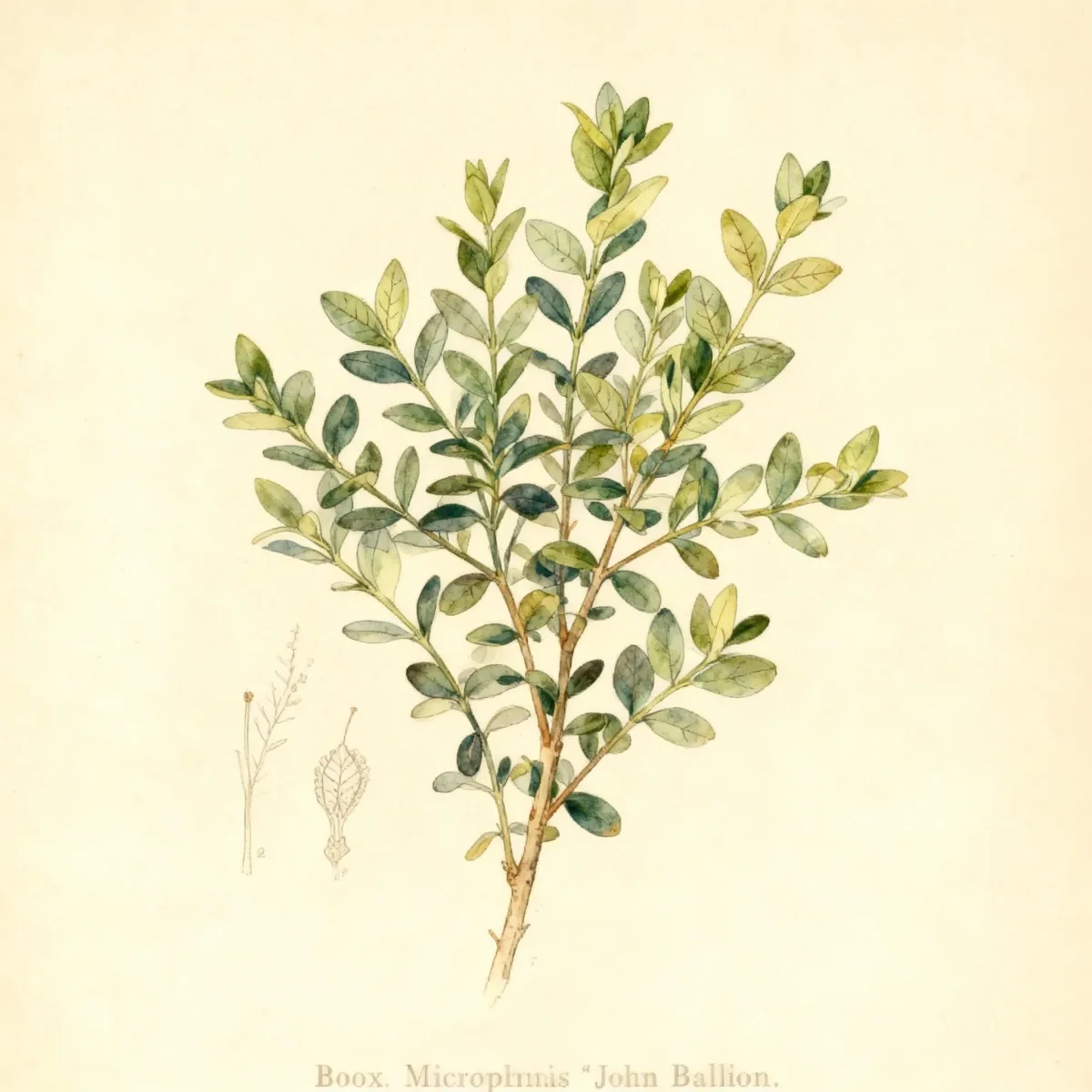
Boxwood (Buxus sempervirens 'Vardar Valley')
The Boxwood Buxus sempervirens 'Vardar Valley' is a dense, compact evergreen shrub perfect for structure in formal gardens.
Scroll down to discover growing tips, care requirements, companion plants, and more
Complete Plant Information
Overview
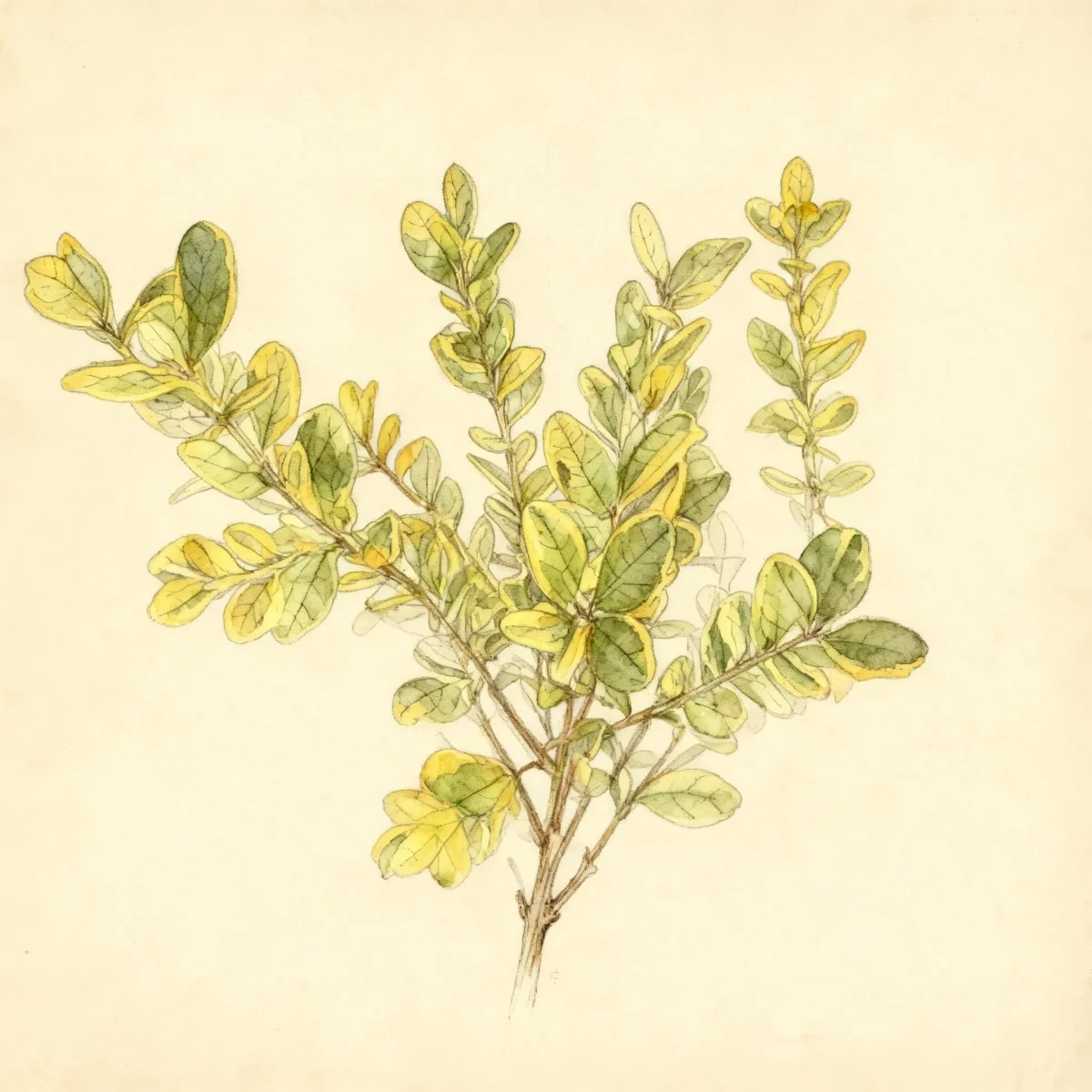
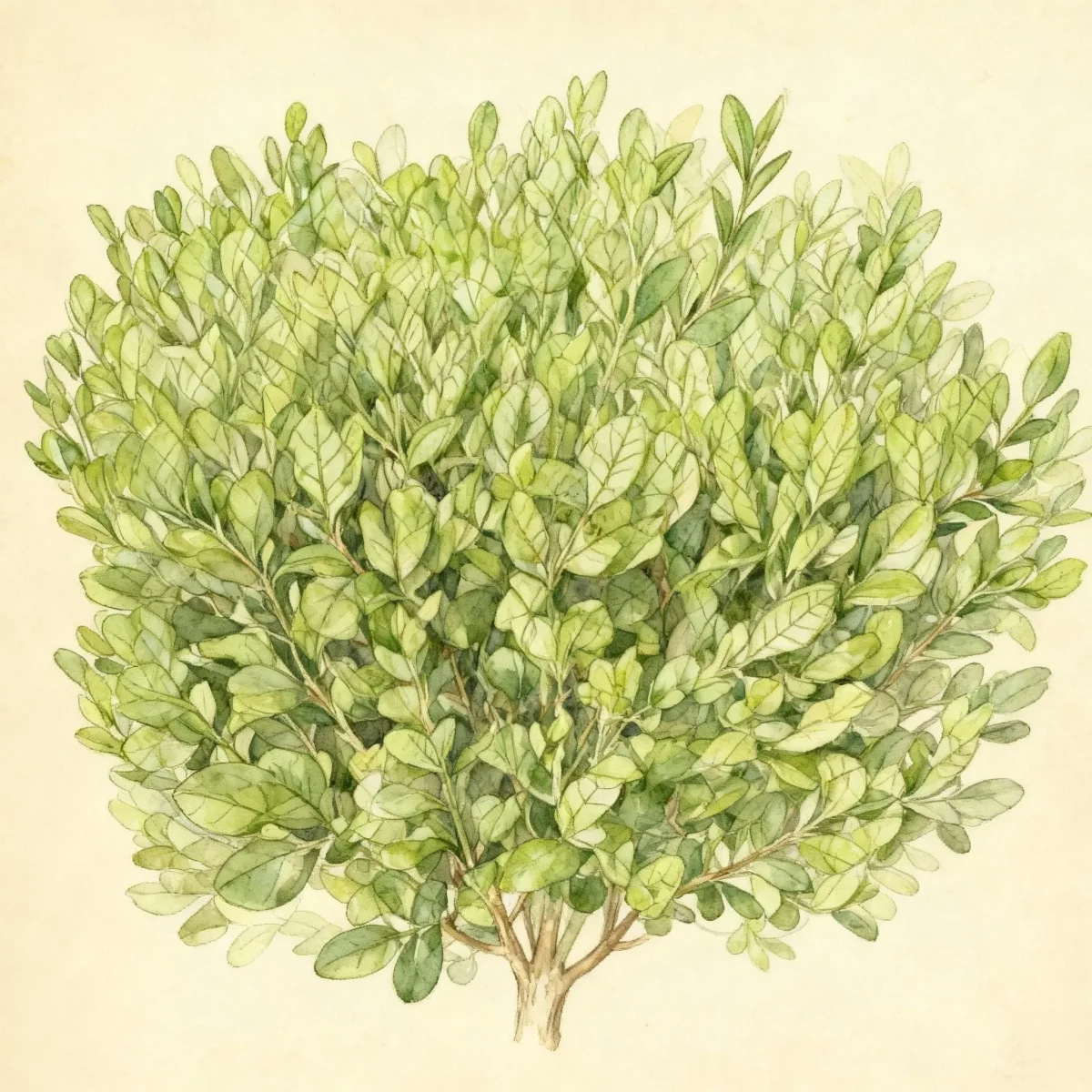
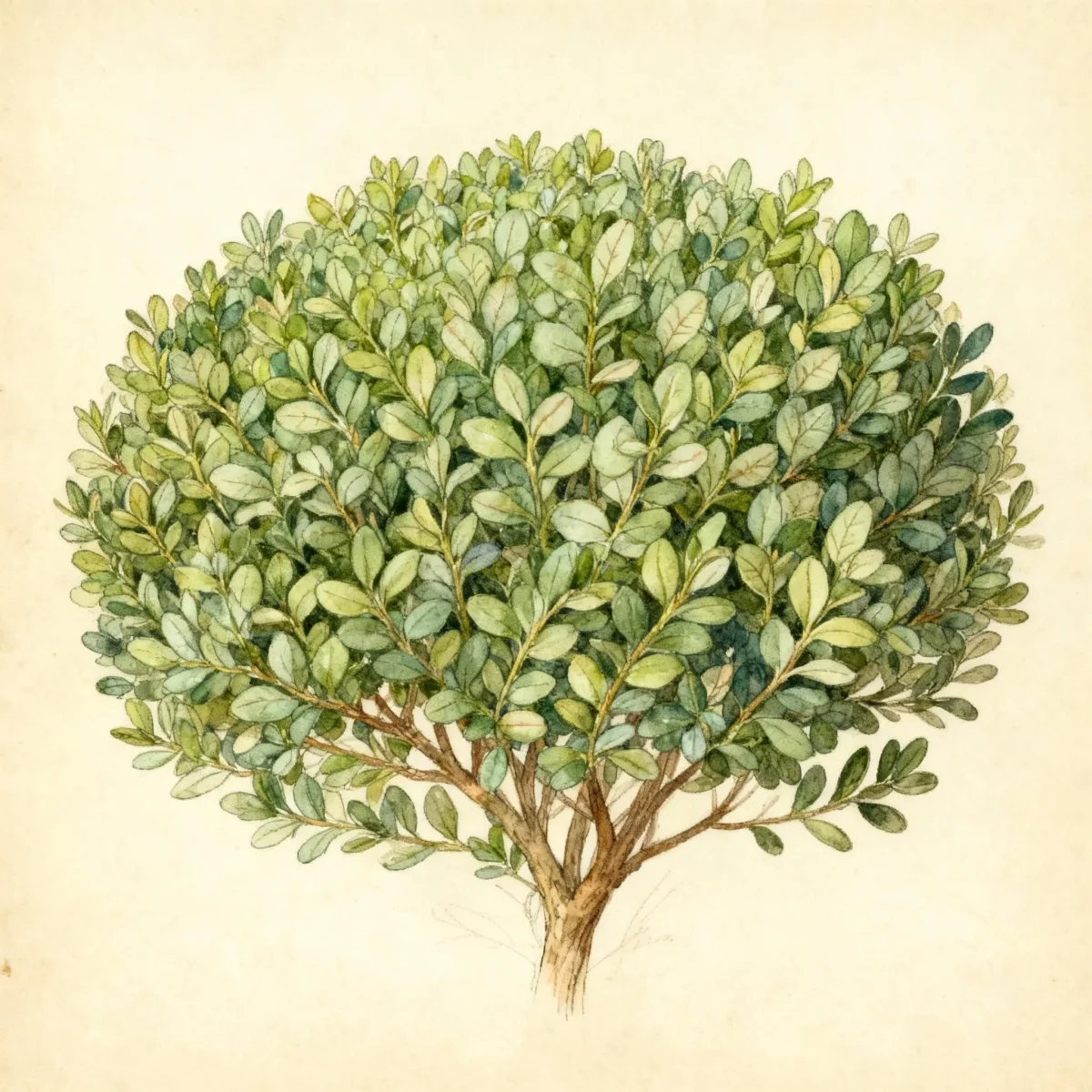
The Boxwood (Buxus sempervirens ‘Vardar Valley’) offers exceptional density and a low, mounded profile, making it a staple for structured landscape designs. This evergreen cultivar maintains its medium green foliage year-round, providing essential winter interest where other plants might fail. It is valued for its compact habit, which requires minimal vertical pruning compared to larger Boxwood selections.
Growing reliably in USDA Zones 5 through 8, Buxus sempervirens ‘Vardar Valley’ develops slowly, reaching only 2 to 3 feet tall, but spreading wider, up to 5 feet. This manageable size ensures it remains excellent for low hedges or as a foundation planting requiring little maintenance once established. Deer and rabbits generally avoid this Boxwood.
While the flowers are sparse and inconspicuous, the evergreen structure of the Boxwood is its primary ornamental feature. Its dense branching supports shearing into formal shapes or allows it to serve as excellent groundcover or edging material in formal gardens or Mediterranean-style landscapes.
Fast Facts
- Plant Family: Buxaceae
- Plant Type: Broadleaf evergreen
- Hardiness Zones: USDA Zones 5-8
- Size at Maturity:
- Height: 2-3 ft
- Spread: 4-5 ft
- Bloom Time: April to May
- Bloom Description: Greenish yellow
- Sun Exposure: Full sun to part shade
- Water Needs: Medium
- Maintenance Level: Medium
How to Grow
Planting the Boxwood ‘Vardar Valley’ is best achieved when the ground is workable, avoiding times when frost is imminent. These shrubs thrive in evenly moist, well-drained loams, such as a sand-clay mixture. They perform well in various light conditions, from full sun to light shade with morning or early afternoon light. Too much intense afternoon sun can increase the risk of foliage scorch or winter bronzing.
Watering needs are medium, requiring consistent moisture, particularly when establishing, but never allowing the soil to become waterlogged, as this encourages root rot. When cultivating around the plant, be extremely cautious; Boxwood possesses shallow roots that are easily damaged by cultivation tools. Instead of digging, apply a 1- to 2-inch layer of organic mulch, like compost or bark, to conserve moisture and regulate soil temperature.
Pruning and shearing should be avoided before the last spring frost passes. Early shearing can encourage tender new growth that is highly susceptible to late-season frost damage. Annual maintenance involves thinning the plant structure and removing any dead or damaged branches to promote good air circulation. Siting Buxus sempervirens ‘Vardar Valley’ in areas sheltered from severe winter winds helps prevent dehydration and winter bronzing, a common issue when foliage loses moisture rapidly.
Landscape Uses
The compact, mounding habit of Buxus sempervirens ‘Vardar Valley’ makes it an outstanding choice for adding permanent structure to any garden design. It is highly recommended for massing to create a dense, narrow hedge replacement for traditional, taller boxwood specimens. Its low stature also works perfectly for edging borders or defining paths within formal garden settings or Mediterranean-inspired planting schemes.
This cultivar excels as a vertical specimen or accent when used near foundation plantings where a permanently neat, contained look is desired. Furthermore, its dense structure makes it suitable for use as a topiary, although its slow growth means formal shaping takes time. Consider planting Boxwood alongside herbaceous perennials or flowering shrubs in mixed beds, ensuring companions share similar light and water requirements.
Standout Features
Flower Qualities
- Insignificant
Noteworthy Characteristics
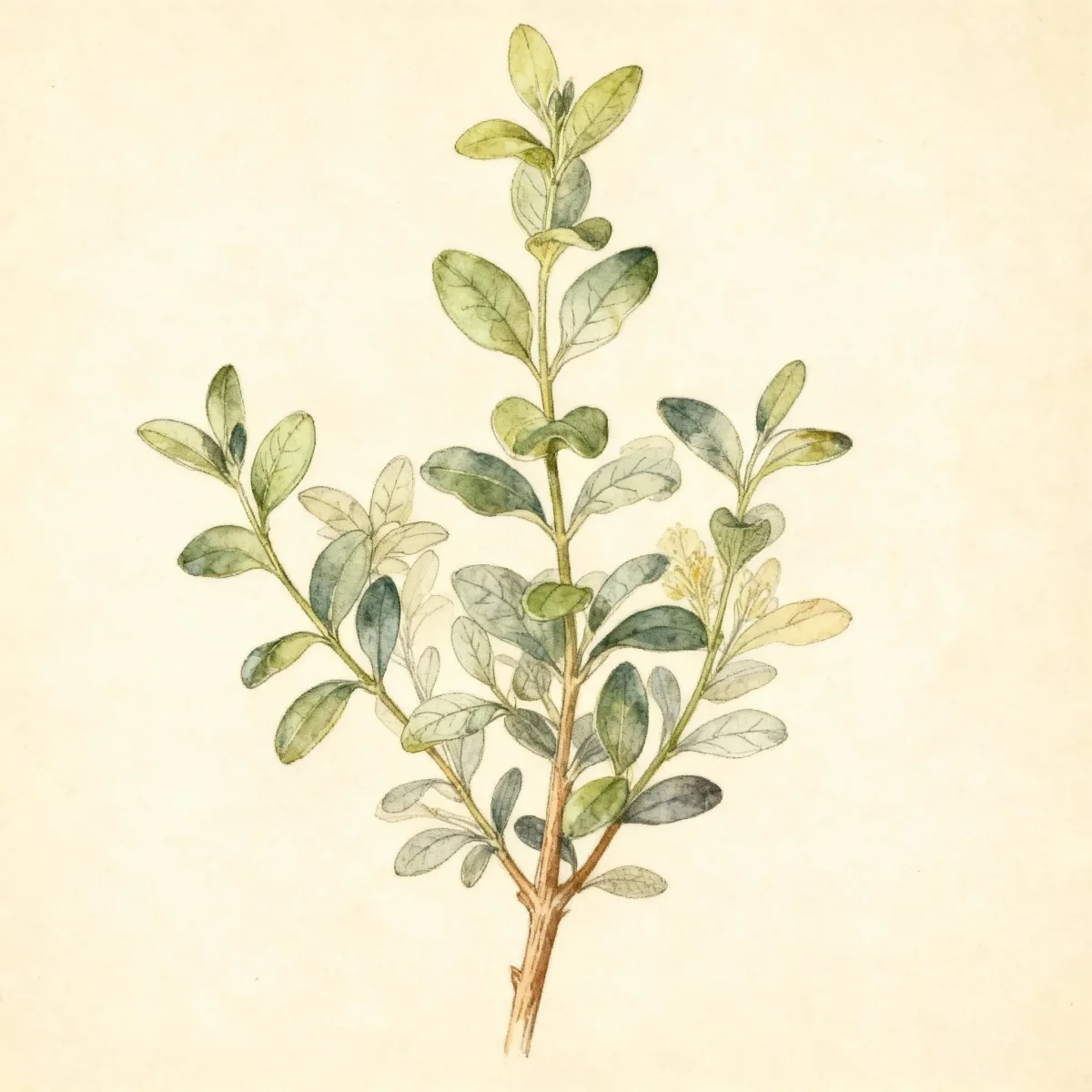
Buxus sempervirens is botanically significant for its broad-rounded, evergreen habit, originating from European woodlands. The specific cultivar ‘Vardar Valley’ is distinguished by being a dense, compact, many-branched, mounded evergreen shrub exhibiting slow annual growth. It features small, round to obovate leaves with a noticeable blue hue, contrasting nicely with the insignificant, yet fragrant, greenish-yellow flowers that appear in the spring.
Tolerances
- Rabbit
- Deer
Potential Problems
A primary aesthetic concern for all Boxwood is foliage bronzing, which turns the leaves an unattractive brownish-yellow during harsh winters, especially when exposed to intense winter sun and dehydrating winds. Fungal diseases, including boxwood blight, volutella blight, and leaf spot, pose threats, particularly in humid conditions or if air circulation is poor. Prevention involves proper siting away from drying winds and ensuring good air movement through annual thinning.
Poorly drained soils are the greatest cultural threat, leading rapidly to root rot. Select planting sites carefully to ensure excellent drainage. While this variety shows good resistance to boxwood leaf miner and mites, gardeners in some regions must monitor for psyllid infestations. Treat identified pest or disease issues promptly using appropriate, labeled horticultural controls.
Frequently Asked Questions
What hardiness zones is Boxwood (Buxus sempervirens ‘Vardar Valley’) suitable for?
This Boxwood cultivar is resilient in USDA Hardiness Zones 5 through 8, making it a reliable evergreen for many temperate regions.
How large does Boxwood (Buxus sempervirens ‘Vardar Valley’) grow?
When mature, Buxus sempervirens ‘Vardar Valley’ typically reaches a low height of 2 to 3 feet, spreading wider to 4 or 5 feet in width.
What sun exposure does Boxwood (Buxus sempervirens ‘Vardar Valley’) need?
This variety prefers full sun conditions but adapts well to part shade, enjoying locations that receive several hours of gentle morning or early afternoon sun.
When does Boxwood (Buxus sempervirens ‘Vardar Valley’) bloom?
The flowering period occurs between April and May, displaying inconspicuous, greenish yellow flowers.
Conclusion
The Boxwood cultivar Buxus sempervirens ‘Vardar Valley’ is an indispensable, low-maintenance evergreen, perfect for providing year-round structure, density, and robust texture in confined garden spaces. Its compact height and deer resistance offer significant landscape benefits. Before planting, confirm your site falls within USDA Zones 5-8 and ensure superior soil drainage for long-term success.
Companion Planting
Selecting appropriate neighbors enhances the performance of your Boxwood. Since Buxus sempervirens ‘Vardar Valley’ prefers well-drained soil and tolerates full sun to part shade, pair it with other low-water, shade-tolerant structural plants. Consider low-growing ferns, Hosta varieties with good sun tolerance, or dwarf evergreen conifers that share similar pH requirements (slightly acidic to slightly alkaline).
When using this plant as an edge, consider incorporating spring-blooming bulbs like snowdrops (Galanthus) or small daffodils, which emerge and fade before the Boxwood leaves show significant summer density, adding seasonal contrast without competing for light. Avoid plants that require consistently wet soil, as this directly conflicts with the Boxwood’s need for drainage.
Design Ideas for Low Hedges
The naturally broad, mounded form of the ‘Vardar Valley’ cultivar makes it an excellent substitute for traditional, neatly sheared square hedges, offering a softer, more organic look. Use this Boxwood to line walkways in lieu of stone, creating a living border that remains green even under snow cover. Its slow growth rate means shearing, if desired, is infrequent, saving time compared to faster-growing hedging materials.
For formal parterre designs or knot gardens, the density of Buxus sempervirens ‘Vardar Valley’ is extremely beneficial, allowing you to create complex geometric patterns with permanent, low green walls. If using it in mixed beds, allow its 4-5 foot spread to fill in space against taller backdrop shrubs, ensuring the base of those larger plants remains concealed by the consistent evergreen mound of the Boxwood.