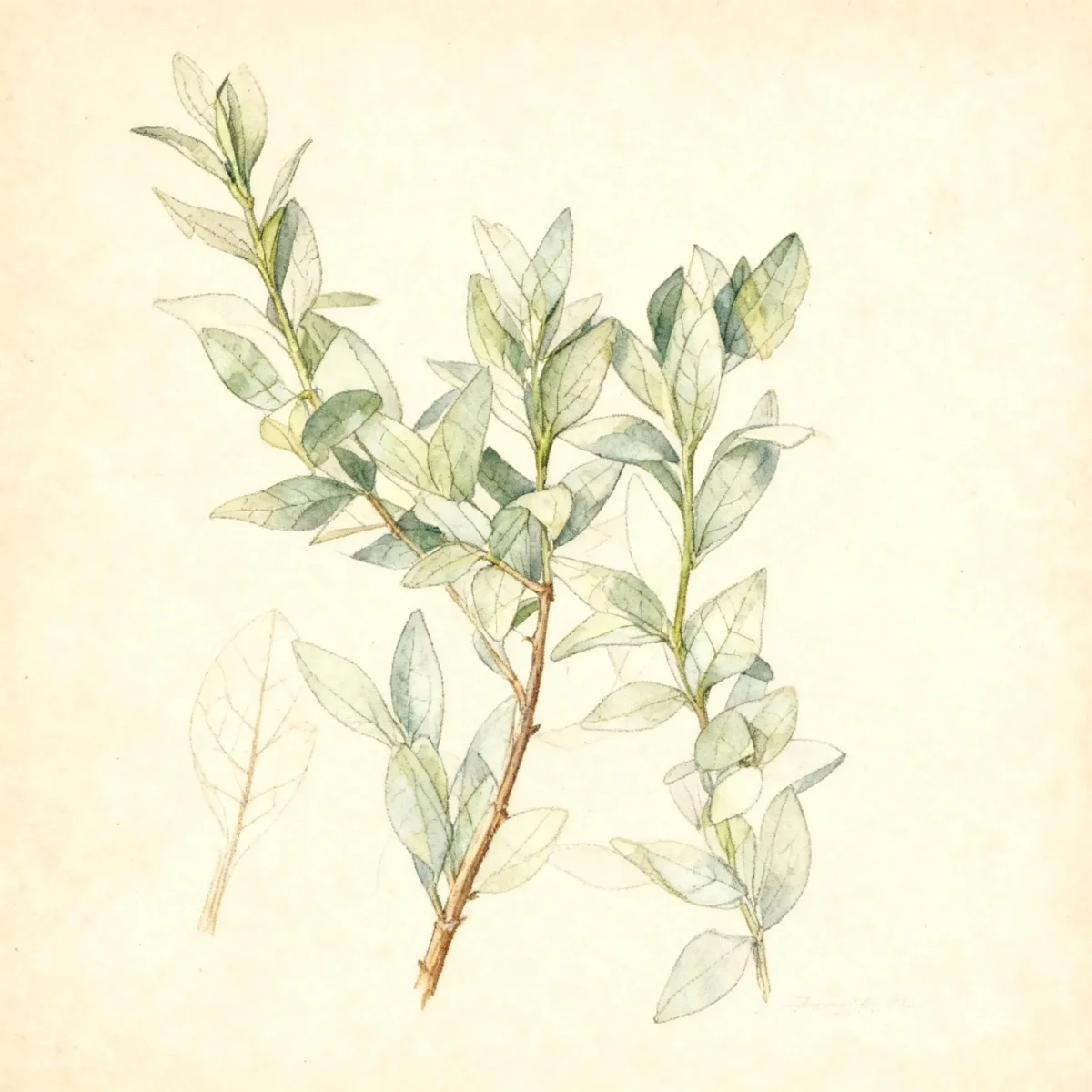
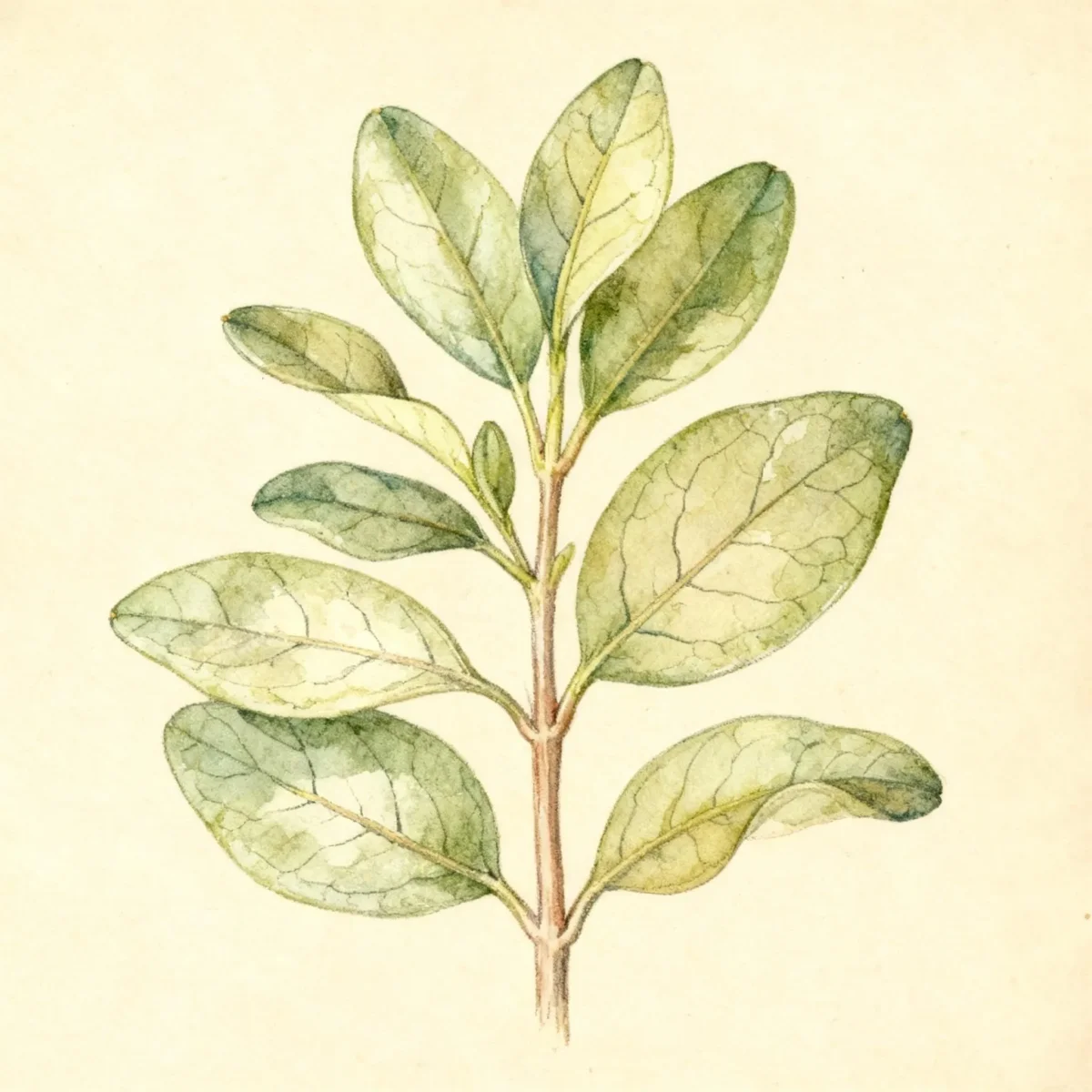
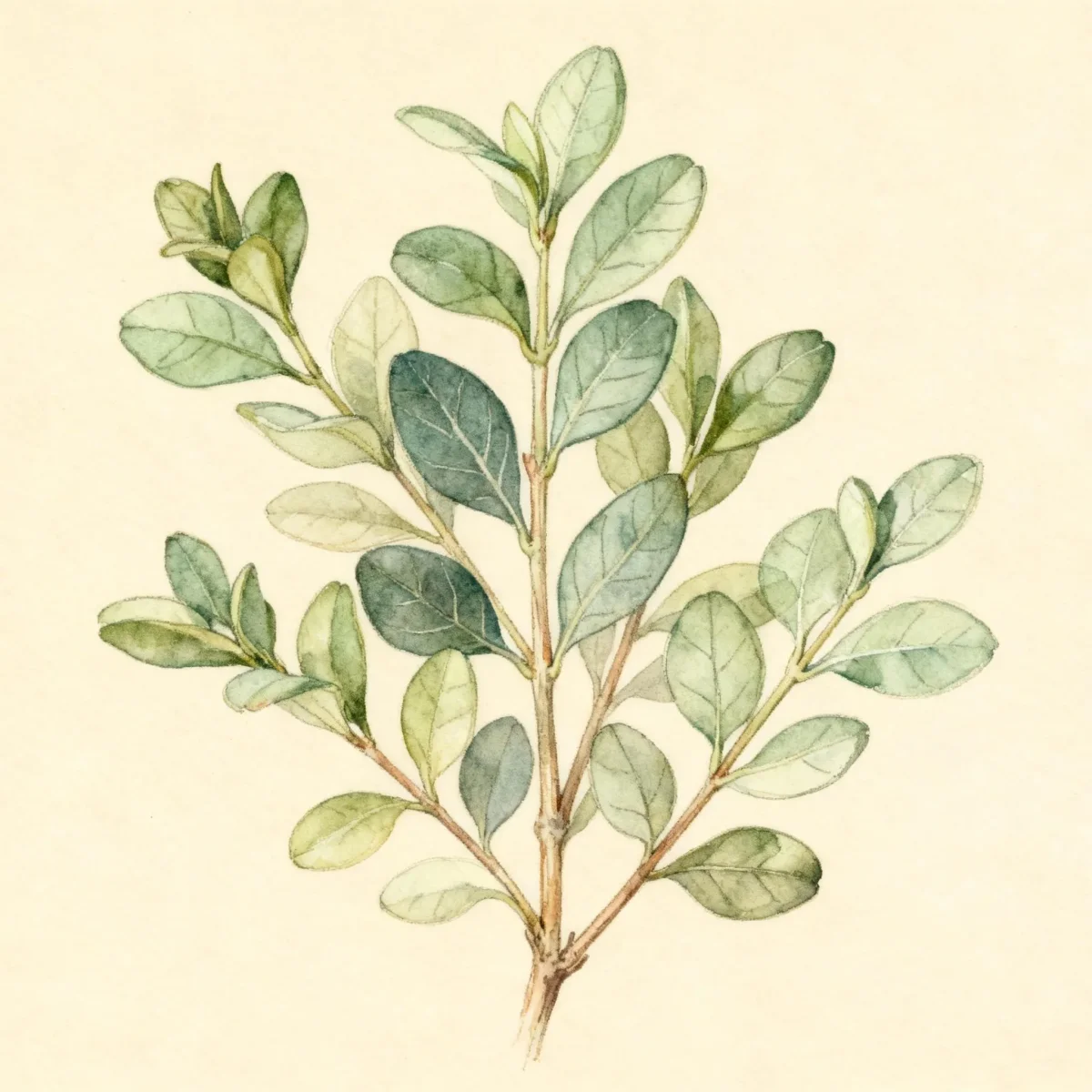
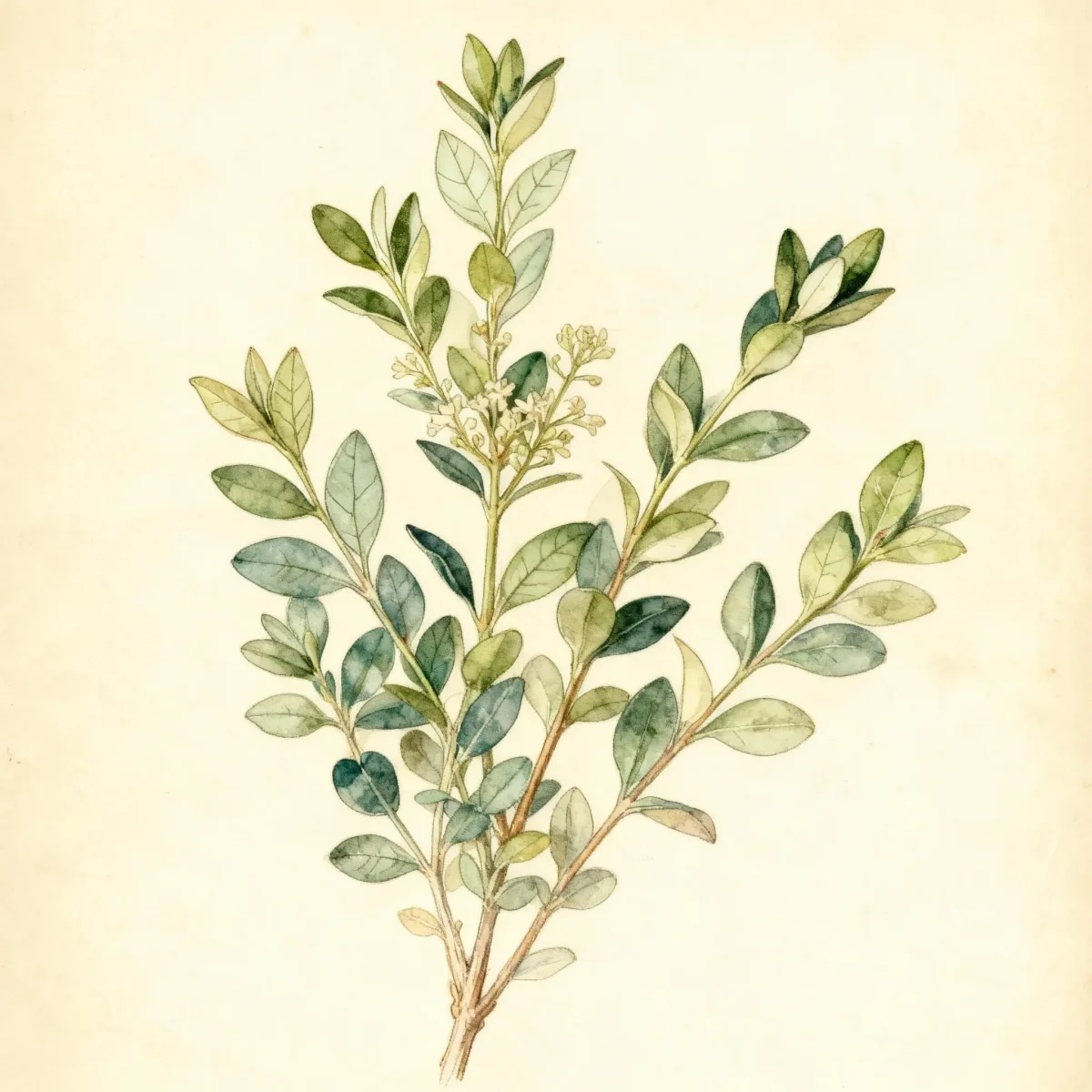
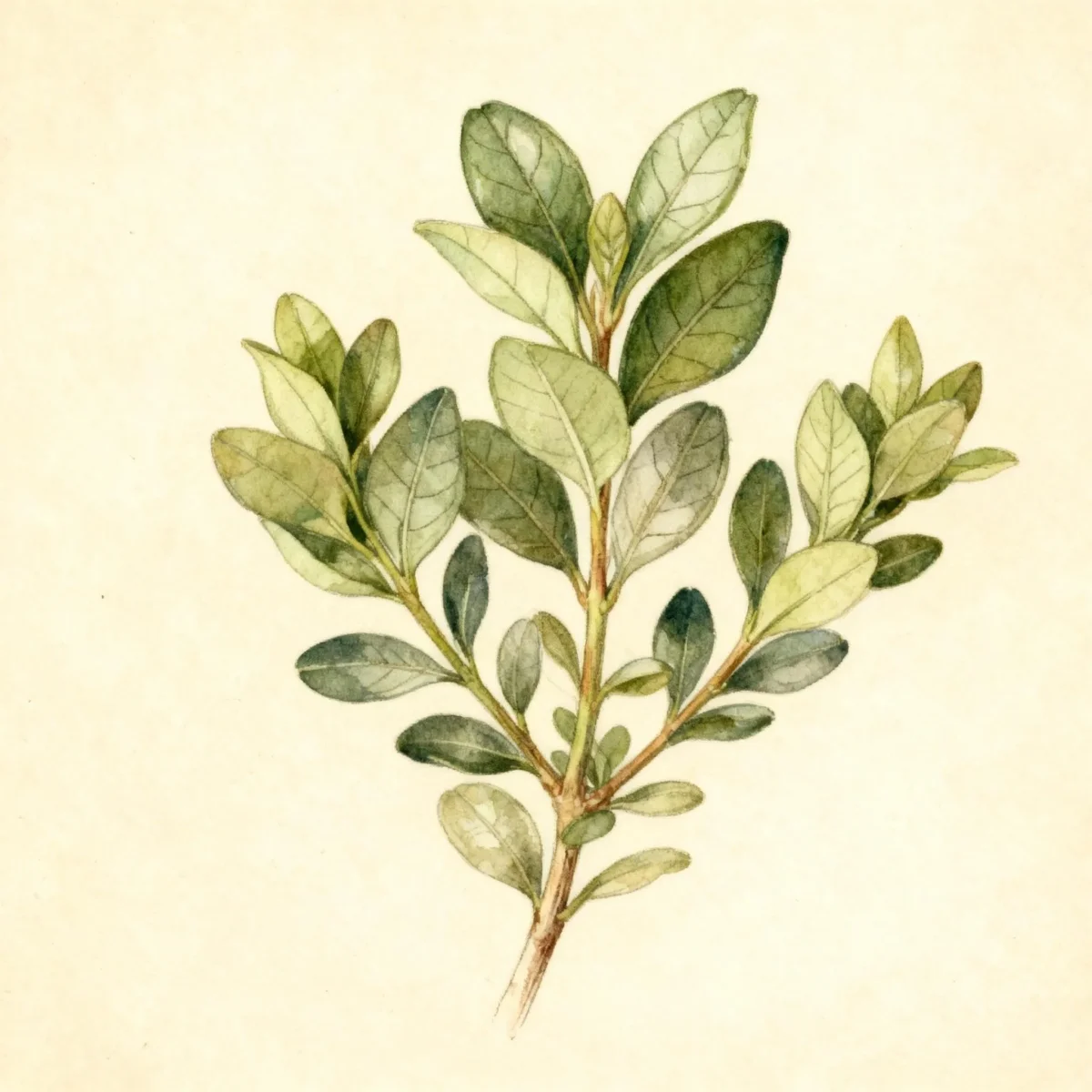
Boxwood (Buxus 'Green Gem')
The dense, globular Buxus 'Green Gem' Boxwood offers superb structure, reaching 3-4 ft in hardiness zones 4-9.
Scroll down to discover growing tips, care requirements, companion plants, and more
Complete Plant Information
Overview
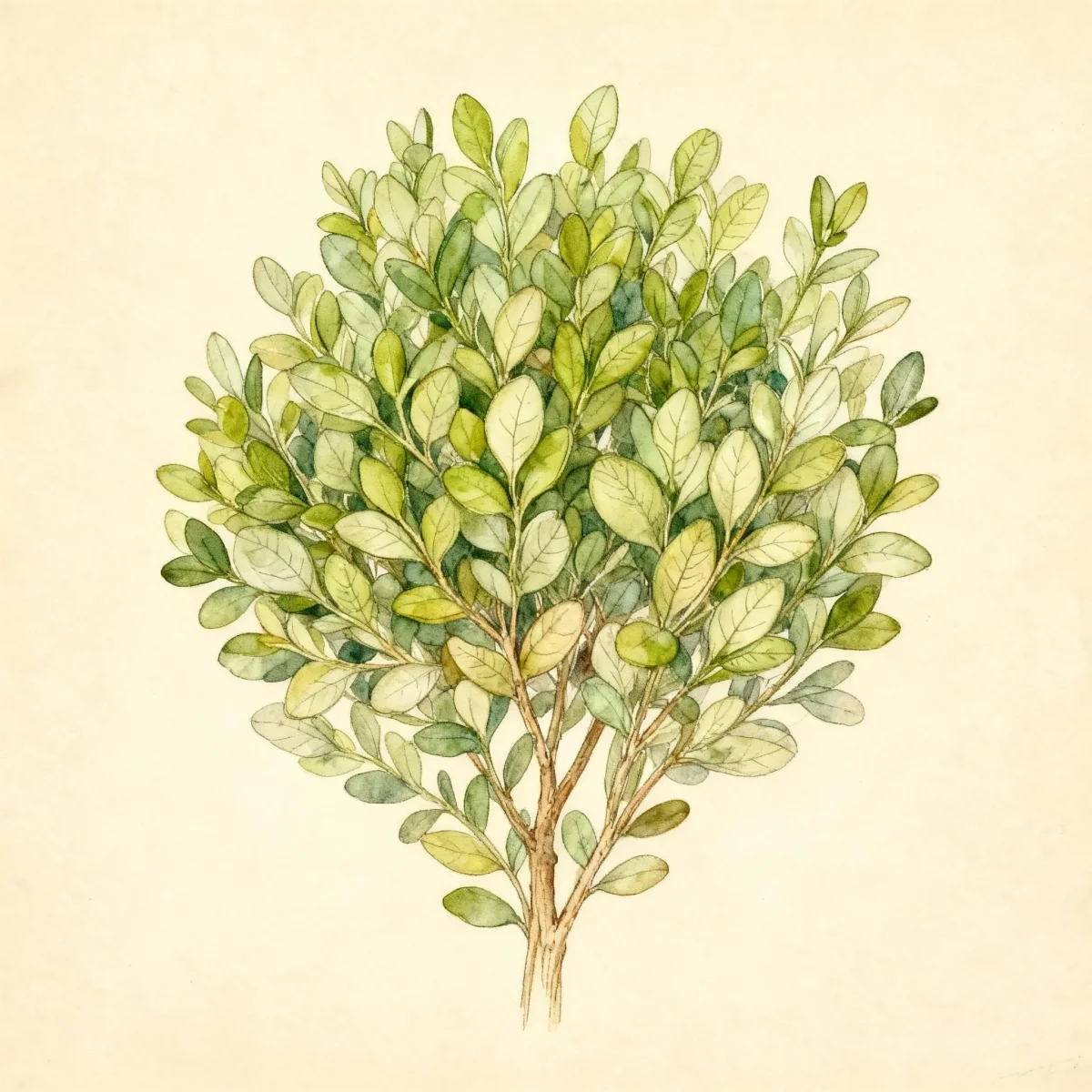
Buxus ‘Green Gem’ is a distinguished broadleaf evergreen shrub, highly valued for maintaining its dense, globular shape without constant heavy pruning, making it a staple in structured garden designs. This Boxwood cultivar is a hybridization noted for its excellent winter hardiness, providing reliable year-round texture and deep green color against changing seasons. Gardeners appreciate the compact nature of the Boxwood, which typically matures to a manageable 3 to 4 feet in height and spread.
As a member of the Sheridan Green Series, this specific Boxwood excels as formal hedging or as a strong accent specimen. Its glossy, dark green foliage holds its color well throughout the winter months. When siting this plant, remember that Buxus ‘Green Gem’ prefers protection from intense winter sun and harsh drying winds to maintain pristine foliage color.
Fast Facts
- Plant Family: Buxaceae
- Plant Type: Broadleaf evergreen
- Hardiness Zones: USDA Zones 4-9
- Size at Maturity:
- Height: 3-4 ft
- Spread: 3-4 ft
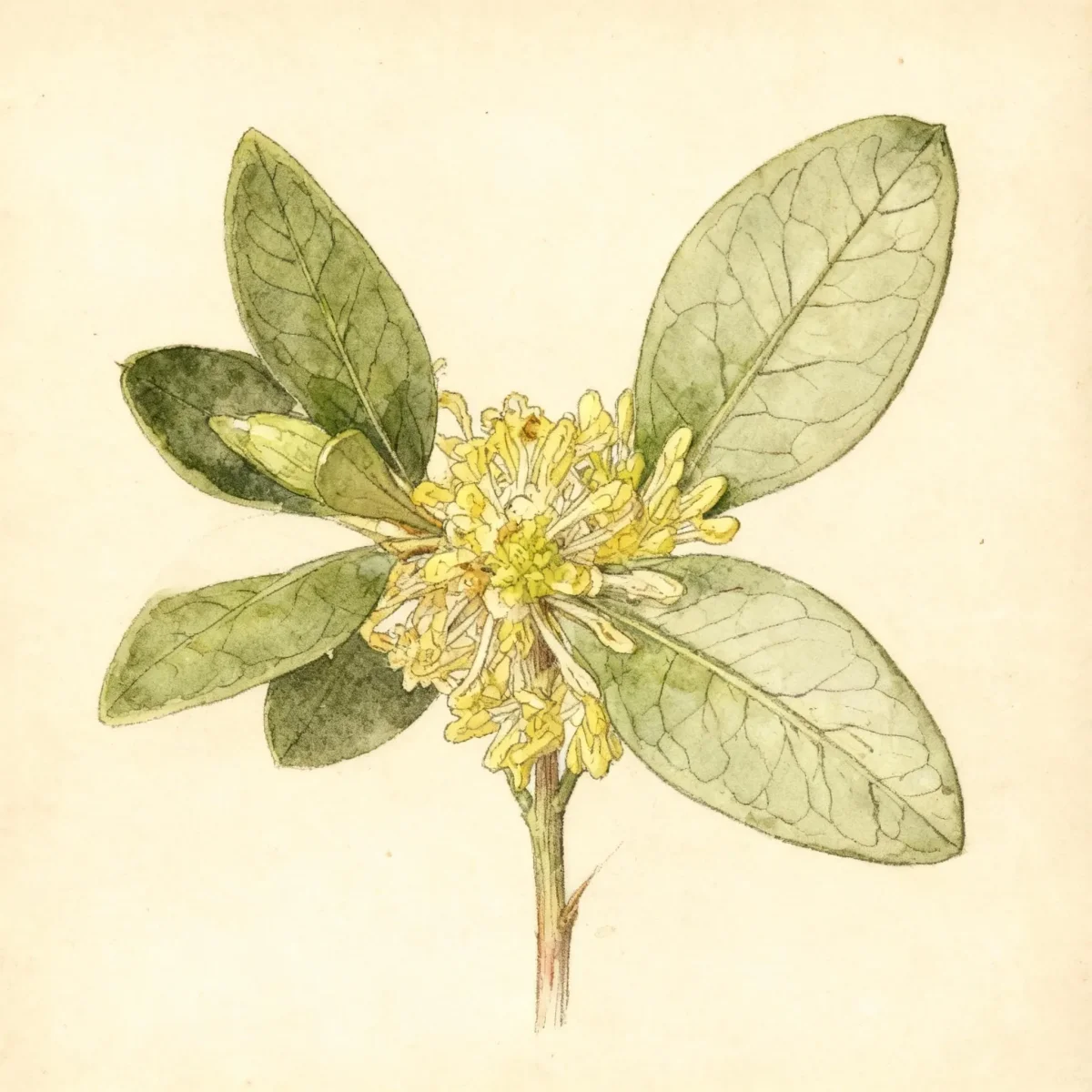
- Bloom Time: April
- Bloom Description: Yellowish-green
- Sun Exposure: Full sun to part shade
- Water Needs: Medium
- Maintenance Level: Medium
How to Grow
Planting should occur when the soil is workable, ideally in spring or early fall, ensuring the Buxus ‘Green Gem’ is placed in evenly moist, well-drained loam. This Boxwood adapts well to light shade with some morning sun, though full sun exposure increases the risk of winter scorch or mite issues. Soil pH preferences range from slightly acidic to slightly alkaline, accommodating most standard garden environments.
Watering should be consistent to keep the soil evenly moist, especially during establishment, as this Boxwood has medium water needs. Avoid cultivating directly around the base of the plant; instead, apply a 1-2 inch layer of organic mulch, such as compost or bark, which helps conserve moisture and shields the shallow root system. Protect your Boxwood by siting it away from strong winter winds if possible.
Pruning and shearing are tolerated well by this species, but gardeners must exercise caution. Never perform any heavy shaping before the danger of the last spring frost has completely passed. Early spring pruning encourages tender new growth highly susceptible to frost damage. Annual thinning to remove dead or damaged branches will significantly improve air circulation, which is vital for disease prevention.
Landscape Uses
The compact and formal nature of Buxus ‘Green Gem’ makes it an essential component for foundation plantings, where a low, consistent border definition is required. It performs beautifully as a low hedge or edging material, providing sharp lines in formal European-style gardens where precision is key. Because of its dense, globose habit, this Boxwood also serves excellently as a specimen plant or accent feature in mixed borders.
When planning companion plantings, select plants with similar cultural needs regarding sun and moisture, prioritizing materials that contrast texturally with the small, glossy leaves of the Boxwood. Consider planting with deciduous shrubs that offer bright fall color, allowing the evergreen structure of Buxus ‘Green Gem’ to anchor the winter landscape. Its formality allows it to pair well with perennials, roses, or ornamental grasses.
Standout Features
Flower Qualities
- Insignificant
Noteworthy Characteristics
Buxus is a genus of approximately 70 species of evergreen shrubs and trees widely distributed across Europe, Asia, Africa, and Central America. The common name ‘boxwood’ likely stems from the historical use of its dense wood for making boxes or the quadrangular cross-section of young stems. ‘Green Gem’ is a hybrid noted for its distinct, dense globe shape and superior winter hardiness. This cultivar typically maintains glossy, dark green leaves year-round, offering reliable structure through the coldest months.
Tolerances
- Rabbit
- Deer
Potential Problems
Boxwood foliage can exhibit bronzing—turning an unattractive brownish-yellow—under harsh winter conditions, especially when exposed to strong winds and full sun. This bronzing is often dehydration caused by winter winds stealing moisture from the leaves faster than the roots can replace it. Poorly drained soils risk root rot, so site selection is crucial for the long-term success of your Boxwood planting.
This shrub is susceptible to several diseases, including boxwood blight, volutella blight, and fungal leaf spots. Management involves ensuring excellent air circulation through proper thinning and avoiding overhead watering. Insect pests such as the boxwood leafminer, mite, and psyllid can also cause issues; regular scouting for pests is necessary, particularly on new growth which is most tender.
Frequently Asked Questions
What hardiness zones is Boxwood suitable for?
Buxus ‘Green Gem’ is highly adaptable and suitable for USDA Hardiness Zones 4 through 9.
How large does Boxwood grow?
This cultivar typically develops into a dense globe reaching a mature height between 3 and 4 feet, with an equal spread.
What sun exposure does Buxus ‘Green Gem’ need?
It thrives best in conditions ranging from full sun to light shade, performing well where it receives several hours of morning sun.
When does Buxus ‘Green Gem’ bloom?
The flowering time for this Boxwood is typically in April, producing inconspicuous, yellowish-green blossoms.
Conclusion
The Buxus ‘Green Gem’ Boxwood remains an invaluable asset for gardeners needing durable, compact evergreen structure, resisting both frost damage and browse from common wildlife. When properly sited in well-drained soil and protected from the most severe winter elements, this cultivar guarantees year-round visual appeal. Ensure you check your local hardiness zone compatibility and avoid pruning until late spring to solidify your success with this fantastic Boxwood.
Companion Planting
Selecting companions that share the preference for well-drained soil and partial shade will ensure a cohesive planting area around your Buxus ‘Green Gem’. Consider contrasting textures, such as fine-leaved ornamental grasses or broad-leaved hostas that tolerate dappled light. This creates visual interest while the evergreen Boxwood maintains the backdrop structure during dormancy or winter.
For foundation plantings, pair Buxus ‘Green Gem’ with early spring bloomers like late-blooming bulbs (e.g., Darwin hybrid tulips) that provide a vibrant show before the Boxwood foliage fully thickens for summer. Ensure any companions do not aggressively compete for shallow root resources or crowd the base of the shrub, which impedes air movement.
Seasonal Care Calendar
In early spring, after the danger of severe frost has passed, inspect your Boxwood for any winter damage and perform necessary thinning pruning to improve interior air circulation. Apply a slow-release granular fertilizer formulated for acid-loving or general evergreen shrubs around the root zone before the spring growth spurt begins.
Summer months require monitoring soil moisture, especially during dry spells, to maintain the medium water needs of the Buxus ‘Green Gem’. If pests like mites appear, particularly on plants sited in full sun, increase humidity slightly through careful watering practices and consider dormant oil treatments during fall or early spring to control overwintering pests.
Prepare your Boxwood for winter in the fall by ensuring it is well-watered going into dormancy; this provides the best hydration buffer against drying winter winds. If possible, erect temporary burlap screens on the south or west side of the plant before the ground freezes to shield the foliage from intense, desiccating winter sun exposure.