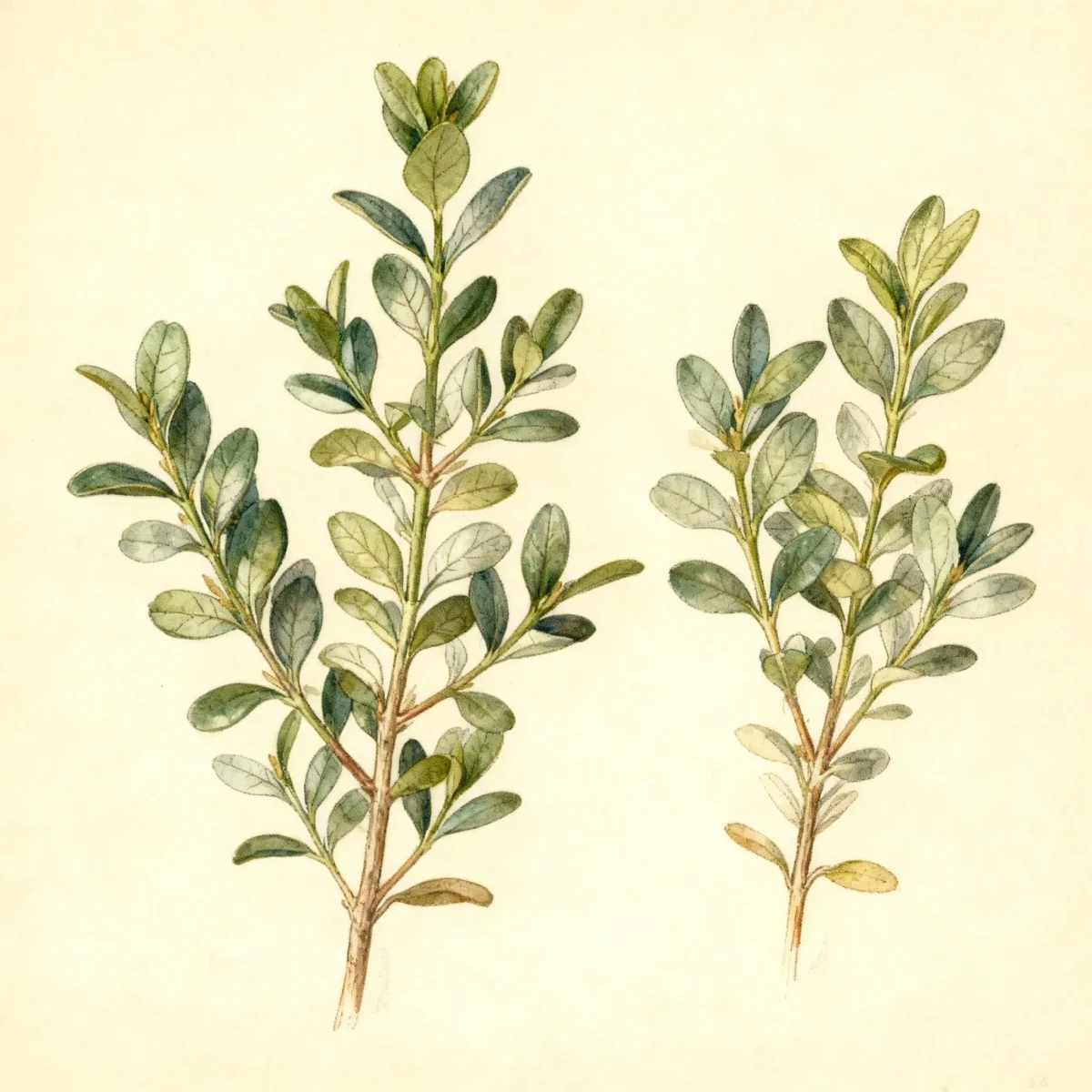
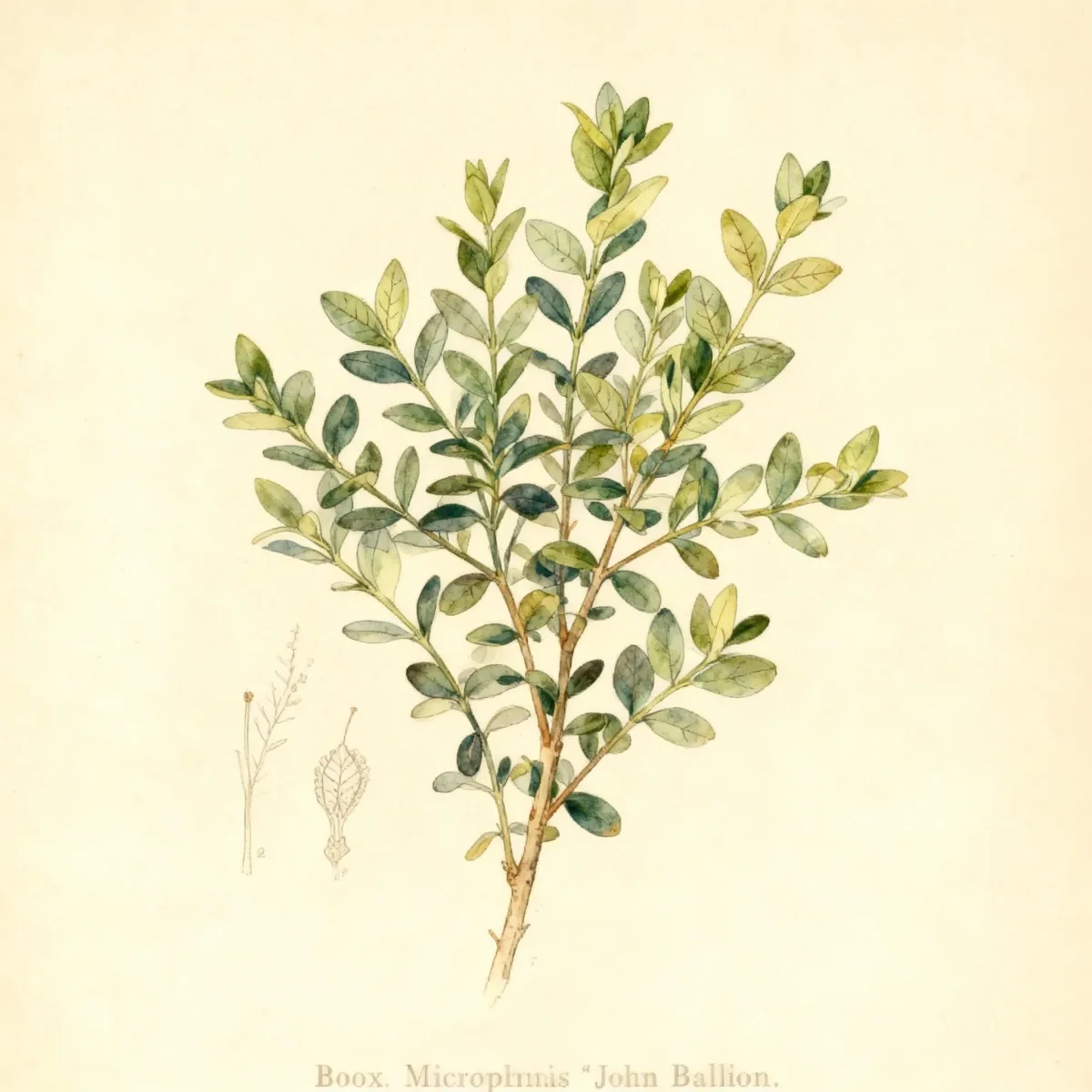
Boxwood (Buxus 'Green Velvet')
Buxus 'Green Velvet' Boxwood is a compact broadleaf evergreen perfect for formal landscapes, hedges, and specimen accent planting.
Scroll down to discover growing tips, care requirements, companion plants, and more
Complete Plant Information
Overview
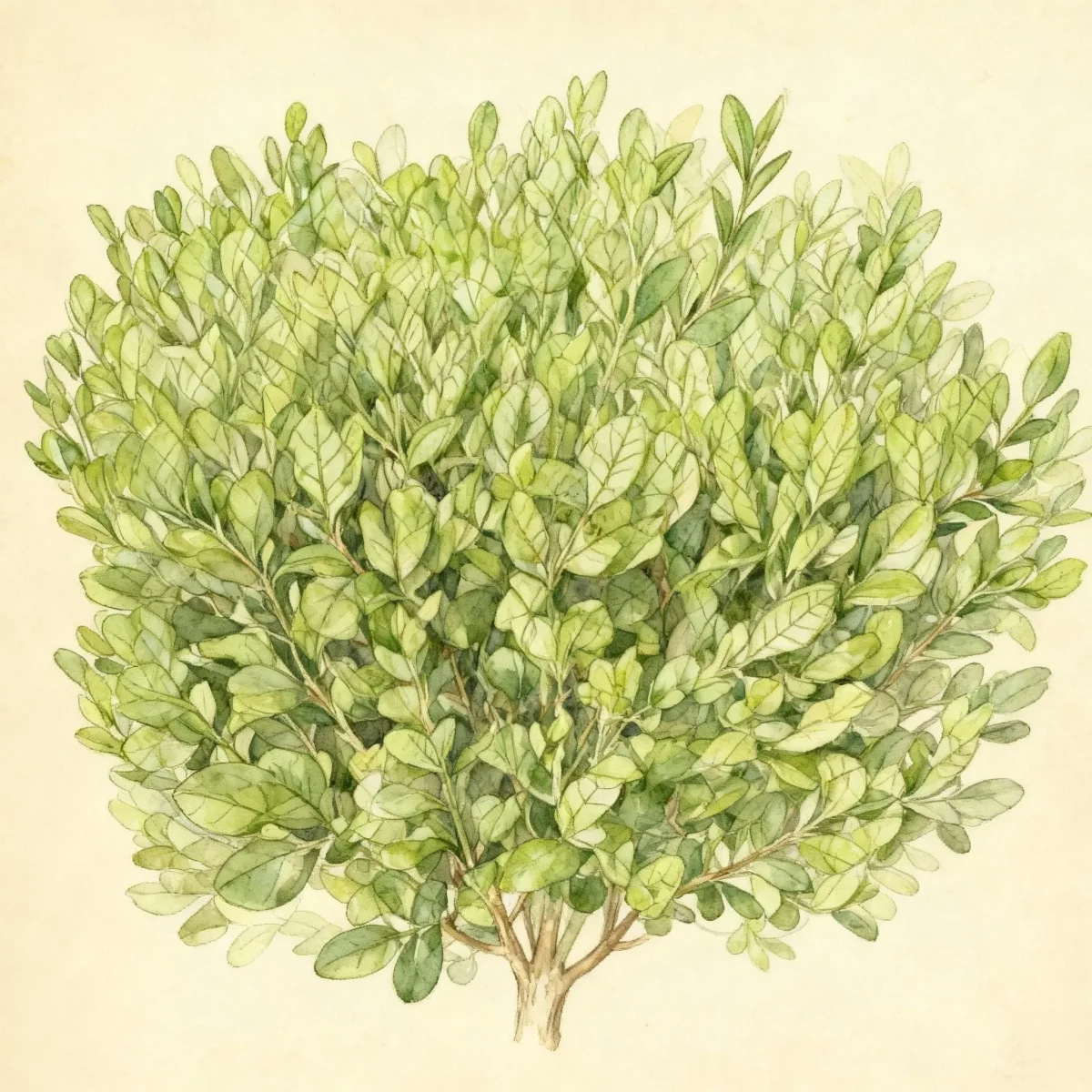
Buxus ‘Green Velvet’ is esteemed by gardeners for its dense, compact growth habit, making it an outstanding choice for formal hedge work and low foundation plantings throughout its hardiness range. This Boxwood hybrid is a broadleaf evergreen, providing consistent, dark green texture year-round, an essential quality for defining garden structure, even in winter. Its manageable 3 to 4-foot mature size ensures easy integration into smaller spaces where larger deciduous shrubs might overwhelm the area.
This durable cultivar offers a reliable, slightly mounding form that responds well to shearing, though it maintains a pleasing natural shape when left untrimmed. Cultivating Buxus ‘Green Velvet’ successfully requires attention to drainage and siting, as it thrives best when protected from intense winter winds and midday summer sun exposure that can cause foliage bronzing.
The value of Boxwood in structured landscapes cannot be overstated, and ‘Green Velvet’ provides a low-maintenance evergreen anchor. Its resistance to grazing animals further cements its role as a dependable foundation or border plant in both traditional and contemporary garden designs.
Fast Facts
- Plant Family: Buxaceae
- Plant Type: Broadleaf evergreen
- Hardiness Zones: USDA Zones 5-8
- Size at Maturity:
- Height: 3-4 ft
- Spread: 3-4 ft
- Bloom Time: April
- Bloom Description: Pale green
- Sun Exposure: Full sun to part shade
- Water Needs: Medium
- Maintenance Level: Medium
How to Grow
For optimal success with Buxus ‘Green Velvet’, plant in sites where soil is evenly moist but exceptionally well-drained; loamy soil mixtures composed of sand and clay work well. While this Boxwood tolerates light shade, ensure it receives several hours of morning sun or dappled light to maintain vigorous growth. Extremely dense shade results in less dense foliage structure.
Watering should be consistent, meeting its medium water needs, especially during dry spells and establishment. Avoid cultivating directly around the base of the plant, as Boxwood possesses shallow roots that are easily damaged by disturbance. Instead, apply a 1-2 inch layer of organic mulch, such as aged bark or compost, to conserve soil moisture and modulate soil temperature.
Pruning or shearing Buxus ‘Green Velvet’ should be delayed until after the last expected spring frost date. Pruning too early encourages tender new growth highly vulnerable to subsequent frost damage. For best long-term health and air circulation, annually thin the plant and remove any dead or damaged branches. Siting is crucial: protect your Boxwood from strong winds and intense winter sun exposure to minimize the chance of dehydration and winter bronzing.
Landscape Uses
Buxus ‘Green Velvet’ excels in applications demanding precise structure and year-round formality. It is perfectly sized for use as a low replacement for traditional, larger hedges, providing clean lines along walkways or property borders. The compact nature also makes this Boxwood an excellent choice for foundation plantings against modern homes where a neat, contained profile is desired.
Beyond hedges, individual specimens of Buxus ‘Green Velvet’ serve wonderfully as formal accents or targets within a larger design scheme. Their deep evergreen color acts as a strong structural element that can beautifully contrast brighter spring perennials or provide necessary winter backbone in perennial borders. Consider using them in formal knot gardens where their dense foliage can be tightly maintained to create intricate patterns.
Standout Features
Flower Qualities
- Insignificant
Noteworthy Characteristics
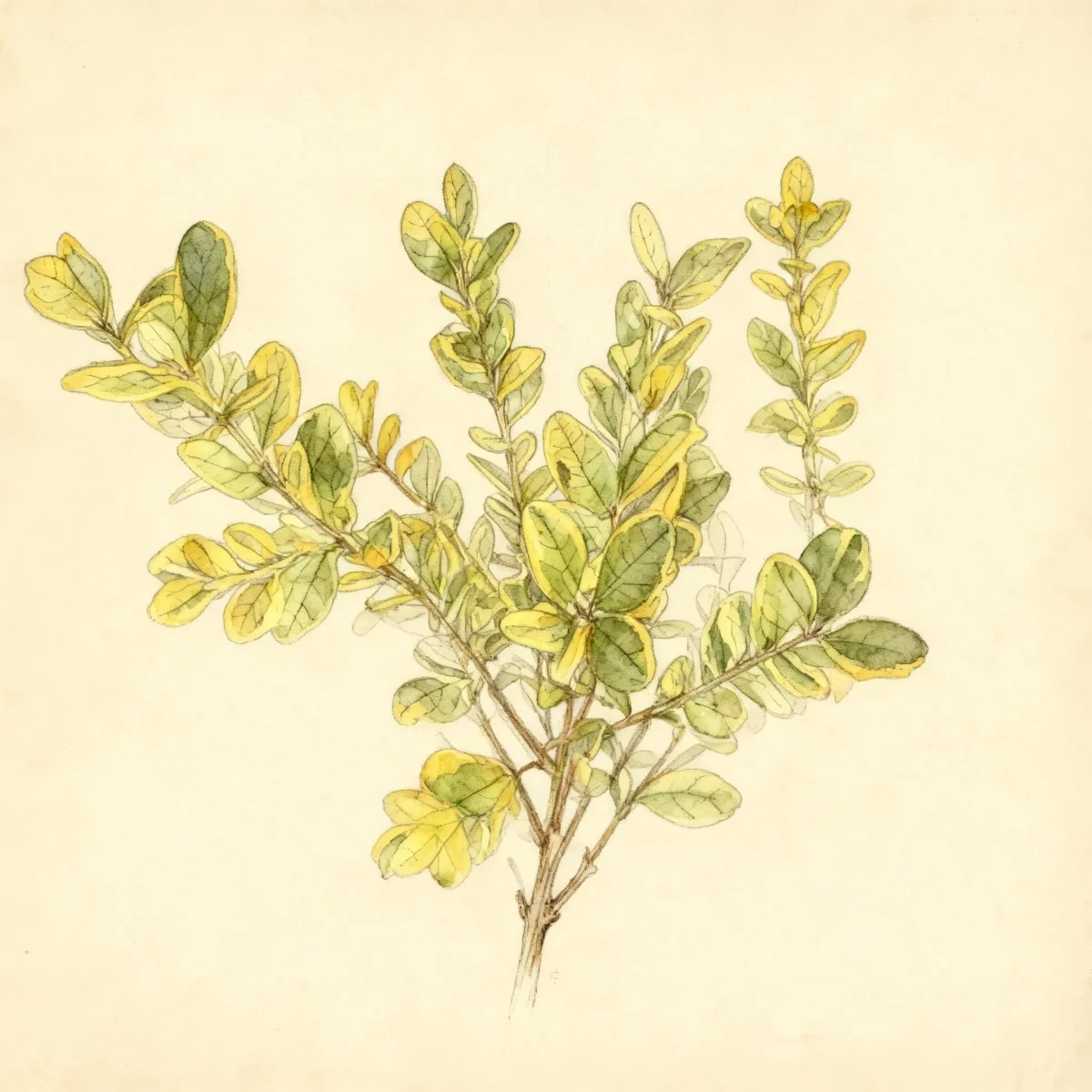
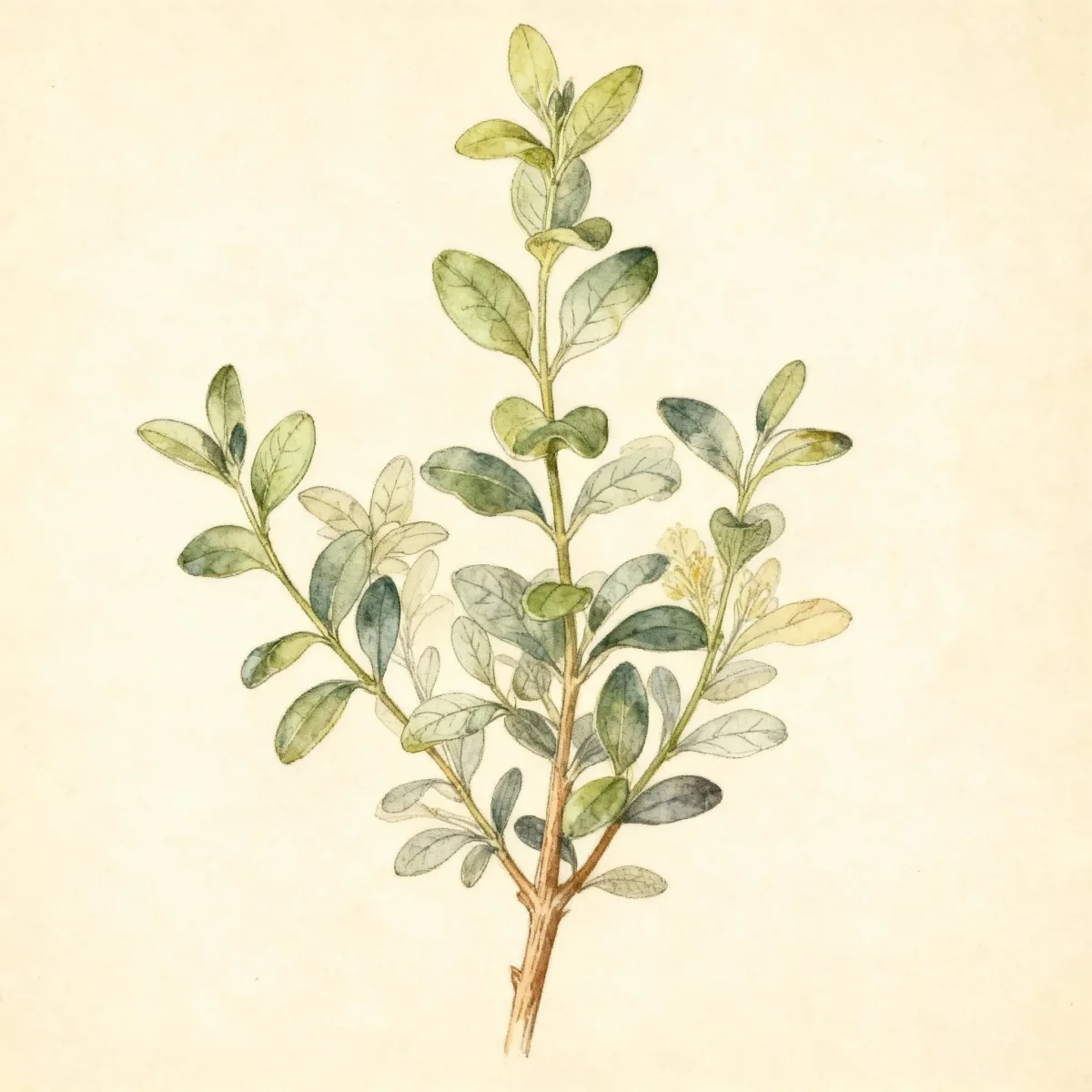
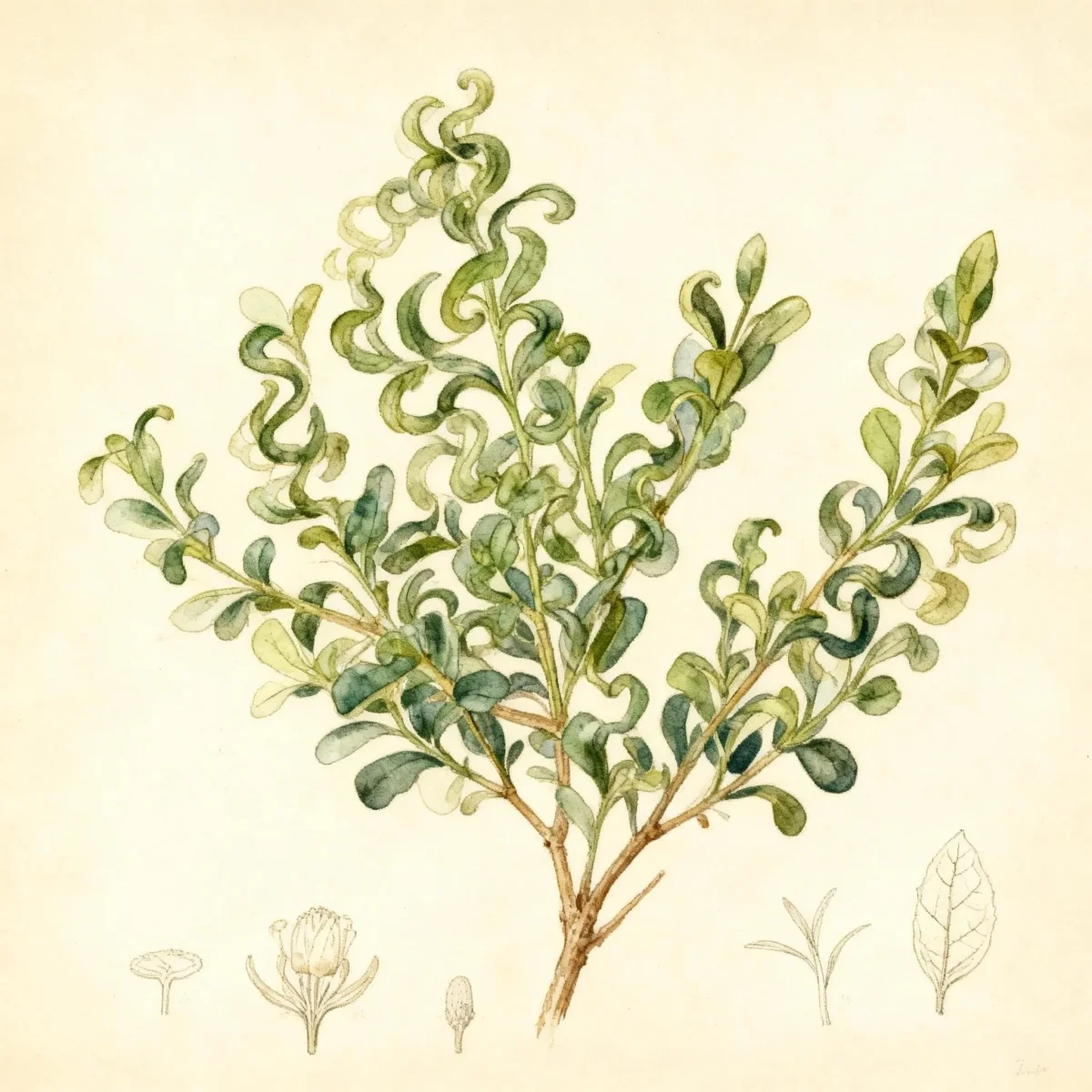
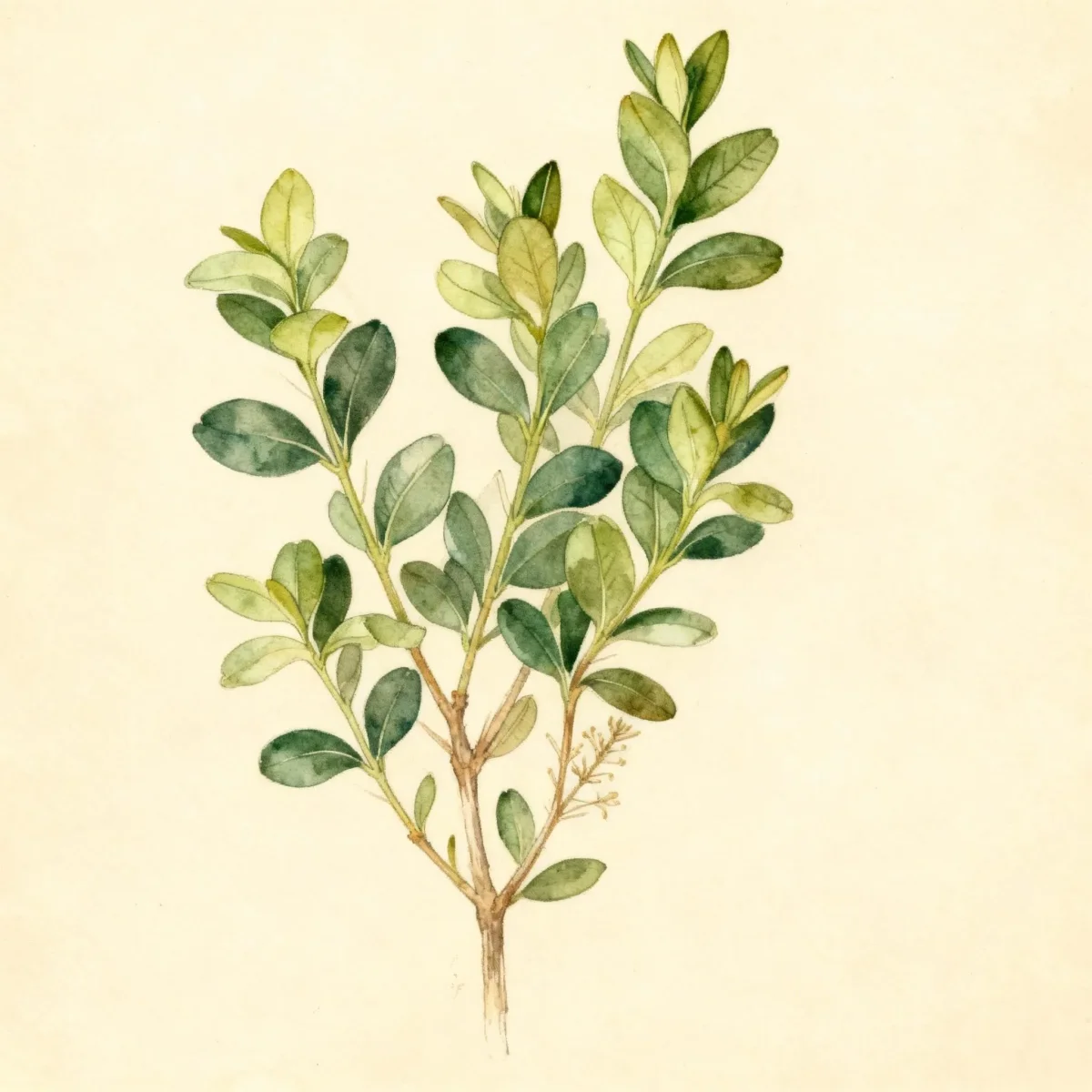
Buxus is a genus of about 70 species of evegreen shrubs and trees from Europe, Asia, Africa and Central America. The genus name comes from the Latin name for plants in this genus. The common name of boxwood is in reference to the prior use of the wood to make boxes, though another theory suggests it describes the quadrangular (square box cross section) stems of young plants. ‘Green Velvet’ is a particularly desirable broad-mounded, compact form (a hybrid of B. Sempervirens x B. Microphylla var. Koreana) that features opposite, glossy, dark green leaves and inconspicuous pale green flowers in April.
Tolerances
- Rabbit
- Deer
Potential Problems
Boxwood foliage, including that of Buxus ‘Green Velvet’, can suffer from winter bronzing—turning an unattractive brownish-yellow hue—especially when exposed to full winter sun and drying winds. While ‘Green Velvet’ shows good resistance to bronzing, site selection remains key, favoring locations sheltered from harsh winter elements.
This evergreen is susceptible to fungal issues like boxwood blight, volutella blight, and general leaf spot diseases; poor drainage increases the risk of root rot. Monitor regularly for common pests such as the boxwood leafminer, mite, or psyllid, and apply management strategies promptly. Pruning too early in the season invites frost damage to the resulting tender new growth.
Frequently Asked Questions
What hardiness zones is Boxwood suitable for?
Buxus ‘Green Velvet’ is reliably hardy in USDA Zones 5 through 8.
How large does Buxus ‘Green Velvet’ grow?
This compact Boxwood typically matures to a height between 3 and 4 feet, with an equal spread of 3 to 4 feet wide.
What sun exposure does Boxwood need?
Buxus ‘Green Velvet’ performs best in full sun to partial shade conditions, thriving where it receives bright, indirect light or morning sun.
When does Boxwood bloom?
The pale green flowers of this Boxwood appear early in the season, usually around April, though they are mostly inconspicuous.
Conclusion
The Buxus ‘Green Velvet’ Boxwood offers unmatched value for gardeners seeking dense, manageable, year-round evergreen structure suitable for formal hedges and specimen planting. Its compact dimensions and good winter resilience make it a superior choice over many other evergreen shrubs. Ensure you check your local USDA hardiness zone and plan any necessary shaping or pruning outside of the early spring risk period when incorporating this excellent Boxwood into your landscape.
Companion Planting
When designing borders around Buxus ‘Green Velvet’, select companions that complement its formality without demanding excessive moisture or competing for shallow soil nutrients. Consider pairing it with low-growing dwarf conifers or broadleaf evergreens that feature contrasting textures, such as Japanese Holly (Ilex crenata cultivars) if growing in similar conditions. For seasonal color pops near a low Boxwood run, spring bulbs like snowdrops or crocuses offer fleeting but delightful contrast before the Boxwood fully leafs out.
Seasonal Care Calendar
Spring is the season for vital maintenance of your Boxwood. Wait until all danger of hard frost has passed before performing any shaping or trimming to avoid damaging subsequent tender growth. As summer progresses, monitor soil moisture carefully beneath the canopy, as heavy mulch can sometimes hide dry conditions near the root zone, necessitating a deep, slow watering. In late fall, before the ground freezes, provide one final deep watering to help the Buxus ‘Green Velvet’ foliage better withstand winter desiccation.