Feather reed grass (Calamagrostis × acutiflora 'Overdam')
Calamagrostis × acutiflora 'Overdam' (Feather reed grass) offers variegated foliage and striking vertical structure. Low maintenance and suited for wet soils.
Scroll down to discover growing tips, care requirements, companion plants, and more
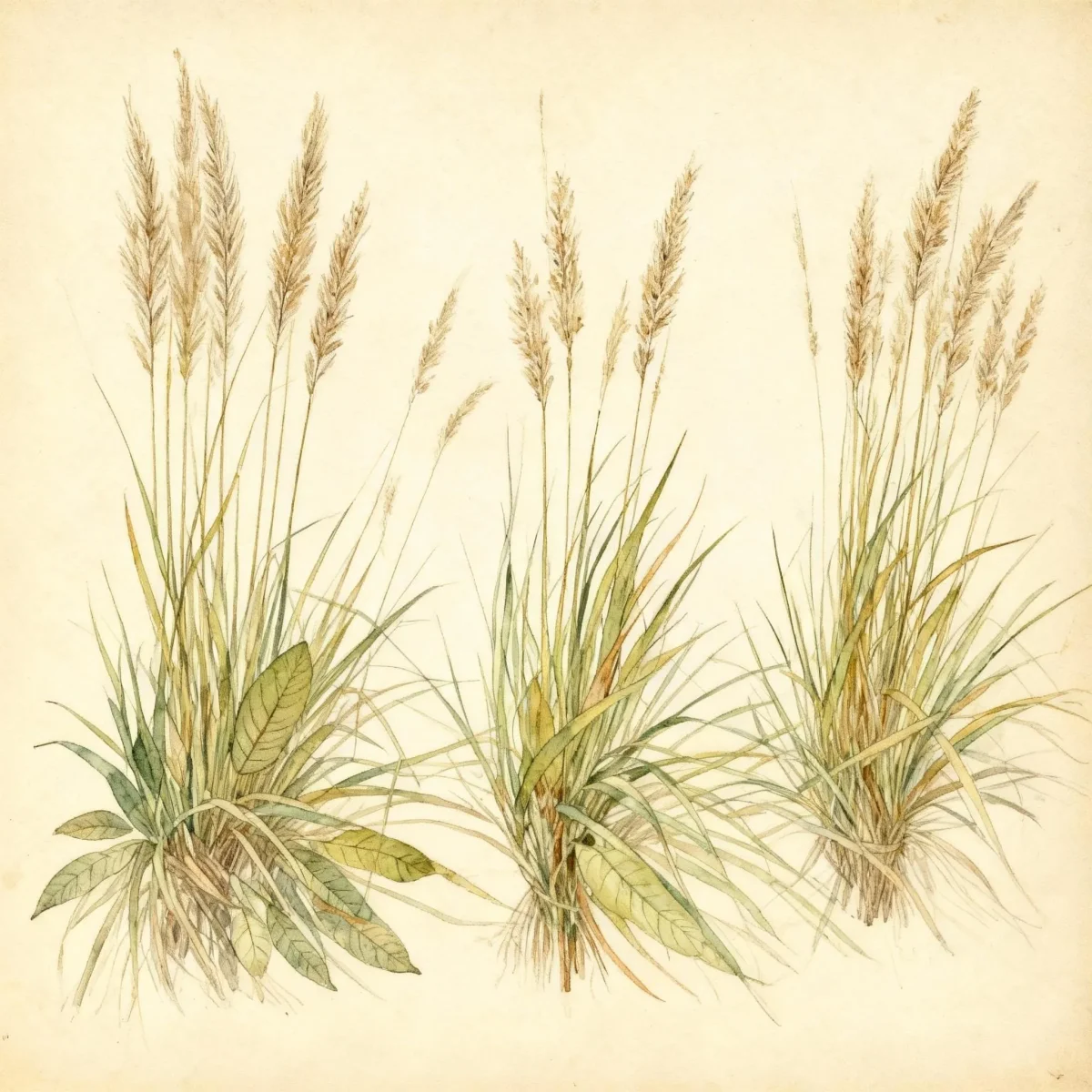
Complete Plant Information
Overview
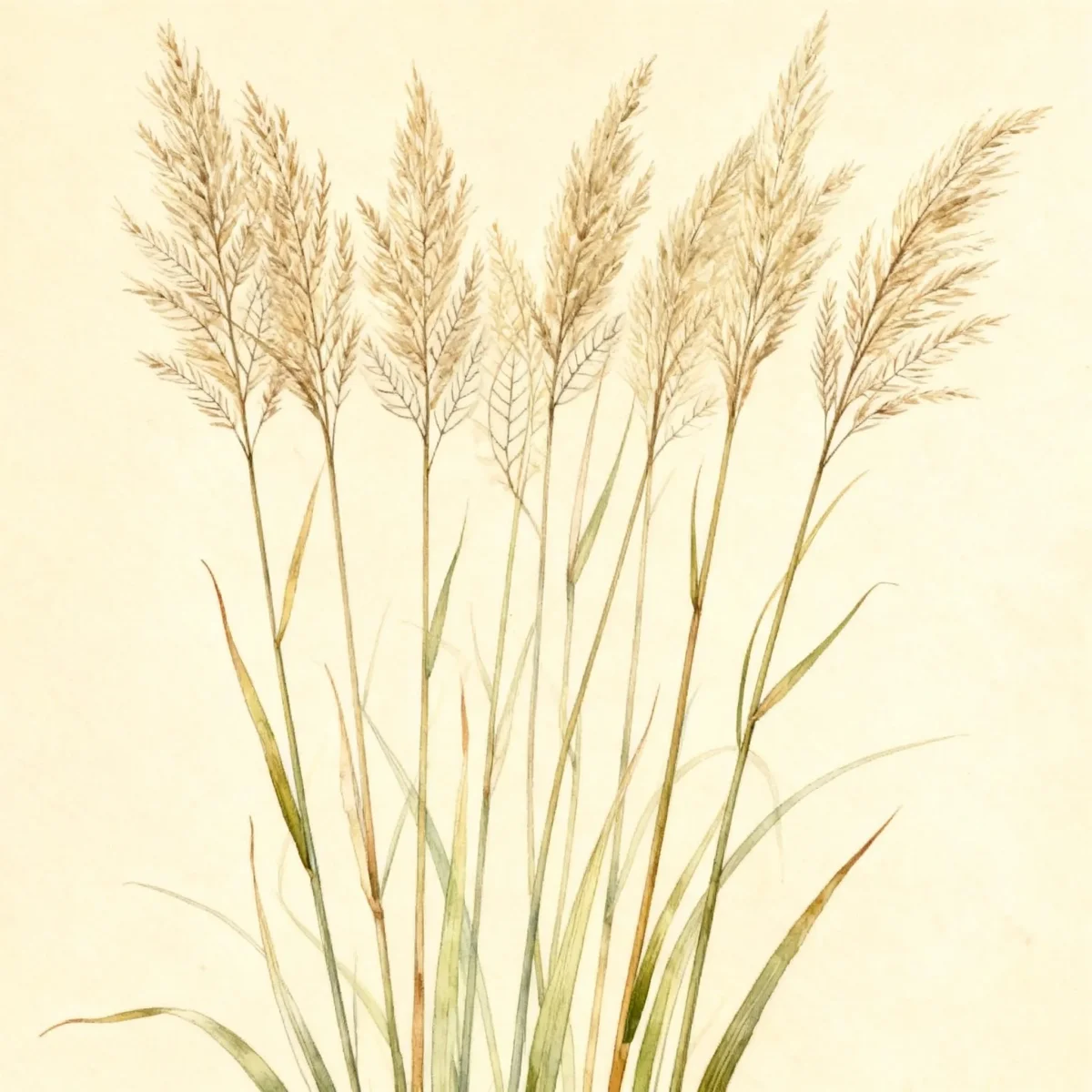
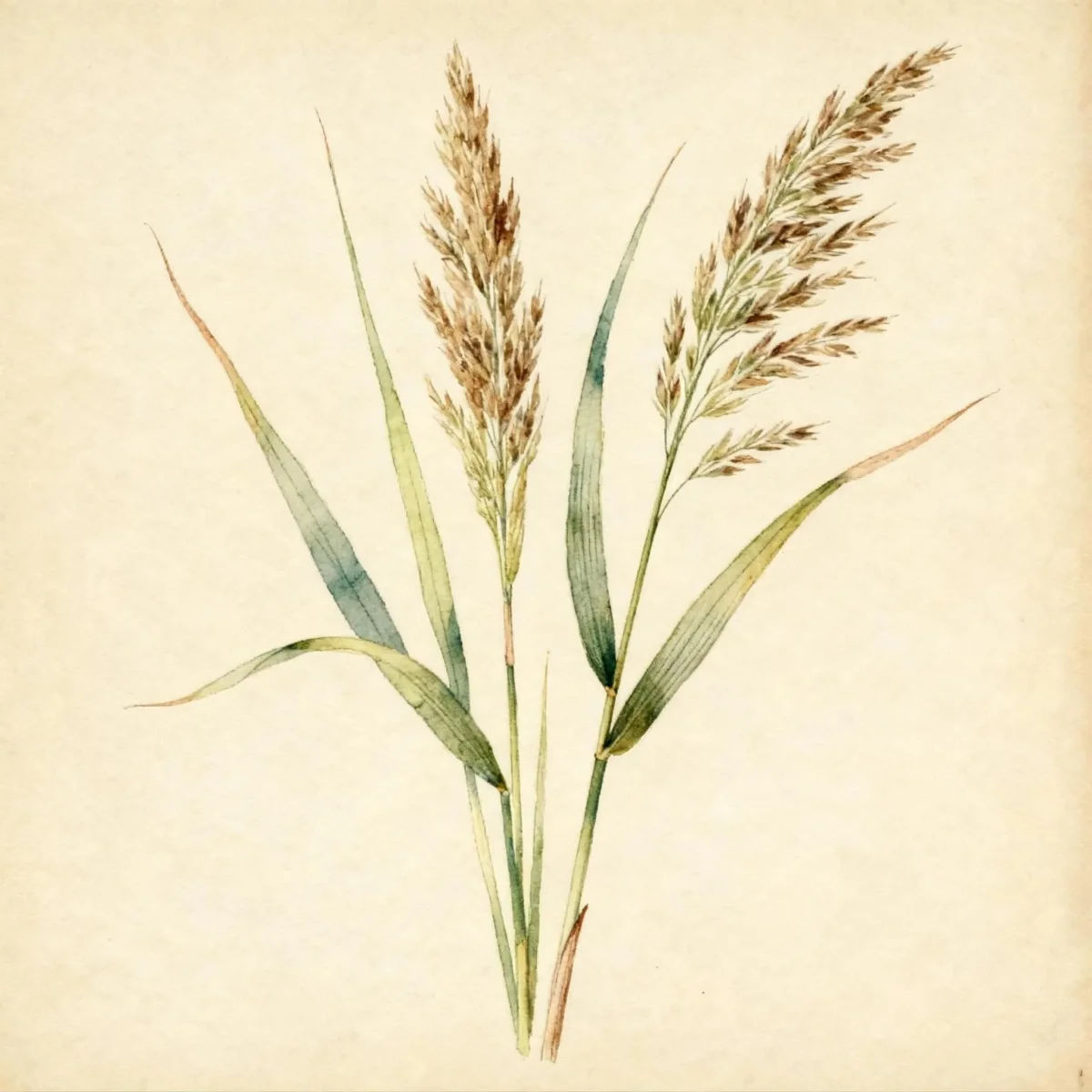
Calamagrostis × acutiflora ‘Overdam’, commonly known as Feather reed grass, is a highly prized ornamental grass valued for its strong vertical habit and striking variegated foliage. Unlike many grasses, this cultivar stands stiffly upright, providing excellent year-round structure in the landscape, especially when paired with its typically pinkish-green summer plumes. Gardeners appreciate this cultivar for its relatively low maintenance requirements and exceptional adaptability to challenging soil conditions.
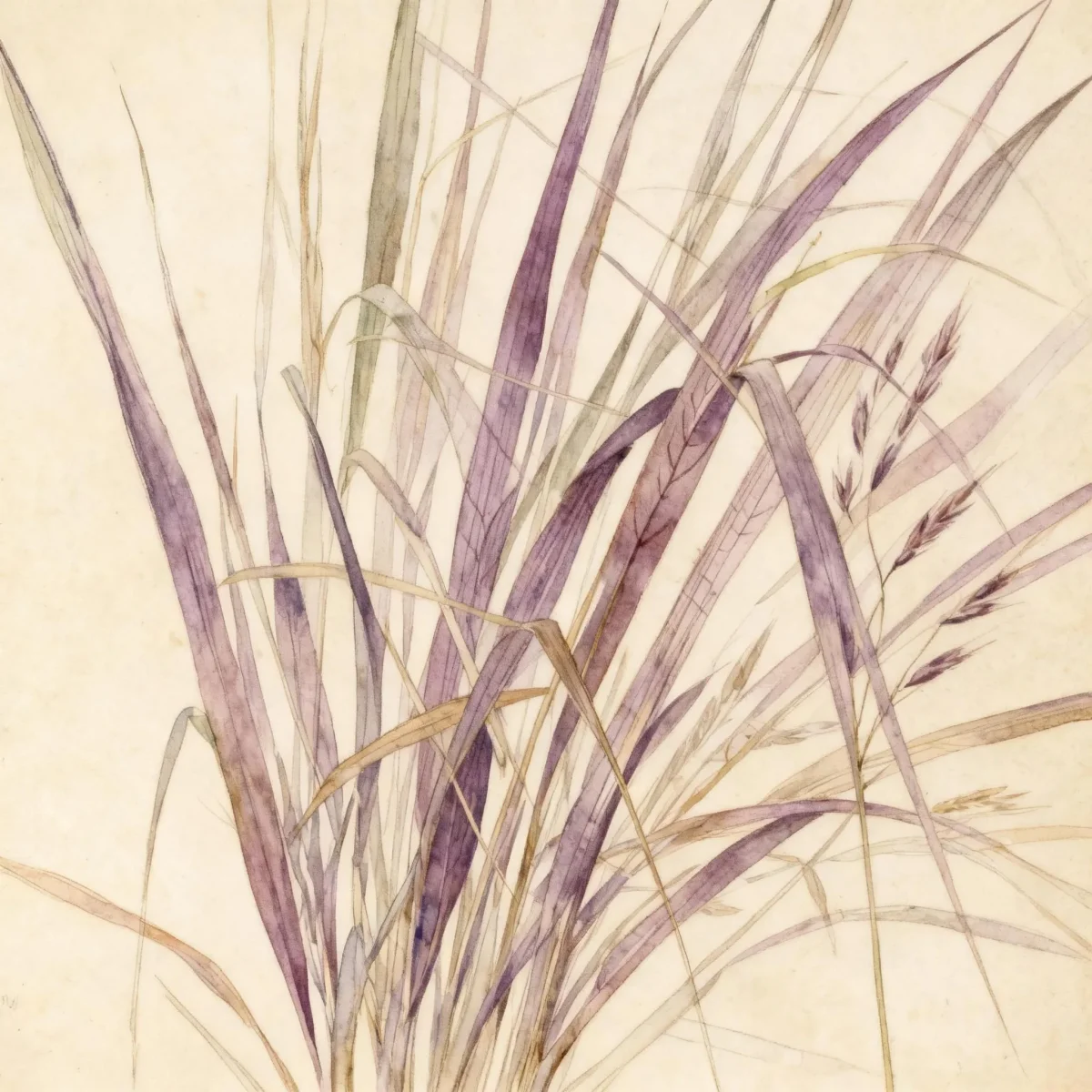
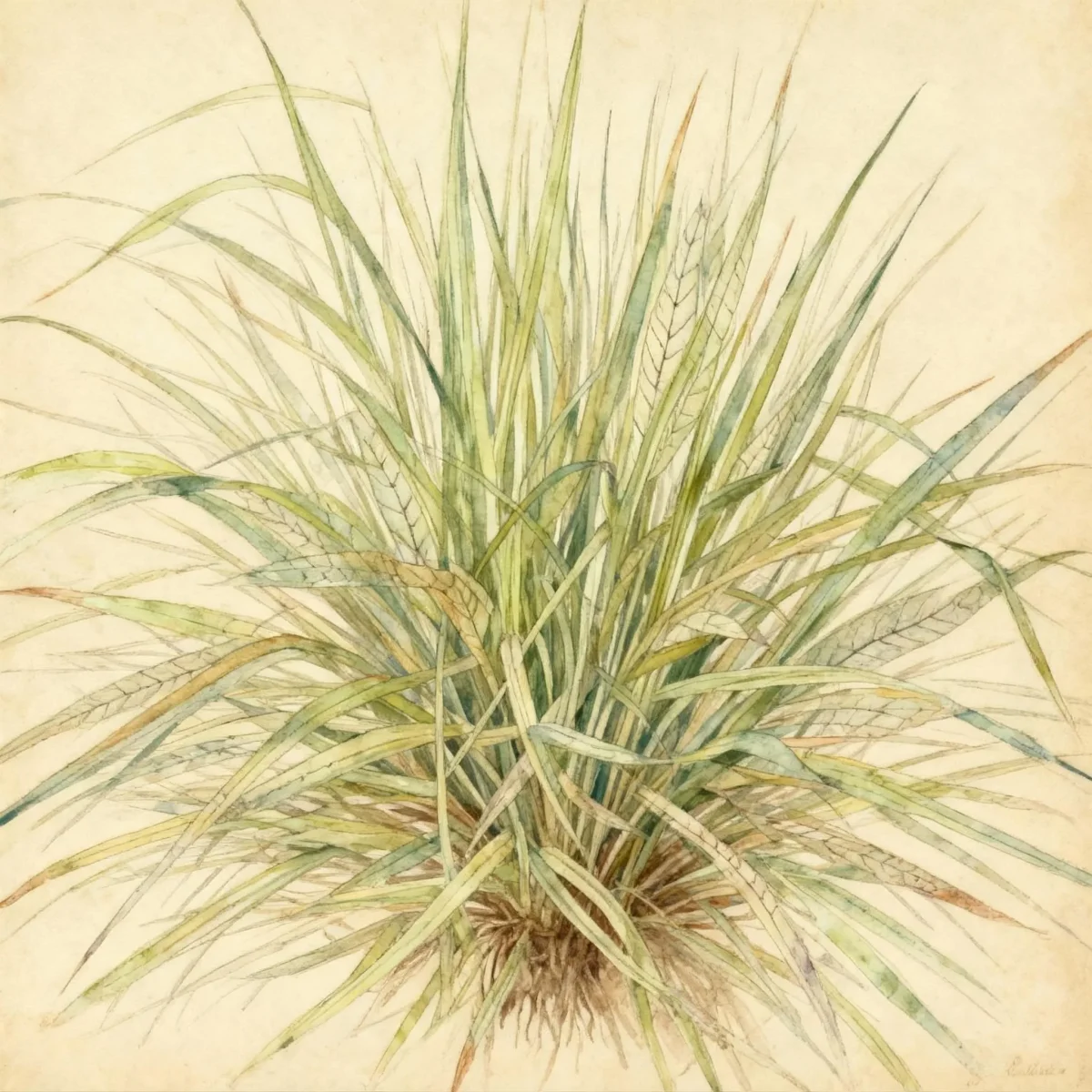
The upright clumps of Calamagrostis × acutiflora ‘Overdam’ feature leaves edged in creamy white, offering seasonal interest even before the feathery flower stalks emerge in midsummer. This hybrid reed grass excels in areas where a strong architectural element is needed, such as narrow borders or as a formal accent. Furthermore, Feather reed grass is quite resilient, tolerating wet soils and urban pollution, making it a reliable choice for modern and challenging landscape sites.
This specific cultivar maintains a manageable size, rarely exceeding three feet tall, yet it provides significant visual impact throughout the growing season and well into winter. Whether used en masse or as a specimen, Calamagrostis × acutiflora ‘Overdam’ delivers texture, movement, and reliable performance from Zone 4 northward.
Fast Facts
- Plant Family: Poaceae
- Plant Type: Ornamental grass
- Hardiness Zones: USDA Zones 4-8
- Size at Maturity:
- Height: 2.5-3 ft
- Spread: 1.5-2 ft
- Bloom Time: July to February
- Bloom Description: Pinkish green
- Sun Exposure: Full sun
- Water Needs: Medium to wet
- Maintenance Level: Low
How to Grow
Calamagrostis × acutiflora ‘Overdam’ is best planted in spring or early fall, ensuring the establishment period aligns outside the harshest temperatures. Locate it in areas receiving full sun, though it tolerates light shade which is beneficial in extremely hot climates, provided excessive shade is avoided to maintain good flower production. This grass thrives in average soils but shows a notable preference for rich, consistently moist locations; it is also reported to handle heavy clay better than many other ornamental grasses.
Watering should be consistent, particularly during the first year of establishment, aiming for medium to wet conditions. While it appreciates moisture, avoid letting the soil dry out completely during hot summer spells. Fertilization is rarely required due to its low maintenance nature; typically, adequate soil fertility from planting amendments is sufficient for vigorous growth.
Pruning is a key annual task for maintaining the neat appearance of Feather reed grass. Cut the entire clump back to about six inches above the ground in late winter, just before the new spring shoots begin to emerge. This ensures a fresh start and prevents old, tattered foliage from lingering into the next growing season.
Landscape Uses
The strong, upright habit of Feather reed grass makes it an indispensable tool for adding vertical accent and rhythm to border designs. Its relatively narrow footprint, typically only 1.5 to 2 feet wide, makes Calamagrostis × acutiflora ‘Overdam’ excellent for lining walkways, defining edges, or planting in narrow spaces where lateral spread is restricted. Consider mass planting sweeps of this grass to create a flowing focal point that catches the light.
Due to its tolerance for wet soil, this ornamental grass is perfectly suited for naturalized designs near water features, such as pond or stream banks, or specifically within a rain garden setting. Its upright structure contrasts beautifully with mounding or spreading perennials. Companion plants that enjoy similar moisture levels, such as Astilbe, Iris, or Rudbeckia, pair well aesthetically and culturally with Feather reed grass.
Standout Features
Flower Qualities
- Showy
- Good Cut
- Good Dried
Noteworthy Characteristics
Calamagrostis is a genus of about 250 cool-season grasses typically associated with moist, temperate northern hemisphere regions. Feather reed grass, specifically C. × acutifolia, is a natural hybrid that forms dense, erect clumps of narrow leaves giving way to towering flower stalks. The specific cultivar, ‘Overdam’, is celebrated for its attractive variegated foliage, featuring creamy white margins on green leaves, in addition to its manageable height (2-4 feet) and distinctive pinkish-green summer blooms.
Tolerances
- Erosion
- Wet Soil
- Black Walnut
- Air Pollution
Potential Problems
Generally, Calamagrostis × acutiflora ‘Overdam’ exhibits few serious issues regarding pests or diseases, contributing to its reputation as a low-maintenance superstar. However, gardeners in humid climates, especially after extended periods of rainy weather, should monitor the foliage for signs of rust fungus. If rust appears, ensure good air circulation during planting and apply preventative fungicides according to label instructions if the problem recurs annually.
Frequently Asked Questions
What hardiness zones is Feather reed grass suitable for?
Calamagrostis × acutiflora ‘Overdam’ is reliably hardy in USDA Zones 4 through 8.
How large does Calamagrostis × acutiflora ‘Overdam’ grow?
At maturity, this Feather reed grass typically reaches a height between 2.5 and 3 feet, with a spread between 1.5 and 2 feet.
What sun exposure does Feather reed grass need?
This grass prefers full sun for the best flowering and most upright form, although it can tolerate some light afternoon shade, especially in hotter regions.
When does Calamagrostis × acutiflora ‘Overdam’ bloom?
The attractive plumes of this ornamental grass appear from July through February, offering pinkish green color that often persists into winter.
Companion Planting
Because Feather reed grass thrives in medium to wet soils and full sun, select companion plants that share similar cultural needs to ensure a harmonious planting scheme. Consider using plants that offer broad texture contrast, offsetting the fine, upright blades of the grass. Look to moisture-loving perennials such as Joe-Pye Weed (Eutrochium) for height variation, or dense, dark green foliage plants like Southern Blue Flag Iris (Iris versicolor) which anchor the base beautifully.
When designing borders, place Calamagrostis × acutiflora ‘Overdam’ towards the back or middle third, utilizing its vertical nature as a transition between lower-growing perennials and taller shrubs. Its structural presence is particularly effective when planted near the edge of a pond or stream, where its wet soil tolerance is fully utilized alongside wetland edge plants.
Seasonal Care Calendar
Spring is the crucial time for rejuvenation of your Feather reed grass. Wait until late winter or early spring, just as new growth is about to emerge, to execute the necessary hard prune. Cutting the old stalks down to a few inches above the ground clears the way for the fresh, variegated foliage of the new season of Calamagrostis × acutiflora ‘Overdam’.
Summer care is largely hands-off, focusing primarily on ensuring adequate water supply, especially during dry spells, given its preference for consistently moist conditions. While the grass is low-feed, a light side-dressing of compost in early spring can provide a necessary nutrient boost without encouraging flopping.
In autumn and winter, the dried flower plumes provide significant architectural interest, often catching snow or frost beautifully. Resist the temptation to cut back in the fall; leave the structure intact until spring cleanup to maximize winter garden appeal.
Conclusion
Calamagrostis × acutiflora ‘Overdam’ is an exceptional choice for gardeners seeking reliable, low-maintenance structure paired with attractive variegated foliage. This Feather reed grass offers movement and year-round vertical interest, performing admirably even in challenging spots due to its tolerance for wet soil and pollution. To maximize its performance, ensure you place your Calamagrostis × acutiflora ‘Overdam’ in full sun and commit to a late winter pruning schedule.