Horse chestnut (Aesculus hippocastanum 'Baumannii')
Aesculus hippocastanum 'Baumannii' is a robust, non-fruiting horse chestnut tree, ideal for large shade applications in zones 3-8.
Scroll down to discover growing tips, care requirements, companion plants, and more
Complete Plant Information
Overview
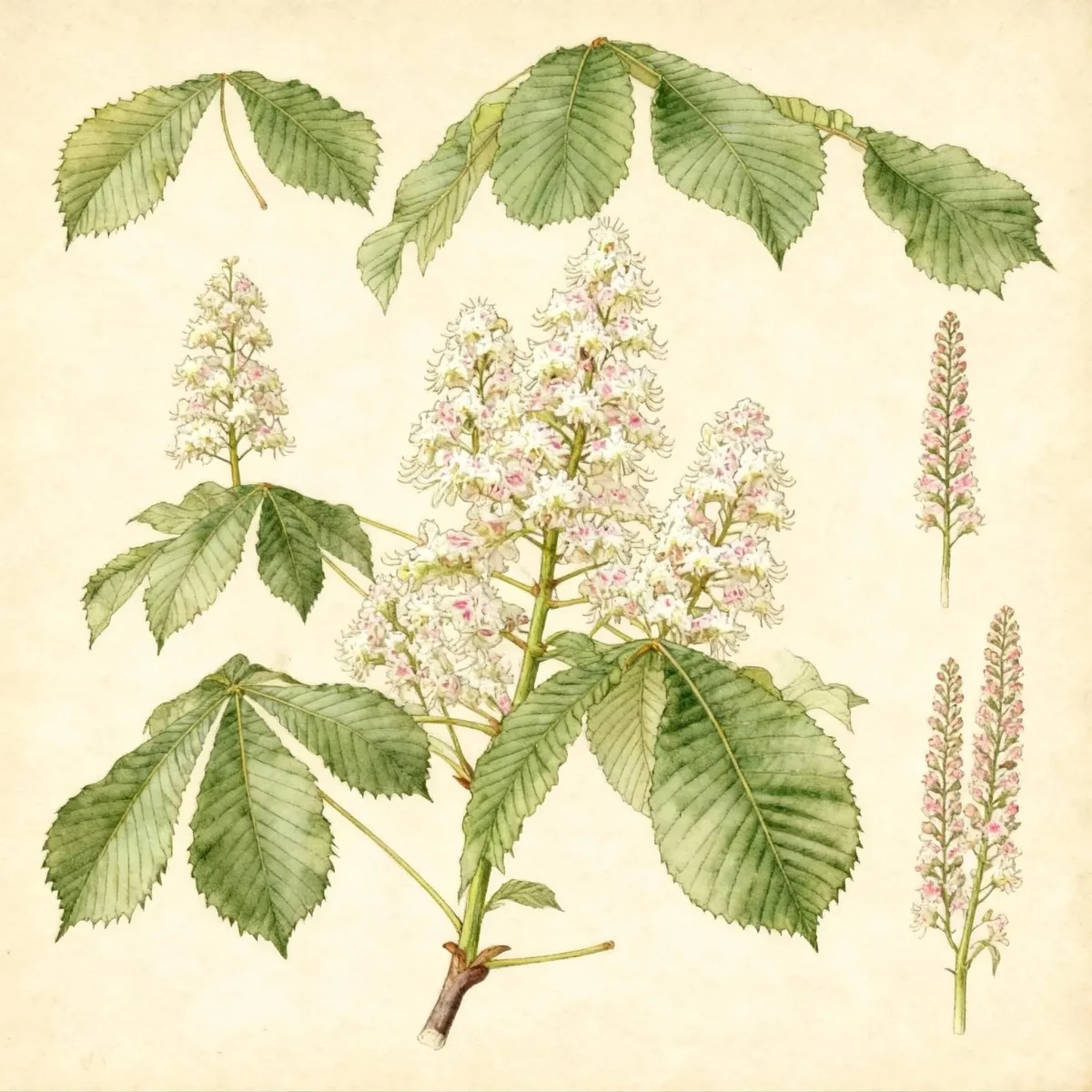
The Aesculus hippocastanum ‘Baumannii’, commonly known as the double-flowered horse chestnut, is a magnificent specimen tree valued for its substantial form and prolific spring bloom. This cultivar stands out because it produces double white flowers and, importantly for urban settings, entirely lacks the fruit (conkers) seen on the standard species. Its large size makes the horse chestnut an excellent choice for creating broad, cooling shade in expansive landscapes.
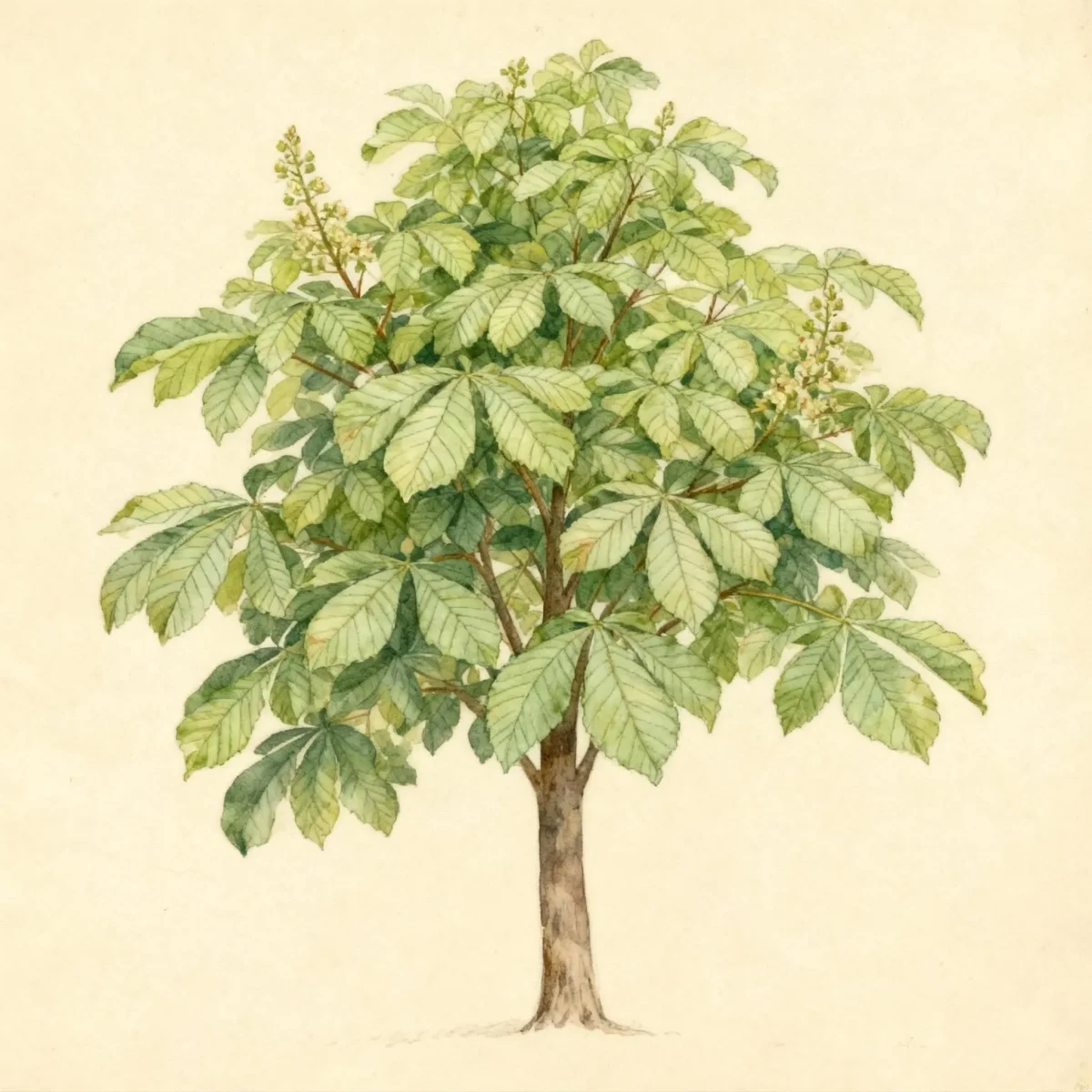
This stately deciduous tree typically matures between 50 and 80 feet tall, forming an upright, oval-rounded crown perfect for classical landscape design. While Aesculus hippocastanum ‘Baumannii’ creates a dramatic visual impact in mid-spring, gardeners must manage its susceptibility to foliar diseases, which can cause the leaves to brown prematurely in difficult conditions.
Once established, this tree provides enduring structure and shelter, making it a favorite for parks and large lawns. Successful cultivation of the horse chestnut hinges on providing it with consistently moist, fertile soil and protection from harsh summer winds that cause leaf scorch.
Fast Facts
- Plant Family: Sapindaceae
- Plant Type: Tree
- Hardiness Zones: USDA Zones 3-8
- Size at Maturity:
- Height: 50-80 ft
- Spread: 35-60 ft
- Bloom Time: May
- Bloom Description: White
- Sun Exposure: Full sun to part shade
- Water Needs: Medium
- Maintenance Level: Medium
How to Grow
For the best establishment, plant Aesculus hippocastanum ‘Baumannii’ during the dormant season, ideally in early spring or late fall when temperatures are moderate. This taprooted tree demands a permanent location, as established specimens are notoriously difficult to transplant successfully. Ensure the planting site offers average, medium, well-drained soil, though this horse chestnut strongly prefers conditions that remain moist and fertile throughout the growing season.
Watering is critical, especially during establishment and during dry spells, due to the species’ tendency toward leaf scorch in drought conditions. Avoid letting the soil dry out completely, as this stresses the tree and exacerbates foliar issues. Fertilization is generally unnecessary if the soil is fertile, but slow-release, balanced fertilizers can support growth if soil tests indicate deficiencies. Pruning should primarily be limited to removing dead, damaged, or crossing branches to maintain the tree’s structure, especially while young.
Seasonal care focuses heavily on disease management. Be vigilant in spring for the first signs of leaf blotch, which is a significant recurring issue for this horse chestnut. Applying preventative fungicides may be required in high-risk areas to keep the foliage looking its best throughout summer. In fall, rake up fallen leaves promptly to reduce fungal spore overwintering sites.
Landscape Uses
The primary function of Aesculus hippocastanum ‘Baumannii’ is to serve as a magnificent shade tree in large estates, parks, and along wide avenues where its massive canopy can be fully appreciated. Its striking, though sterile, double white flowers in May provide a spectacular, long-lasting display unmatched by many other large shade trees. Although its foliage quality can degrade under environmental stress, its sheer stature and form still earn it a place where space is not a constraint.
When utilizing the horse chestnut in landscape design, place it far from structures due to its mature spread. It pairs well with underplantings that tolerate substantial shade and moisture, such as ferns or hardy groundcovers that do not compete aggressively with its powerful root system. Because this cultivar lacks the nuisance of falling fruit, it is an excellent choice for formal borders or screening, provided the site offers adequate sunlight exposure.
Standout Features
Flower Qualities
- Showy
Noteworthy Characteristics
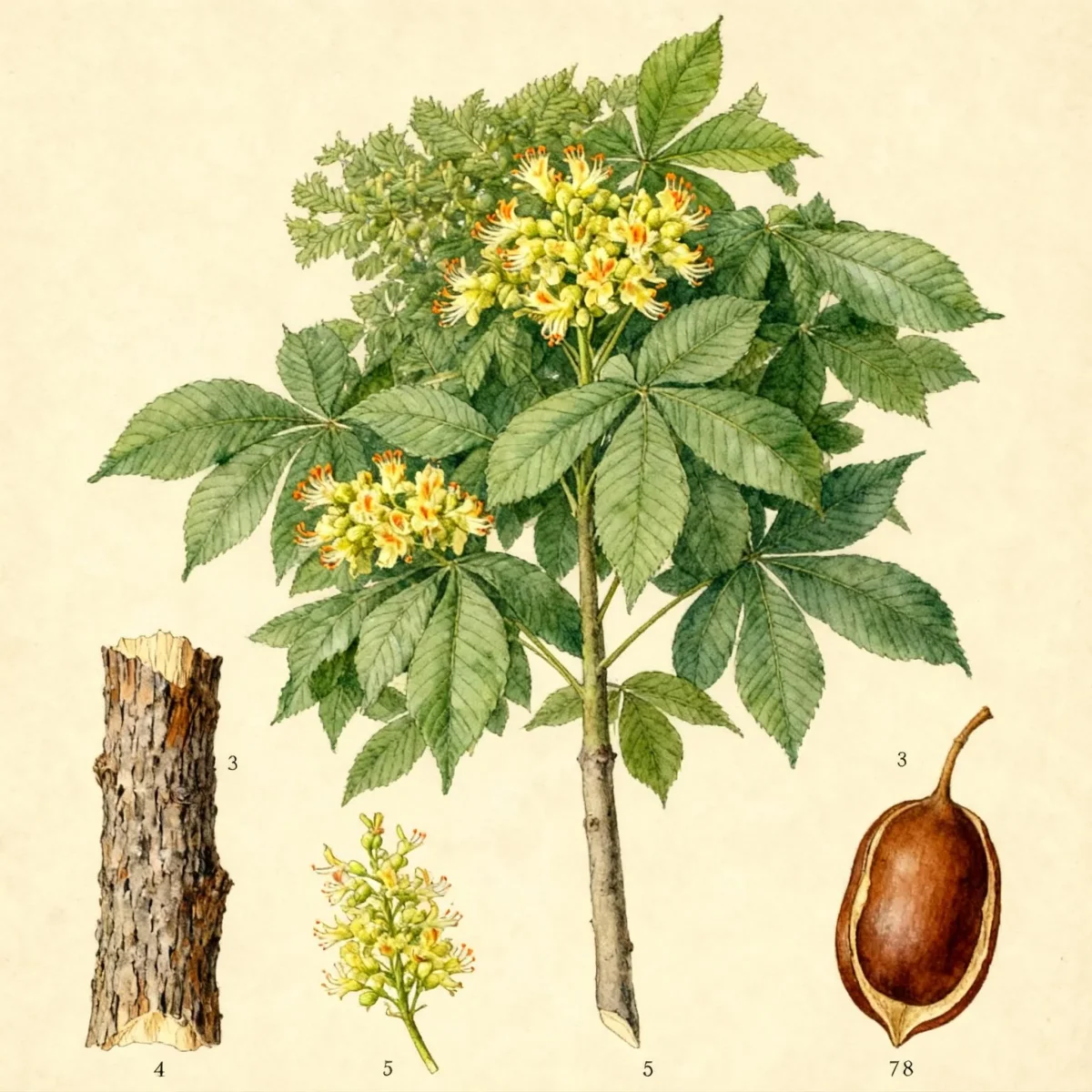
Aesculus hippocastanum, commonly called horsechestnut, is native to the Balkans and is a medium to large deciduous tree typically reaching 50-75’ tall with an upright oval-rounded crown. The tree is distinguished by large, palmate compound leaves and showy white flowers with red or yellow markings appearing in upright terminal panicles in mid-spring. A key feature of the cultivar ‘Baumannii’ is its double white flowers, which ensure that the tree produces no fruit, and it tends to have a slightly taller and narrower habit than the species.
Tolerances
- Rabbit
Potential Problems
Leaf blotch is the most significant and common issue impacting the appearance of Aesculus hippocastanum ‘Baumannii’, leading to dark spots and premature browning or dropping of the foliage. Powdery mildew and anthracnose are also frequent fungal adversaries that require monitoring, particularly in humid weather. Less often, insect pests such as bagworms, Japanese beetles, and borers can cause localized damage requiring intervention.
To mitigate these problems, ensure optimal cultural conditions; this includes choosing a site with excellent drainage and consistent moisture to prevent leaf scorch from drought or wind exposure. Promptly clean up fallen, diseased leaves in autumn to reduce fungal spore load for the next season. For persistent leaf blotch, preventative fungicide applications starting just before bloom may be necessary to protect the ornamental quality of this beautiful horse chestnut.
Frequently Asked Questions
What hardiness zones is Horse chestnut suitable for?
Aesculus hippocastanum ‘Baumannii’ is suitable for cultivation across USDA Hardiness Zones 3 through 8.
How large does Horse chestnut grow?
This tree reaches impressive dimensions, typically growing 50 to 80 feet in height and spreading between 35 and 60 feet wide at maturity.
What sun exposure does Aesculus hippocastanum ‘Baumannii’ need?
The ideal exposure for this horse chestnut cultivar is Full sun to part shade; insufficient sun exposure may lead to reduced flowering.
When does Horse chestnut bloom?
The stately bloom occurs in May, presenting masses of showy white flowers.
Conclusion
The double-flowered horse chestnut, Aesculus hippocastanum ‘Baumannii’, offers gardeners a grand, formal specimen tree celebrated for its spectacular, sterile spring flowers. While maintaining pristine foliage requires proactive management against leaf blotch, its immense size and shade cast make it an invaluable addition to open spaces. Before planting this impressive specimen, confirm your site provides the medium water and fertile soil necessary for optimal health.
Companion Planting
Selecting companions for the mature Aesculus hippocastanum ‘Baumannii’ requires focusing on plants that thrive under its vast canopy and heavy seasonal leaf drop. Since the horse chestnut creates dense shade and has a strong taproot system, choose shade-tolerant, shallow-rooted groundcovers that require consistent moisture. Consider planting Hosta varieties known for their vigor, Pachysandra, or woodland ferns like the Christmas fern to create a lush, disease-resistant carpet underneath.
Avoid turf grass immediately adjacent to the trunk, as grass often struggles with the deep shade and root competition provided by a large tree like the horse chestnut. Focus on creating a mulched zone extending to the drip line to conserve soil moisture, which is crucial for preventing that common leaf scorch that plagues stressed specimens of Aesculus hippocastanum ‘Baumannii’.
Seasonal Care Calendar
Spring is the most critical season for proactive horticultural care of your horse chestnut. Begin inspecting foliage closely after bud break for early signs of leaf blotch fungal activity; apply preventative fungicides if disease pressure is historically high. Ensure deep watering commences as soon as the tree breaks dormancy, setting the stage for summer resilience.
Summer care focuses almost entirely on irrigation management and debris cleanup. Water deeply once or twice a week depending on heat, ensuring that the soil remains consistently moist, especially in its preferred fertile conditions. Tidy up any prematurely fallen, diseased leaves immediately to reduce the inoculum available for next year.
Fall transition for Aesculus hippocastanum ‘Baumannii’ involves preparing for dormancy. Rake and dispose of all fallen leaves and any debris from the canopy to minimize overwintering fungal spores that cause spring infections. While the tree is generally hardy in zones 3-8, protecting the root zone with a fresh layer of natural mulch can help moderate winter soil temperatures.