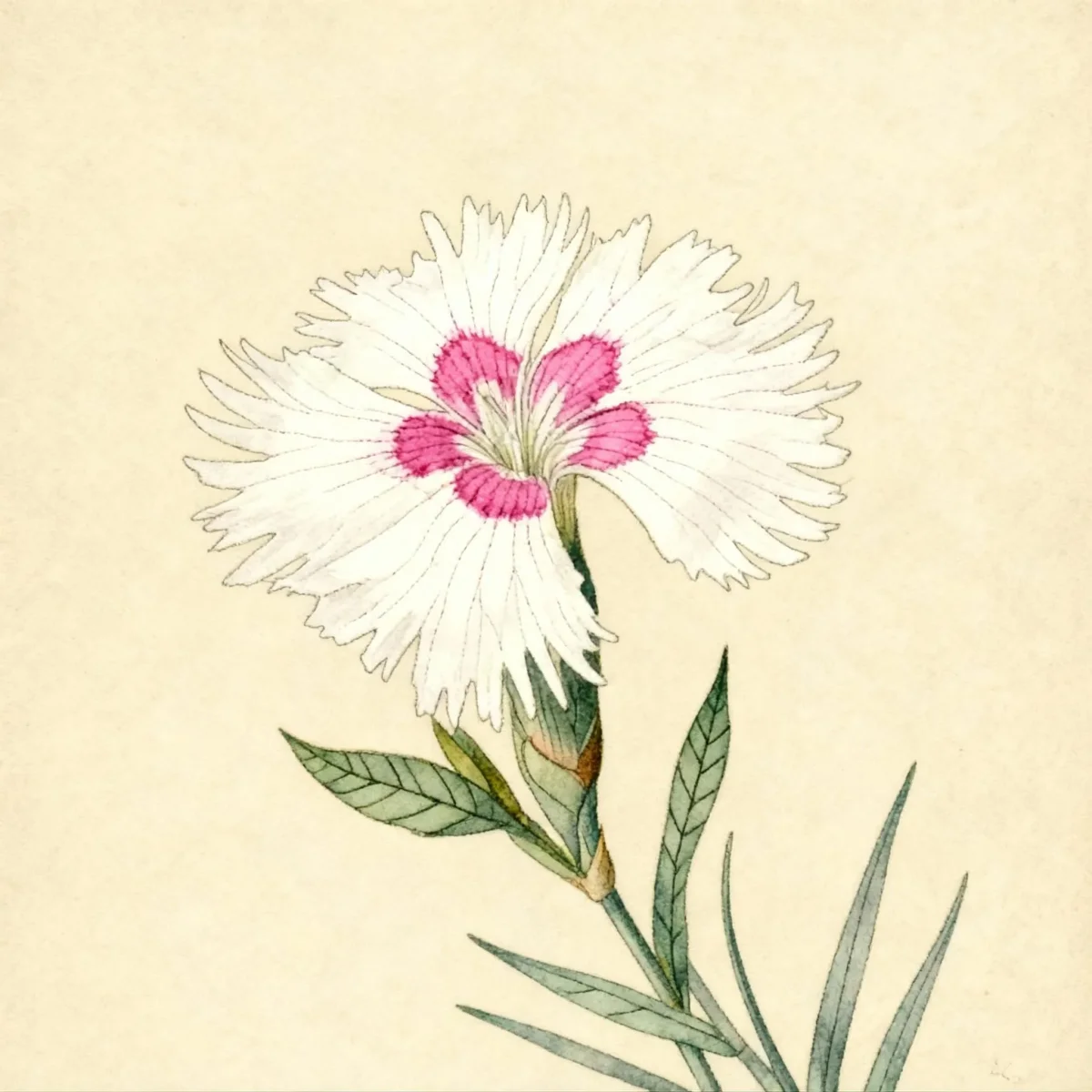
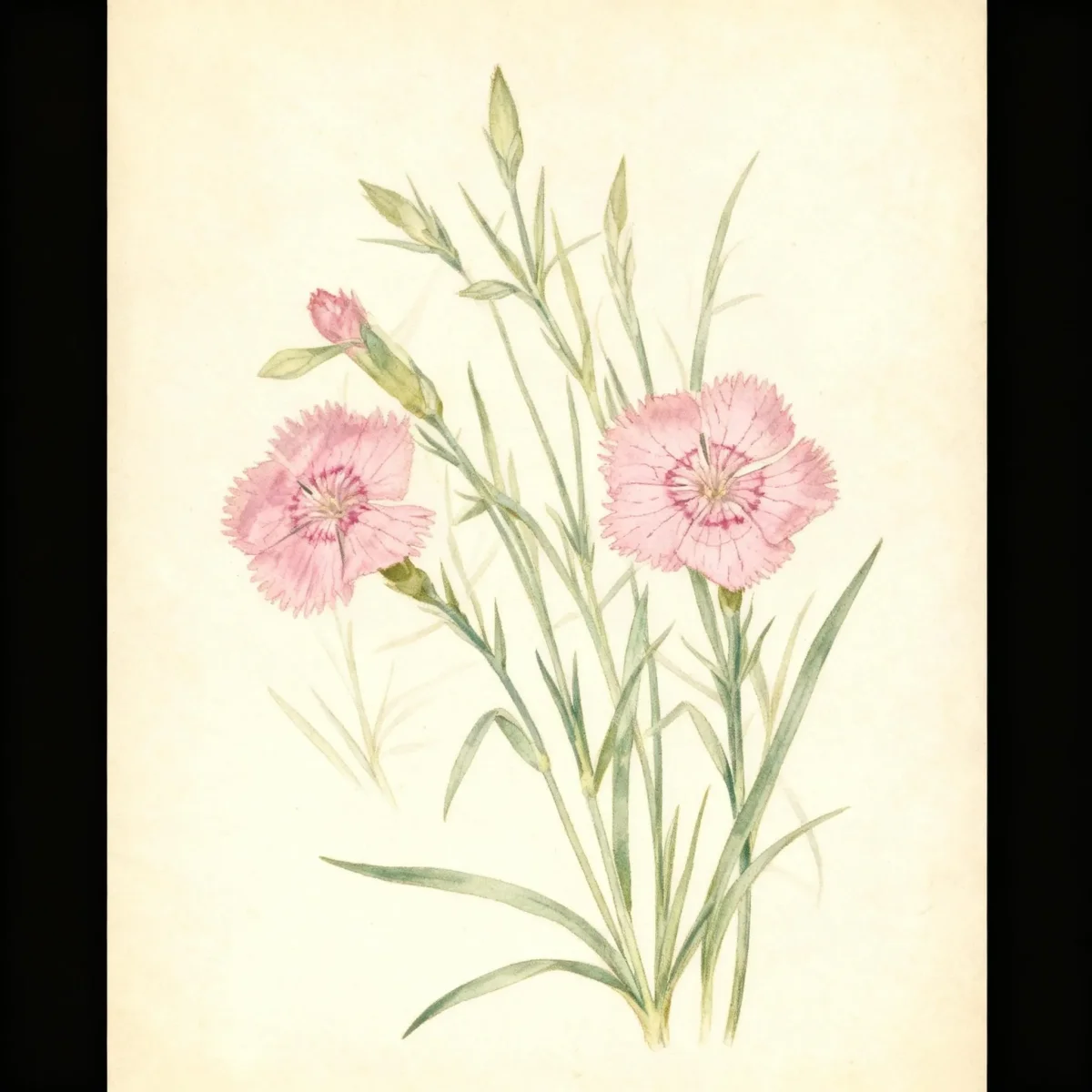
Cheddar pink (Dianthus 'Bath's Pink')
Dianthus 'Bath's Pink' (Cheddar pink) is a low-maintenance, fragrant, mat-forming perennial ideal for rock gardens and edging.
Scroll down to discover growing tips, care requirements, companion plants, and more
Complete Plant Information
Overview
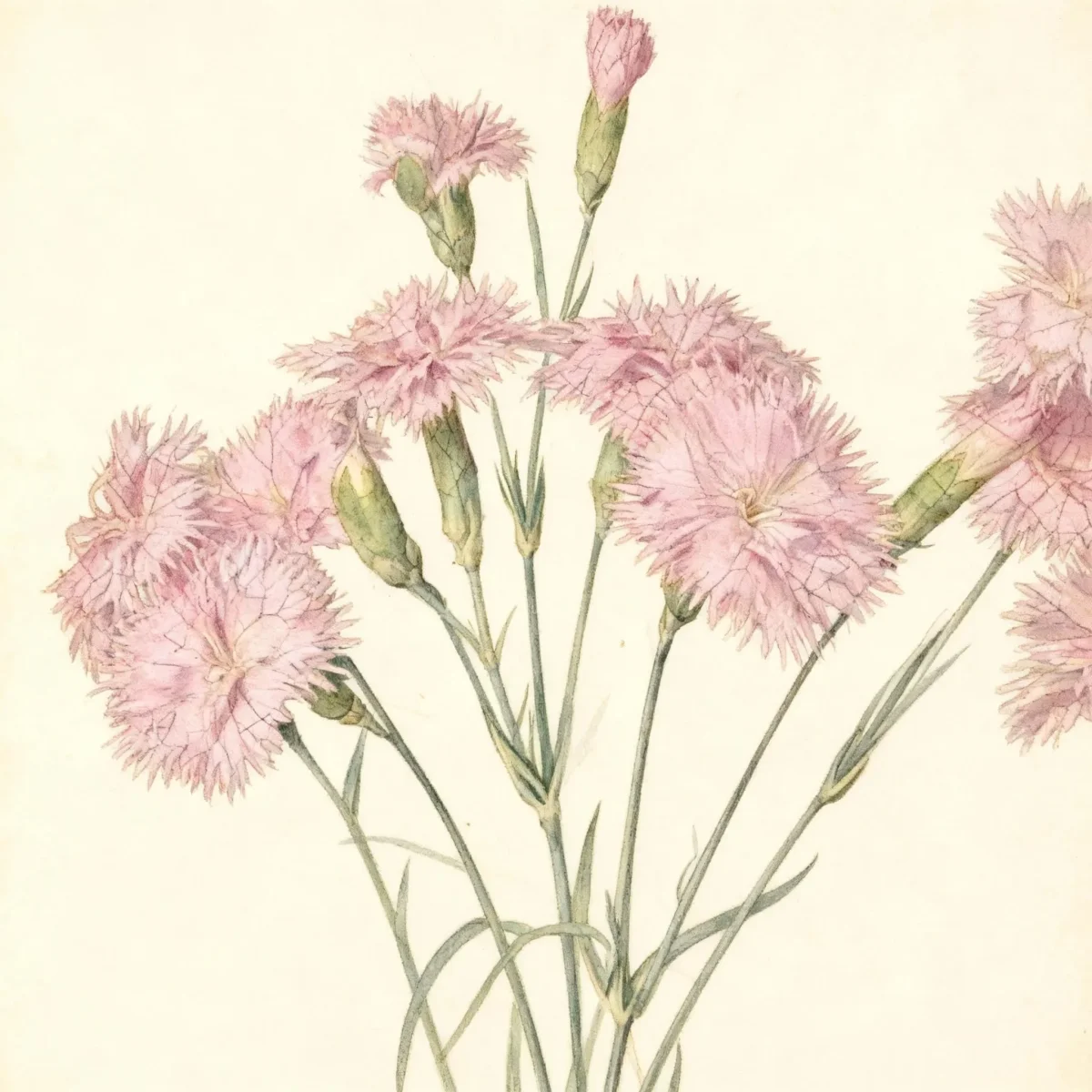
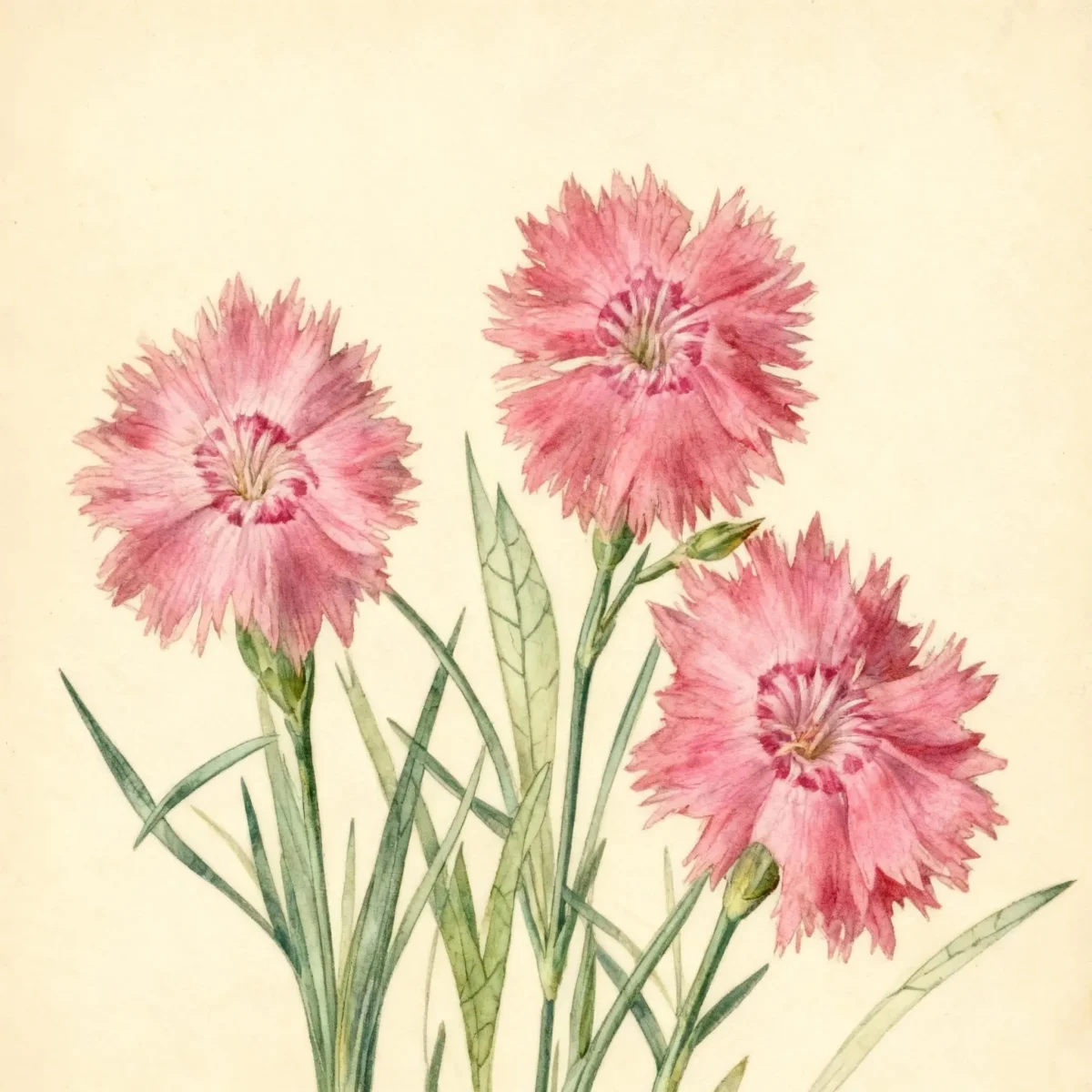
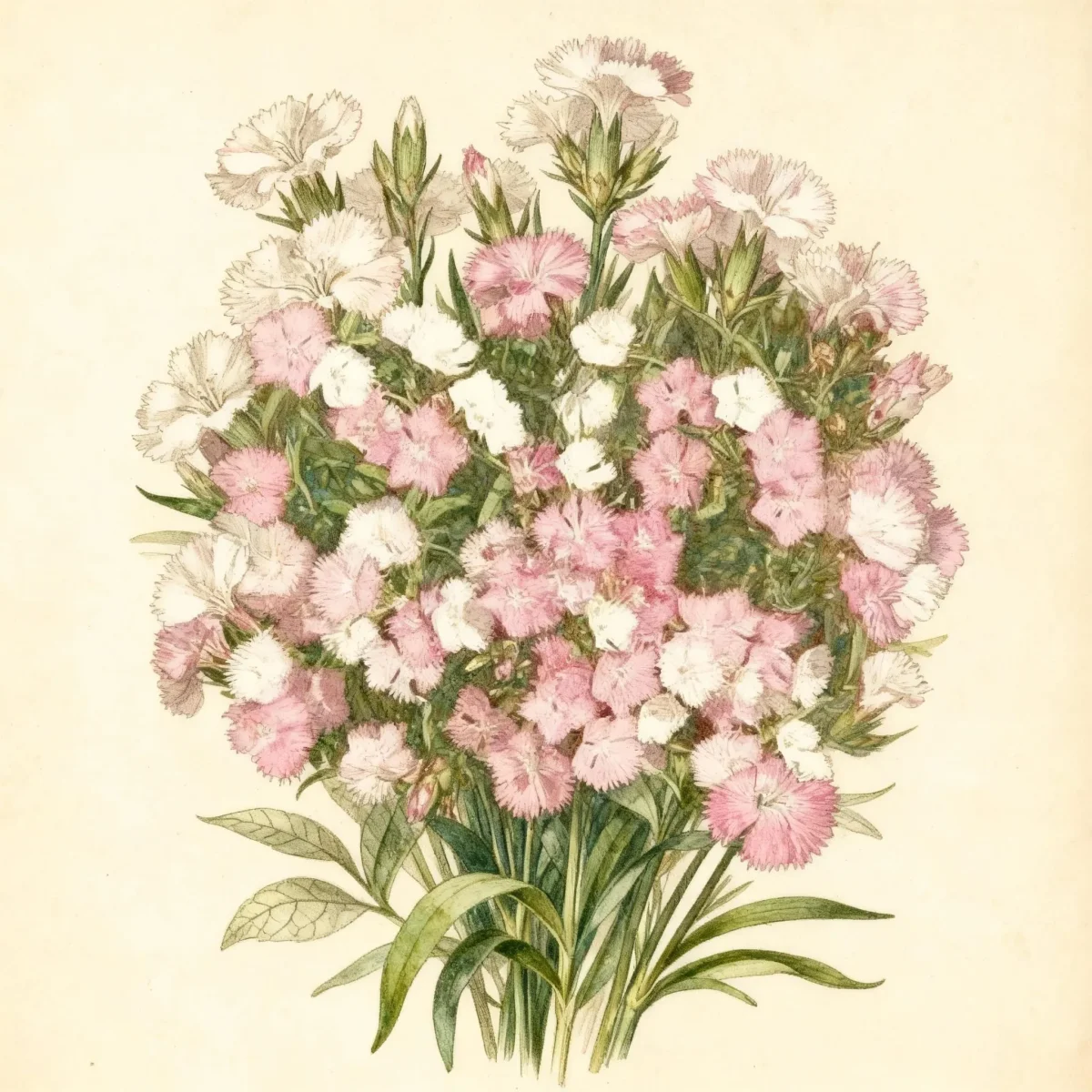
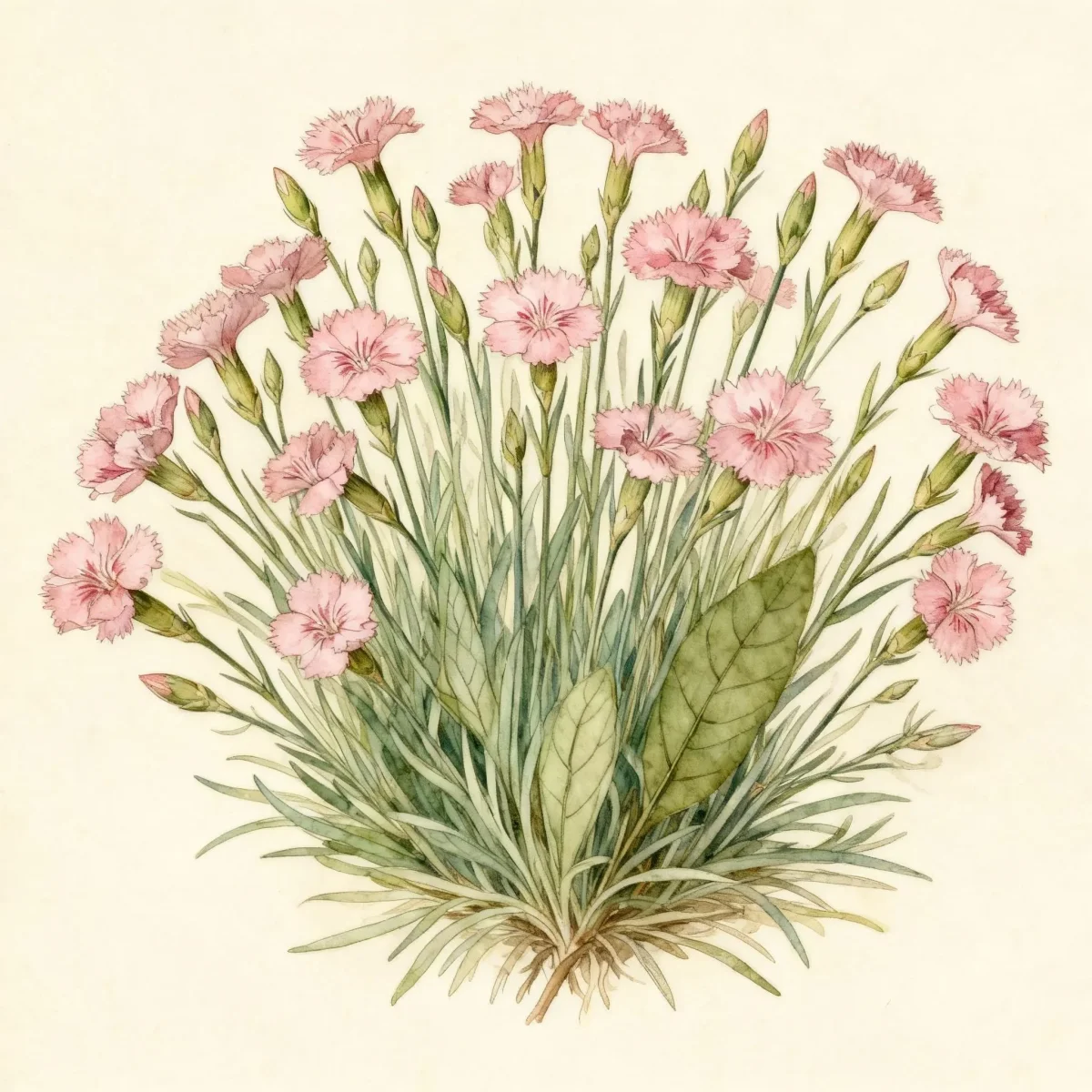
Dianthus ‘Bath’s Pink’, commonly known as Cheddar pink, brings exceptional charm and utility to the perennial garden. This herbaceous perennial forms dense, neat mats of grassy, blue-green foliage, topped by masses of star-like, fringed, soft pink flowers atop wiry stems. Gardeners value this cultivar for its low maintenance requirements and reliable performance across a wide range of climates.
A key feature distinguishing Dianthus ‘Bath’s Pink’ is its relative toughness compared to other dianthus varieties. It demonstrates better tolerance to heat, humidity, and drought once established, making it a workhorse for sunny, challenging locations. The fragrance of the blooms adds significant sensory appeal wherever these plants are sited.
Beyond the typical garden border, this mat-forming Dianthus excels as ground cover or on dry stone walls, providing texture and continuous color from late spring into mid-summer. Utilizing Cheddar pink ensures you incorporate a versatile, fragrant plant with excellent garden staying power.
Fast Facts
- Plant Family: Caryophyllaceae
- Plant Type: Herbaceous perennial
- Hardiness Zones: USDA Zones 3-9
- Size at Maturity:
- Height: 0.75-1 ft
- Spread: 0.5-1 ft
- Bloom Time: May to July
- Bloom Description: Pink
- Sun Exposure: Full sun
- Water Needs: Medium
- Maintenance Level: Low
How to Grow
Planting Dianthus ‘Bath’s Pink’ is best achieved in spring or early autumn, ensuring the roots establish before extreme summer heat or winter cold arrives. These plants demand full sun exposure for the best performance and bloom production. They thrive in well-drained soil, as heavy, wet conditions are the primary threat to this dianthus. Incorporate grit or sand if your native soil is dense clay.
Once established, watering requirements are medium; allow the top inch of soil to dry slightly between waterings, especially during peak summer heat. Dianthus generally do not require heavy feeding; an annual light application of balanced, slow-release fertilizer in spring is usually sufficient to support the continuous bloom cycle. Deadheading spent flowers encourages the intermittent repeat blooming noted throughout the summer months.
Maintenance for Dianthus ‘Bath’s Pink’ is remarkably low. After the main flush of blossoms fades, a light shearing can tidy the plant and encourage fresh growth. In colder zones (3 and 4), ensuring consistent drainage throughout winter prevents crown rot, which is their most significant potential issue when conditions become too saturated.
Landscape Uses
The compact, creeping habit of Dianthus ‘Bath’s Pink’ makes it an outstanding textural element in the landscape. It provides beautiful masses of color right where the border meets the lawn or pathway, serving perfectly as a crisp edging plant due to its defined, low profile. For rock gardens, the Cheddar pink is indispensable, cascading over stone edges and softening hardscaping elements.
Consider planting dense mats of this dianthus together to create an attractive, living ground cover that suppresses weeds while offering seasonal floral rewards. Due to its drought tolerance, it establishes well in difficult sites, including dry retaining walls or between paving stones where overhead watering is sporadic.
Aesthetically, the gray-green foliage contrasts beautifully with brighter green perennials or deeper, darker foliage plants. Pair Dianthus ‘Bath’s Pink’ with low-growing Mediterranean herbs, silvery lamb’s ears, or creeping thyme for a cohesive, sun-loving, low-water border composition that maximizes the visual impact of this fragrant pink.
Standout Features
Flower Qualities
- Showy
- Fragrant
- Good Cut
Noteworthy Characteristics
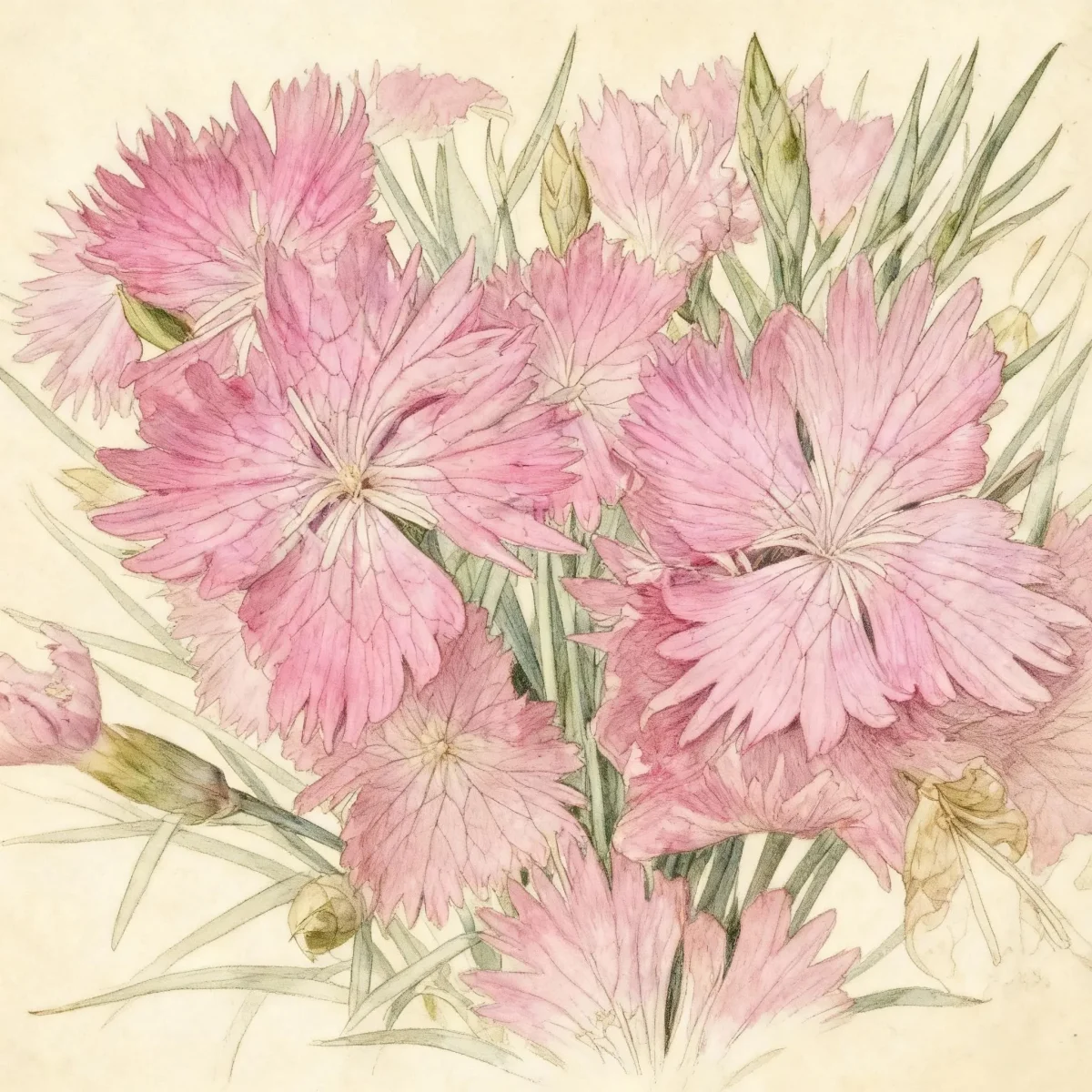
Perennial dianthus, commonly called carnations or pinks, are loosely-tufted, herbaceous perennials that features fragrant, often double flowers on stiff stems clad with narrow, linear, gray-green leaves. This cultivar, Dianthus ‘Bath’s Pink’, is a mat-forming dianthus (also commonly called cheddar pinks) that produces numerous, fringed and fragrant, star-like, soft pink, 1” diameter flowers singly atop wiry stems arising from mounds of grassy, blue-green, linear foliage. Blooms typically occur heavily in late spring with some intermittent repeat bloom possible in the summer heat.
Tolerances
- Deer
Potential Problems
The most significant limiting factor for Cheddar pink is poor soil drainage, which can quickly lead to crown rot. This fungal issue thrives when the roots remain saturated, particularly during cool or dormant periods. Prevention involves amending heavy soils heavily with grit or sharp sand upon planting. Ensure adequate air circulation by avoiding overcrowding with neighboring plants. If rot is suspected, gently lift the infected clump and replant in a drier, raised location immediately, or propagate healthy divisions.
Frequently Asked Questions
What hardiness zones is Cheddar pink suitable for?
Dianthus ‘Bath’s Pink’ is notably hardy, thriving easily throughout USDA Zones 3 through 9, offering reliability across much of the country.
How large does Dianthus ‘Bath’s Pink’ grow?
When fully mature, this plant typically reaches a height between 0.75 to 1 foot tall, with a similar spread of about 0.5 to 1 foot wide.
When does Dianthus ‘Bath’s Pink’ bloom?
You can expect the primary flowering period for this perennial to occur between May and July, noted for its vibrant pink blooms.
What sun exposure does Cheddar pink need?
For the most abundant flowering and healthiest growth, Dianthus ‘Bath’s Pink’ requires consistent, full sun throughout the day.
Conclusion
Dianthus ‘Bath’s Pink’ is an essential addition for gardeners seeking reliable fragrance, low maintenance, and excellent performance in sunny, well-drained spots. The combination of fragrant flowers and improved heat tolerance makes this cultivar, the Cheddar pink, a superior choice over many other Dianthus types. Before planting, verify your soil drains quickly and plan your planting time for early spring or fall to ensure this beautiful perennial establishes successfully.
Companion Planting
When planning beds for Dianthus ‘Bath’s Pink’, focus on companions that share its love for full sun and excellent drainage. Mediterranean herbs, such as Thyme and Lavender, share similar cultural needs and create beautiful textural drifts around the low, mounding habit of the Cheddar pinks. Consider pairing them with other low-growing rock garden stalwarts like Sedum or trailing Phlox, which appreciate similar lean soil conditions.
For visual effect, contrast the fine, blue-green linear foliage of the dianthus with plants offering broader leaves or stronger summertime color, such as low-growing Coreopsis or Artemisia Silver Mound. This contrast enhances the definition of both plants while keeping maintenance low across the entire planting scheme.
Design Ideas for Pink Dianthus
The compact nature of Dianthus ‘Bath’s Pink’ makes it incredibly versatile in modern and traditional designs. Use it generously along the leading edge of perennial borders where its low stature will not obscure taller neighbors. Its ability to form dense mats is perfect for filling the gaps between flagstones on pathways or steps, creating a soft, fragrant transition zone.
For cottage gardens, group clumps of Dianthus ‘Bath’s Pink’ near seating areas to maximize enjoyment of its fragrance. In contemporary xeriscape or dry gardens, this plant is an excellent structural component, providing continuous texture through drier months when many other flowers have finished their main show.