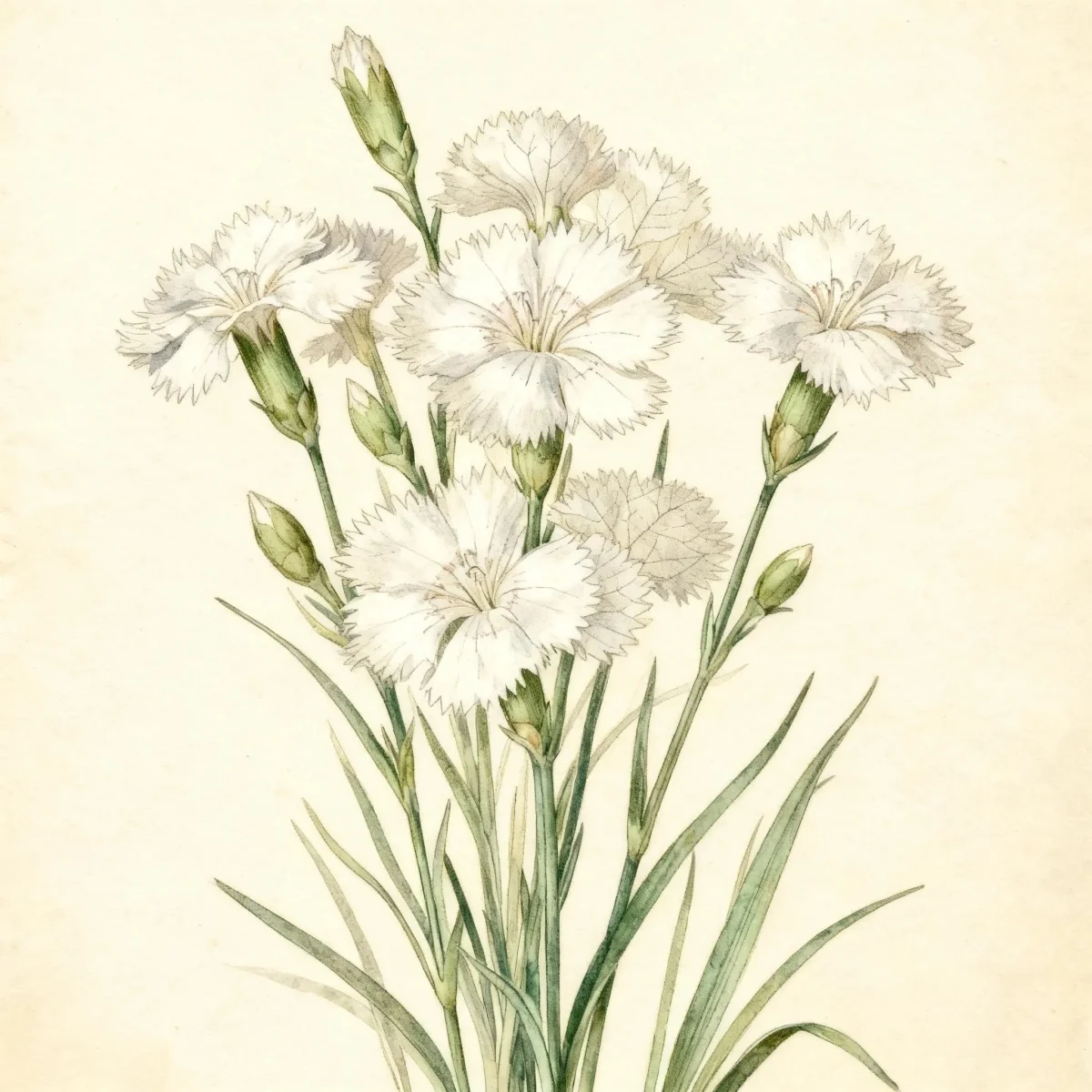
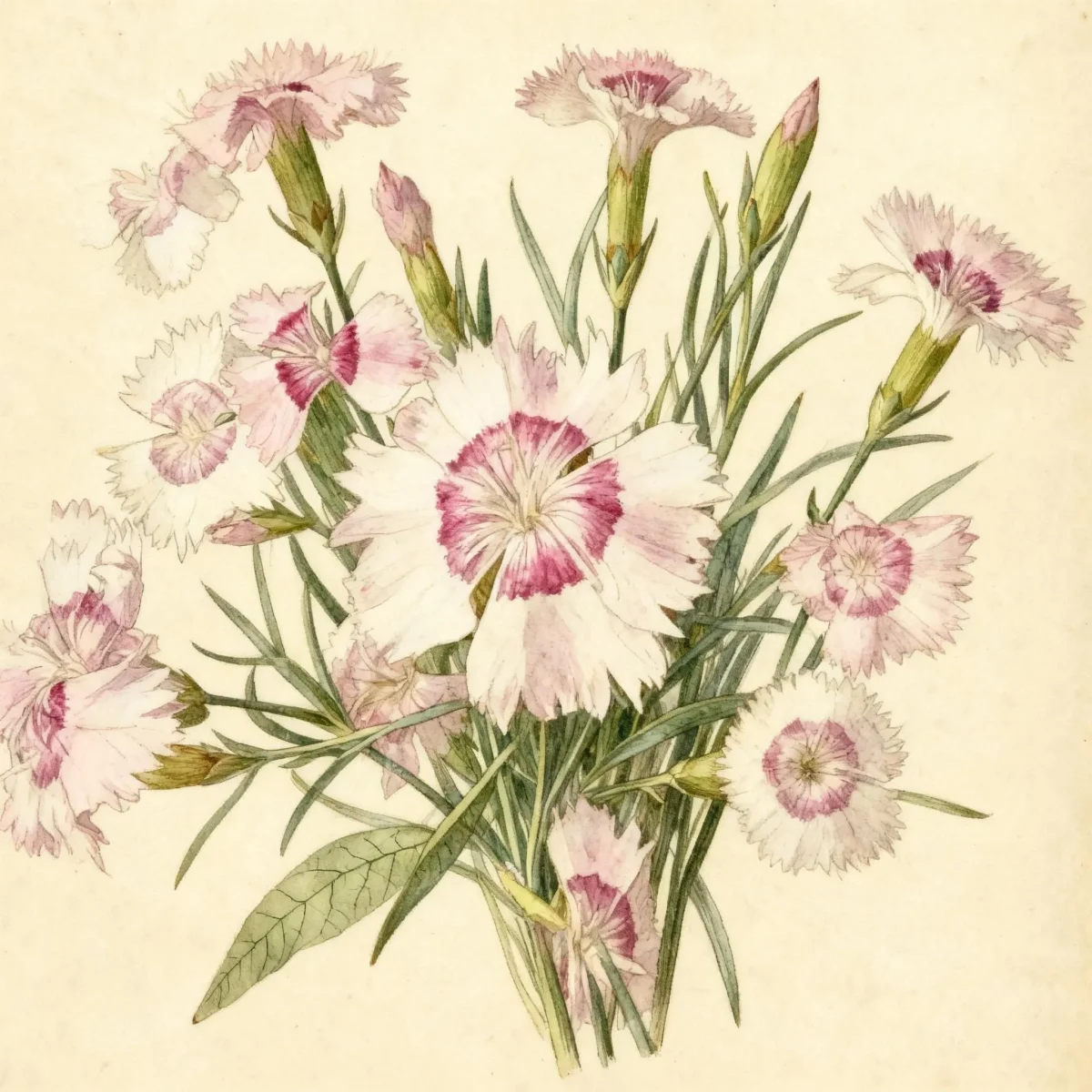
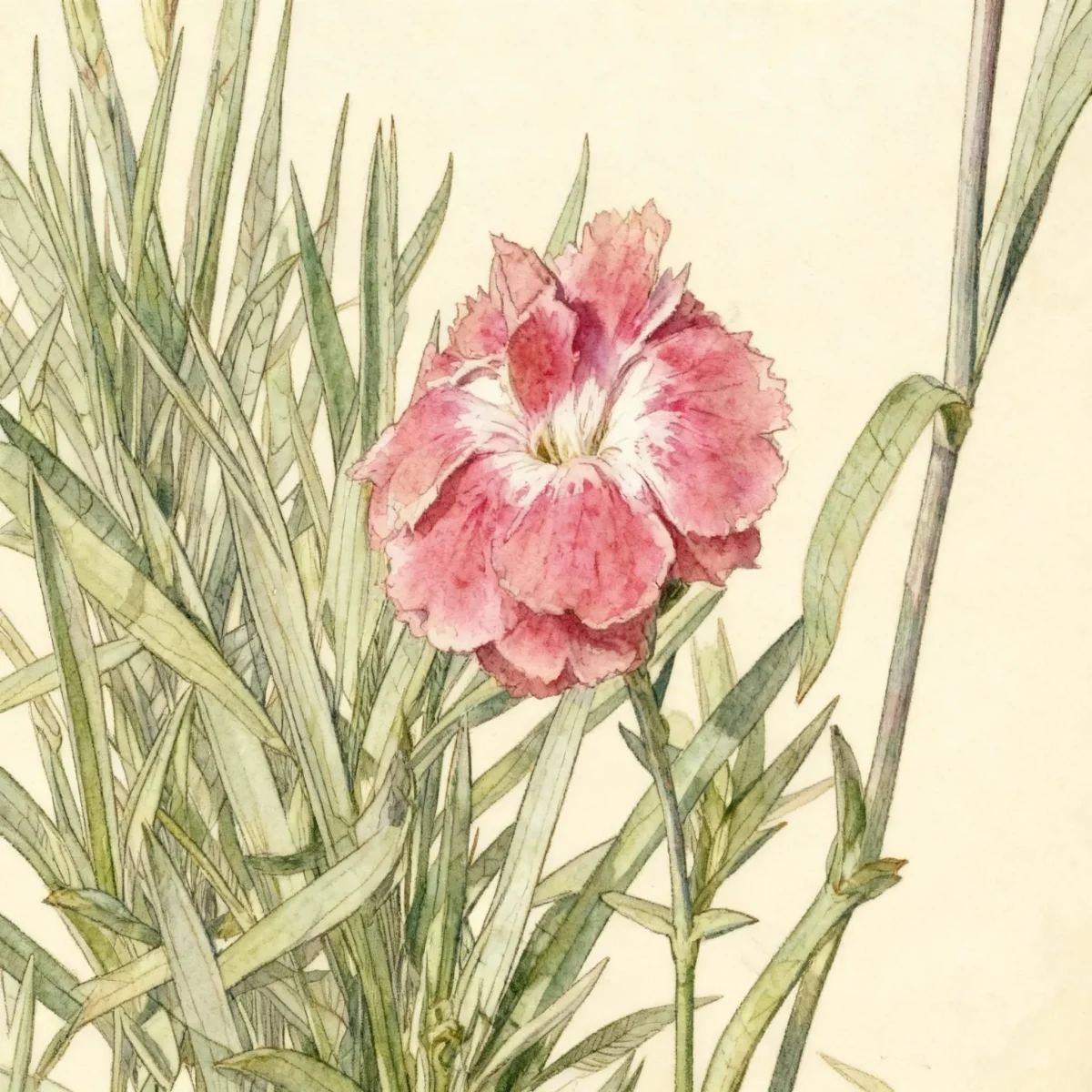
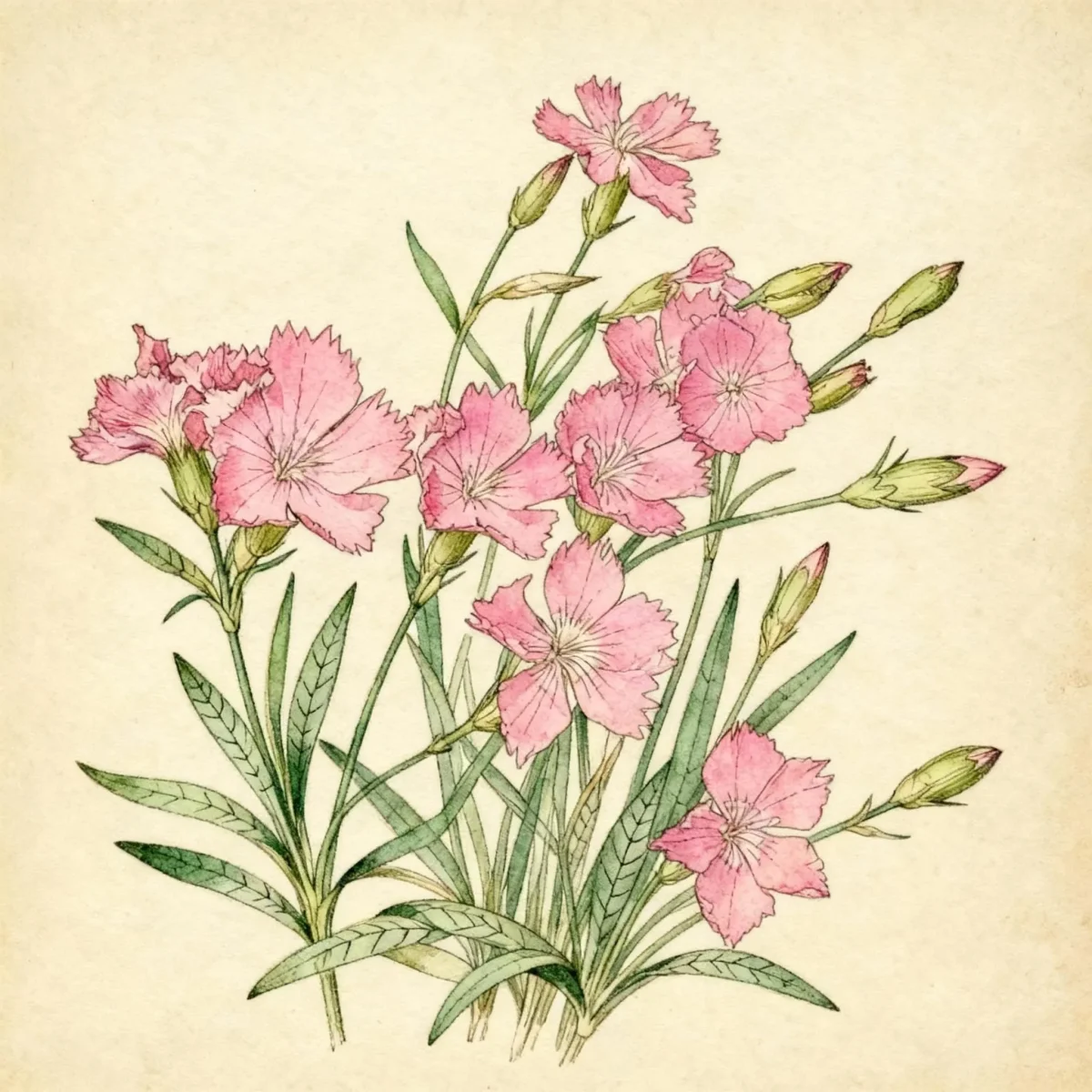
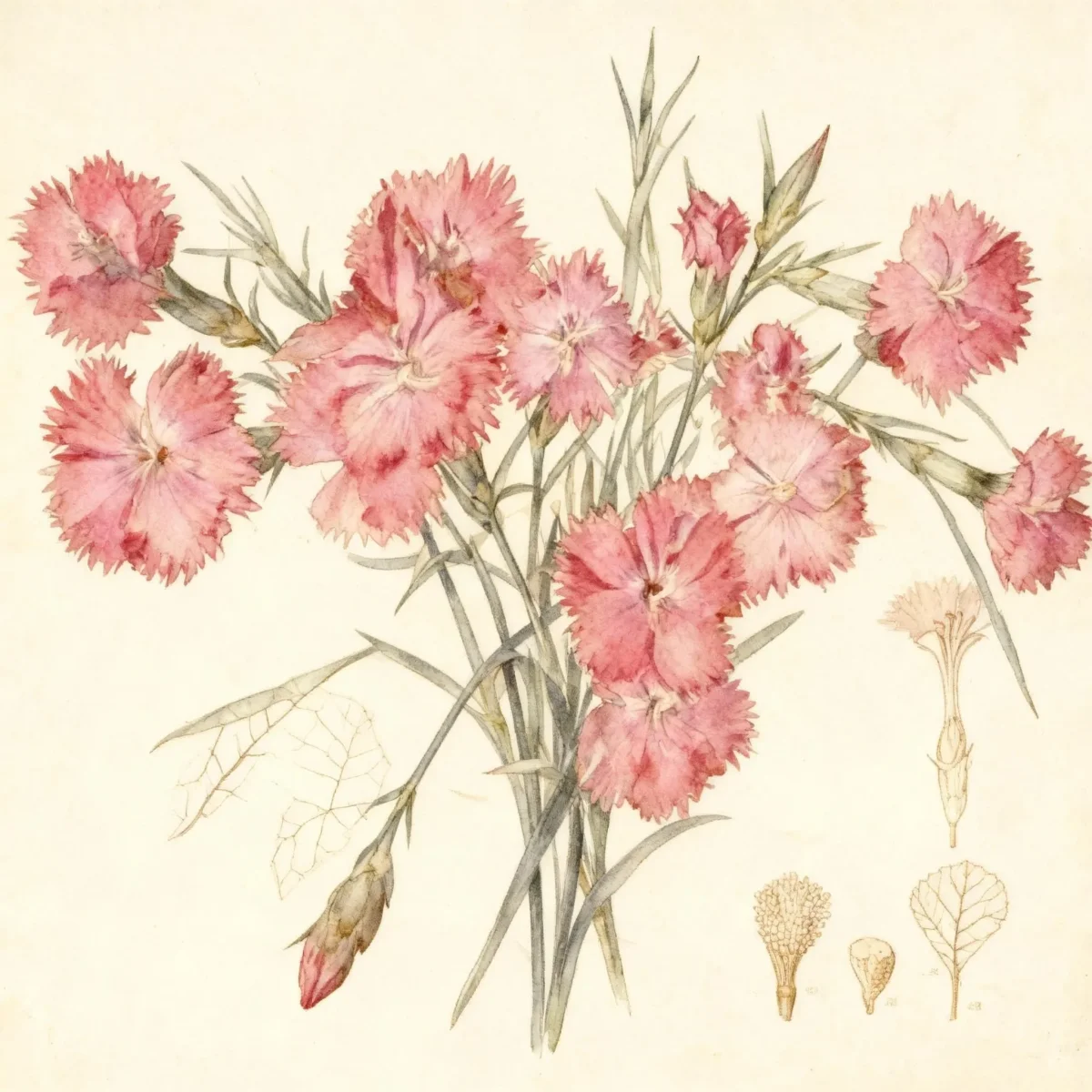
Pink (Dianthus 'Prairie Pink')
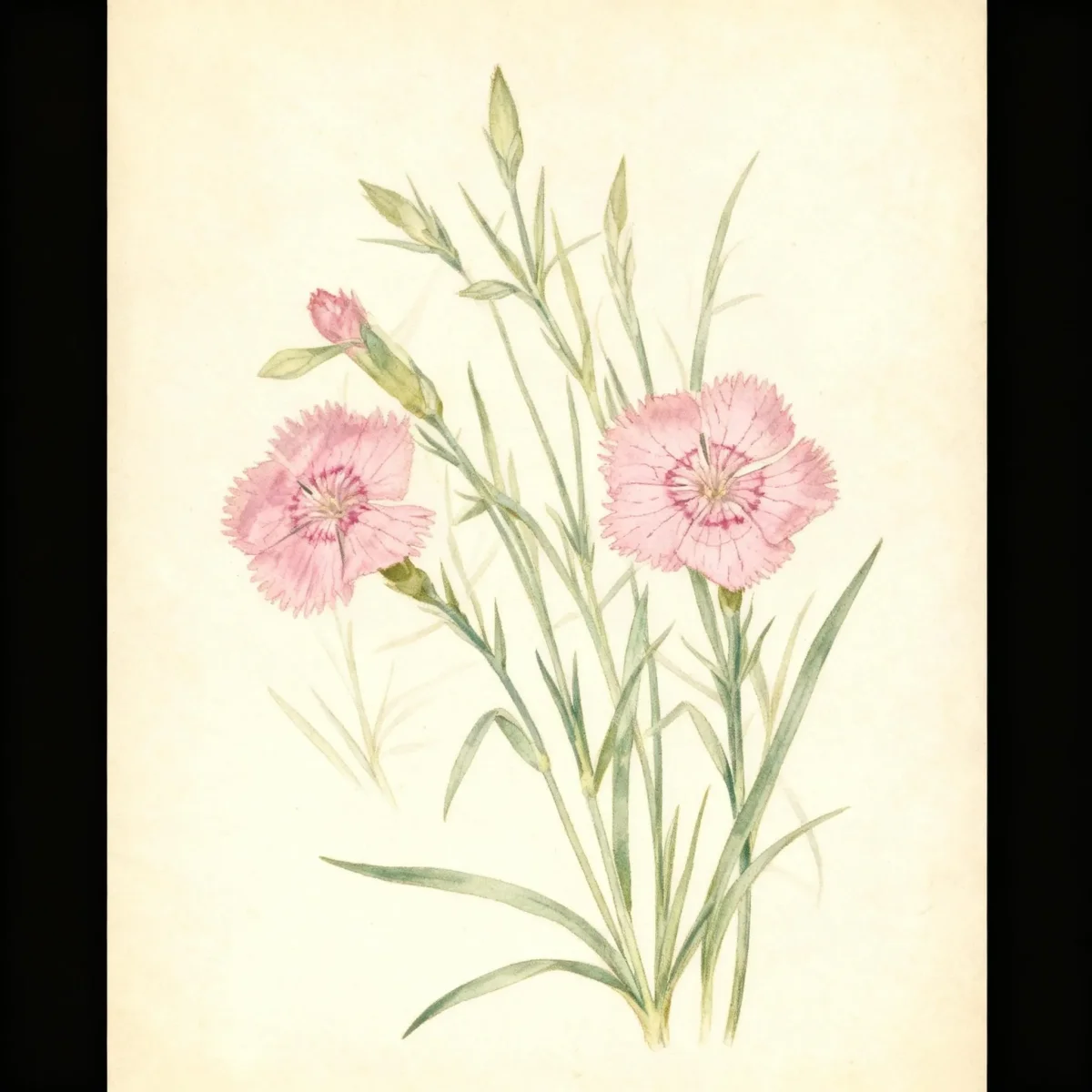
Dianthus 'Prairie Pink' produces fragrant, showy, fuchsia-pink flowers thriving in full sun with low maintenance.
Scroll down to discover growing tips, care requirements, companion plants, and more
Complete Plant Information
Overview
Dianthus ‘Prairie Pink’ is a robust herbaceous perennial valued for its compact habit and brilliant floral display throughout the summer months. This cultivar of Pink forms dense mounds of attractive blue-green, linear foliage from which vibrant, double, bright fuchsia-pink blooms emerge on stiff stems. Gardeners appreciate Dianthus ‘Prairie Pink’ for its low maintenance needs and its ability to provide continuous color, especially where cooler summers allow for extended blooming periods.
As a modern introduction from the University of Nebraska, this variety offers reliable performance in garden settings, making it a dependable choice for edging or rock gardens. The flowers of this Pink are notably fragrant, adding an olfactory dimension to the landscape alongside their showy appearance. Overall, Dianthus ‘Prairie Pink’ promises an easy way to introduce resilient, colorful, and scented blooms into cultivated spaces across multiple hardiness zones.
Fast Facts
- Plant Family: Caryophyllaceae
- Plant Type: Herbaceous perennial
- Hardiness Zones: USDA Zones 3-8
- Size at Maturity:
- Height: 1-1.5 ft
- Spread: 1-1.5 ft
- Bloom Time: May to August
- Bloom Description: Fuschia pink
- Sun Exposure: Full sun
- Water Needs: Medium
- Maintenance Level: Low
How to Grow
Plant Dianthus ‘Prairie Pink’ in a location that receives full sun, as ample sunlight is crucial for achieving the best flower production. These plants flourish best in average, evenly moist, well-drained soils. Ensure excellent drainage, as heavy, waterlogged conditions can quickly lead to root issues. Incorporating organic material like leaf mold into these gritty loams helps retain necessary moisture, a benefit during hot summer periods.
Watering should be consistent enough to keep the soil evenly moist, meeting its medium water needs without becoming waterlogged. While establishing, ensure regular moisture. Once mature, they are relatively tough but benefit from attention during prolonged dry spells. Maintenance for this Pink is generally low. To maximize blooms, promptly deadhead spent flowers. Shearing the plants back lightly after the main spring/early summer flush can tidy the mound and encourage rebloom later in the season or early fall.
These perennials perform best in neutral to slightly alkaline soils. They generally appreciate cooler summer temperatures, so monitoring heat stress is wise in the warmer end of their hardiness range (Zones 7 and 8). By providing consistent moisture and excellent drainage, this Dianthus cultivar will provide reliable texture and color.
Landscape Uses
Dianthus ‘Prairie Pink’ is highly versatile due to its compact size and tidy mounding habit, making it excellent for adding defined structure near pathways or borders. It excels as a front-of-border plant or as a crisp edger where its dense, grass-like foliage contrasts nicely with coarser textures. Its suitability for rock gardens means it pairs well with low-growing alpine plants, succulents, or trailing thyme in well-drained scree beds.
When planning companion plantings, select species that share similar preferences for full sun and well-drained soil, such as hardy Geraniums, low Sedums, or ornamental grasses that won’t overshadow its blooms. Using Dianthus ‘Prairie Pink’ to line a walkway or patio edge allows garden visitors to fully appreciate the fragrance emanating from these fuchsia-pink flowers throughout the season.
Standout Features
Flower Qualities
- Showy
- Fragrant
- Good Cut
Noteworthy Characteristics
Perennial dianthus, commonly called carnations or pinks, feature fragrant, often double flowers on stiff stems clad with narrow, linear, gray-green leaves. This specific cultivar, ‘Prairie Pink’, forms compact mounds of dense, blue-green, linear, grass-like foliage covered with large, double, bright fuchsia-pink flowers often rising up to 18 inches from late spring well into summer. Prompt removal of spent flower stems can encourage some rebloom later in the season.
Tolerances
- Deer
Potential Problems
Carnations, including Dianthus ‘Prairie Pink’, can be afflicted by various fungal and bacterial pathogens, notably botrytis, rust, powdery mildew, and leaf spots. They are also targets for common garden pests like aphids, caterpillars, leafminers, spider mites, and scale. These issues are often intensified when the plant is grown in overly humid, shaded, or crowded conditions, or when grown under glass for cut flower purposes. Growing outdoors in full sun with excellent air circulation and excellent drainage greatly mitigates many disease risks.
To manage pests, inspect plants regularly, especially the leaf axils, and address infestations early with targeted insecticidal soaps or horticultural oils if necessary. Prevent fungal issues by ensuring adequate spacing between plants to promote good airflow and by avoiding overhead watering late in the day, which leaves foliage wet overnight. Fortunately, deer tend to avoid munching on this scented Pink.
Frequently Asked Questions
What hardiness zones is Pink suitable for?
Dianthus ‘Prairie Pink’ is generally hardy across USDA Zones 3 through 8, offering wide adaptability across much of the continent provided its needs for sun and drainage are met.
How large does Dianthus ‘Prairie Pink’ grow?
This cultivar typically achieves a manageable size, growing between 1 to 1.5 feet in height and spreading to a width of 1 to 1.5 feet, forming a neat, compact mound.
What sun exposure does Dianthus ‘Prairie Pink’ need?
Dianthus ‘Prairie Pink’ requires full sun exposure to ensure prolific blooming and healthy, compact growth throughout its bloom time of May to August.
When does Pink bloom?
This variety of Pink blooms profusely starting in May and continuing through August, displaying striking fuschia pink flowers that are notably fragrant.
Conclusion
Dianthus ‘Prairie Pink’ is a truly valuable addition to any sunny garden, offering long-lasting, fragrant, fuchsia-pink blooms with minimal fuss. Its low maintenance needs and deer resistance make this Pink an accessible choice for both novice and experienced gardeners seeking reliable summer color. Ensure you check your specific local USDA zone compatibility before planting, and establish your Dianthus ‘Prairie Pink’ in a sunny spot with superior drainage for the best results.
Companion Planting
Selecting appropriate neighbors helps Dianthus ‘Prairie Pink’ thrive by meeting shared cultural requirements, particularly the demand for excellent drainage. Pair this Pink with other sun-loving perennials that enjoy gritty, neutral to slightly alkaline soil. Excellent companions include various low-growing Sedums, particularly those with contrasting foliage like blue or silver varieties.
Consider using creeping Thymes or low-growing ornamental grasses to soften the edges of a border or rockery where Dianthus ‘Prairie Pink’ is planted. These companions share the need for sharp drainage and full sunlight, preventing issues related to excess moisture that can plague Dianthus in improper settings.
Seasonal Care Calendar
Spring is the critical time to tidy up Dianthus ‘Prairie Pink’ by shearing back any remaining winter-damaged foliage and incorporating a light dressing of compost around the base, avoiding direct contact with the crowns. During the primary bloom period of late spring and early summer, consistent deadheading is the most important task to encourage waves of repeat flowers. Water deeply but infrequently, allowing the top layer of soil to dry slightly between waterings, especially as summer heat intensifies.
As fall approaches, if you have sheared the plant back after the first major flush, it may reward you with a smaller secondary bloom in early autumn. In cold winter regions (Zones 3-5), apply a light winter mulch, such as pine needles or evergreen boughs, only after the ground has frozen solid to prevent damaging freeze-thaw cycles that can heave the crowns out of the soil.