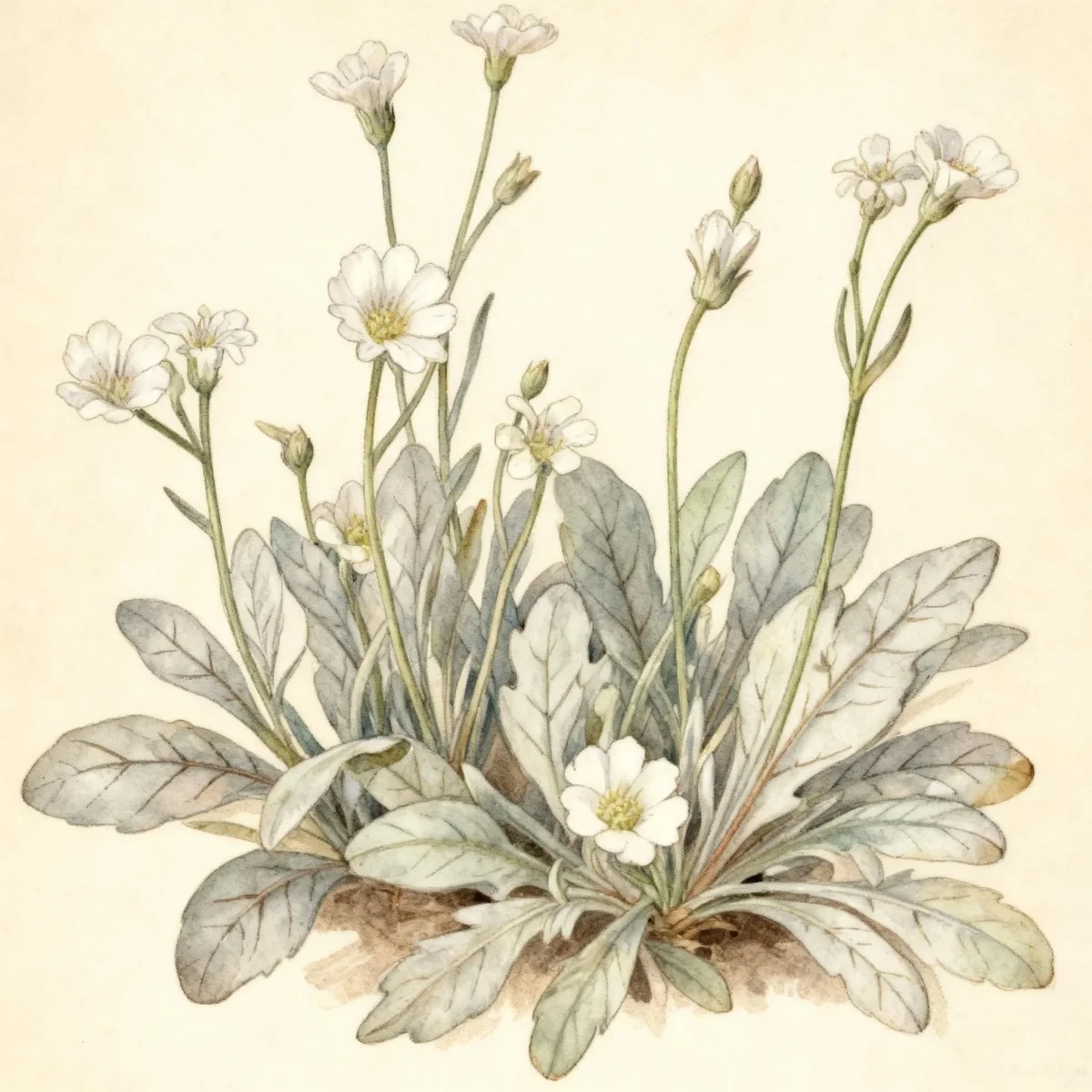
Maiden pink (Dianthus deltoides 'Albus')
Grow the striking Dianthus deltoides 'Albus', commonly known as Maiden pink, for its bright white blooms and tough, evergreen groundcover.
Scroll down to discover growing tips, care requirements, companion plants, and more
Complete Plant Information
Overview
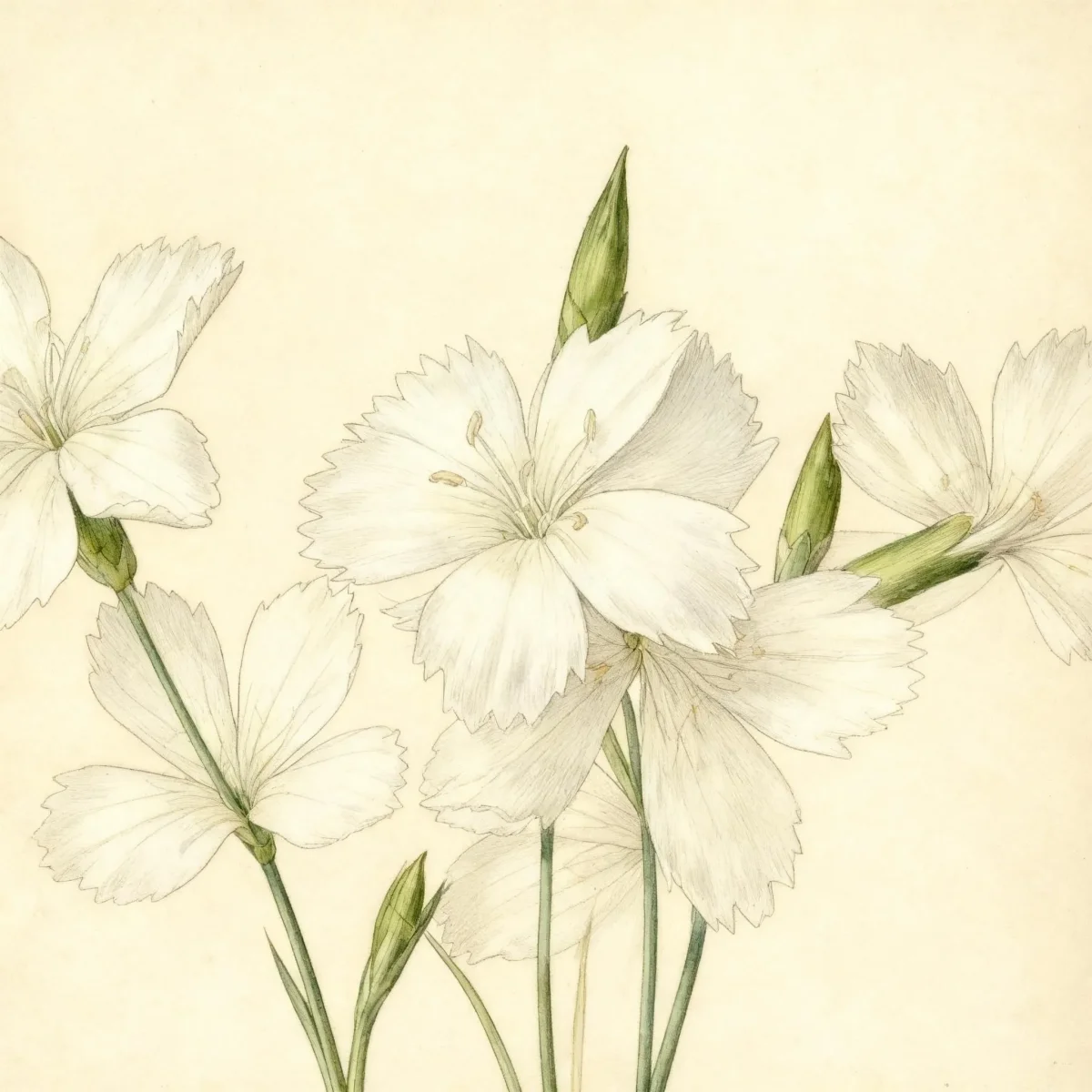
Dianthus deltoides ‘Albus’, or Maiden pink, offers gardeners a low-growing, spreading mat of evergreen foliage punctuated by bright white, fringed flowers from late spring into summer. This cultivar is highly valued for forming dense carpets, making it an excellent choice where a tough, permanent ground cover is required. Its narrow, deep green leaves remain attractive year-round, providing structure even outside the vibrant bloom period of the pure white flowers.
As a hardy herbaceous perennial, Dianthus deltoides ‘Albus’ thrives in full sun and surprisingly dry soil conditions once established, aligning well with xeriscaping principles. The specific name ‘Albus’ denotes its white blooms, which contrast beautifully against the typical dark green foliage. Gardeners should note that while easy to establish, superior drainage is crucial to prevent crown rot associated with this species.
The Maiden pink provides excellent visual texture in the garden, whether tucked into rockeries or spilling over retaining walls. Beyond its aesthetic appeal, the reliable nature of Dianthus deltoides ‘Albus’ ensures consistent seasonal interest and resilience against common pests like deer. Plan your planting location carefully to meet its full sun and sharp drainage requirements for the best performance.
Fast Facts
- Plant Family: Caryophyllaceae
- Plant Type: Herbaceous perennial
- Hardiness Zones: USDA Zones 2-9
- Size at Maturity:
- Height: 0.5-0.75 ft
- Spread: 1-1.5 ft
- Bloom Time: May to July
- Bloom Description: White
- Sun Exposure: Full sun
- Water Needs: Dry
- Maintenance Level: Medium
How to Grow
Planting Maiden pink should occur during the spring or fall in a location receiving full, unobstructed sun throughout the day. This plant demands excellent drainage; it performs best in average, dry, well-drained soils, often preferring fertile, somewhat gritty, or alkaline loams. Avoid heavy, wet spots entirely, as poor drainage is the primary cause of failure, leading to crown rot susceptibility.
Maintenance for Dianthus deltoides ‘Albus’ is generally straightforward once established, given its drought tolerance. Watering should be minimal; allow the soil to dry out between drinks. Fertilization is rarely needed, especially if the soil already contains moderate fertility. Pruning primarily involves trimming spent flowers. While deadheading prolongs individual blooms, mass shearing after the primary bloom sets off the foliage and can encourage sparse fall reblooming.
For long-term health, be aware that individual clumps of Dianthus deltoides ‘Albus’ may decline in the center after two or three years, necessitating division or reseeding to maintain density. Shearing the entire plant after the main bloom sets seed will intentionally prevent unwanted self-seeding, keeping the planting tidy. This evergreen perennial provides reliable texture across seasons, provided its basic needs for sun and sharp drainage are met.
Landscape Uses
The primary recommendation for Dianthus deltoides ‘Albus’ is as an effective ground cover, swiftly forming low, spreading mats ideal for covering large, sunny, dry areas. Its compact habit makes it perfect for softening the edges of borders, providing neat edging along pathways, or spilling attractively over the front of retaining walls in rock gardens. The evergreen nature of Maiden pink ensures that these areas do not look bare during winter months.
Consider planting clumps of this white-flowering cultivar near taller, mid-summer bloomers that appreciate similar dry, sunny conditions, such as Sedums or certain ornamental grasses. The low profile of the Maiden pink ensures it never competes with taller companions for light. Furthermore, its tolerance for dry conditions makes it suitable for xeriscape plantings where water conservation is a primary goal.
For containers, the trailing nature of Dianthus deltoides ‘Albus’ works well as a spiller element, especially when planted alongside sun-loving annuals or succulents that also prefer not to remain constantly moist. When used in mass plantings as a ground cover, the uniform white blooms create a stunning, cloud-like effect across the landscape.
Standout Features
Flower Qualities
- Showy
Noteworthy Characteristics
Dianthus deltoides, commonly called maiden pink, is an evergreen perennial that typically forms loose spreading mats of foliage to 4-6” tall and to 24” wide. Narrow, linear to lance-shaped leaves. Heavily fringed, slightly fragrant, single flowers (to 3/4” diameter) appear on branched flowering stems (8-12” tall) in late spring, covering the foliage mound with brightly colored bloom. The ‘Albus’ cultivar is clump-forming with a long bloom period that includes pure white petals featuring feathered edges, creating a lovely contrast against the deep green foliage. This resilient plant is attractive to butterflies and other insect pollinators.
Tolerances
- Deer
- Drought
Potential Problems
While Generally free of serious insect or disease issues, gardeners should be mindful of conditions that compromise the health of Maiden pink. A key concern, especially during humid summers or in areas where the plants are overcrowded, is leaf spot, which can become troublesome. The most significant threat to Dianthus deltoides ‘Albus’ is crown rot, which occurs when the plant sits in moist to wet, poorly drained soils. Prevention centers entirely on ensuring sharp drainage during establishment and avoiding overwatering, particularly in the heat of summer.
Frequently Asked Questions
What hardiness zones is Maiden pink suitable for?
Dianthus deltoides ‘Albus’ is exceptionally hardy, suitable for USDA Zones 2 through 9.
How large does Maiden pink grow?
It typically reaches a height between 0.5 and 0.75 feet tall, with a spread ranging from 1 to 1.5 feet wide.
What sun exposure does Dianthus deltoides ‘Albus’ need?
This perennial requires full sun exposure to thrive and produce its best floral display.
When does Maiden pink bloom?
The primary bloom time for Maiden pink is typically from May through July, producing white flowers.
Conclusion
The Dianthus deltoides ‘Albus’ is a superior, low-maintenance choice for sunny, dry locations where its tough, evergreen mat habit provides year-round structure. This reliable Maiden pink offers beautiful white blooms in early summer, and its excellent drought tolerance adds significant practical value to any garden scheme. Confirm your growing area offers the necessary full sun and superior drainage, then plan to incorporate this hardy perennial into your rock gardens or as vibrant edging this coming season.
Propagation Tips
Propagation of Dianthus deltoides ‘Albus’ can be achieved readily through seed, which may naturally self-seed in ideal conditions. However, for maintaining the precise characteristics of this white-flowering cultivar, division is often the most effective method. Divide established clumps every few years, particularly if decline is noted in the center, ensuring that each division has a healthy root system before replanting into well-drained soil.
Wildlife Benefits
The flowers of Maiden pink are consistently attractive to various insect pollinators, including butterflies, making this a worthwhile addition to wildlife-friendly gardens. While not a primary food source, the dense foliage provides excellent low cover for small ground-dwelling beneficial insects. Planting masses of this perennial in full sun supports local pollinator populations throughout its extended blooming cycle.