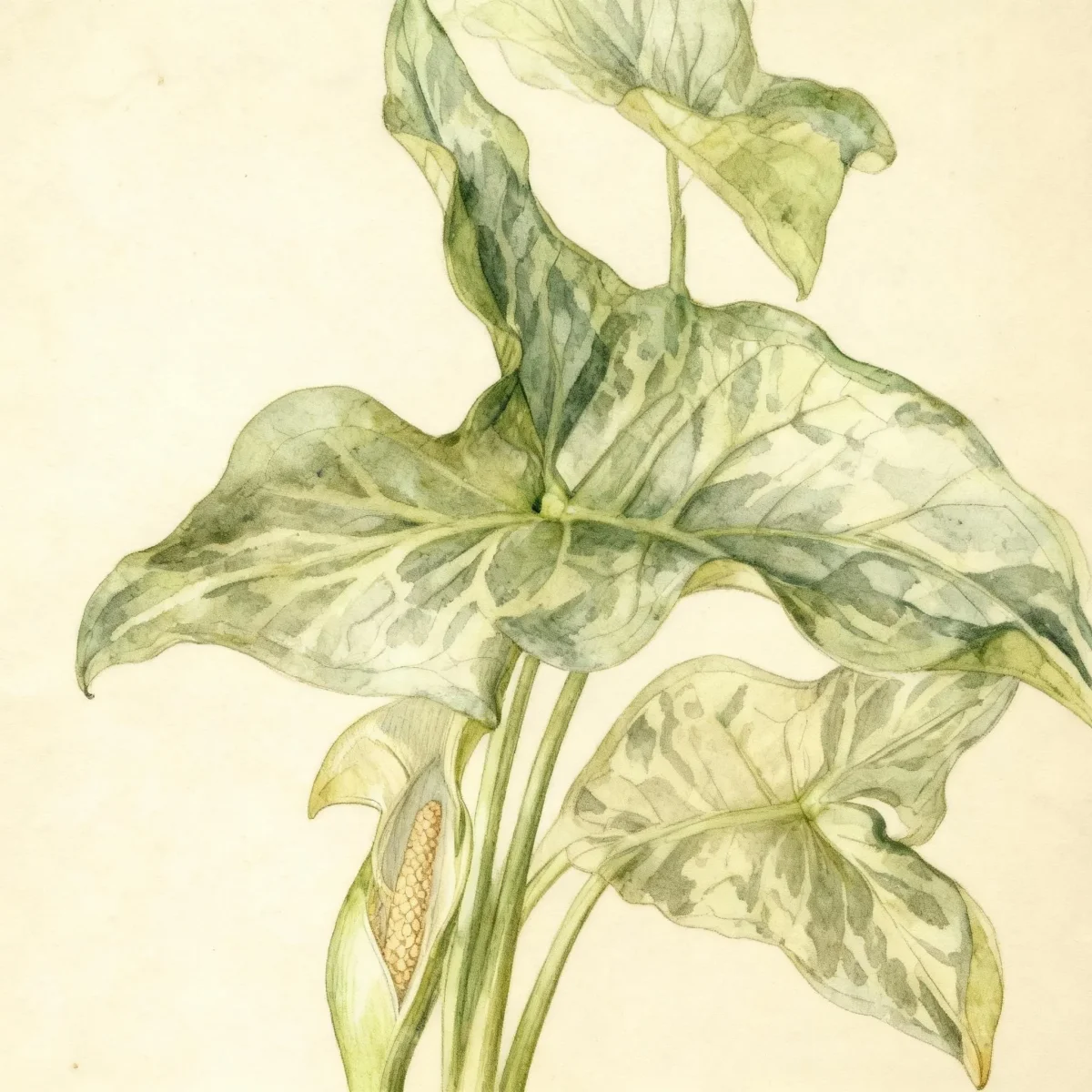
Fairy bells (Disporum sessile 'Variegatum')
Variegated Fairy bells (Disporum sessile 'Variegatum') offers bright, striped foliage and nodding white flowers in spring shade gardens.
Scroll down to discover growing tips, care requirements, companion plants, and more
Complete Plant Information
Overview
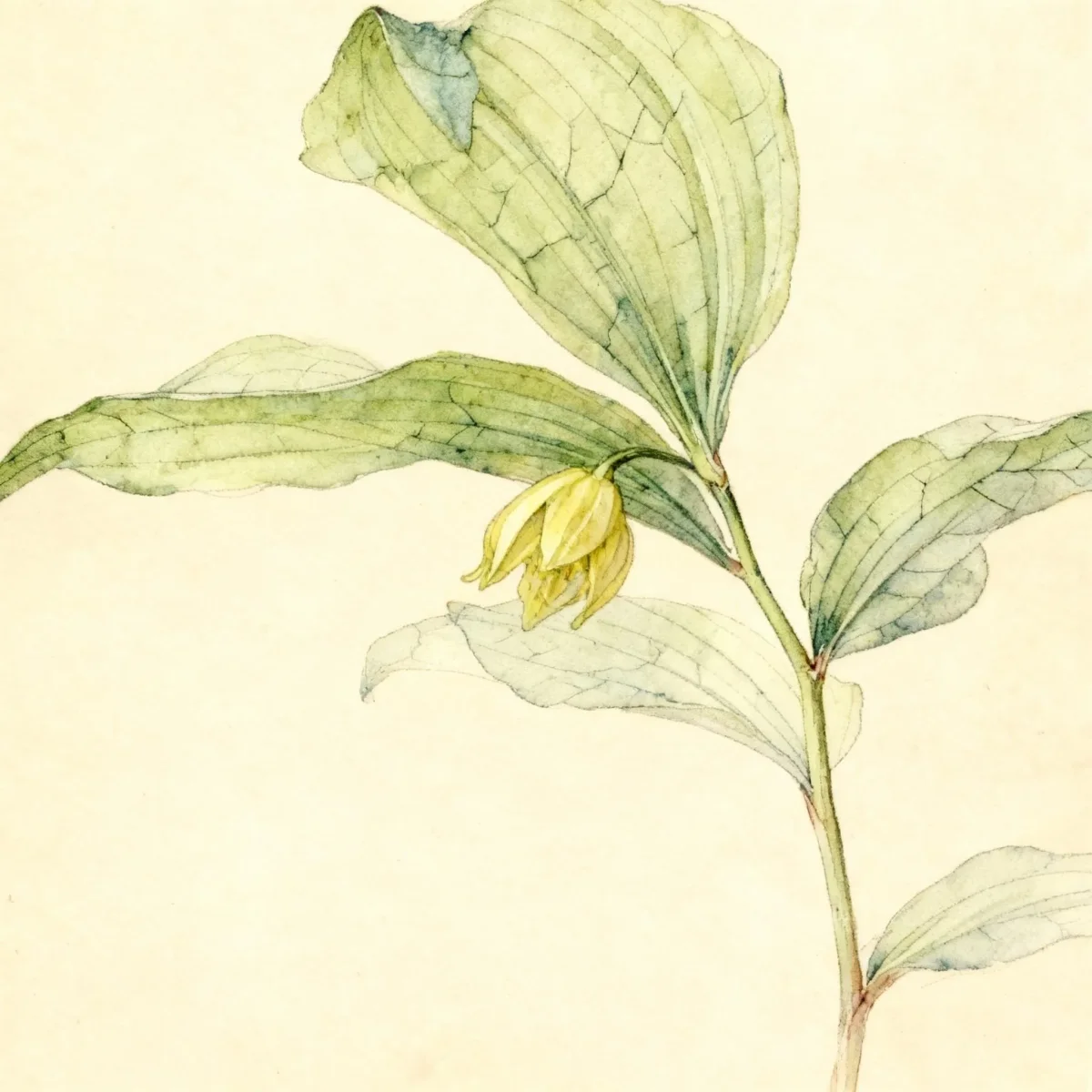
The variegated form, Disporum sessile ‘Variegatum’, is highly sought after for its ability to introduce light and visual texture into deep shade gardens. This herbaceous perennial brightens dim corners where many other plants struggle, thanks to its distinctive foliage. As a type of Fairy bells, it features delicate, greenish-white flowers that nod gracefully beneath the leaves in mid-spring.
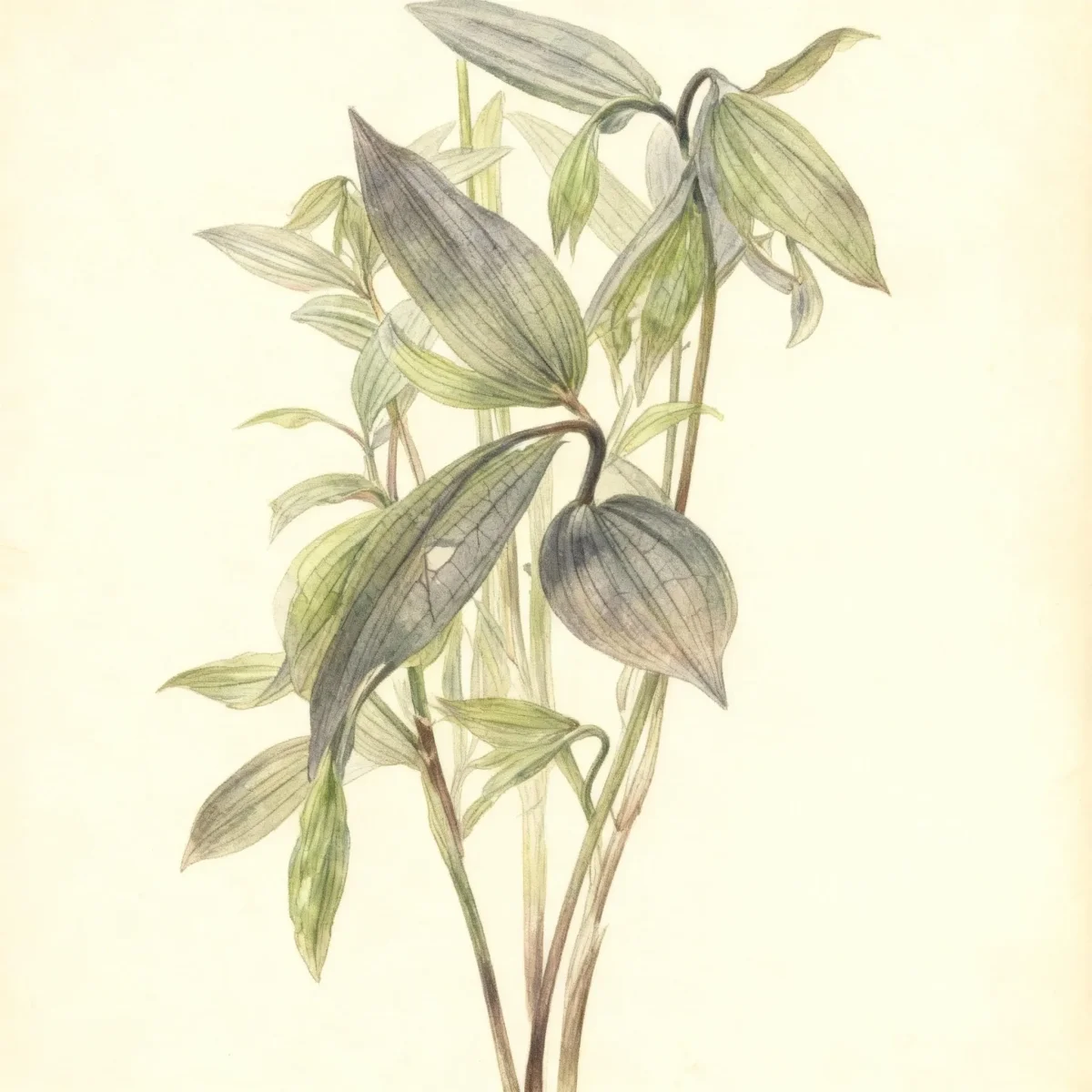
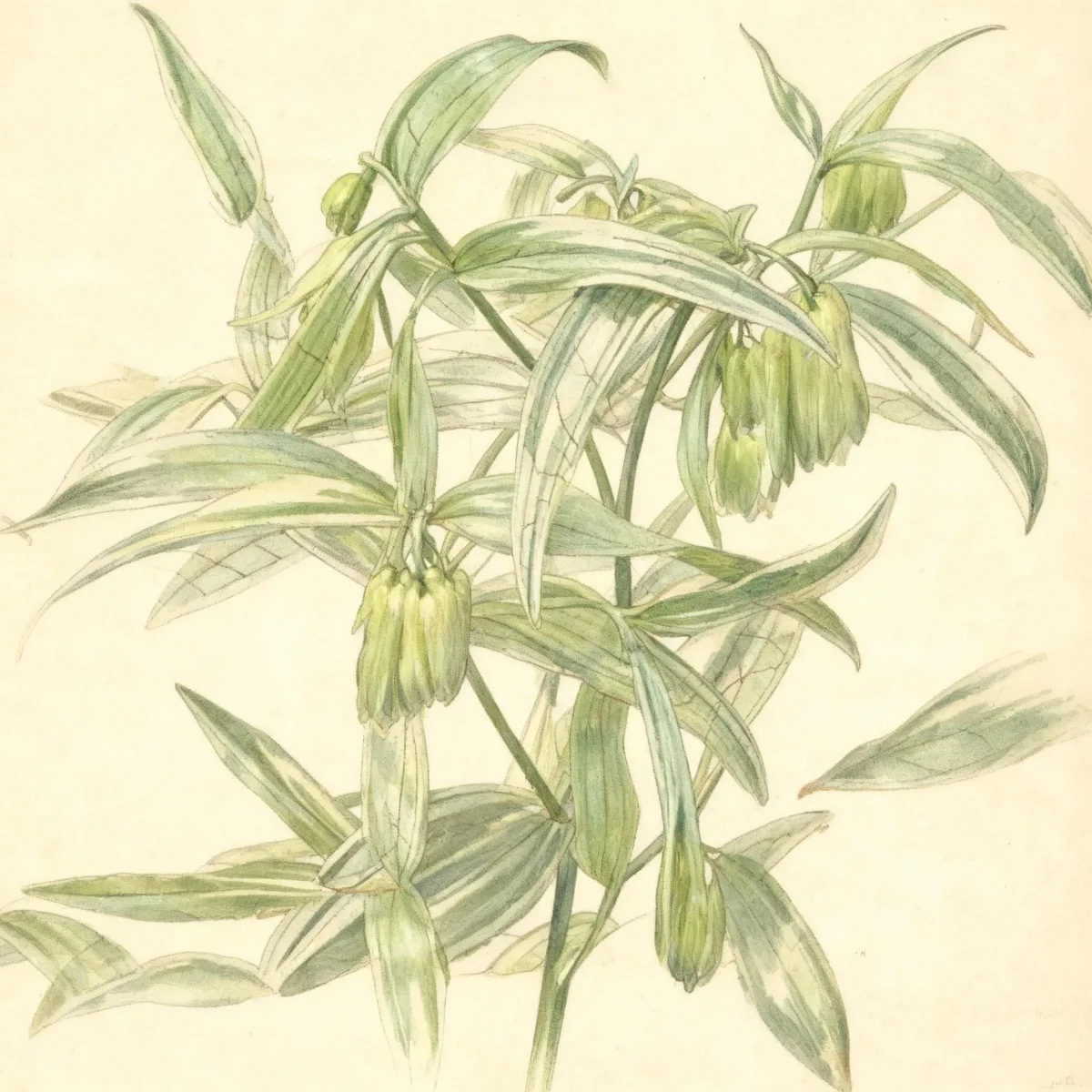
This plant develops clumps of bamboo-like stems clad in lance-shaped leaves attractively streaked and edged with white variegation. While Disporum sessile ‘Variegatum’ spreads by rhizomes, its main appeal is its vertical structure contrasted by the horizontal spread of its beautiful foliage, making it an excellent evergreen structure plant for woodland settings. Gardeners prize Fairy bells for low maintenance once established and its superior performance in heavy shade.
Fast Facts
- Plant Family: Colchicaceae
- Plant Type: Herbaceous perennial
- Hardiness Zones: USDA Zones 4-8
- Size at Maturity:
- Height: 1-2 ft
- Spread: 1-3 ft
- Bloom Time: April
- Bloom Description: White
- Sun Exposure: Part shade to full shade
- Water Needs: Medium
- Maintenance Level: Medium
How to Grow
For optimal growth, plant Disporum sessile ‘Variegatum’ in spring or fall when conditions are cool. Successful cultivation relies heavily on the soil foundation; grow in moist, organically rich, acidic, well-drained soils. While it tolerates a range of shade conditions, it performs best when sited in part shade locations, though it can manage full shade, providing its moisture needs are met.
Watering should be consistent, maintaining medium moisture levels throughout the growing season, especially as this rhizomatous perennial dislikes drying out completely. Fertilization is rarely necessary if the soil is sufficiently rich in organic matter; focus instead on top-dressing with compost annually to maintain moisture retention and soil fertility.
Maintenance for Fairy bells is generally low. Pruning is primarily aesthetic, removing any leaves that lose their variegation or become damaged by early frost. Be aware that this plant spreads via rhizomes; monitor its expansion if you prefer a highly contained planting area.
Landscape Uses
The textural contrast provided by Disporum sessile ‘Variegatum’ makes it invaluable in woodland or shade gardens where color is often subdued. It is excellent when used to naturalize beneath large deciduous trees, where its rhizomatous habit allows it to spread gently, forming a colorful, variegated ground cover that softens the woodland floor.
Consider placing Fairy bells in part shade areas along borders to transition between sunnier perennials and deep shade plantings. The upright, arching stems topped by white, drooping flowers provide critical mid-level interest. It pairs well with hostas, ferns, and Epimedium, all of which share similar moisture and light requirements, creating a cohesive, low-light tapestry.
Standout Features
Flower Qualities
- Showy
Noteworthy Characteristics
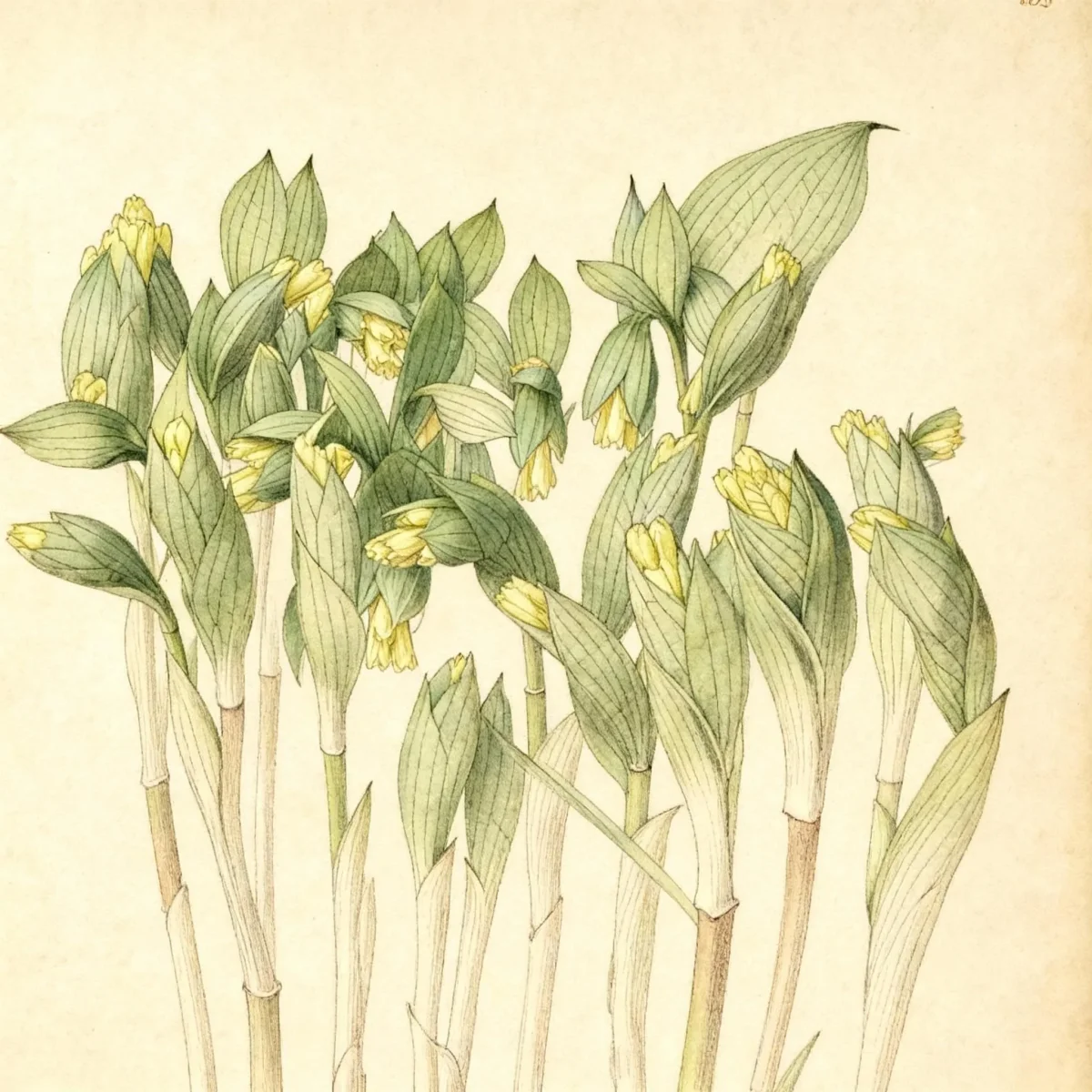
Disporum sessile is a rhizomatous fairy-bells that grows in a creeping clump to 12-24” tall, but spreads sometimes aggressively by rhizomes to 36” or more. Generally erect bamboo-like stems are clad with ovate to lanceolate leaves (to 2-6” long) that are sessile (stalkless). The specific epithet refers to the leaves being sessile (stalkless), and the ‘Variegatum’ cultivar features medium green leaves attractively streaked and edged with white, brightening shaded areas. Drooping, narrow, tubular, bell-shaped, greenish-white flowers appear in small clusters at the stem ends in April, often producing a showy display from established clumps.
Tolerances
- Heavy Shade
Potential Problems
Disporum sessile ‘Variegatum’ is generally not plagued by serious insect or disease issues, contributing to its low maintenance requirements. The primary biological concern involves mollusks; watch closely for damage from slugs and snails, especially on young, emerging foliage. Fungal leaf spots can occasionally occur if air circulation is poor or if overhead watering keeps the leaves wet for extended periods. To manage the natural rhizomatous spread of this Fairy bells cultivar, gardeners may elect to install soil barriers or plan for annual division to maintain desired boundaries.
Frequently Asked Questions
What hardiness zones is Fairy bells suitable for?
Disporum sessile ‘Variegatum’ is reliably hardy in USDA Zones 4 through 8.
When does Fairy bells bloom?
This perennial produces its drooping, greenish-white blooms during April.
How large does Disporum sessile ‘Variegatum’ grow?
Mature height typically ranges from 1 to 2 feet tall, spreading between 1 and 3 feet wide.
What sun exposure does Disporum sessile ‘Variegatum’ need?
This plant thrives best in part shade but is tolerant of full shade conditions, provided moisture is consistent.
Conclusion
The combination of bright, striped foliage and elegant, nodding spring flowers makes Disporum sessile ‘Variegatum’ an indispensable architectural element for cool, shaded understories. Its relative pest resistance and ability to naturalize make it highly rewarding for the medium effort required. Before planting, verify your garden aligns with USDA Zones 4-8 and ensure the area offers consistent moisture and ample shade to enjoy these beautiful Fairy bells.
Companion Planting
When designing a shade garden around Disporum sessile ‘Variegatum’, choose companions that share its preference for moist, rich, acidic soil. Shade-loving ground covers like Hosta cultivars with dark green or blue leaves offer a fantastic deep color contrast to the chartreuse and white variegation of the Fairy bells. Similarly, various ferns, such as the Japanese Painted Fern (Athyrium niponicum), provide fine, lacy texture that complements the broader leaves of the Disporum.
Focusing on varied architectural forms prevents the shade garden from looking monolithic. Incorporating taller shade-loving shrubs or small trees that provide dappled light in summer, such as certain Japanese maples, will mimic the native woodland habitat these plants prefer, encouraging robust rhizomatous spread and vigorous growth of Disporum sessile ‘Variegatum’.
Propagation Tips
The easiest method for increasing your stock of Disporum sessile ‘Variegatum’ is through division of its rhizomes. Since these plants spread slowly but steadily, division is best performed in early spring just as growth begins or in the early fall after flowering has ceased. Gently excavate the clump and carefully divide the thick, creamy rhizomes, ensuring each division has at least two viable growing points (buds).
Newly separated divisions should be replanted immediately into prepared, moist soil at the same depth they were previously growing. Avoid separating the rhizomes unless the clump has become overcrowded or you wish to control its spread; this rhizomatous herb establishes best as larger divisions. While viable seeds are produced following pollination, growing this variegated cultivar true-to-type from seed is difficult and generally not recommended for home gardeners.