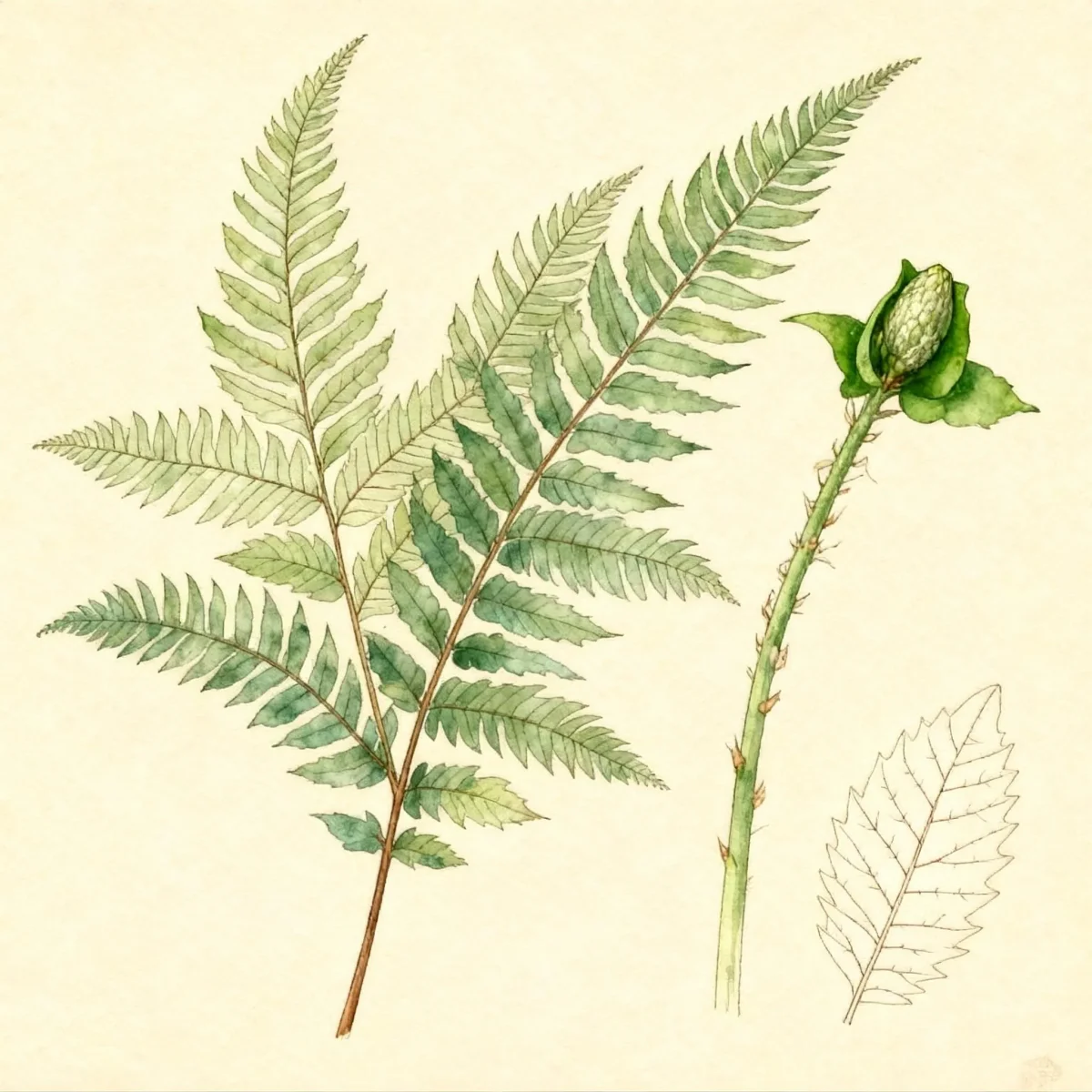
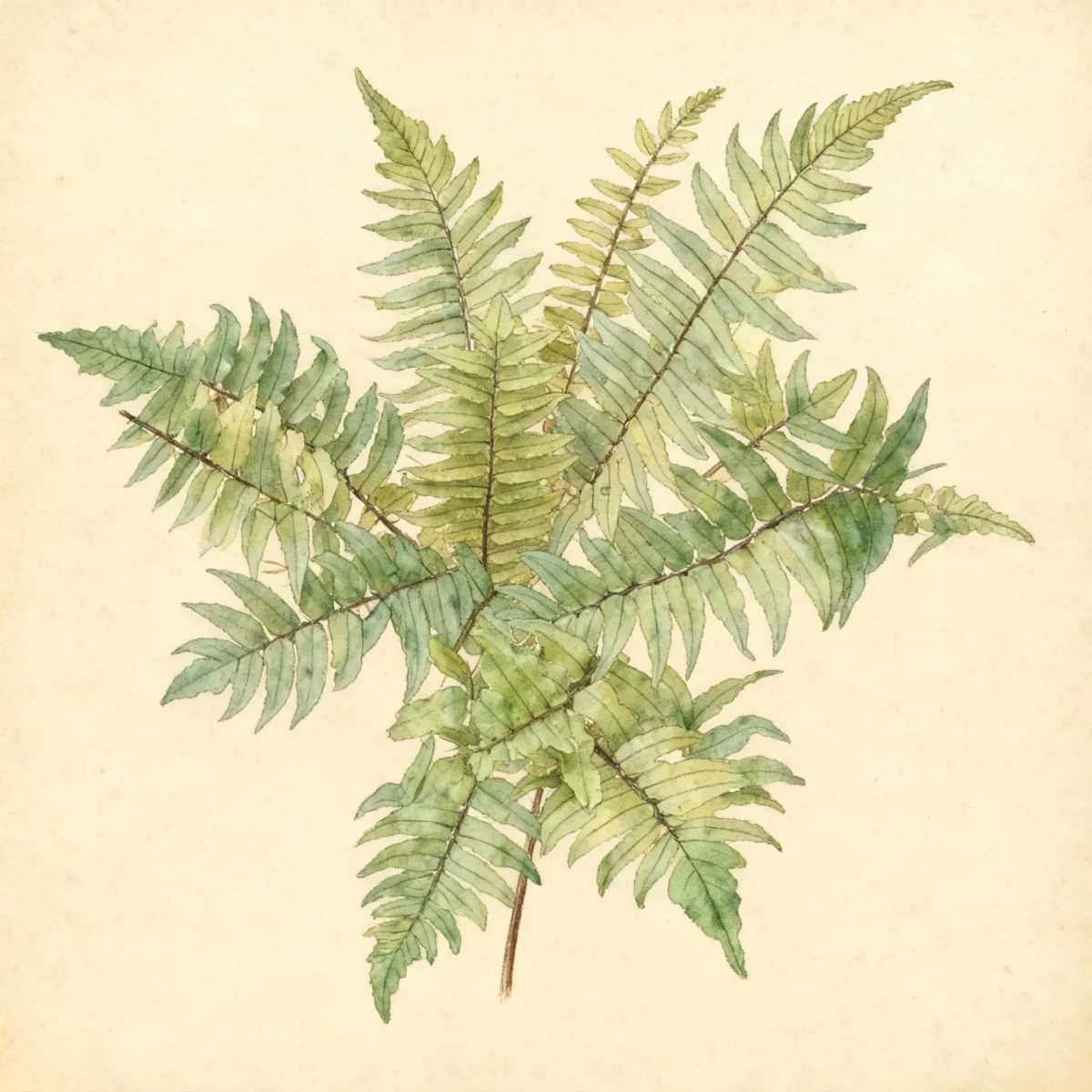
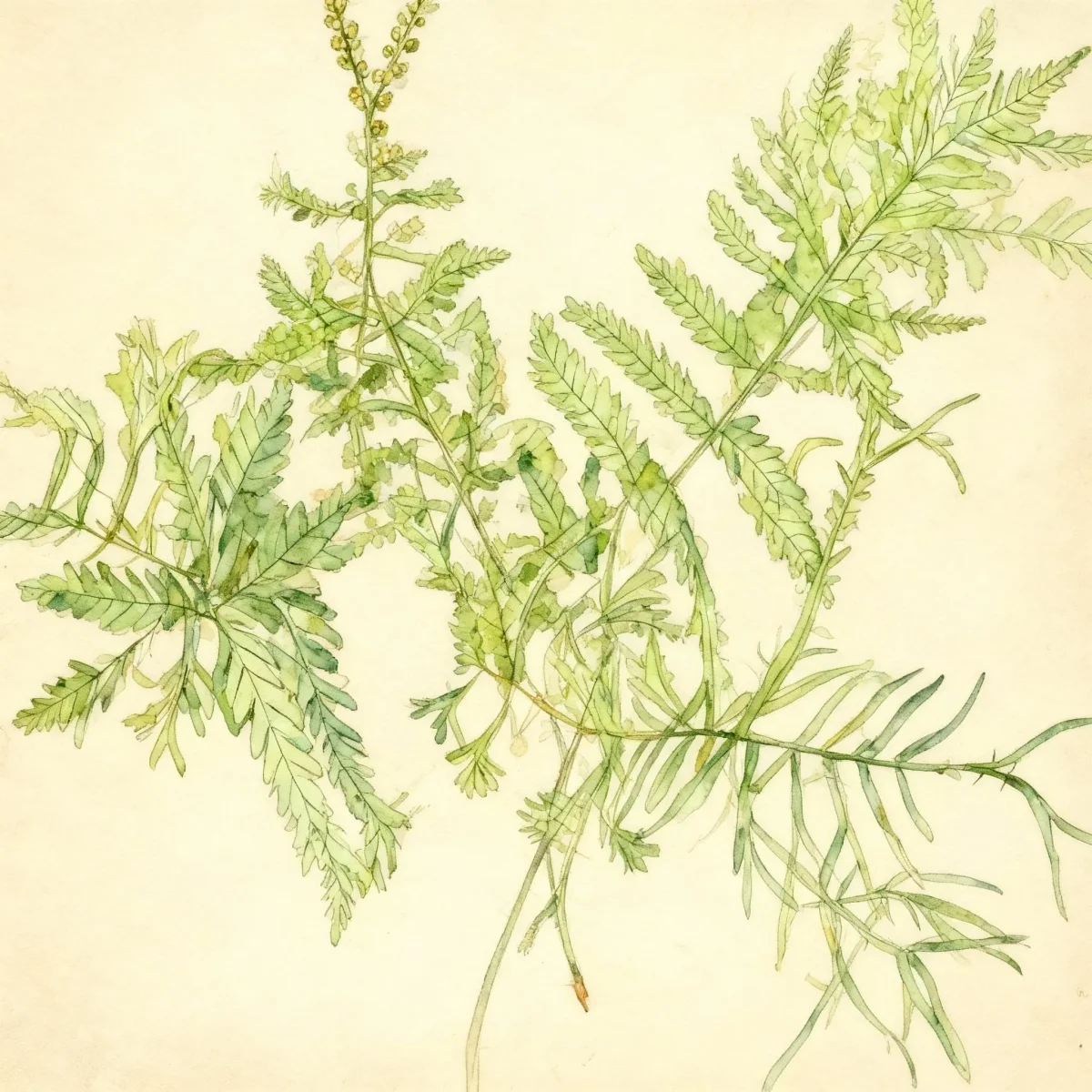
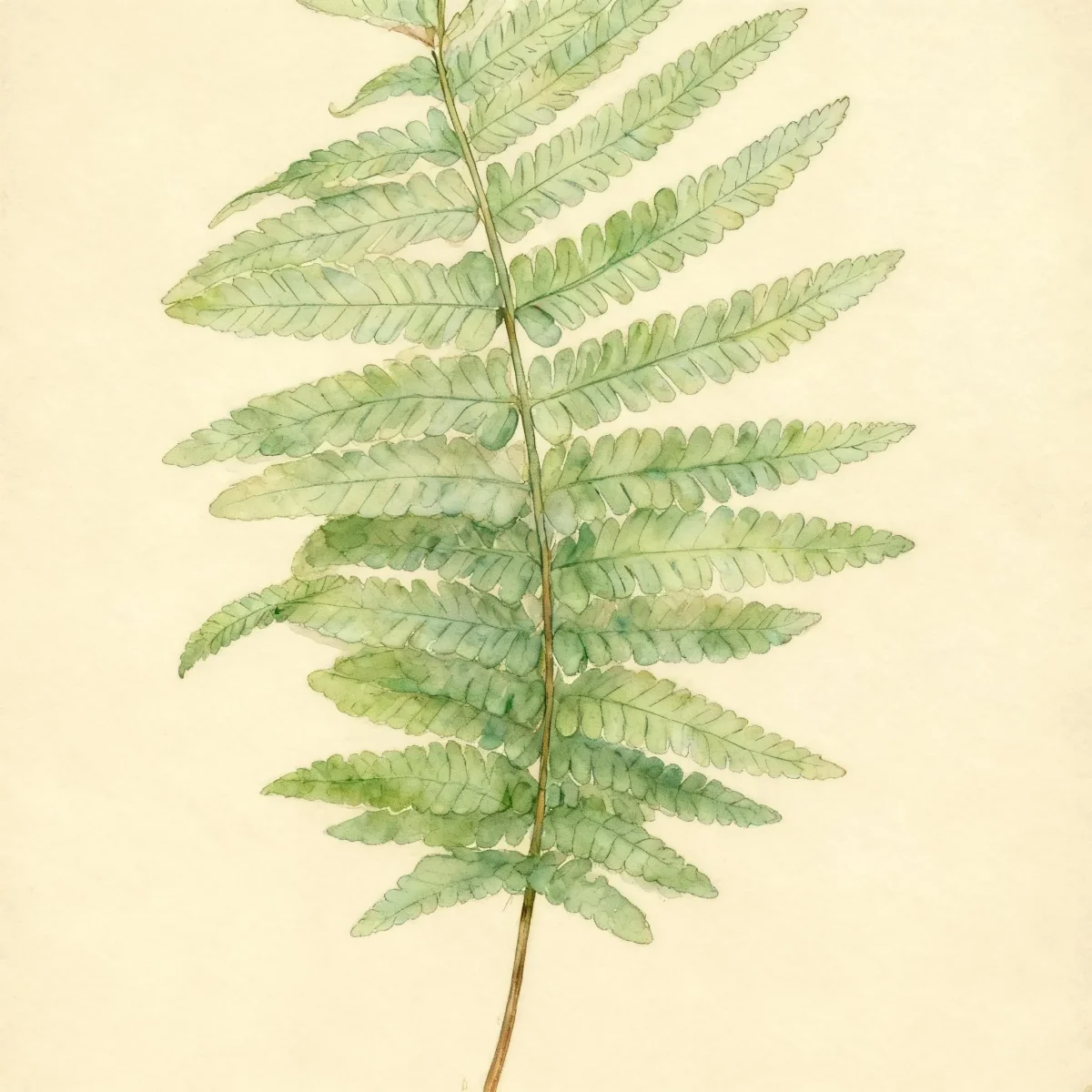
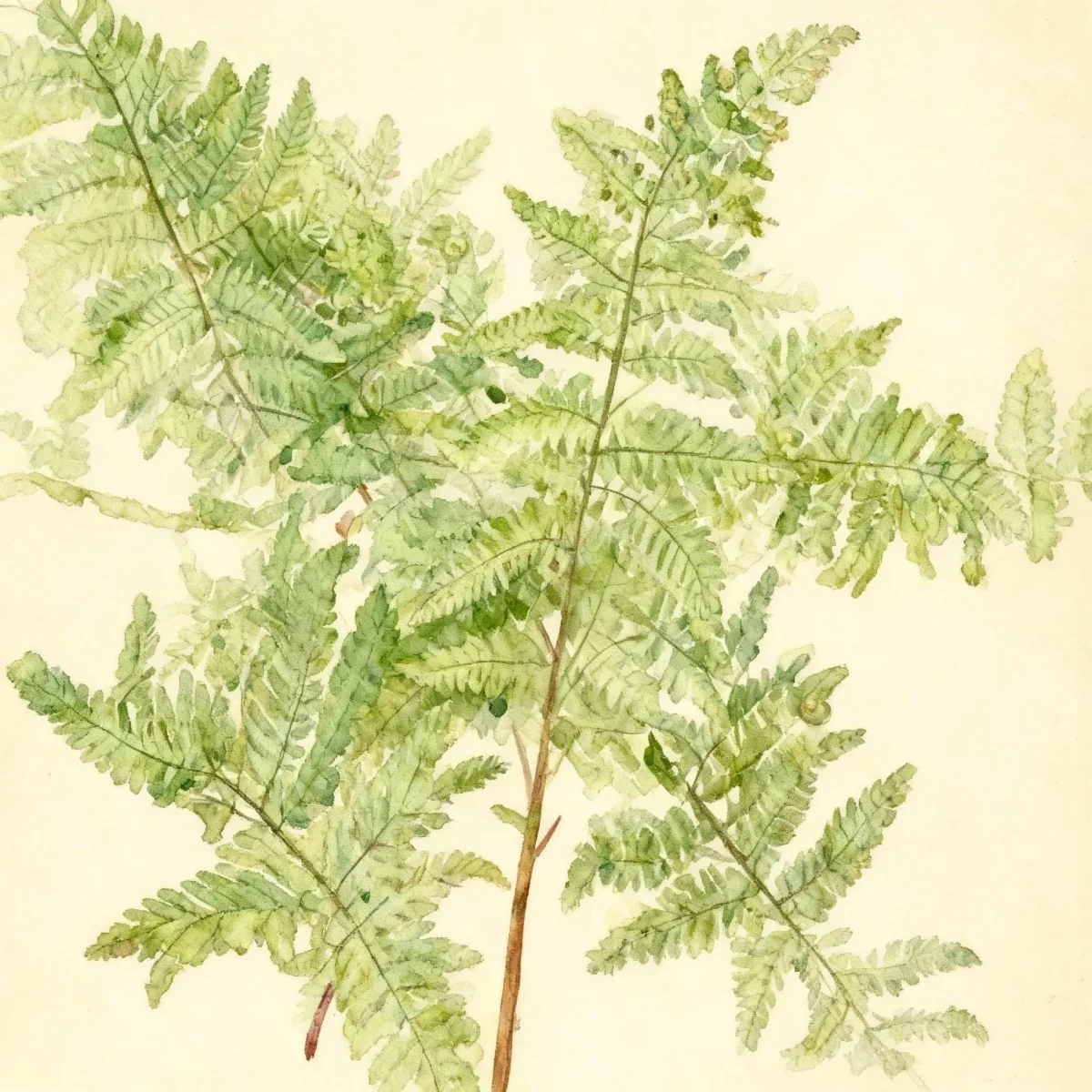
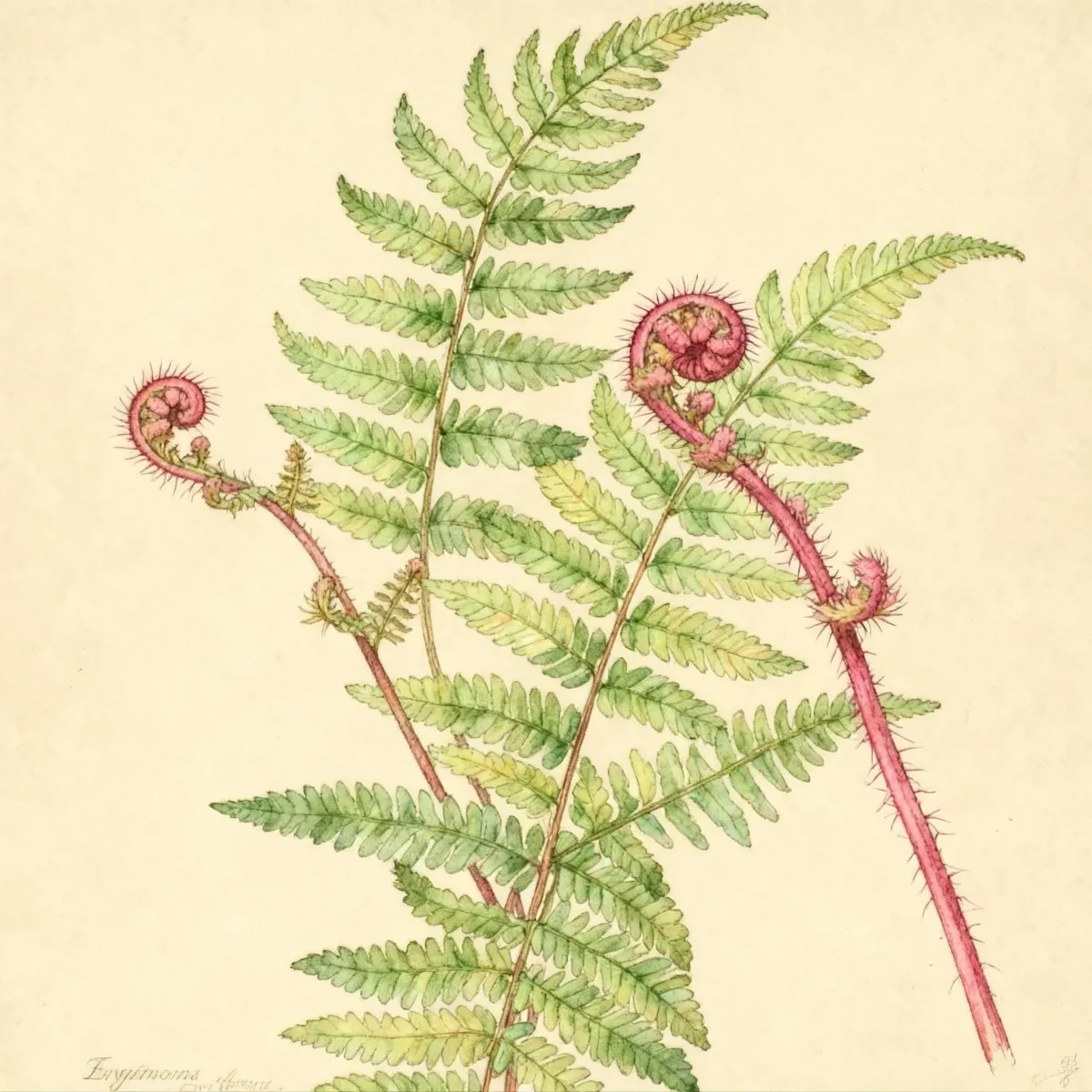
Japanese holly fern (Cyrtomium falcatum 'Rochfordianum')
Discover Cyrtomium falcatum 'Rochfordianum', the Japanese holly fern, valued for its holly-like evergreen fronds. Hardy in zones 6-10, perfect for shade.
Scroll down to discover growing tips, care requirements, companion plants, and more
Complete Plant Information
Overview
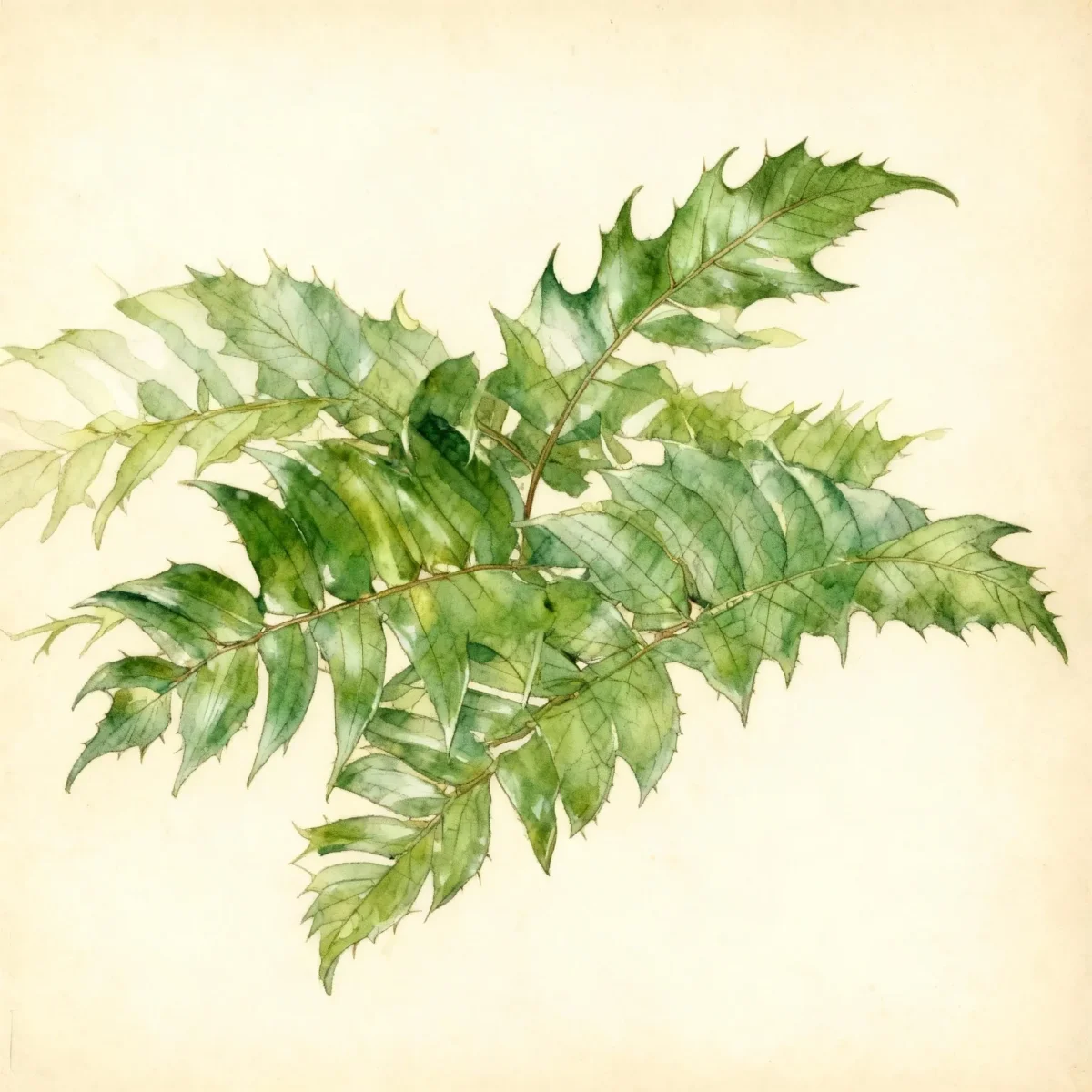
The Cyrtomium falcatum ‘Rochfordianum’, commonly known as the Japanese holly fern, offers exceptional texture to shaded garden spaces. Its striking, dark green fronds feature thick, leathery pinnae that strongly resemble holly branches, providing year-round interest in suitable climates. This cultivar typically forms a dense, vase-shaped clump, making it an outstanding textural contrast plant.
As a hardy fern, the Japanese holly fern thrives where many other shade-lovers struggle, provided it receives adequate moisture and protection from direct sun. It is visually valuable due to its glossy, evergreen foliage, fitting well into formal or informal woodland settings. Gardeners value its reliable structure, reaching heights and spreads rarely exceeding two feet.
The genus name, Cyrtomium, references its arched habit, evident in the arching fronds of this specific variety. For optimal results, ensure excellent drainage, especially in colder zones, as root rot poses a significant threat to this otherwise robust shade perennial.
Fast Facts
- Plant Family: Dryopteridaceae
- Plant Type: Fern
- Hardiness Zones: USDA Zones 6-10
- Size at Maturity:
- Height: 1.5-2 ft
- Spread: 1.5-2 ft
- Bloom Time: Non-flowering
- Bloom Description: Non-flowering
- Sun Exposure: Part shade to full shade
- Water Needs: Medium
- Maintenance Level: Medium
How to Grow
Planting the Cyrtomium falcatum ‘Rochfordianum’ is best done during cooler seasons like spring or fall, allowing the roots to establish before summer heat or deep winter dormancy. Select a location that receives consistent part shade to full shade, mimicking its native woodland environment. Soil quality is paramount; aim for moist, humusy soil that drains exceptionally well. Poor drainage is a primary failure point for this fern.
Medium water requirements mean consistent moisture is key throughout the growing season, though never allow the soil to become waterlogged. Fertilizing is generally minimal; focus instead on amending the soil with rich compost yearly to maintain adequate organic matter. Pruning is minimal, usually involving removing tattered or dead fronds as they appear.
In areas colder than Zone 7, proactive winter preparation for your Japanese holly fern is advised. Ensure the soil drainage is perfect and consider lightly mulching the crowns with straw once the ground begins to freeze. This mulch layer helps buffer the soil temperature and prevents freeze/thaw cycles that can damage the roots or crowns.
Landscape Uses
The architectural structure of the Japanese holly fern makes it an excellent choice for foundational plantings in deep shade. It works perfectly as a border plant accenting the bases of established trees or shrubs, providing year-round color where deciduous plants thin out. Its deep green, holly-like serration prevents it from looking flimsy, offering substantial presence to shaded borders or shaded rock gardens.
Consider grouping these ferns for mass textural impact, particularly when paired with broadleaf evergreens or plants offering contrasting leaf shapes, such as Hostas or groundcovers with finer foliage. Because Cyrtomium falcatum ‘Rochfordianum’ tolerates moderate neglect once established, it is a reliable choice for hard-to-plant woodland areas or under dense canopies. Furthermore, its ability to be grown as a houseplant allows gardeners in very cold climates to enjoy the unique foliage indoors near a bright window.
Standout Features
Noteworthy Characteristics
The common name Japanese holly fern derives from the resemblance of its fronds to holly branches; these arching, glossy, dark green fronds can reach up to 2.5 feet long. The pinnae are thick, leathery, and distinctly falcate, or sickle-shaped, contributing to the plant’s robust appearance. This distinctive cultivar, Cyrtomium falcatum ‘Rochfordianum’, maintains its visual appeal as an evergreen in many zones, arising from erect, scaly rhizomes.
Tolerances
- Rabbit
Potential Problems
The Cyrtomium falcatum ‘Rochfordianum’ can be susceptible to a few common issues if cultural conditions are not met precisely. The most pressing concern is root rot; this invariably happens when soil drainage is poor, especially over winter. To prevent this, consistently ensure the planting site is well-draining and avoid heavy, compacted clay soils.
Fungal spots on the fronds are another possibility, often linked to high humidity coupled with poor air circulation or overhead watering late in the day. Fungicides can manage severe outbreaks, but improving air movement and watering at the base remain the best preventative measures. Scale insects may occasionally infest the fronds, requiring horticultural oil treatments for control.
Frequently Asked Questions
What hardiness zones is Japanese holly fern suitable for?
The Cyrtomium falcatum ‘Rochfordianum’ is reliably hardy in USDA Zones 6 through 10, offering good perennial protection across much of the temperate US.
How large does Japanese holly fern grow?
This handsome fern typically matures to a height between 1.5 and 2 feet tall, spreading to a similar width of 1.5 to 2 feet as a dense clump.
What sun exposure does Cyrtomium falcatum ‘Rochfordianum’ need?
This variety prefers partial shade conditions but tolerates full shade well; direct, intense sunlight should be avoided to prevent scorching the attractive fronds.
When does Japanese holly fern bloom?
The Cyrtomium falcatum ‘Rochfordianum’ is a non-flowering plant, as is typical for ferns, reproducing instead via spores.
Companion Planting
When selecting companions for your Japanese holly fern, prioritize plants that share its love for deep shade and consistently moist, humus-rich soil. Contrast the bold, holly-like texture of the fern with fine-textured or contrasting foliage. Ferns pair beautifully with Helleborus (Lenten Rose) for early spring color before the fern fully leafs out, or with various woodland phlox for seasonal ground cover.
For structure, consider pairing Cyrtomium falcatum ‘Rochfordianum’ with taller evergreen shrubs that provide a dark backdrop, allowing the glossy fronds to stand out. Avoid anything requiring high light or alkaline soil, as these conditions stress the fern and increase susceptibility to pests and disease.
Seasonal Care Calendar
Spring care focuses on cleanup and enrichment. Remove any dead or damaged fronds from winter exposure once new growth begins. Incorporate a fresh layer of well-rotted compost around the roots to maintain that crucial humusy soil structure required by the Cyrtomium falcatum ‘Rochfordianum’.
Summer maintenance centers on vigilance regarding water. While the fern prefers medium moisture, prolonged summer droughts in high heat necessitate supplemental deep watering to prevent wilting, which signals stress. In autumn, limit heavy disturbance to avoid exposing tender crowns before winter sets in.
Conclusion
The Cyrtomium falcatum ‘Rochfordianum’ brings unique, holly-like structure and reliable deep-shade coverage to the garden design. Its evergreen nature ensures the Japanese holly fern remains a garden asset even when surrounding deciduous plants are sleeping. Assess your garden’s hardiness zone and ensure excellent soil drainage before planting this exceptional specimen this coming season.