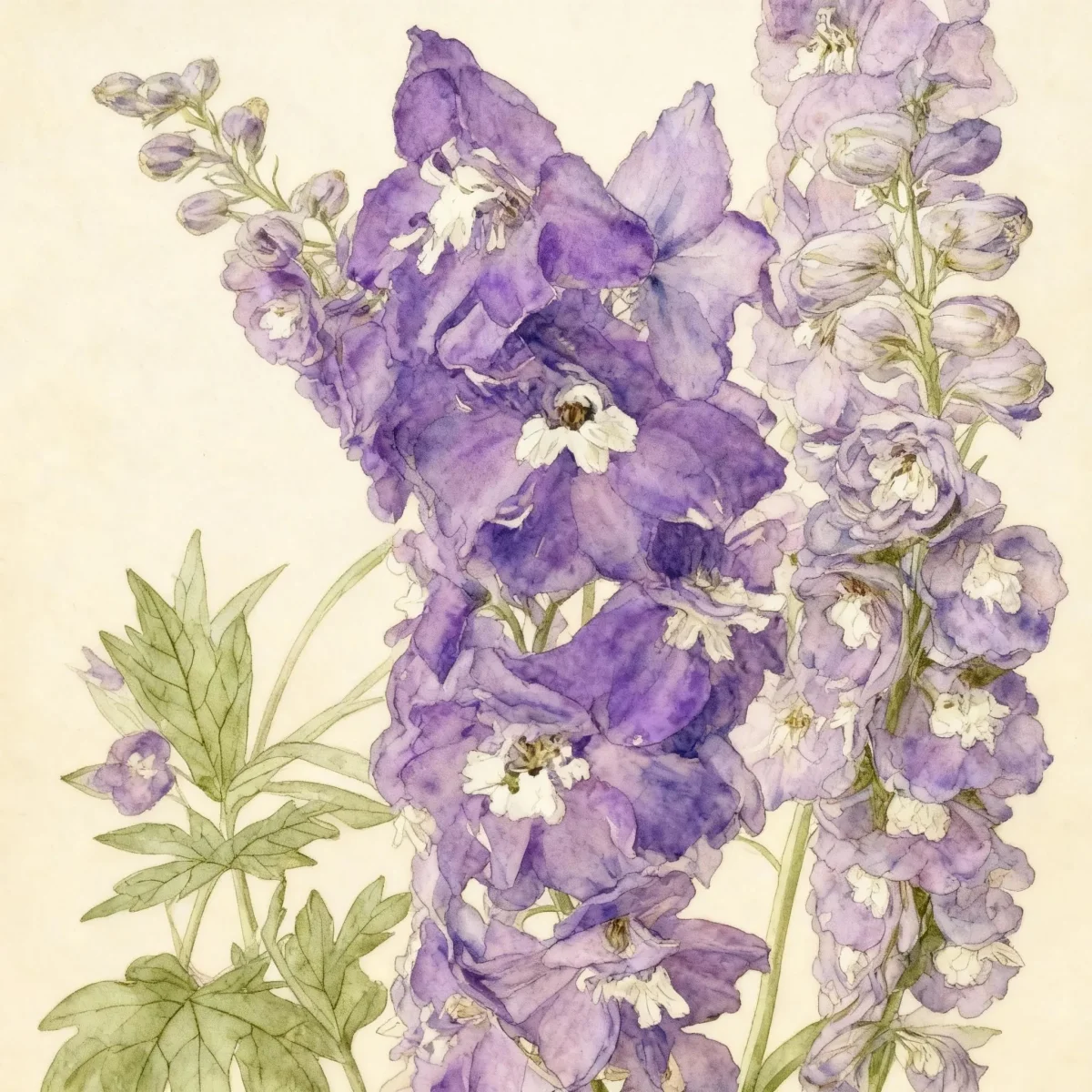
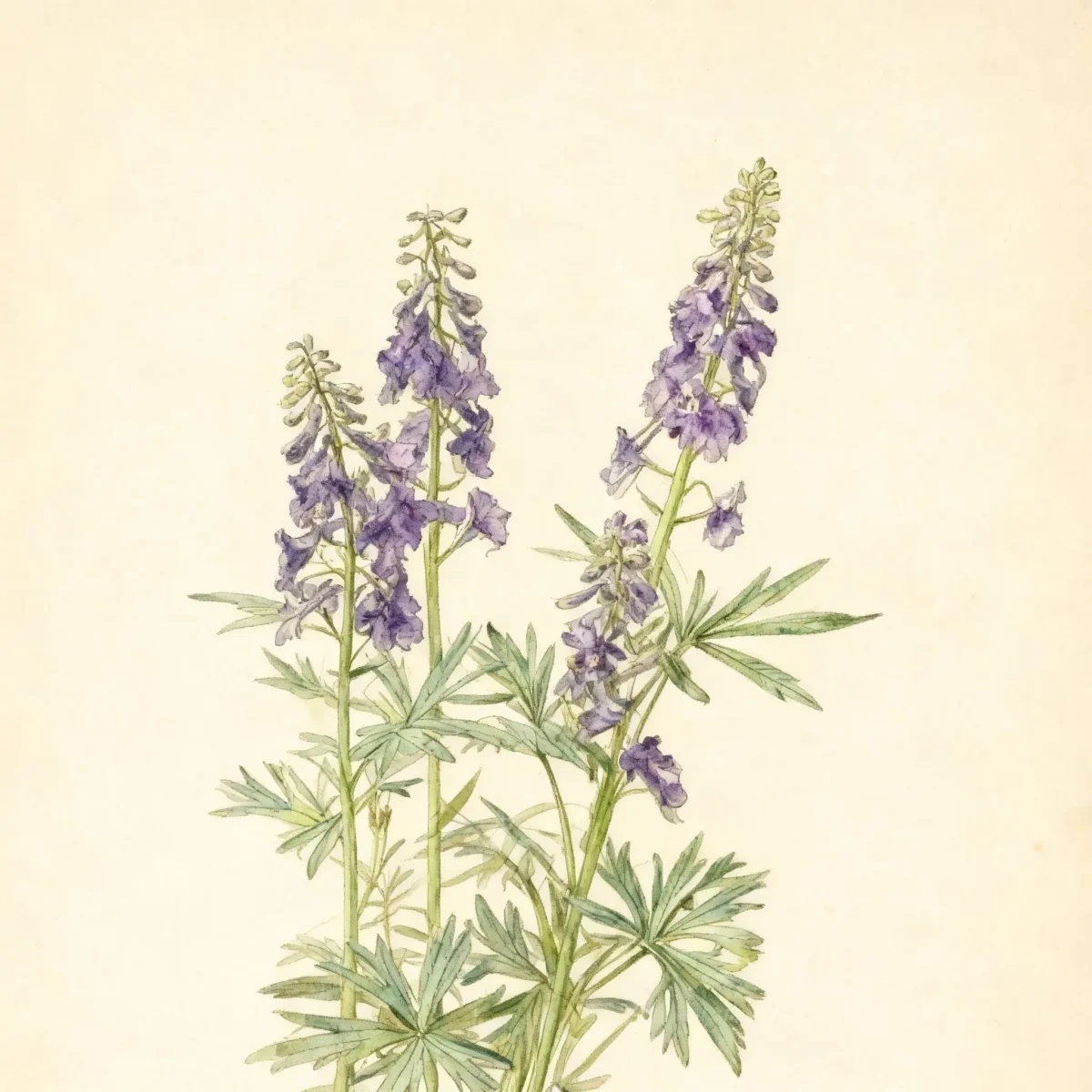
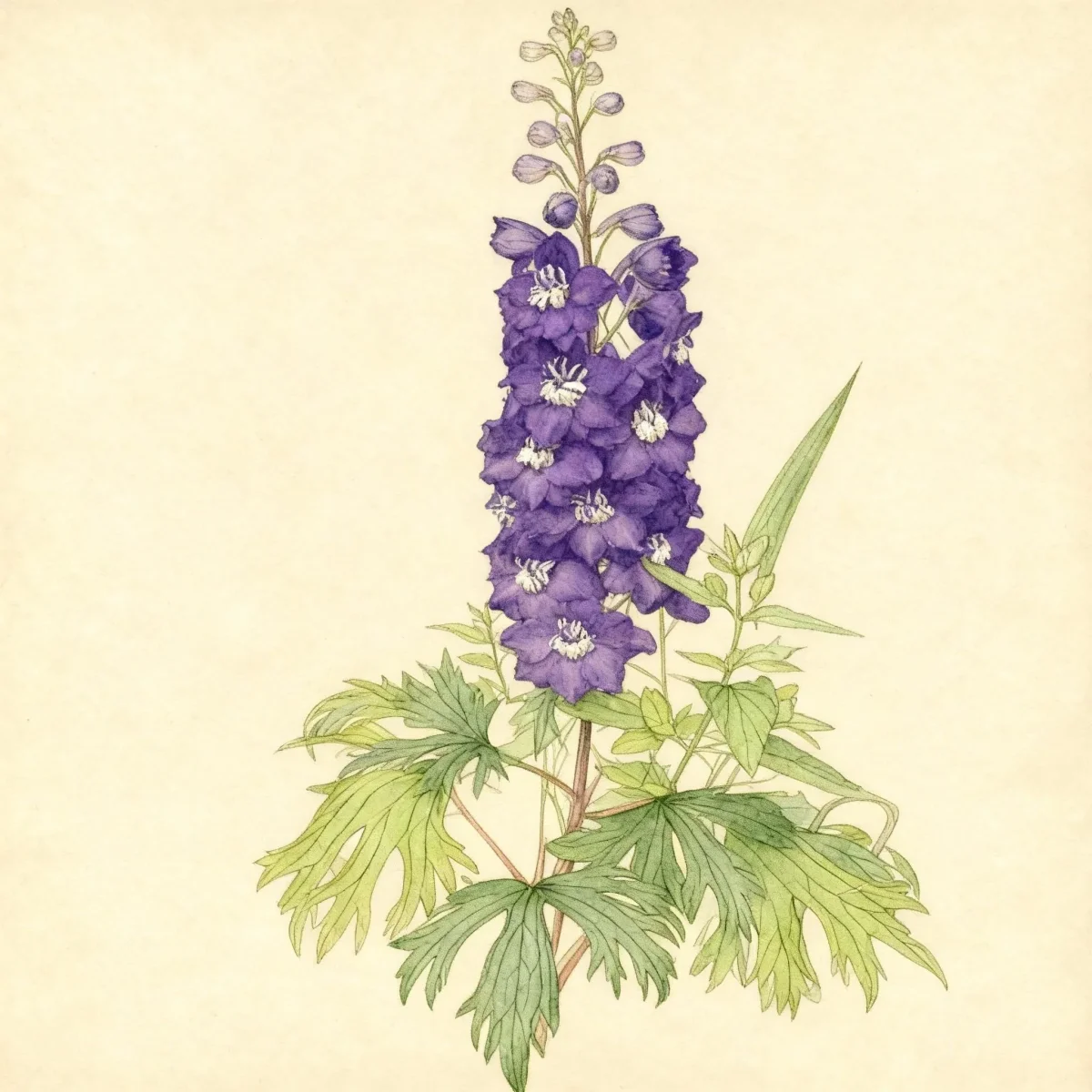
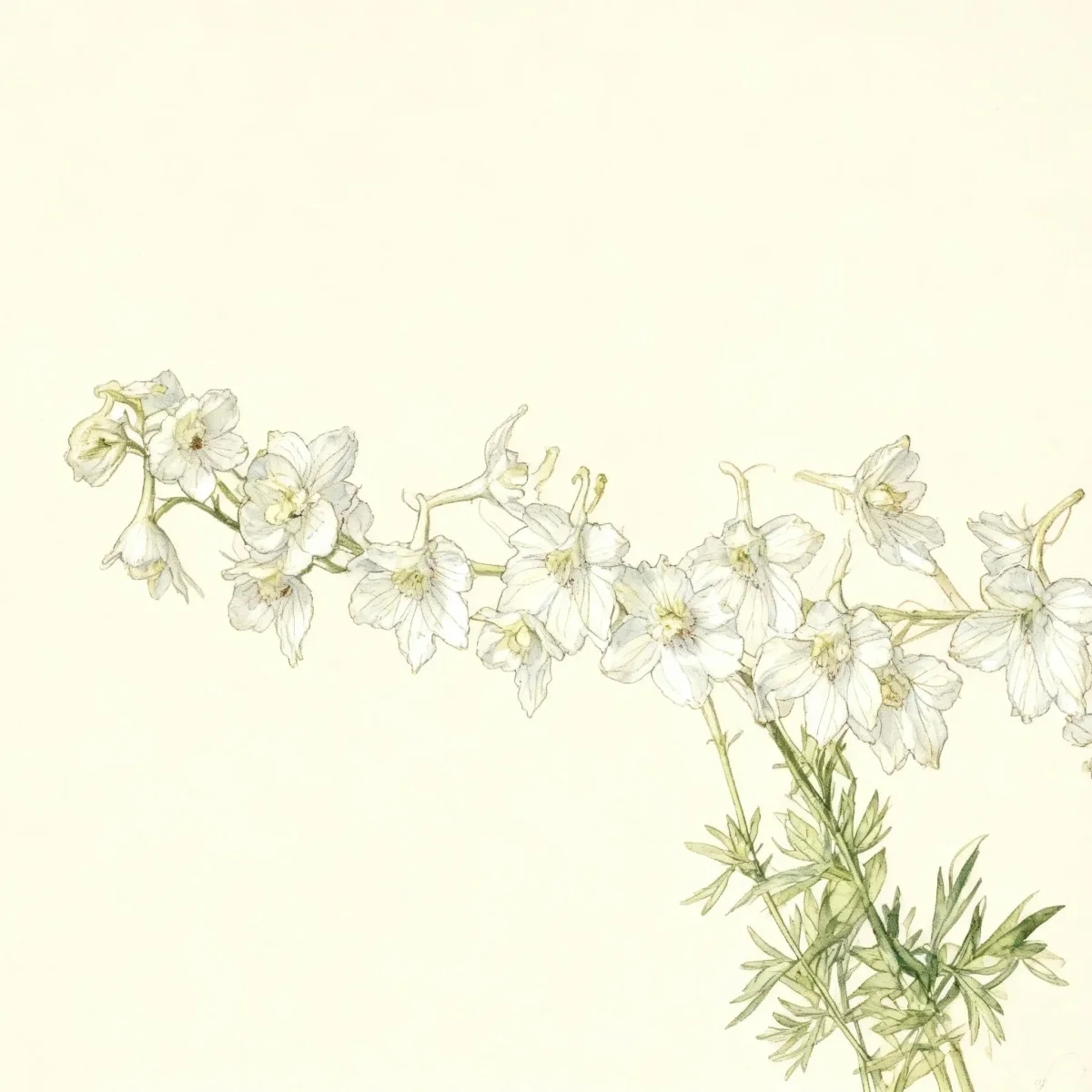
Siberian larkspur (Delphinium grandiflorum 'Blue Butterfly')
Discover Delphinium grandiflorum 'Blue Butterfly' (Siberian larkspur), known for its striking ultramarine blue blooms, ideal for borders in Zones 3-7.
Scroll down to discover growing tips, care requirements, companion plants, and more
Complete Plant Information
Overview
Delphinium grandiflorum ‘Blue Butterfly’, commonly known as Siberian larkspur, offers gardeners a compact, free-branching perennial displaying gorgeous clusters of ultramarine blue flowers. This cultivar is valued for its relative heat tolerance compared to many traditional delphinium hybrids, making it a more reliable performer in warmer sections of its viable hardiness range. Its delicate structure and intense color provide excellent contrast within mixed borders throughout early summer.
This herbaceous perennial thrives when given full sun, though it appreciates a bit of afternoon shade where intense summer heat is common. While easily grown from seed, gardeners should be aware that Delphinium grandiflorum ‘Blue Butterfly’ is generally considered short-lived, often treated as a biennial or annual for continuous seasonal interest. Proper support and soil conditions are key to maximizing the season of bloom for Siberian larkspur.
The genus name derives from the Greek word for dolphin, referencing the shape of the flower buds, while the specific epithet highlights its large flowers. For reliable color and texture, gardeners should ensure adequate moisture and rich soil when incorporating Delphinium grandiflorum ‘Blue Butterfly’ into traditional perennial designs.
Fast Facts
- Plant Family: Ranunculaceae
- Plant Type: Herbaceous perennial
- Hardiness Zones: USDA Zones 3-7
- Size at Maturity:
- Height: 1-1.5 ft
- Spread: 1-1.5 ft
- Bloom Time: June to July
- Bloom Description: Ultramraine blue
- Sun Exposure: Full sun
- Water Needs: Medium
- Maintenance Level: Medium
How to Grow
Siberian larkspur grows best when planted in fertile, adequately moist, and well-drained soil, ideally situated in a location receiving full sun exposure across most regions. As Delphinium grandiflorum ‘Blue Butterfly’ is easily established from seed, sow according to packet directions, and ensure the young plants are protected from strong winds, which can damage their delicate stems.
Watering should be consistent, aiming for medium moisture levels throughout the growing season, especially during dry spells. Regular fertilization supports the vigorous blooming period expected from June through July. Deadheading spent flower spikes promptly is crucial; this encourages either continued blooming into the fall or at least maintains the plant’s appearance until its natural life ends.
While this variety handles heat better than some tall hybrids, it still dislikes the high humidity prevalent in the Deep South, where it may struggle. Gardeners should observe for potential fungal issues, which are common in dense, humid conditions, and provide good air circulation. Treating this plant as a short-lived perennial allows for easy succession planting.
Landscape Uses
The vibrant ultramarine blue of Delphinium grandiflorum ‘Blue Butterfly’ makes it an excellent choice for injecting immediate color and sharp contrast into the perennial border. Because of its manageable height (1 to 1.5 feet), it functions well in the middle ground, sitting comfortably in front of taller spires or darker foliage plants that allow its bright color to pop.
This larkspur is effective when planted in small groupings to create concentrated flashes of blue, or it can be massed for greater visual impact throughout the season. While the listing suggests use as an annual, its usefulness as a reliably blooming mid-sized plant makes it versatile for seasonal containers or filling gaps in mixed beds where its bloom time overlaps with summer favorites.
Consider pairing Siberian larkspur with silvery foliage plants or silver-leaved artemisias to enhance the cool tones of its flowers, or juxtapose it with yellow coreopsis for a strong complementary color scheme. Enjoying its quality as a “Good Cut” flower means you can easily transfer its beauty indoors.
Standout Features
Flower Qualities
- Showy
- Good Cut
Noteworthy Characteristics
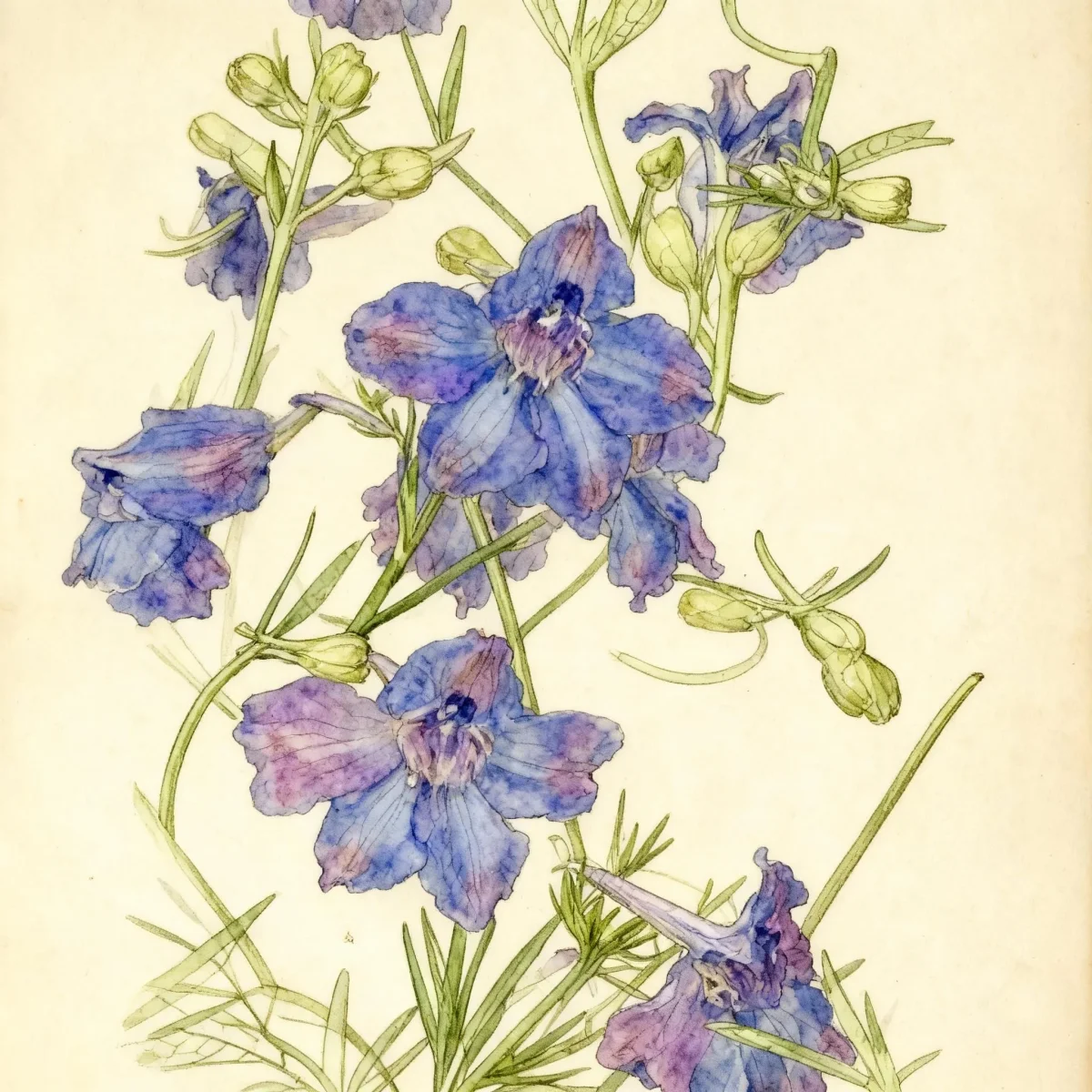
Delphinium grandiflorum commonly called Chinese larkspur, is a loose, free-branching plant which typically grows 1-2’ (infrequently to 3’) tall and features loose racemes of gentian-blue (occasionally white) flowers. Individual flowers are complex and asymmetrical and feature five sepals, one of which is spurred into a distinctive prong resulting in the common name of larkspur. The genus name comes from the Greek word delphis meaning dolphin in reference to the flower bud shape of some species purportedly resembling a dolphin. The specific epithet means large-flowered. ‘Blue Butterfly’ is a compact, free-branching plant which grows up to 15” tall and features loose racemes of ultramarine blue flowers, offering more heat tolerance than most delphiniums.
Tolerances
- Deer
Potential Problems
Powdery mildew, botrytis blight, various fungal blights, leaf spots, and crown rot present potential challenges for growing Siberian larkspur. Furthermore, slugs and snails can be particularly destructive pests, often chewing ragged holes in the leaves or damaging young seedlings. Implementing a regular preventative treatment regimen using appropriate fungicides and insecticides may be necessary, especially in humid climates or densely planted beds, to keep Delphinium grandiflorum ‘Blue Butterfly’ looking its best.
Frequently Asked Questions
What hardiness zones is Siberian larkspur suitable for?
Delphinium grandiflorum ‘Blue Butterfly’ is suitable for USDA Hardiness Zones 3 through 7.
How large does Siberian larkspur grow?
This plant typically reaches a height between 1 and 1.5 feet, with a similar spread range of 1 to 1.5 feet at maturity.
When does Siberian larkspur bloom?
Siberian larkspur blooms from June into July, showcasing distinctive ultramarine blue flowers.
What sun exposure does Siberian larkspur need?
This plant requires full sun to perform optimally, although it benefits from some afternoon shade in the hottest climates.
Conclusion
The stunning, compact form and vibrant ultramarine hue of Delphinium grandiflorum ‘Blue Butterfly’ make it an invaluable addition for adding vertical accents and cool color contrasts throughout the early summer garden stage. While it may require medium maintenance and may be short-lived, the spectacular result justifies the effort. Before planting your Siberian larkspur, confirm that your location falls within USDA Zones 3-7 and ensure well-drained soil conditions are met.
Companion Planting
When selecting companions for Delphinium grandiflorum ‘Blue Butterfly’, focus on plants that share its preference for full sun and medium soil moisture. Pairing it with silver-leaved herbs, such as Artemisia ‘Silver Mound’ or Lamb’s Ears (Stachys byzantina), helps accentuate the blue tones while providing textural contrast. For mid-to-late season color after the larkspur finishes, consider planting low-growing Geraniums or sturdy Coreopsis varieties.
Seasonal Care Calendar
Spring care begins with cleaning up any winter debris and applying a balanced, slow-release fertilizer to promote strong stem development for the upcoming bloom. Summer maintenance focuses on deadheading spent blooms regularly to encourage a potential second flush of flowers; proper watering is essential during dry periods. In autumn, if the plant survives the summer heat, cut back most of the foliage after the main bloom season concludes, particularly if treating it as a short-lived perennial, to prepare for winter dormancy.