Flowering dogwood (Cornus florida 'Cherokee Princess')
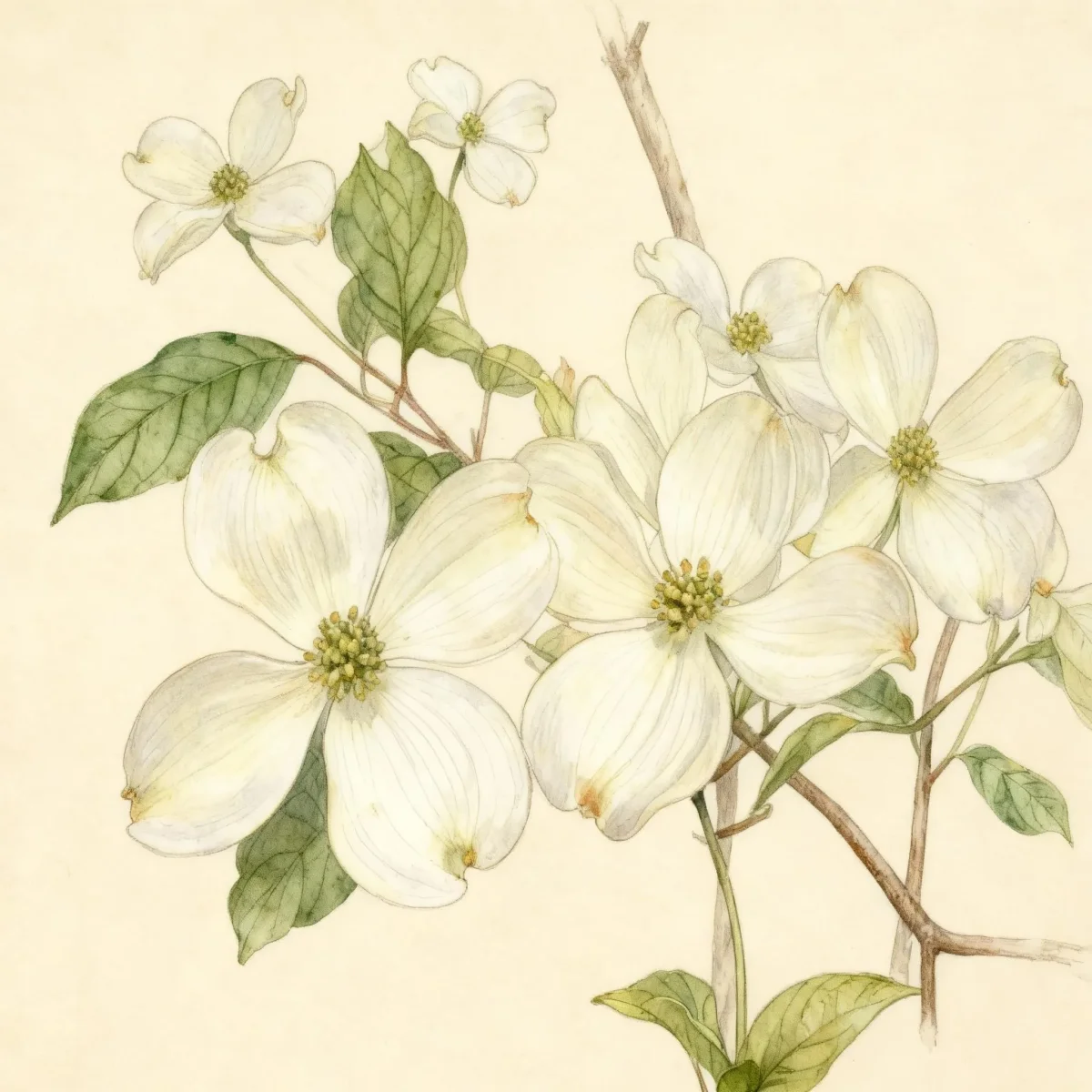
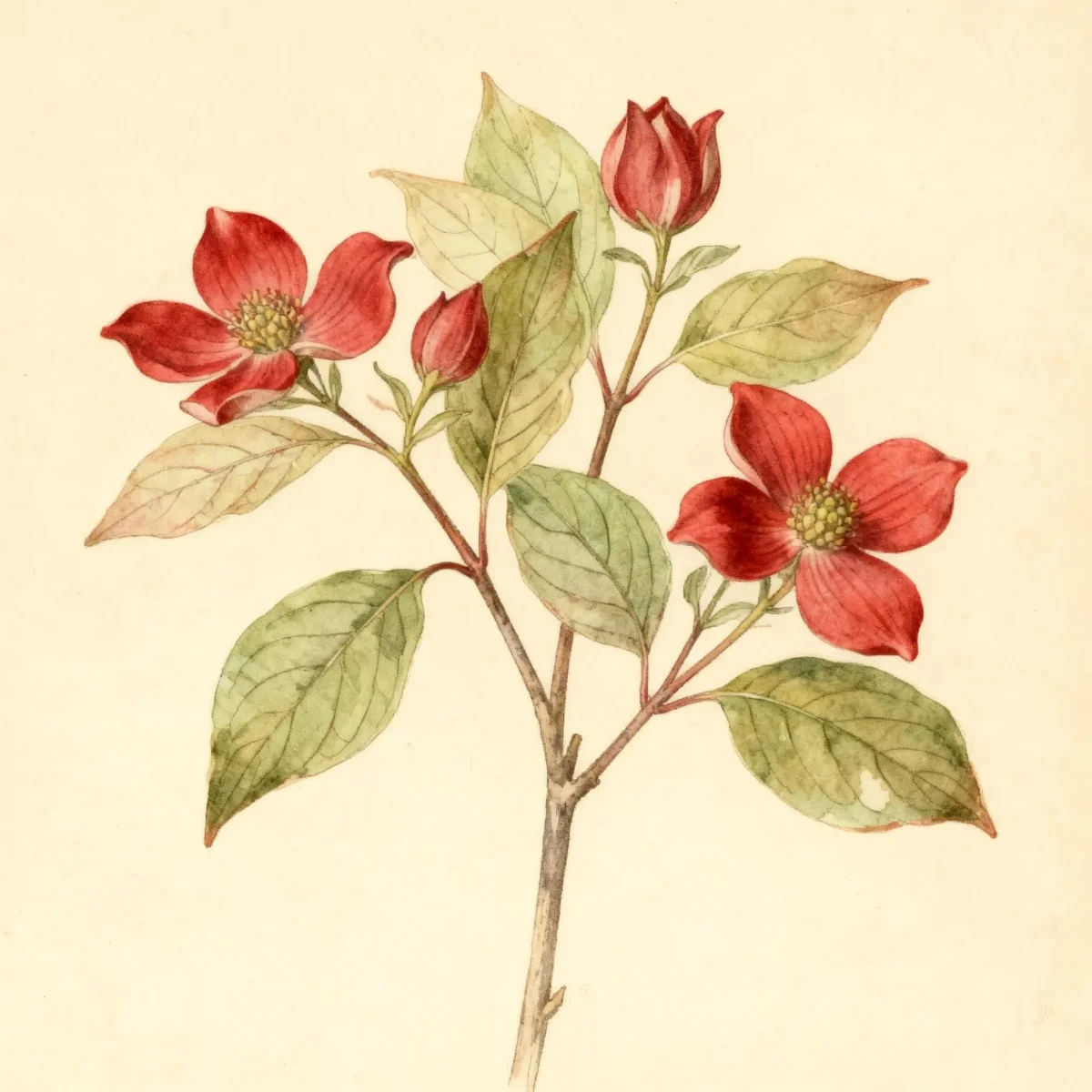
Cornus florida 'Cherokee Princess' is a spectacular Flowering dogwood, prized for its consistently heavy display of large white spring bracts.
Scroll down to discover growing tips, care requirements, companion plants, and more
Complete Plant Information
Overview
The Cornus florida ‘Cherokee Princess’ stands out as one of the most beautiful native American flowering trees, celebrated for its superior ornamental qualities. This cultivar is specifically noted for delivering an early and exceptionally heavy bloom of showy, white, petal-like bracts that obscure the small true flowers. As a quintessential Flowering dogwood, it offers four-season interest, transitioning from dramatic spring blooms to attractive summer foliage, vivid fall color, and interesting winter branch structure.
This small deciduous tree develops a handsome, low-branching, broadly-pyramidal shape, typically reaching 15 to 30 feet tall and wide. Its presence lends significant aesthetic value to any landscape setting, whether serving as a focal point or adding structure to woodland plantings. Gardeners who appreciate native flora will value the Cornus florida ‘Cherokee Princess’ for its natural elegance and appeal to bird populations.
While easily grown, this specimen demands consistent care concerning moisture and soil health to thrive. Successful cultivation hinges on mimicking its preferred habitat—moist, organically rich, acidic soils—and protecting it from environmental stress which can exacerbate disease issues common to this species.
Fast Facts
- Plant Family: Cornaceae
- Plant Type: Tree
- Hardiness Zones: USDA Zones 5-9
- Size at Maturity:
- Height: 15-30 ft
- Spread: 15-30 ft
- Bloom Time: April
- Bloom Description: White
- Sun Exposure: Full sun to part shade
- Water Needs: Medium
- Maintenance Level: Medium
How to Grow
Start your Flowering dogwood planting in the spring or fall when temperatures are moderate, ensuring the root ball remains moist prior to setting it out. Cornus florida ‘Cherokee Princess’ thrives in average, medium-moisture, well-drained locations, though it performs best in organically rich, acidic soils. While it tolerates full sun, providing some afternoon shade can help mitigate stress, especially in hotter climates.
Watering should be consistent, aiming for medium moisture levels, particularly during dry periods while the tree establishes its root system. Applying a 2-4 inch layer of mulch annually will significantly benefit the Cornus florida ‘Cherokee Princess’ by keeping the shallow roots cool and retaining essential soil moisture during summer heat. Avoid piling mulch directly against the trunk flare.
Pruning should be kept minimal and performed only to remove dead, damaged, or crossing limbs, typically done during the dormant season. Be highly aware of local dogwood anthracnose prevalence; if the disease is established in your area, planting this tree may be inadvisable due to increased susceptibility when stressed.
Landscape Uses
The Flowering dogwood is overwhelmingly popular as a specimen tree due to the spectacular visual impact of its spring display. Plant Cornus florida ‘Cherokee Princess’ strategically near patios, entryways, or large residential lawns where its shape and blooms can be fully appreciated. Its moderate height makes it suitable for placement beneath taller canopy trees, adding a significant understory layer in woodland garden designs.
This tree integrates beautifully into native plant gardens, providing structure and color alongside spring ephemerals and later-blooming shrubs. Consider pairing it with acid-loving companions that share similar sun requirements, such as rhododendrons, azaleas, or ferns, to create rich, layered textures beneath its canopy. The persistent red fruit later in the season also makes it an excellent addition to bird-friendly landscapes.
For a formal application, group three or five Cornus florida ‘Cherokee Princess’ specimens slightly offset on a gentle slope to create a stunning focal point that draws the eye across the landscape design. Ensure adequate space for the eventual 30-foot spread to prevent crowding.
Standout Features
Flower Qualities
- Showy
Fruit Qualities
- Showy
Noteworthy Characteristics
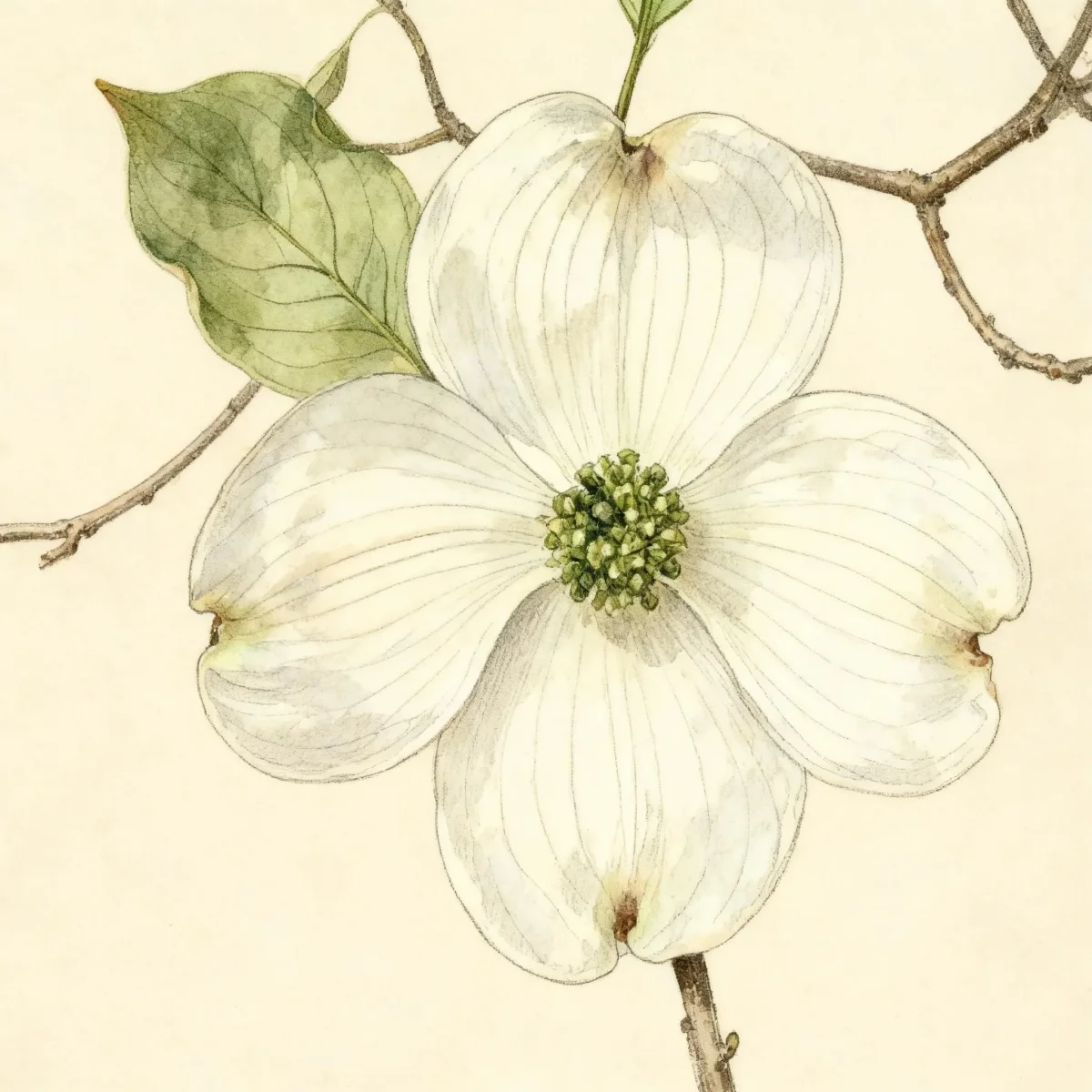
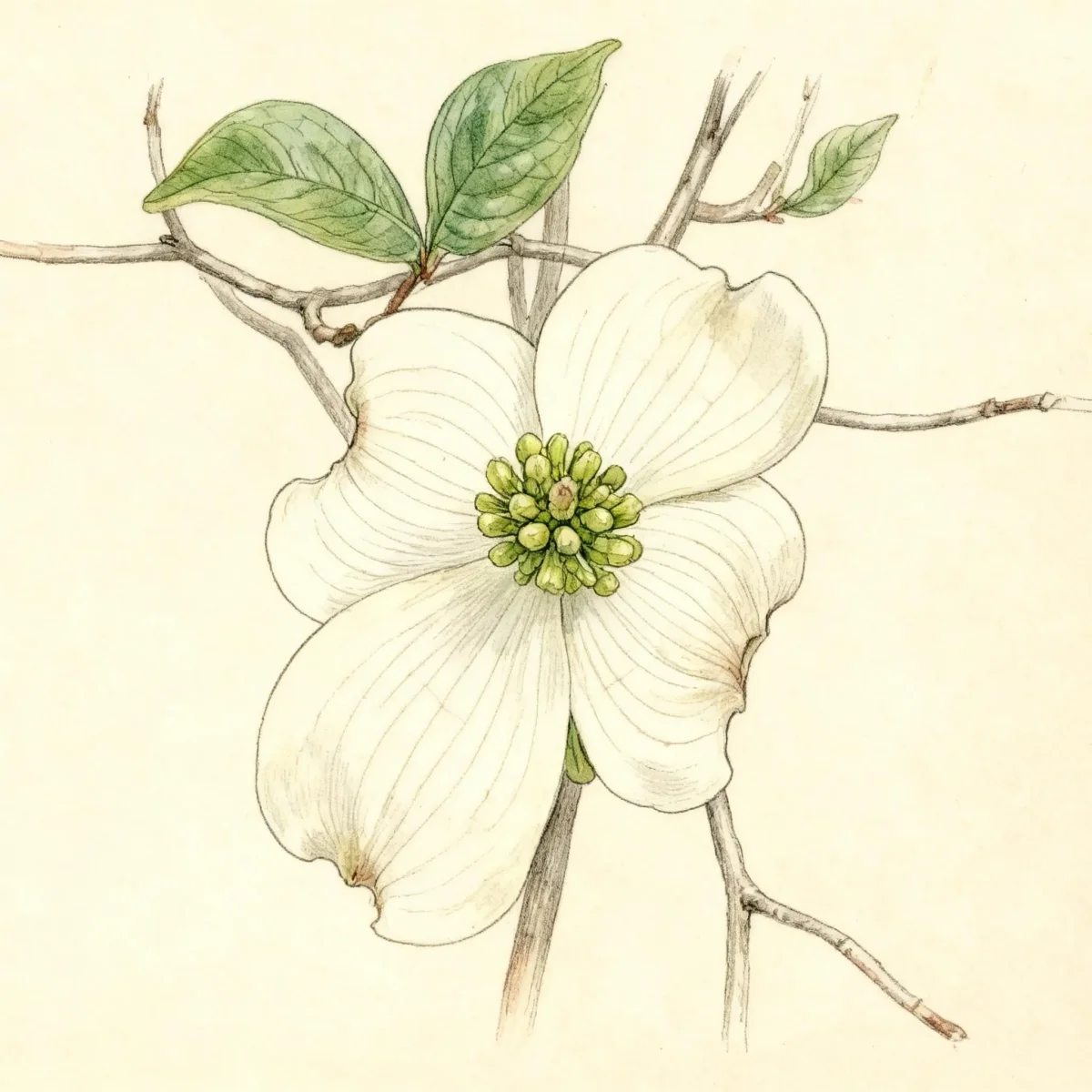
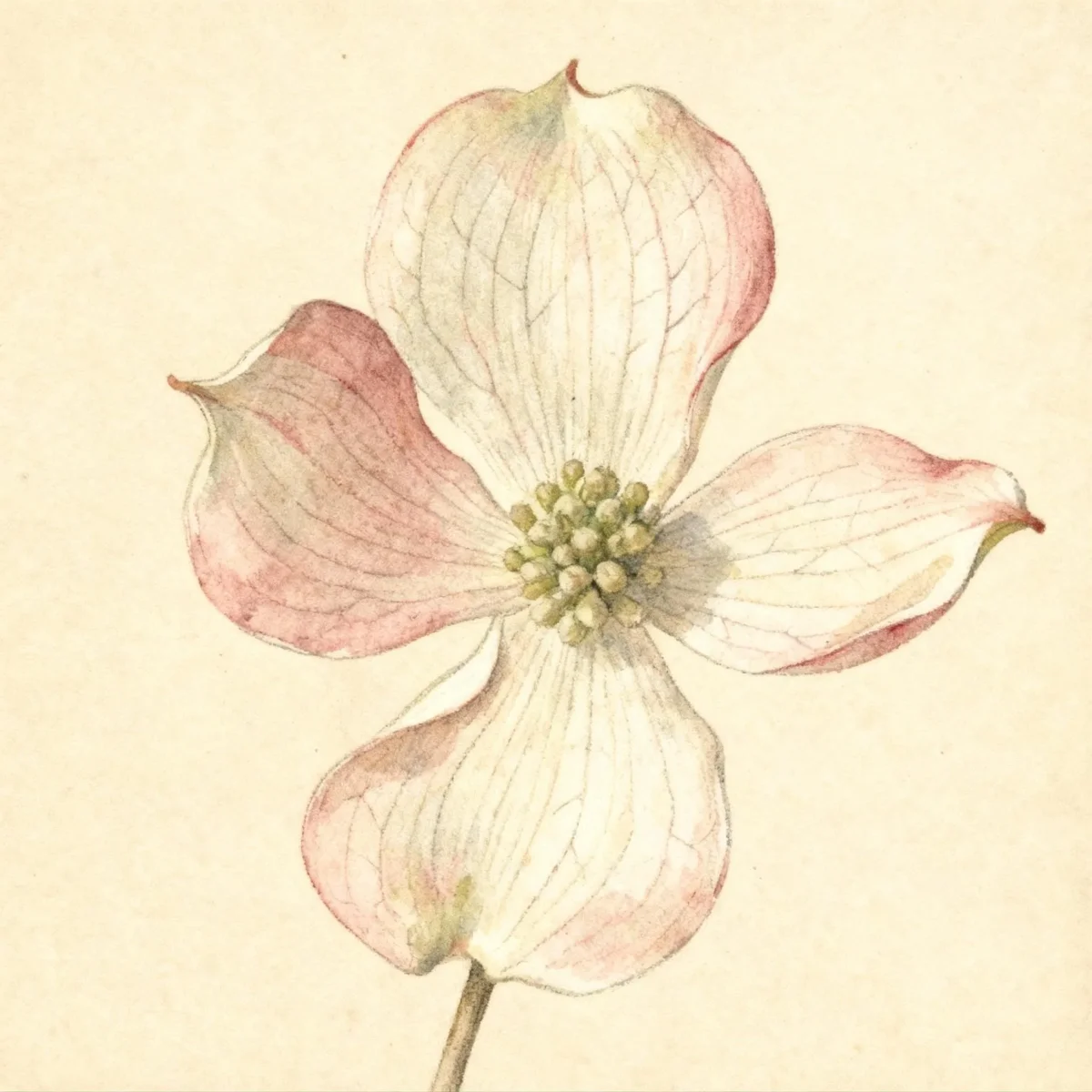
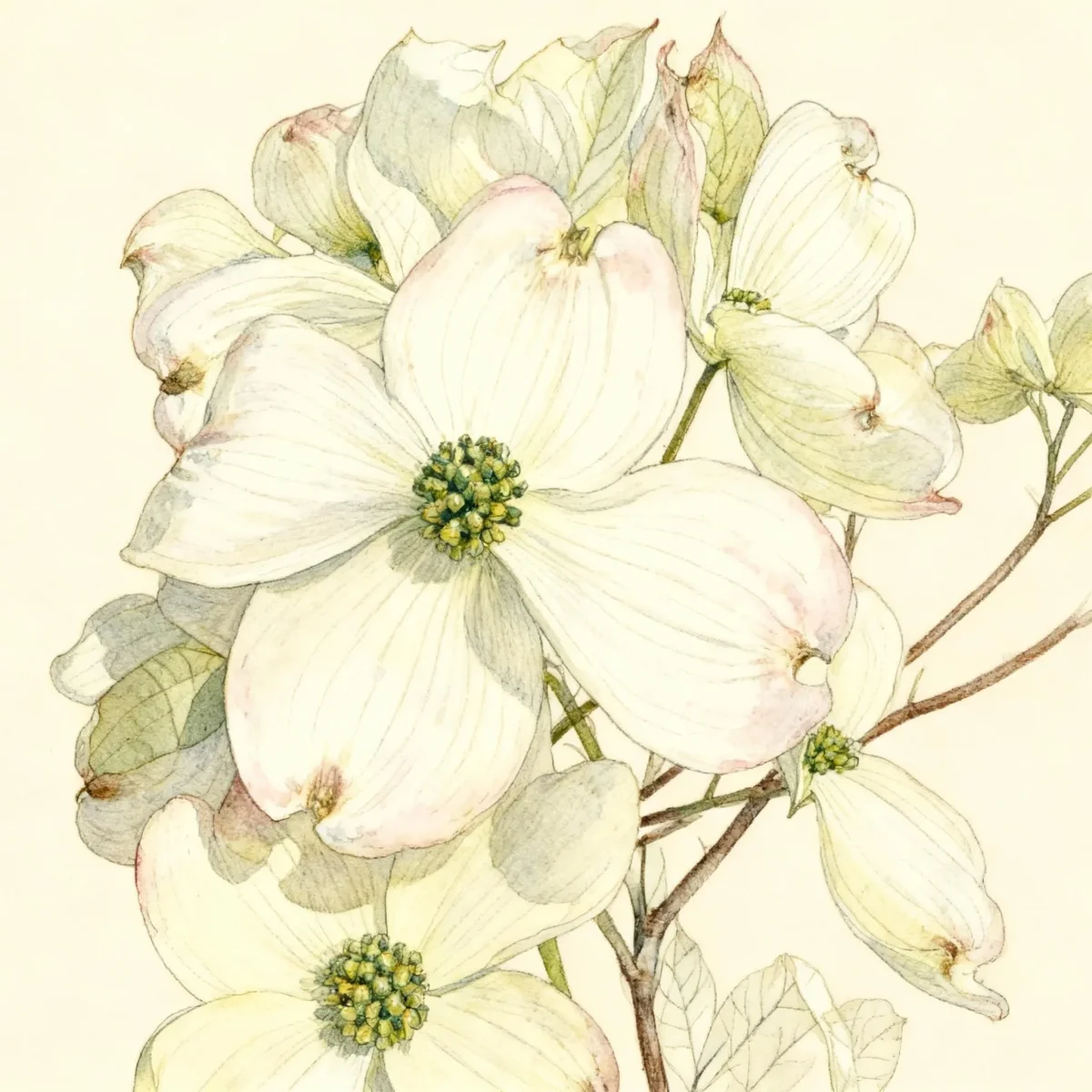
- Cornus florida, commonly known as flowering dogwood, is a small deciduous tree reaching 15-30’ tall with a low-branching, pyramidal but somewhat flat-topped habit, arguably making it the most beautiful of the native American flowering trees. The true flowers are insignificant, but each cluster is surrounded by four showy, white, petal-like bracts opening flat, creating the appearance of a large 3-4” white flower. Oval, dark green leaves offer attractive red shades in fall, complemented by bright red bird-attracting fruits ripening in late summer. The cultivar ‘Cherokee Princess’ specifically offers an early and heavy bloom featuring large white bracts and good rust-red fall color.
Tolerances
- Deer
- Clay Soil
- Black Walnut
Potential Problems
Flowering dogwood, including the Cornus florida ‘Cherokee Princess’ cultivar, is susceptible to numerous diseases, especially when stressed or weakened by poor cultural conditions. The most devastating issue is dogwood anthracnose, which has caused significant devastation in certain regions of the eastern U.S. Other common afflictions include powdery mildew, various leaf spots, canker, root rot, and leaf/twig blight.
Stressed trees also become inviting targets for insect pests like borers, though leaf miner and scale present lesser threats. Maintaining ideal growing conditions—especially consistent moisture and acidic, organic soil—is the foremost defense against disease. Avoid planting in areas known for high anthracnose pressure until conditions improve.
Frequently Asked Questions
What hardiness zones is Flowering dogwood suitable for?
The Flowering dogwood cultivar Cornus florida ‘Cherokee Princess’ is hardy in USDA Zones 5 through 9.
How large does Cornus florida ‘Cherokee Princess’ grow?
This small tree reaches mature heights between 15 and 30 feet, with a corresponding spread of 15 to 30 feet.
What sun exposure does Flowering dogwood need?
This species prefers Full sun to part shade, performing best when protected from the harshest afternoon sun in very hot locations.
When does Flowering dogwood bloom?
The Cornus florida ‘Cherokee Princess’ blooms reliably in April with showy White flowers (bracts).
Conclusion
The Cornus florida ‘Cherokee Princess’ offers unparalleled spring beauty, making it an invaluable specimen tree for East Coast and Southern gardens looking for native splendor. Its consistently heavy bloom of large white bracts ensures high ornamental value throughout the season. Before planting, verify your site conditions meet the requirements for medium water needs and acidic soil to ensure the best success for your new Flowering dogwood.
Companion Planting
When designing a landscape around your Cornus florida ‘Cherokee Princess’, focus on plants that appreciate similar dappled light and acidic soil pH. Azaleas and Rhododendrons are classic companions, providing layers of subsequent spring and summer color beneath the dogwood’s canopy. For underplanting, consider shade-tolerant groundcovers like hostas or bleeding hearts, ensuring you do not compact the soil around the shallow, sensitive roots of the dogwood tree.
Wildlife Benefits
Beyond its stunning spring display, the Flowering dogwood provides essential support for local fauna. The small, bitter red fruits that mature in late summer and fall are a vital food source for numerous bird species, often persisting into early winter. Furthermore, as a native species, the host plant supports the reproductive cycles of various native insects which, in turn, serve as food for nesting songbirds early in the season. Incorporating Cornus florida ‘Cherokee Princess’ directly enhances local biodiversity.