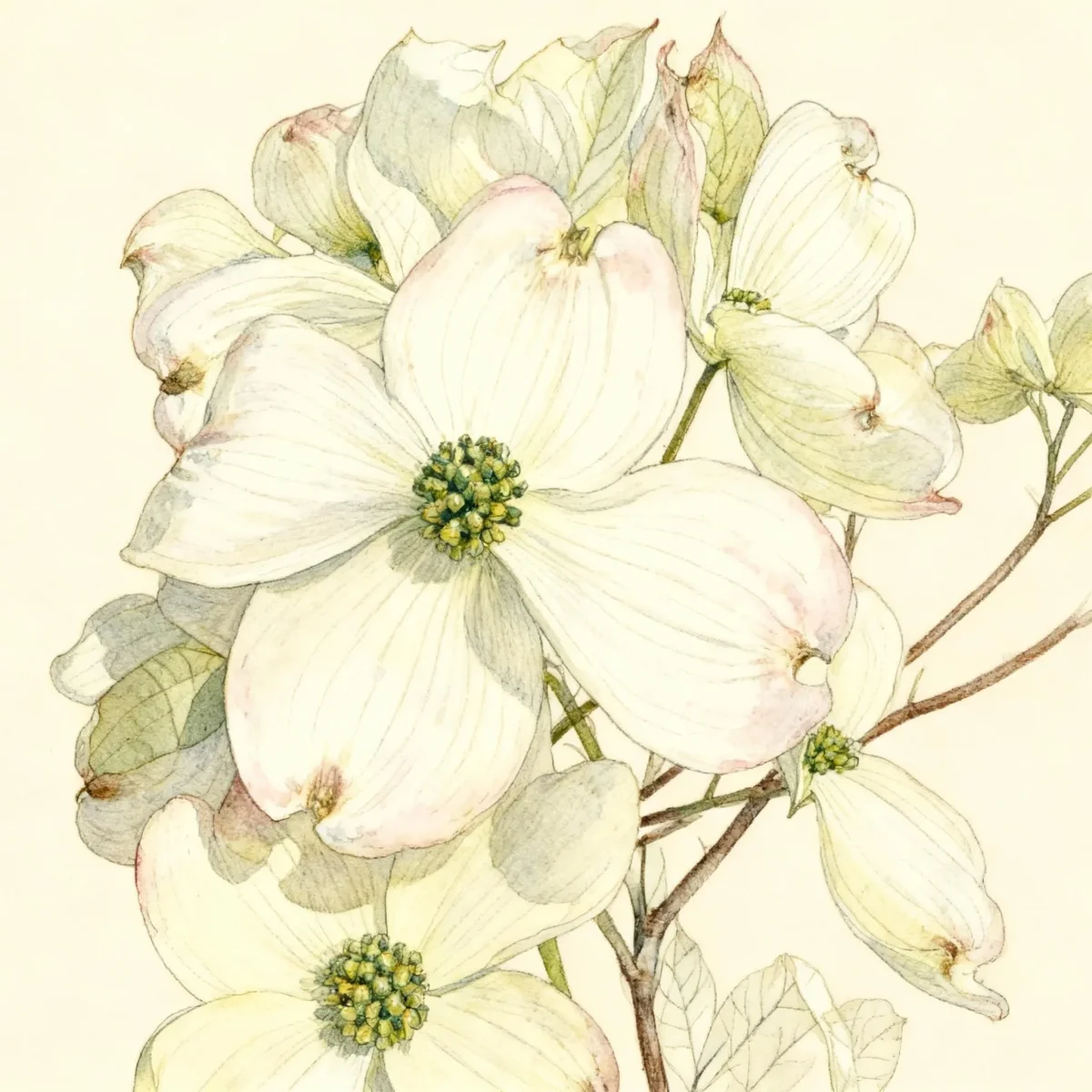
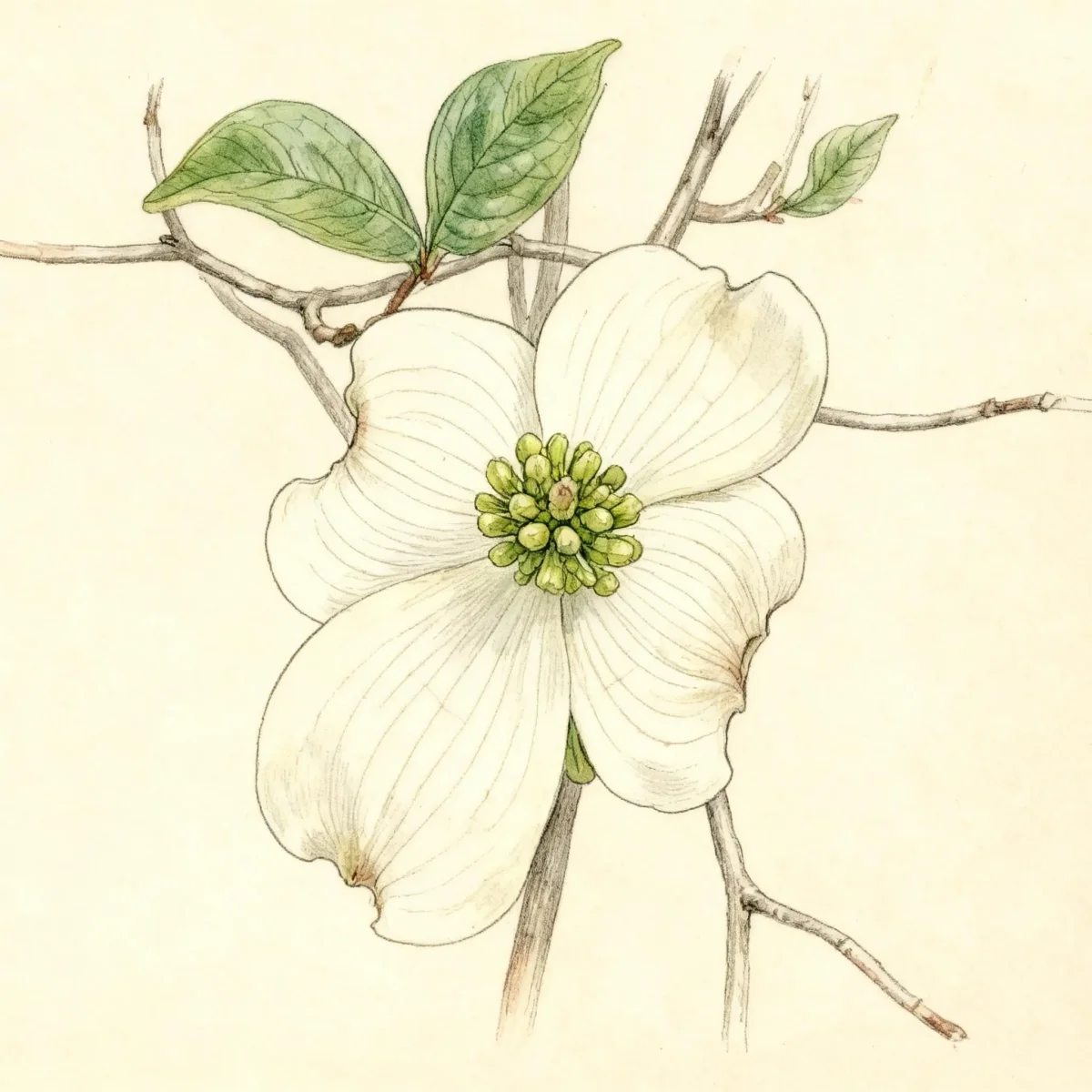
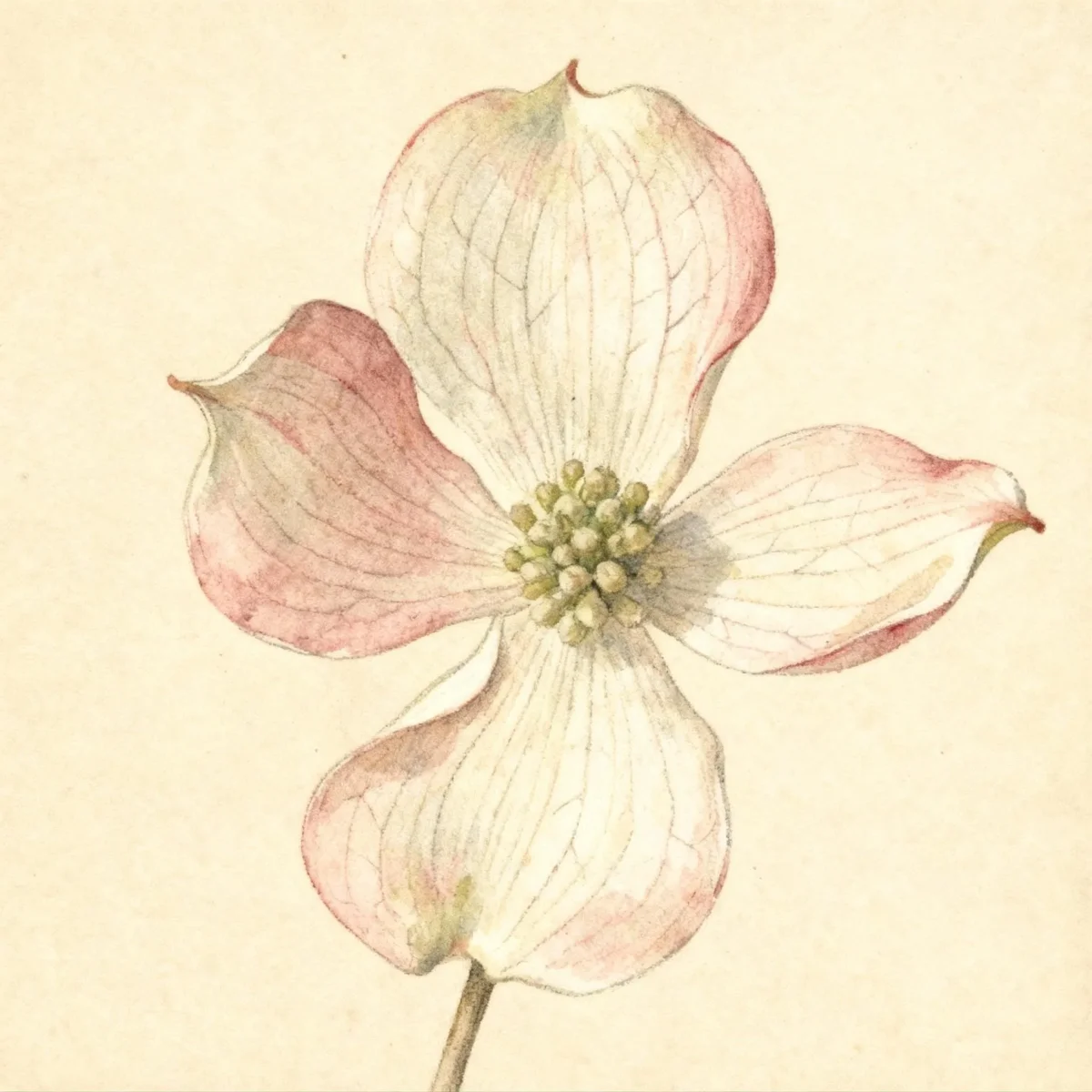
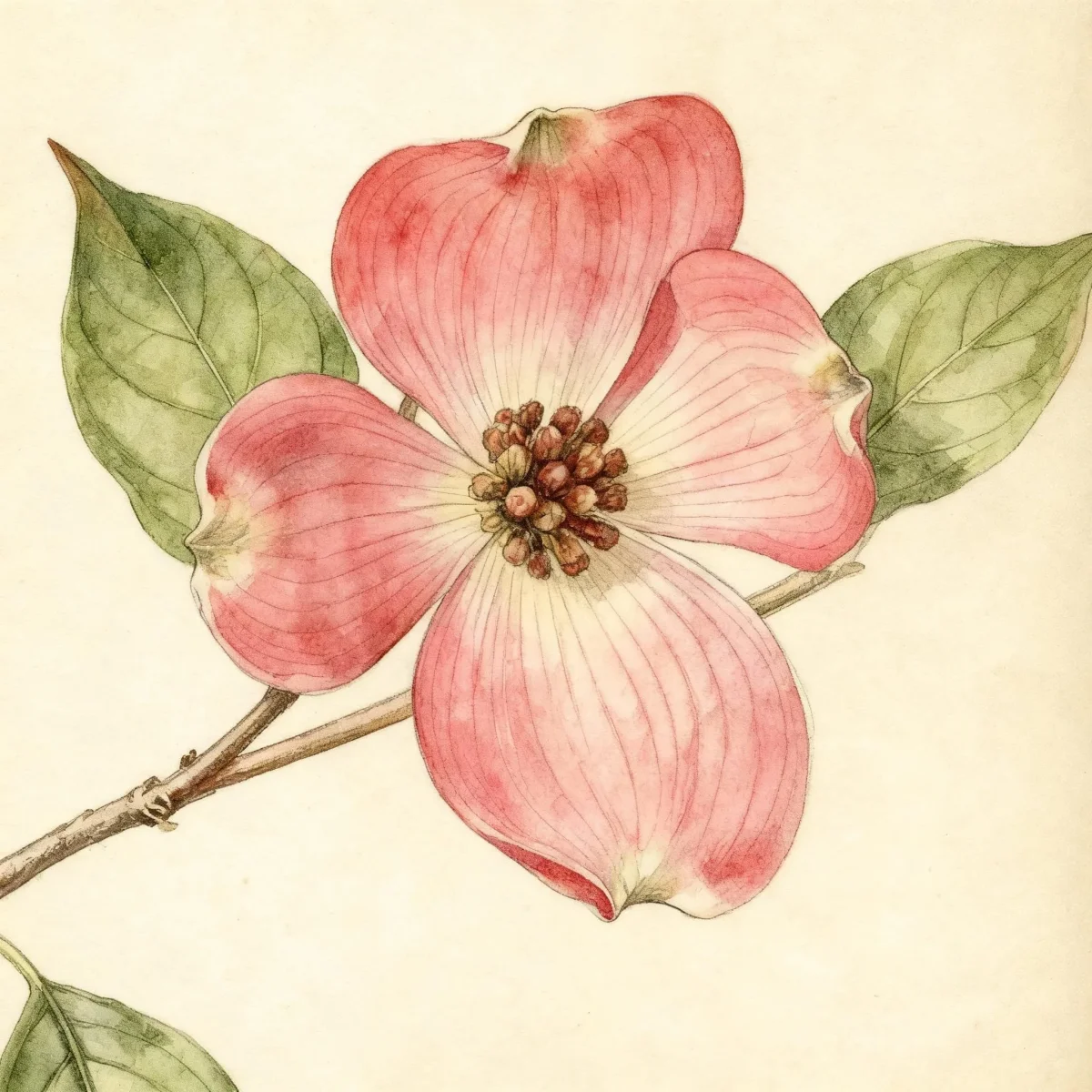
Flowering dogwood (Cornus florida 'Cloud Nine')
Discover Cornus florida 'Cloud Nine', a stunning Flowering dogwood cultivar featuring abundant white bracts, medium size, and excellent landscape appeal.
Scroll down to discover growing tips, care requirements, companion plants, and more
Complete Plant Information
Overview
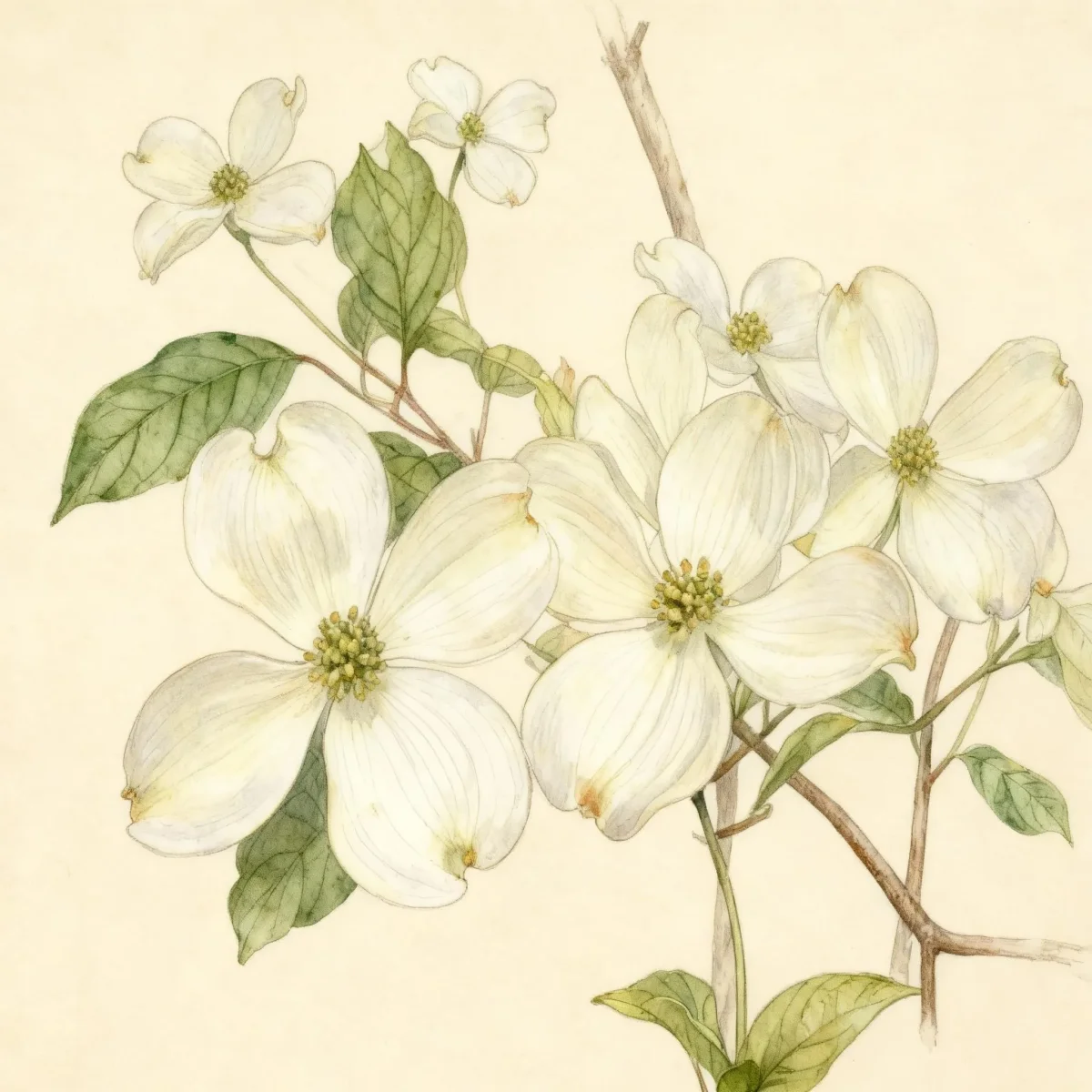
The Cornus florida ‘Cloud Nine’ is widely recognized as one of the most beautiful native American flowering trees, celebrated for its exceptional spring display. This cultivar specifically excels due to its abundant flowering and exceptionally showy, white, petal-like bracts that reach up to 2 1/2 inches long. As a small deciduous tree, the Flowering dogwood provides four-season interest, transitioning from dramatic spring blooms to attractive red fall foliage.
Cornus florida ‘Cloud Nine’ typically matures into a low-branching, broadly-pyramidal specimen, making it perfectly scaled for residential properties. Its native range spans much of the Eastern United States, confirming its suitability for specific regional gardens seeking native charm. Gardeners appreciate this Flowering dogwood for its elegant form and vibrant seasonal color shifts.
While stunning, growing this tree requires attention to its specific soil and moisture needs to ensure optimal health and prolific blooming. Successful siting means balancing its need for sun with protection from intense afternoon heat, especially in warmer zones.
Fast Facts
- Plant Family: Cornaceae
- Plant Type: Tree
- Hardiness Zones: USDA Zones 5-9
- Size at Maturity:
- Height: 15-30 ft
- Spread: 15-30 ft
- Bloom Time: April to May
- Bloom Description: White
- Sun Exposure: Full sun to part shade
- Water Needs: Medium
- Maintenance Level: Medium
How to Grow
Planting Cornus florida ‘Cloud Nine’ is best done in the spring or fall when conditions are cooler. Choose a location that offers protection from intense, prolonged afternoon sun, though it needs at least some direct light to encourage abundant flowering. This tree thrives in well-drained, organically rich, and acidic soils. If the native soil is heavy, amend generously with compost to improve drainage.
Maintain consistent moisture, especially during the establishment period. While mature trees tolerate medium water needs, they detest drying out. Apply a 2-4 inch layer of mulch annually around the drip line, ensuring the trunk is not suffocated, to help keep the shallow roots cool and moist during summer heat.
Pruning should be kept minimal, focusing only on removing dead, damaged, or crossing branches immediately after flowering. Avoid heavy pruning, which can stress the tree and increase susceptibility to pest or disease issues. Be aware that dogwood anthracnose is a serious concern in some regions; avoid planting in areas known for recent outbreaks if possible.
Landscape Uses
The Flowering dogwood is an essential specimen tree in the suburban landscape due to its moderate size and unmatched springtime beauty. Plant Cornus florida ‘Cloud Nine’ near patios, entryways, or within open lawn areas where its structure and flowers can be fully appreciated without dense competition. It functions wonderfully as a focal point or as a component in woodland-style plantings.
Its layered, horizontal branching habit makes it an excellent mid-story tree beneath taller canopy trees, provided it receives adequate filtered light. In native plant gardens, it pairs beautifully with spring ephemerals and later-blooming understory shrubs. The bright red fruit following the white bracts attracts numerous bird species, integrating ecological value into residential borders.
Standout Features
Flower Qualities
- Showy
Fruit Qualities
- Showy
Noteworthy Characteristics
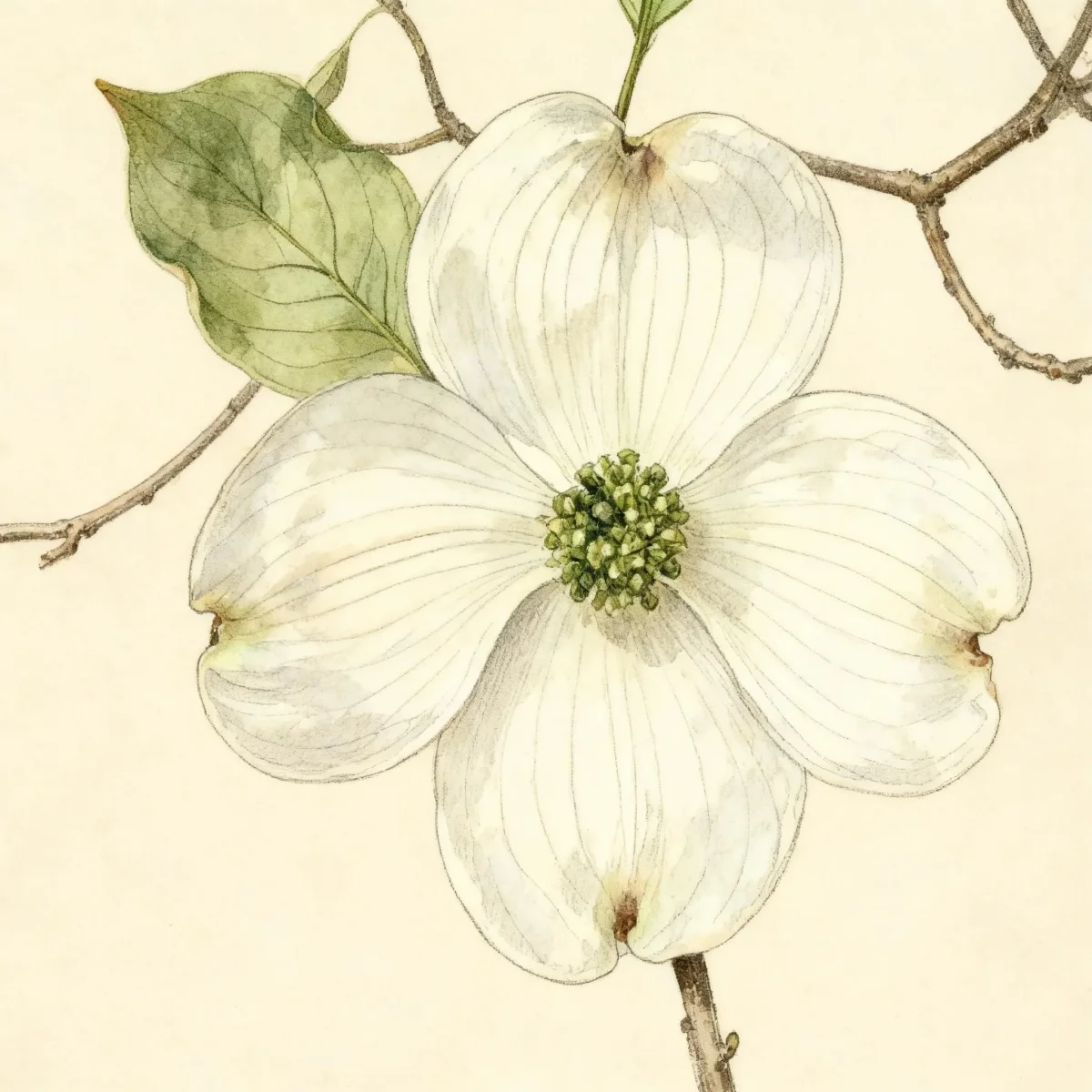
The Flowering dogwood, Cornus florida, is celebrated for its low-branching, broadly-pyramidal habit, reaching 15-30 feet tall. Its true flowers are small clusters surrounded by four showy, white, petal-like bracts, giving the appearance of a large, single flower in early spring. The cultivar ‘Cloud Nine’ is specifically noted for its abundant flowering and showy overlapping white bracts, complemented by attractive red fall color.
Tolerances
- Deer
- Clay Soil
- Black Walnut
Potential Problems
The primary concern when growing Flowering dogwood is disease susceptibility, particularly when the plant is stressed by improper cultural conditions. The most serious threat is dogwood anthracnose, which can cause significant devastation in some areas. Plants are also vulnerable to powdery mildew, leaf spot, and various cankers.
Manage stress by ensuring proper site selection—avoiding heavy, poorly-drained soils and excessive exposure. Proper mulching to preserve cool, moist roots is crucial for overall tree health, thereby reducing vulnerability to opportunistic pests like borers and leaf miners. Always inspect nursery stock carefully for signs of disease before planting.
Frequently Asked Questions
What hardiness zones is Flowering dogwood suitable for?
Cornus florida ‘Cloud Nine’ is suitably hardy within USDA Zones 5 through 9.
How large does Cornus florida ‘Cloud Nine’ grow?
This tree generally reaches a mature height between 15 and 30 feet, with a comparable spread of 15 to 30 feet.
What sun exposure does Flowering dogwood need?
The ideal placement for Cornus florida ‘Cloud Nine’ is in full sun to part shade. Avoid deep, dark shade, as this reduces flowering abundance.
When does Cornus florida ‘Cloud Nine’ bloom?
This selection displays its signature white blooms from April into May.
Conclusion
The Cornus florida ‘Cloud Nine’ provides reliable, spectacular seasonal interest, making it an indispensable choice for the traditional or native garden. Its superior white floral display and manageable size ensure it remains a premier specimen tree. Before planting, confirm that your site conditions—especially soil acidity and drainage—meet the specific requirements of this cherished Flowering dogwood.
Companion Planting
When designing a planting scheme around your Flowering dogwood, focus on plants that share similar preferences for acidic, rich, and consistently moist soil. Consider setting native ferns or hostas beneath its canopy to leverage the dappled light it creates. Later-season interest can be provided by planting woodland phlox or astilbes around the drip line, ensuring they do not compete directly with the shallow root system of the Dogwood.
For a tiered woodland effect, pair the Cornus florida ‘Cloud Nine’ with taller native canopy trees like Oaks in the background, or use shorter shrubs like Mountain Laurel or Rhododendron at the edge of the shade line to transition gracefully to the open lawn. Proper spacing remains vital; never plant competing species too close to the base of the tree.
Wildlife Benefits
While the bright red fruits of Cornus florida ‘Cloud Nine’ are inedible for humans, they serve as a valuable late-season food source for many bird species. Planting this tree is a direct way to support local avi fauna. Furthermore, the early spring bloom, although subtle in its true flowers, is important for early-season pollinators when many other nectar sources may still be dormant.
The dense habit of the Flowering dogwood also provides excellent nesting and perching cover throughout the year. Integrating this significant native species into a landscape actively contributes to local ecosystem health and biodiversity management on residential plots.