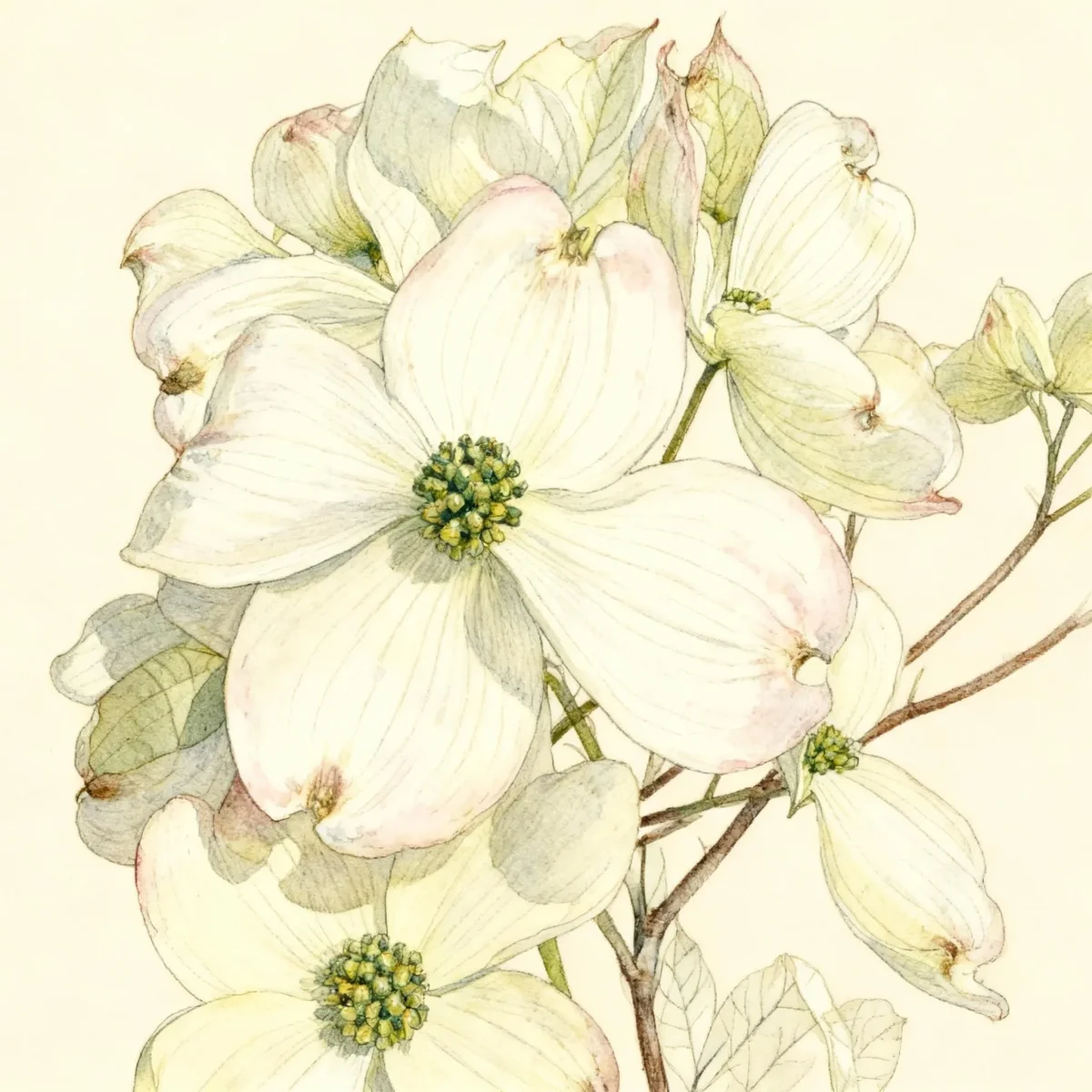
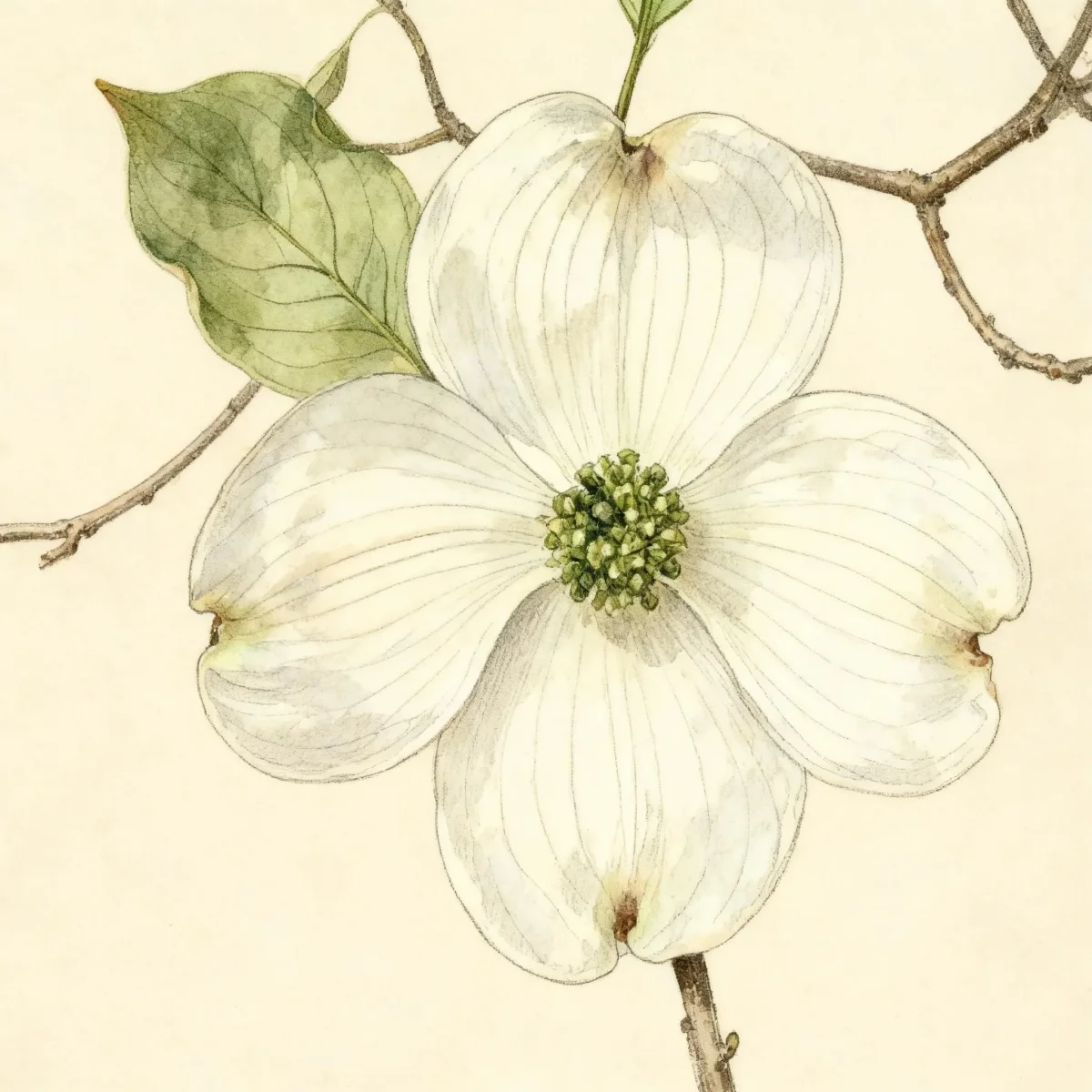
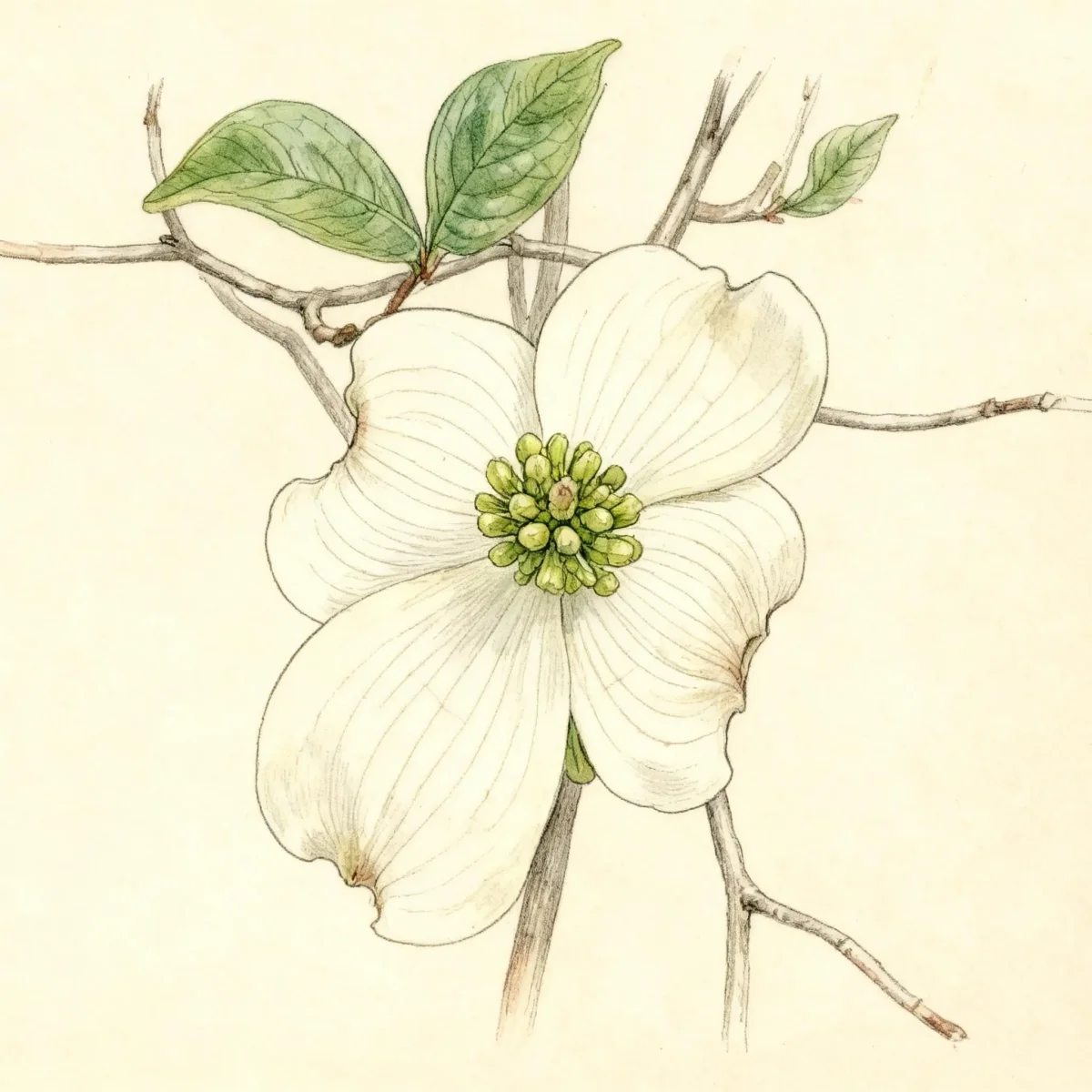
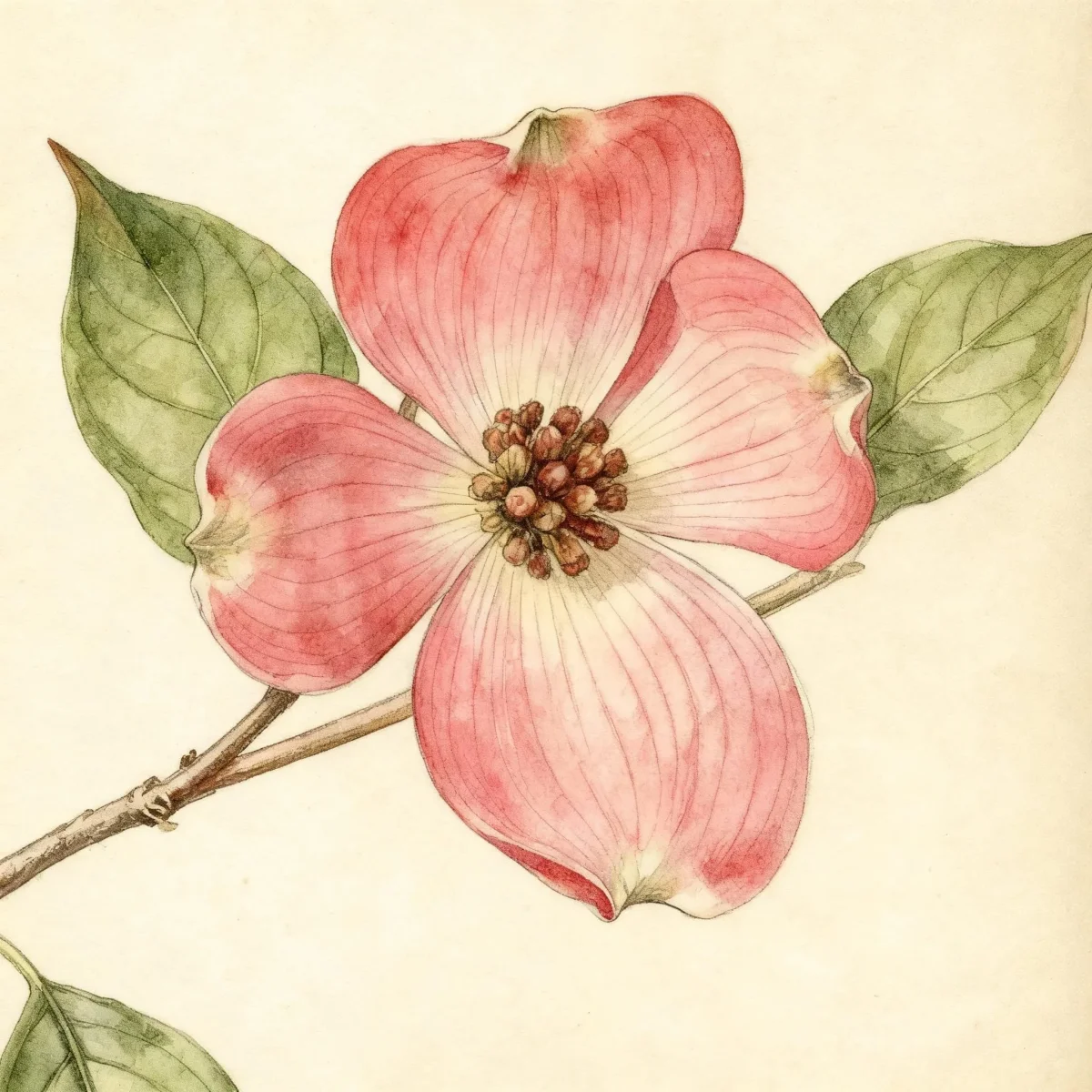
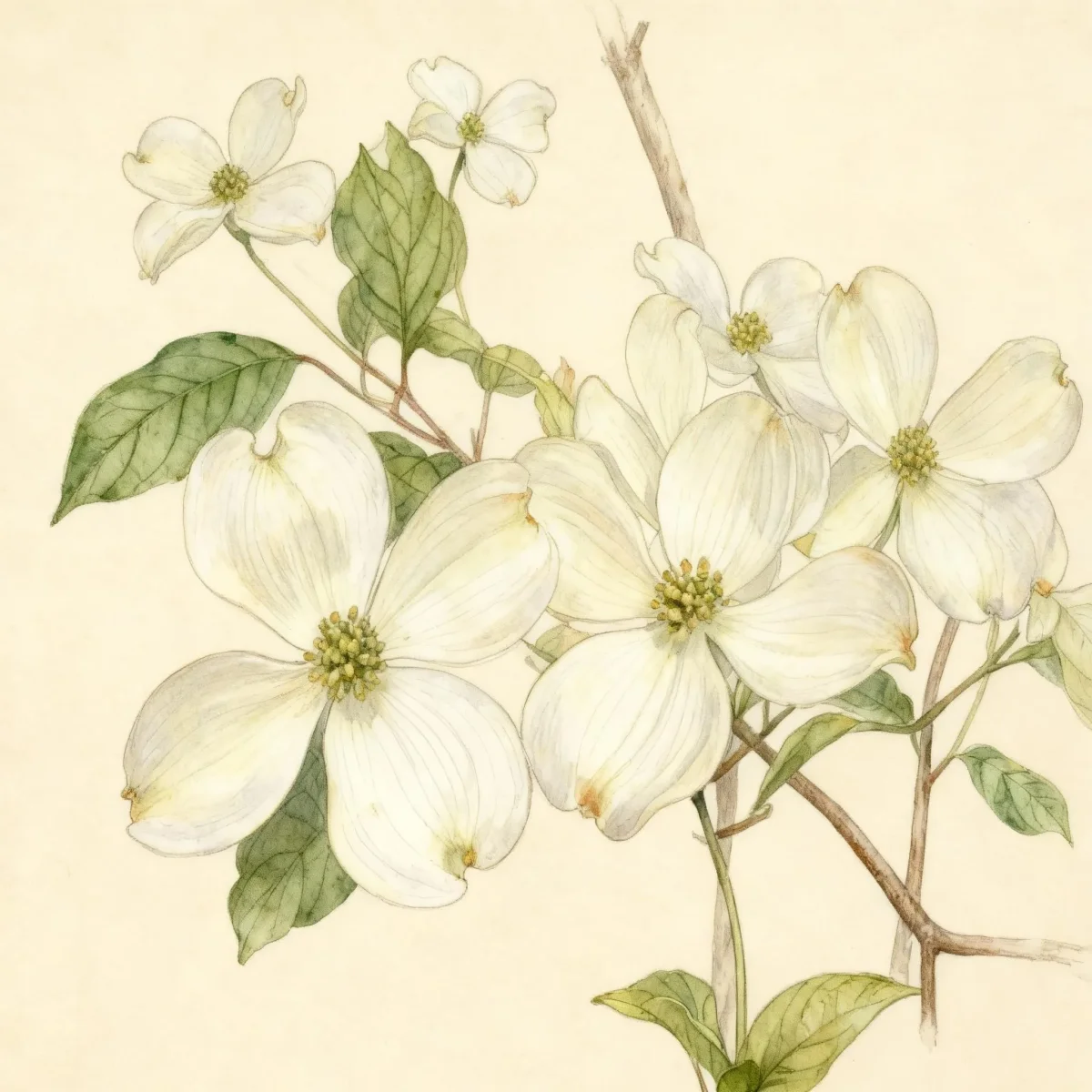
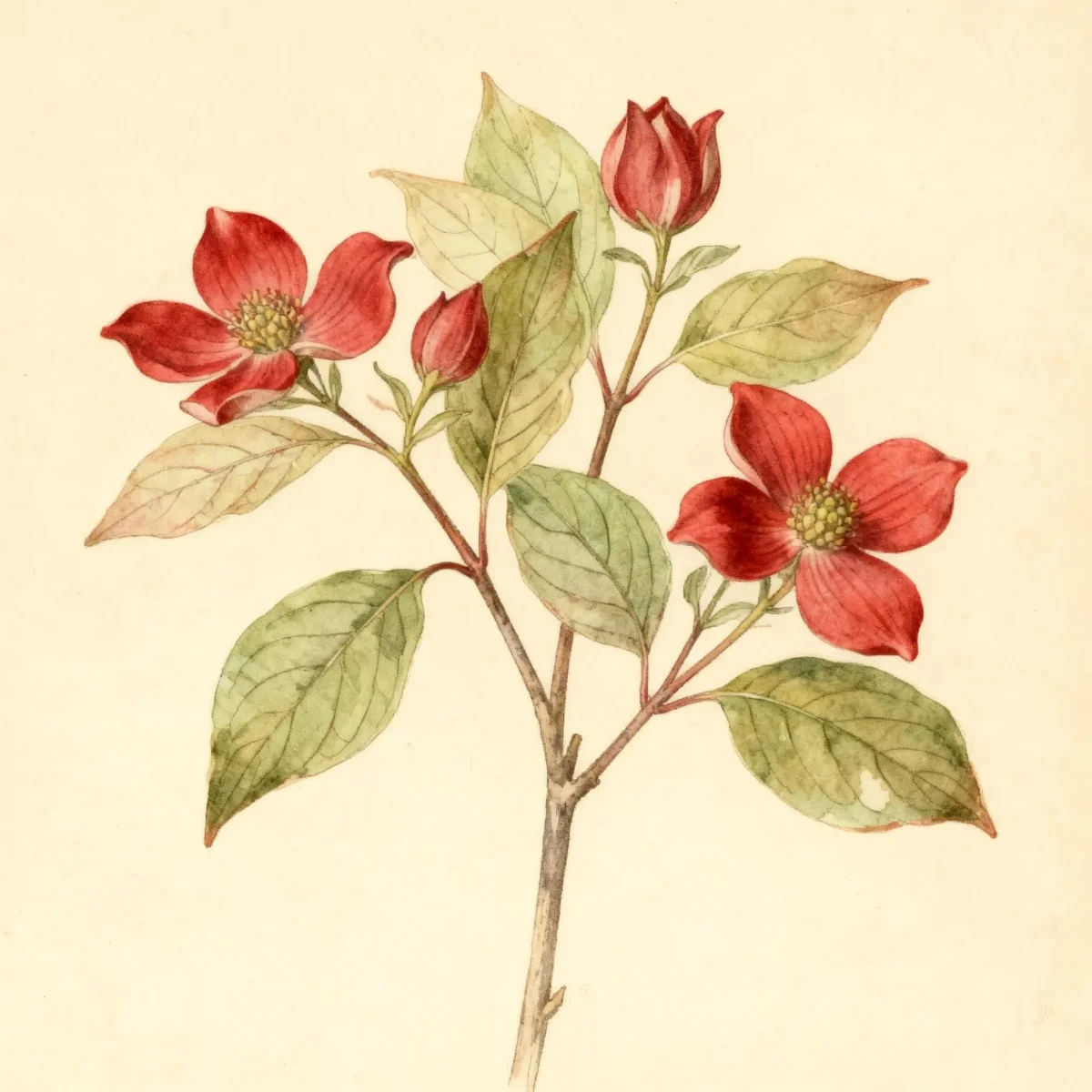
Flowering dogwood (Cornus florida 'Purple Glory')
Cornus florida 'Purple Glory' is a stunning Flowering dogwood noted for deep purple foliage and maroon-red spring bracts.
Scroll down to discover growing tips, care requirements, companion plants, and more
Complete Plant Information
Overview
The Cornus florida ‘Purple Glory’ cultivar offers a dramatic twist on the beloved native Flowering dogwood. Its most striking features are the deep purple foliage, which emerges light purple in spring and maintains rich color even in full sun, contrasting beautifully with its early floral display. This small deciduous tree is highly valued for providing multi-season interest in the landscape, transitioning from dark spring blooms to rich fall color.
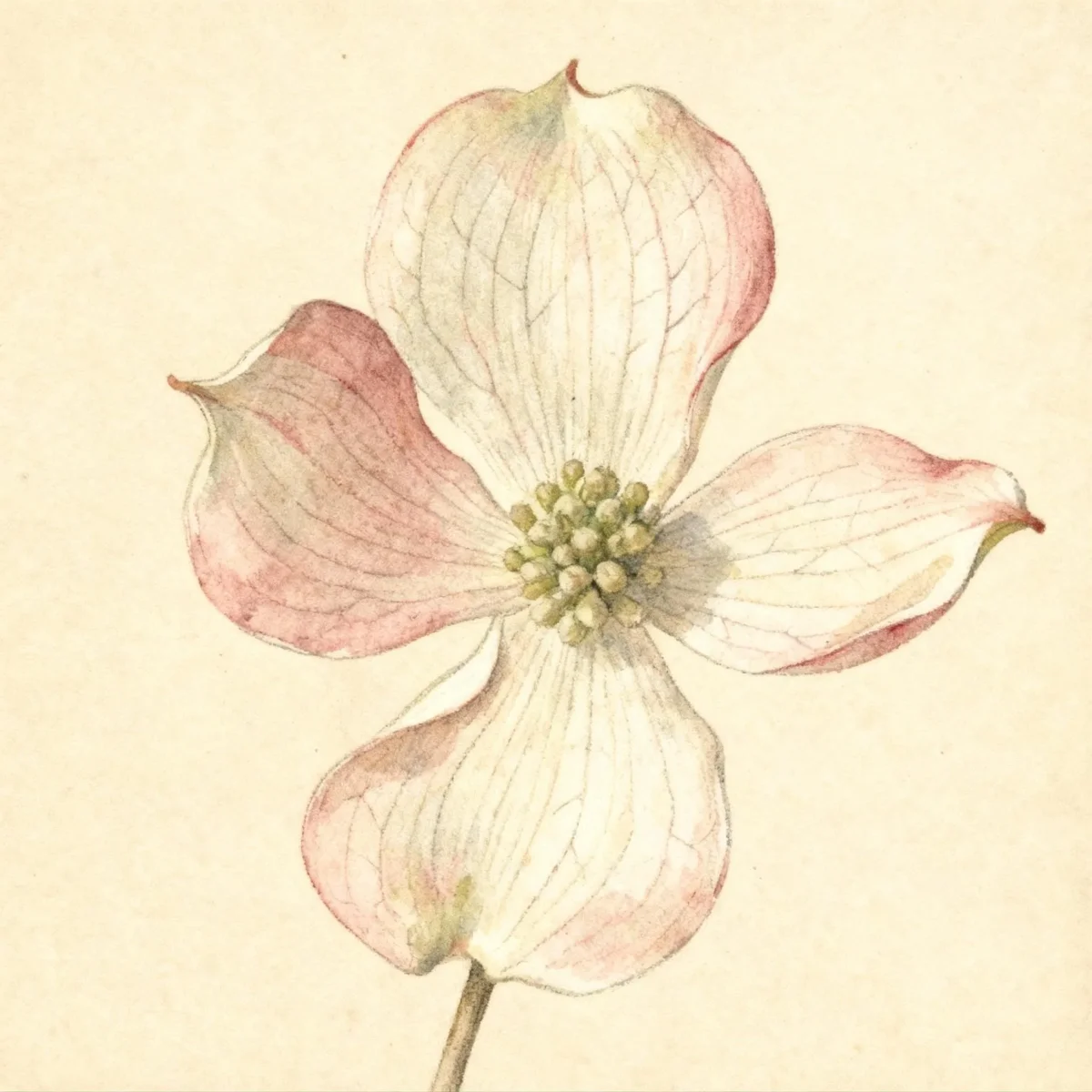
As a cultivar of the Flowering dogwood, Cornus florida ‘Purple Glory’ offers the classic, layered growth habit in a manageable size, making it perfect for residential settings where space is a consideration. Gardeners admire its aesthetic contribution, noting that its true flowers are small, but the surrounding four petal-like bracts create a magnificent 3-4 inch display.
While being a superb ornamental specimen, successful cultivation requires providing consistently moist, well-drained, and slightly acidic soil. Gardeners should be mindful of local dogwood anthracnose pressure when selecting planting locations for their new Cornus florida ‘Purple Glory’.
Fast Facts
- Plant Family: Cornaceae
- Plant Type: Tree
- Hardiness Zones: USDA Zones 5-9
- Size at Maturity:
- Height: 15-20 ft
- Spread: 15-20 ft
- Bloom Time: April to May
- Bloom Description: Maroon red
- Sun Exposure: Full sun to part shade
- Water Needs: Medium
- Maintenance Level: Medium
How to Grow
Planting the Flowering dogwood is best done in spring or fall when temperatures are mild, allowing the roots to establish before summer stress. Choose a location receiving morning sun and afternoon shade, especially in hotter climates, though Cornus florida ‘Purple Glory’ handles more sun than white varieties. It thrives in moist, organically rich, and acidic soils, so amending heavy clay with compost is highly beneficial before planting.
Maintain consistent moisture, especially during the first few growing seasons, as dogwoods dislike drying out. Apply a 2-4 inch layer of mulch around the base, avoiding direct contact with the trunk, to help keep the shallow roots cool and moist throughout the summer heat. Fertilization is rarely necessary if the soil is rich; focus instead on monitoring overall health.
Pruning is best kept to a minimum, focusing only on removing dead, diseased, or crossing branches, typically done immediately after flowering finishes. Gardeners must be aware that stressed trees are more vulnerable to pests and diseases, particularly dogwood anthracnose; plant in an appropriate microclimate to reduce stress.
Landscape Uses
The manageable height and spread of Cornus florida ‘Purple Glory’ make it an exceptional choice as a specimen tree near patios or entryways where its unique foliage and flowers can be closely admired. Its upright, tiered structure lends formality, yet it blends seamlessly into naturalistic, woodland garden settings favored by native plant enthusiasts.
This cultivar functions effectively as a focal point in mixed borders, providing necessary vertical contrast against lower shrubs and perennials. Furthermore, the mature fruit, though inedible for humans, attracts local birdlife, enhancing the ecological value of the landscape design.
Standout Features
Flower Qualities
- Showy
Fruit Qualities
- Showy
Noteworthy Characteristics
The Cornus florida, commonly known as Flowering dogwood, is renowned for its captivating spring display where four showy bracts surround tiny true flowers. The specific cultivar ‘Purple Glory’ distinguishes itself by featuring flowers backed by noticeable maroon-red bracts and deep purple foliage that retains its color well into autumn. This introduced cultivar was first noticed in 1966 and commercially released, offering gardeners a unique dark-leafed alternative to standard forms.
Tolerances
- Deer
- Clay Soil
- Black Walnut
Potential Problems
The Flowering dogwood is susceptible to several problems, with dogwood anthracnose being the most severe, causing devastating leaf spot and twig blight; avoid planting where this disease is prevalent. Other fungal issues, such as powdery mildew and leaf spot, commonly affect stressed plants.
Management focuses on prevention: plant in well-drained soil, avoid overhead watering late in the day, and ensure good air circulation around the canopy. Stressed trees become easy targets for borers, so diligent moisture management is the key cultural defense against most common ailments affecting the Cornus florida ‘Purple Glory’.
Frequently Asked Questions
What hardiness zones is Flowering dogwood suitable for?
USDA Zones 5-9 are suitable for Cornus florida ‘Purple Glory’.
How large does Flowering dogwood grow?
This cultivar typically matures to a height and spread between 15 to 20 feet.
When does Flowering dogwood bloom?
The attractive maroon-red blooms of the Flowering dogwood appear between April and May.
What sun exposure does Cornus florida ‘Purple Glory’ need?
It prefers a location receiving full sun to part shade for optimal performance.
Conclusion
The Cornus florida ‘Purple Glory’ is indispensable for gardeners seeking year-round structure and dramatic color contrast, thanks to its dark purple leaves and beautiful maroon-red spring show. This specific Flowering dogwood cultivar brings remarkable aesthetic depth to any garden space. Before purchasing, confirm your site meets its needs for moist, acidic soil and appropriate sun exposure to ensure a thriving specimen.
Companion Planting
When planning a border around your Cornus florida ‘Purple Glory’, select companions that share its preference for slightly acidic, moist, well-drained soil. Acid-loving shrubs like rhododendrons, azaleas, and mountain laurels create a lush understory environment that complements the dogwood’s tiered structure.
For seasonal interest below, consider early-spring blooming bulbs like daffodils or snowdrops which will finish before the dogwood reaches its mature canopy. In autumn, ferns will provide excellent texture right up until the dogwood’s final deep purple leaf drop.
Wildlife Benefits
As a native species, the Flowering dogwood offers significant value to local ecosystems, particularly avian populations. While the gardener enjoys the spring flowers, birds eagerly await the development of the bright red fruits that ripen in late summer and persist into early winter.
These fruits offer a vital, albeit bitter, food source when other berries are scarce, supporting migratory and resident bird species. Furthermore, the structure of the tree provides excellent nesting sites close to the ground appreciated by smaller songbirds.