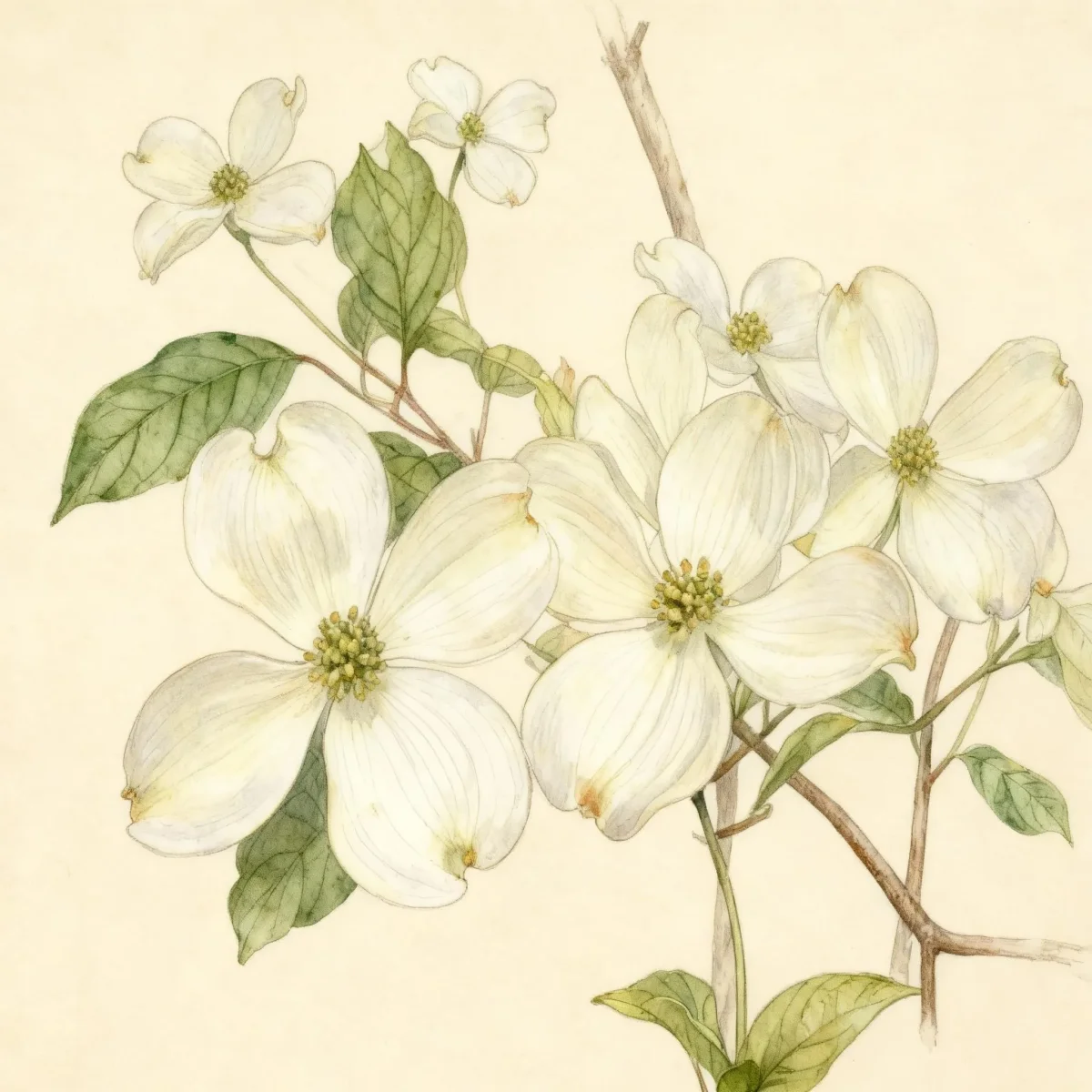
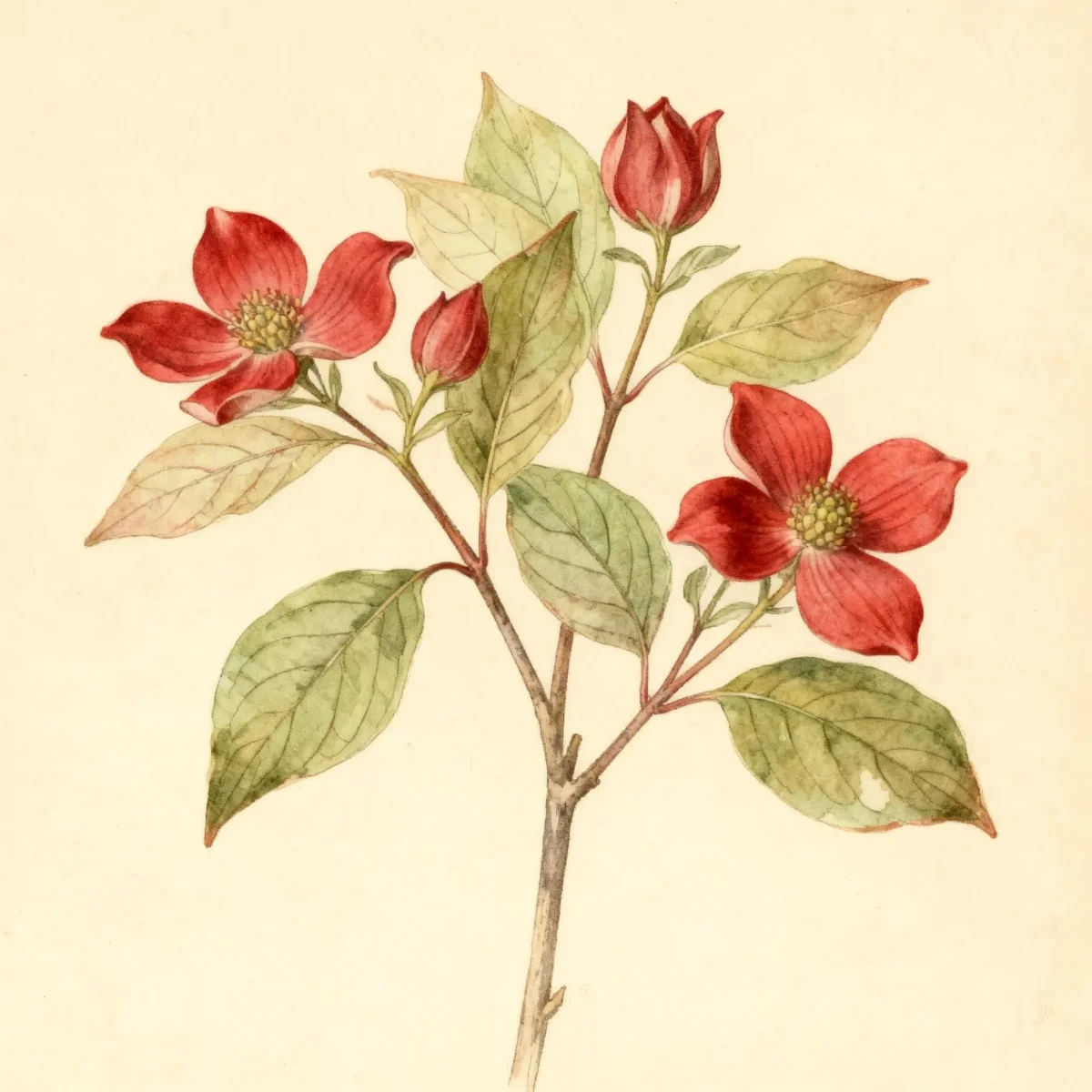
Flowering dogwood (Cornus florida 'Cherokee Chief')
Cornus florida 'Cherokee Chief' is a stunning flowering dogwood prized for its deep rose-red spring blooms and reliable landscape presence.
Scroll down to discover growing tips, care requirements, companion plants, and more
Complete Plant Information
Overview
Cornus florida ‘Cherokee Chief’ is an exceptional cultivar of the beloved native Flowering dogwood, renowned for transforming the spring landscape. This small deciduous tree offers a spectacular display, distinguished by its vibrant, deep rose-red floral bracts that appear in early to mid-spring. Its low-branching, broadly-pyramidal habit makes it a structure focal point, ideal for smaller properties or as a statement piece in a woodland setting.
The appeal of the Flowering dogwood extends beyond its showy April and May blooms; the foliage transitions into attractive red tones in the fall, followed by persistent, bright red fruits favored by birds. Cultivar ‘Cherokee Chief’ maintains the classic beauty of the species while offering a unique color variation in its blooms, making it highly desirable for native plant and specimen gardens.
While it demands medium maintenance, understanding its cultural needs ensures longevity and robust health. Gardeners must prioritize well-drained, acidic soil and consistent moisture, especially during establishment, to encourage the best performance from this American flowering icon.
Fast Facts
- Plant Family: Cornaceae
- Plant Type: Tree
- Hardiness Zones: USDA Zones 5-9
- Size at Maturity:
- Height: 15-30 ft
- Spread: 15-30 ft
- Bloom Time: April to May
- Bloom Description: Rose red
- Sun Exposure: Full sun to part shade
- Water Needs: Medium
- Maintenance Level: Medium
How to Grow
The best time to plant Cornus florida ‘Cherokee Chief’ is typically in the fall or early spring, ensuring the roots have time to establish before extreme summer heat. Crucially, this tree thrives in organically rich, acidic soil that drains well but retains consistent moisture. If planting in full sun, providing adequate water is non-negotiable.
For established trees, aim for medium water delivery, avoiding both waterlogging and severe drought conditions. A beneficial practice is applying a 2-4 inch layer of organic mulch beneath the canopy to help keep the shallow roots cool and moist during warmer months. Fertilization is rarely necessary if the soil is rich and acidic; focus instead on soil health.
Pruning should be minimal, primarily removing dead, damaged, or crossing branches during the dormant season. Gardeners should be aware that stressed trees are more susceptible to disease; therefore, avoid planting in areas with known, active dogwood anthracnose infestations if possible.
Landscape Uses
The Flowering dogwood serves excellently as a specimen plant, drawing the eye with its layered, horizontal branching pattern. Cornus florida ‘Cherokee Chief’ lights up the early spring garden and is perfectly scaled for residential properties, patios, or lawns where its structure can be appreciated year-round. It transitions beautifully into woodland garden designs where it receives dappled sunlight.
When grouping, consider pairing this cultivar with spring bulbs or early-blooming shrubs that complement the deep rose-red tone of the bracts. Its strong vertical and color accents make it an ideal anchor plant, softening the edges of borders or providing transitional planting near larger canopy trees.
Standout Features
Flower Qualities
- Showy
Fruit Qualities
- Showy
Noteworthy Characteristics
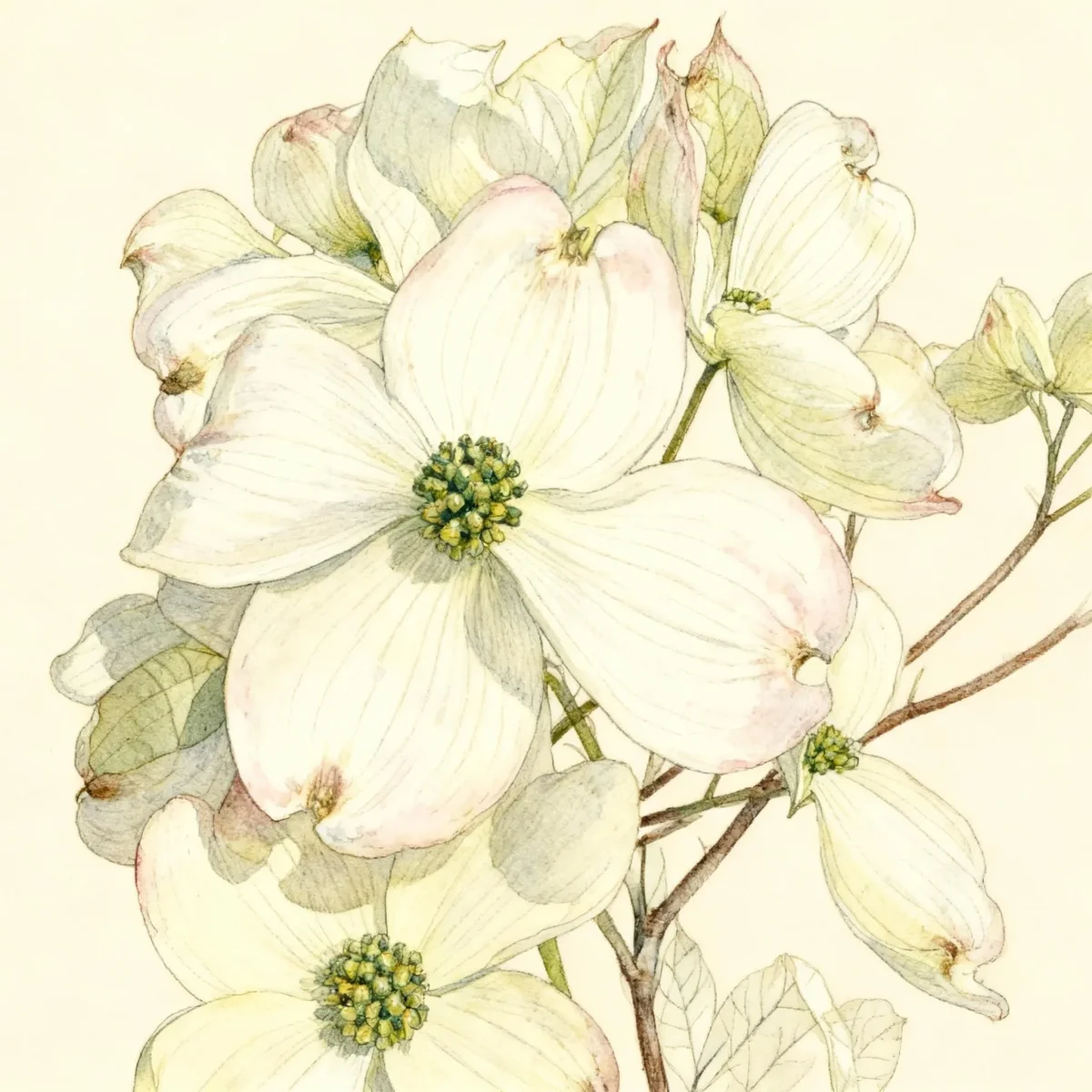
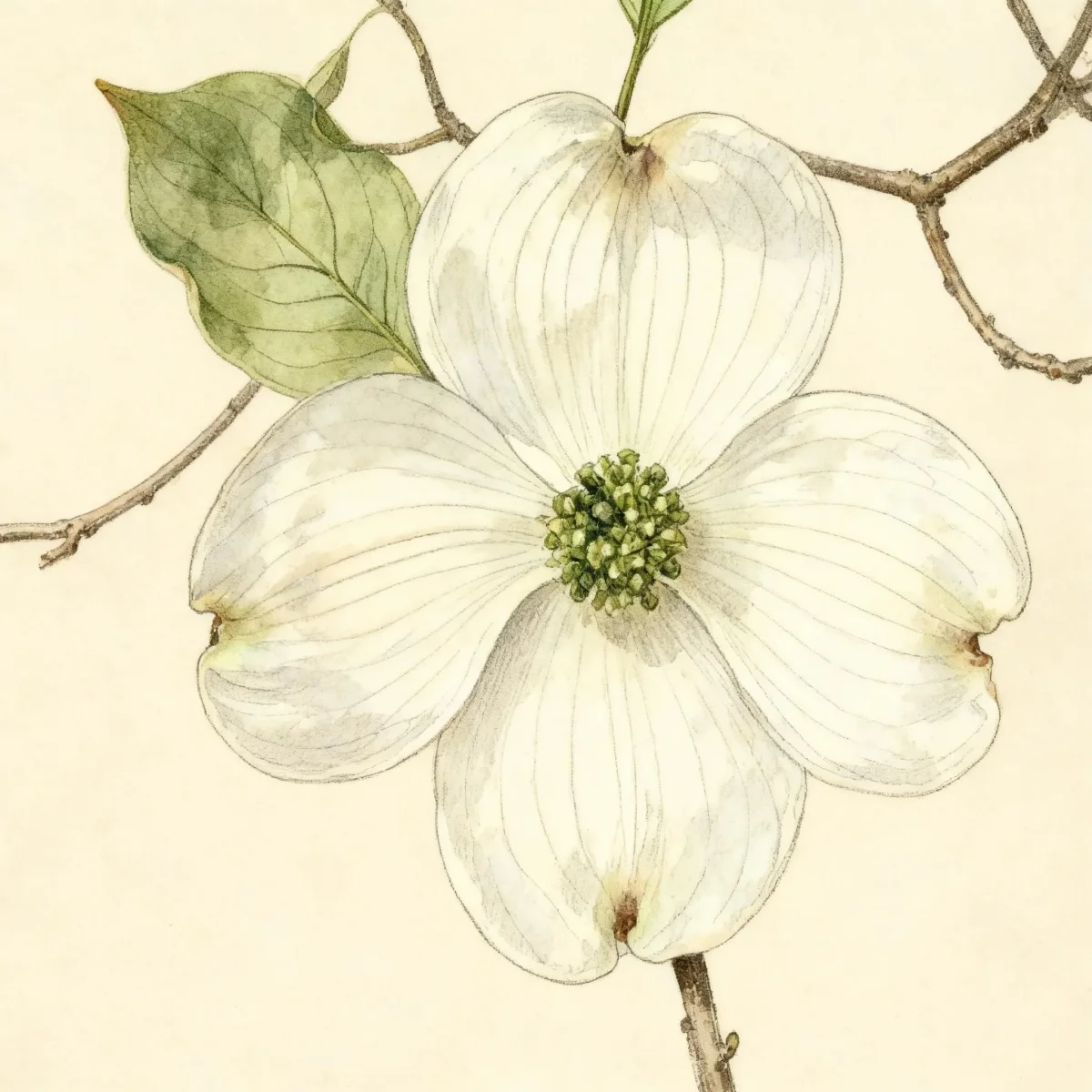
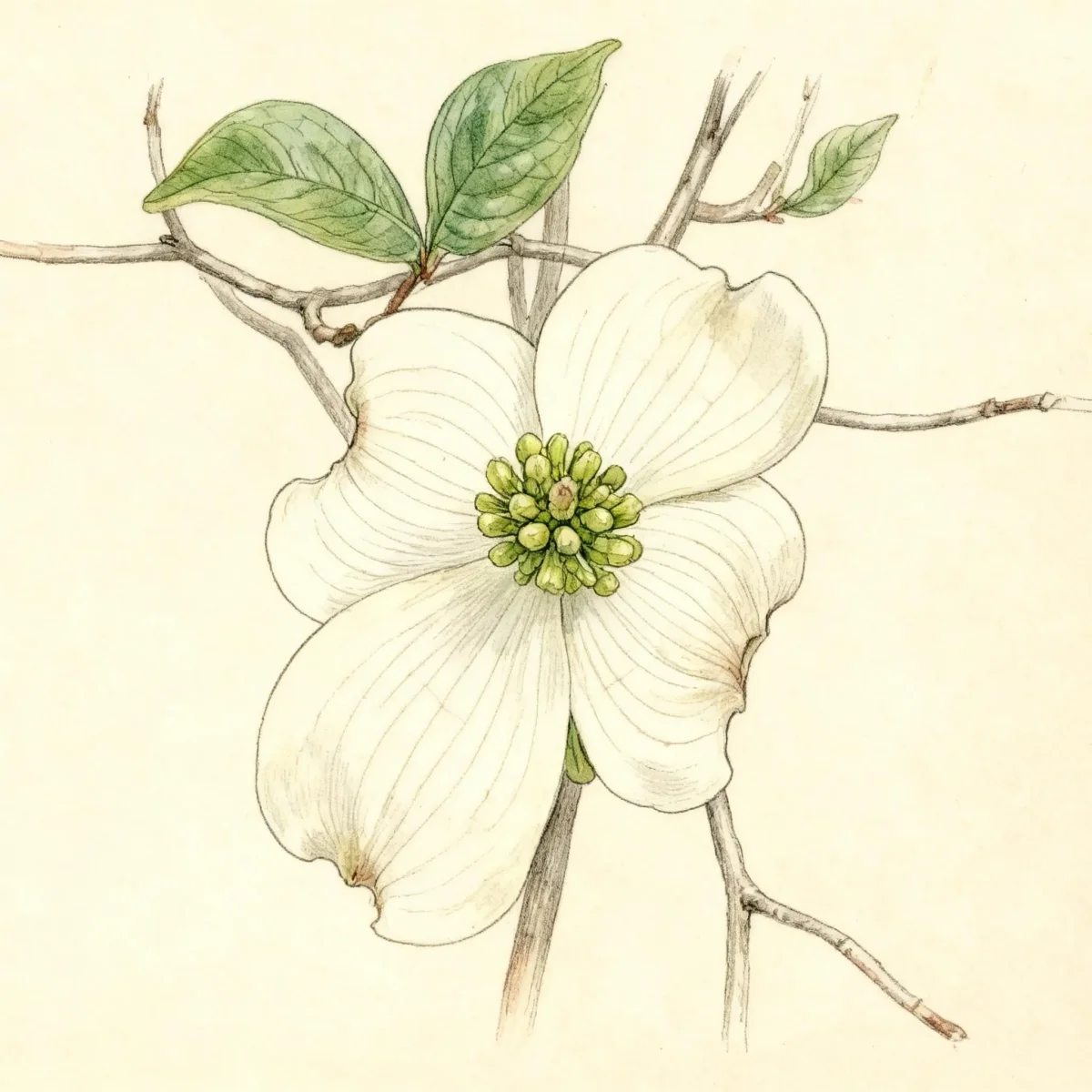
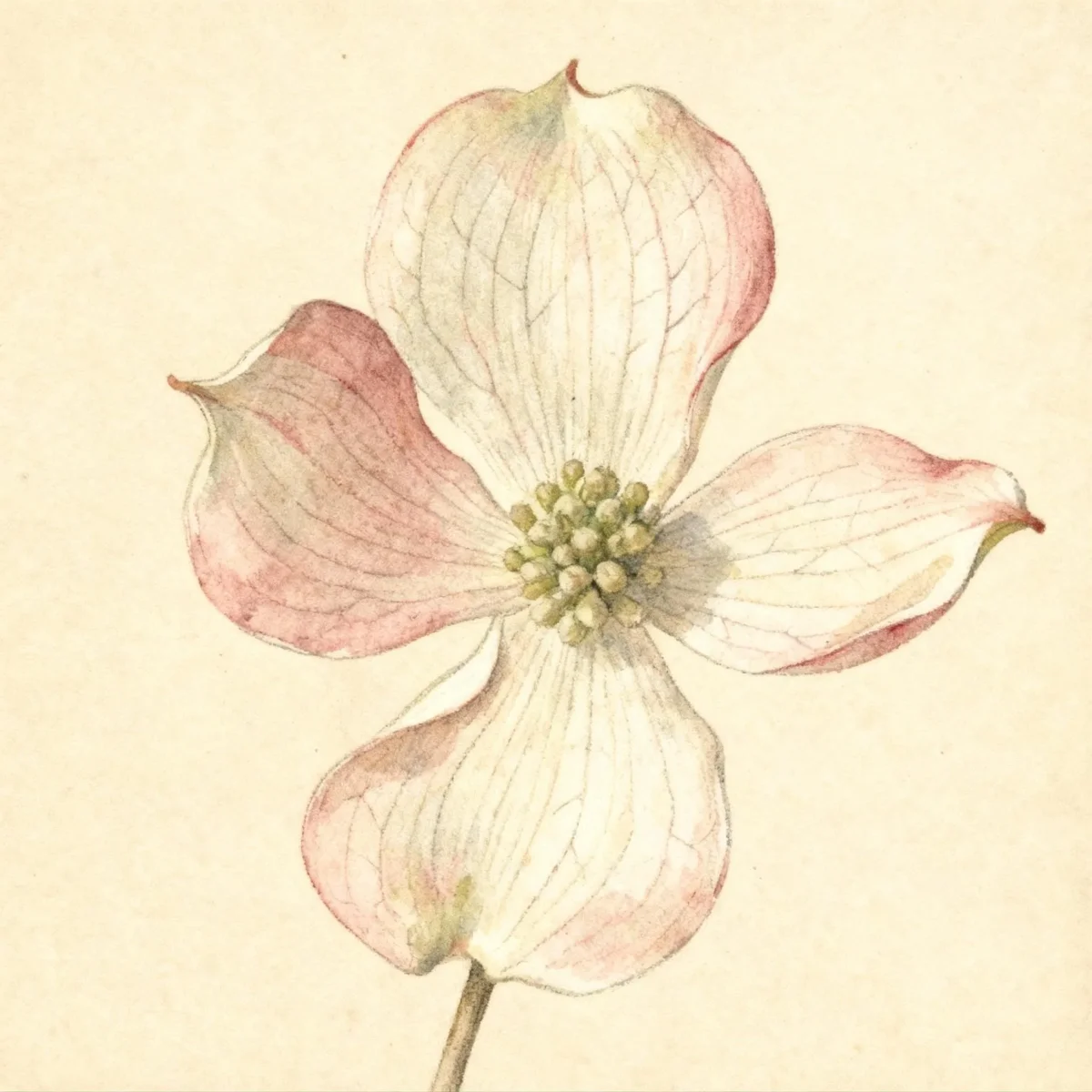
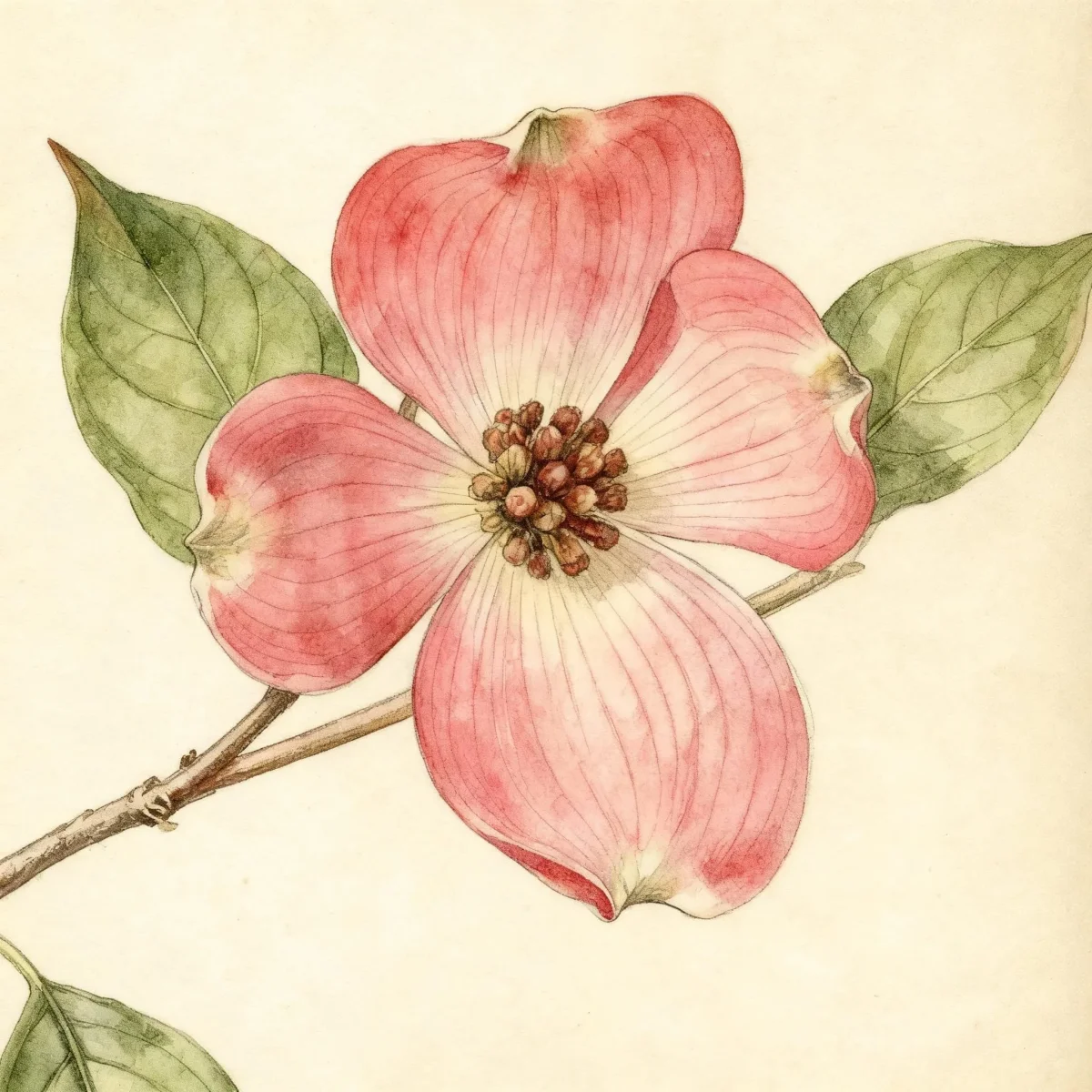
The quintessential American flowering tree, Cornus florida, is highlighted by the cultivar ‘Cherokee Chief’ due to its notable deep rose red floral bracts contrasting against new foliage tinged with red. The true flowers are small and clustered, surrounded by these showy petal-like structures that give the appearance of a large, four-petaled flower, reaching 3 to 4 inches across. In fall, oval leaves turn attractive red shades, followed by bitter, bird-attractive red fruits that often persist into winter.
Tolerances
This hardy variety demonstrates several valuable resilience traits for the home garden.
- Deer
- Clay Soil
- Black Walnut
Potential Problems
The Flowering dogwood is susceptible to several diseases, the most serious being dogwood anthracnose, which has caused severe issues in some eastern US regions. Stressed trees are also vulnerable to powdery mildew, leaf spot, cankers, and root rot. To promote resistance, ensure optimal cultural conditions—especially consistent moisture and rich, acidic soil—to avoid stressing the tree. Less significant threats include borers, leaf miners, and scale insects.
Frequently Asked Questions
What hardiness zones is Flowering dogwood suitable for?
Cornus florida ‘Cherokee Chief’ thrives best in USDA hardiness zones 5 through 9.
How large does Flowering dogwood grow?
This cultivar typically reaches a mature height between 15 and 30 feet, with a spread of 15 to 30 feet, forming a broad, flat-topped shape.
When does Flowering dogwood bloom?
The spectacular bloom period for Cornus florida ‘Cherokee Chief’ is usually from April to May, featuring distinctive rose-red bracts.
What sun exposure does Flowering dogwood need?
This species adapts well to conditions ranging from part shade to full sun, though protection from intense afternoon sun is beneficial in hotter climates.
Conclusion
Cornus florida ‘Cherokee Chief’ remains an essential specimen for any garden aiming for spectacular spring color coupled with multi-seasonal interest, thanks to its unique rose-red blooms and attractive fall color. This cultivar of the Flowering dogwood proves to be a worthy, low-branching asset to the landscape structure. Before planting, confirm your local site conditions match the requirements for medium soil moisture and acidic pH to ensure this beautiful native tree establishes successfully.
Companion Planting
Selecting companions that enjoy similar acidic, moist, well-drained soil conditions will enhance the health of your Cornus florida ‘Cherokee Chief’. Consider planting classic woodland companions like Rhododendrons and Azaleas underneath the canopy, as they benefit from the protection the dogwood’s branching provides from harsh summer sun. Shade-tolerant ferns and hostas make excellent ground covers beneath the tree, maintaining soil moisture and suppressing weeds without competing too aggressively with the shallow roots.
Wildlife Benefits
The fruits produced by the Flowering dogwood are a significant late-season food source for many bird species, providing necessary energy before winter migration or during colder months. While the fruits are inedible to humans, they are highly valued by wildlife, increasing the biodiversity value of your garden space. Furthermore, the dense, layered structure of the mature tree offers excellent nesting and protective cover for smaller songbirds throughout the year.