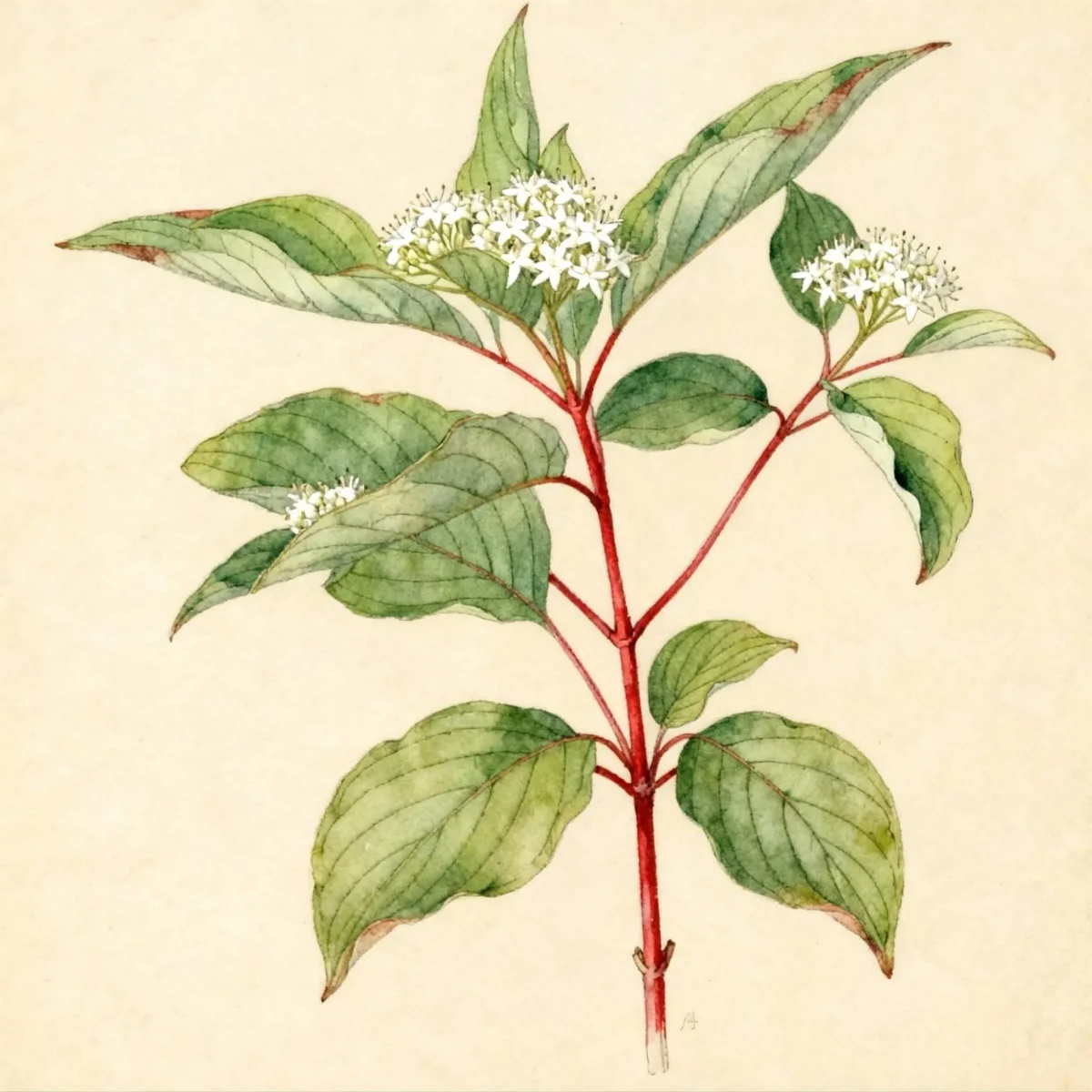
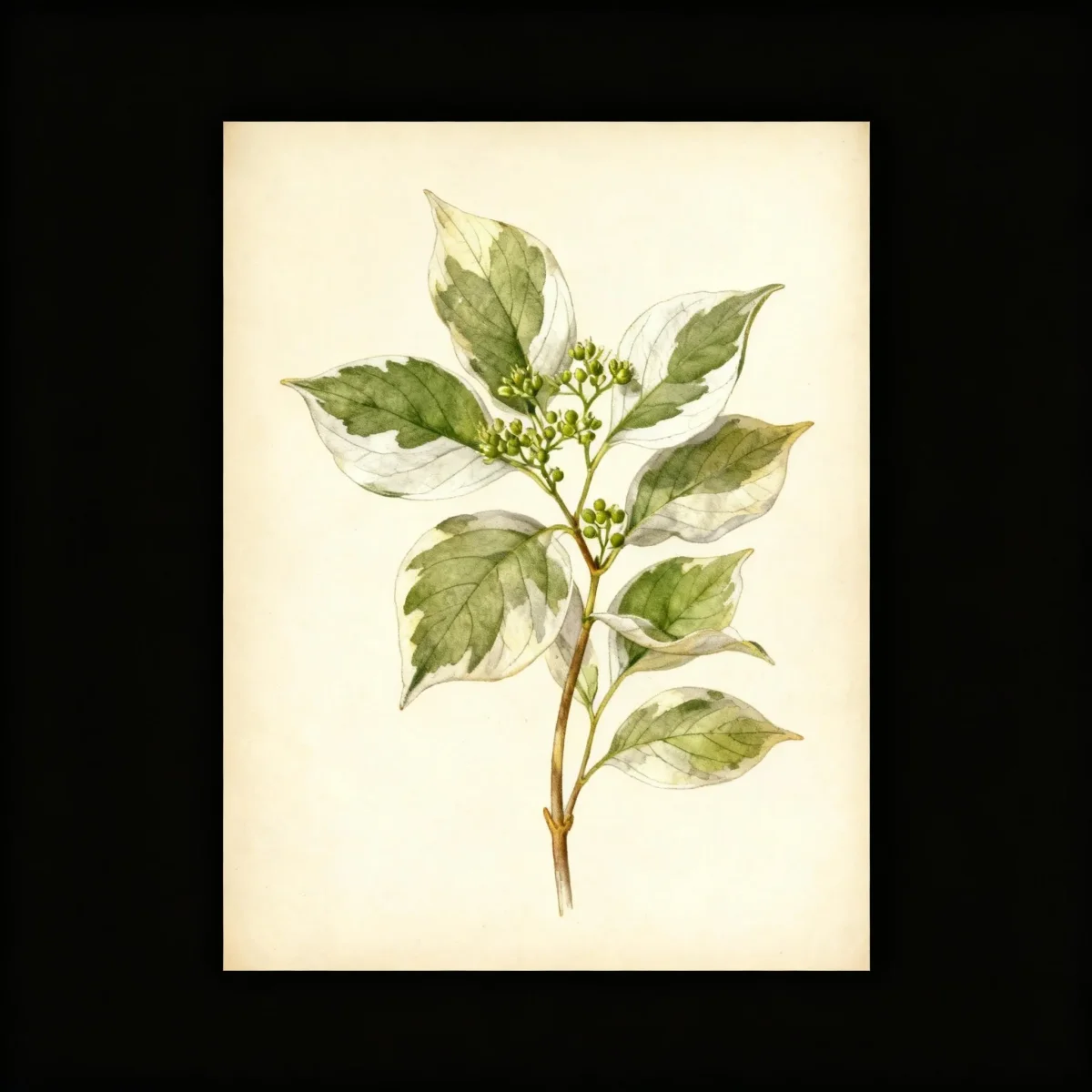
Red twig dogwood (Cornus sericea 'Allemans')
Cornus sericea 'Allemans' offers brilliant red winter stems, attractive flowers, and adaptability. A compact Red twig dogwood for wet or clay soils.
Scroll down to discover growing tips, care requirements, companion plants, and more
Complete Plant Information
Overview
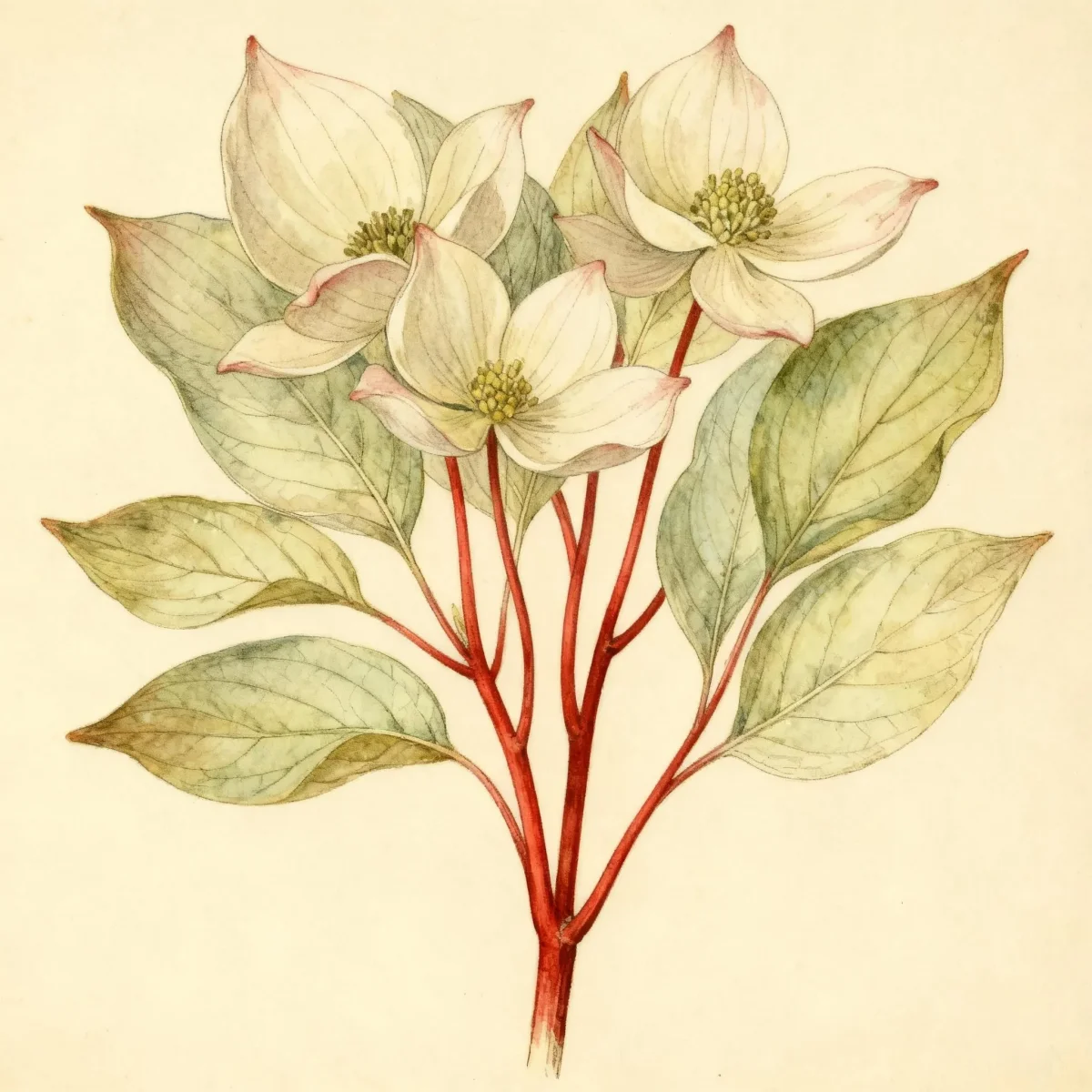
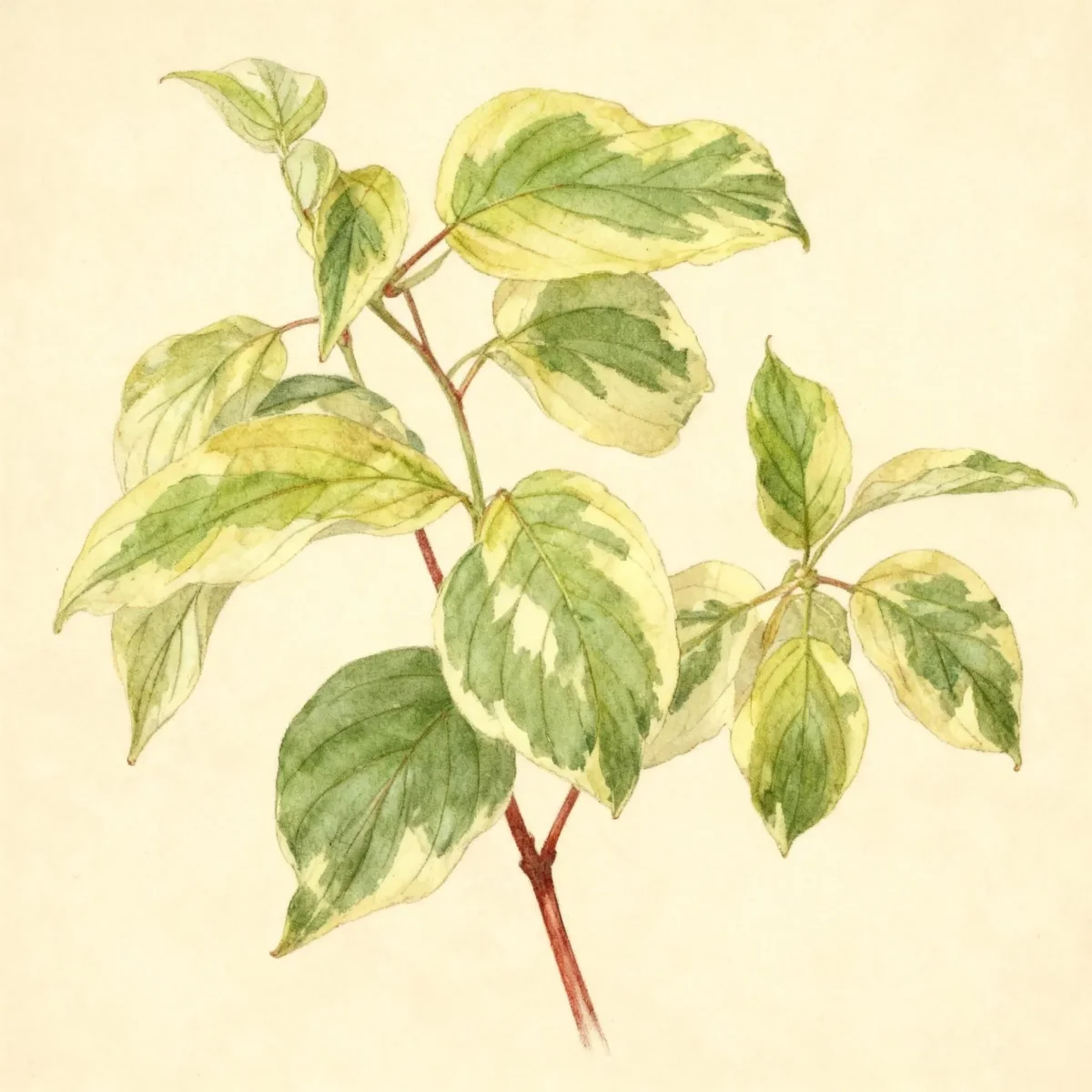
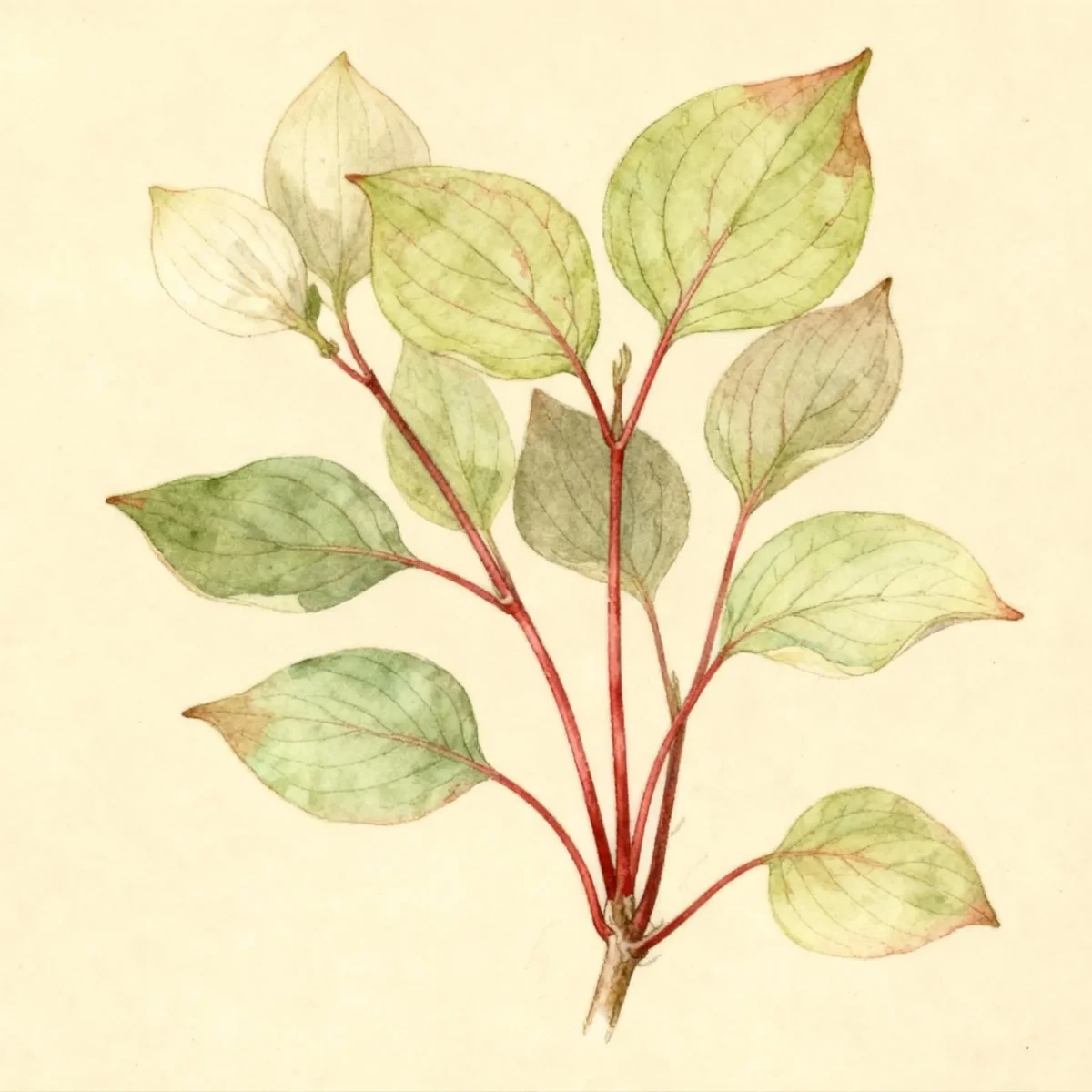
The Cornus sericea ‘Allemans’ cultivar is a highly desirable compact form of the native Red twig dogwood, prized primarily for its outstanding winter architectural interest. This deciduous shrub features intensely bright red stems that create a striking focal point against snow or evergreen plantings during the cold months. While the foliage is attractive in summer and the spring blooms add texture, the winter color is the defining feature drawing many gardeners to incorporate this variety.
This suckering shrub maintains a manageable size, typically reaching 4 to 5 feet tall and wide, making it versatile for smaller landscapes compared to the upright, spreading species form. Cornus sericea ‘Allemans’ thrives where moisture is abundant, readily handling a wide range of soil conditions, including challenging wet or clay-heavy sites. Its value extends beyond aesthetics, offering functional benefits like erosion control along moist edges.
Gardeners looking for reliable, four-season interest often select Red twig dogwood. Its tolerance for wet soil conditions, combined with its compact habit, ensures that the brilliant stem color of Cornus sericea ‘Allemans’ is achievable even in low-lying areas of the yard. Proper cultural care, especially focused on encouraging new stem growth, maximizes the performance of this handsome shrub.
Fast Facts
- Plant Family: Cornaceae
- Plant Type: Deciduous shrub
- Hardiness Zones: USDA Zones 3-8
- Size at Maturity:
- Height: 4-5 ft
- Spread: 4-5 ft
- Bloom Time: May to June
- Bloom Description: White
- Sun Exposure: Full sun to part shade
- Water Needs: Medium to wet
- Maintenance Level: Medium
How to Grow
Planting Cornus sericea ‘Allemans’ is best done in the early spring or fall when temperatures are mild, giving the roots time to establish before summer heat or winter freezes. This plant demands organically rich, fertile, consistently moist soils but demonstrates remarkable tolerance for clay or swampy conditions. Ensure the location receives full sun to part shade; note that maximum stem color intensity requires good sun exposure.
Watering should be consistent, leaning toward medium to wet, especially during dry spells, as the plant is adapted to moist wetland margins. Fertilizing is generally unnecessary if the native soil is reasonably fertile. If colonial spread via root suckers is not desired, trim these adventitious roots with a spade and promptly remove any emerging growth.
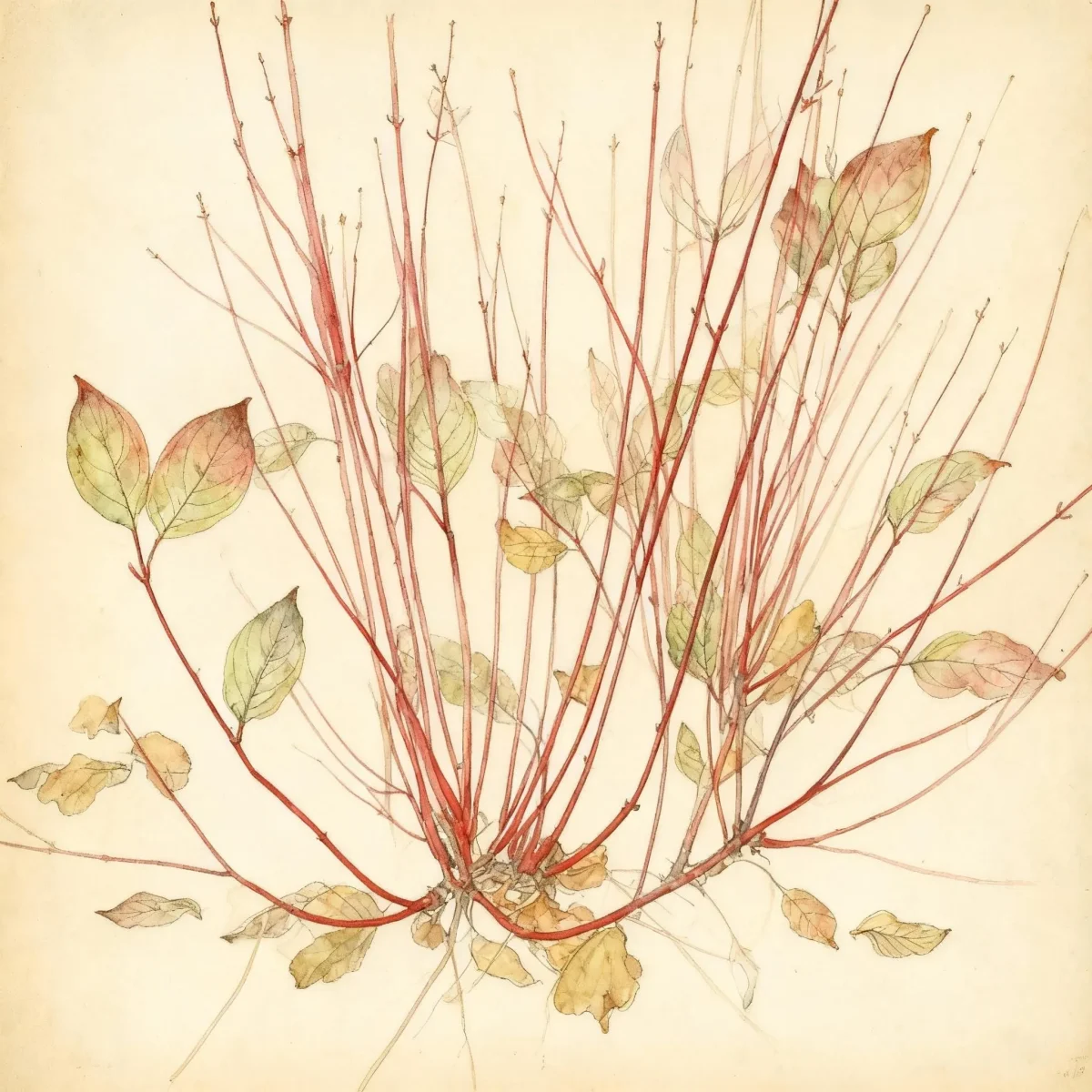
To maintain the vibrant red color for which Red twig dogwood is famous, aggressive pruning is recommended, focusing on stem renewal. Gardeners should aim to remove 20-25% of the oldest stems each early spring to promote vigorous growth of new wood, which displays the best stem color. Alternatively, a harder renewal prune (coppicing to about 8 inches) every two to three years can achieve full rejuvenation. Be aware that pruning in spring may sacrifice some early, albeit relatively ordinary, flowers. Plants stressed by hot, humid summers (especially south of Zone 7) are more prone to issues like canker.
Landscape Uses
In landscape design, Cornus sericea ‘Allemans’ excels where both moisture management and winter structure are required. As a smaller version of the typical Red twig dogwood, it functions beautifully as a low hedge or property line screen where space is limited. Its tolerance for wet locations makes it an ideal choice for rain gardens, stabilizing low spots, or buffering the edge of a pond or stream where its root system naturally helps combat erosion.
For dynamic seasonal interest, massing this cultivar against deep green evergreens provides the highest winter contrast. It looks spectacular when paired with plants offering differing stem colors, such as golden-stemmed dogwood cultivars, or when underplanted with moisture-loving perennials that bloom when the dogwood is dormant. Use it in naturalistic plantings where it can be allowed to form gentle thickets, or utilize its spreading habit in borders for textural layering.
Standout Features
Flower Qualities
- Showy
Fruit Qualities
- Showy
Noteworthy Characteristics
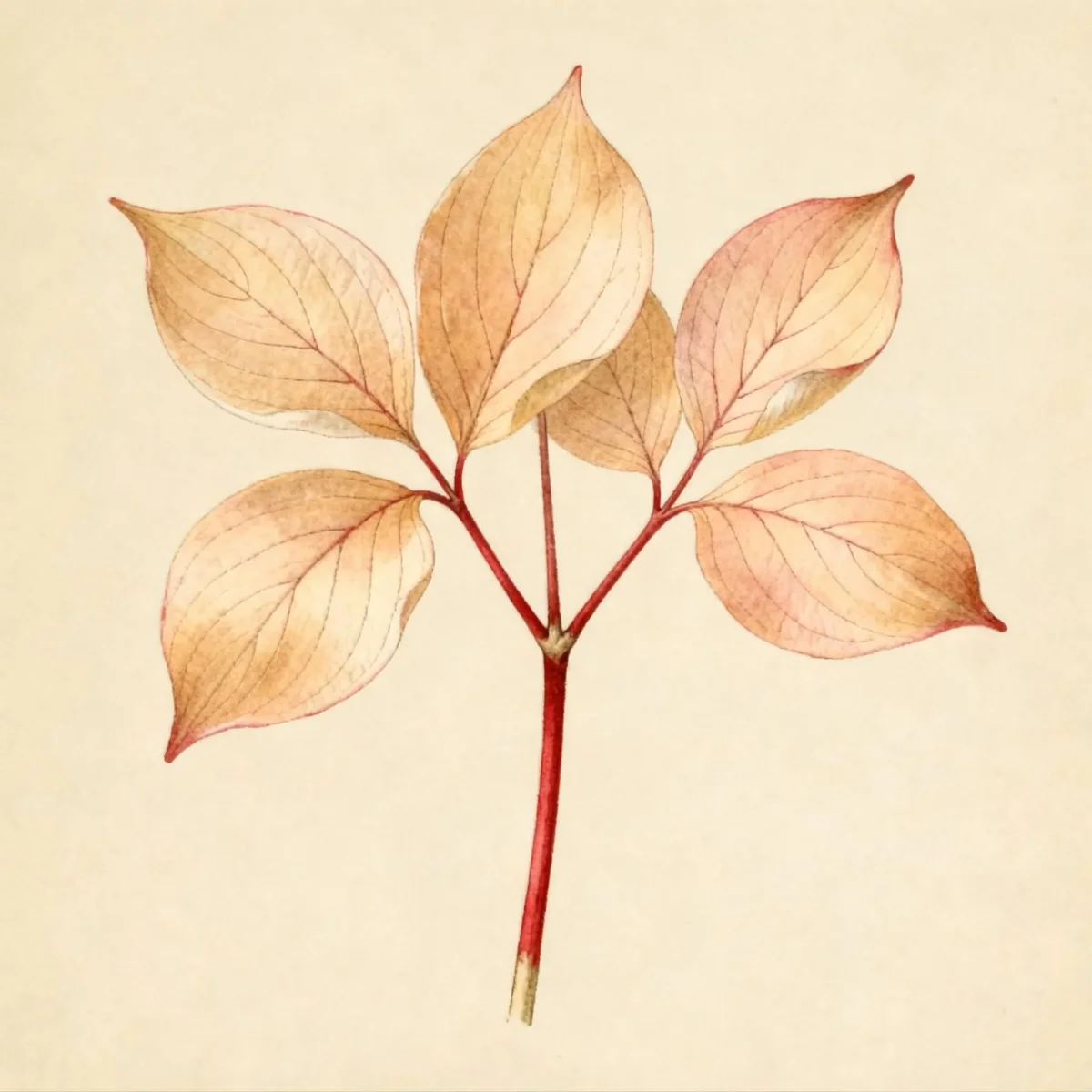
The outstanding ornamental feature of Cornus sericea ‘Allemans’ is its bright red winter stems, which contrast beautifully against snow, making it a valuable four-season plant. This compact cultivar of Red osier dogwood typically grows to 5 feet, maintaining the upright-spreading, suckering habit characteristic of the species. Foliage transitions through interesting shades of red and orange in the fall before the brilliant stems emerge.
Tolerances
- Deer
- Erosion
- Clay Soil
- Wet Soil
Potential Problems
The chief concerns for Red twig dogwood involve fungal diseases, particularly when the plant is stressed by environmental factors. It is susceptible to leaf and twig blights, various leaf spots, and canker, especially in regions with hot, humid summers outside optimal zones. Occasionally, insect pests such as scale, leaf miners, and bagworms may appear. To minimize disease risk, ensure good air circulation through proper pruning for renewal and site the plant where it receives adequate moisture without becoming waterlogged—avoiding overly wet conditions during extreme heat is key to preventing canker.
Frequently Asked Questions
What hardiness zones is Cornus sericea ‘Allemans’ suitable for?
This robust cultivar is suited for USDA Zones 3 through 8, offering great reliability across a wide climatic range.
When does Red twig dogwood bloom?
The flowers appear in May to June, presenting as small, white clusters, and are sometimes followed by sparse, intermittent flowering continuing into the summer.
How large does Cornus sericea ‘Allemans’ grow?
This is a compact selection, typically maxing out at 4 to 5 feet in height and spreading to a similar width of 4 to 5 feet.
What sun exposure does Red twig dogwood need?
For best performance and the most intense red stem color, Cornus sericea ‘Allemans’ should be situated where it receives full sun to part shade.
Conclusion
Cornus sericea ‘Allemans’ offers exceptional year-round value, shifting from attractive summer foliage to brilliant red twigs in winter, securing its place as a landscape staple. By adhering to the pruning schedule necessary to promote new wood, your Red twig dogwood will maintain its colorful display. Before planting, confirm your landscape can provide the consistently moist, fertile soil conditions this cultivar prefers, particularly checking that your growing area falls within Zones 3-8.
Companion Planting
Due to its requirement for consistent moisture and tolerance for wet feet, Cornus sericea ‘Allemans’ pairs naturally with other moisture-loving shrubs and perennials. Excellent companions include native irises (Iris versicolor), astilbes (where light levels permit), and various swamp-loving grasses that benefit from similar soil conditions. Planting near dark green evergreens provides the best backdrop to highlight the shrub’s deciduous stems in winter.
Wildlife Benefits
The fruit produced by this species of dogwood is an important food source for many songbirds during the late summer and early fall migration periods. While the flowers are small, they are fragrant and attract various small beneficial insects early in the season. Furthermore, the dense, suckering nature of Red twig dogwood, when allowed to form thickets, provides excellent protective cover and nesting sites for ground-dwelling and low-nesting birds throughout the year.