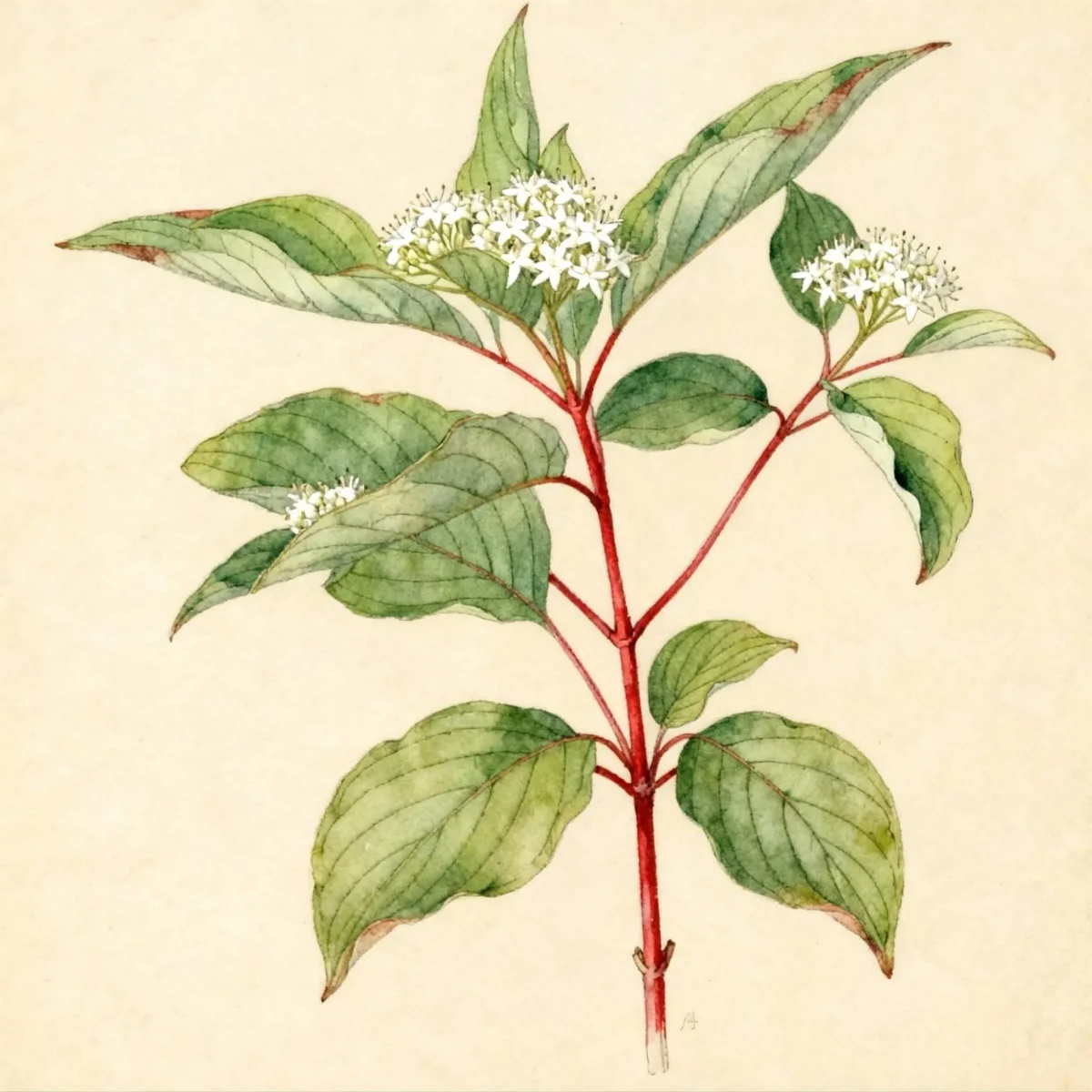
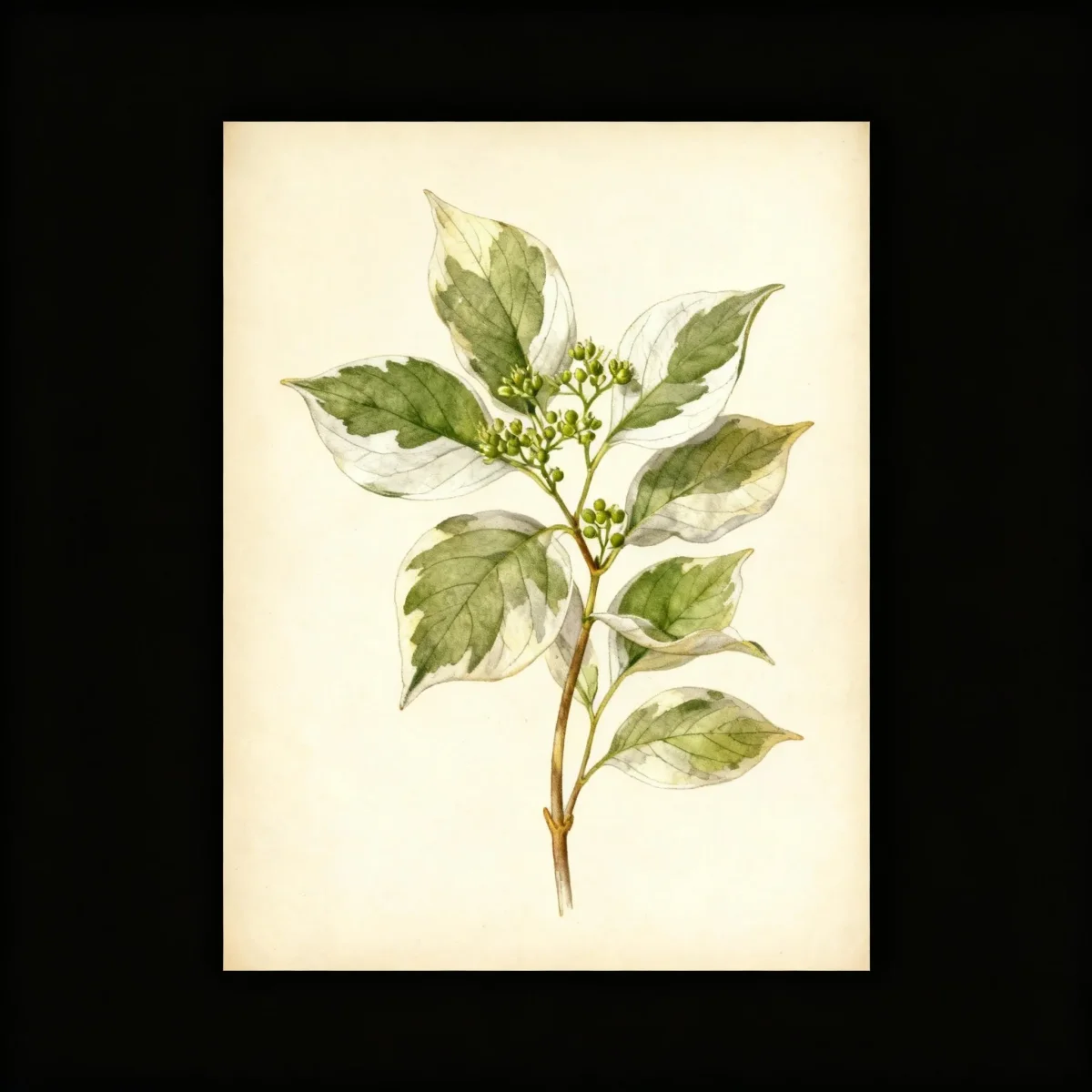
Red twig dogwood (Cornus sericea 'Baileyi')
Cornus sericea 'Baileyi', the dazzling Red twig dogwood, offers brilliant red winter stems, maturing 6-10 ft tall in zones 3-8.
Scroll down to discover growing tips, care requirements, companion plants, and more
Complete Plant Information
Overview
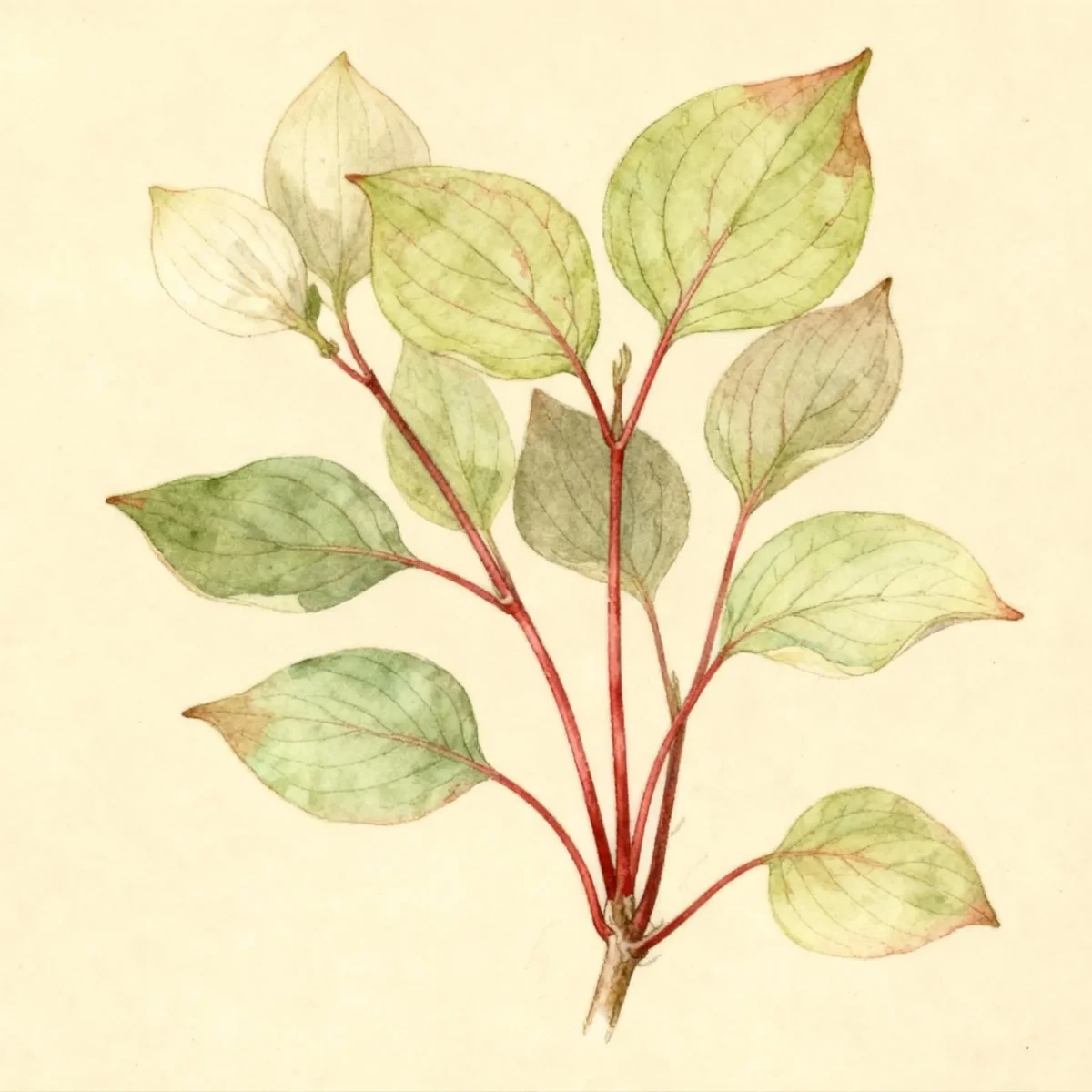
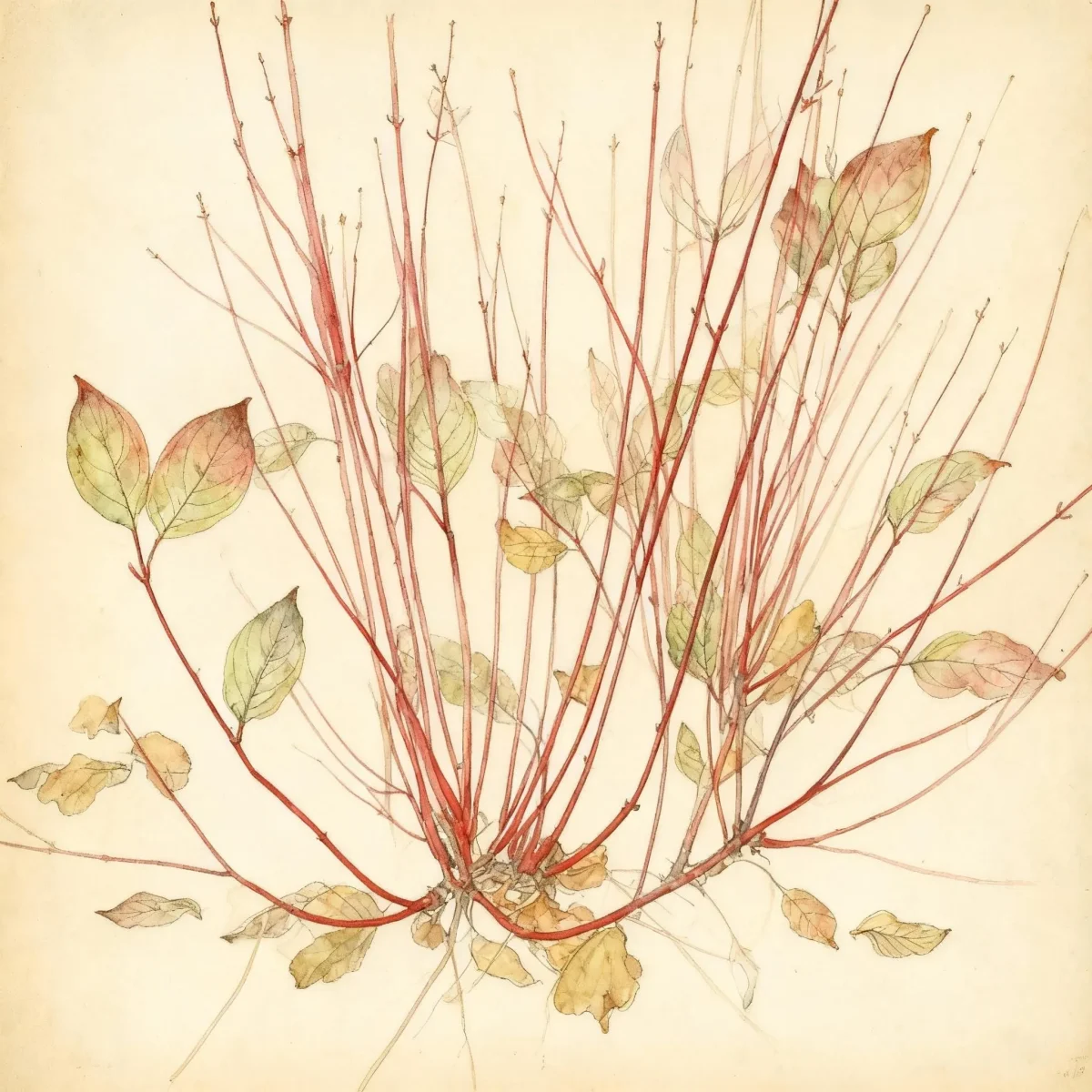
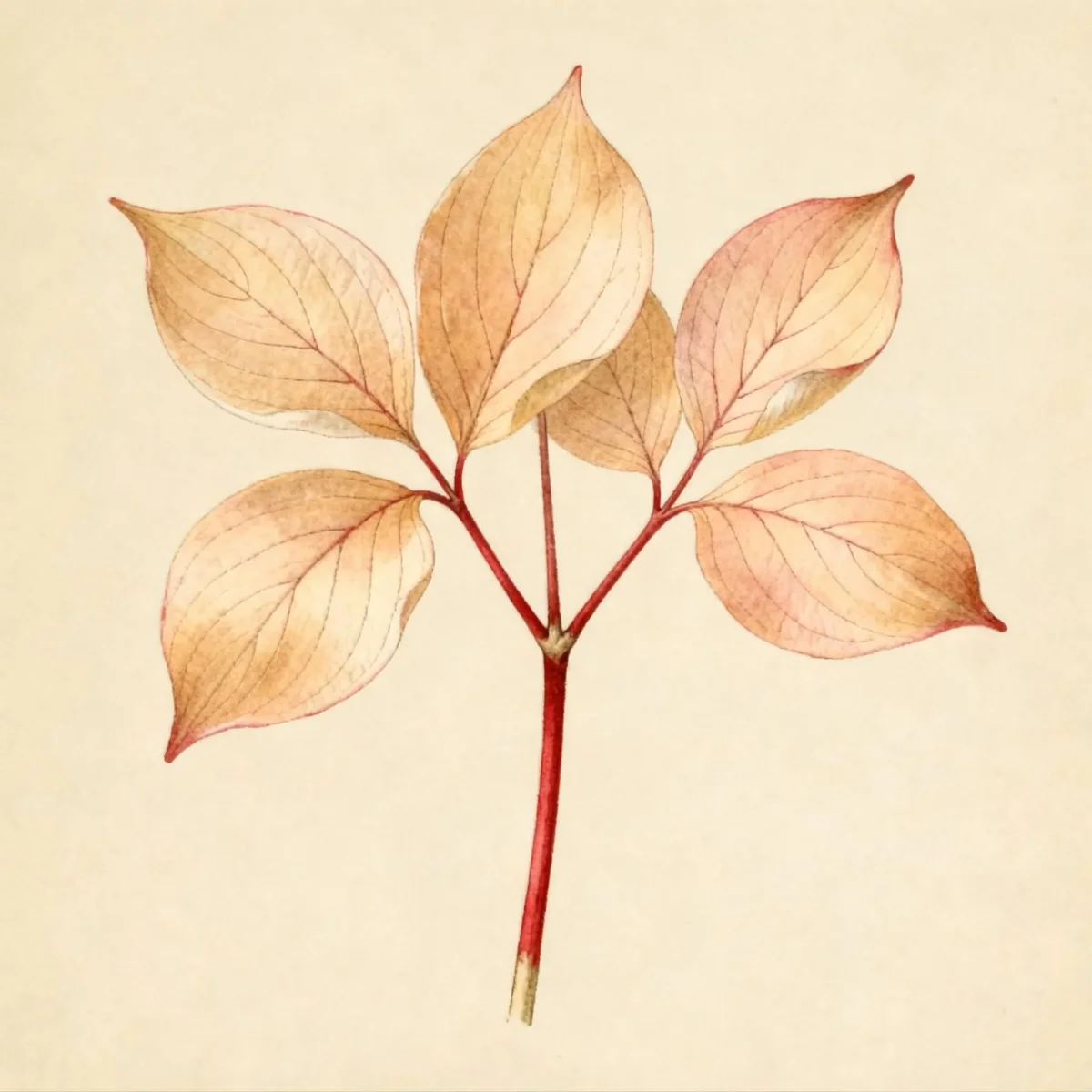
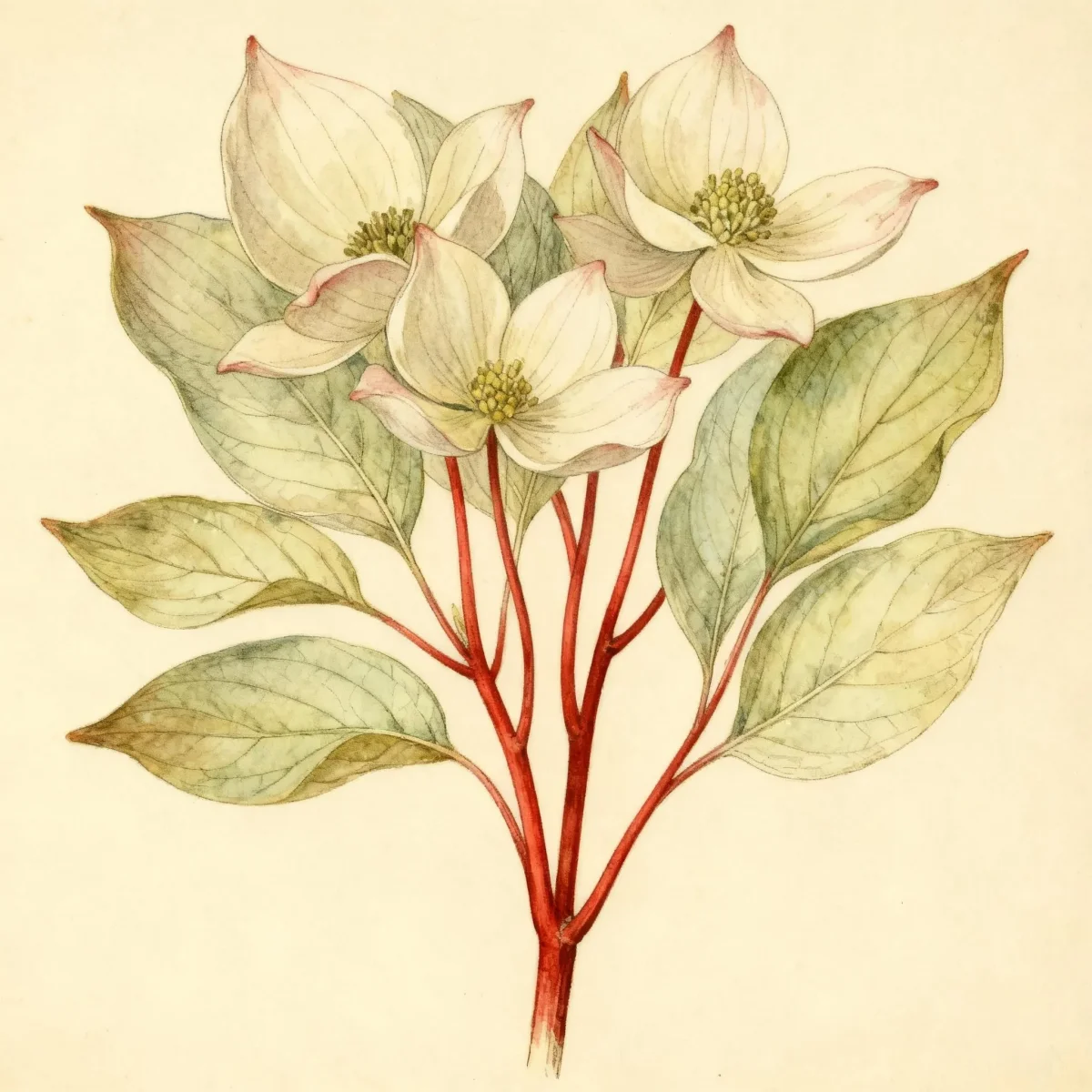
Cornus sericea ‘Baileyi’, commonly known as Red twig dogwood, is a horticultural standout, prized primarily for its incredibly vibrant, bright red winter stems that provide essential structure and color when the rest of the landscape is muted. This rapid-growing, multi-stemmed deciduous shrub offers year-round interest, beginning with spring flowers and ending with spectacular fall foliage before the colorful winter display emerges. This cultivar is slightly more compact than the species, generally reaching heights between 6 to 10 feet.
While technically a shrub, Cornus sericea ‘Baileyi’ thrives in consistently moist to wet soil conditions, making it invaluable for challenging landscape areas near water features or in low spots. It forms a loose, rounded habit that provides excellent screening and texture, especially when massed. The dense root structure also offers practical benefits by stabilizing banks and controlling erosion in wet environments.
The value of Red twig dogwood extends to wildlife; its dense branching offers cover, and its summer fruit attracts numerous bird species. Gardeners should focus on cultural practices that encourage new, colorful growth, as the brightest hues appear only on young wood. Planting Cornus sericea ‘Baileyi’ ensures dynamic, four-season interest with minimal upkeep, provided its moisture needs are met.
Fast Facts
- Plant Family: Cornaceae
- Plant Type: Deciduous shrub
- Hardiness Zones: USDA Zones 3-8
- Size at Maturity:
- Height: 6-10 ft
- Spread: 6-10 ft
- Bloom Time: May to June
- Bloom Description: White
- Sun Exposure: Full sun to part shade
- Water Needs: Medium to wet
- Maintenance Level: Medium
How to Grow
For optimal establishment, plant Cornus sericea ‘Baileyi’ in spring or fall when soil temperature fluctuations are minimal. It requires organically rich, fertile soil that remains consistently moist. While exceptionally tolerant of various soil types, including poor clay and swampy ground, excellent drainage coupled with consistent moisture is ideal. It performs best when sited in full sun to achieve the most intense stem color, though it tolerates part shade.
Watering needs are medium to wet; this shrub prefers to have its roots near water, thriving in boggy conditions where other plants might fail. Fertilization is rarely necessary if planted in fertile soil. The most critical aspect of care involves pruning to maintain the brilliant red color characteristic of the Red twig dogwood.
Stem color fades as wood ages, so renewal pruning is recommended. Gardeners should aim to remove 20-25% of the oldest, thickest stems each early spring to encourage vigorous new growth for the following winter. Alternatively, heavier rejuvenation pruning, cutting all stems down to 8 inches (coppicing), can be performed every two to three years in early spring. Be mindful that heavy pruning may eliminate the light spring flowers. In hot, humid climates south of Zone 7, the plant requires careful monitoring, as stress can increase susceptibility to canker.
Landscape Uses
Cornus sericea ‘Baileyi’ excels when used formally or naturally to provide dramatic winter contrast. Its upright-spreading habit makes it highly effective when massed near evergreen plantings, allowing the brilliant red stems of the Red twig dogwood to truly pop against dark green foliage. They function excellently as a substantial hedge or property line screen where height and density are desired.
Due to the specific water requirements of Cornus sericea ‘Baileyi’, it is a superb choice for bio-retention areas, rain gardens, or along stream banks and ponds. In these naturally moist locations, the spreading roots provide essential erosion control benefits. Allow the shrub space to spread in naturalistic plantings to form dense, protective thickets.
When designing borders, combine these dogwoods with early spring bulbs and late-blooming perennials. The summer fruit serves as an excellent wildlife attraction. For a stunning, low-maintenance display that lasts all year, massing several specimens of Red twig dogwood creates continuous visual impact.
Standout Features
Flower Qualities
- Showy
Fruit Qualities
- Showy
Noteworthy Characteristics
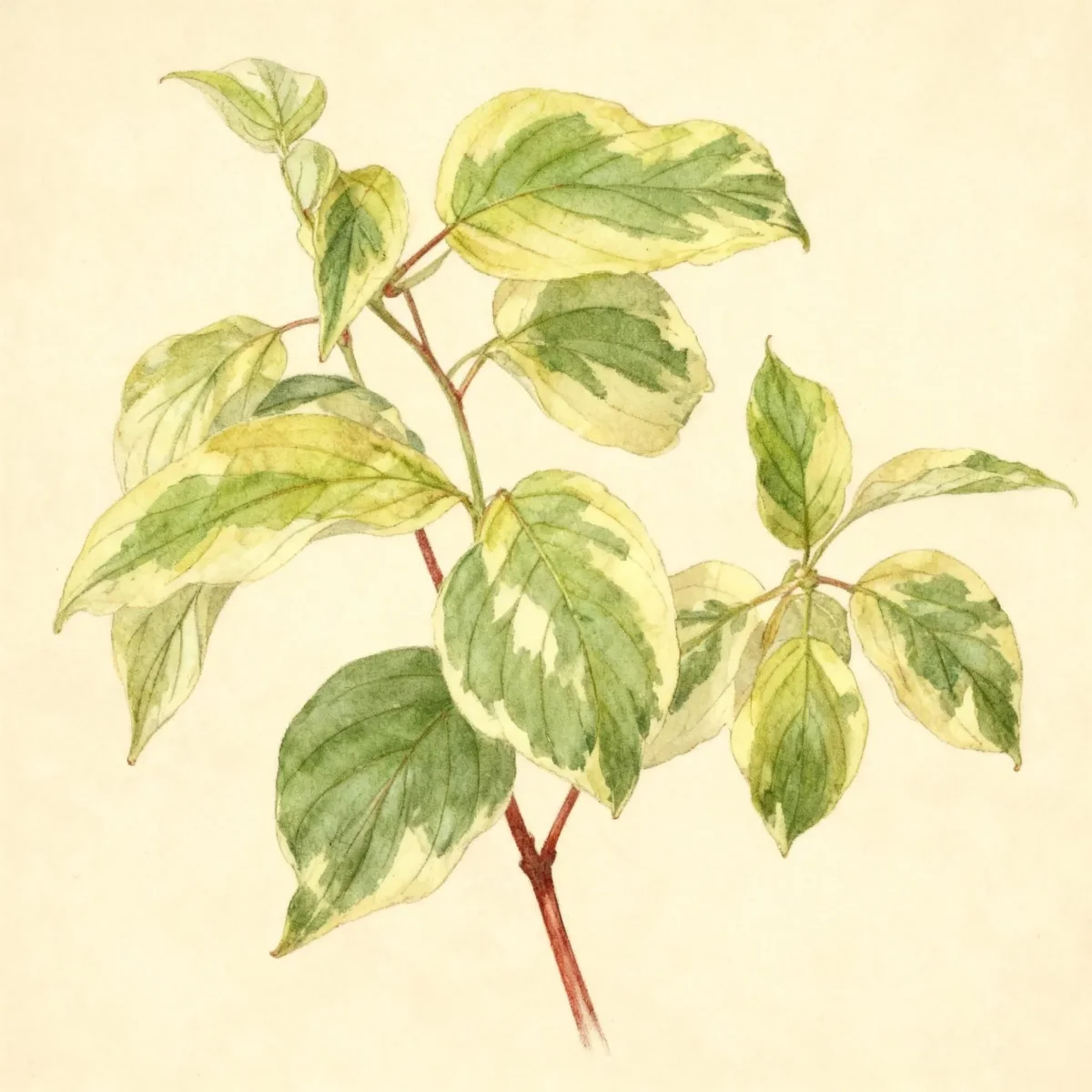
Cornus sericea ‘Baileyi’ is a remarkable cultivar noted for its outstanding bright red winter stems, providing superb visual interest against snow or evergreen foundations. While its summer foliage is deep green, eventually turning muted purple, the plant’s multi-stem structure and ability to thrive in wet soils make it a utilitarian choice for landscape restoration and moisture management. This particular cultivar generally lacks the aggressive stoloniferous spreading habit seen in the wild species, maintaining a cleaner, rounded form ideal for managed gardens.
Tolerances
- Deer
- Erosion
- Clay Soil
- Wet Soil
Potential Problems
Cornus sericea ‘Baileyi’ can be susceptible to several fungal issues, including leaf spots, various twig blights, and canker, especially when stressed by heat or humidity, particularly south of USDA Zone 7. Good air circulation, achieved through appropriate spacing and strategic annual pruning, is a key preventative measure. Occasionally, insect pests such as scale, leaf miners, and bagworms may also appear. Inspect foliage regularly during the growing season and treat scale and miners with dormant oil or targeted insecticides as necessary.
Frequently Asked Questions
What hardiness zones is Red twig dogwood suitable for?
Cornus sericea ‘Baileyi’ is reliably hardy across USDA Zones 3 through 8, making it a very durable choice for many climates.
How large does Red twig dogwood grow?
This deciduous shrub typically reaches a mature height between 6 to 10 feet, with a similar spread ranging from 6 to 10 feet wide.
When does Red twig dogwood bloom?
The blooming period for Cornus sericea ‘Baileyi’ occurs from May into June, producing small, fragrant white flowers.
What sun exposure does Red twig dogwood need?
This plant prefers full sun to achieve the best stem coloration, but it can tolerate partial shade conditions.
Conclusion
The Red twig dogwood, Cornus sericea ‘Baileyi’, is an indispensable shrub, offering essential structure and unparalleled winter color that few other plants can match. Its tolerance for wet soil, coupled with its ability to serve as an erosion controller, adds significant functional value to the landscape. Before planting, assess your location to ensure medium to wet soil conditions are available for this stunning Red twig dogwood, and plan for light annual pruning to maximize its ornamental display.
Companion Planting
When designing areas for Cornus sericea ‘Baileyi’, consider pairing it with plants that either contrast its winter color or have similar moisture requirements. Plants that flower later in the season, such as certain native asters or Joe Pye weed, complement the early bloom time of the dogwood. For stunning year-round contrast, position the Red twig dogwood near evergreen shrubs like Boxwood or upright Yews, allowing the bright red stems to brilliantly stand out against deep green, particularly in January and February.
Wildlife Benefits
The summertime reproductive cycle of Cornus sericea ‘Baileyi’ offers significant benefits for local fauna. The small, white flowers, while not dramatically showy, produce clusters of whitish drupes (fruit) that are highly attractive to various bird species. By providing cover in their dense branching structure, especially during nesting or harsh weather, this shrub supports local ecosystems. Planting the Red twig dogwood is an excellent way to integrate functional beauty with tangible support for native bird populations.