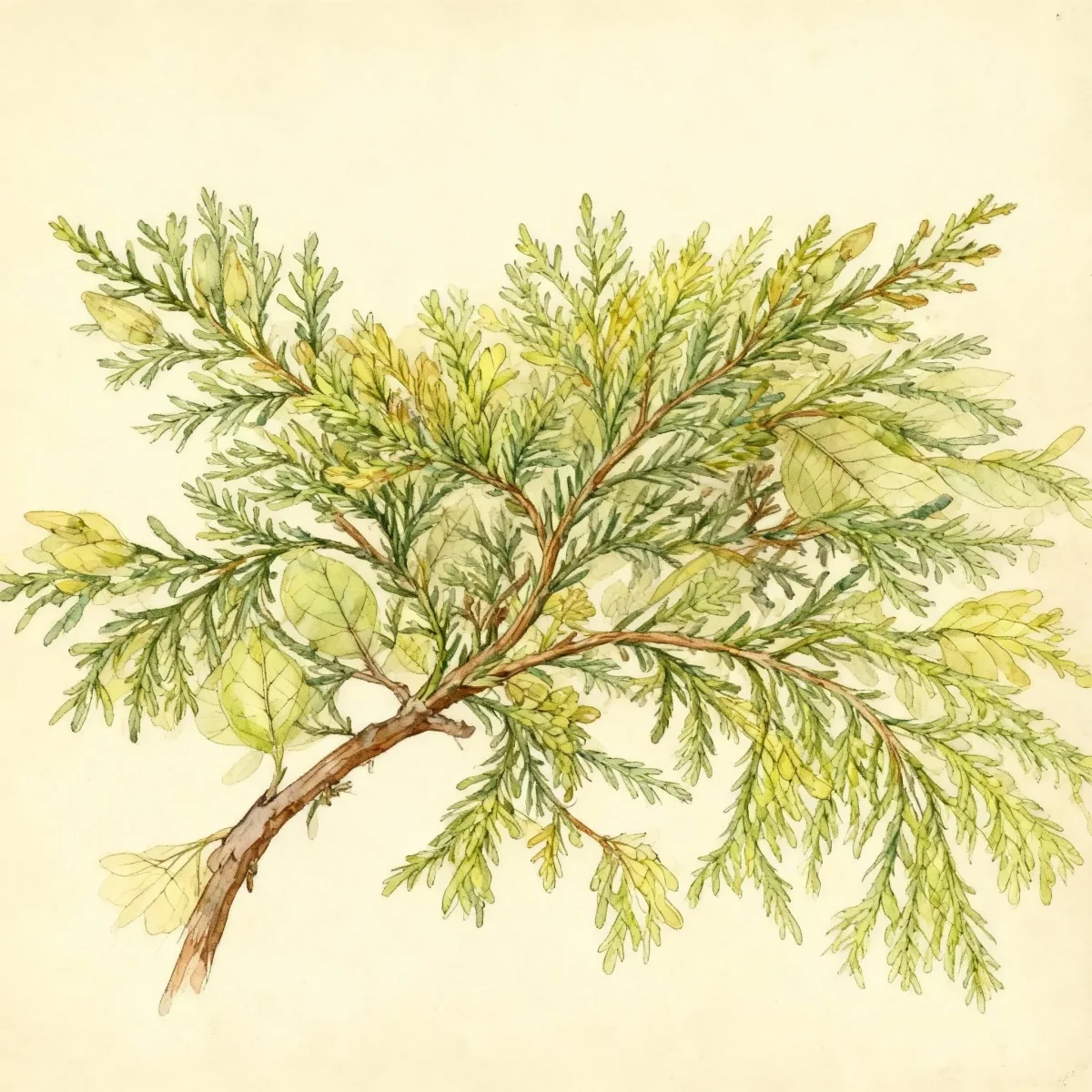
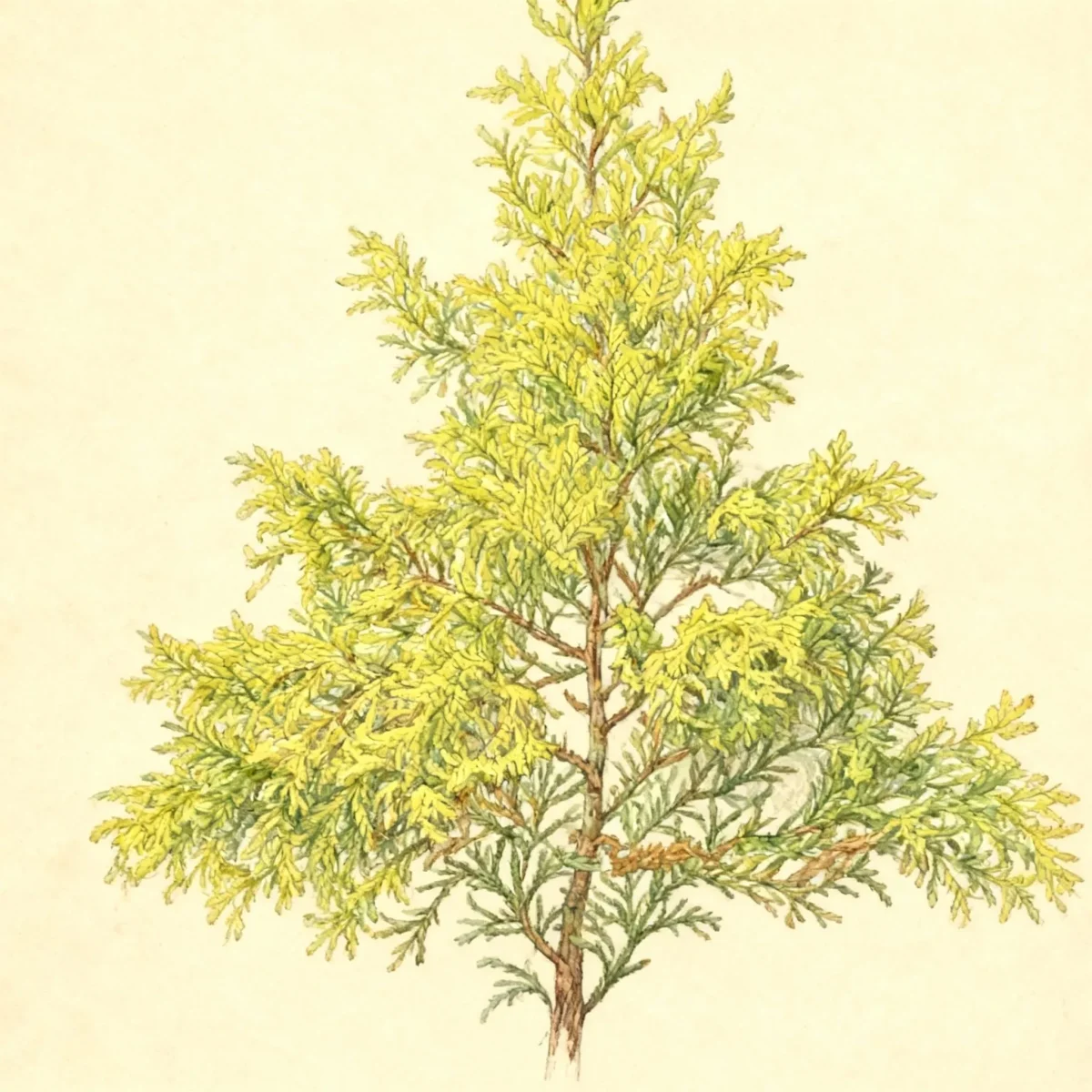
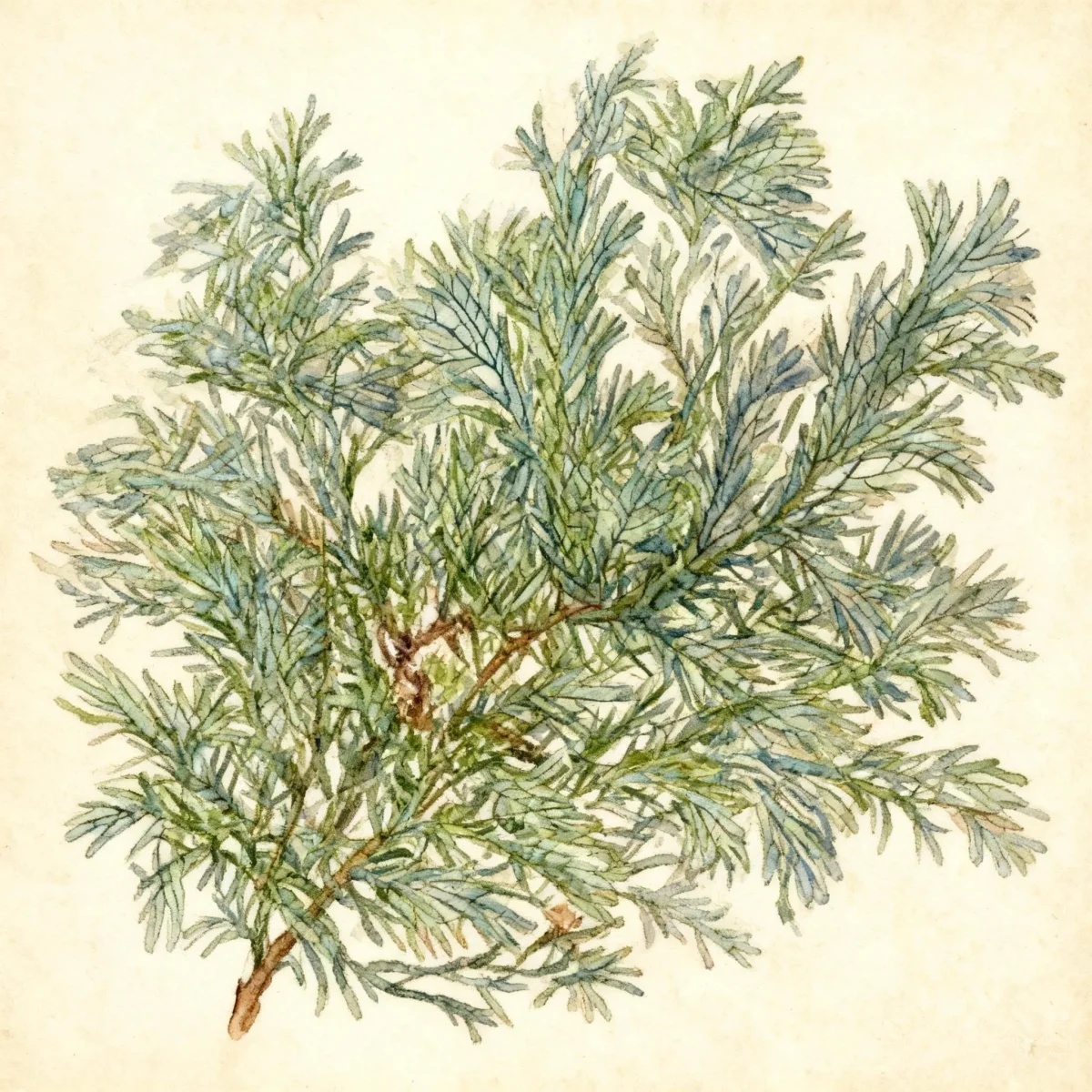
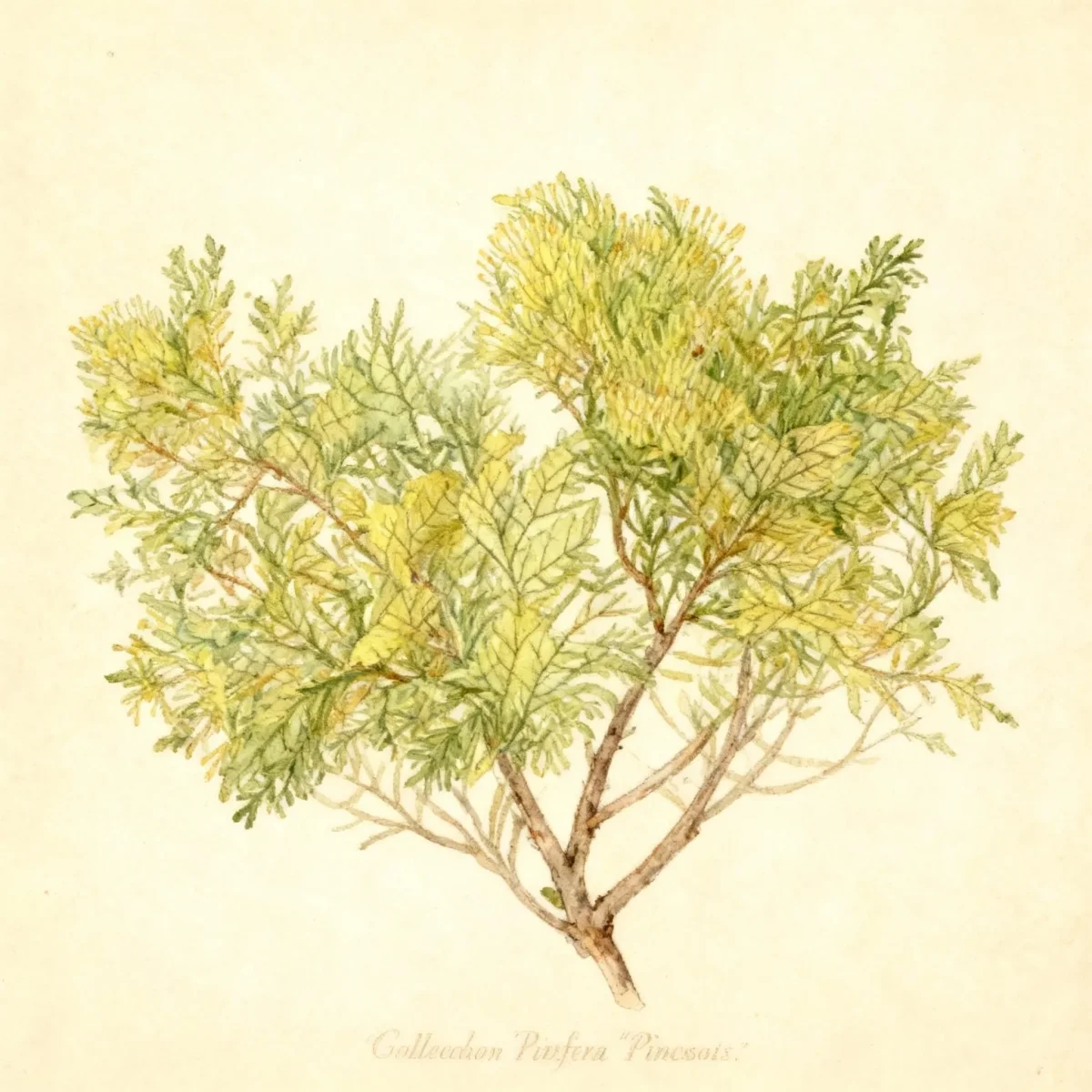
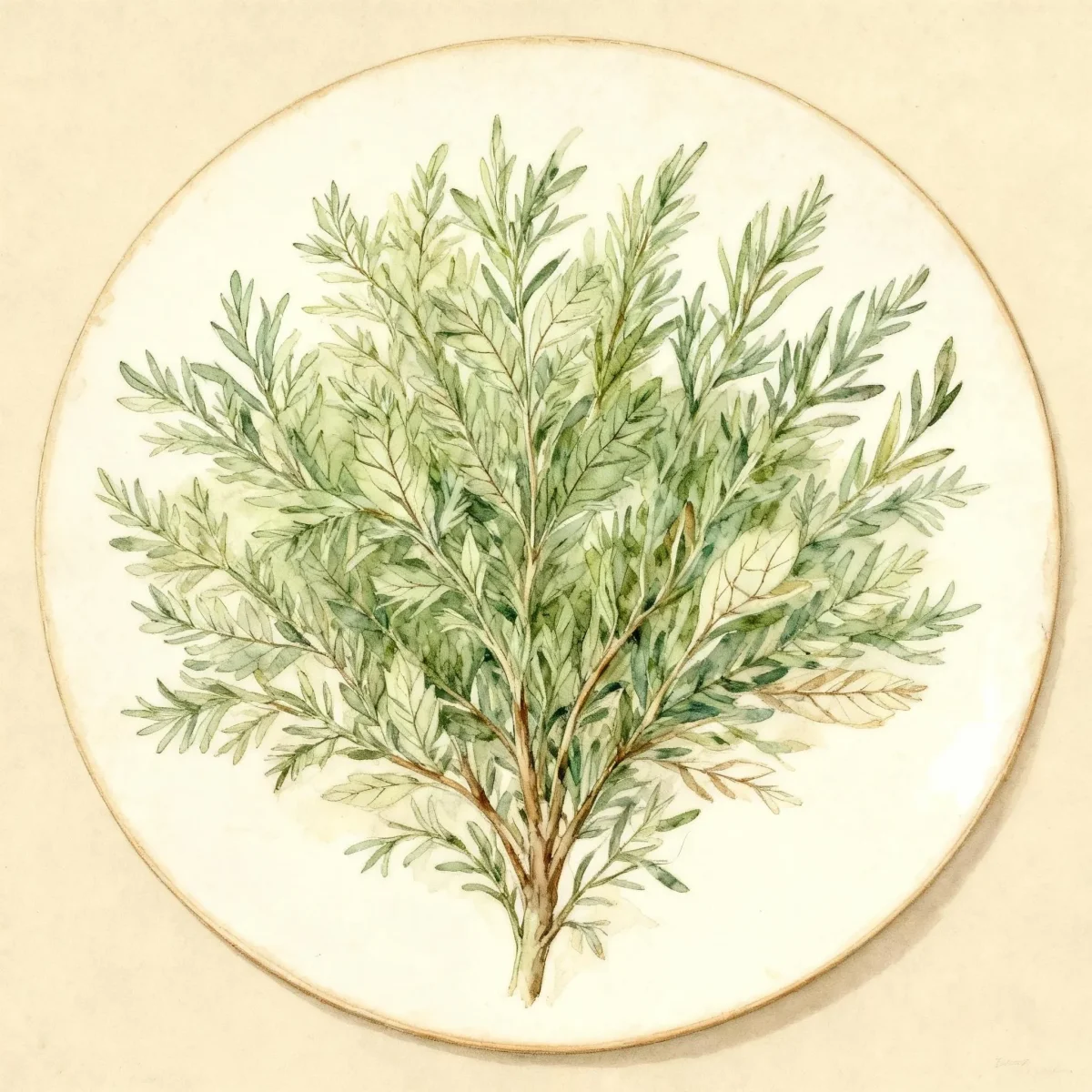
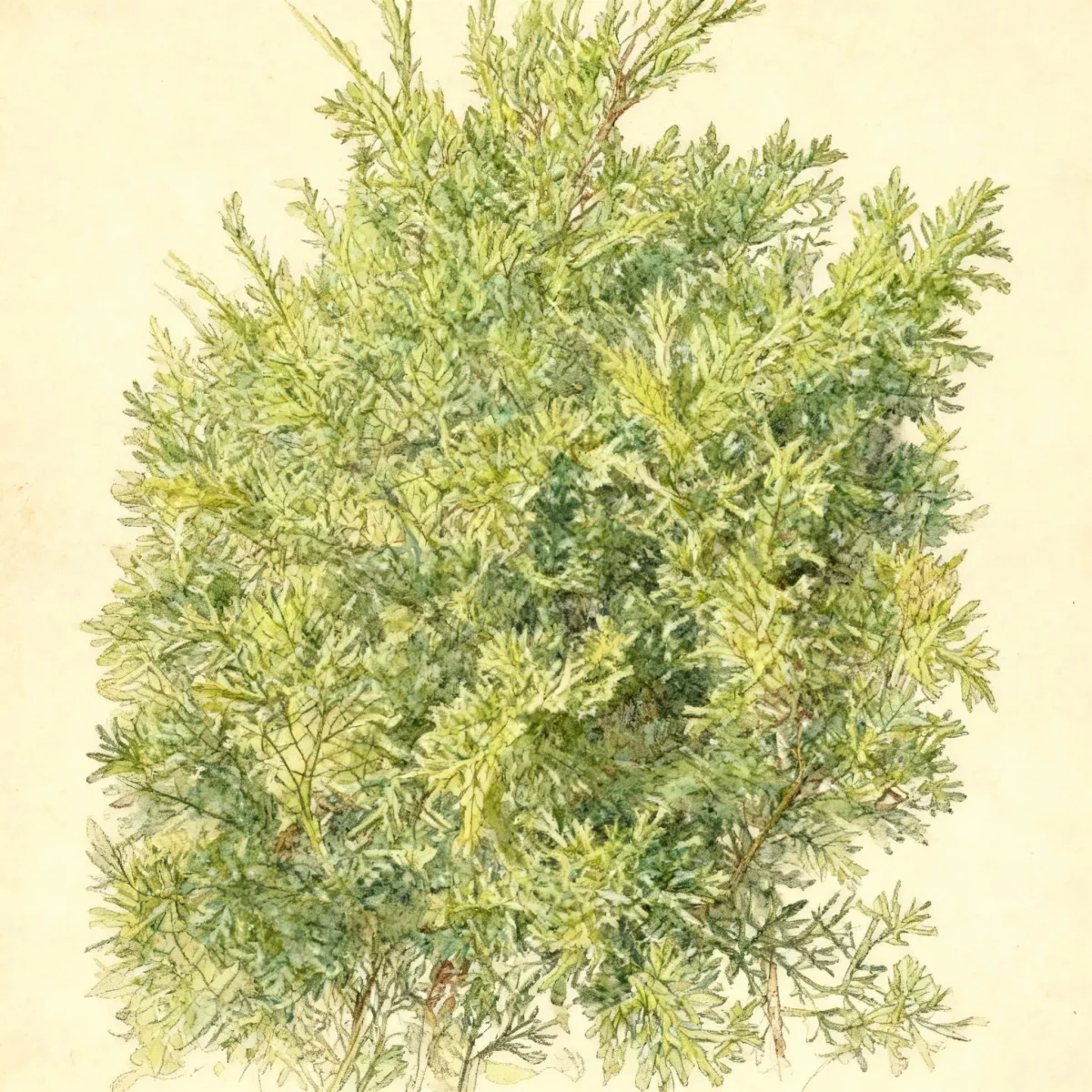
Japanese falsecypress (Chamaecyparis pisifera 'Filifera')
The Chamaecyparis pisifera 'Filifera', or Japanese falsecypress, offers fine-textured, weeping foliage ideal for foundation plantings. This low-maintenance conifer thrives in zones 4-8.
Scroll down to discover growing tips, care requirements, companion plants, and more
Complete Plant Information
Overview
The Chamaecyparis pisifera ‘Filifera’, commonly known as Japanese falsecypress, is a highly textural, dense, semi-dwarf evergreen celebrated for its unique, drooping, thread-like foliage. This cultivar offers year-round color and structure, often acquiring appealing yellow tones during the winter months. Gardeners value the ‘Filifera’ form for its manageable size, typically reaching only 6 to 8 feet tall within 15 years, making it an excellent choice for defined spaces.
As a slow-growing conifer, the Japanese falsecypress requires minimal intervention once established, fitting well into low-maintenance landscaping plans. Its fine texture contrasts beautifully with broadleaf evergreens or deciduous shrubs, adding significant visual depth to the garden year-round. It provides consistent pyramidal form and character, making the Chamaecyparis pisifera ‘Filifera’ a reliable structural performer.
Native to the Japanese islands, this species translates well into many temperate gardens, provided its moderate water and soil needs are met. It is highly adaptable to both full sun and part shade conditions, though it benefits from shelter against harsh, strong winds.
Fast Facts
- Plant Family: Cupressaceae
- Plant Type: Needled evergreen
- Hardiness Zones: USDA Zones 4-8
- Size at Maturity:
- Height: 6-8 ft
- Spread: 6-8 ft
- Bloom Time: Non-flowering
- Sun Exposure: Full sun to part shade
- Water Needs: Medium
- Maintenance Level: Low
How to Grow
The best time for planting Chamaecyparis pisifera ‘Filifera’ is typically in the spring or fall when temperatures are mild, allowing the roots to establish before summer heat or winter frost. Plant it in average, medium-moisture, well-drained soils. While it tolerates full sun, this Japanese falsecypress performs best when situated where it receives afternoon shade, especially in hotter climates.
Maintain medium soil moisture, ensuring the soil remains consistently moist but never waterlogged. Avoid wet, poorly-drained areas, as this can lead to root rot. While fertile soils are preferred, routine fertilization is generally unnecessary; focus instead on applying a layer of organic mulch to retain moisture and regulate soil temperature.
Pruning for this cultivar is rarely needed due to its naturally pleasing, dense, semi-dwarf habit. If shaping is required, perform light pruning in early spring before the most active growth begins. Importantly, always shelter established plants from strong, drying winds to prevent foliage scorch and maintain the integrity of the thread-like branches.
Landscape Uses
The fine texture of the threadleaf false cypress makes it invaluable for creating layered plantings. Large cultivars of the species are traditionally used as substantial lawn specimens or for creating dense, effective privacy screens and shrub borders. However, the smaller stature of the ‘Filifera’ selection lends itself perfectly to foundation plantings where height control is crucial.
Dwarf or compact selections thrive in rock gardens, adding a soft, weeping element among sharper, more architectural stones. Consider pairing the medium to dark green foliage of Chamaecyparis pisifera ‘Filifera’ with plants offering contrasting shapes, such as rounded boxwood or upright junipers, to maximize visual interest. Its year-round color ensures structure even during the dormant winter season.
Standout Features
Noteworthy Characteristics
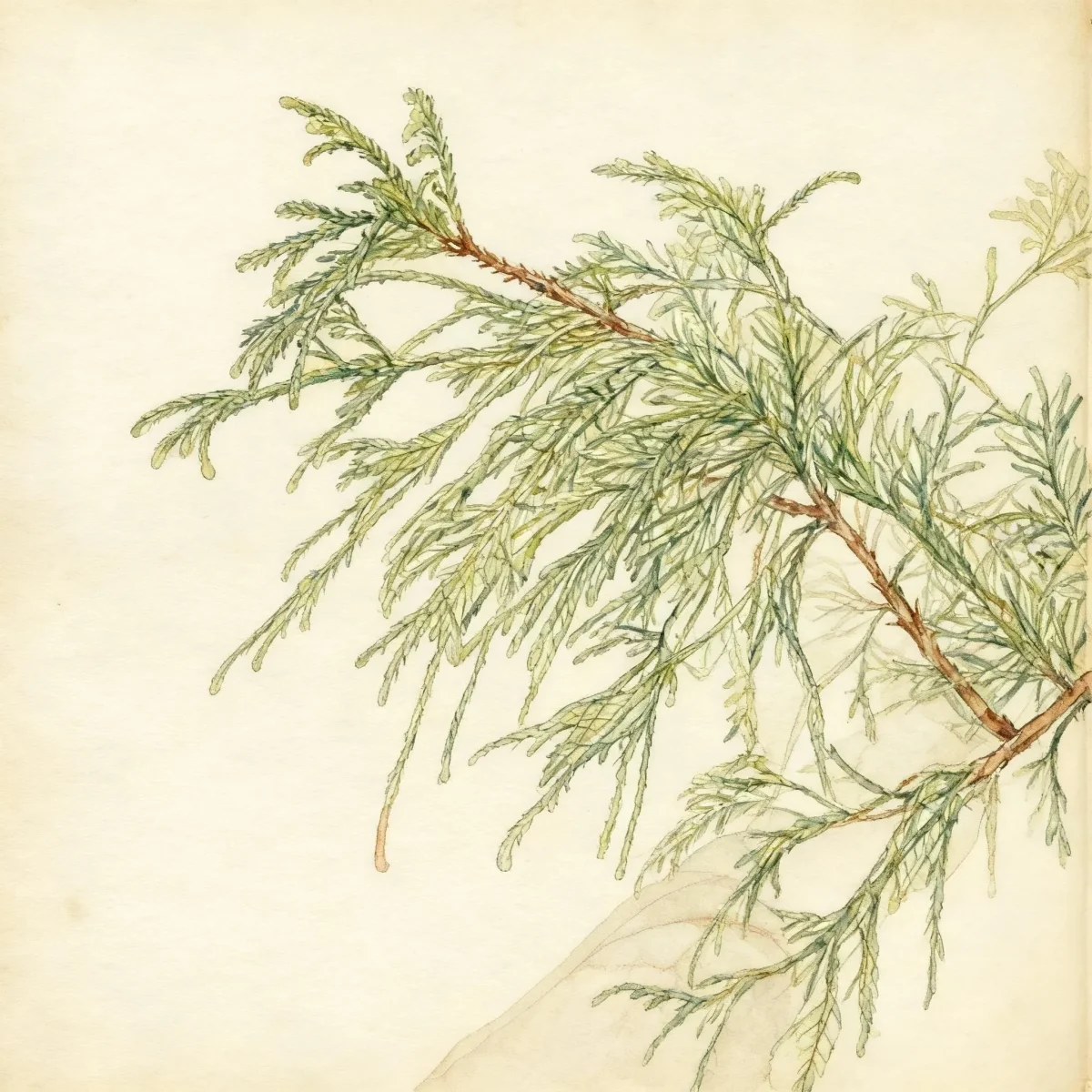
Chamaecyparis pisifera, commonly recognized as Sawara cypress, is generally a large, pyramidal evergreen, though cultivated varieties like ‘Filifera’ remain much smaller. This cultivar is specifically noted for its drooping, thread-like foliage, which gives it an exceptionally fine texture and dense, conical shape. Peeling, reddish-brown bark adds subtle interest to mature branches, complementing the medium to dark green needles that often take on winter color.
Tolerances
- Some susceptibility to juniper blight
- Root rot (in poorly drained soils)
- Certain insect pests such as bagworms
Potential Problems
The Japanese falsecypress generally exhibits low susceptibility to serious diseases or pests, but vigilance is necessary regarding soil conditions. The primary concern is root rot, which occurs if the soil drains poorly or remains waterlogged. Always ensure the planting site has excellent drainage to prevent this fatal condition.
Watch for cosmetic issues caused by pests like bagworms, which can defoliate branches if left unchecked. Furthermore, this plant has some susceptibility to juniper blight, especially when stressed or grown in overly humid conditions. Proper spacing and ensuring air circulation help mitigate fungal issues.
Frequently Asked Questions
What hardiness zones is Chamaecyparis pisifera ‘Filifera’ suitable for?
The Chamaecyparis pisifera ‘Filifera’ is hardy and reliably maintained in USDA Zones 4 through 8.
How large does Japanese falsecypress grow?
This slow-growing cultivar typically reaches 6 to 8 feet in height and spreads 6 to 8 feet, though under optimal conditions, it may eventually reach 15 feet.
What sun exposure does Chamaecyparis pisifera ‘Filifera’ need?
It performs well in full sun but appreciates and often looks best when positioned where it receives part shade, particularly protection from intense afternoon sun.
When does Japanese falsecypress bloom?
Chamaecyparis pisifera ‘Filifera’ is a needled evergreen and is considered non-flowering; it produces small cones on mature plants that are ornamentally insignificant.
Conclusion
The Chamaecyparis pisifera ‘Filifera’ provides superb architectural texture and reliable evergreen structure valued for its low maintenance. Its distinctive, weeping, thread-like foliage ensures it remains an eye-catching element year-round in foundation plantings or mixed borders. Before planting this Japanese falsecypress, confirm that your site offers well-drained soil and protection from the harshest winds to ensure long-term success.
Companion Planting
When designing a space around your Chamaecyparis pisifera ‘Filifera’, select plants that contrast in texture or color to highlight its fine needles. Consider pairing it with broadleaf evergreens like Boxwood (Buxus spp.) or other upright conifers with stiffer, flatter foliage, such as certain upright Junipers. Plants needing similar moisture levels, such as various Hydrangeas or textured ferns (if sited in shade), will also thrive nearby due to the medium water needs common to the group.
Design Ideas
Due to its dense, semi-dwarf habit, the ‘Filifera’ cultivar is excellent as a specimen plant near entryways where its weeping habit can be appreciated up close. In contemporary or Asian-inspired gardens, its soft texture juxtaposed against gravel or stone elements creates calming visual lines. For foundation plantings, space mature plants according to their 6-8 foot spread needs to avoid overcrowding, ensuring the reddish-brown, peeling bark of older stems remains visible.