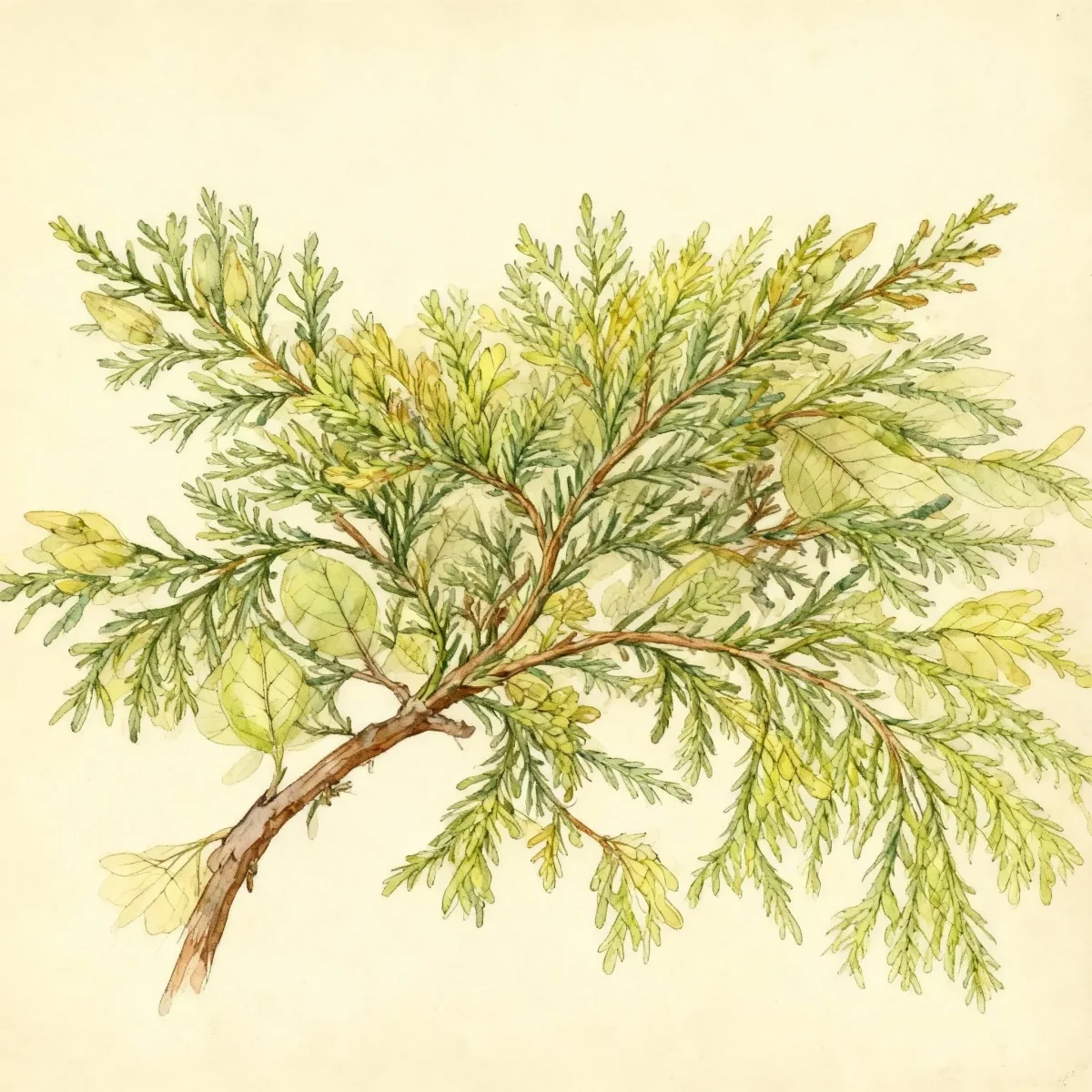
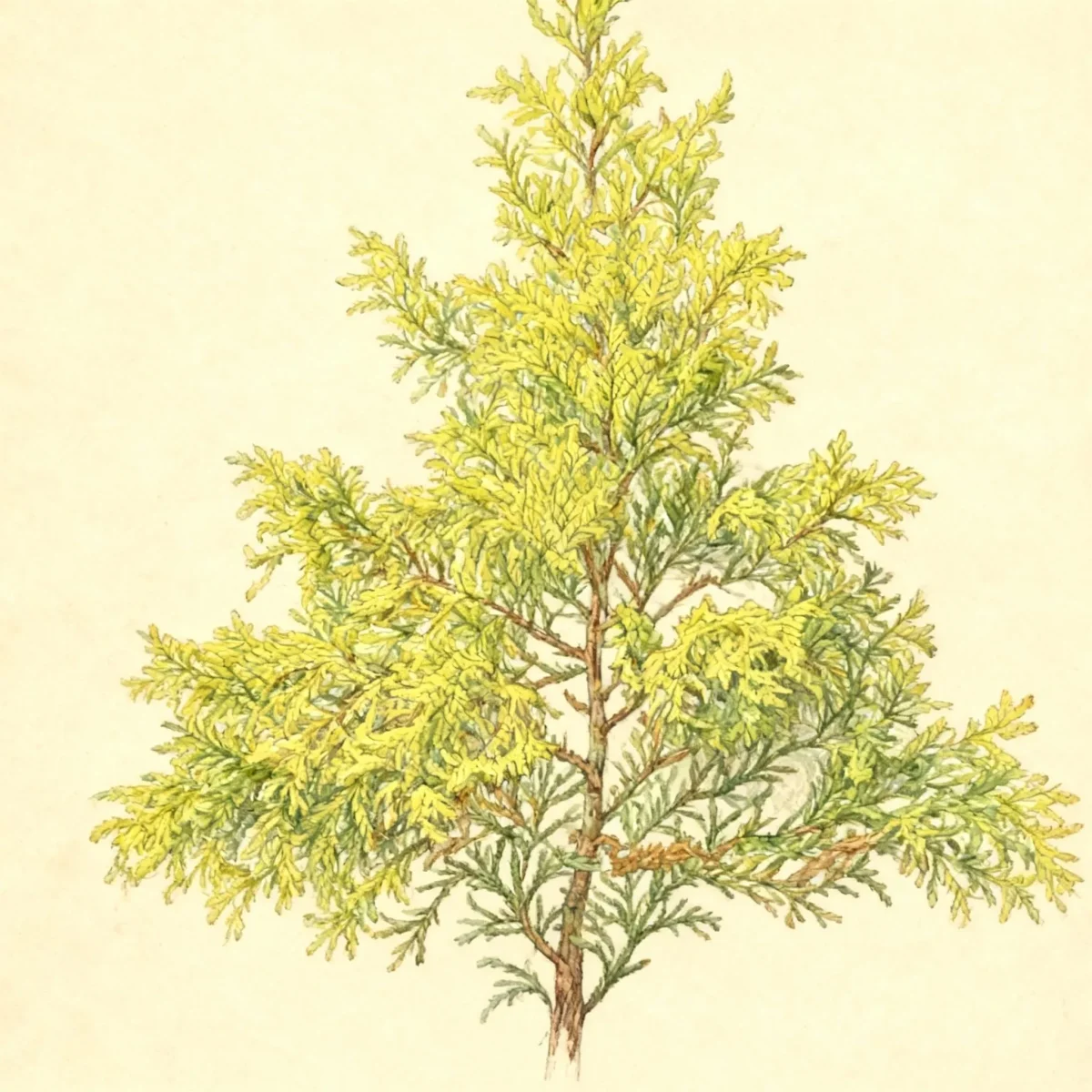
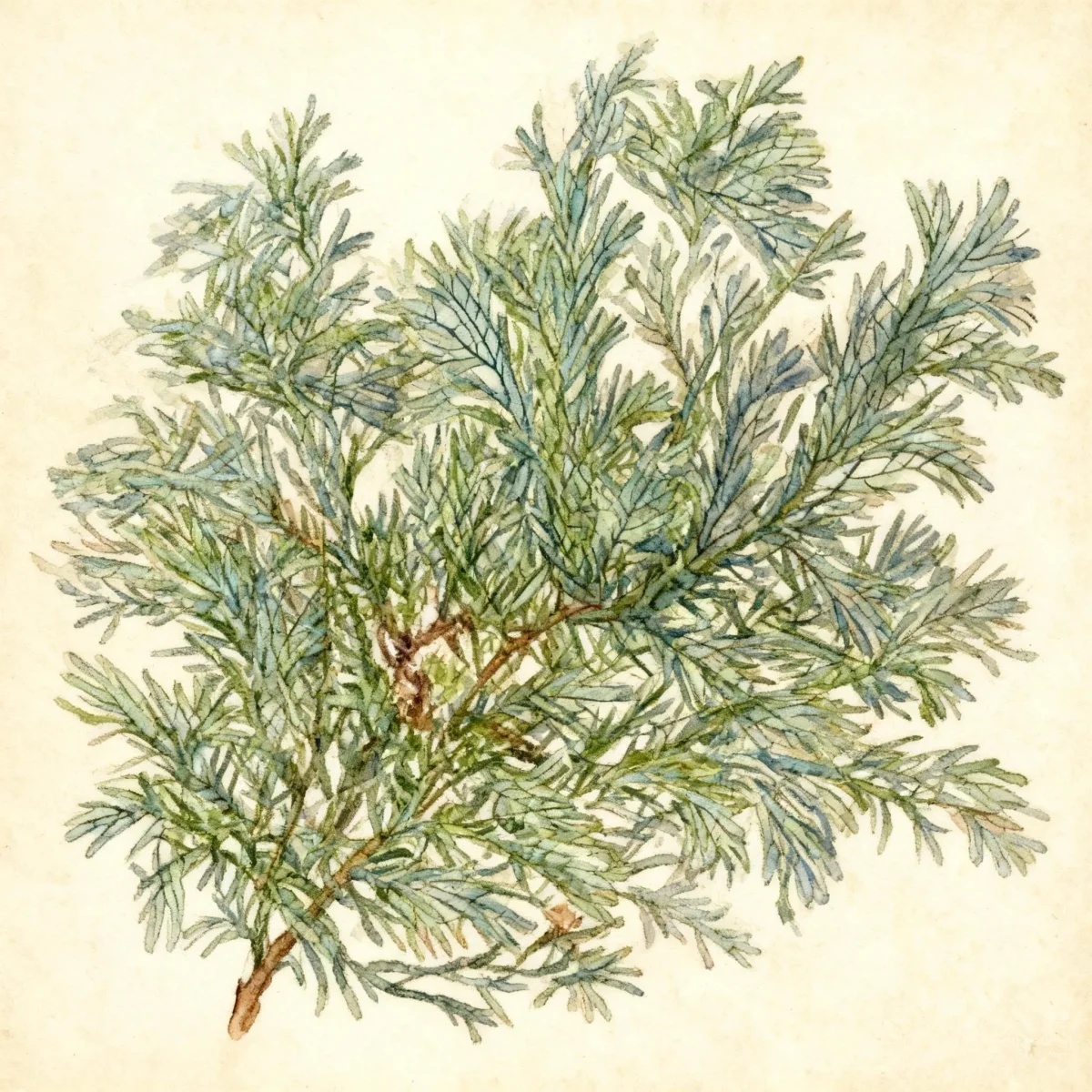
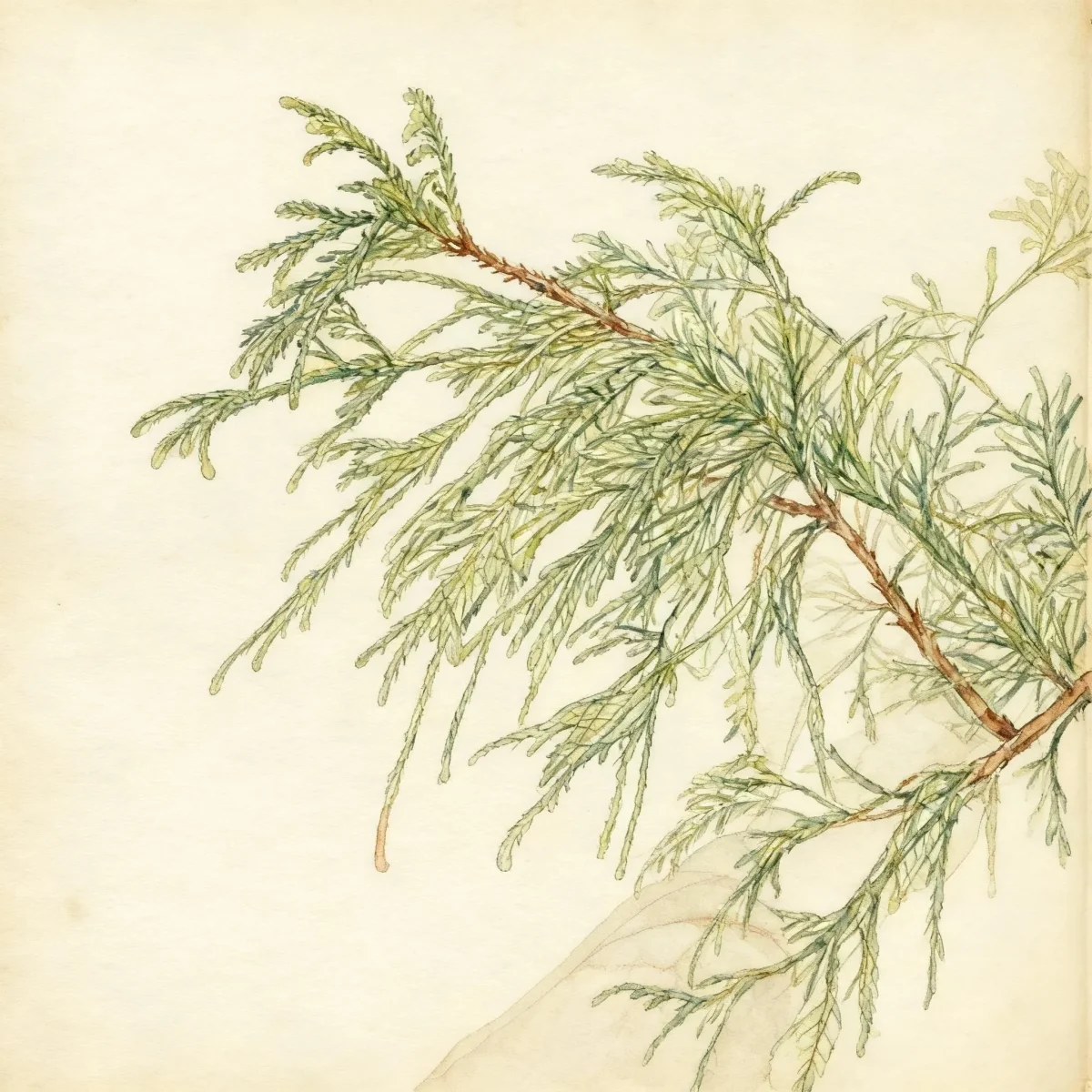
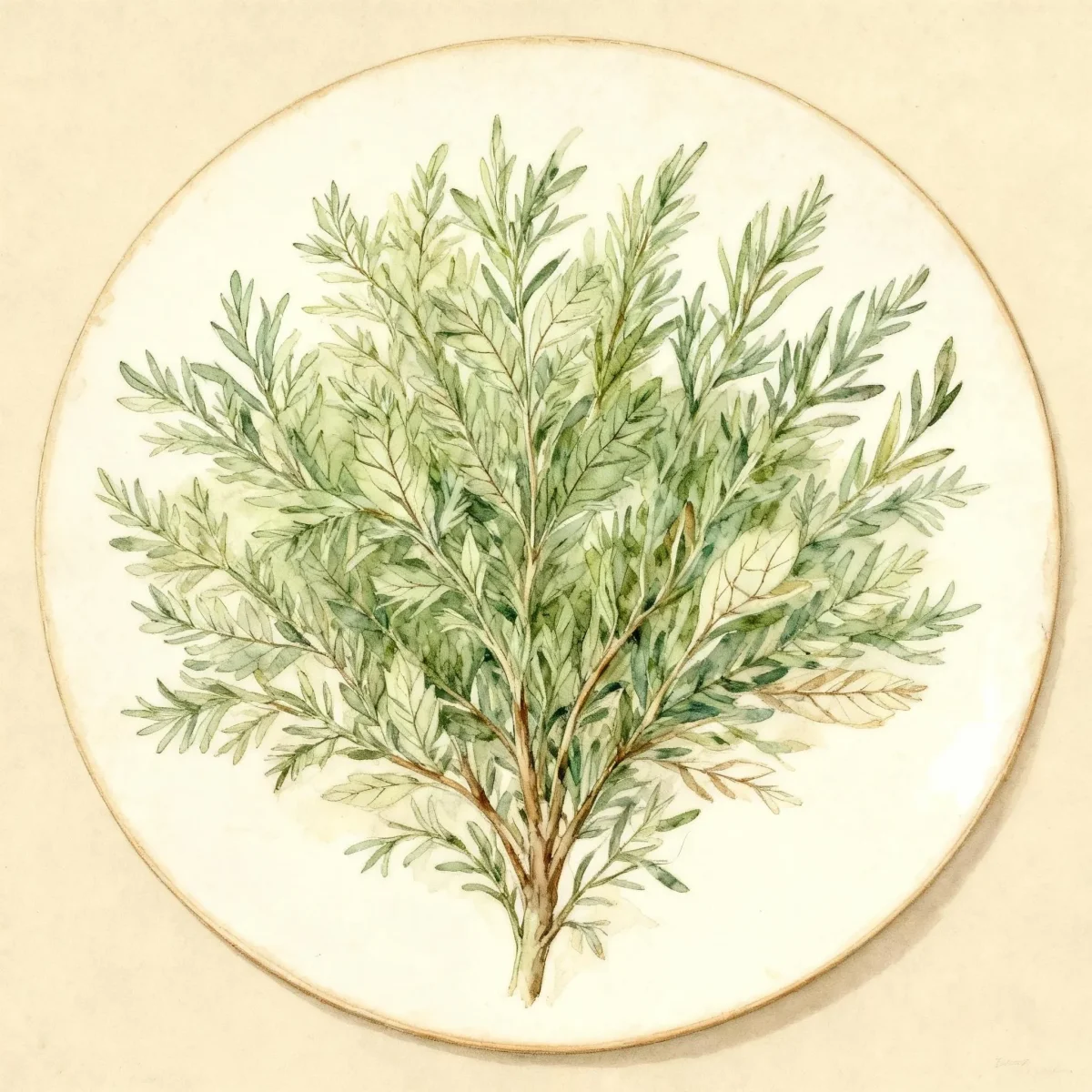
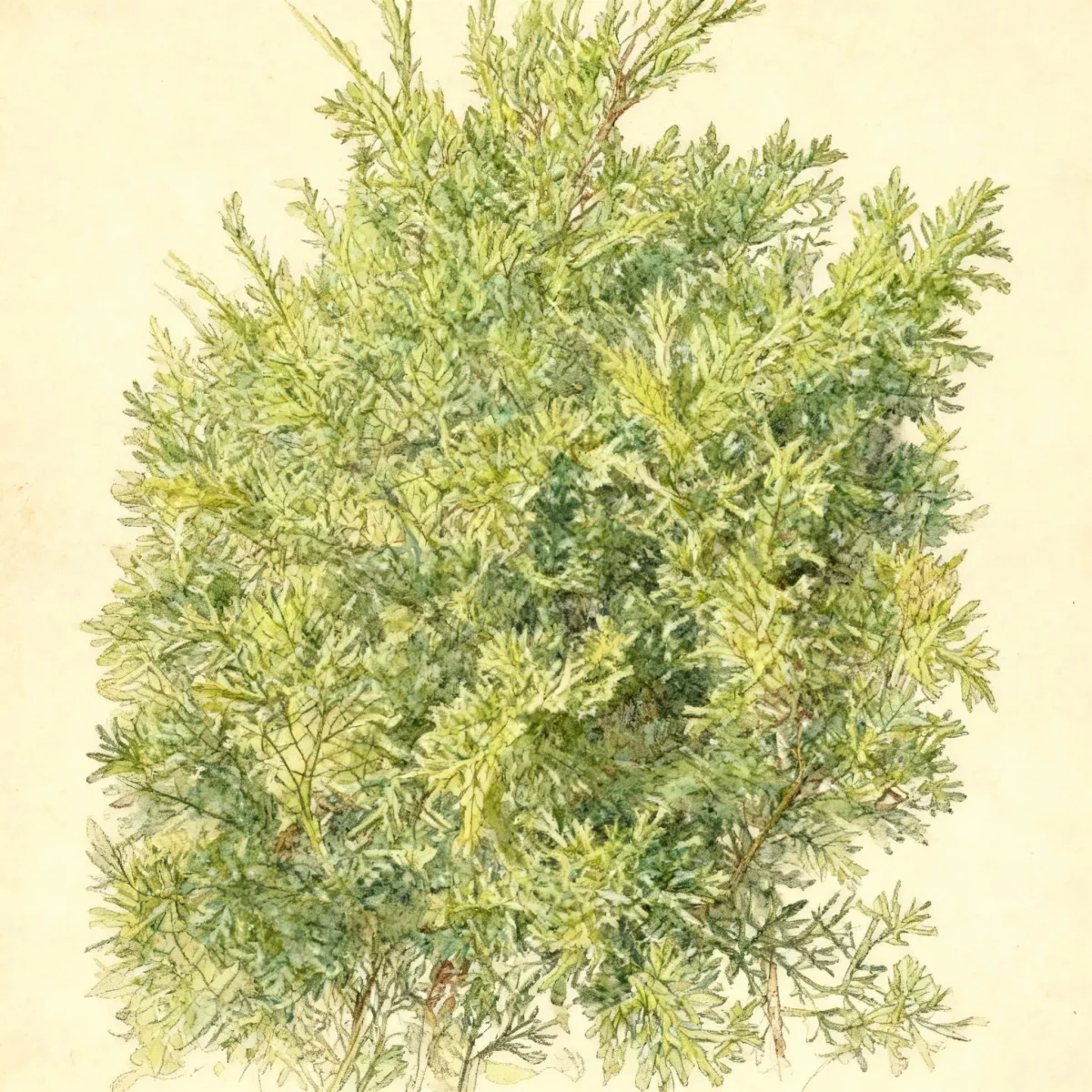
Japanese falsecypress (Chamaecyparis pisifera 'Golden Pincushion')
Chamaecyparis pisifera 'Golden Pincushion' is a dense, slow-growing dwarf Japanese falsecypress offering brilliant year-round golden color.
Scroll down to discover growing tips, care requirements, companion plants, and more
Complete Plant Information
Overview
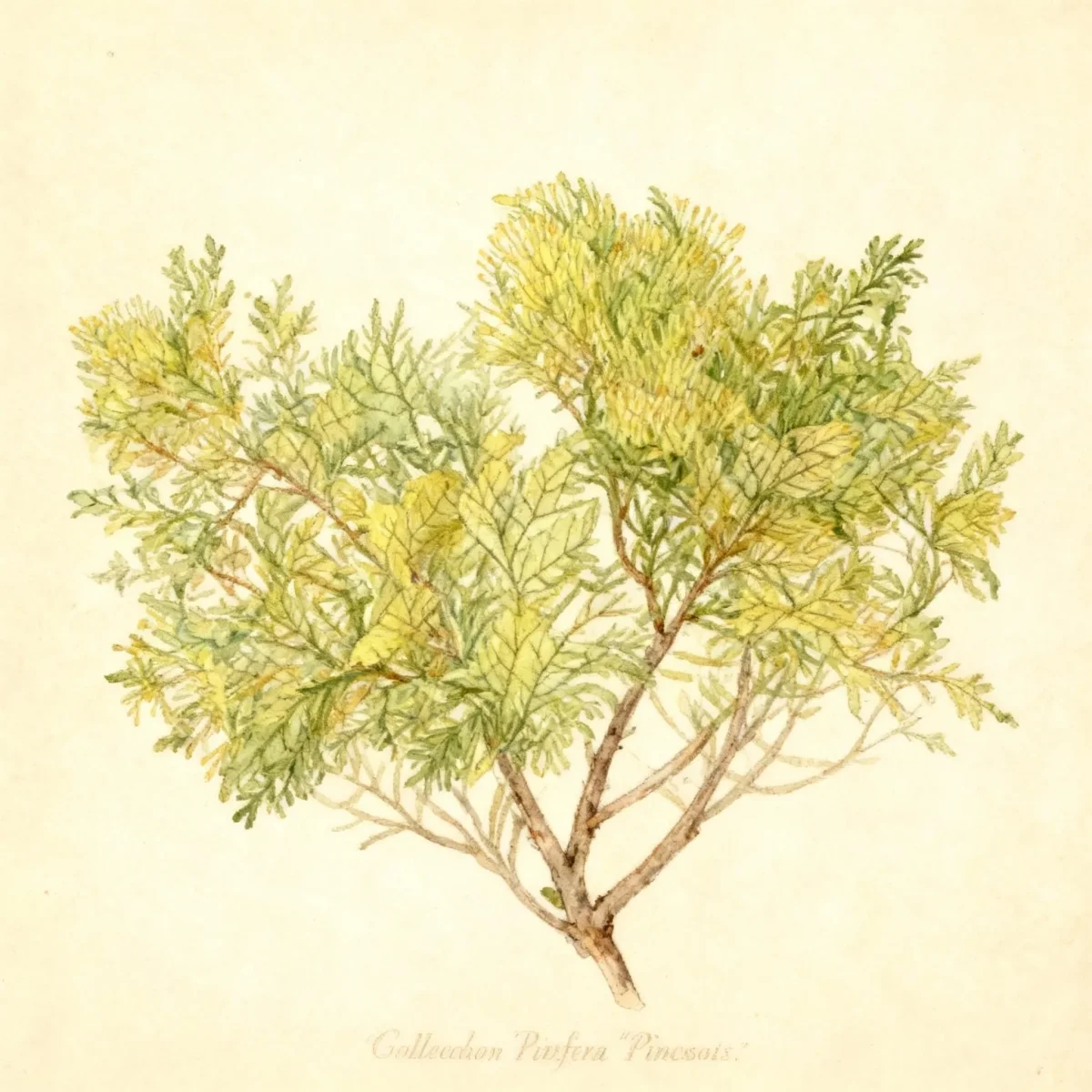
Chamaecyparis pisifera ‘Golden Pincushion’ is a highly valued dwarf cultivar of the Japanese falsecypress, cherished for its compact, dense, globose habit and striking golden foliage. This slow-growing conifer provides exceptional year-round color, making it a vital accent plant in smaller gardens or rockeries where larger Sawara cypress varieties would overwhelm the space. As a needled evergreen, it offers consistent texture and brightness regardless of the season.
Its utility lies in its manageable size, typically reaching only 2 to 3 feet tall and wide over many years. This slow growth rate ensures that once established, the Chamaecyparis pisifera ‘Golden Pincushion’ requires minimal attention, fitting perfectly into low-maintenance landscape designs. The golden hue intensifies best when situated where it receives adequate light, though partial shade helps prevent scorching.
Home gardeners appreciate the inherent resilience of this Japanese falsecypress, which combines excellent ornamental appeal with low cultural demands. It is an excellent choice for adding a burst of consistent, low-profile color against darker green backgrounds, providing structure throughout the year. Choosing Chamaecyparis pisifera ‘Golden Pincushion’ ensures dependable texture and vibrancy for foundation plantings or containers.
Fast Facts
- Plant Family: Cupressaceae
- Plant Type: Needled evergreen
- Hardiness Zones: USDA Zones 4-8
- Size at Maturity:
- Height: 2-3 ft
- Spread: 2-3 ft
- Bloom Time: Non-flowering
- Bloom Description: Non-flowering
- Sun Exposure: Full sun to part shade
- Water Needs: Medium
- Maintenance Level: Low
How to Grow
Planting Chamaecyparis pisifera ‘Golden Pincushion’ is best done in the spring or early fall, allowing the root system to establish before periods of extreme heat or deep cold. This dwarf Japanese falsecypress thrives in average, well-drained soils. While it tolerates full sun, providing partial shade ensures the golden foliage maintains its best color without burning during intense summer weather.
Watering should be consistent, aiming for medium moisture levels, especially while the plant is young. Ensure the soil is fertile and moist, but critically, avoid locations with wet or poorly-drained conditions, as this can lead to root rot issues. Shelter the plant from harsh, strong winds, which can cause branch damage or excessive drying.
Maintenance for this variety is wonderfully low. Pruning is rarely necessary due to its naturally dense, globose shape and extremely slow growth habit. This characteristic makes the Chamaecyparis pisifera ‘Golden Pincushion’ ideal for gardeners seeking year-round impact without significant scheduled upkeep. Occasional checks for potential pests are wise, but otherwise, general care involves standard seasonal monitoring.
Landscape Uses
The compact nature of the ‘Golden Pincushion’ cultivar makes it an outstanding choice for formal and informal garden settings alike. Its vibrant color ensures its value extends beyond seasonal bloomers. Dwarf cultivars such as this are perfectly suited for rock gardens, where their mounding form contrasts beautifully with stone textures.
Foundation plantings benefit immensely from the consistent, globe-like shape and year-round glow of this Japanese falsecypress. Unlike the large species Sawara cypress, Chamaecyparis pisifera ‘Golden Pincushion’ remains manageable near structures. Use it as a specimen plant to draw the eye, or group several together for a low, bright border accent that never overwhelms surrounding plants.
Standout Features
Noteworthy Characteristics
Chamaecyparis pisifera, commonly known as Sawara cypress, manifests in many forms beyond the towering wild specimens. ‘Golden Pincushion’ specifically is a dense, globose, dwarf evergreen shrub that features brilliant golden foliage. It is notably very slow growing, typically reaching only 2.5-3’ tall in 10 years, assuring its charm remains accessible in small spaces.
Tolerances
Potential Problems
Fortunately, the Chamaecyparis pisifera ‘Golden Pincushion’ generally faces no serious insect or disease problems under proper care. However, growers should be aware of some susceptibility to juniper blight, which can cause needle dieback. Root rot is another potential risk, primarily occurring if the plant is sited in inadequate, poorly-drained heavy soils. Insect pests, such as bagworms, may occasionally infest the foliage, requiring spot treatment or manual removal.
Preventing issues is easier than curing them. Proper site selection—ensuring excellent drainage and avoiding waterlogged conditions—is the best defense against root issues. Routine visual inspections during the growing season will help catch pest infestations early before they become widespread problems on your Japanese falsecypress.
Frequently Asked Questions
What hardiness zones is Chamaecyparis pisifera ‘Golden Pincushion’ suitable for?
This durable needled evergreen is hardy in USDA Zones 4 through 8, giving it a wide area of adaptability across many climates.
How large does Japanese falsecypress ‘Golden Pincushion’ grow?
This dwarf variety is slow-growing, maintaining a compact, globose shape, typically reaching only 2 to 3 feet in height and spread at maturity.
What sun exposure does Chamaecyparis pisifera ‘Golden Pincushion’ need?
It performs best in full sun to part shade conditions. Partial shade is often recommended to help preserve the intensity of its golden summer color.
When does Chamaecyparis pisifera ‘Golden Pincushion’ bloom?
As a conifer in the Cupressaceae family, this plant is non-flowering; it is valued for its foliage structure rather than blossoms or fruit.
Conclusion
For gardeners seeking a low-maintenance evergreen that provides exceptional, non-fading golden impact, the Chamaecyparis pisifera ‘Golden Pincushion’ is an excellent investment. Its compact, slow-growing nature solidifies its status as a premier dwarf accent plant for foundation beds and rockeries. Before planting, confirm your site falls within USDA Zones 4-8 and ensure the soil offers the drainage necessary to keep this beautiful Japanese falsecypress thriving.
Companion Planting with Golden Foliage
Utilizing Chamaecyparis pisifera ‘Golden Pincushion’ effectively involves pairing its bright color with contrasting textures and shades. Consider planting it near deep green or blue-toned evergreens, such as certain dwarf spruces or dark green hostas, to make its yellow hue truly pop. For a year-round textural contrast, low-growing mounds of evergreen groundcovers or creeping junipers that maintain a dark green or blue coloration work wonderfully as a living mulch around the base.
When selecting flowering companions, choose perennials that bloom in summer or fall, as the golden foliage of the Japanese falsecypress is present throughout. White or silver-leaved plants, like Lamb’s Ear or Artemisia, can harmonize beautifully with the gold without clashing during the peak growing season. Ensure any companion plants share its preference for medium moisture and well-drained soil.
Seasonal Care Calendar
Spring is the ideal time to inspect Chamaecyparis pisifera ‘Golden Pincushion’ for any winter damage or encroaching weeds. Since maintenance is low, fertilizing is rarely required, but a light application of a slow-release fertilizer formulated for acid-loving evergreens in early spring can support vibrant color development. Avoid excessive nitrogen, which can encourage floppy, weak growth.
Summer care centers entirely around proper watering. The medium water needs mean consistent, deep watering during dry spells is important, especially if your location leans toward full sun exposure. Monitor branches for signs of pest activity like bagworms, removing them by hand immediately. In fall, ensure adequate moisture before the ground freezes, helping the root system brace for winter dormancy.