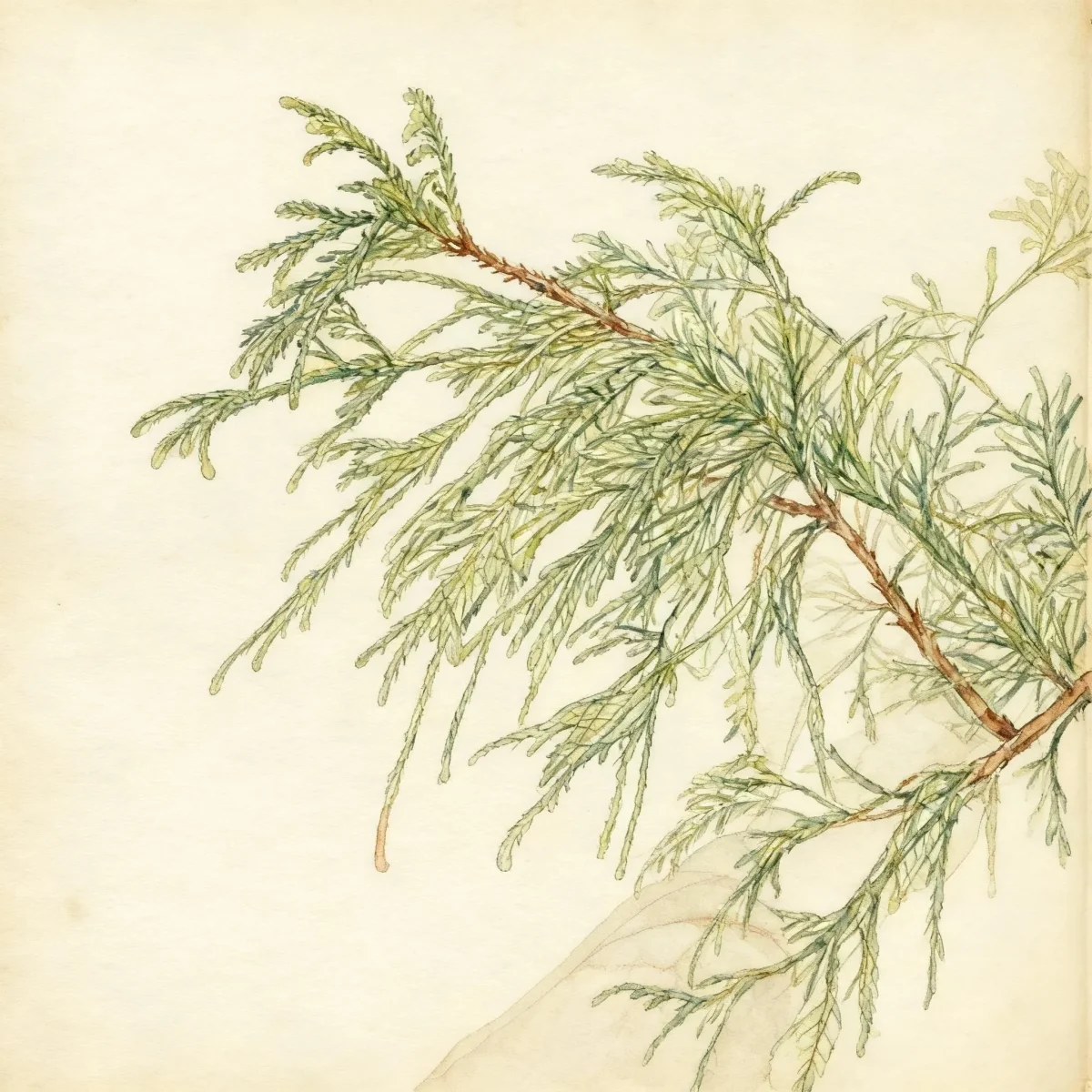
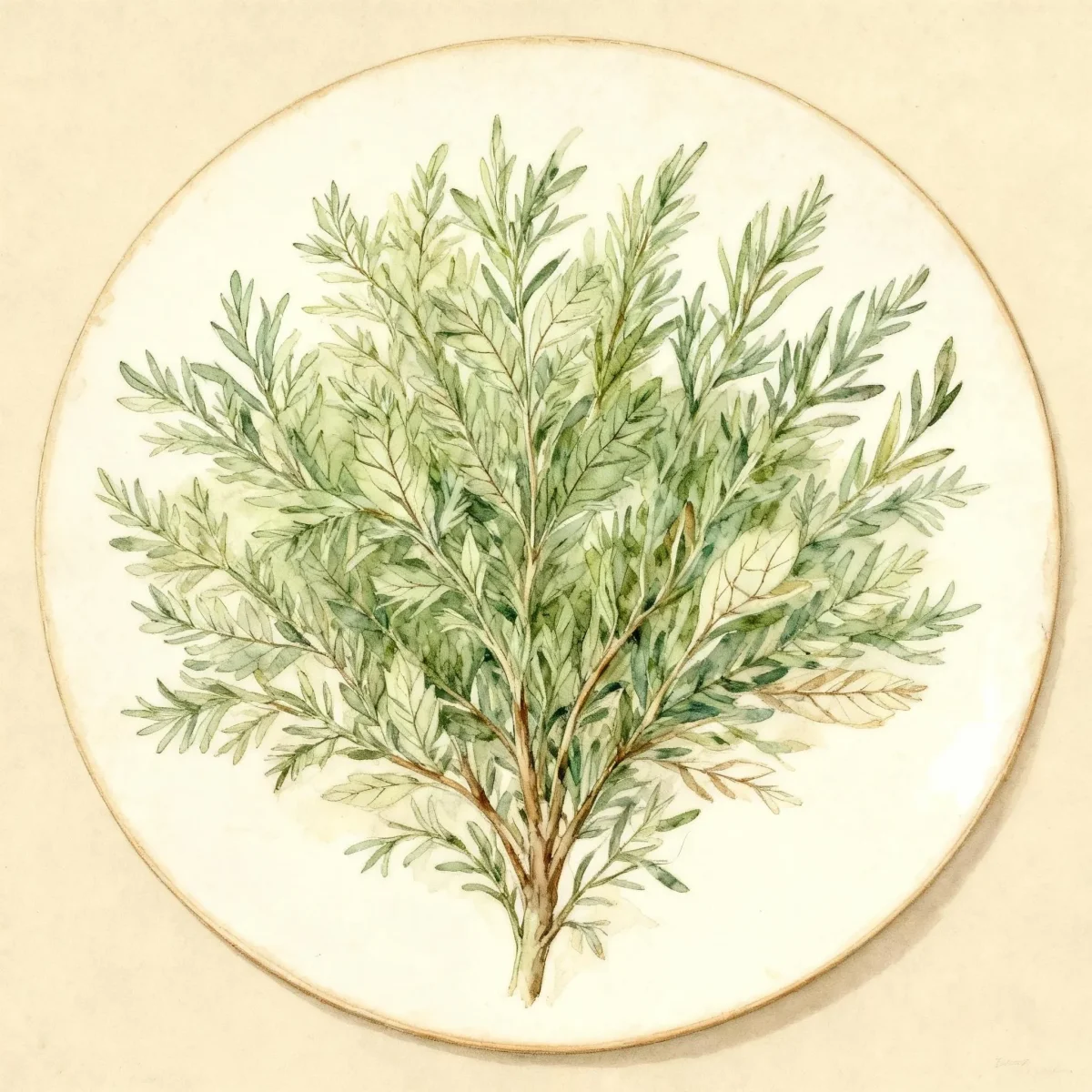
Japanese falsecypress (Chamaecyparis pisifera 'Squarrosa Intermedia')
Chamaecyparis pisifera 'Squarrosa Intermedia' (Japanese falsecypress) is a low-maintenance, semi-dwarf evergreen perfect for foundation planting.
Scroll down to discover growing tips, care requirements, companion plants, and more
Complete Plant Information
Overview
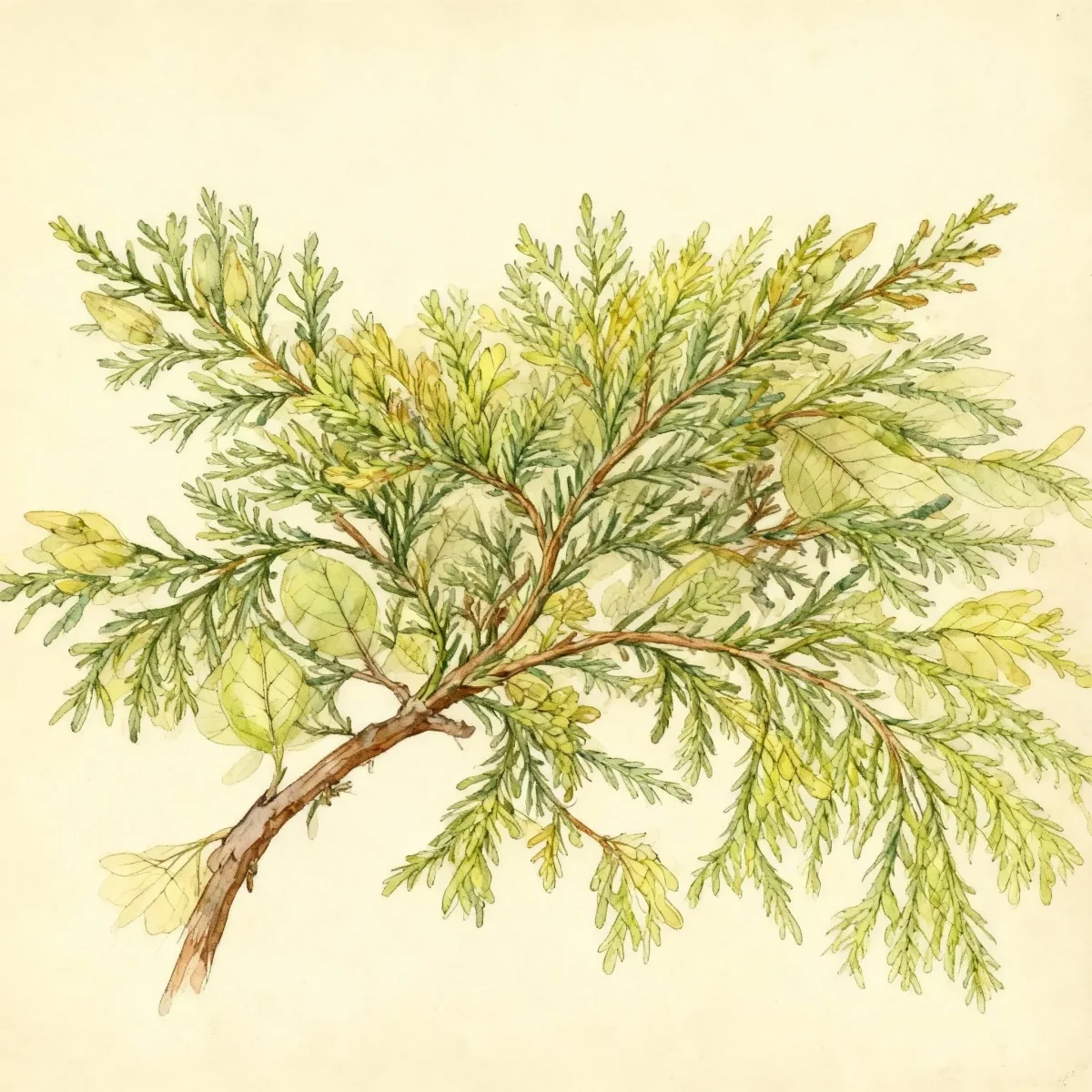
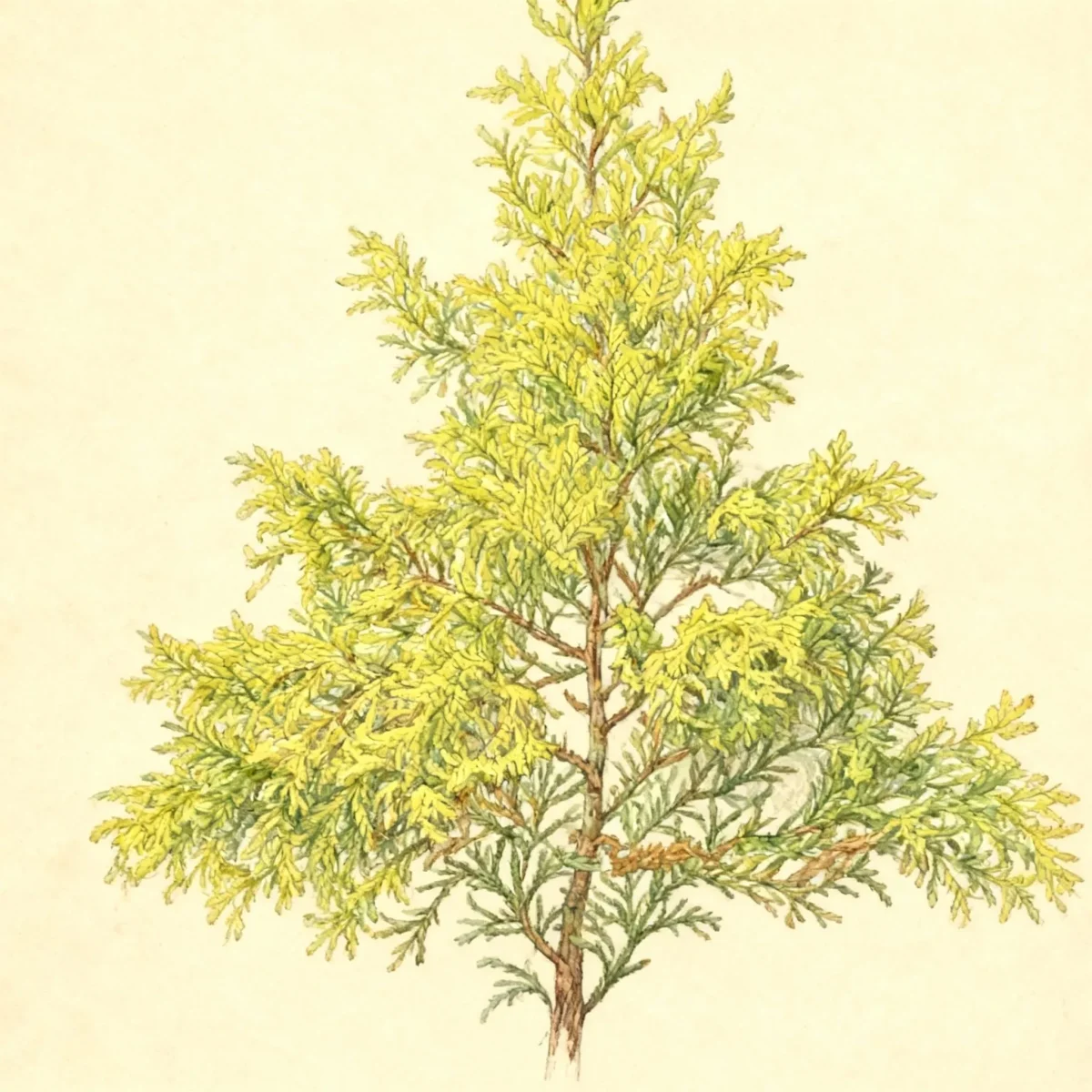
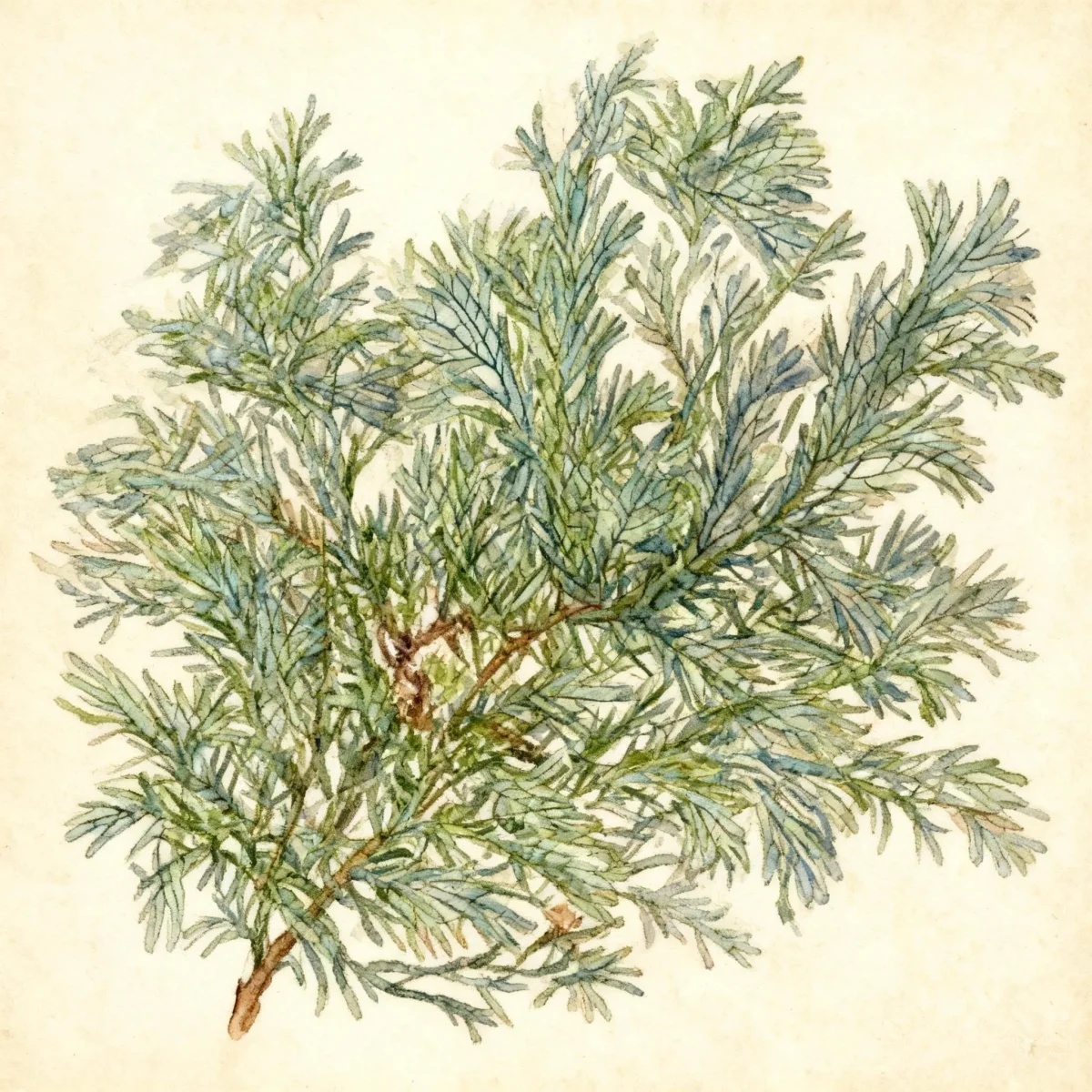
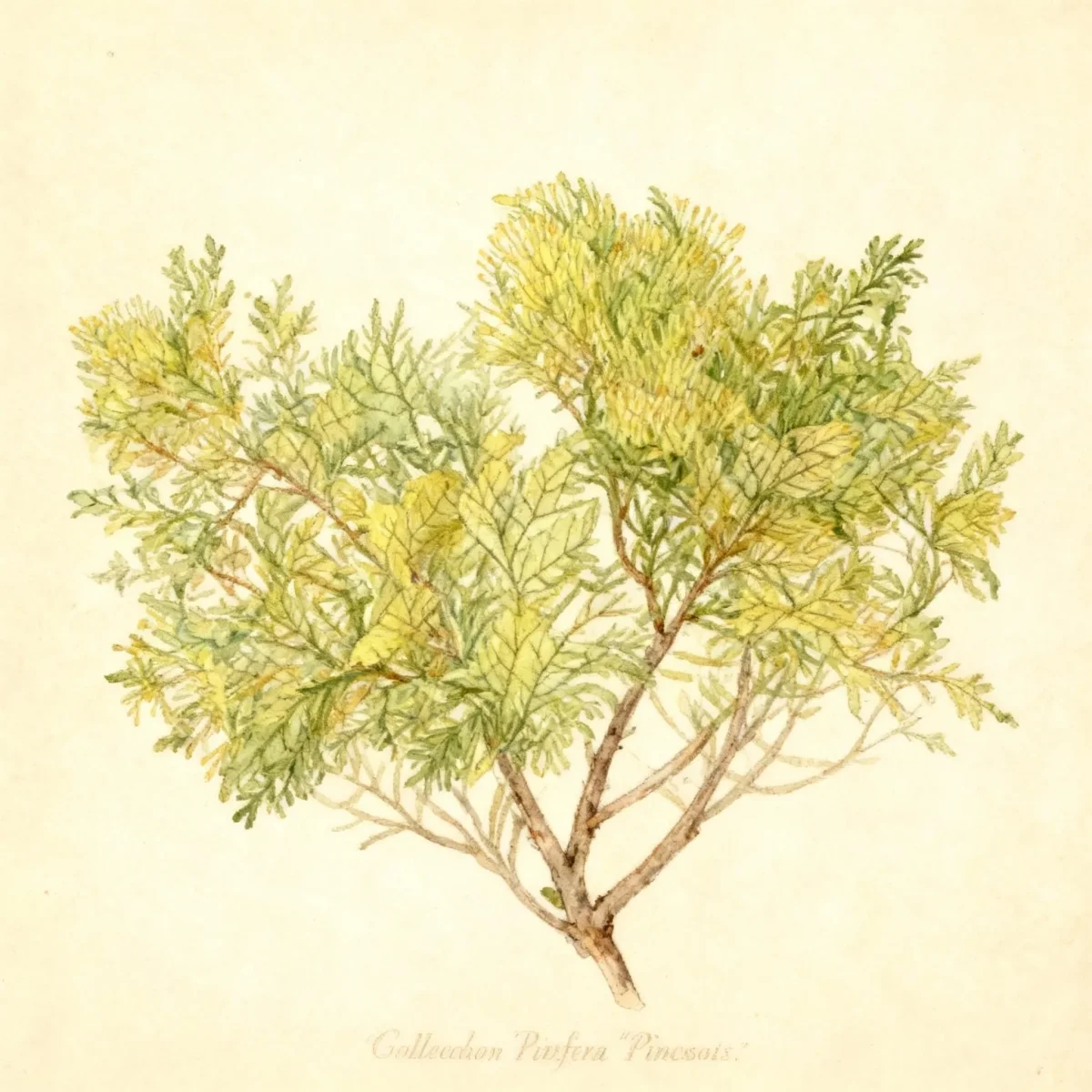
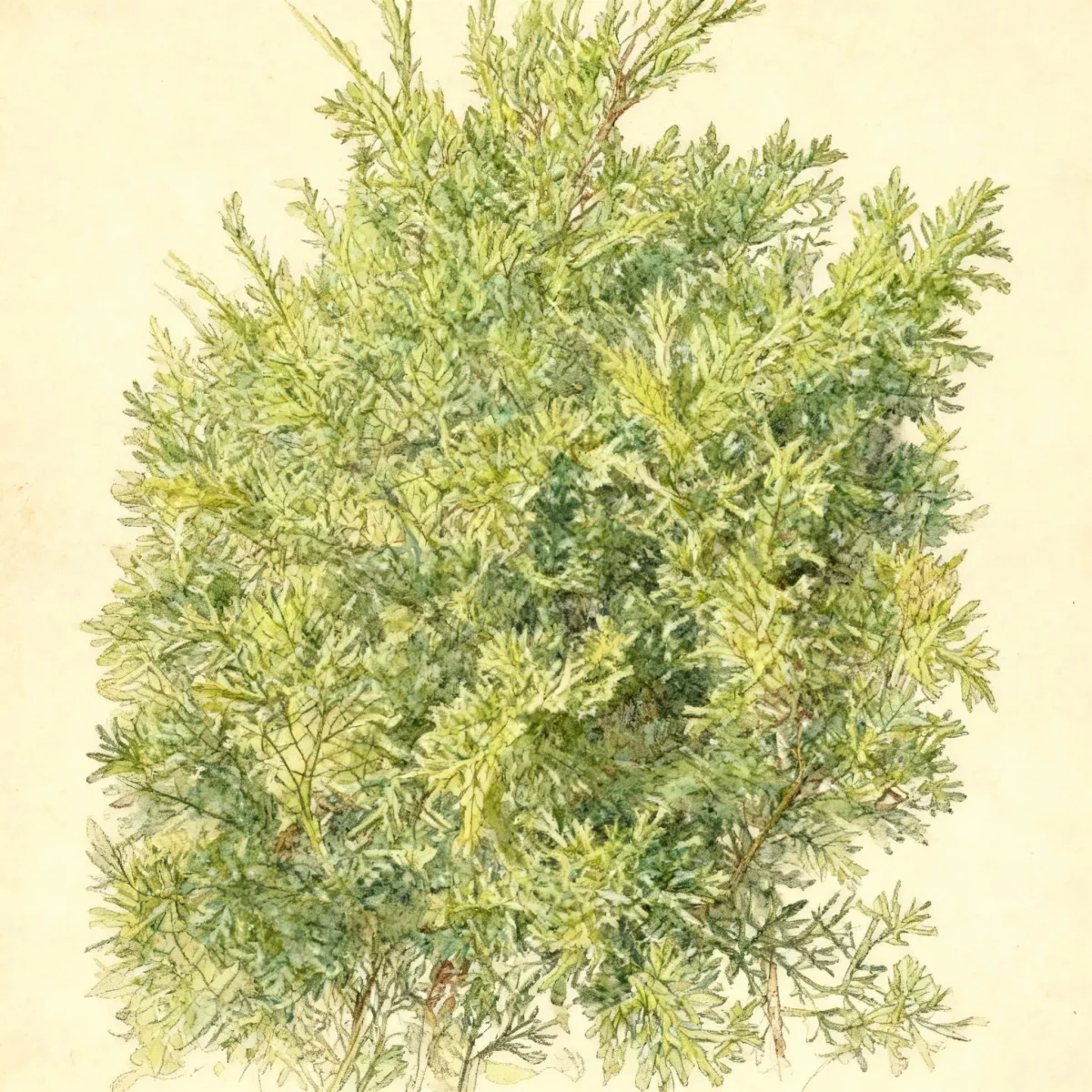
The Chamaecyparis pisifera ‘Squarrosa Intermedia’, or Japanese falsecypress, offers striking, feathery, blue-green juvenile foliage that truly distinguishes it in the landscape. This cultivar maintains an attractive, broad, upright, semi-dwarf habit, making it far more approachable than its towering wild counterparts. Gardeners prize this conifer for its low maintenance needs and year-round texture.
As a member of the Sawara cypress family, Chamaecyparis pisifera ‘Squarrosa Intermedia’ grows slowly, typically reaching only 5 to 6 feet high within ten years. It thrives across a wide range of climates in USDA Zones 4 through 8, providing reliable structure and color. Its fine texture contrasts beautifully against broadleaf evergreens or formal hedges.
This Japanese falsecypress is valued for providing consistent visual interest without demanding significant input from the gardener. Its moderate size ensures it fits well into smaller garden spaces, foundation plantings, or rock gardens where larger conifers would quickly become overgrown. Providing adequate moisture ensures the best appearance for this versatile evergreen.
Fast Facts
- Plant Family: Cupressaceae
- Plant Type: Needled evergreen
- Hardiness Zones: USDA Zones 4-8
- Size at Maturity:
- Height: 4-6 ft
- Spread: 3-5 ft
- Bloom Time: Non-flowering
- Bloom Description: Non-flowering
- Sun Exposure: Full sun to part shade
- Water Needs: Medium
- Maintenance Level: Low
How to Grow
Planting the Chamaecyparis pisifera ‘Squarrosa Intermedia’ is best done in the spring or fall when temperatures are moderate, allowing the roots to establish before periods of intense heat or cold. Choose a site that receives full sun to light afternoon shade; while it tolerates more sun, part shade helps protect the delicate blue-green foliage from scorching. The soil must be well-drained, as this Japanese falsecypress dislikes constantly wet feet.
Care centers around consistent soil moisture, particularly during the first few growing seasons. While established plants tolerate medium watering, they benefit significantly from moist, fertile soils. Avoid planting in areas prone to standing water or poor drainage, as this increases the risk of root rot. Fertilizing is rarely necessary; if growth is weak, a balanced, slow-release fertilizer applied in early spring can be beneficial.
Pruning for Chamaecyparis pisifera ‘Squarrosa Intermedia’ is generally minimal due to its naturally attractive, irregular habit. Only remove dead, damaged, or crossing branches as needed. It is important to shelter this shrub from harsh, drying winter winds, which can cause tip burn, especially on specimens exposed to intense western sun.
Landscape Uses
The semi-dwarf scale of the Chamaecyparis pisifera ‘Squarrosa Intermedia’ makes it exceptionally versatile in residential landscaping. The smaller cultivars are perfect candidates for inclusion in contemporary rock gardens, adding fine texture and winter interest where larger shrubs cannot fit. They also perform admirably as low foundation plantings flanking entryways or below windows where height needs to remain controlled.
For borders, this Japanese falsecypress works well when interspersed with plants offering contrasting leaf shapes and colors. Consider pairing its soft, feathery needles with the bold, dark green leaves of Japanese maples or the dense, formal shapes of boxwood. Its ability to handle part shade also allows it to brighten partially shaded borders beneath taller deciduous trees.
Large growing species or cultivars of Chamaecyparis pisifera are often specified for use as a lawn specimen or screen, but the ‘Squarrosa Intermedia’ excels in tighter spaces, functioning as an excellent accent shrub. Its unique texture ensures it draws the eye without overpowering neighboring specimens.
Standout Features
Noteworthy Characteristics
Chamaecyparis pisifera, commonly known as Sawara cypress, is naturally a very large evergreen conifer, though cultivated forms are much smaller. This variety, Chamaecyparis pisifera ‘Squarrosa Intermedia’, is specifically a broad, upright, semi-dwarf shrub noted for its distinctive feathery blue-green needle-like juvenile foliage that appears to stand out from the twigs, giving it an irregular, soft habit. The reddish-brown bark peels in attractive strips, adding winter interest.
Tolerances
- Good drainage is essential
Potential Problems
The Japanese falsecypress generally exhibits good resistance to major pest or disease issues; however, it is not entirely immune. Gardeners should monitor for some susceptibility to juniper blight, which can cause branch dieback. Root rot is a significant concern if soil drainage is poor, emphasizing the need for well-drained sites. Occasionally, insect pests like bagworms may require physical removal or treatment to keep the foliage pristine.
Frequently Asked Questions
What hardiness zones is Japanese falsecypress suitable for?
The Chamaecyparis pisifera ‘Squarrosa Intermedia’ is hardy and reliably grown in USDA Hardiness Zones 4 through 8.
How large does Chamaecyparis pisifera ‘Squarrosa Intermedia’ grow?
This semi-dwarf variety typically reaches a mature height between 4 to 6 feet tall with a spread of 3 to 5 feet, making it a manageable shrub size.
What sun exposure does Chamaecyparis pisifera ‘Squarrosa Intermedia’ need?
This conifer performs best when situated where it receives full sun to part shade, though protection in the afternoon sun is often appreciated in hotter climates.
When does Japanese falsecypress bloom?
As a needled evergreen conifer, the Chamaecyparis pisifera ‘Squarrosa Intermedia’ is non-flowering and does not produce notable blooms.
Conclusion
The Chamaecyparis pisifera ‘Squarrosa Intermedia’ brings textural beauty and reliable evergreen structure to the garden with very little required effort. Its semi-dwarf stature and unique blue-green juvenile foliage offer year-round appeal, suitable for foundational planting or accent work. Ensure you select a planting location with well-drained soil and check that your local climate falls within USDA Zones 4-8 before adding this excellent Japanese falsecypress to your collection.
Companion Planting
When designing a garden space around Chamaecyparis pisifera ‘Squarrosa Intermedia’, prioritize plants that complement its fine texture. Consider medium-sized ferns or hostas that thrive in similar part-shade conditions, as their broad leaves create a striking contrast against the narrow needles of the Japanese falsecypress. For spots receiving more sun, low-growing groundcovers like creeping thyme or sedums can cascade over rocks near the shrub base, echoing its irregular habit.
Since this conifer requires medium moisture, pair it with other moisture-loving shrubs and perennials that do not require consistently wet roots. Avoid pairing it directly with extremely drought-tolerant succulents, as watering needs will diverge once the shrub is established. This stability in water needs is key to simplifying care for the overall planting bed.
Seasonal Care Calendar
Spring preparation is crucial for setting up the Chamaecyparis pisifera ‘Squarrosa Intermedia’ for a successful growing year. After the last frost danger, clean up any winter debris around the base and apply a light layer of balanced, slow-release fertilizer if fertility is poor, followed by a fresh layer of mulch to conserve moisture. Throughout summer, monitor the need for supplemental water, aiming to keep the soil consistently moist but never saturated.
In autumn, before the ground freezes, ensure the shrub receives a deep, thorough watering. This pre-winter hydration helps prevent severe desiccation damage caused by frozen ground combined with persistent winter winds. Winter care mostly involves assessing placement; if strong, drying winds are common, consider temporary burlap wrapping for added protection, especially for younger plantings of this Japanese falsecypress.