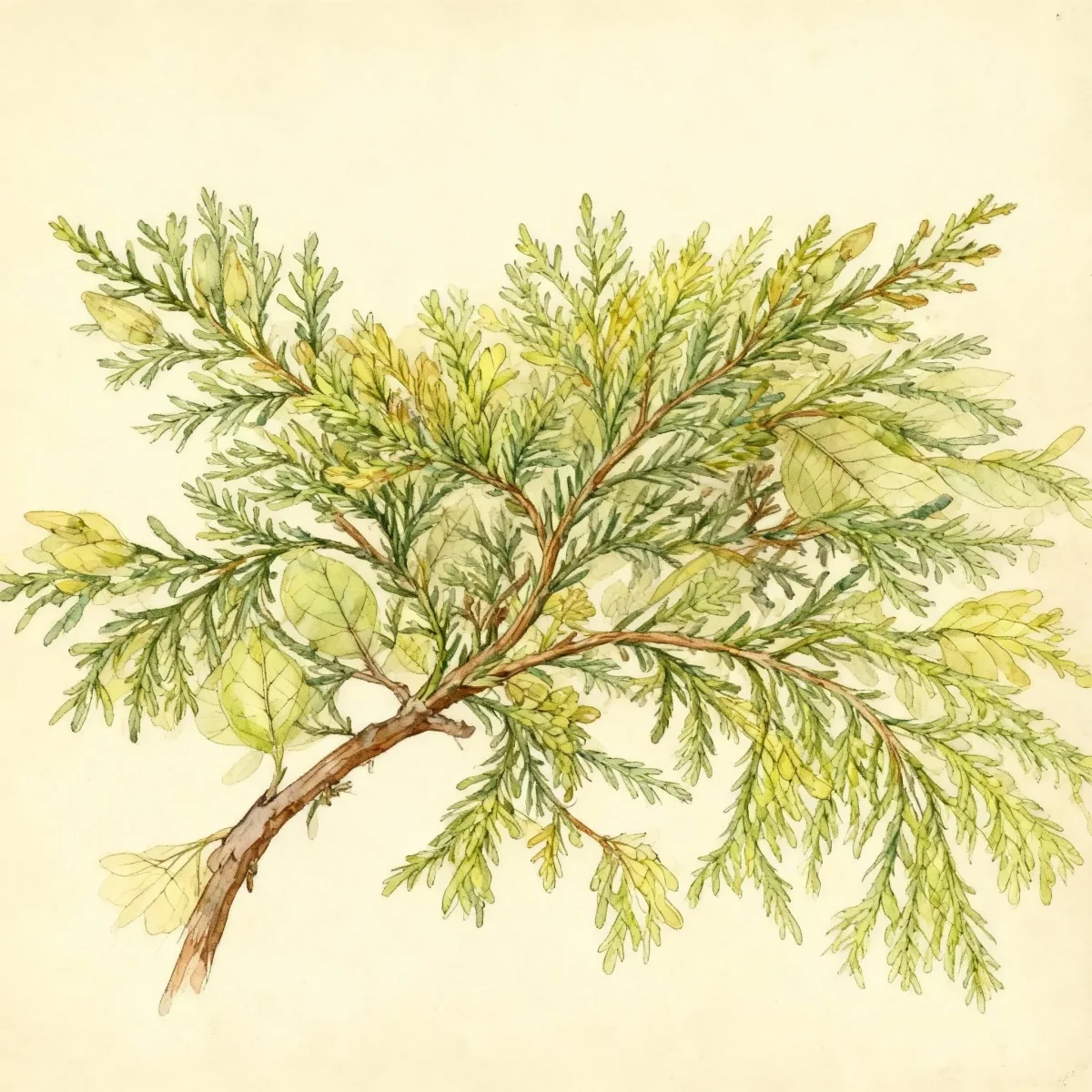
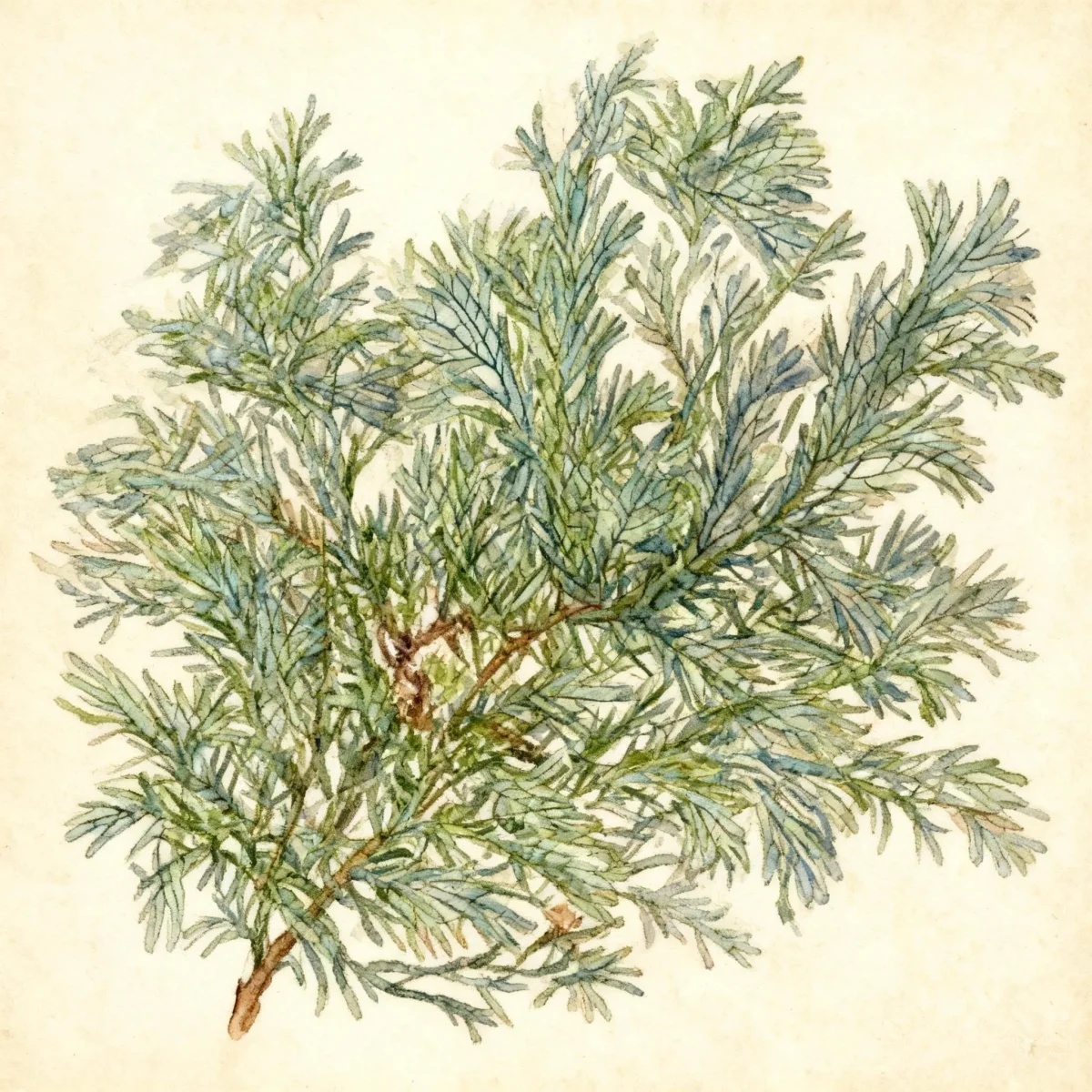
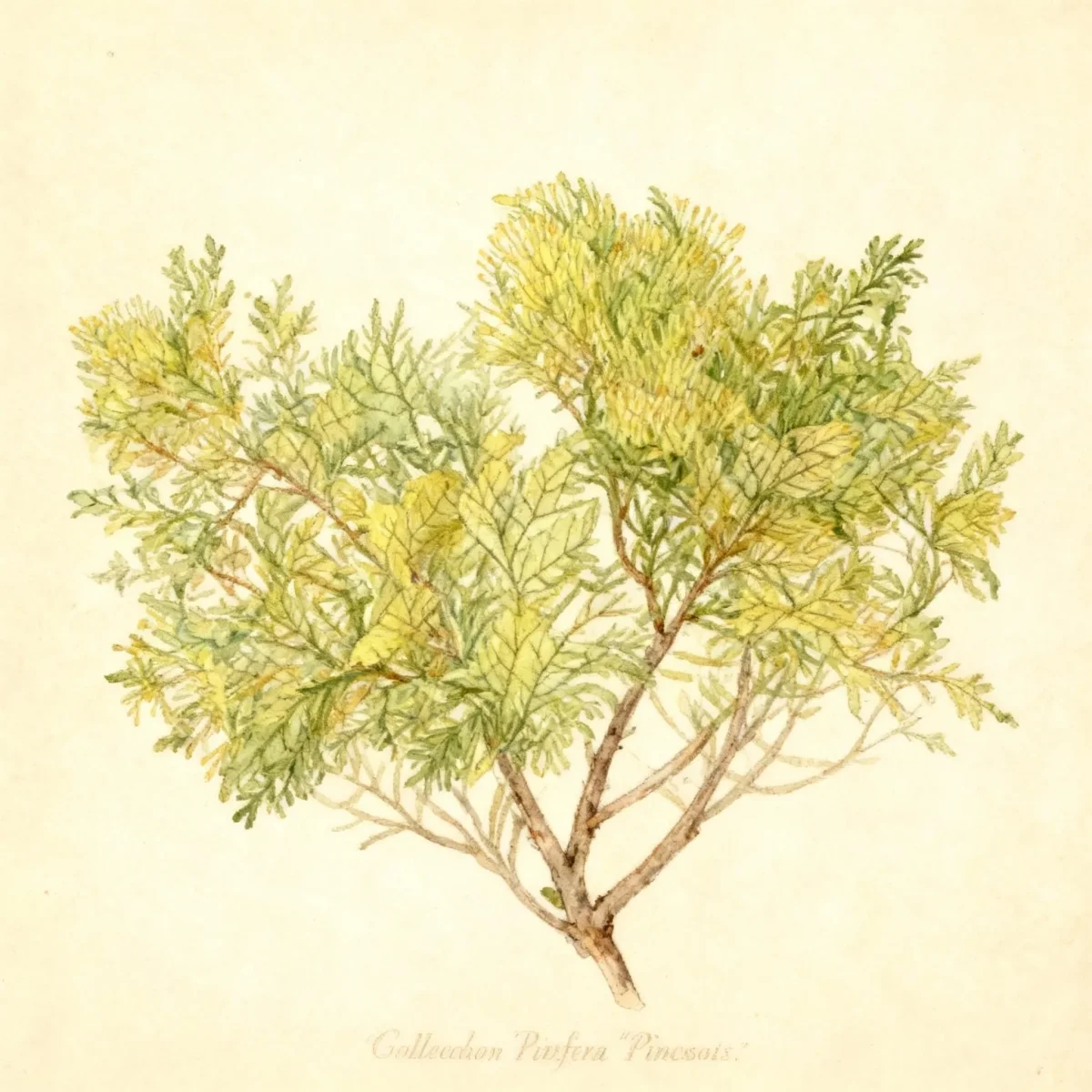
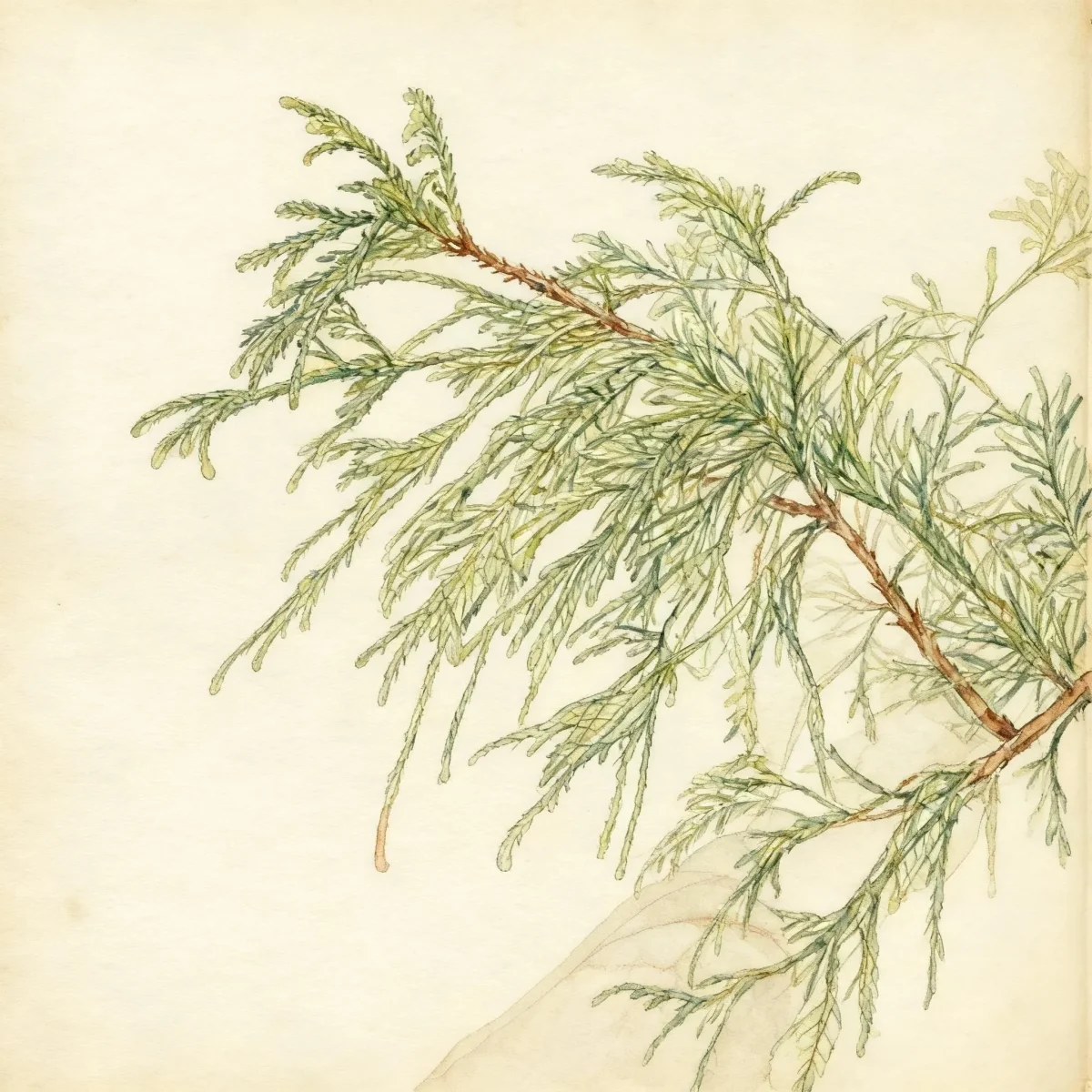
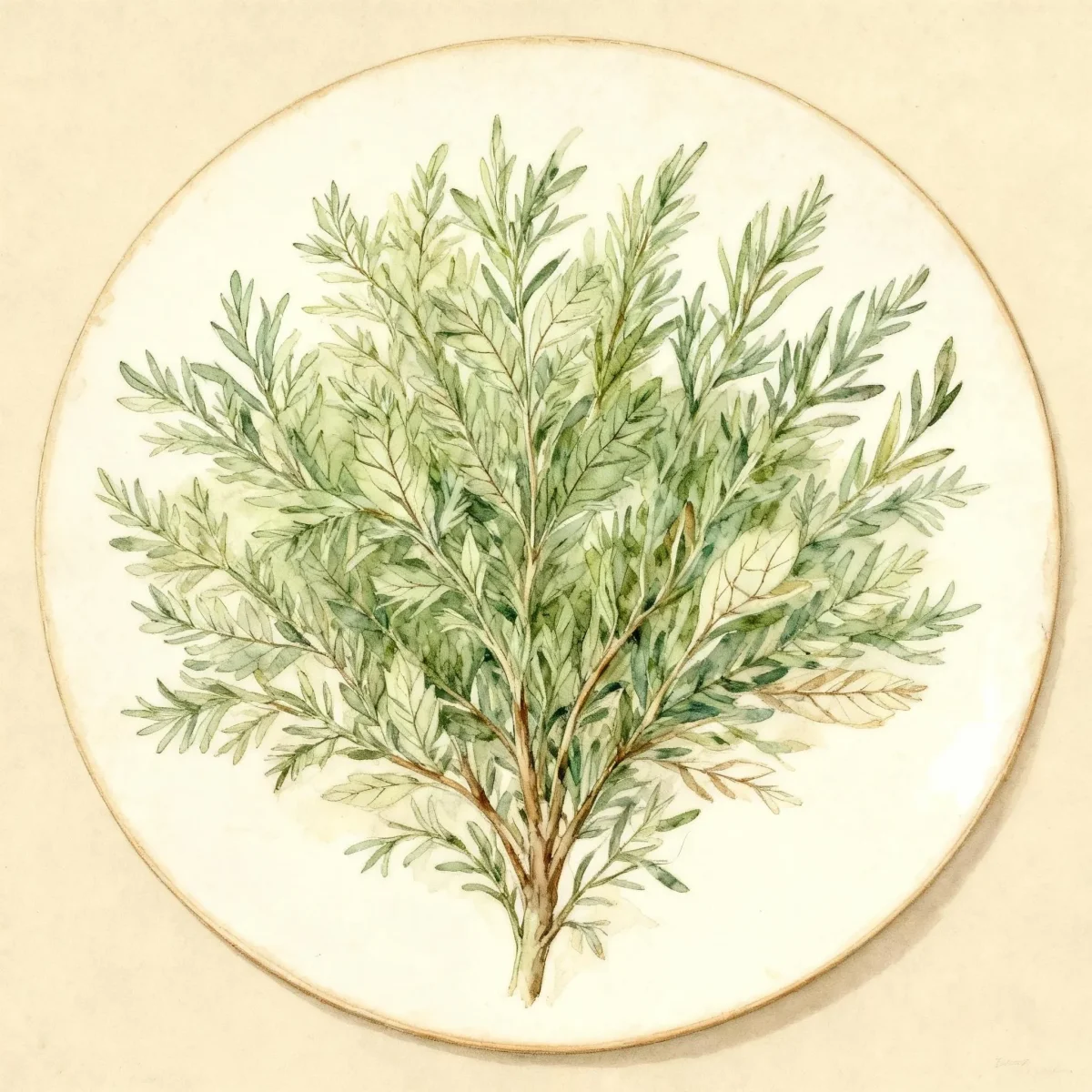
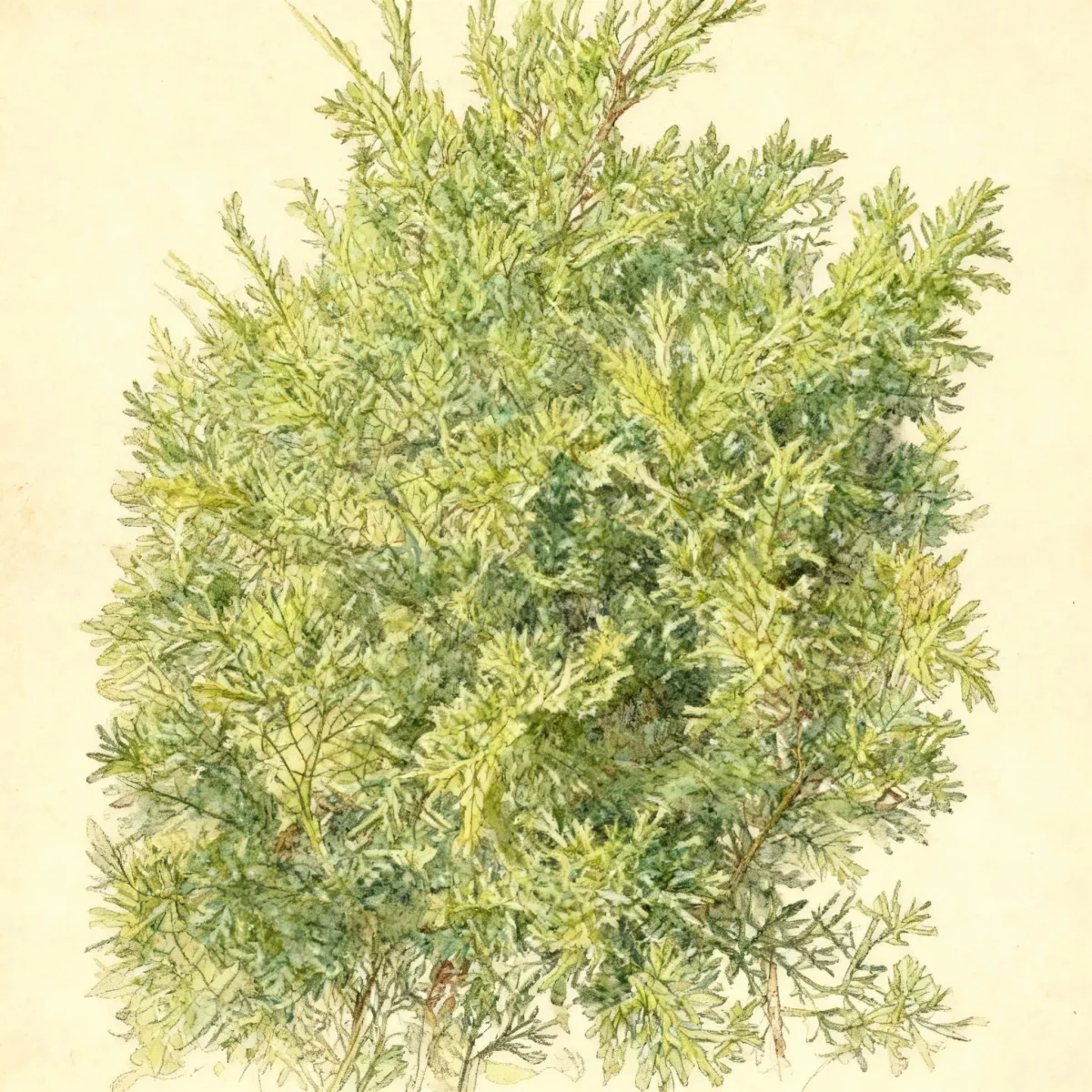
Japanese falsecypress (Chamaecyparis pisifera 'Sungold')
Chamaecyparis pisifera 'Sungold' is a dwarf Japanese falsecypress offering year-round golden, thread-like foliage. Low maintenance conifer perfect for rock gardens and borders.
Scroll down to discover growing tips, care requirements, companion plants, and more
Complete Plant Information
Overview
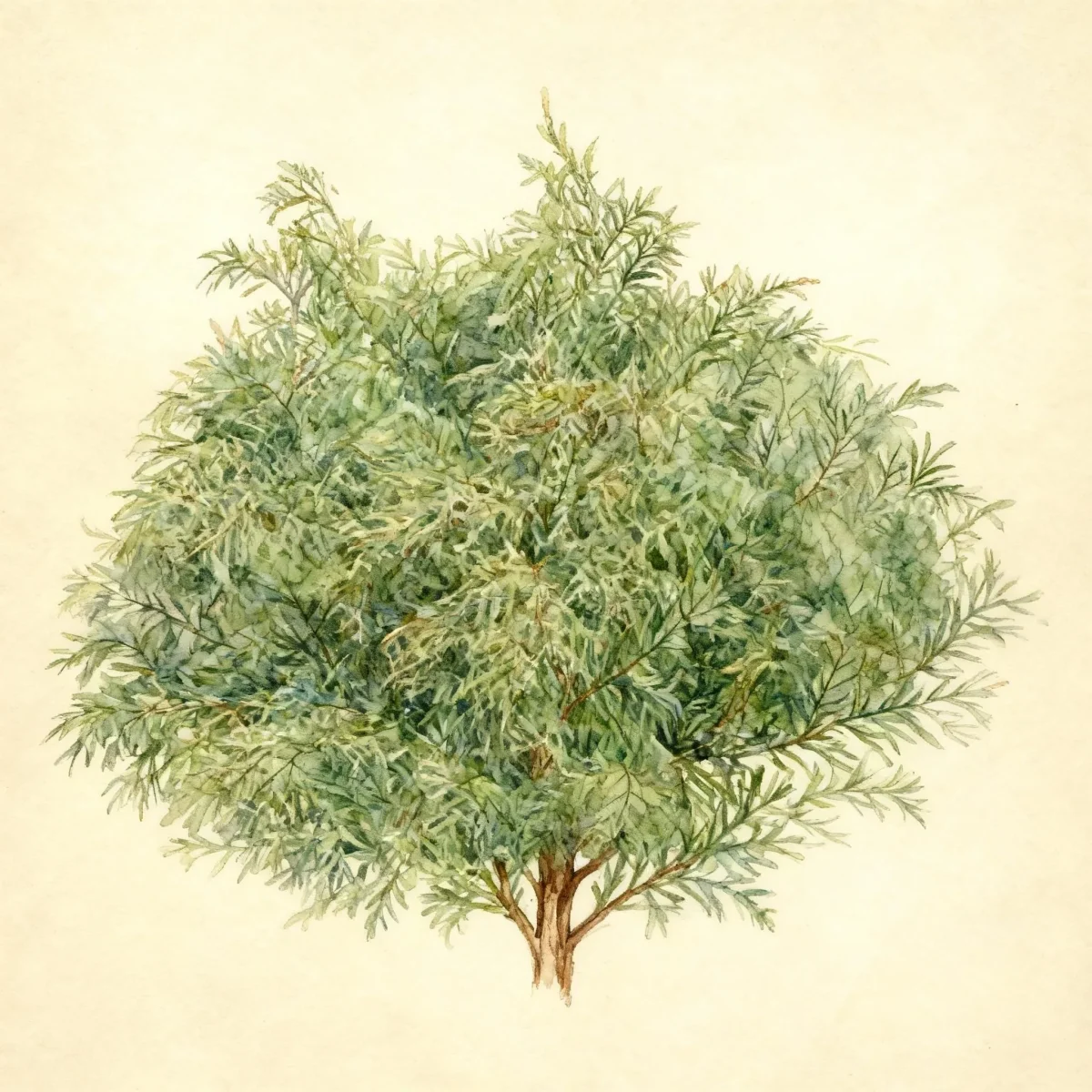
The Chamaecyparis pisifera ‘Sungold’, commonly known as the Japanese falsecypress, is a highly valued dwarf conifer prized for its unique, fine-textured foliage that offers brilliant golden color throughout the seasons. This cultivar transforms garden spaces with its mounding, broadly conical habit and slow-growing nature, making it an excellent structural element without overwhelming smaller areas. Its attractive, stringy, weeping branches are clad in bright golden new growth that matures to a soft lime green.
As a true needled evergreen, the Japanese falsecypress provides reliable year-round interest, a critical feature in northern climates where deciduous plants lose their appeal for several months. While the species can reach impressive heights, the ‘Sungold’ cultivar remains manageable, typically maxing out at 8 feet tall, which suits foundation plantings or rock gardens perfectly. Its low maintenance requirements further cement its status as a favorite among landscape designers and home gardeners alike.
This specific variety of Sawara cypress offers exceptional textural contrast against coarser-leafed shrubs or broadleaf evergreens. Plant Chamaecyparis pisifera ‘Sungold’ where its bright color can illuminate dark corners or serve as a highly visible specimen plant. Its adaptability in sun exposure allows for flexibility in placement across the landscape.
Fast Facts
- Plant Family: Cupressaceae
- Plant Type: Needled evergreen
- Hardiness Zones: USDA Zones 3-7
- Size at Maturity:
- Height: 3-8 ft
- Spread: 4-12 ft
- Bloom Time: Non-flowering
- Bloom Description: Non-flowering
- Sun Exposure: Full sun to part shade
- Water Needs: Medium
- Maintenance Level: Low
How to Grow
Planting the Chamaecyparis pisifera ‘Sungold’ is best done in spring or fall when temperatures are mild, allowing the root system to establish before extreme heat or cold. Select a location that offers full sun to light afternoon shade; while it tolerates more sun, afternoon shade helps prevent the brilliant golden foliage from scorching during the hottest part of summer. This Japanese falsecypress thrives in average, medium moisture, well-drained soils. Ensure superior drainage, as wet, poorly-drained conditions can lead to root rot issues.
Once established, watering needs are medium. Maintain consistent moisture, particularly during dry spells, but never allow the soil to become waterlogged. Shelter your planting from strong, persistent winds, which can damage the delicate, thread-like foliage. Pruning is rarely required for the ‘Sungold’ variety, as it naturally assumes a desirable mounding, globose shape. If minimal shaping is desired, conduct light pruning in early spring before new growth hardens off.
No intensive feeding schedule is necessary for this low-maintenance conifer. Avoid overly rich soils, as this encourages overly rapid growth which can compromise its dwarf stature. Avoid planting this conifer in harsh, exposed sites immediately adjacent to reflective concrete or asphalt, as this can increase sun scald potential.
Landscape Uses
The dwarf stature and stunning golden hue make the Chamaecyparis pisifera ‘Sungold’ incredibly versatile in landscape design. Its compact, mounding habits are perfectly suited for use in rock gardens, where it contrasts beautifully with stone textures and alpine plants. It also excels as a foundation planting near homes, providing year-round structure without rapidly overpowering architectural features.
For year-round interest, use the bright foliage of the Japanese falsecypress as an accent plant within mixed shrub borders. Because its foliage is fine-textured and weeping, group it near plants with bold, broad leaves or dense, dark green needles to maximize visual impact. While species plants are used for screens, the ‘Sungold’ functions best as a specimen plant, drawing the eye to a specific part of the garden design.
Standout Features
Noteworthy Characteristics
Chamaecyparis pisifera species plants are massive conifers, but the ‘Sungold’ cultivar is a mounding, globally shaped dwarf evergreen shrub distinctively showcasing golden, fine-textured, thread-like foliage along stringy, weeping branches. New growth emerges a vibrant gold before settling into a mature lime-green shade. This variety is exceptionally slow-growing, often reaching only 3-5 feet tall in its first decade, though it may eventually spread to 12 feet wide.
Tolerances
- Shelter from strong winds
Potential Problems
This conifer is fortunate to suffer from few serious insect or disease issues under ideal growing conditions. Gardeners should monitor for occasional susceptibility to juniper blight, which can cause branch dieback. Root rot remains a concern if soil drainage is poor, emphasizing the need for well-drained sites. Pests such as bagworms may occasionally infest the foliage, requiring targeted removal or treatment.
Frequently Asked Questions
What hardiness zones is Japanese falsecypress suitable for?
The Chamaecyparis pisifera ‘Sungold’ is reliably hardy across USDA Zones 3 through 7, offering excellent cold tolerance for many regions.
How large does Chamaecyparis pisifera ‘Sungold’ grow?
This dwarf cultivar typically reaches a mature height between 3 and 8 feet tall, with a spread ranging from 4 to 12 feet wide, maintaining a dense, mounding habit.
What sun exposure does Chamaecyparis pisifera ‘Sungold’ need?
This Japanese falsecypress performs best when situated where it receives full sun to light partial shade. Providing afternoon shade is often beneficial in hotter climates to preserve the brightest golden coloration.
When does Chamaecyparis pisifera ‘Sungold’ bloom?
The Chamaecyparis pisifera ‘Sungold’ is classified as non-flowering, meaning it does not produce ornamental blooms or showy flowers, relying instead on its constant evergreen foliage for visual appeal.
Conclusion
The Chamaecyparis pisifera ‘Sungold’ is an outstanding choice for gardeners seeking year-round color and unique texture in a manageable, low-maintenance package. This golden-hued Japanese falsecypress offers incredible year-round brightness and structural form ideal for accent planting and rock gardens. Before planting, ensure your chosen location provides adequate soil drainage and consider its final spread to allow this beautiful conifer the space it needs to mature gracefully.
Companion Planting
Choosing companions for Chamaecyparis pisifera ‘Sungold’ should focus on plants that complement its fine texture and golden color, while sharing similar sun and moisture requirements. Because ‘Sungold’ enjoys well-drained soil and tolerates part shade, consider pairing it with hostas that feature chartreuse or blue foliage for seasonal contrast in shadier spots. In sunny areas, flowering plants like low-growing Sedum varieties or dwarf blue fescue grasses can provide striking color and textural juxtaposition against the fine needles.
The key benefit of using companions is enhancing the visual effect of the Japanese falsecypress. Plants with dark green, rounded leaves, such as certain boxwood varieties or Japanese holly, create a rich, dark backdrop which makes the golden tones of the ‘Sungold’ pop dramatically, drawing attention to its weeping branch structure.
Seasonal Care Calendar
Spring is the ideal time for a light assessment of the Chamaecyparis pisifera ‘Sungold’. Check for any winter damage, such as broken branches, and prune sparingly to maintain the desired mounding shape. This is also the best time to ensure the soil has good aeration and drainage before the active growing season begins.
Summer care centers primarily around consistent watering. While established plants are somewhat drought-tolerant, sustained dry spells require supplemental watering to maintain medium soil moisture, especially for younger specimens. Avoid the temptation to over-fertilize; minimal nutrients are generally needed, and too much nitrogen can promote weak, fast growth.
In fall and early winter, focus on minimizing stress before dormancy. Ensure the plant is adequately watered going into winter, especially if the fall has been dry, as evergreen foliage continues to transpire moisture even when the ground freezes. Protect the plant from rock salt spray if planted near driveways, which is a general recommendation for most Cupressaceae.