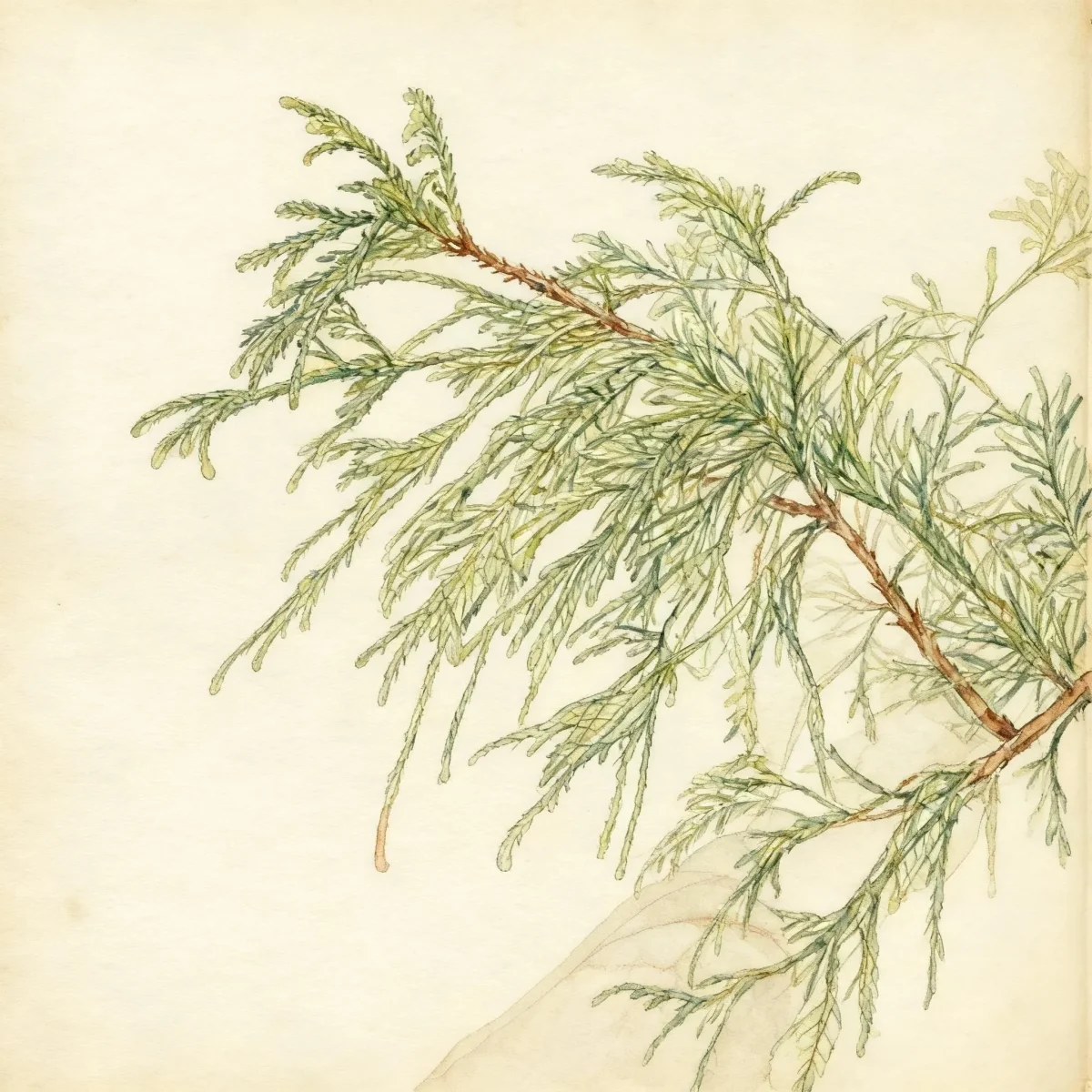
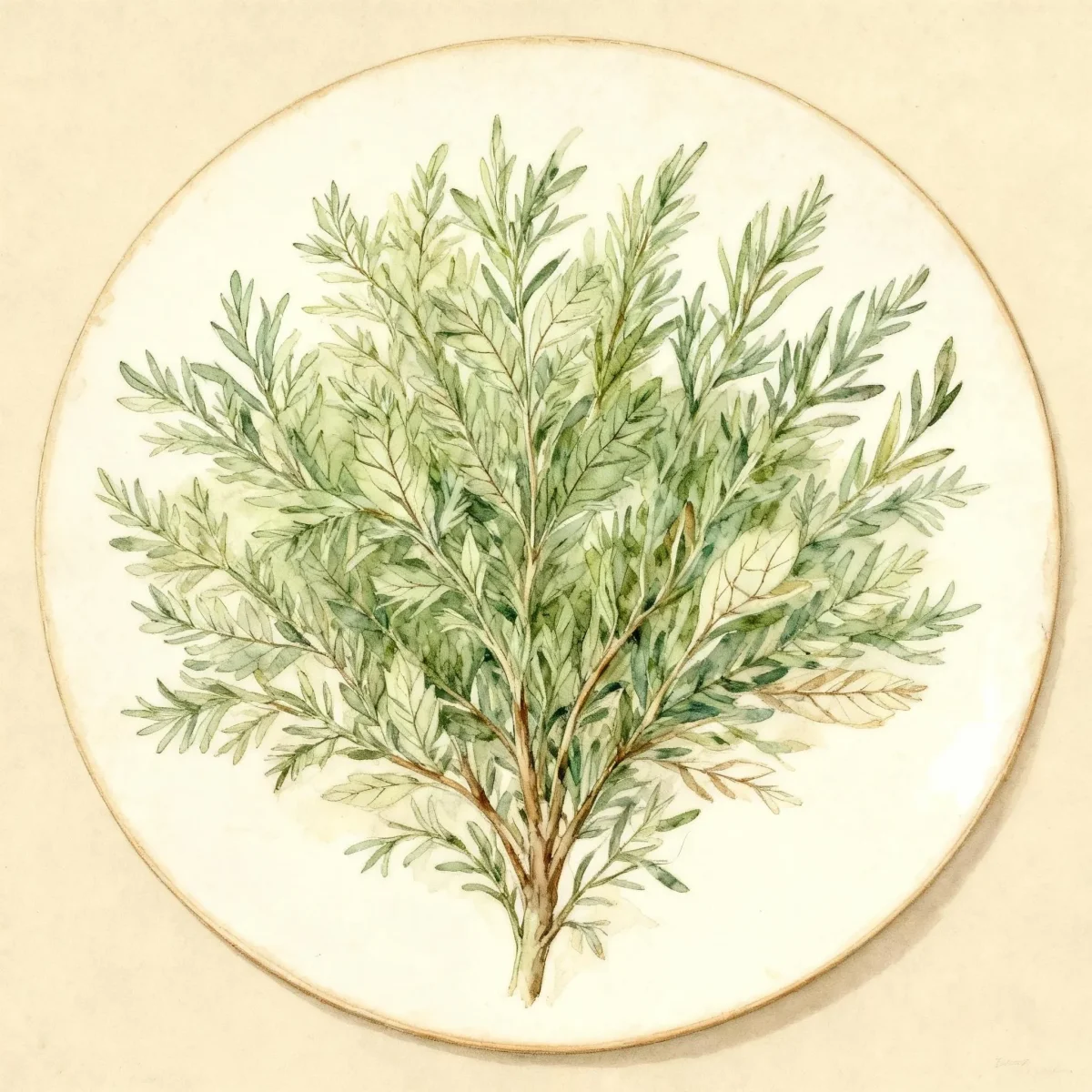
Japanese falsecypress (Chamaecyparis pisifera 'Tsukumo')
Discover Chamaecyparis pisifera 'Tsukumo', a dwarf Japanese falsecypress perfect for rock gardens. This low-maintenance evergreen offers fine texture.
Scroll down to discover growing tips, care requirements, companion plants, and more
Complete Plant Information
Overview
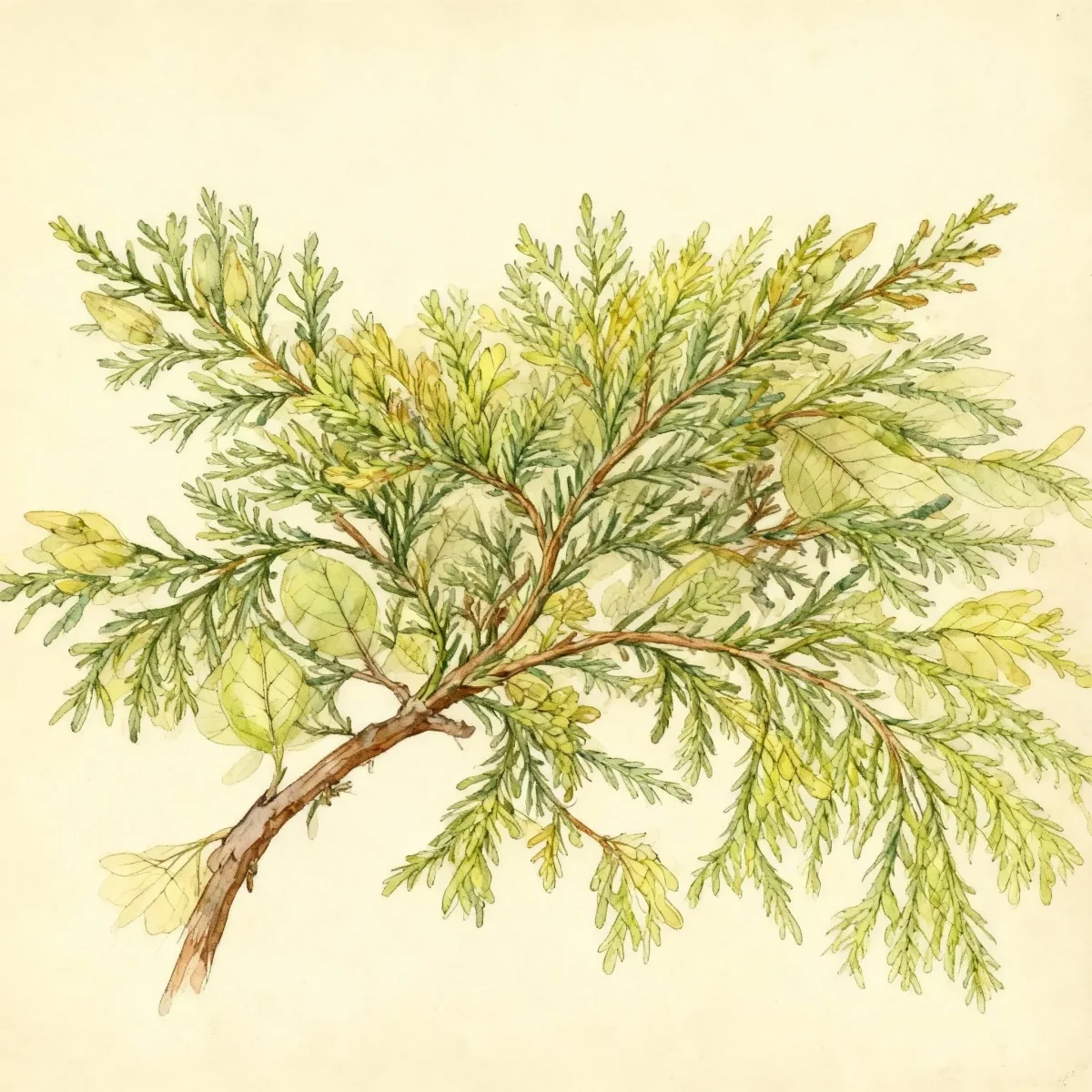
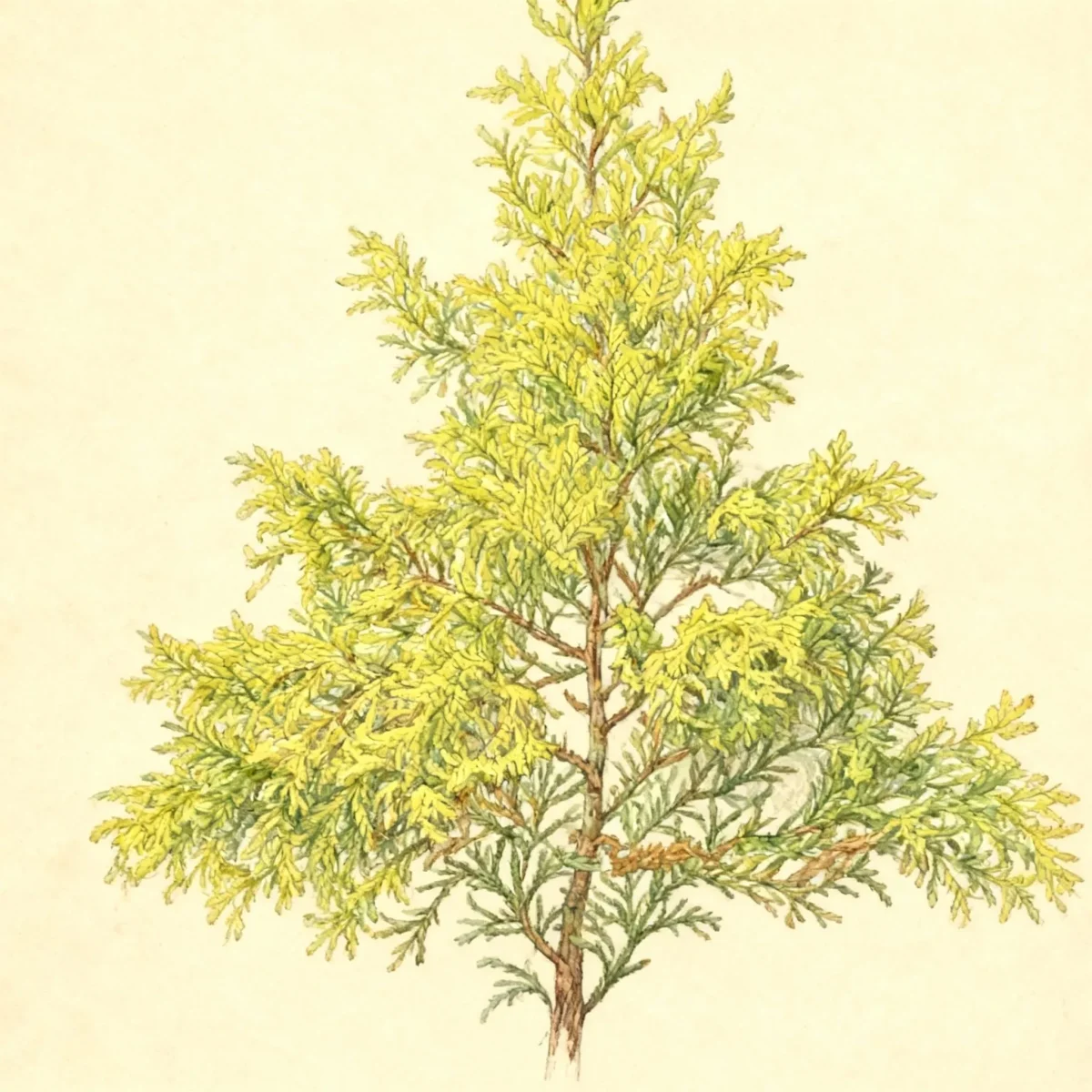
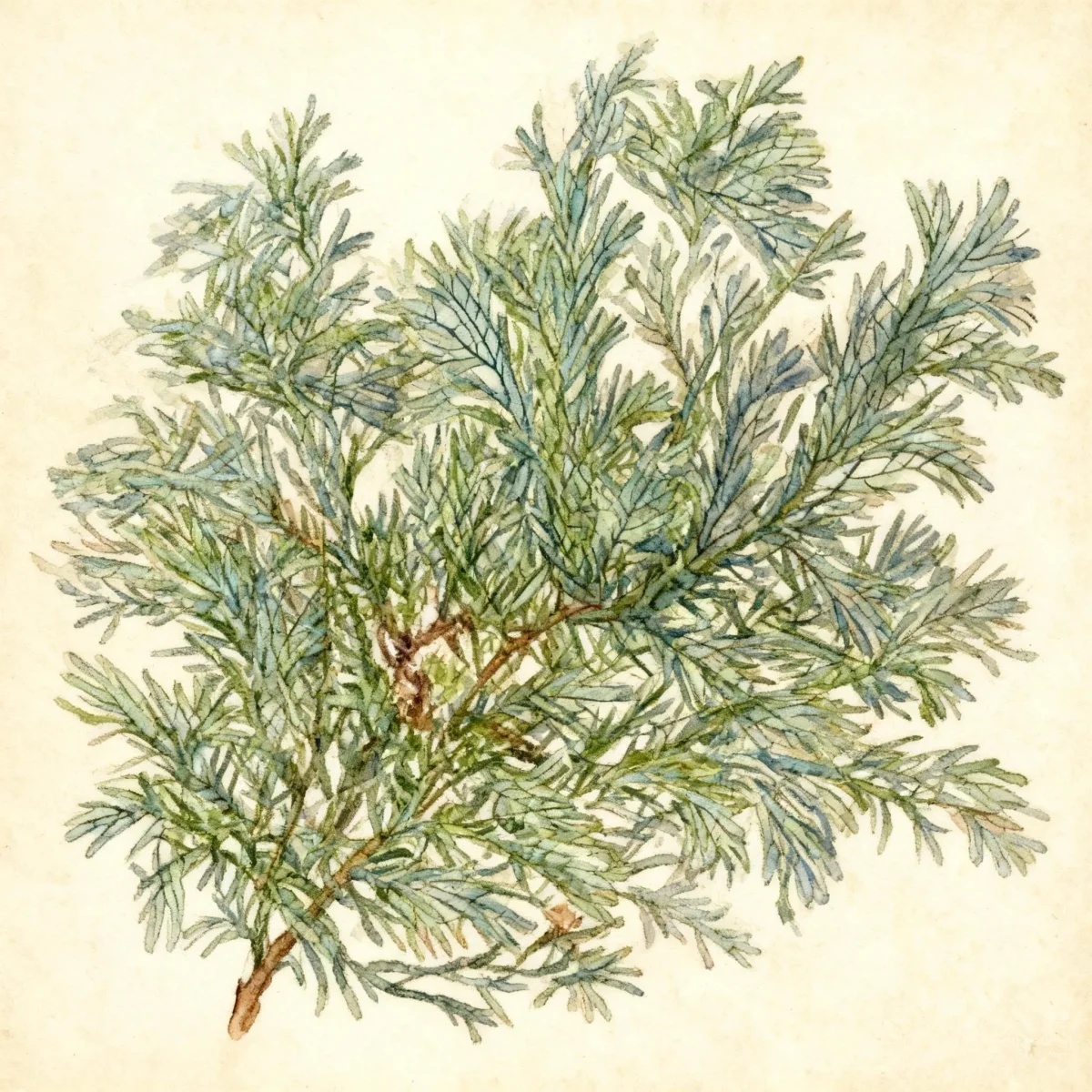
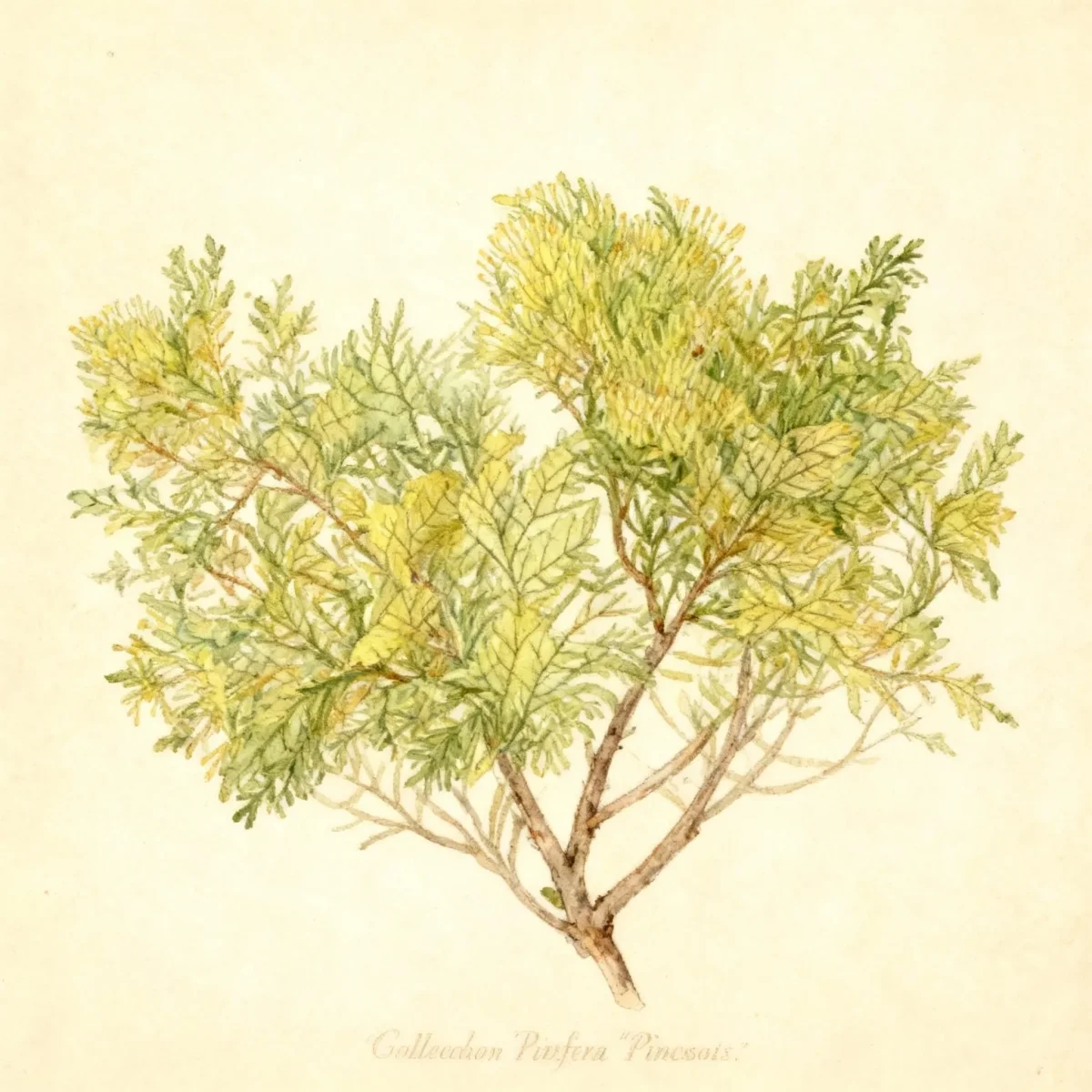
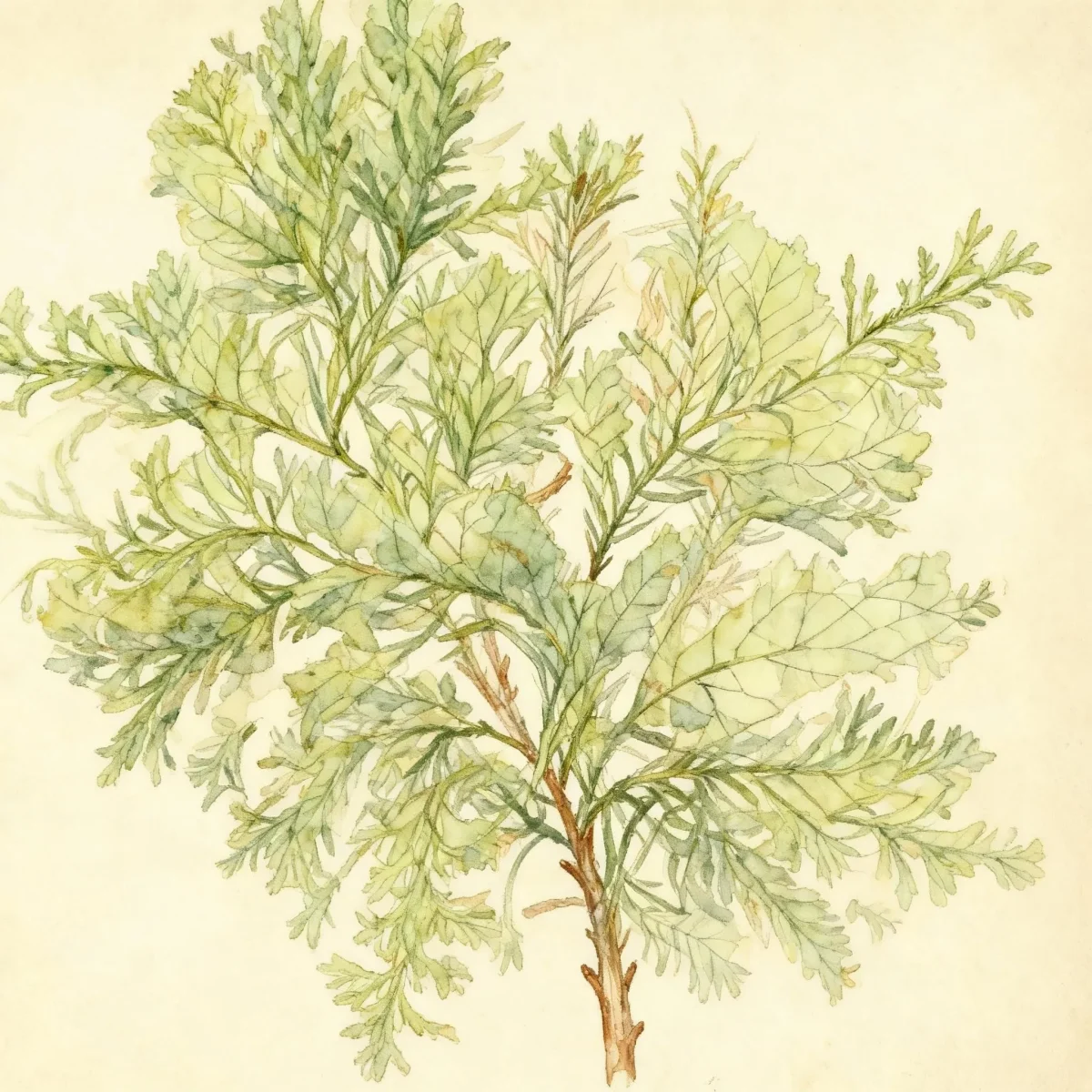
Chamaecyparis pisifera ‘Tsukumo’, or Japanese falsecypress, is highly valued by gardeners for its extremely compact, slow-growing, and unique habit. This dwarf cultivar forms an irregular flat-topped bun, making it an excellent choice where space is limited or fine texture is desired. The needles are a fine-textured medium green, distinctly tinted blue beneath, providing year-round visual interest in the landscape.
The ‘Tsukumo’ variety represents the best attributes of dwarf conifers: low maintenance and refined form. It is an exceedingly slow developer, often reaching only about 10 inches tall over two decades, ensuring that it will not quickly overwhelm foundation plantings or rock gardens. As a needled evergreen, its reliable structure and color offer vital contrast against broader-leaved deciduous plants.
Cultivating the Chamaecyparis pisifera ‘Tsukumo’ is straightforward under the right conditions, as it is generally considered easy to grow with low maintenance demands once established. Providing it with appropriate partial shade and steady moisture will ensure this Japanese falsecypress maintains its desirable mounding shape for years to come.
Fast Facts
- Plant Family: Cupressaceae
- Plant Type: Needled evergreen
- Hardiness Zones: USDA Zones 4-8
- Size at Maturity:
- Height: 0.5-1.5 ft
- Spread: 0.5-1.5 ft
- Bloom Time: Non-flowering
- Bloom Description: Non-flowering
- Sun Exposure: Full sun to part shade
- Water Needs: Medium
- Maintenance Level: Low
How to Grow
Planting Chamaecyparis pisifera ‘Tsukumo’ is best achieved in the spring or early fall when temperatures are moderate. Select a site that offers protection from harsh, drying winds, as shelter will significantly benefit the plant’s health and appearance. The Japanese falsecypress thrives in average, well-drained soils, preferring them to be medium in moisture and fertile. Crucially, avoid areas prone to standing water or poor drainage, as this can lead to root issues.
During the growing season, aim for medium water needs, keeping the soil consistently moist but never soggy. While the species may tolerate full sun, the ‘Tsukumo’ cultivar appreciates part shade, especially in hotter climates, which helps prevent needle scorch. Fertilizing is rarely necessary; if growth is poor, a light application of balanced evergreen fertilizer in early spring can be beneficial.
Pruning Chamaecyparis pisifera ‘Tsukumo’ is rarely required due to its naturally slow, compact growth habit. If shaping is absolutely necessary, light trimming should only be done to maintain its desirable globose form, and always avoid cutting into old, woody growth. Minimal structural work keeps this selection looking its best.
Landscape Uses
The diminutive size of Chamaecyparis pisifera ‘Tsukumo’ unlocks numerous design possibilities where larger Sawara cypress cultivars cannot be used. Its dense, low-growing structure makes it an outstanding candidate for rock gardens, where its texture contrasts beautifully with stone. Dwarf Japanese falsecypress varieties are also perfect for tight foundation plantings or used as low edging along pathways.
For specimen planting, the ‘Tsukumo’ provides a year-round green anchor in mixed perennial borders, offering dependable structure even when other plants are dormant. It also performs exceptionally well as a feature plant in Japanese-inspired garden designs, echoing traditional tranquility through its fine texture.
Furthermore, this specific cultivar translates beautifully to container gardening. Grown in an attractive pot on a patio or near an entryway, the slow growth ensures it remains manageable for many seasons, adding sophisticated evergreen presence without demanding constant attention.
Standout Features
Noteworthy Characteristics
Chamaecyparis pisifera, commonly known as Sawara cypress, is recognized for its variable forms; while species plants grow large, cultivars like ‘Tsukumo’ offer dwarf characteristics. ‘Tsukumo’ specifically is an extremely slow-growing, globose dwarf shrub, typically reaching just 10 inches tall over its first twenty years, presenting an irregular flat-topped bun habit. Its foliage consists of fine-textured medium green needles that are notably tinted blue on the undersides, providing subtle color variation throughout the year.
Potential Problems
This Japanese falsecypress exhibits no serious insect or disease issues under ideal conditions. Gardeners should remain aware of some susceptibility to juniper blight, which can cause branch dieback, as well as potential root rot if drainage is inadequate. Occasionally, pests like bagworms may appear, which should be manually removed or treated promptly to prevent foliage damage.
Tolerances
- Good bonsai plant
Frequently Asked Questions
What hardiness zones is Japanese falsecypress suitable for?
Chamaecyparis pisifera ‘Tsukumo’ is reliably cold-hardy in USDA Zones 4 through 8.
How large does Chamaecyparis pisifera ‘Tsukumo’ grow?
This dwarf cultivar is very slow-growing, typically maturing to only 0.5 to 1.5 feet tall and spreading between 0.5 and 1.5 feet wide.
What sun exposure does Chamaecyparis pisifera ‘Tsukumo’ need?
This plant performs best when situated in locations receiving full sun to part shade; it particularly benefits from afternoon shade in warmer regions.
When does Japanese falsecypress bloom?
Chamaecyparis pisifera ‘Tsukumo’ is classified as non-flowering; it does not produce showy blooms.
Conclusion
The Chamaecyparis pisifera ‘Tsukumo’ offers unparalleled texture and dwarf scale, making it an indispensable component for close-up garden views, rockeries, and low foundation plantings. Its low maintenance profile and evergreen color ensure garden structure throughout the year. Before purchasing, confirm that your growing area falls within USDA Zones 4-8 and plan to situate this unique Japanese falsecypress where it receives consistent moisture without being waterlogged.
Companion Planting
When planning a mixed border featuring Chamaecyparis pisifera ‘Tsukumo’, select partners that complement its fine texture and preference for medium moisture. Heuchera (Coral Bells) provide broad, often contrasting leaf shapes and colors near the slow-growing dwarf conifer. Hostas that prefer partial shade and need similar watering schedules also pair well, offering bold relief against the needle structure of the Japanese falsecypress.
For sunny borders where this conifer is sited for sun exposure, consider planting low-mounding Sedum varieties that enjoy similar drainage but offer different seasonal interest through succulent foliage or late-season blooms. In rock gardens, pairing ‘Tsukumo’ with low-growing alpine Thyme provides a fragrant, textural counterpoint that highlights the evergreen’s shape.
Design Ideas for Dwarf Conifers
Utilizing dwarf conifers like Chamaecyparis pisifera ‘Tsukumo’ effectively centers on maximizing their slow, permanent structure. Consider mass planting them in drifts of three or five along a slow curve of a walkway rather than isolating single specimens. This technique uses their uniform texture to create a continuous, calming green ribbon throughout the year.
In contemporary and minimalistic landscape designs, the tight, globose habit of ‘Tsukumo’ makes it an excellent anchor plant in gravel or xeriscape designs, particularly when paired with smooth river stones or coarse mulch to emphasize its textural qualities. Its compact nature also supports urban gardening efforts, excelling as the backbone plant in small mixed containers that feature seasonal annuals tucked around its base.