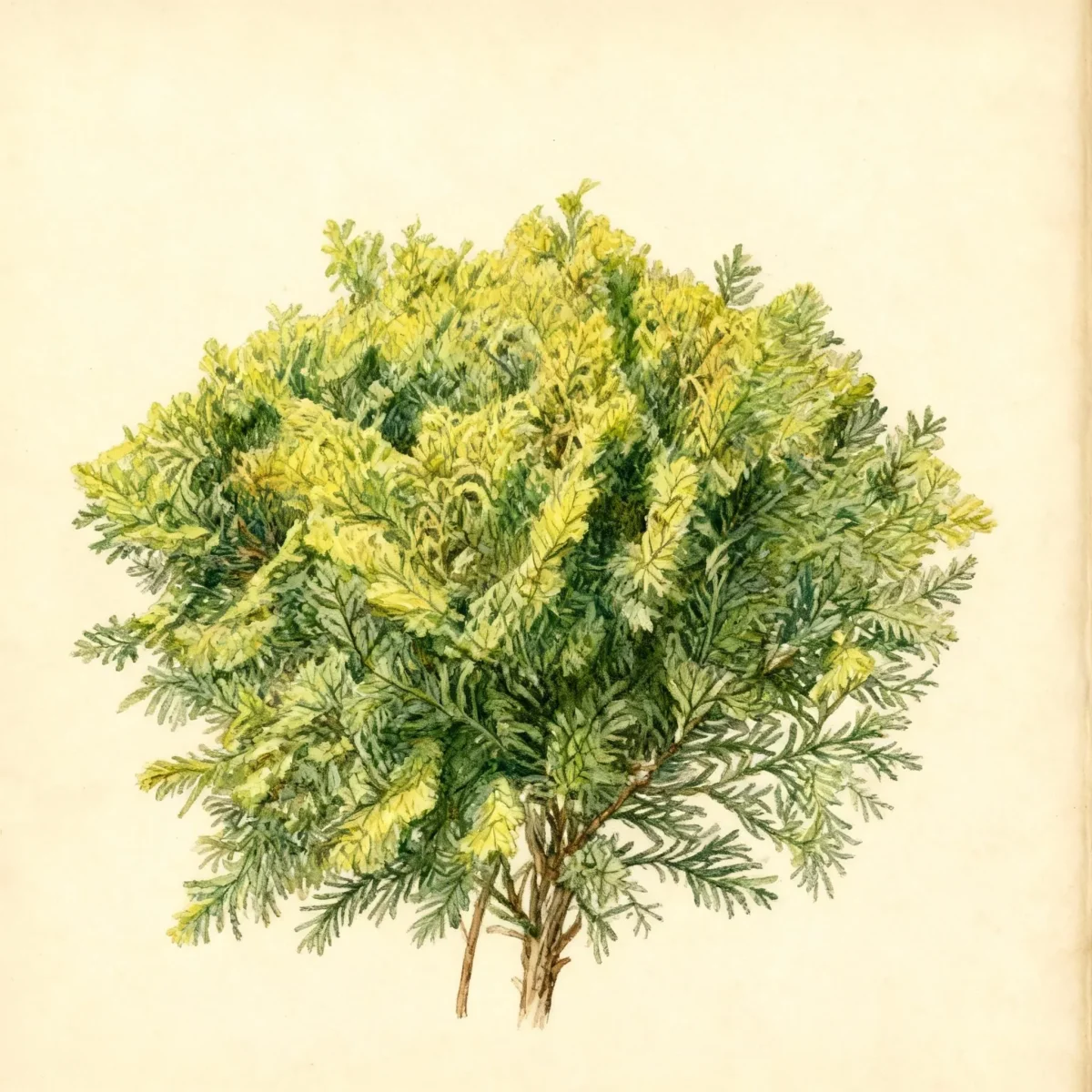
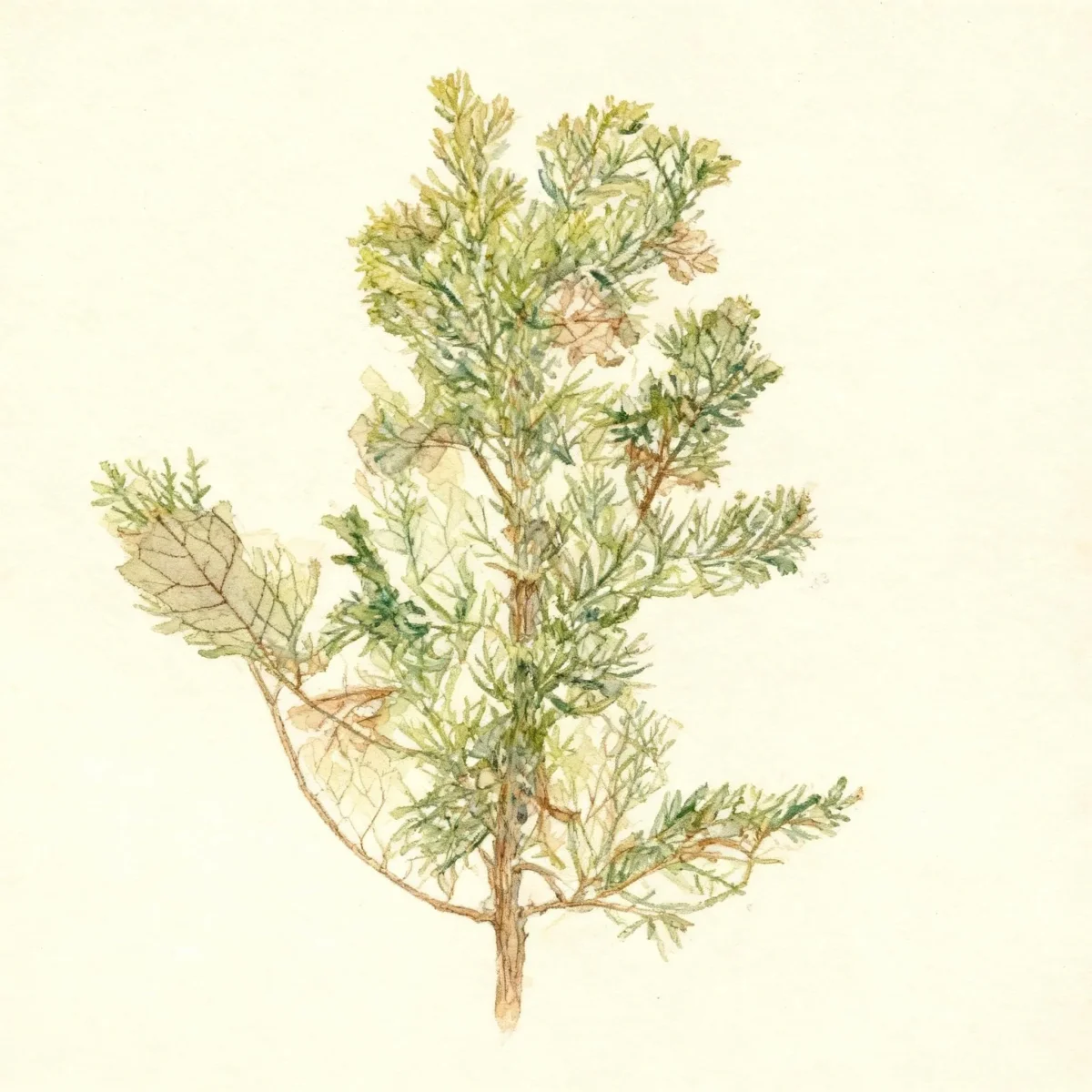
Hinoki cypress (Chamaecyparis obtusa 'Kosteri')
Dwarf Hinoki cypress, Chamaecyparis obtusa 'Kosteri', is a slow-growing evergreen reaching 4ft, perfect for rock gardens and specimens.
Scroll down to discover growing tips, care requirements, companion plants, and more
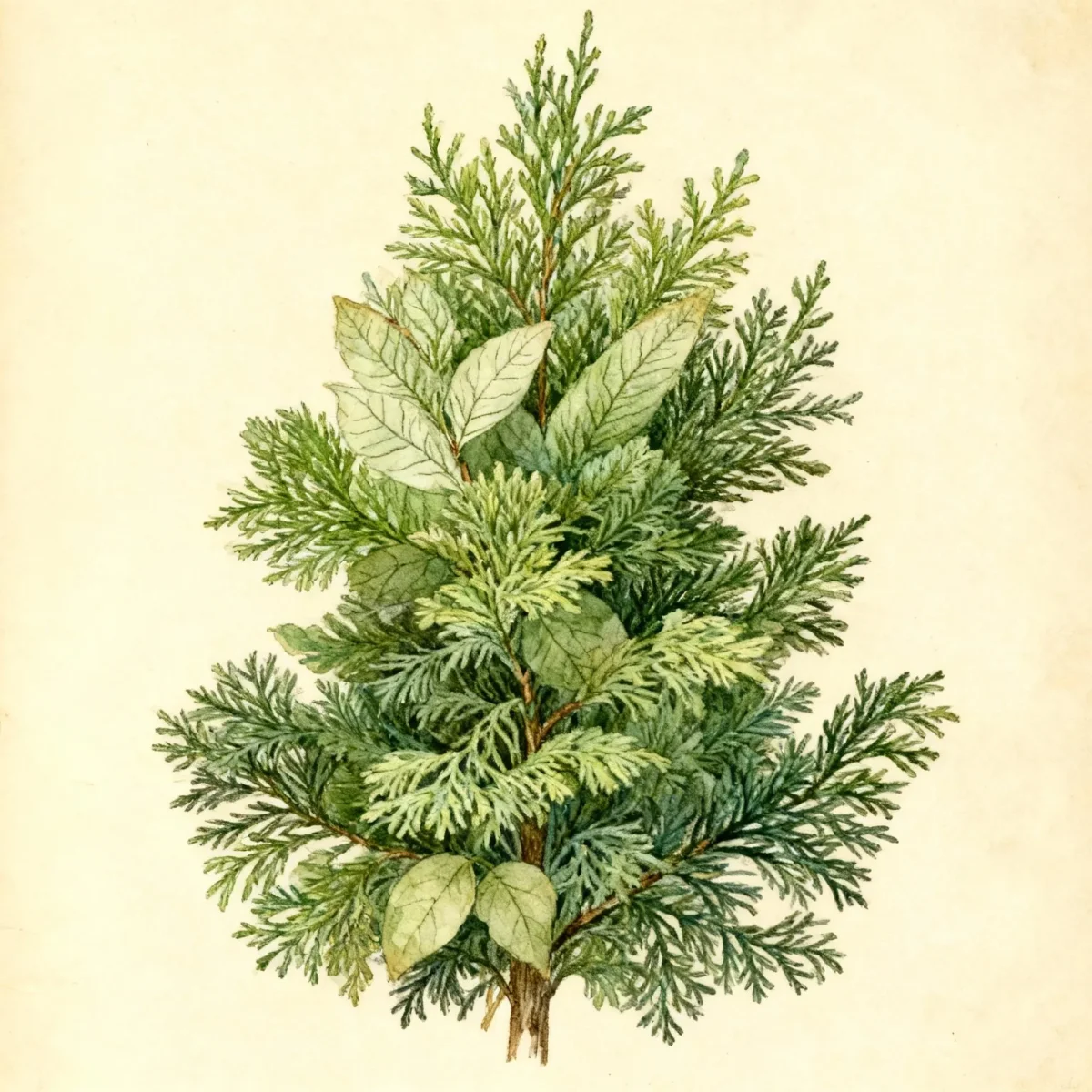
Complete Plant Information
Overview
The Chamaecyparis obtusa ‘Kosteri’, commonly known as the dwarf Hinoki cypress, is highly valued for its compact, slow-growing nature, making it an excellent focal point in smaller garden spaces. This cultivar maintains a narrow pyramidal form, offering year-round structure and deep texture that contrasts nicely with deciduous plantings. Gardeners prize this Hinoki cypress for its refinement and low maintenance requirements once established.
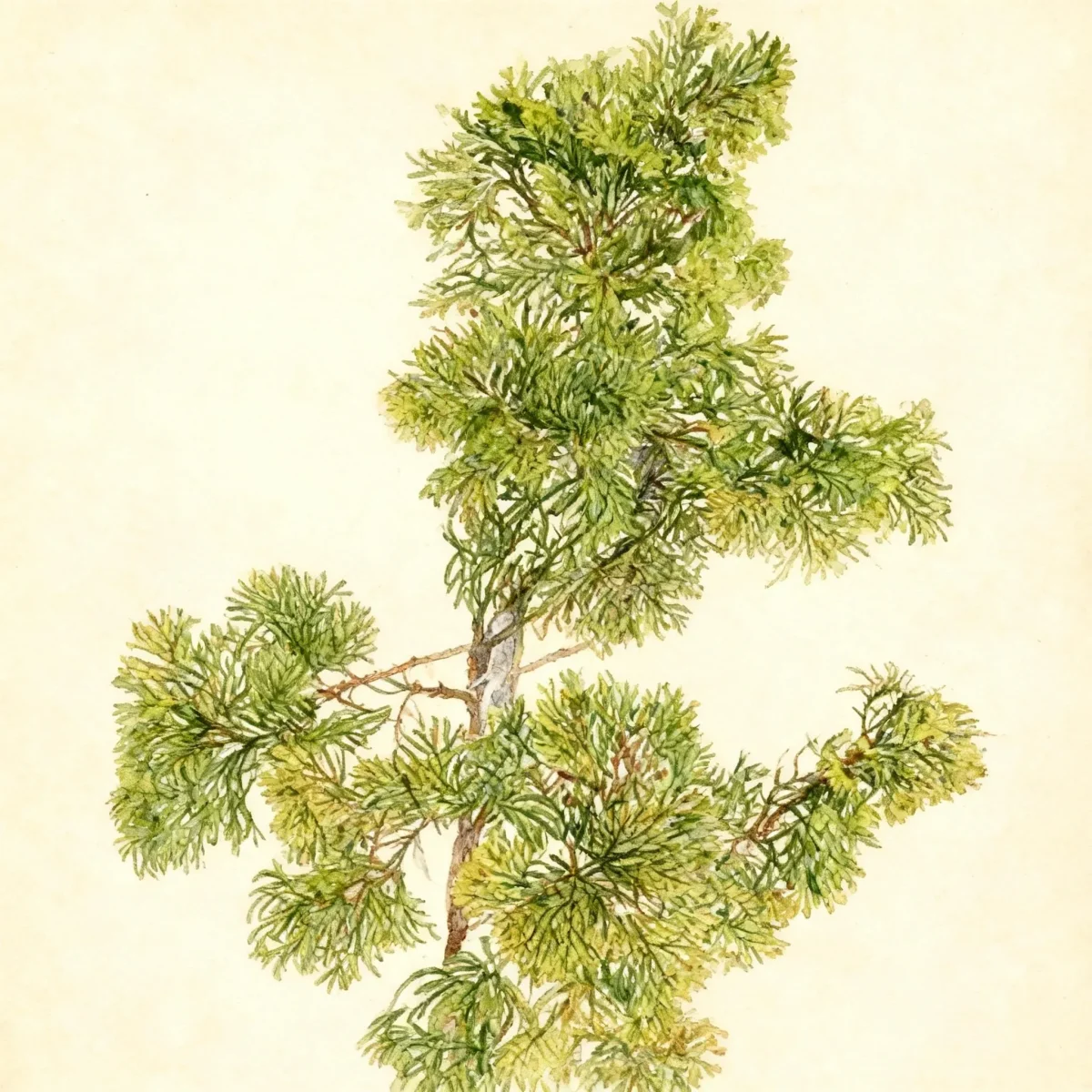
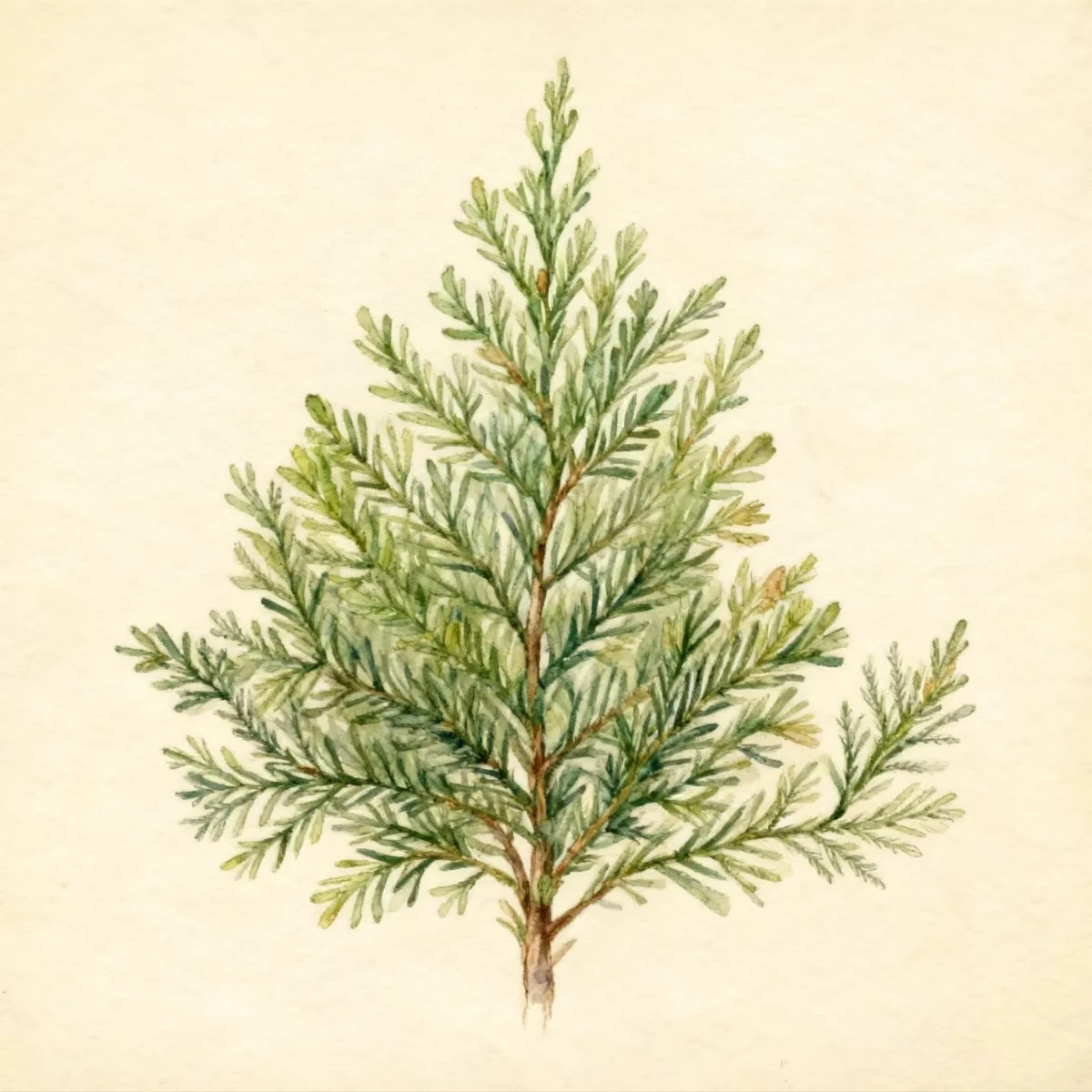
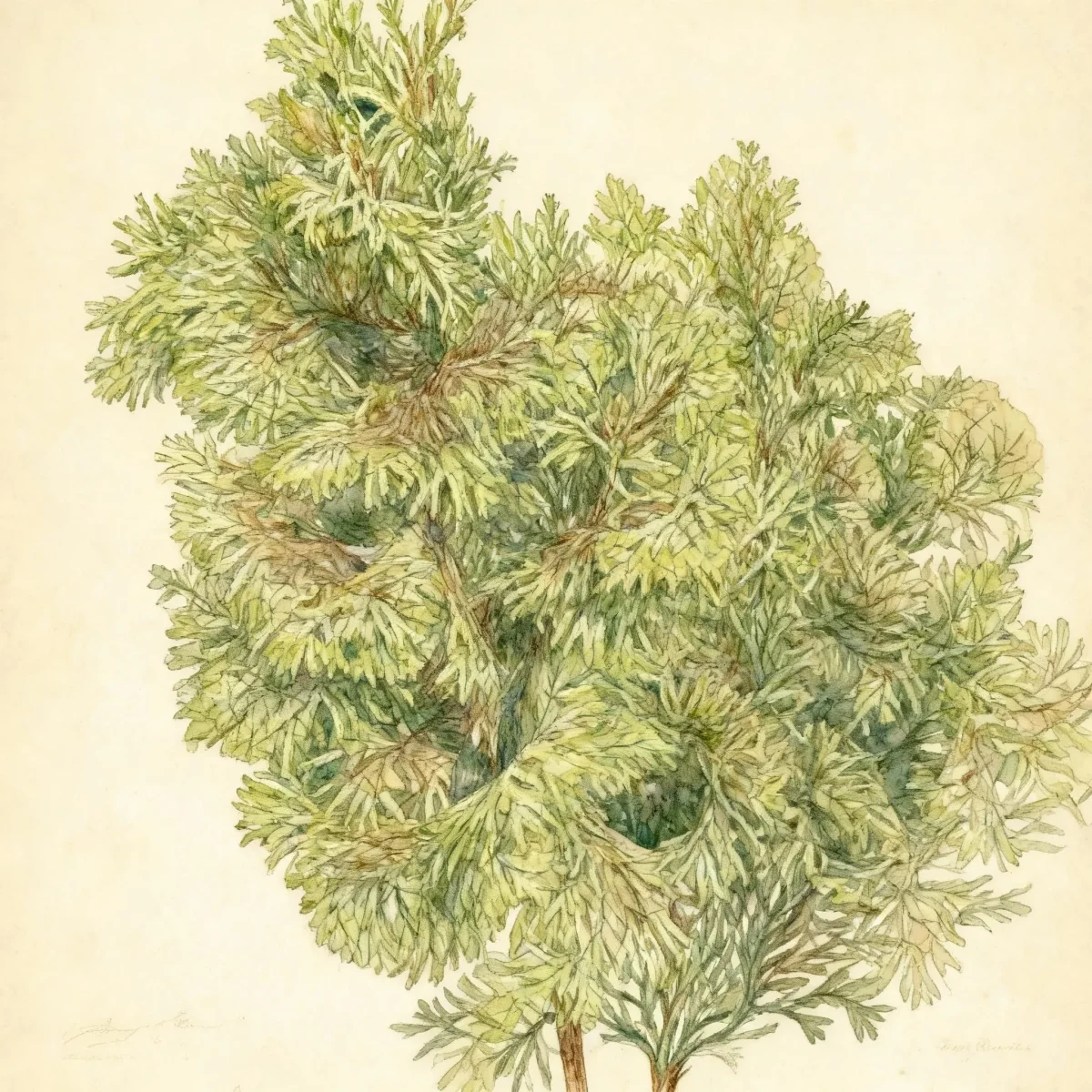
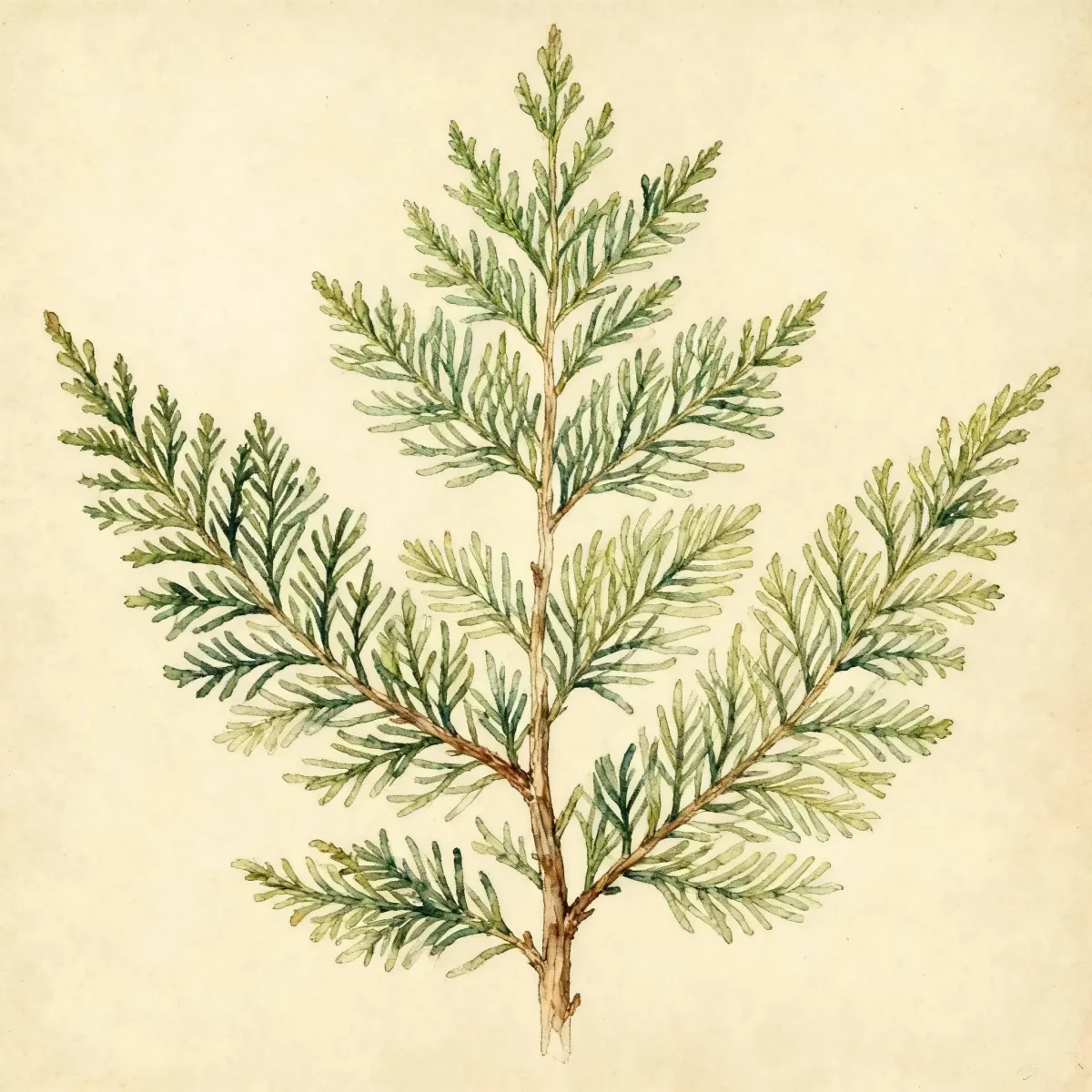
This exceptional needled evergreen is native to Japan and possesses unique foliage arranged in horizontal sprays of olive green, which often develops attractive bronze tones during winter exposure. As a dwarf form, Chamaecyparis obtusa ‘Kosteri’ reaches only 3 to 4 feet high and wide, serving perfectly as a specimen evergreen conifer without overwhelming the landscape. Its form and texture provide outstanding year-round interest, fitting beautifully into Asian-inspired, contemporary, or foundation plantings.
Cultivating the Chamaecyparis obtusa ‘Kosteri’ ensures you add reliable, slow-growing evergreen interest suitable for zones 4 through 8. Its preference for consistent moisture and well-drained soil means thoughtful placement is key to success. For year-round color and excellent structural appeal, the Hinoki cypress is a superb choice for the discerning home gardener seeking high impact with low effort.
Fast Facts
- Plant Family: Cupressaceae
- Plant Type: Needled evergreen
- Hardiness Zones: USDA Zones 4-8
- Size at Maturity:
- Height: 3-4 ft
- Spread: 3-4 ft
- Bloom Time: Non-flowering
- Bloom Description: Non-flowering
- Sun Exposure: Full sun to part shade
- Water Needs: Medium
- Maintenance Level: Low
How to Grow
Plant your Chamaecyparis obtusa ‘Kosteri’ during the spring or fall when soil temperatures are moderate, allowing the roots time to establish before periods of extreme weather. Choose a location offering full sun for the best color density, though it tolerates part shade. Excellent drainage is non-negotiable; this cypress demands average, medium moisture soils but will swiftly decline in overly wet, poorly-drained conditions.
Maintain consistent moisture, especially during the first couple of growing seasons. While maturing, water regularly to keep the soil evenly moist, preferring fertile ground over lean soil. Once established, this particular Hinoki cypress requires little supplemental fertilizer unless the soil is extremely poor. Pruning is rarely necessary for the ‘Kosteri’ cultivar due to its naturally neat, dwarf pyramidal habit, but light shearing in early spring can help maintain shape if needed.
Protecting this cultivar from strong winter winds is particularly important, as windburn can damage the foliage, diminishing the appeal of the olive-green sprays. In colder segments of its hardiness range (Zones 4 and 5), apply a thick layer of mulch around the base in late fall to buffer roots against freeze-thaw cycles. Avoid planting near areas prone to standing water to prevent root rot, a potential issue for this species.
Landscape Uses
The compact stature of the Chamaecyparis obtusa ‘Kosteri’ makes it an ideal specimen evergreen conifer where space is limited or where a tight vertical accent is desired. Its slow growth ensures that it remains appropriately sized for foundation plantings near homes or under windows where larger conifers would eventually obscure architectural features or block light. This dwarf Hinoki cypress truly shines when used as a textural element in rock gardens or formal low hedges.
Consider using the ‘Kosteri’ cultivar to punctuate the ends of garden borders or as a year-round anchor in perennial beds. Its muted olive-green color pairs beautifully with the sharp vertical contrasts of deciduous grasses or the silver foliage of plants like Artemisia. For Japanese-style gardens, its dense, structured form complements moss, gravel, and fine-textured groundcovers exceptionally well.
Standout Features
Noteworthy Characteristics
Chamaecyparis obtusa is native to Japan. It is commonly called hinoki cypress or hinoki falsecypress. It is an evergreen conifer that grows 50-75’ tall (to 120’ tall in its native habitat) with a pyramidal shape. It features spreading branches with flattened horizontal branchlets that droop at the ends. Dark green scale-like leaves in two sizes have white markings beneath. Crushed foliage is aromatic. Reddish brown bark will peel on mature trees. Small, 8-scaled, greenish-brown (female) to orange brown (male) cones. Although species trees are uncommonly planted in the home landscape, a large number of compact and dwarf cultivars have become very popular for use as small accents/specimens, hedges, screens and foundation/rock garden plants.Genus name comes from Greek chamai meaning dwarf or to the ground and kyparissos meaning cypress tree.Specific epithet means rounded in reference to its leaves being blunt/rounded at the tips.In Japan, hinoki means fire tree. ‘Kosteri’ is a dwarf hinoki cypress that typically matures very slowly in a dwarf narrow pyramidal form to 3-4’ tall and as wide. It is noted for its horizontal sprays of olive green leaves. Branchlets curve slightly downward at the tips. Foliage acquires bronze tones in winter.
Tolerances
- Shelter from wind
Potential Problems
While generally hardy, Chamaecyparis obtusa ‘Kosteri’ can occasionally suffer from fungal diseases like juniper blight, which manifests as discolored or dead branch tips. Maintaining good air circulation around the plant and avoiding overhead watering can help mitigate fungal issues, as excessive moisture encourages blight development. Secondly, ensure soil drainage is excellent, as standing water is the primary cause of root rot in Hinoki cypress.
Keep an eye out for certain insect pests, particularly vulnerable species like bagworms, which may feed on the foliage. Handpicking small infestations or using horticultural oil in early spring, before insect activity peaks, is an effective management strategy. Proper cultural care—especially providing adequate sun and avoiding stressful, wet soil—is the best defense against most common problems.
Frequently Asked Questions
What hardiness zones is Hinoki cypress suitable for?
The Chamaecyparis obtusa ‘Kosteri’ is reliably hardy in USDA Zones 4 through 8.
How large does Chamaecyparis obtusa ‘Kosteri’ grow?
This dwarf cultivar reaches a mature height between 3 and 4 feet tall, with a similar spread of 3 to 4 feet wide.
What sun exposure does Hinoki cypress need?
For optimal growth and foliage color, plant your Chamaecyparis obtusa ‘Kosteri’ in full sun, though it will tolerate partial shade.
Conclusion
The dwarf Hinoki cypress, Chamaecyparis obtusa ‘Kosteri’, offers unparalleled texture and reliable year-round form in a manageable size perfect for modern or traditional landscapes. Its slow, narrow growth pattern guarantees it functions well as a long-term specimen evergreen conifer. Before planting, verify that your location provides the essential high-drainage soil and adequate sun exposure required for this beautiful Japanese native to thrive.
Companion Planting Ideas
Selecting appropriate companions enhances the visual appeal of the Chamaecyparis obtusa ‘Kosteri’ by leveraging textural and color differences. Since this Hinoki cypress prefers consistently moist but well-drained soil and full sun, pair it with other acid-loving, medium-water needs evergreens or perennials. Good choices include Japanese maples (for summer shade contrast), dwarf rhododendrons, or low-growing heathers that also show winter interest.
Avoid dense plantings immediately around the base of the dwarf Hinoki cypress to promote essential air circulation, which helps prevent fungal issues like blight. Low-growing Muhly grass or creeping sedums can provide soft texture around the base without competing heavily for surface moisture or crowding the lower branches of the Chamaecyparis obtusa ‘Kosteri’.
Seasonal Care Calendar
Spring prep is crucial; ensure mulch is refreshed and inspect the plant for any winter damage or pest activity before major growth begins. This is the best time for any limited corrective pruning to maintain the narrow pyramidal shape of your specimen evergreen conifer. Begin a consistent watering schedule suitable for medium water needs, ensuring soil remains moist but never soggy as temperatures rise.
Summer maintenance focuses almost entirely on irrigation management; do not let the soil dry out completely, especially in full sun. In the autumn, as the foliage of the Chamaecyparis obtusa ‘Kosteri’ begins to develop its bronze winter tones, reduce watering slightly to acclimate the plant for dormancy. In winter, protect younger specimens from harsh wind and heavy, wet snow loads which can break the delicate horizontal branchlets.