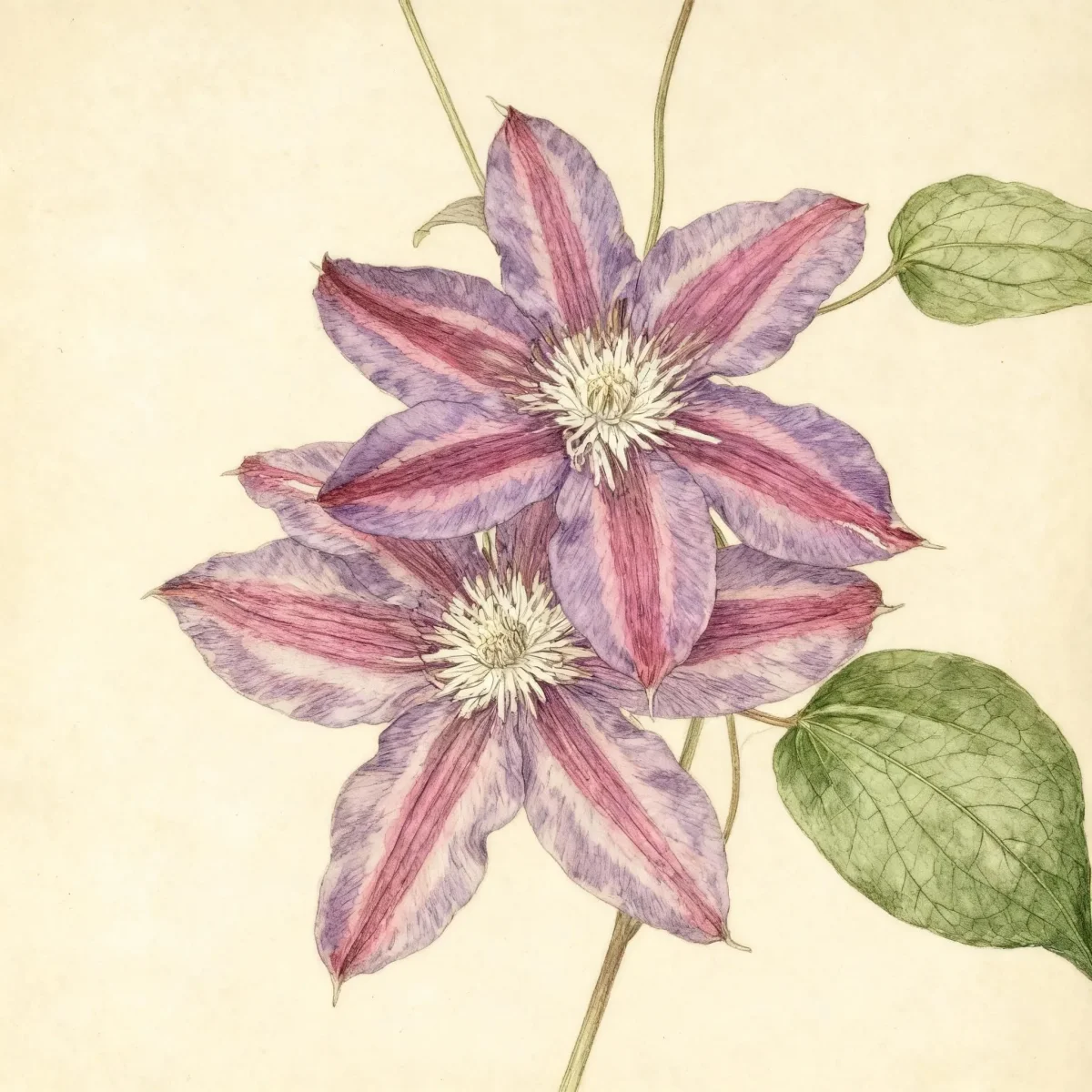
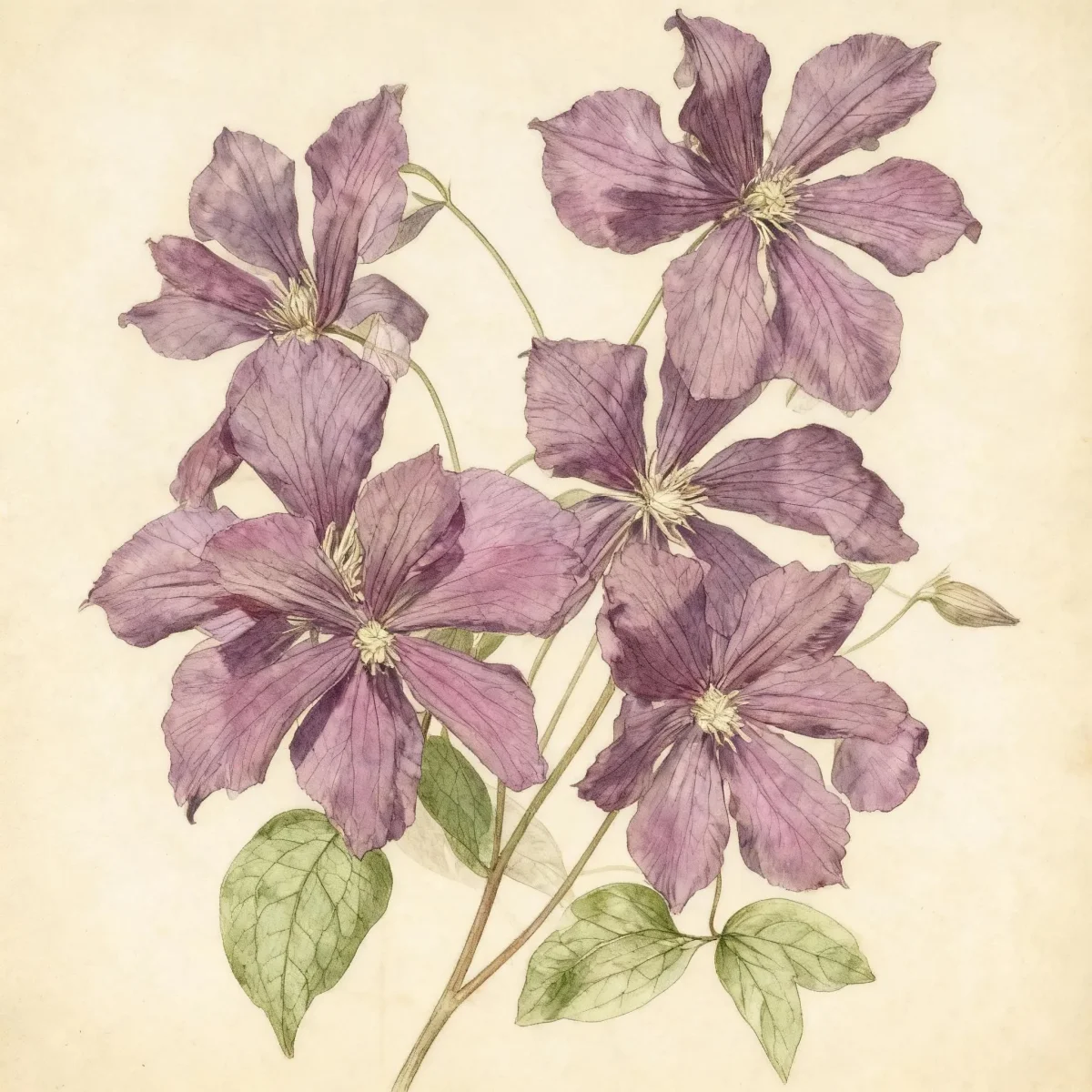
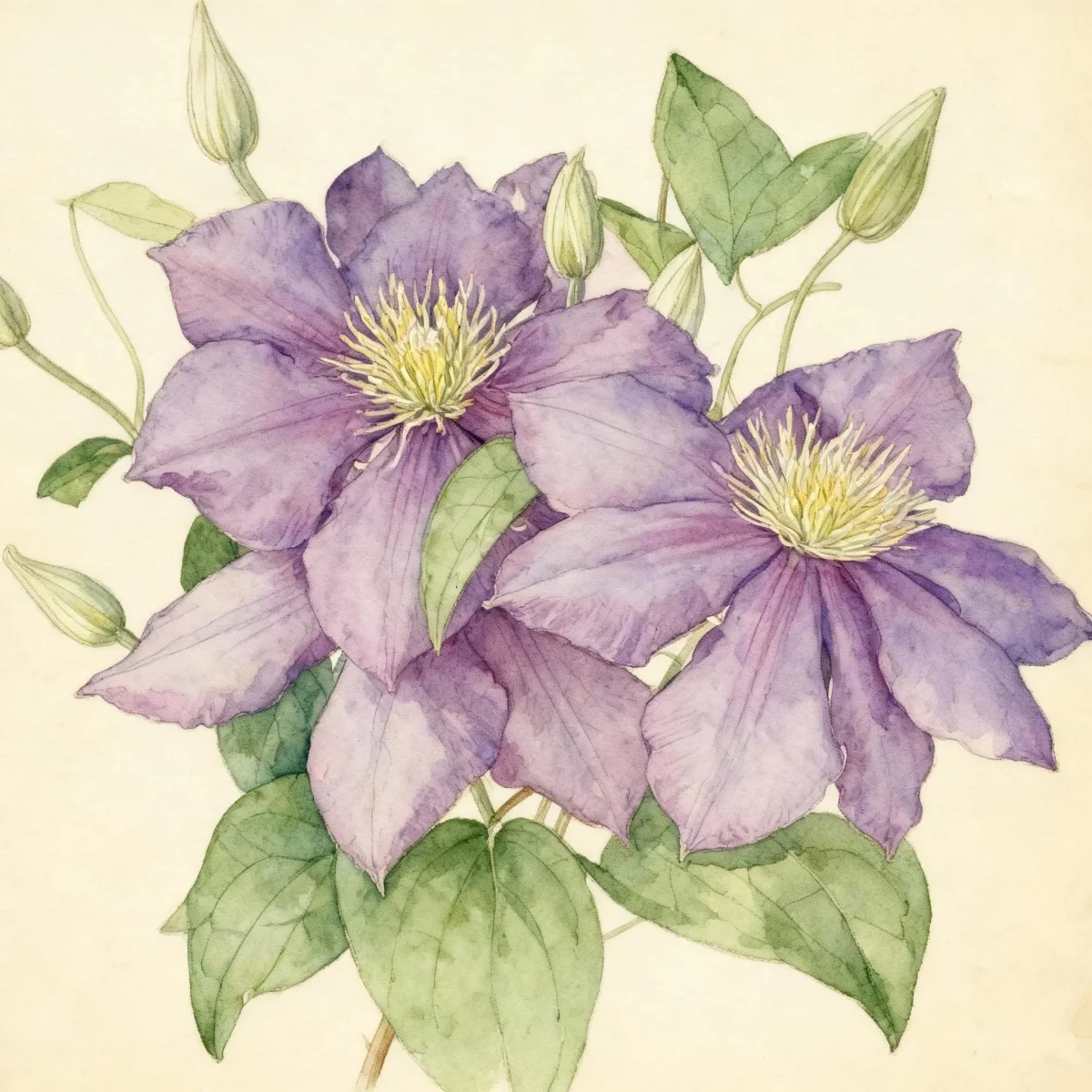
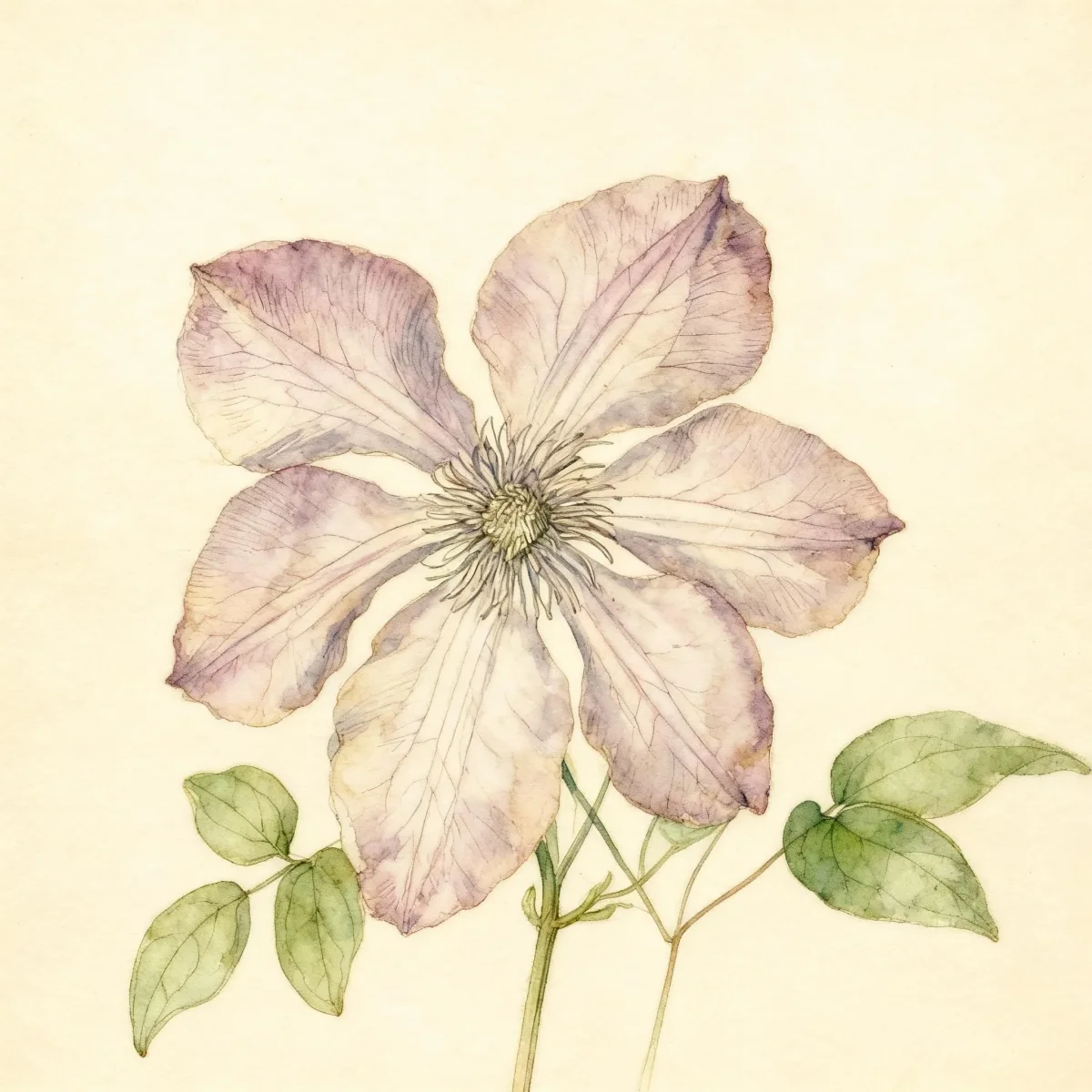
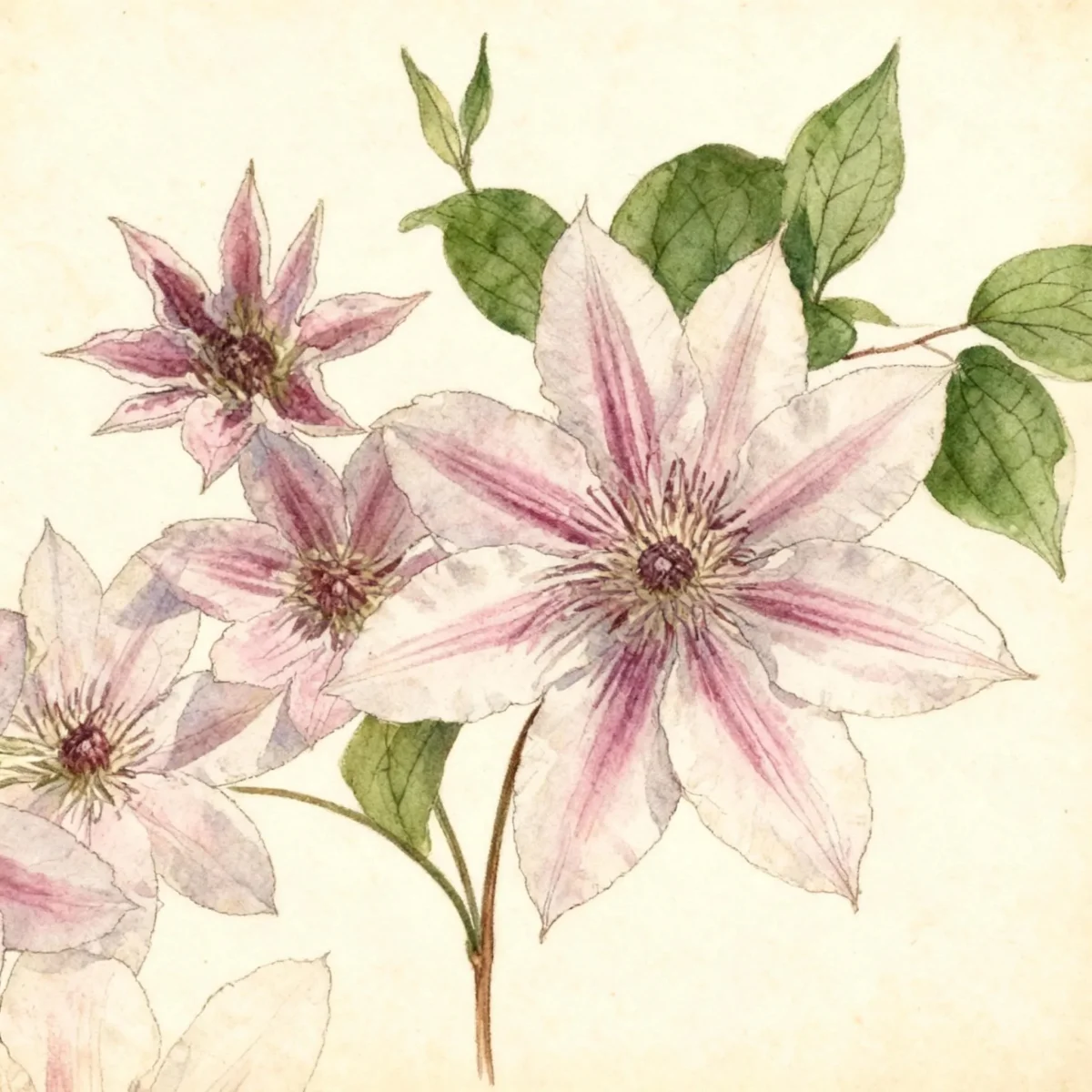
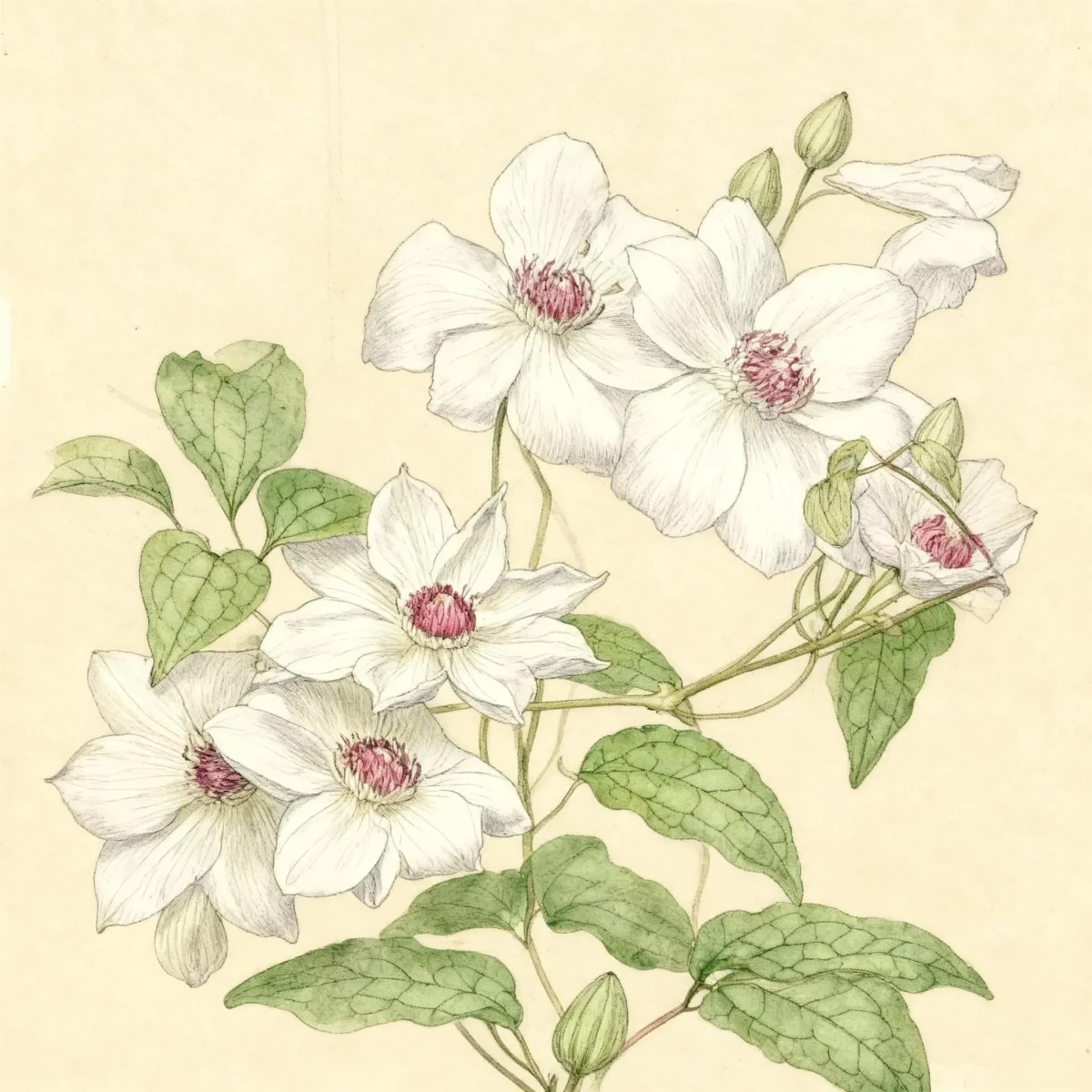
Clematis (Clematis 'Hagley Hybrid')
The Clematis 'Hagley Hybrid' vine boasts profuse pink summer blooms. A low-maintenance, showy climber hardy in Zones 4-8, perfect for trellises.
Scroll down to discover growing tips, care requirements, companion plants, and more
Complete Plant Information
Overview
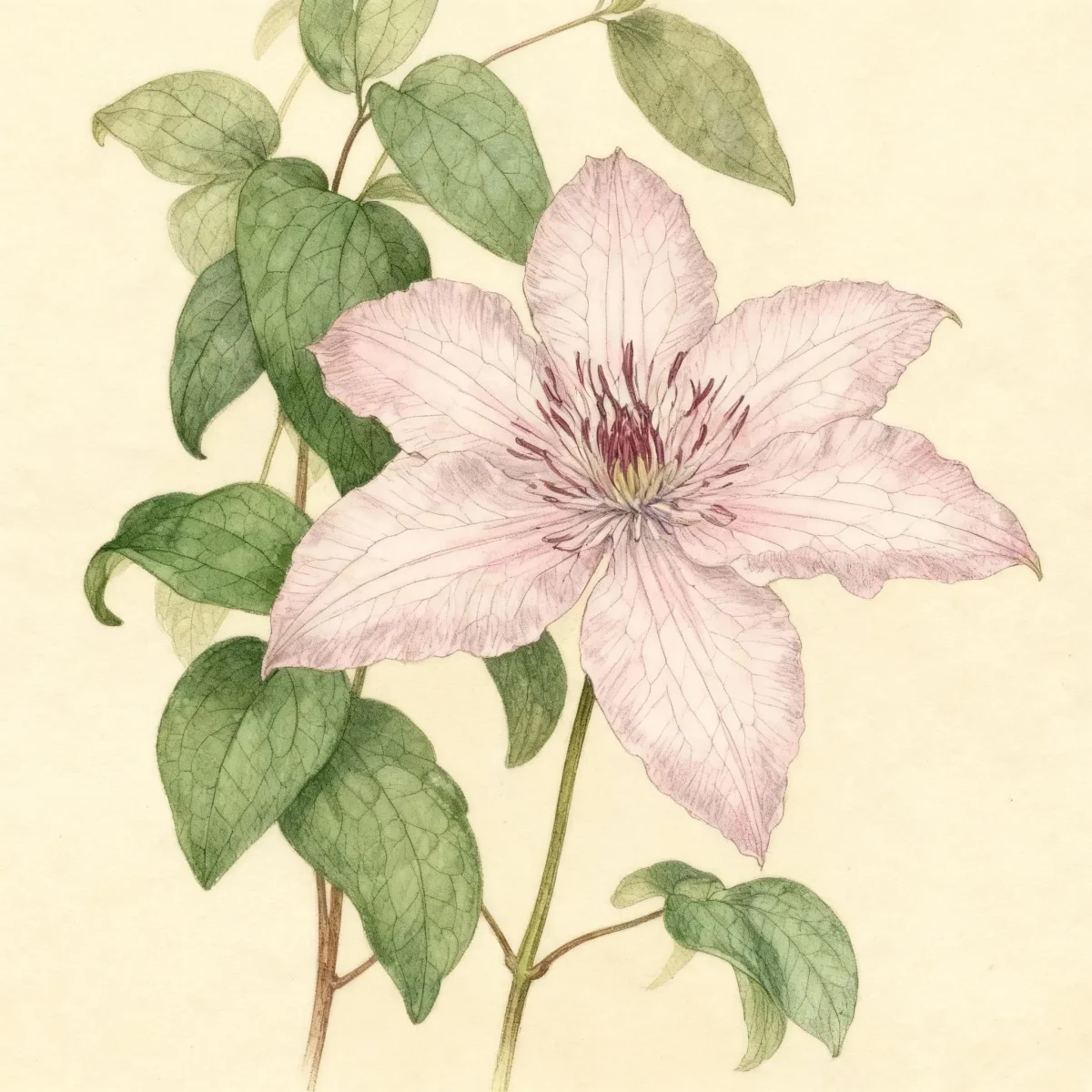
The Clematis ‘Hagley Hybrid’ is a captivating flowering vine highly valued for its vigorous growth habit and abundant summer color. This cultivar of Clematis produces profuse, showy blossoms, typically featuring six to eight sepals measuring 6-8 inches across, creating a significant visual impact throughout the warm months. Ideal for gardeners seeking architectural height combined with relatively low maintenance, the Clematis ‘Hagley Hybrid’ thrives when supported correctly, lending vertical interest to nearly any landscape structure. Proper placement ensures the flowering parts receive sufficient light while keeping the root zone cool and shaded, maximizing the healthy performance of this beautiful Clematis.
Fast Facts
- Plant Family: Ranunculaceae
- Plant Type: Vine
- Hardiness Zones: USDA Zones 4-8
- Size at Maturity:
- Height: 6-8 ft
- Spread: 3-6 ft
- Bloom Time: June to September
- Bloom Description: Pink with purplish anthers
- Sun Exposure: Full sun to part shade
- Water Needs: Medium
- Maintenance Level: Low
How to Grow
Plant Clematis ‘Hagley Hybrid’ in the spring or fall in fertile, well-drained soil that retains consistent moisture. Crucially, these vining hybrids perform best when the flowering sections receive full sun to partial afternoon shade, but the roots must be kept cool, shaded, and uniformly moist. To achieve this, site the vine so that its base is shaded by nearby perennials, annuals, or small shrubs, or apply a thick layer of root mulch.
Watering should be consistent, as it is vital not to allow the soil around the roots of the Clematis to dry out. While the genus requires medium water, uniformity is key. Providing a sturdy trellis, arbor, or other support structure is essential, as these Clematis vines climb by twining their leaf stalks.
Pruning for Clematis ‘Hagley Hybrid’ can follow either Group 2 or Group 3 guidelines. For Group 2 treatment, minimal pruning is needed, focusing mainly on removing dead or damaged stems, as it blooms on both old and new wood. Aggressive spring pruning will delay or reduce flowering. Following Group 3 pruning involves cutting the vine down to the ground late winter or early spring, resulting in flowering only on the new season’s growth.
Landscape Uses
Clematis vines offer remarkable versatility in garden design, ascending walls, trellises, fences, and arbors to provide excellent architectural structure. The height achieved by the Clematis ‘Hagley Hybrid’ (up to 8 feet) makes it perfect for softening the hard lines of structures or adding backdrop drama. Beyond vertical training, these vines are excellent trained to sprawl over existing shrubs or scramble across old stumps, blending functionality with abundant summer blooms. Planting them in containers is also viable, provided adequate support is given and root moisture is diligently managed.
Standout Features
Flower Qualities
- Showy
Noteworthy Characteristics
Clematis is a genus of over 250 species, most of which are woody to semi-woody deciduous vines climbing by twining leaf stalks or in some cases trailing over support, but in a few cases grow as freestanding or sprawling herbaceous perennials and small deciduous or evergreen shrubs. Most have flat, cupped or bell-shaped flowers. Cultivated plants are often divided into three groups based on pruning needs, with ‘Hagley Hybrid’ fitting Group 2 or 3 schedules. This cultivar specifically features profuse, 6-8” diameter flowers that bloom primarily on the prior year’s stems early in summer, followed by a secondary flush later on new growth.
Tolerances
- Deer
- Black Walnut
Potential Problems
Clematis ‘Hagley Hybrid’ can be susceptible to serious issues, most notably wilt or stem rot, which can be fatal if not addressed quickly. Gardeners should also watch for common fungal diseases like powdery mildew and leaf spots, as well as rust and viruses. Insect pests demanding vigilance include aphids, vine weevils, slugs/snails, and scale. To mitigate these risks, ensure excellent air circulation, maintain consistent (but not soggy) soil moisture, and keep the root zone shaded clear of excessive debris.
Frequently Asked Questions
What hardiness zones is Clematis ‘Hagley Hybrid’ suitable for?
This beautiful Clematis cultivar is hardy across USDA Zones 4 through 8, offering wide applicability in many temperate climates.
How large does Clematis ‘Hagley Hybrid’ grow?
When reaching maturity, the Clematis ‘Hagley Hybrid’ typically matures to a height between 6 to 8 feet, with a spread ranging from 3 to 6 feet.
When does Clematis ‘Hagley Hybrid’ bloom?
You can anticipate stunning blooms from this vine between June and September, showcasing its distinctive pink flowers with purplish anthers.
What sun exposure does Clematis ‘Hagley Hybrid’ need?
This Clematis prefers a location that provides full sun, though it appreciates some light afternoon shade, especially in the hottest climates.
Conclusion
The Clematis ‘Hagley Hybrid’ offers the home gardener an explosion of color and reliable vertical structure with relatively low maintenance requirements once established. By paying close attention to keeping its roots cool while ensuring its flowers bask in adequate light, you can enjoy this spectacular Clematis season after season. Before planting, confirm your local USDA zone falls within 4-8 and plan for trellising immediately upon installation.
Companion Planting
Selecting appropriate companions is crucial for maintaining the cool, shaded root conditions preferred by Clematis ‘Hagley Hybrid’. Low-growing, shallow-rooted perennials work best, as deep-rooted neighbors might compete for moisture. Consider using groundcovers like Hostas, low spreading Geraniums, or hardy annuals such as Impatiens near the base of the vine. These plants serve the dual purpose of shading the roots and adding complementary texture or color near the base of the vertical structure.
Seasonal Care Calendar
For optimal performance of your Clematis, follow a basic seasonal routine. In early spring, before new growth starts, address pruning based on whether you treat it as Group 2 or Group 3; also, apply a balanced, slow-release fertilizer sparingly. Summer is the peak growing and blooming season, requiring dedicated monitoring for consistent watering, especially during dry spells, as the soil must not dry out. In autumn, as growth slows, ensure the base remains mulched; this winter mulch helps moderate soil temperatures and protects the roots through colder periods in zones 4 and 5.