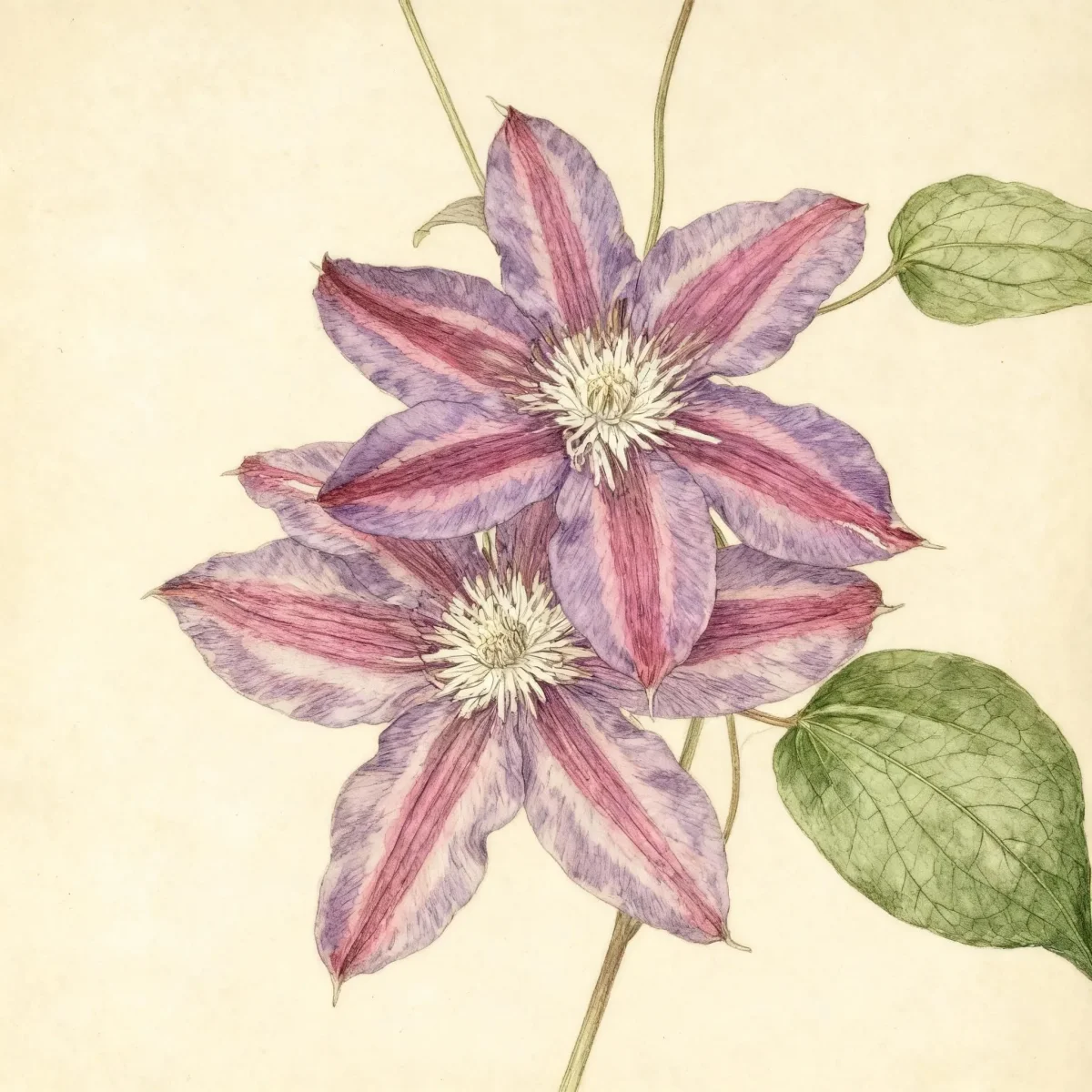
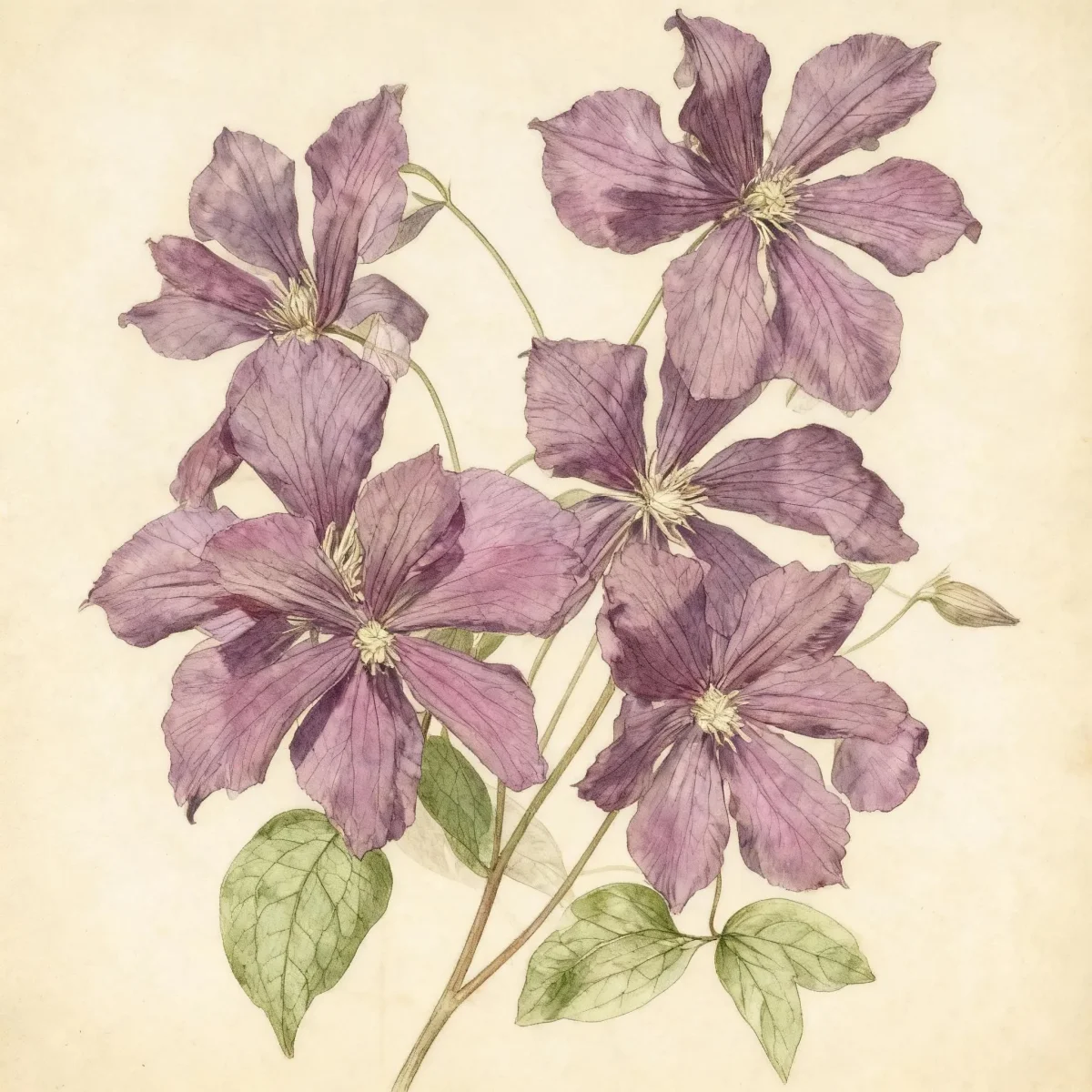
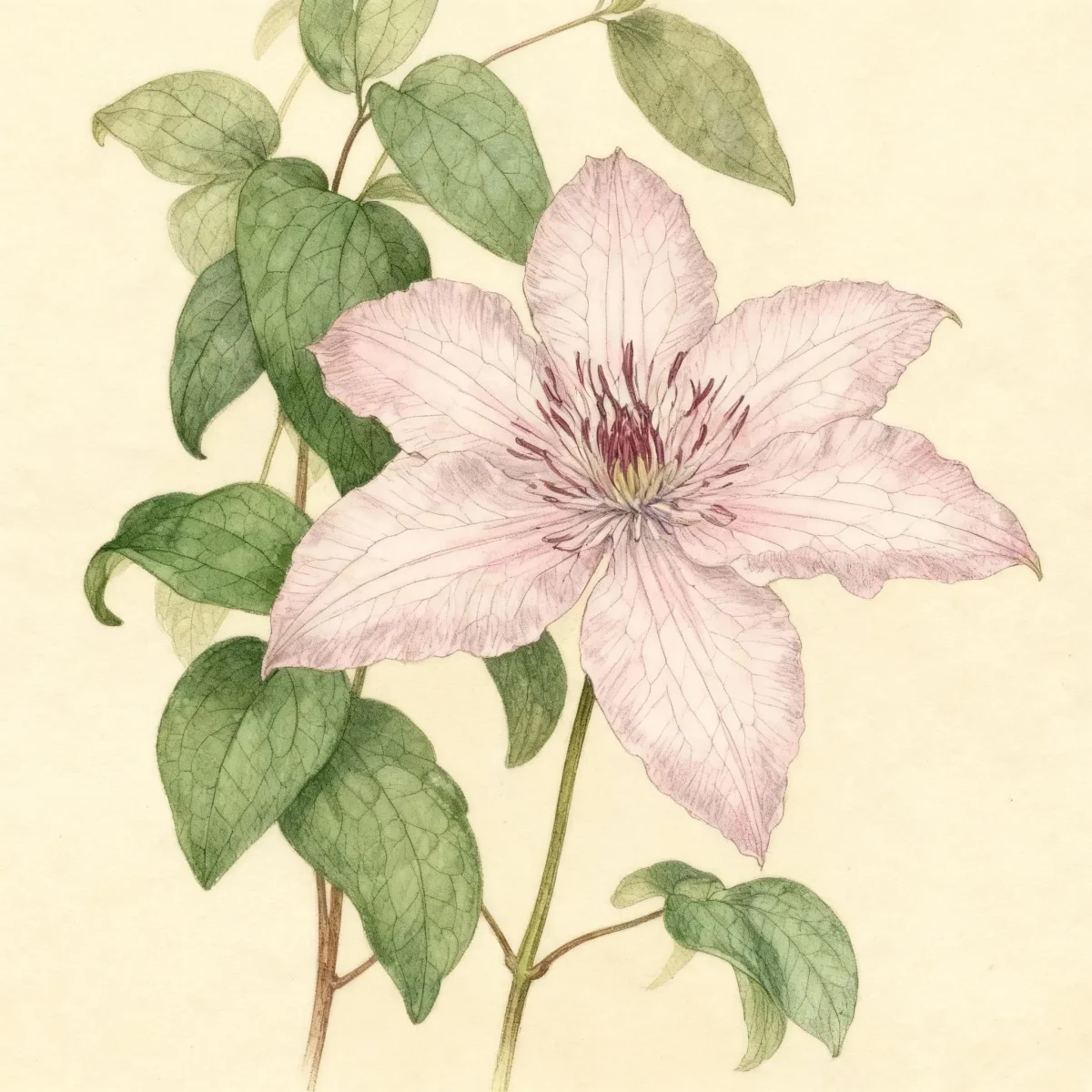
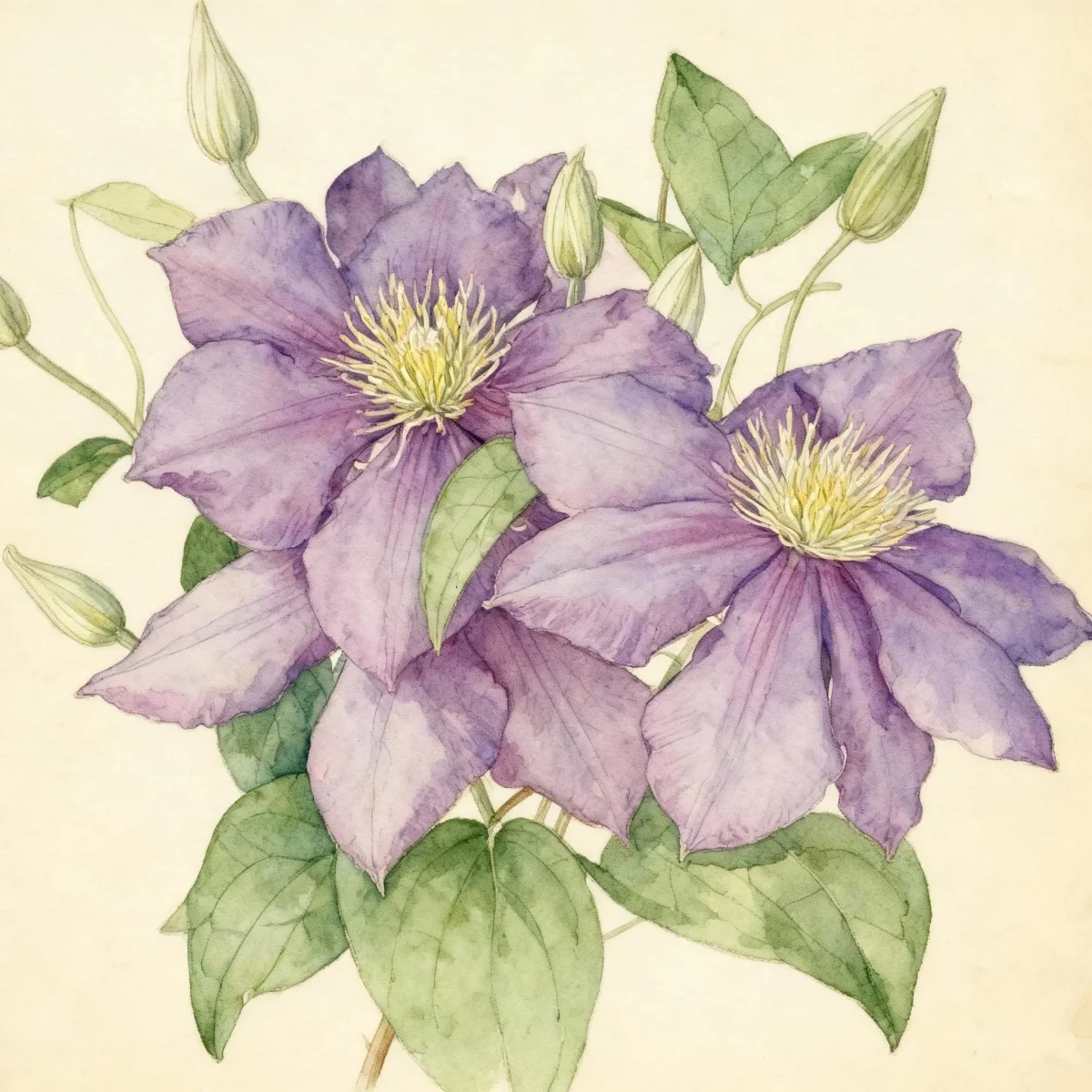
Clematis (Clematis 'Silver Moon')
Clematis 'Silver Moon' is a showy, low-maintenance vine suitable for zones 4-9, blooming profusely from June to September.
Scroll down to discover growing tips, care requirements, companion plants, and more
Complete Plant Information
Overview
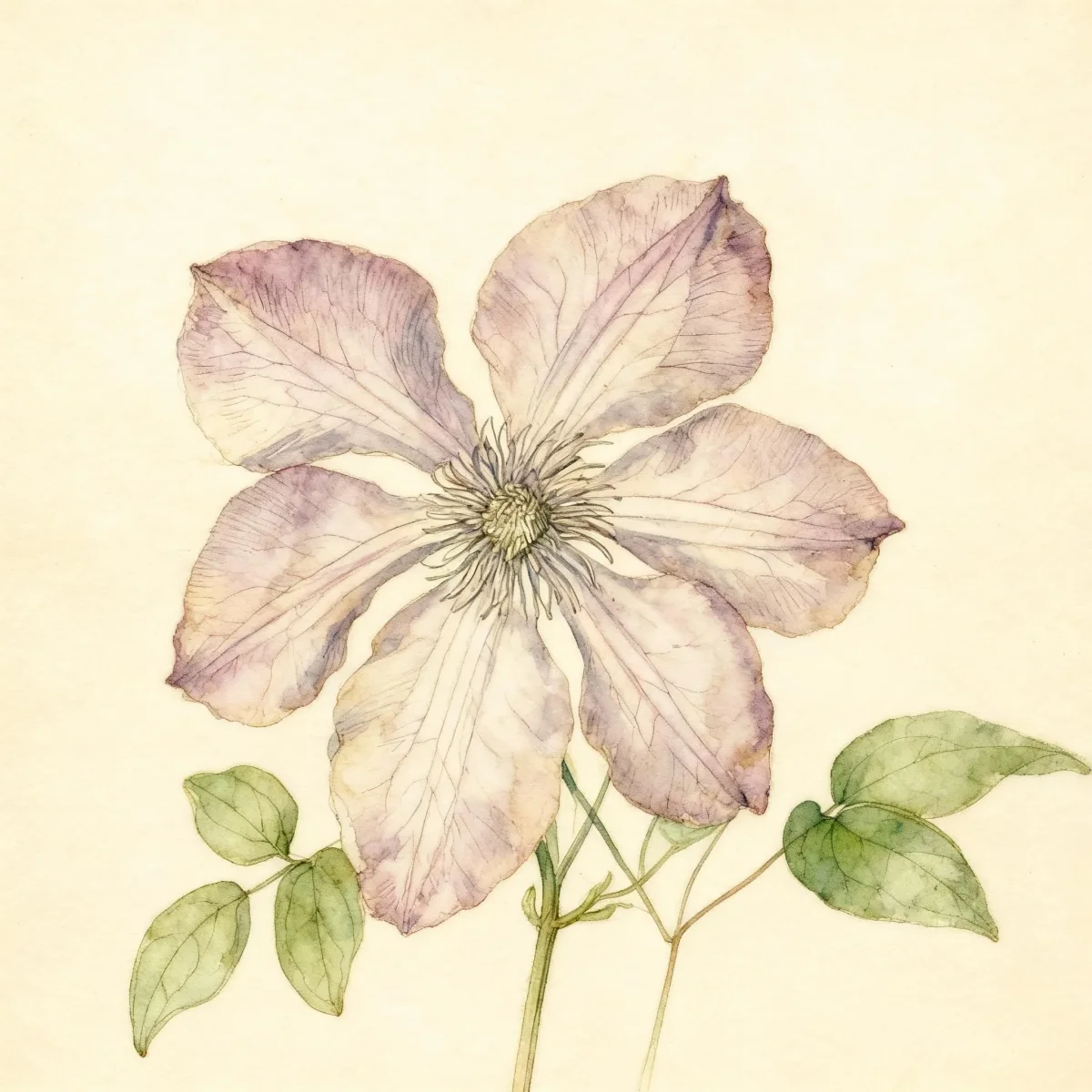
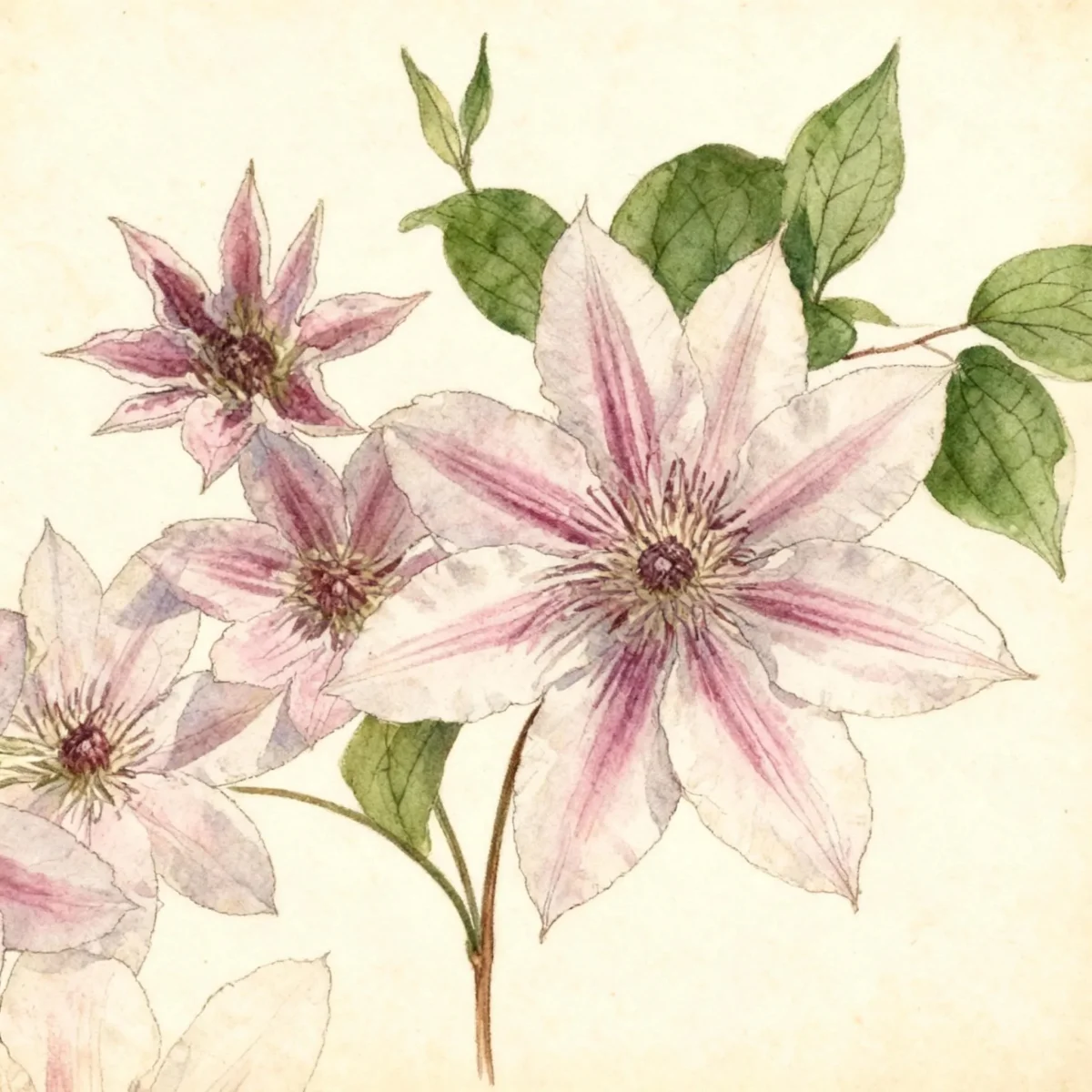
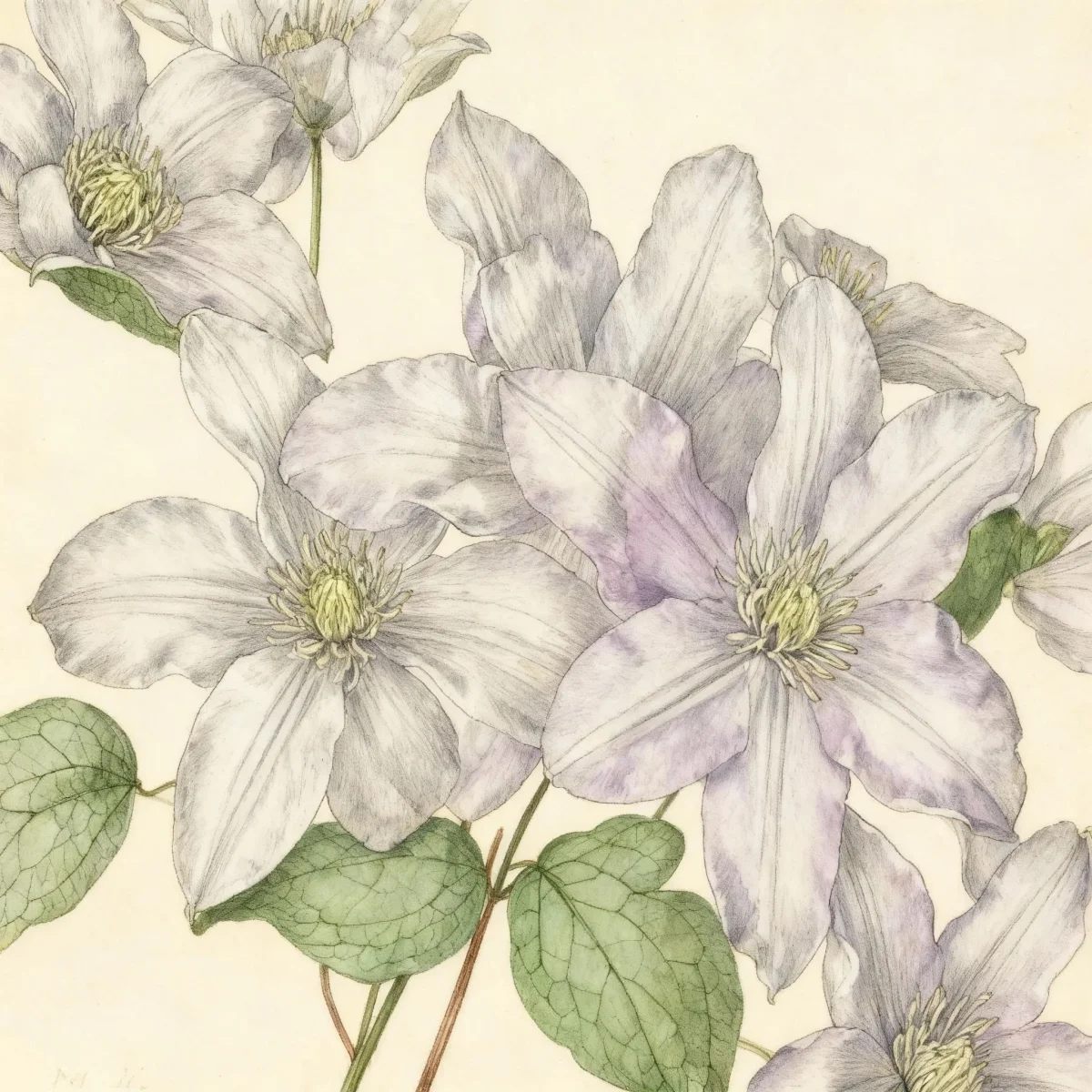
Clematis ‘Silver Moon’ is a highly prized, woody deciduous vine renowned for its prolific summer bloom display. This cultivar produces large, captivating flowers ranging from 6 to 8 inches across, featuring wavy margined, pale silver lilac petals that contrast beautifully with pale yellow stamens. As a Group 2 clematis, it offers reliable flowering on both old and new wood, making it a spectacular choice for vertical accents.
This versatile vine provides elegant architectural height, growing reliably between 8 and 10 feet tall, perfect for softening walls or covering arbors. Gardeners appreciate the relatively low maintenance required for Clematis ‘Silver Moon’, provided its critical root requirements are met. Its striking flowers make it an outstanding focal point throughout the warm growing season.
For vibrant, low-effort vertical interest, look no further than Clematis ‘Silver Moon’. Its adaptability across USDA Zones 4 through 9 means many gardeners can enjoy this sophisticated purple-silver bloomer with minimal fuss once established in the right location.
Fast Facts
- Plant Family: Ranunculaceae
- Plant Type: Vine
- Hardiness Zones: USDA Zones 4-9
- Size at Maturity:
- Height: 8-10 ft
- Spread: 8-10 ft
- Bloom Time: June to September
- Bloom Description: Silvery lilac with pale yellow stamens
- Sun Exposure: Full sun to part shade
- Water Needs: Medium
- Maintenance Level: Low
How to Grow
The best time to plant Clematis, including ‘Silver Moon’, is typically in spring or early fall. These vines thrive in fertile, medium-moisture, well-drained soils. A critical cultural requirement for all vining Clematis is their preference for having their roots shaded while their foliage enjoys full sun to part shade.
Ongoing cultural care revolves around ensuring consistent soil moisture; do not allow the soil around this Clematis to dry out. Roots must be kept cool and uniformly moist. Shade the root zone by planting low-growing perennials, small shrubs, or applying a thick layer of root mulch around the base. Remember that all Clematis vines require a sturdy trellis, arbor, or other structure for strong twining support.
‘Silver Moon’ falls under Pruning Group 2. This generally means minimal pruning is needed for woody-stemmed mature plants. If you choose to cut it back in fall or spring, flowering may be delayed or reduced, but the plant will not be prevented from blooming. Avoid disturbing established roots unnecessarily.
Landscape Uses
Clematis ‘Silver Moon’ excels as a dramatic vertical element in the landscape. You can expertly train this vigorous vine to ascend nearly any stationary structure, including fences, trellises, lampposts, or porch columns, providing excellent architectural height. For small gardens, this creates significant impact without consuming excessive ground space.
Consider using this variety to scramble gracefully through the structure of supportive large shrubs, creating a layered, cottage-garden look. Its height also makes it ideal for framing an entryway or softening the base of a mature tree, provided adequate vertical support is given. If planting in groupings, select companions with varying bloom times to extend seasonal interest, ensuring their root zones are similarly maintained.
Standout Features
Flower Qualities
- Showy
Noteworthy Characteristics
Clematis is a genus of over 250 species, most of which are woody to semi-woody deciduous vines climbing by twining leaf stalks or in some cases trailing over support, but in a few cases grow as freestanding or sprawling herbaceous perennials and small deciduous or evergreen shrubs. ‘Silver Moon’ features profuse, wavy margined, 6-8” pale silver lilac flowers with pale yellow stamens cover this vine in summer. These stunning blooms may even be cut and floated in bowls for beautiful indoor display.
Tolerances
- Deer
- Black Walnut
Potential Problems
Clematis ‘Silver Moon’ is susceptible to several fungal issues, most notably wilt/stem rot, which can be fatal if not caught early. Watch closely for signs of powdery mildew, leaf spots, and rust, especially in humid conditions later in the season. Routine pest monitoring should include checking for common offenders like aphids, slugs, snails, scale, and spider mites.
Managing potential problems starts with proper siting—ensure excellent air circulation and avoid overhead watering, which contributes to fungal outbreaks. Promptly remove any discolored or wilting foliage to limit disease spread. If stem rot symptoms appear, immediately prune out the affected stem down to healthy tissue, ensuring cuts are clean.
Frequently Asked Questions
What hardiness zones is Clematis ‘Silver Moon’ suitable for?
This beautiful Clematis cultivar is hardy across a wide range, thriving in USDA Zones 4 through 9.
How large does Clematis ‘Silver Moon’ grow?
This robust vine typically reaches a mature height between 8 and 10 feet, with a similar spread of 8 to 10 feet.
What sun exposure does Clematis ‘Silver Moon’ need?
For the best performance and bloom production, position your Clematis where it receives full sun to part shade, remembering that the roots need shade and consistent moisture.
When does Clematis ‘Silver Moon’ bloom?
You can expect continuous blooming from this vine throughout the summer months, specifically from June all the way through September.
Conclusion
Clematis ‘Silver Moon’ is an essential feature vine, celebrated for its magnificent, silvery summer flowers and relatively low-maintenance nature once established. Successfully growing this stunning Clematis requires adherence to its specific cultural needs regarding root shading and consistent moisture. Before planting, confirm that your chosen garden location falls within USDA Zones 4 to 9 and that you have a suitable structure ready for your new Clematis to ascend.
Companion Planting for Clematis
Selecting the right companions is key to maintaining the cool, shaded root zone preferred by Clematis ‘Silver Moon’. Low-mounding perennials act as excellent mulch and root insulators. Consider planting hardy Geraniums (cranesbill), Hostas, or low-growing Astilbes around the base, as these associates offer contrasting foliage textures and generally share similar soil moisture requirements.
Choose companions that do not compete aggressively for surface nutrients or water. Tall, deep-rooted shrubs that provide afternoon shade to the vine’s base are also excellent partners. Avoid allowing competitive weeds to establish near the base of the Clematis, as this can increase moisture stress on the vine.
Seasonal Care Calendar
Spring is the most critical time for cleaning up any winter debris and applying fresh root mulch to help keep the base of your Clematis cool. Monitor for early signs of pests like aphids as new growth emerges. Summer care focuses heavily on consistent watering, especially during dry spells, ensuring the soil remains uniformly moist but never soggy.
During the active growing season, pay attention to the Group 2 pruning needs for Clematis ‘Silver Moon’. Light pruning of spent flowers is unnecessary but can be done. Finally, in the late fall, ensure the root area is well-protected before the ground freezes hard in colder zones (4-6), ensuring the thick root mulch remains in place over winter.