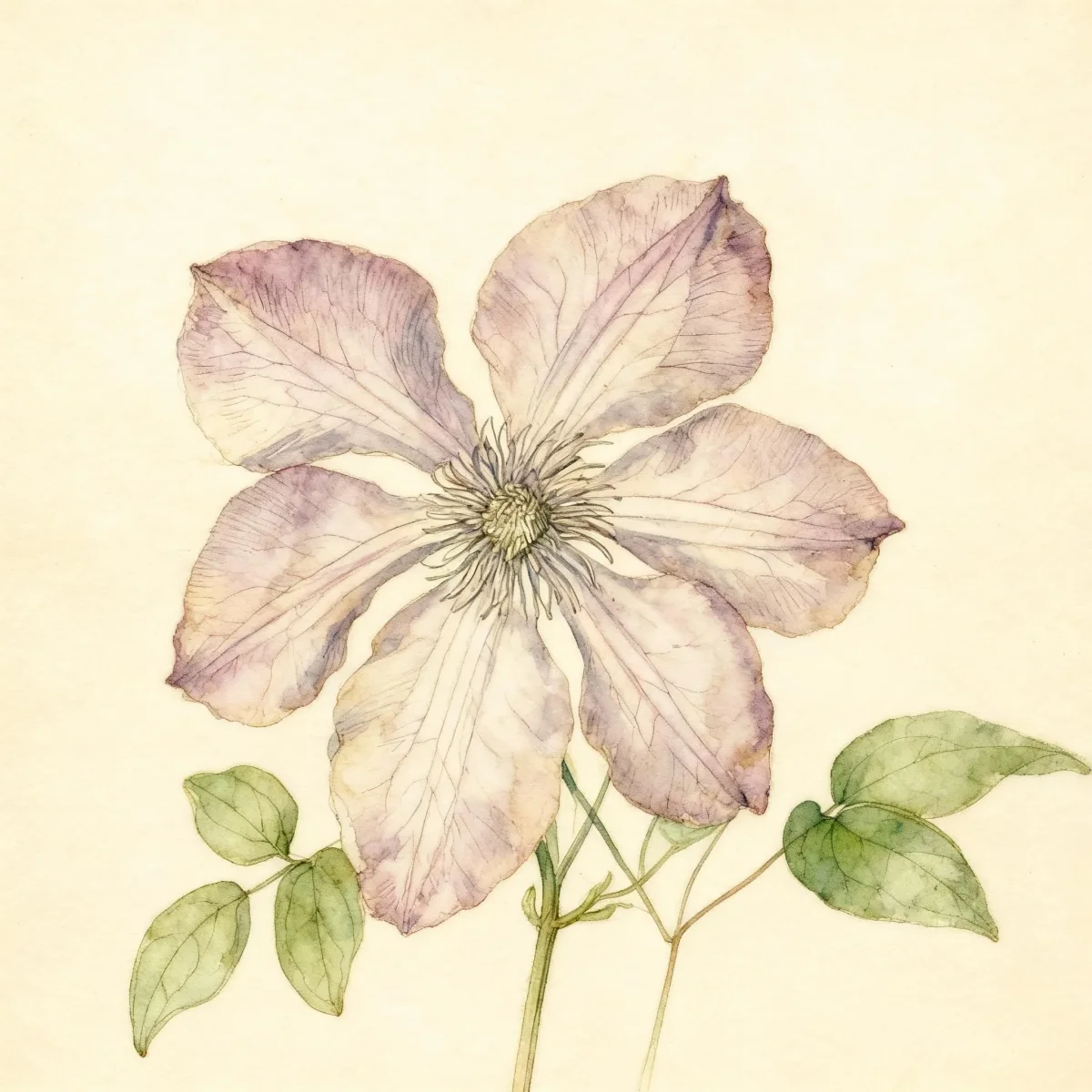
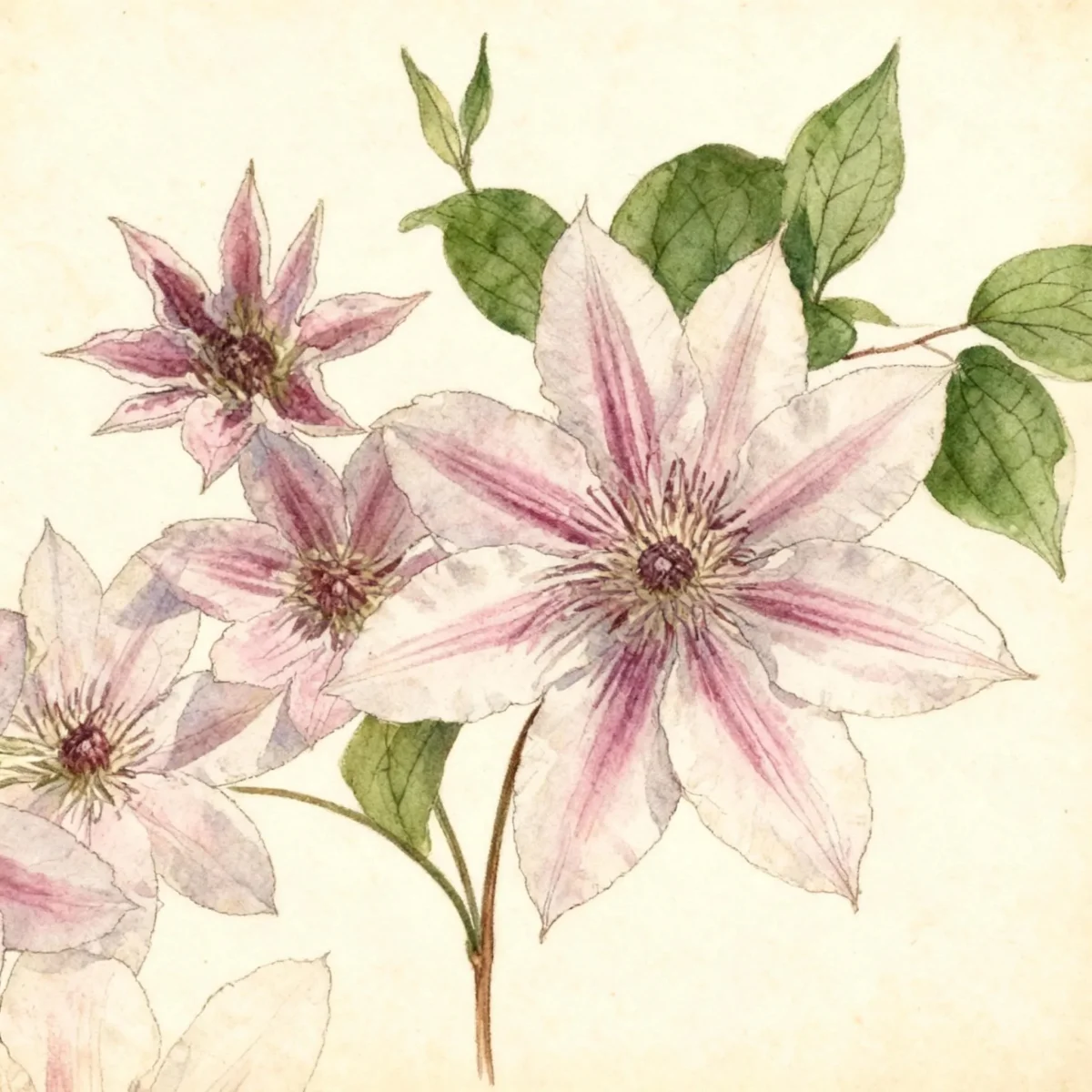
Clematis (Clematis 'Snow Queen')
Clematis 'Snow Queen' is a low-maintenance, showy vine boasting stunning 6-7" white flowers, ideal for zones 4-8.
Scroll down to discover growing tips, care requirements, companion plants, and more
Complete Plant Information
Overview
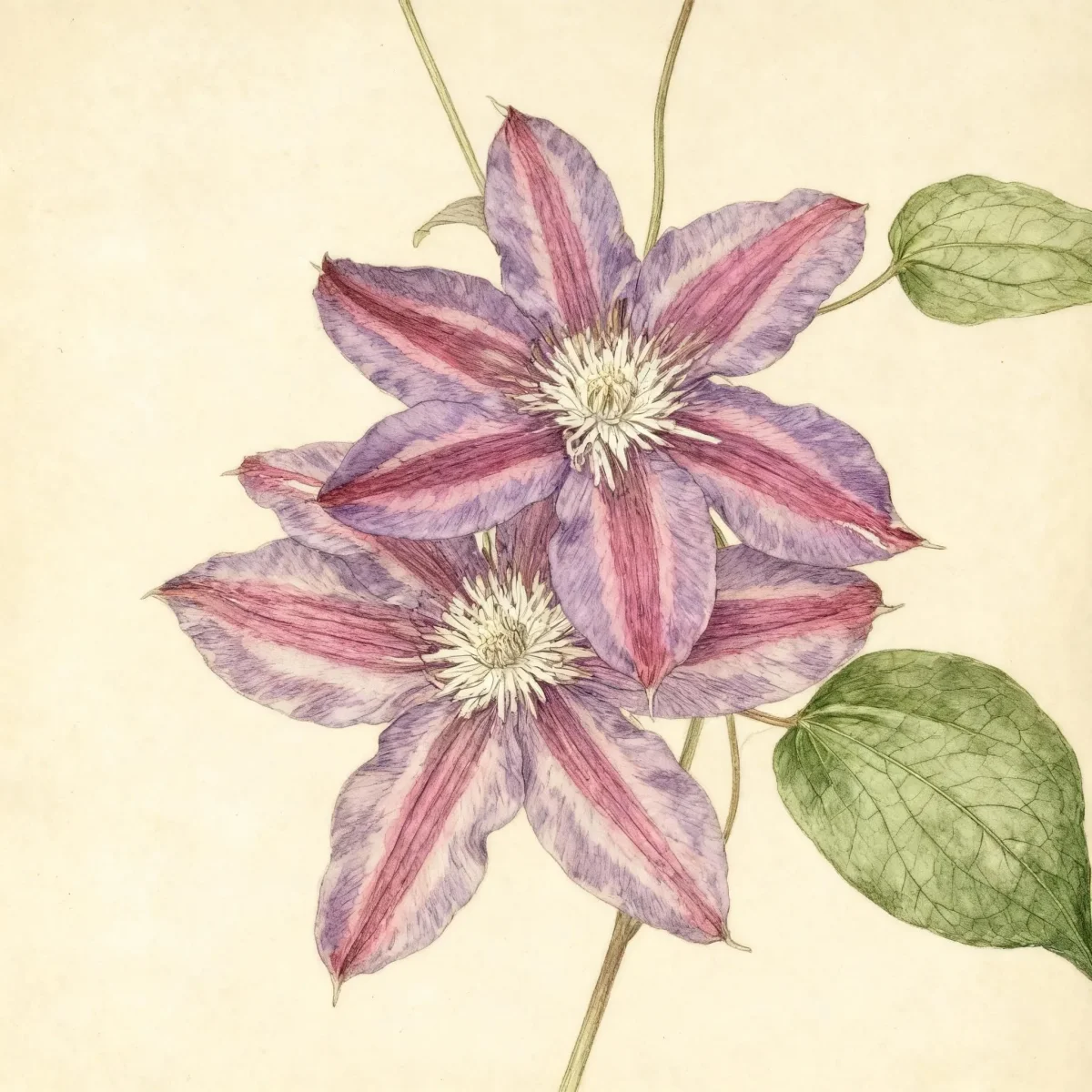
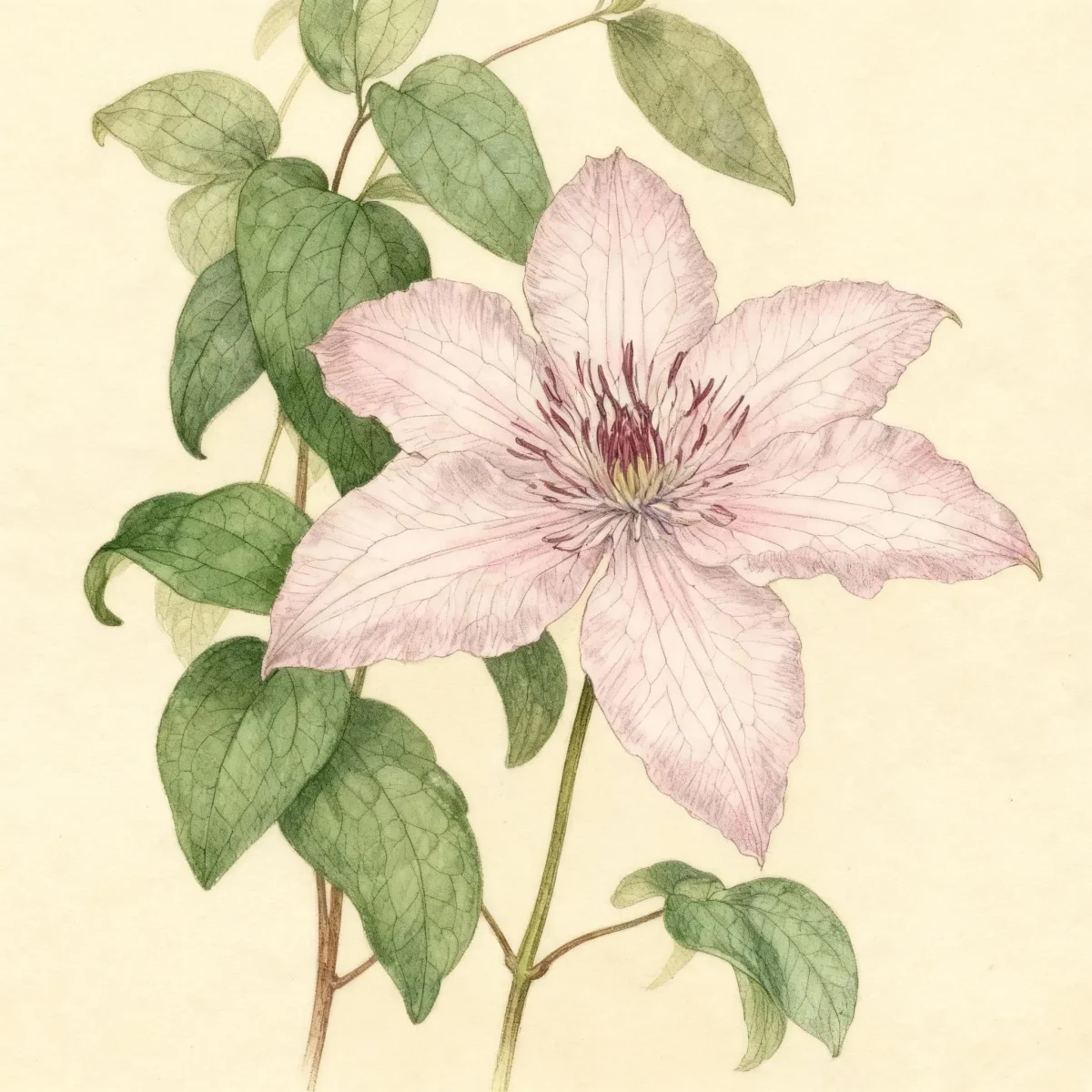
Clematis ‘Snow Queen’ is a standout deciduous vine prized by gardeners for its profuse summer bloom display featuring large, showy flowers. These blossoms exhibit pristine white sepals, often with subtle pink-flushed margins, contrasting beautifully against rich, deep red anthers, making this cultivar a true focal point in any vertical garden design. As a member of the diverse Clematis genus, this variety adds architectural height and elegance to structures while maintaining a relatively low maintenance profile once established.
This vigorous vine typically reaches heights between 7 and 10 feet, requiring diligent support such as a trellis or arbor to achieve its full potential. While the flowering parts of Clematis prefer sun or partial shade, the roots necessitate cooler, shaded conditions for optimal health—a key consideration when placing Clematis ‘Snow Queen’ in the landscape. Its ability to thrive from USDA Zone 4 through Zone 8 ensures a wide appeal for gardeners across various climates seeking reliable summer color from this magnificent Clematis.
The appeal of Clematis ‘Snow Queen’ extends beyond its summer flowers, as the plant structure offers excellent coverage and vertical interest throughout the growing season. Gardeners appreciate the low-maintenance nature of this Group 2 Clematis, allowing for enjoyment without constant intensive care, provided its basic needs for moisture and root shade are met.
Fast Facts
- Plant Family: Ranunculaceae
- Plant Type: Vine
- Hardiness Zones: USDA Zones 4-8
- Size at Maturity:
- Height: 7-10 ft
- Spread: 3-6 ft
- Bloom Time: May to June
- Bloom Description: White/mauve with red anthers
- Sun Exposure: Full sun to part shade
- Water Needs: Medium
- Maintenance Level: Low
How to Grow
Planting success for Clematis ‘Snow Queen’ hinges on proper site selection that addresses its unique light requirements. Ensure the soil is medium-moist, fertile, and exceptionally well-drained, as standing water is detrimental to this vine. Site the plant where the sun-loving foliage and flowers receive full sun to light afternoon shade, but critically, ensure the root zone remains cool and shaded.
Ongoing care focuses heavily on root management and consistent moisture. Clematis vines must have stable support like a trellis or fence upon which to twine and climb. Keep the roots shaded and uniformly moist; use perennials, small shrubs, or a thick layer of root mulch to shade the soil around the base, preventing the heat from stressing the roots. Avoid letting the soil dry out completely at any point during the growing season.
Pruning is straightforward for Clematis ‘Snow Queen’ as it belongs to Pruning Group 2. This means flowers bloom both on the old wood (growth from the previous year) and the new wood (current season’s growth). Minimal pruning is usually needed; only trim lightly to shape the vine or remove dead material. Severe pruning of Group 2 types can delay or reduce flowering.
Landscape Uses
The vining habit of Clematis ‘Snow Queen’ makes it incredibly versatile for adding vertical dynamics to small to medium gardens. Train this beautiful Clematis to ascend walls, sturdy fences, arbors, or decorative lampposts to maximize its dramatic floral impact. This vine provides excellent architectural height and framework where traditional shrubs might consume too much horizontal space.
Furthermore, Clematis ‘Snow Queen’ functions wonderfully when allowed to sprawl naturally. Consider planting it near medium-sized, established shrubs, letting the Clematis weave through the structure to create a mixed-planting effect displaying complementary textures and bloom times. It also performs admirably when grown in large containers, provided those containers allow sufficient space for root development and careful moisture management.
Standout Features
Flower Qualities
- Showy
Noteworthy Characteristics
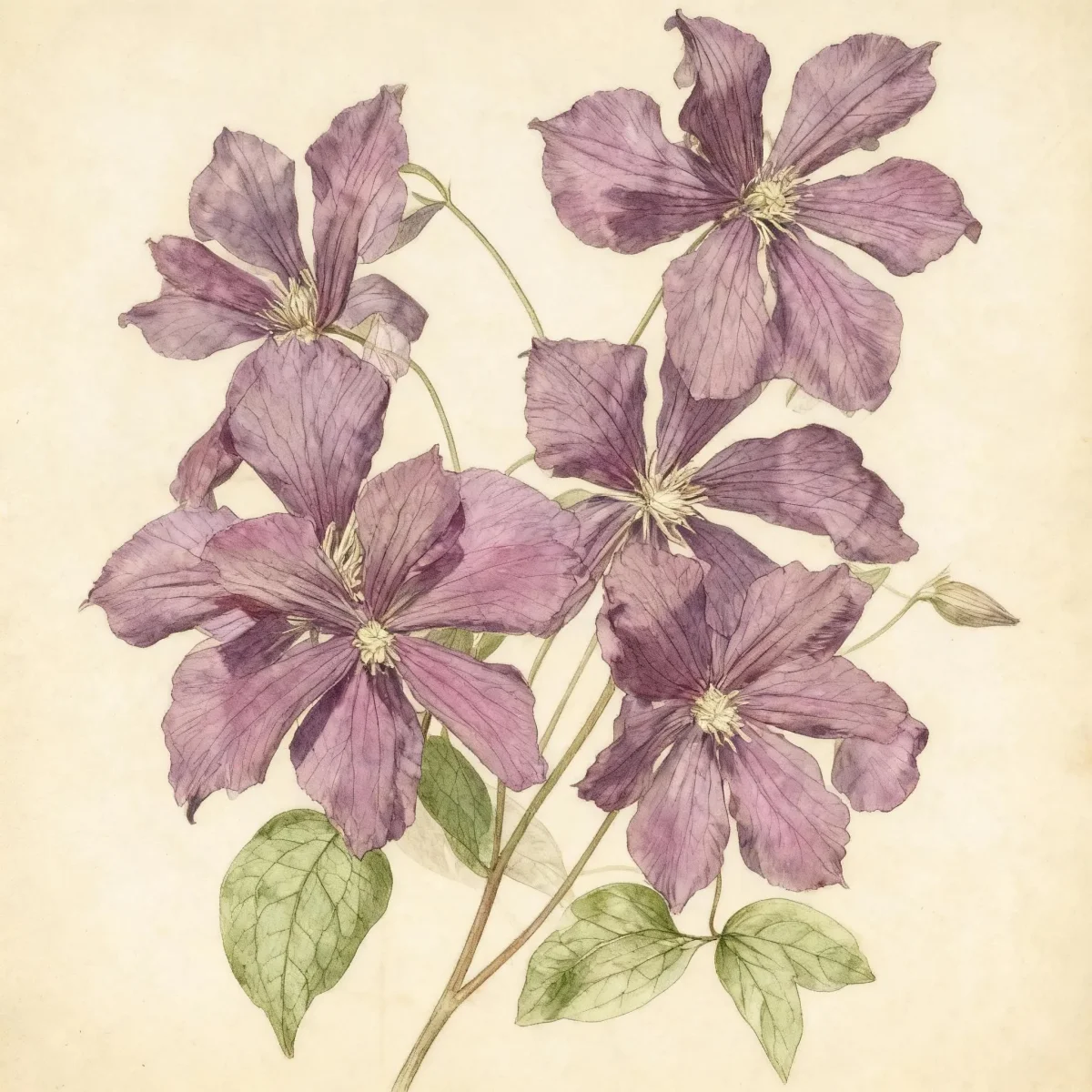
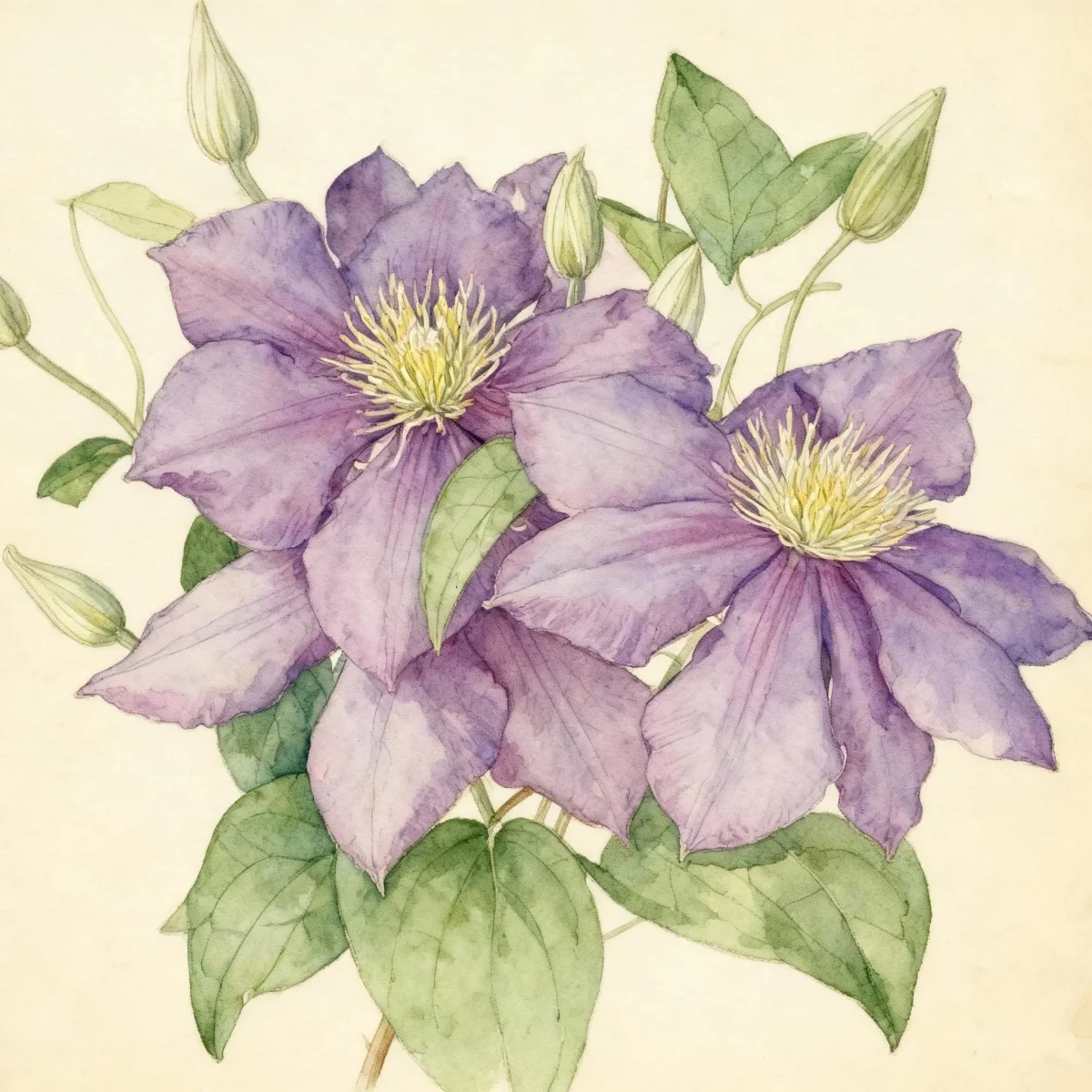
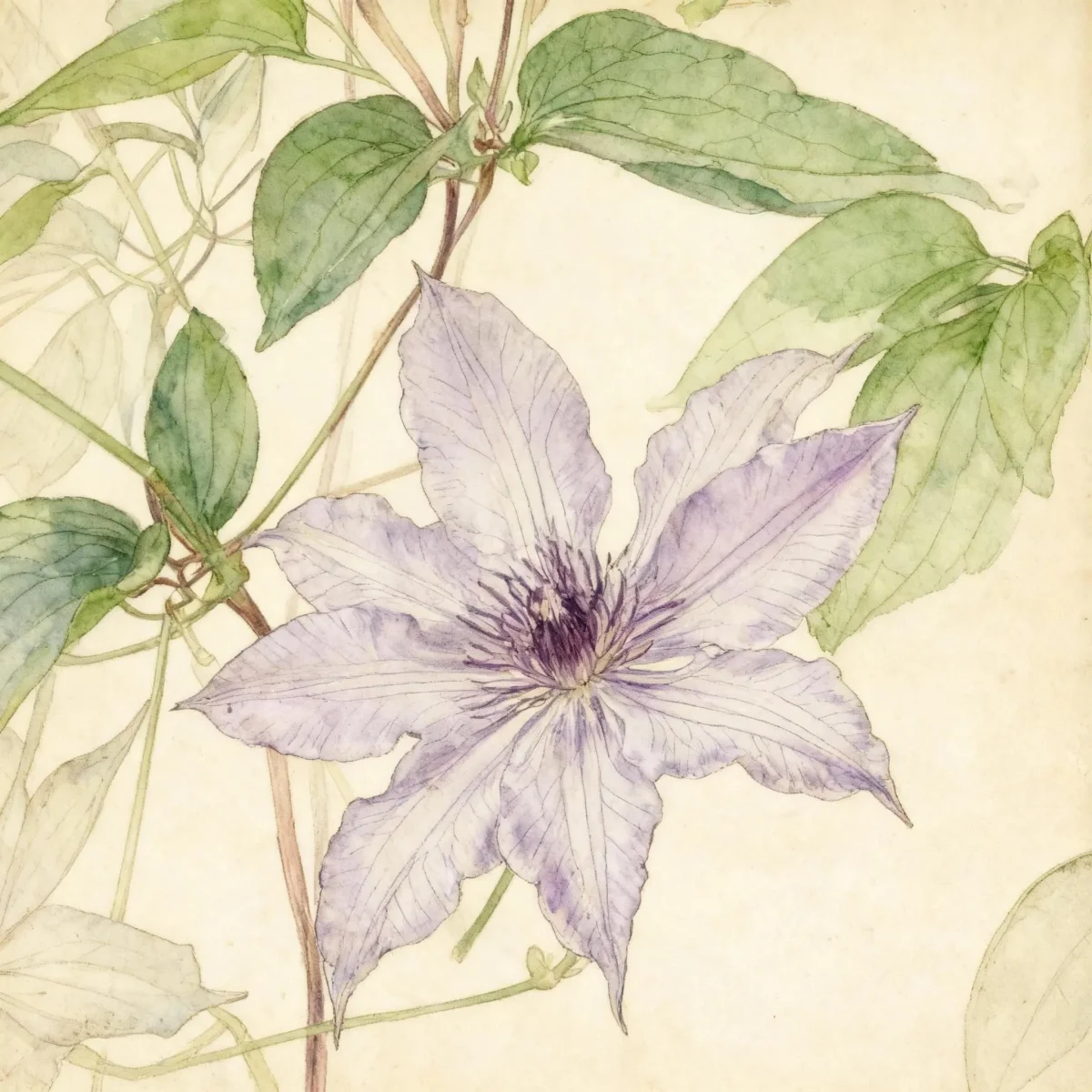
Clematis is a genus of over 250 species, most of which are woody to semi-woody deciduous vines climbing by twining leaf stalks or in some cases trailing over support, but in a few cases grow as freestanding or sprawling herbaceous perennials and small deciduous or evergreen shrubs. ‘Snow Queen’ features profuse, showy, overlapping, 6-7” diameter, white-sepaled flowers with pink-flushed margins and deep red anthers cover this vine in summer. Bloom on this cultivar comes primarily from the previous year’s stems in late spring to early summer, but also occurs in a second flush later in the summer on the new (current year’s) growth.
Tolerances
- Deer
- Black Walnut
Potential Problems
Clematis ‘Snow Queen’ is susceptible to several health issues that require vigilance, most notably wilt or stem rot, which can prove fatal if not managed quickly. Fungal issues like powdery mildew, leaf spots, and rust frequently appear, especially in humid conditions or when air circulation is poor. Monitor regularly for common insect pests such as aphids, slugs, snails, and scale insects, though spider mites should also be watched for during dry, hot spells. Preventive care, focusing on proper planting depth and ensuring good air movement, is the best defense against these potential problems associated with Clematis vines.
Frequently Asked Questions
What hardiness zones is Clematis ‘Snow Queen’ suitable for?
Clematis ‘Snow Queen’ is best suited for USDA Hardiness Zones 4 through 8, offering reliable perennial performance across a wide range of North American climates.
How large does Clematis ‘Snow Queen’ grow?
This cultivar is a vigorous grower, reaching mature heights between 7 and 10 feet, with a spread generally occupying 3 to 6 feet of horizontal space.
When does Clematis ‘Snow Queen’ bloom?
This beautiful Clematis variety showcases its primary blooms from May to June, featuring large, white/mauve flowers with striking red anthers.
What sun exposure does Clematis ‘Snow Queen’ need?
It thrives best with Full sun exposure, though it benefits significantly from some light afternoon shade, particularly in hotter regions, while its roots should always be kept cool and shaded.
Conclusion
Clematis ‘Snow Queen’ offers gardeners an exceptional return on investment due to its spectacular, long-lasting white blooms and relatively low maintenance requirements. Successfully growing this classic Clematis depends on providing adequate vertical support and ensuring its root system is always cool and consistently moist. Before planting, confirm that your garden site meets both its sun needs for the foliage and the shade requirements for its roots to fully enjoy the splendor of Clematis ‘Snow Queen’.
Companion Planting for Healthy Roots
Because Clematis ‘Snow Queen’ requires its roots to remain shaded and cool, companion planting is an excellent strategy. Choose low-growing perennials or annuals that prefer similar medium moisture conditions but remain shorter than the vine itself. Hostas, ferns, or low-growing Geraniums work well as living mulches that protect the root zone from intense solar heat without competing aggressively for nutrients. Avoid dense, shallow-rooted ground covers that might restrict necessary air circulation around the base of the main vine.
Pruning Group 2 Annual Care
Understanding Group 2 pruning is essential for maximizing the floral display of Clematis ‘Snow Queen’. Since bloom occurs on both old and new wood, heavy cutting should be avoided. In late winter or early spring, only remove any dead or weak stems back to healthy buds, or prune lightly just enough to tidy the vine’s shape. Major structural cutting should only be done once every few years, if necessary, immediately following its primary bloom period in early summer.