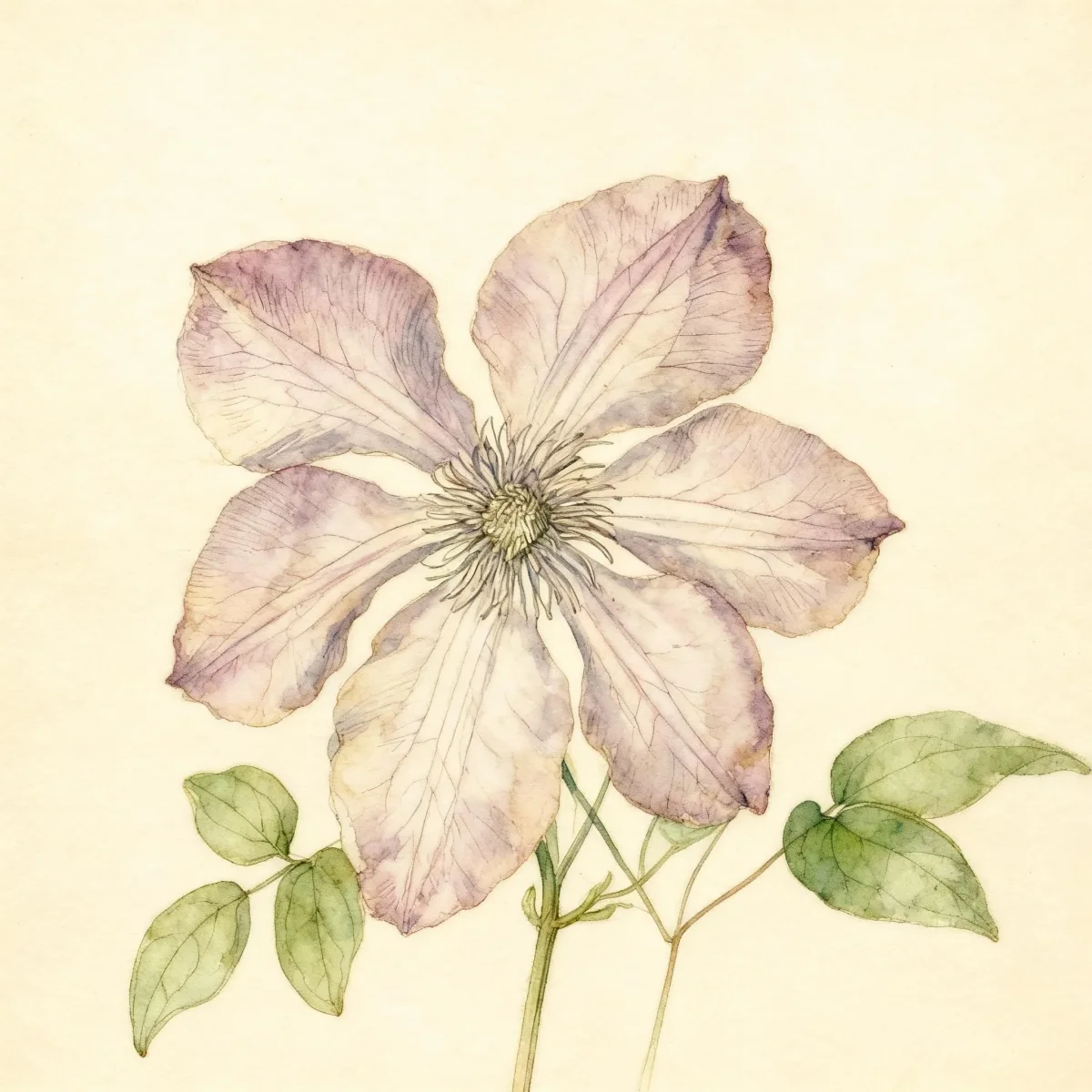
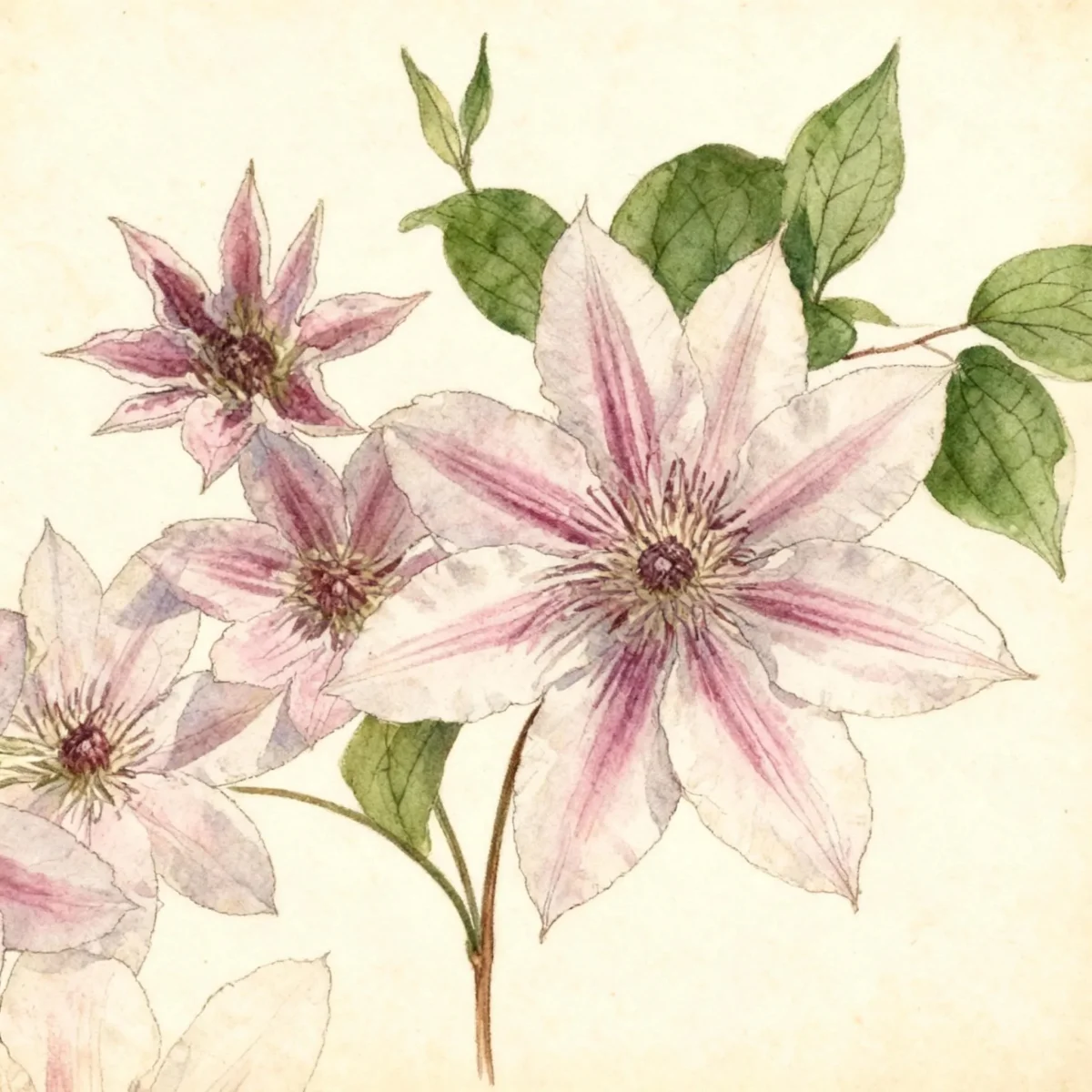
Clematis (Clematis 'Will Goodwin')
Clematis 'Will Goodwin' is a low-maintenance vine boasting showy, lavender-blue summer flowers. Hardy in zones 4-8.
Scroll down to discover growing tips, care requirements, companion plants, and more
Complete Plant Information
Overview
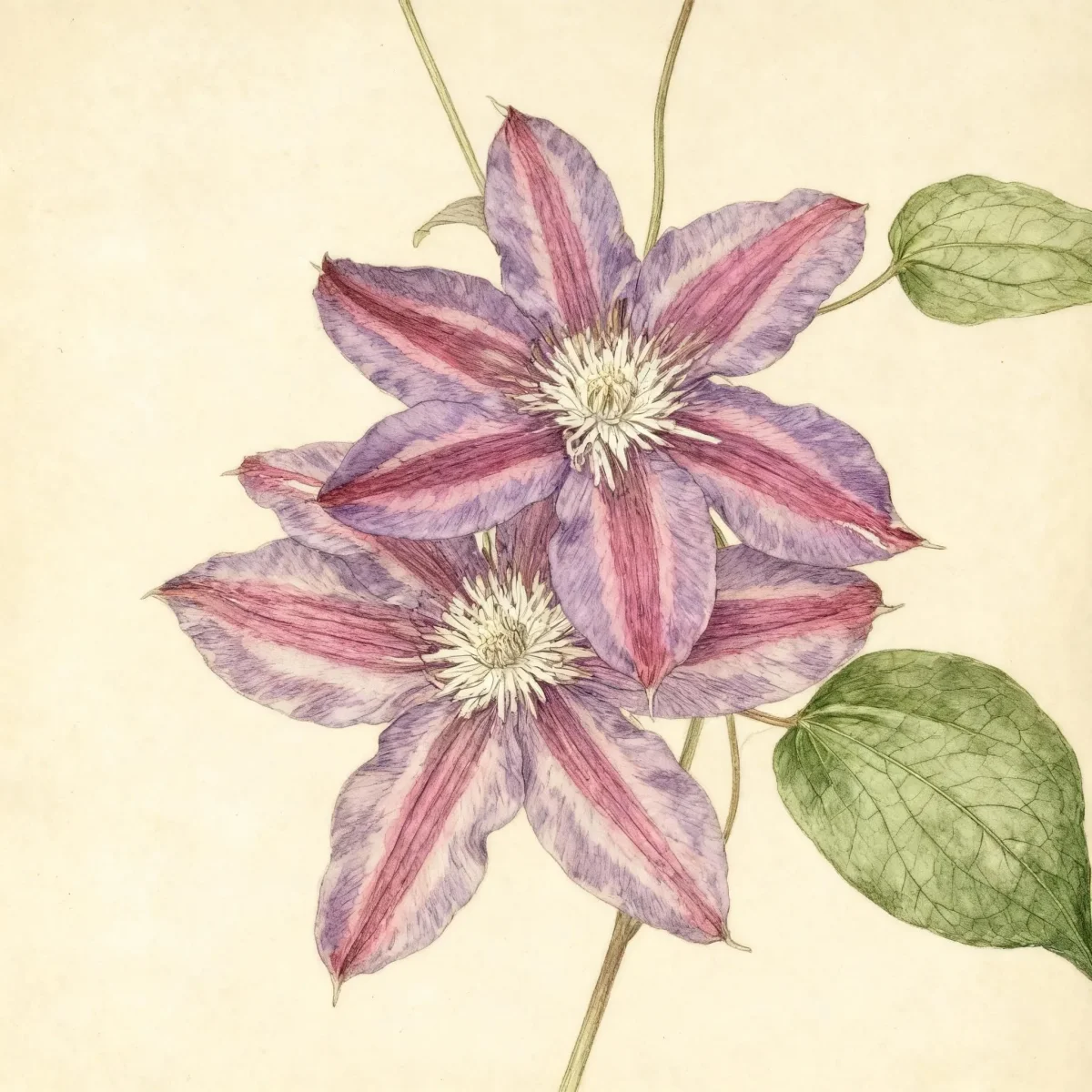
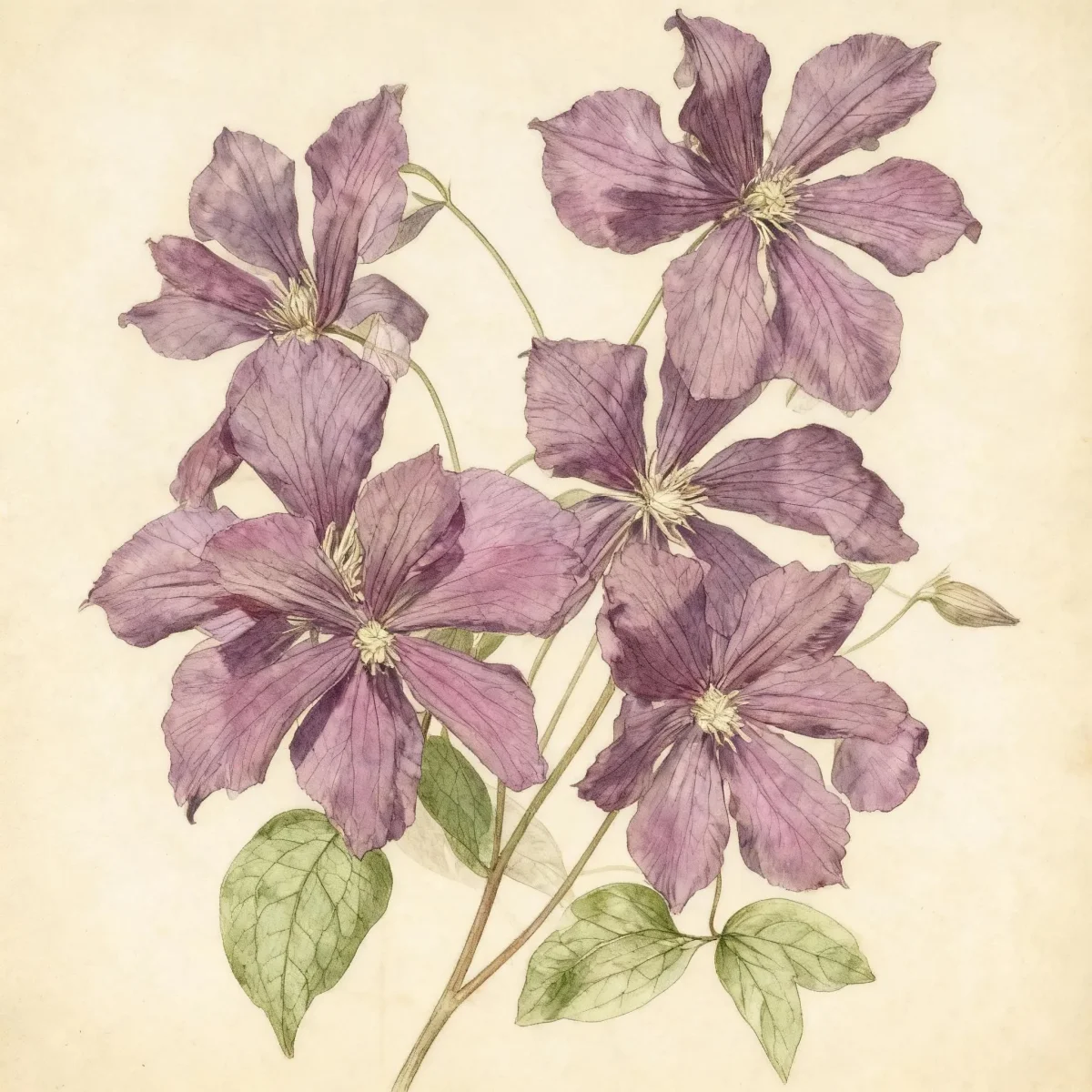
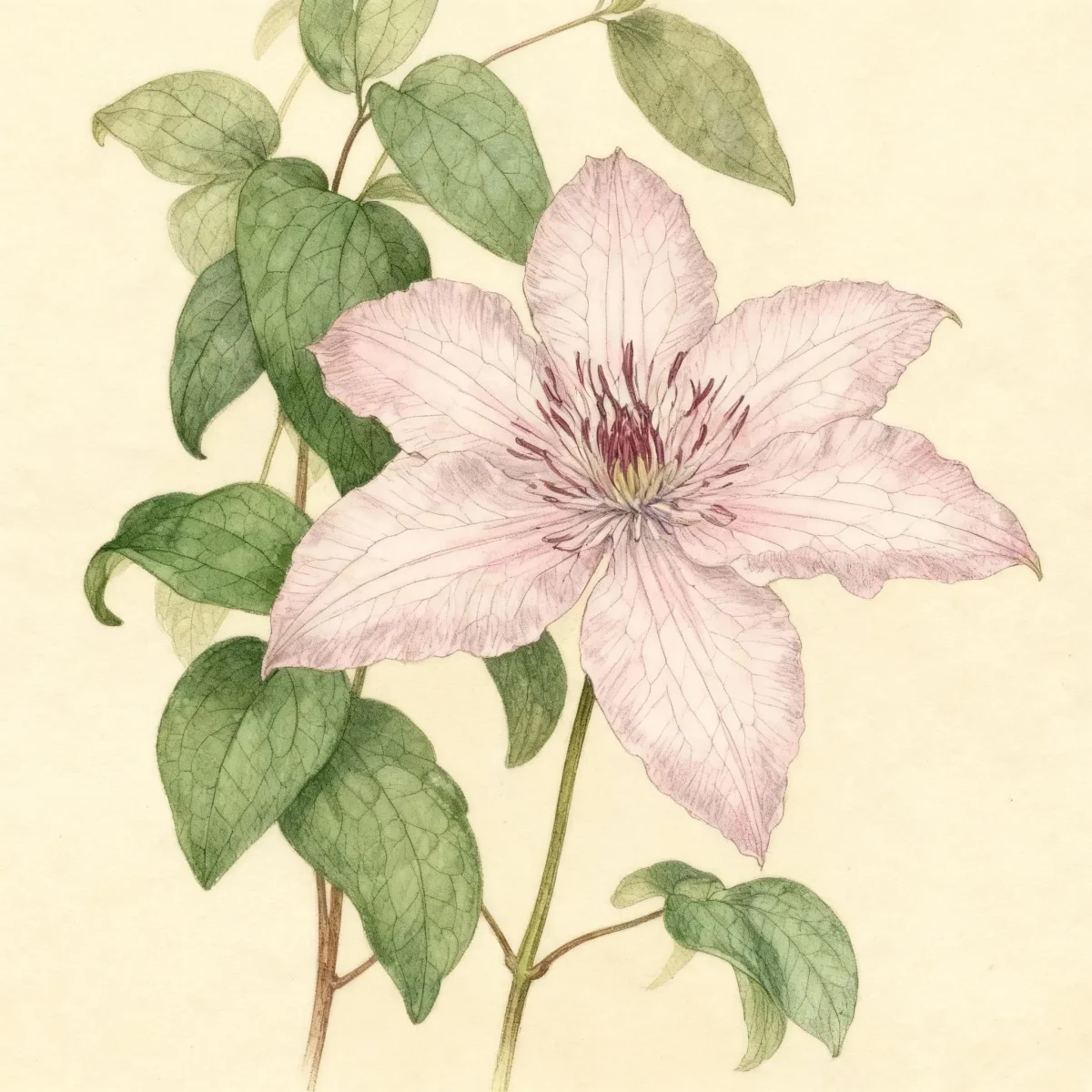
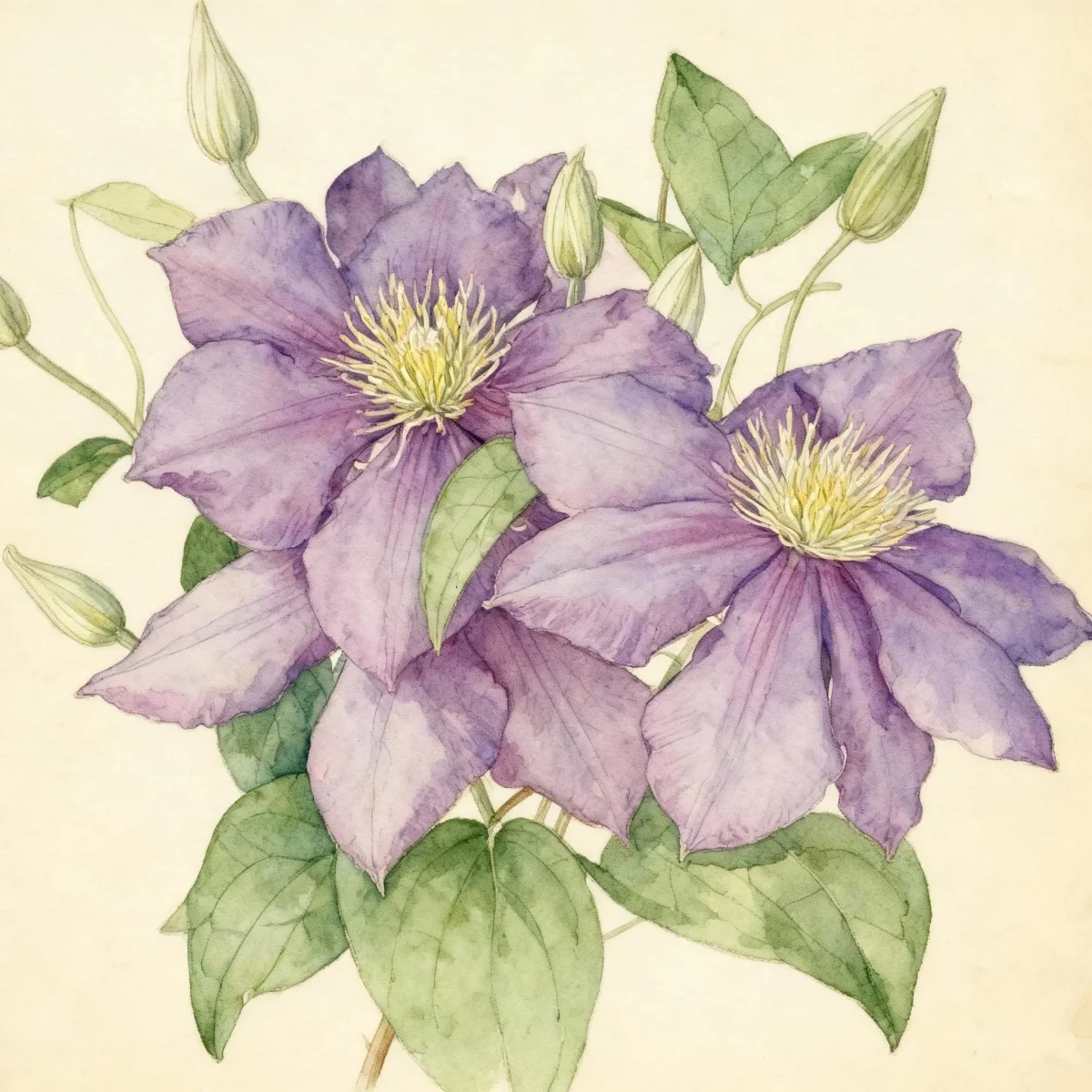
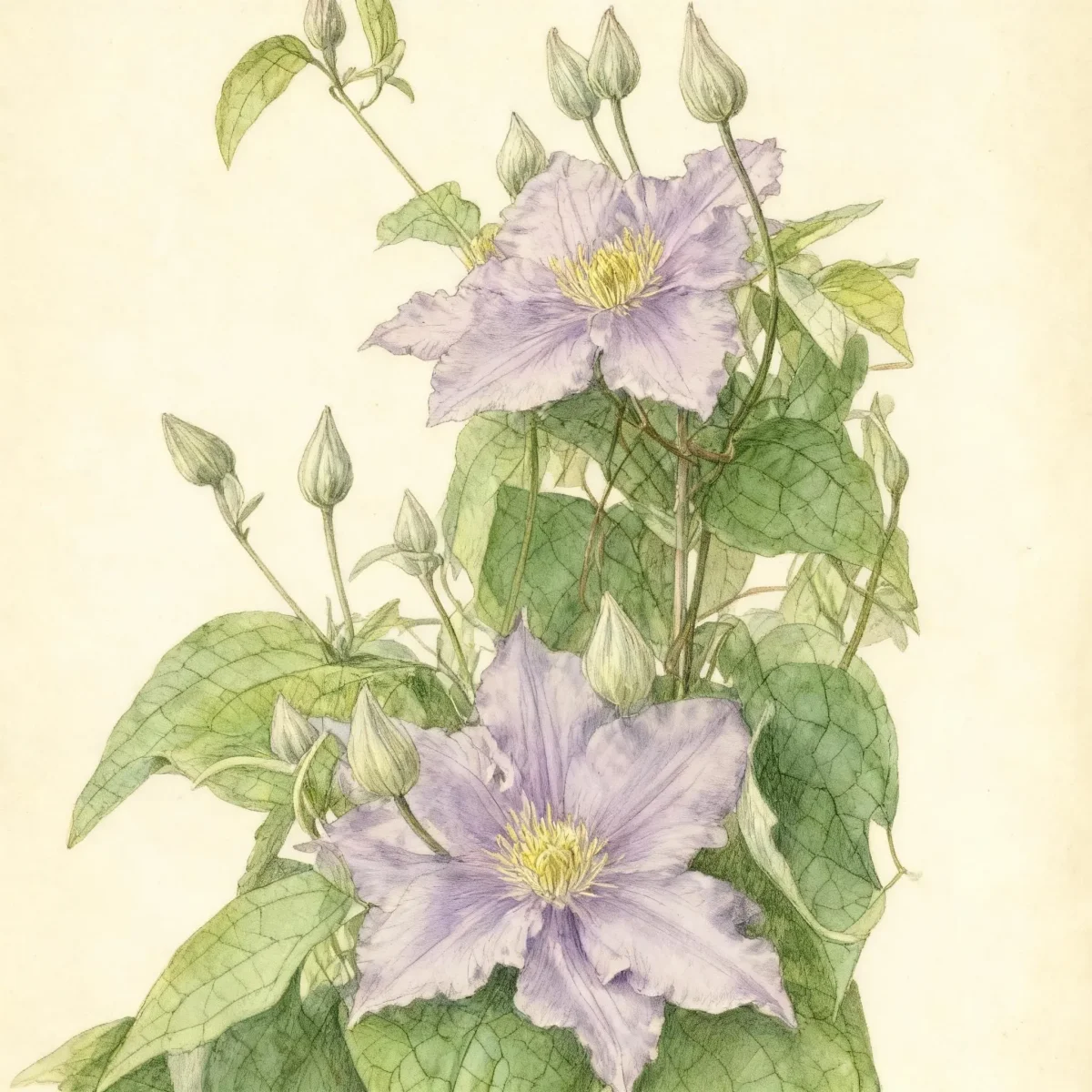
Clematis ‘Will Goodwin’ is a highly valued climbing vine, recognized for its profuse summer display of striking, wavy-margined, pale lavender-blue flowers contrasted by rich golden centers. This cultivar provides excellent vertical interest, rapidly covering structures with lush foliage and vibrant blooms from early to late summer. As a member of the extensive Clematis genus, ‘Will Goodwin’ offers reliable performance with relatively low maintenance requirements once established.
Gardeners appreciate this variety for its adaptability across a wide hardiness range, thriving from USDA Zone 4 through 8. Its primary requirement is structural support; without a trellis or arbor, this woody vine cannot achieve its full 8 to 12-foot height potential. Proper siting ensures the roots are kept cool and moist while allowing the flowering stems ample sunlight.
Achieving the best performance from your Clematis ‘Will Goodwin’ involves respecting its specific cultural needs, particularly regarding root shade and consistent moisture. This versatile vine softens hardscapes and creates stunning focal points, making it an essential feature in mixed borders or container displays needing significant vertical accent through the warmest months.
Fast Facts
- Plant Family: Ranunculaceae
- Plant Type: Vine
- Hardiness Zones: USDA Zones 4-8
- Size at Maturity:
- Height: 8-12 ft
- Spread: 3-6 ft
- Bloom Time: June to August
- Bloom Description: Lavender blue with golden stamens
- Sun Exposure: Full sun to part shade
- Water Needs: Medium
- Maintenance Level: Low
How to Grow
The best time to plant the Clematis ‘Will Goodwin’ is typically in spring or early fall, ensuring ample time before extreme weather hits. Plant them in fertile, medium moisture, well-drained soils. A crucial element for success with this vining hybrid is locating it where the flowering stems receive full sun to part shade, but the root zone remains shaded and cool.
Watering should be consistent; aim for medium moisture levels and never allow the soil to dry out completely, especially during the peak summer bloom period. To protect the roots, shade them using low-growing perennials, annuals, or small shrubs. Another excellent technique is applying a thick layer of root mulch around the base of the vine.
Clematis vines absolutely necessitate support; provide a trellis, arbor, or fence upon planting so the twining leaf stalks have something to grip as the Clematis ‘Will Goodwin’ grows upward. This variety is classified as a Group 2 Clematis, meaning it flowers on both old wood (from the previous year) and new growth. Consequently, pruning should be minimal; avoid cutting deep into the older wood unless rejuvenation is necessary, as hard pruning in the fall or spring can significantly reduce or delay flowering displays.
Landscape Uses
Clematis ‘Will Goodwin’ excels when trained upward, providing immediate architectural height and framework in smaller gardens where space is limited. It is perfect for softening the harsh lines of walls, trellises, fences, arbors, or even lampposts. For a layered effect, plant the central vine where its roots are shaded by lower-growing, shade-tolerant companion plants that maintain consistent moisture near the base.
Beyond traditional vertical supports, this adaptable Clematis can be guided to sprawl naturally over established shrubs that require spring structure, creating an unexpected living floral tapestry. Furthermore, containers are an excellent choice for showcasing the beauty of Clematis ‘Will Goodwin’ on patios or decks, provided the container is large enough to accommodate its eventual 12-foot reach and the roots are protected from extreme temperature fluctuation.
Standout Features
Flower Qualities
- Showy
- Good Cut
Noteworthy Characteristics
Clematis is a genus of over 250 species, most of which are woody to semi-woody deciduous vines climbing by twining leaf stalks or in some cases trailing over support, but in a few cases grow as freestanding or sprawling herbaceous perennials and small deciduous or evergreen shrubs. ‘Will Goodwin’ features profuse, showy, wavy-margined, 6-8” diameter, pale lavender blue flowers with overlapping sepals and golden stamens cover this vine in summer. Bloom on this cultivar comes primarily from the previous year’s stems in early summer, but also occurs in a second flush later in the summer on the new (current year’s) growth.
Tolerances
- Deer
- Black Walnut
Potential Problems
This genus is susceptible to serious fungal issues, primarily wilt or stem rot, which can unfortunately be fatal to the plant if ignored. Monitoring the vines for signs of sudden collapse is crucial. Other common diseases include powdery mildew, leaf spots, rust, and various viruses. Inspect foliage regularly for early signs of infection.
Potential insect pests that often target Clematis include aphids, which cluster on new growth, and vine weevils. Slugs and snails may feast on tender new shoots, especially when the plant is young or overly damp. For spider mites, ensure good air circulation and maintain consistent soil moisture to reduce stress, which often invites pest colonization.
Frequently Asked Questions
What hardiness zones is Clematis ‘Will Goodwin’ suitable for?
Clematis ‘Will Goodwin’ is reliably hardy in USDA Zones 4 through 8.
How large does Clematis ‘Will Goodwin’ grow?
This vigorous vine typically reaches a height between 8 to 12 feet, with a spread of 3 to 6 feet.
What sun exposure does Clematis ‘Will Goodwin’ need?
It performs best with full sun exposure on its upper parts, though some part shade is beneficial, particularly in the hottest climates.
When does Clematis ‘Will Goodwin’ bloom?
You can expect beautiful blooms from this Clematis from June through August, displaying lavender blue flowers with golden stamens.
Conclusion
The Clematis ‘Will Goodwin’ provides exceptional season-long color and vertical drama with a relatively low-effort approach to gardening. Its compatibility with deer and Black Walnut conditions makes it a versatile choice for challenging sites. Before planting, confirm your local USDA zone falls within 4 to 8, and ensure you have a sturdy support structure ready for this stunning lavender-blue blooming Clematis.
Companion Planting
Selecting appropriate companions is key to managing the specific root-shading requirement of Clematis ‘Will Goodwin’. Look for low-growing, medium-water, deciduous perennials that naturally shade the soil without aggressively competing for moisture or nutrients. Excellent choices include Hostas, which thrive in the shade provided to the roots, or Geranium cultivars that offer dense ground cover.
Avoid planting aggressive, deep-rooted shrubs directly against the base, as these can monopolize water resources or choke out the delicate feeder roots of the Clematis. Low-growing annuals like impatiens or begonias are also useful for immediate visual cover around the base during the first growing season before companion perennials mature.
Seasonal Care Calendar
Spring preparation for your Clematis is crucial for encouraging that Group 2 bloom cycle. After the threat of severe frost passes, lightly clean up any debris around the base, apply fresh mulch (about 1–2 inches deep, keeping it away from the main stem), and check that the support structure is secure. If any dead, brittle wood is visible from winter dieback, prune it out, but otherwise restrict heavy pruning.
During the active growing season (late spring through early autumn), focus heavily on consistent watering. Since the roots must remain uniformly moist, deep, slow watering when the top inch of soil feels dry is better than frequent, shallow applications. Monitor for early signs of pests such as aphids on new shoots, treating them immediately with insecticidal soap.
In the fall, after the foliage has turned color or dropped, ensure the roots are well insulated, particularly in the colder edges of Zones 4 and 5. A final, thick layer of compost or shredded leaves over the root crown protects the vine from harsh winter freezes, setting the stage for next summer’s profuse display from the Clematis ‘Will Goodwin’.