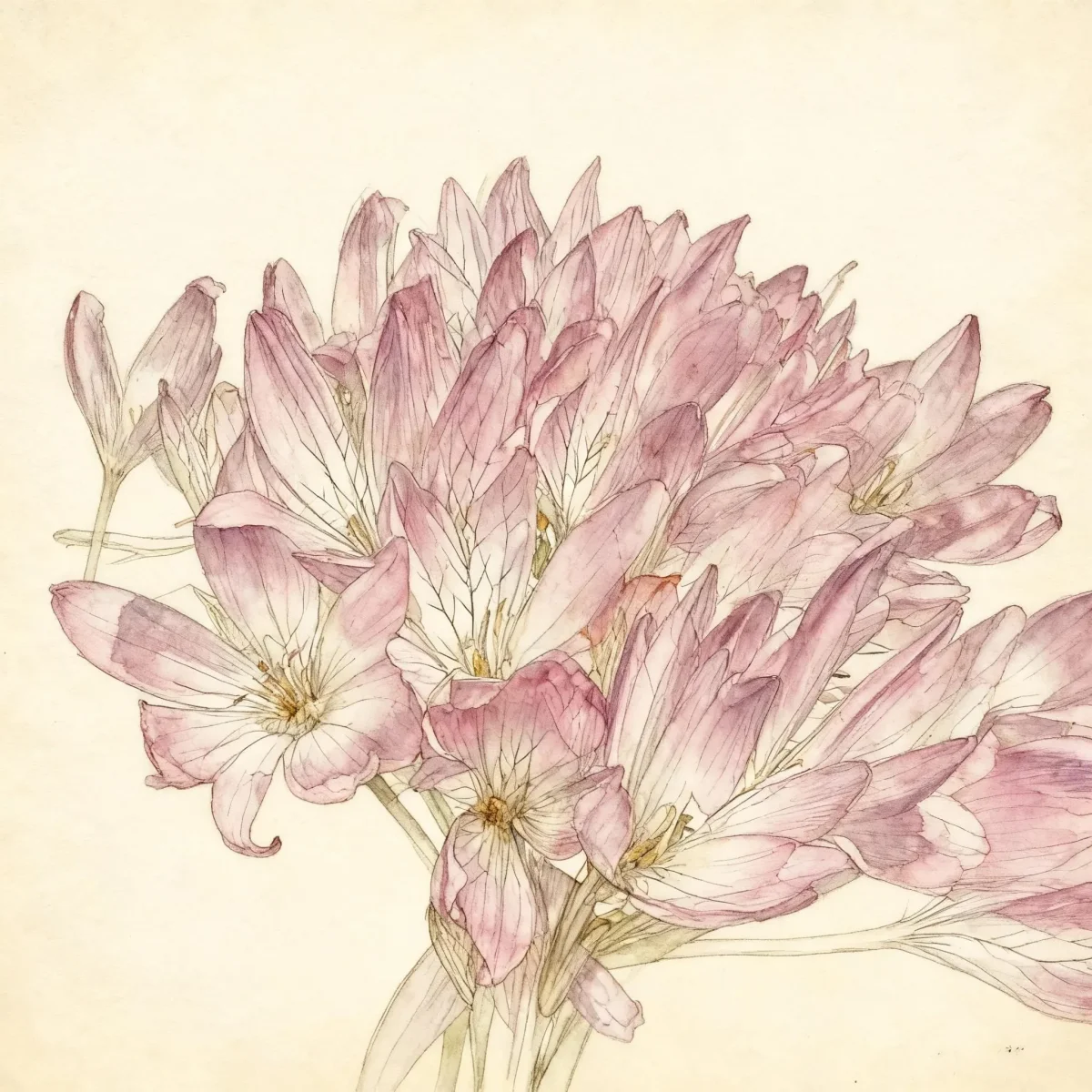
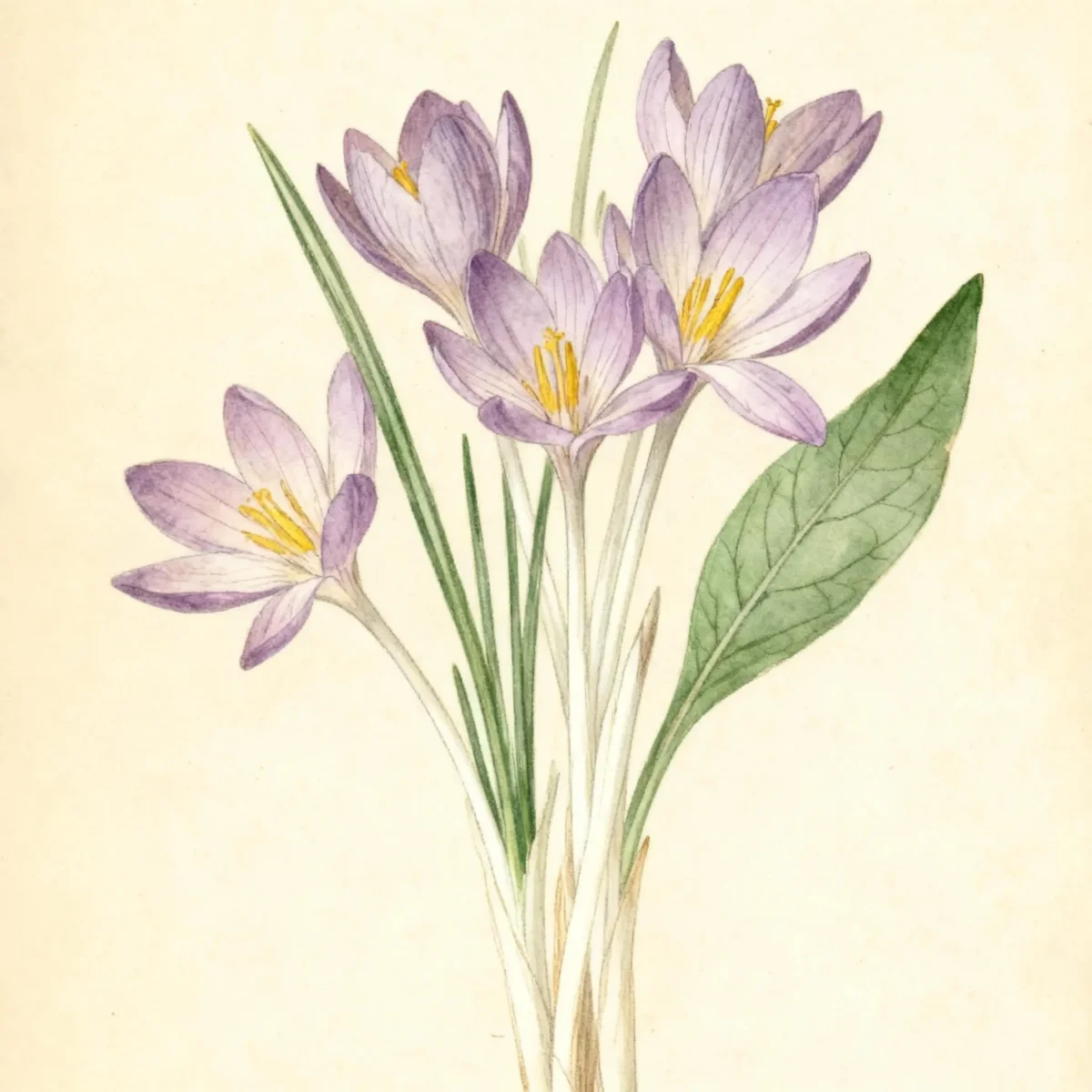
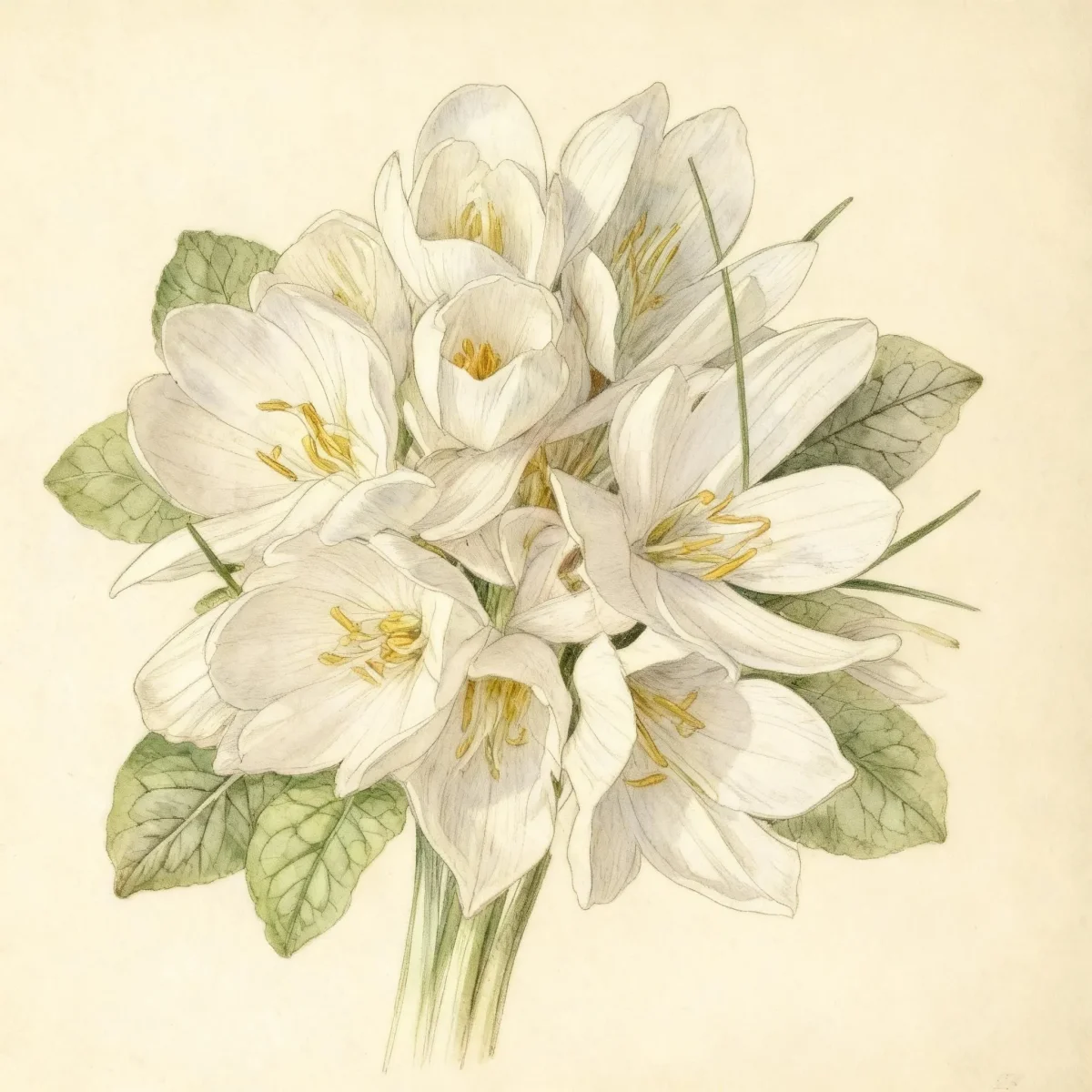
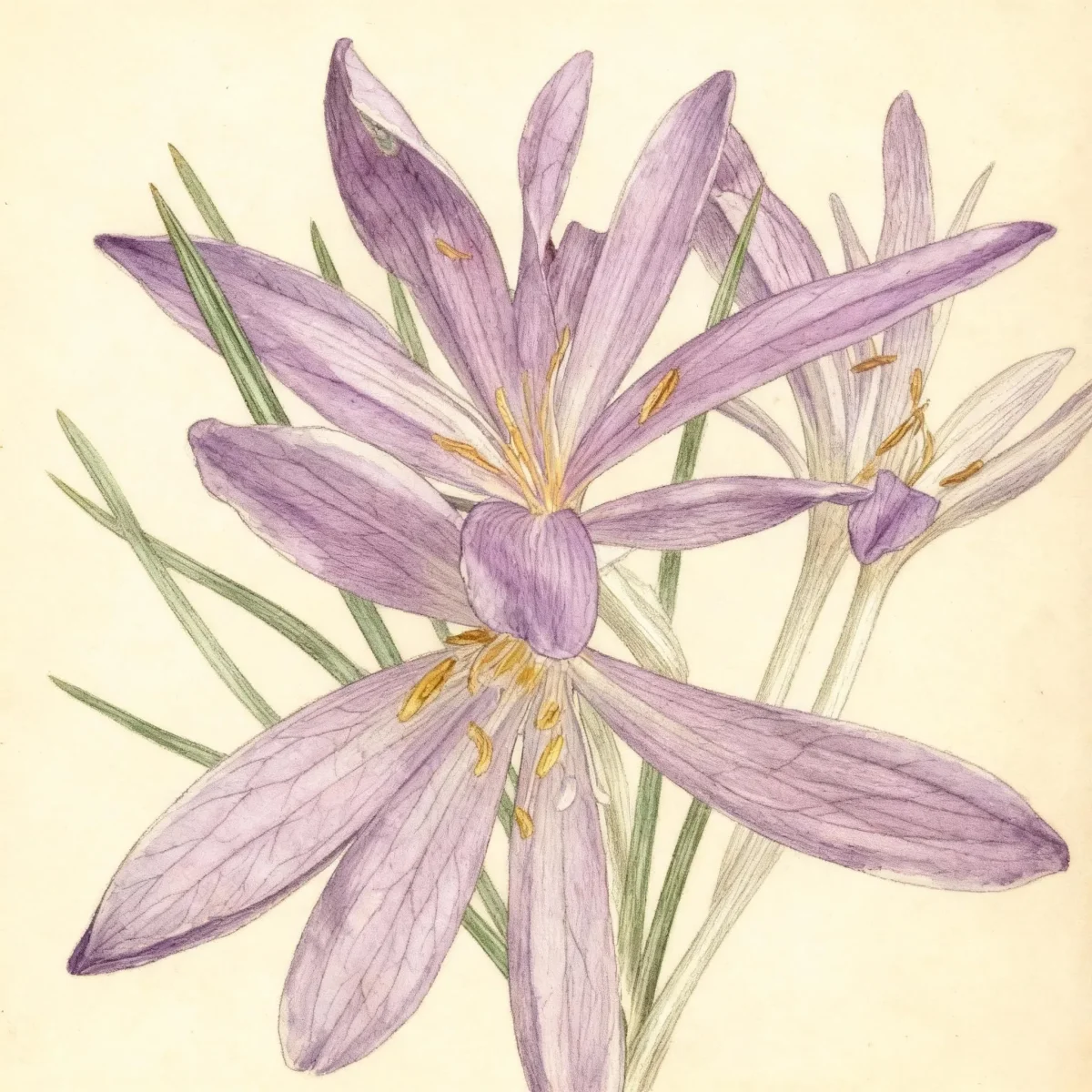
Autumn crocus (Colchicum 'Waterlily')
Colchicum 'Waterlily' offers spectacular lilac-pink, double blooms in fall. This low-maintenance Autumn crocus naturalizes well.
Scroll down to discover growing tips, care requirements, companion plants, and more

Complete Plant Information
Overview
Colchicum ‘Waterlily’ is a highly desirable bulb prized for its stunning late-season performance, earning it the common name Autumn crocus. Unlike its namesake, this powerhouse emerges from dormancy with large, fully double, lilac-pink flowers rising directly from the ground on naked stems in early autumn, providing color when most other perennials are fading. This particular cultivar, Colchicum ‘Waterlily’, is noted for its resemblance to a water lily bloom, offering an unexpected burst of ornamental interest for late-season borders.
As a member of the Colchicaceae family, the growth habit is distinct: the foliage appears in spring, dies back completely by summer, and then the flowers emerge unattended in the fall. This low-maintenance bulb is perfect for gardeners seeking reliable, dramatic impact without significant upkeep, especially as Colchicum ‘Waterlily’ tends to naturalize beautifully over time in ideal conditions.
Planting should be timed correctly to ensure autumn flowering. These hardy bulbs flourish across a range of conditions, bringing architectural height and vibrant color to shaded or partially exposed garden pockets, making them excellent transitional plants for the maturing landscape.
Fast Facts
- Plant Family: Colchicaceae
- Plant Type: Bulb
- Hardiness Zones: USDA Zones 4-7
- Size at Maturity:
- Height: 0.25-0.5 ft
- Spread: 0.25-0.5 ft
- Bloom Time: September to October
- Bloom Description: Lilac-pink
- Sun Exposure: Full sun to part shade
- Water Needs: Medium
- Maintenance Level: Low
How to Grow
The key to success with Colchicum ‘Waterlily’ is planting the corms at the right time and depth. Plant corms in August, approximately 3 inches deep and spaced 6 inches apart. They perform best in average, medium moisture, well-drained soils, thriving particularly well when situated in deep, humusy soil locations. Full sun is acceptable, but they also perform excellently with light afternoon shade.
Maintenance is generally low once established. Water moderately, ensuring the soil remains consistently moist during active growth, though they must not sit in soggy conditions, which can lead to corm rot. No regular fertilizing is usually necessary if planted in rich soil. If division becomes necessary to propagate or manage overcrowding, perform this task during the mid-summer dormant period when the foliage has completely died back.
A vital seasonal consideration relates to the foliage cycle. Remember that the leaves emerge in spring and must be allowed to fully yellow and die down naturally; cutting them down prematurely depletes the energy reserves needed for next year’s Autumn crocus bloom. Plant companions like low-growing ground covers near the base, as this helps camouflage the untidy look of the dying foliage as summer approaches.
Landscape Uses
Colchicum ‘Waterlily’ excels in areas where you need an unexpected autumn surprise. They are ideally suited for meadows, naturalized woodland edges, or tucked into mixed borders where they can emerge near fading summer perennials. Since the foliage disappears before summer heat, companion plants that offer nice early-season texture can mask the mid-summer dormancy period of the Autumn crocus.
These bulbs look fantastic planted alongside walks or near patios where their surprising fall color can be easily appreciated up close. Because the flower stems can sometimes flop, planting them near denser, shorter ground covers or allowing them to naturalize thinly among other plantings helps keep the flowers upright and supported. They create wonderful focal points as the growing season winds down.
Standout Features
Flower Qualities
- Showy
Noteworthy Characteristics
Colchicum is a genus of about 45 species of plants found in alpine and subalpine regions across Europe and Asia. Many species are called autumn crocus because they bloom in the fall, though some bloom in spring or winter. The “crocus” common name is misleading, as true spring crocuses belong to the Iris family, whereas Autumn crocuses like Colchicum ‘Waterlily’ have six stamens and a superior ovary. ‘Waterlily’ is a valued hybrid known for its large, fully double, lilac-pink flowers that reach up to 6 inches tall on naked stems in late summer to early fall.
Tolerances
- Deer
Potential Problems
This genus is generally free from serious insect or disease challenges. Gardeners should remain vigilant for slugs and snails, which can graze on the tender emerging flowers and foliage. Corm rot poses a significant risk if soils are poorly drained or overly wet, so proper site preparation is essential for preventing this issue. Furthermore, all parts of the genus Colchicum are highly toxic if ingested, so wear gloves when handling the corms to avoid skin irritation and site them away from curious pets or children.
Frequently Asked Questions
What hardiness zones is Autumn crocus suitable for?
Colchicum ‘Waterlily’ is generally hardy in USDA Zones 4 through 7.
When does Autumn crocus bloom?
This handsome variety blooms reliably from September into October, presenting its striking lilac-pink blossoms.
How large does Colchicum ‘Waterlily’ grow?
At maturity, Colchicum ‘Waterlily’ typically reaches heights between 0.25 and 0.5 feet, with a similar spread of 0.25 to 0.5 feet.
What sun exposure does Autumn crocus need?
Planting in full sun to part shade locations provides the best results for the flowering display of Colchicum ‘Waterlily’.
Conclusion
For a magnificent, undemanding display of late-season color, Colchicum ‘Waterlily’ stands out with its elegant, double lilac-pink blooms. This reliable Autumn crocus naturalizes well, transforming your garden beds when summer exuberance fades. Be sure to install the corms in August in well-draining soil within USDA Zones 4-7 to guarantee a spectacular floral show this coming fall.
Companion Planting
When planning your placement for Colchicum ‘Waterlily’, select companions that either emerge later or, more importantly, that offer attractive foliage compensation during the spring when the Colchicum leaves are present but declining. Low-growing perennials or spreading groundcovers work wonderfully, as they can help physically support the sometimes floppy flower stems of the Autumn crocus. Consider pairing them among emerging Heuchera or shorter ornamental grasses that will fill in nicely as the Colchicum foliage yellows in early summer.
Seasonal Care Calendar
Early Summer (July/August) is the crucial planting window for Colchicum ‘Waterlily’. Ensure corms are planted 3” deep before the soil becomes too warm or dry. Mid-Summer offers a visual lull; this is the time to monitor for slug activity while the plants are dormant. Late Summer/Early Fall (September) is when the magnificent flowers emerge—avoid disturbing the area during this time. In Late Fall, after the flowers fade, wait patiently for the foliage to completely yellow in spring before cutting it back, ensuring the corm saves enough energy for the following year’s bloom.