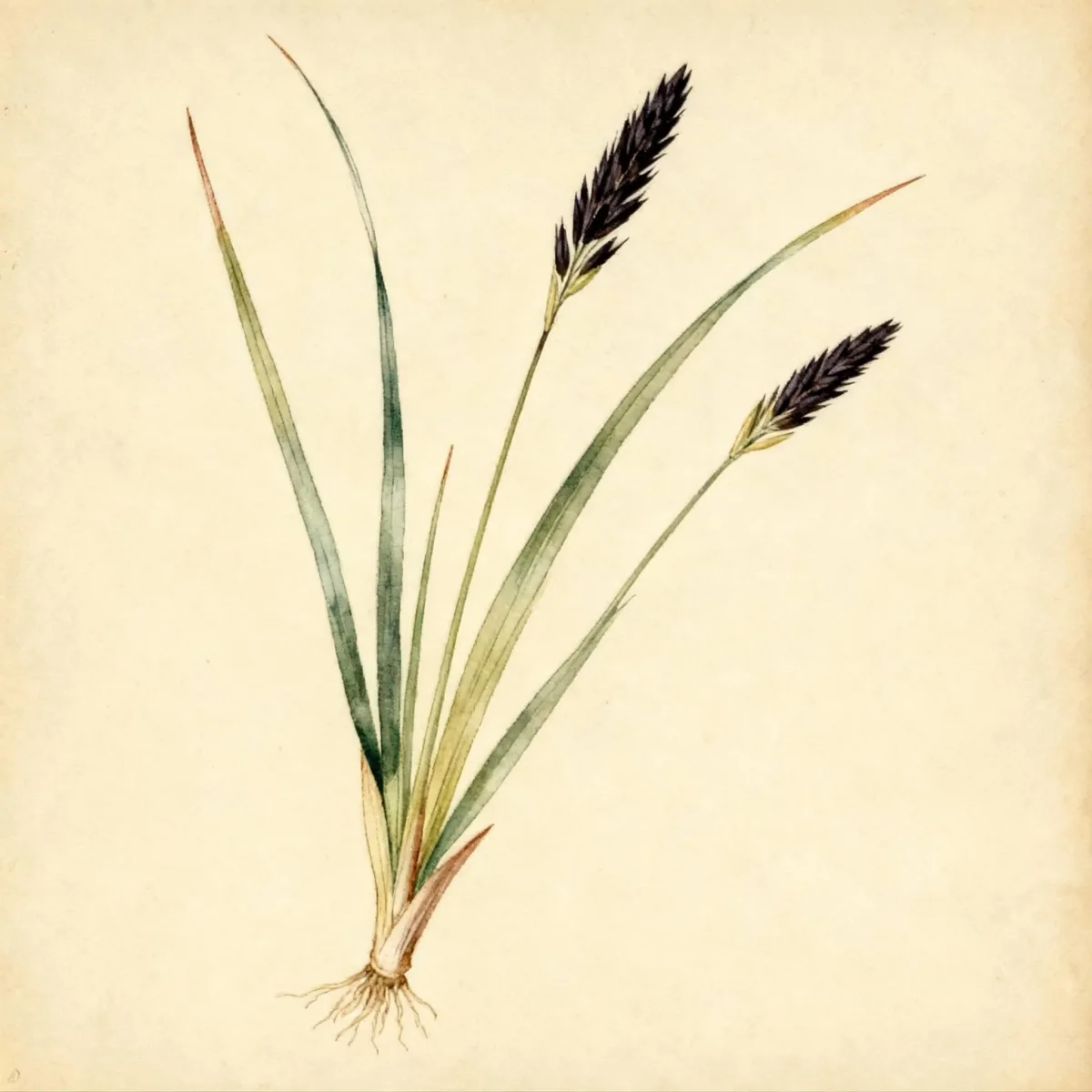
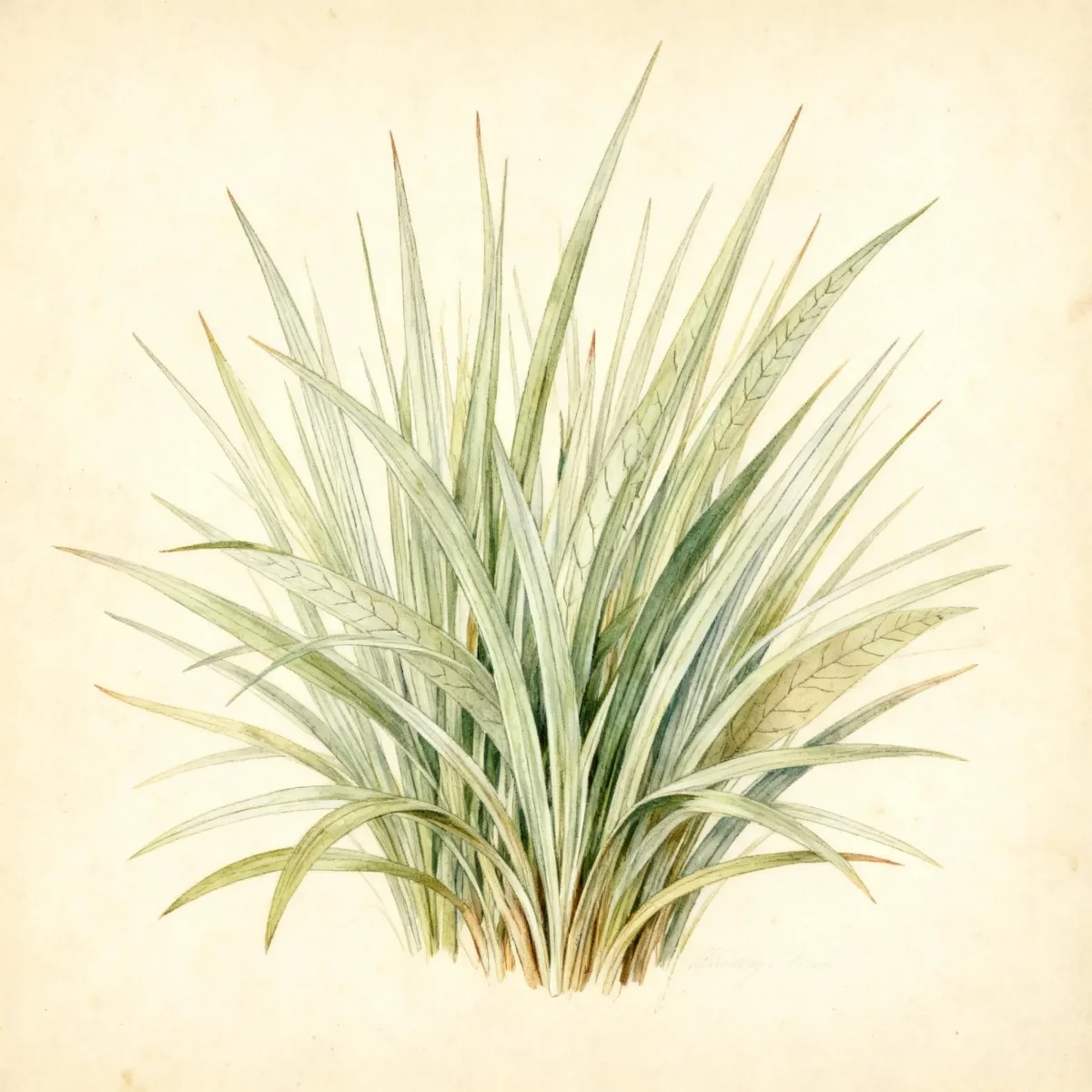
Black sedge (Carex nigra 'Variegata')
Discover Carex nigra 'Variegata', the Black sedge. Low maintenance, wet soil sedge ideal for rain gardens and shade.
Scroll down to discover growing tips, care requirements, companion plants, and more
Complete Plant Information
Overview
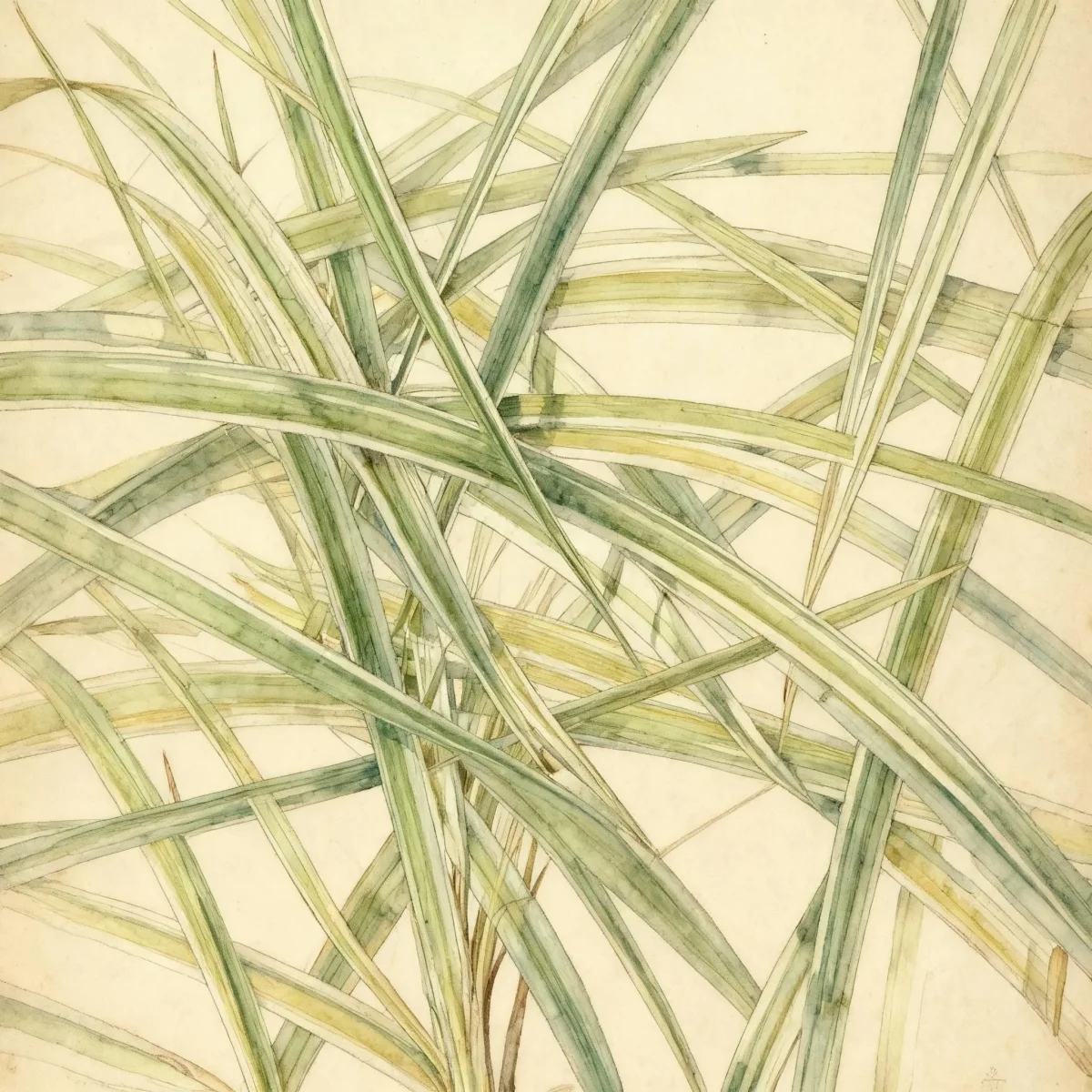
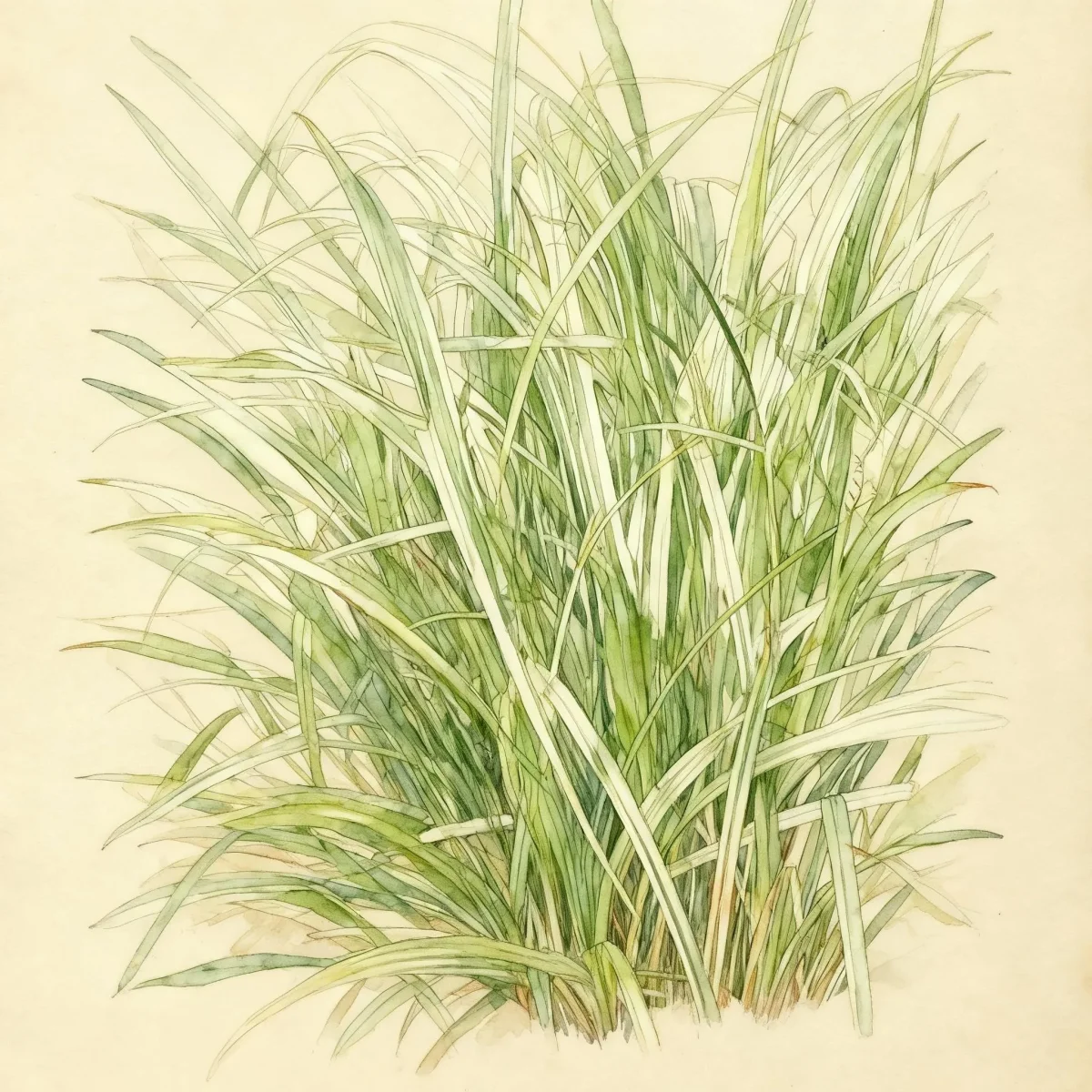
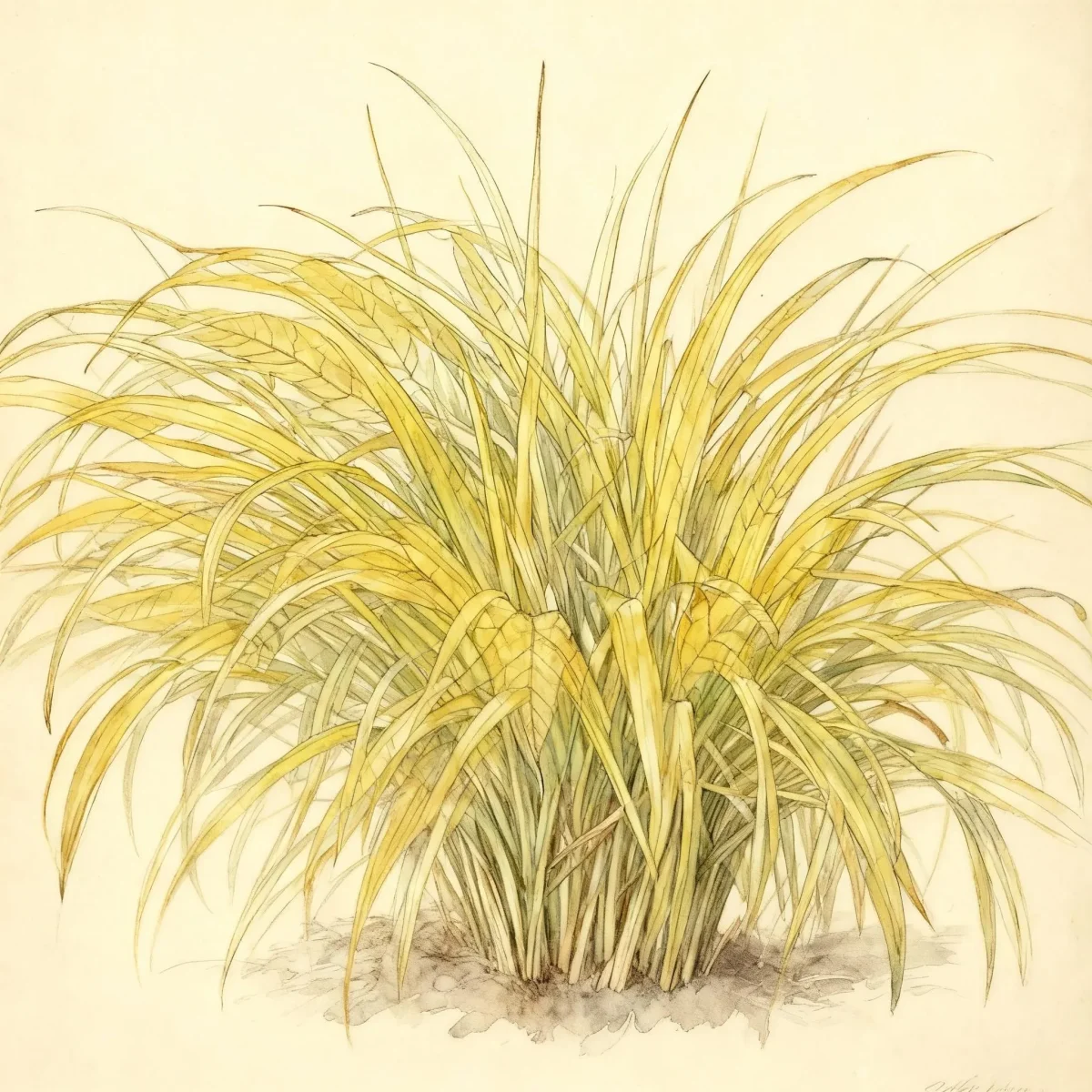
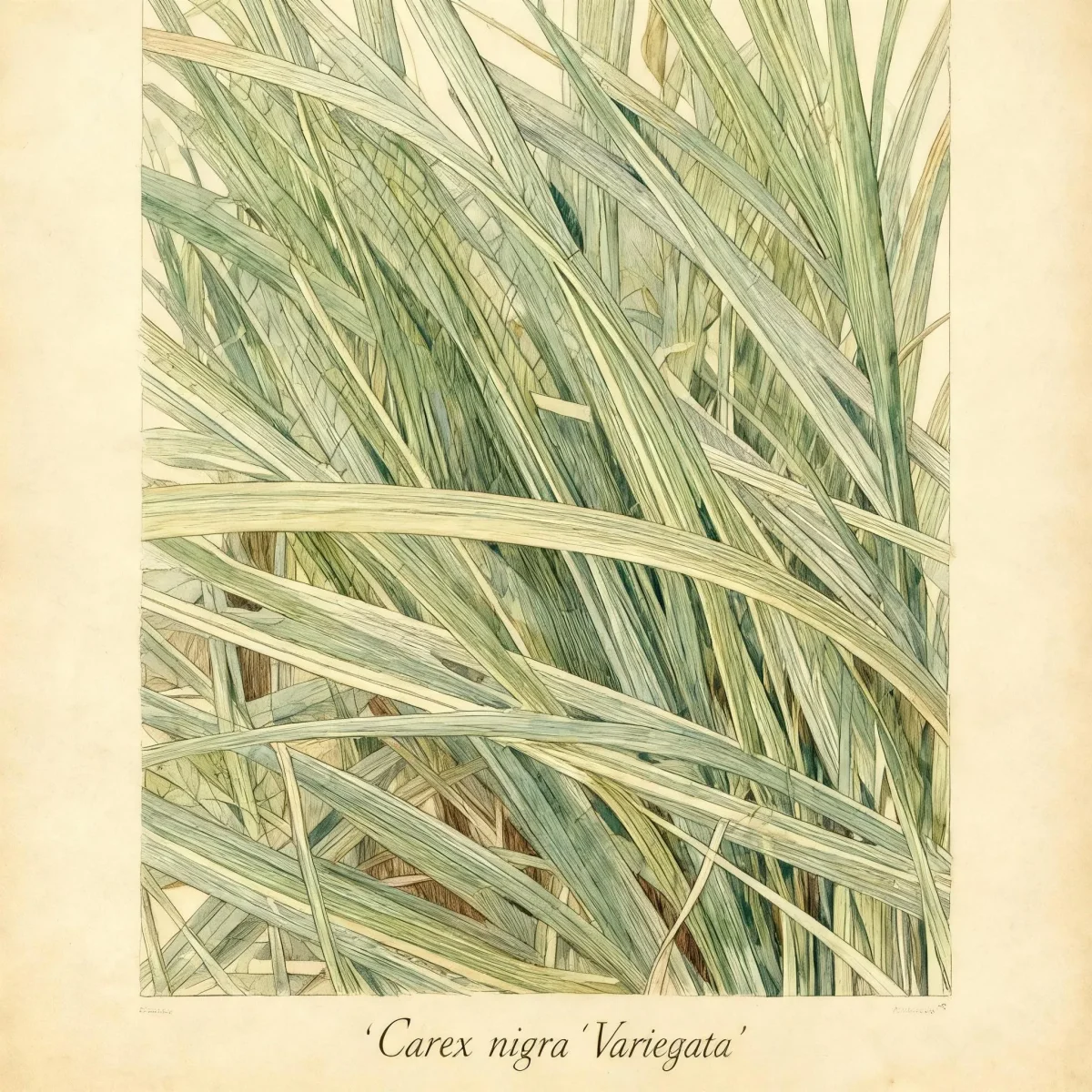
Carex nigra ‘Variegata’, commonly known as Black sedge, offers striking variegated foliage for moist, shady areas of the garden. Its light green, grassy leaves are distinctively edged with yellow, providing a brighter contrast than the typical blue-gray species. This sedge is valued not only for its aesthetic quality but also for its ability to thrive where many other grasses would struggle.
This evergreen plant spreads slowly by runners, forming attractive tufts of grass-like foliage. While the blackish flowers in April are understated, the overall texture and variegation make Carex nigra ‘Variegata’ a reliable textural element throughout the growing season. It is an excellent choice for gardeners needing low-maintenance solutions for wet spots.
The genus name Carex refers to the sharp leaf edges found on most species, distinguishing sedges from the round stems of rushes. Planting Carex nigra ‘Variegata’ brings textural interest and functional benefit, especially in rain gardens or beside water features.
Fast Facts
- Plant Family: Cyperaceae
- Plant Type: Rush or Sedge
- Hardiness Zones: USDA Zones 4-8
- Size at Maturity:
- Height: 0.5-0.75 ft
- Spread: 0.5-1 ft
- Bloom Time: April
- Bloom Description: Blackish
- Sun Exposure: Part shade to full shade
- Water Needs: Wet
- Maintenance Level: Low
How to Grow
Planting Carex nigra ‘Variegata’ is best achieved in the spring or fall when temperatures are moderate. Select a location that offers part shade to full shade, although this Black sedge can manage full sun provided the soil remains consistently wet. It thrives readily in wet soils, which is a key advantage for marginal planting areas.
Maintenance for this variety is generally low once established. Constant moisture is critical, especially if grown in warmer climates, so be prepared to water regularly during dry spells. Pruning is rarely necessary, though removing any tattered foliage in late winter can tidy the plants before new growth emerges.
This sedge is highly adaptable to extreme moisture levels. It performs exceptionally well when placed where it can sit in shallow water, up to 3 to 4 inches deep. While it tolerates medium moisture soils, you will notice less vigor compared to its performance in consistently wet conditions.
Minimal persistence of the desirable foliage color may occur during unusually mild winters in colder regions, but it generally remains evergreen where temperatures are moderate. Avoid locations where soils dry out rapidly, as this will stress the plant.
Landscape Uses
The robust water requirements and spreading habit make Carex nigra ‘Variegata’ a superb choice for naturalizing wet areas. It excels when used as a ground cover, knitting together damp spaces where turfgrass fails due to soil saturation. This plant works well in mass plantings, creating ribbons of variegated texture along stream banks or pond edges.
For formal designs, Carex nigra ‘Variegata’ serves beautifully as an informal border plant near retaining walls or in rock gardens where moisture collects. Its lower height (under 1 foot) prevents it from overwhelming smaller companion plants. Consider using it in rain gardens to manage runoff effectively due to its tolerance for erosion and heavy moisture.
Pairing this Black sedge with moisture-loving perennials or bold-leafed hostas in shady environments enhances its variegated appeal. It is an excellent choice for water gardens, softening the transition between land and standing water while adding year-round structure.
Standout Features
Flower Qualities
- Insignificant
Noteworthy Characteristics
Carex nigra, commonly called black sedge, has dark blue-green to blue-gray foliage with a powdery white underside. The ‘Variegata’ cultivar deviates beautifully, featuring light green, grassy-like leaves edged with yellow instead of the usual grayish-green to blue-gray foliage of the species. While its black flowers and seed heads are attractive, they are not considered showy.
Tolerances
- Deer
- Heavy Shade
- Erosion
- Wet Soil
Potential Problems
The Carex nigra ‘Variegata’ is generally robust and resists serious pest or disease issues, contributing to its low maintenance rating. The primary cultivation concern revolves around moisture management, especially in hot climates where plants will require constant irrigation to maintain the wet soil conditions necessary for optimal health.
A minor aesthetic issue is the potential for reversion. If plants are stressed or simply choose to mutate, they may reseed or produce entirely green shoots, losing the desirable yellow variegation. Gardeners should prune out these all-green shoots promptly to maintain the character of the plant.
Frequently Asked Questions
What hardiness zones is Black sedge suitable for?
Carex nigra ‘Variegata’ is reliably hardy across USDA Zones 4 through 8.
How large does Carex nigra ‘Variegata’ grow?
This sedge typically reaches a compact height between 0.5 and 0.75 feet, with a spread of 0.5 to 1 foot at maturity.
What sun exposure does Black sedge need?
This plant performs best in part shade to full shade conditions, though it can tolerate full sun provided its soil remains perpetually wet.
When does Carex nigra ‘Variegata’ bloom?
Its bloom time is in April, producing inconspicuous, blackish flower structures.
Conclusion
The variegated foliage and exceptional tolerance for wet, shady sites make Carex nigra ‘Variegata’ an indispensable plant for challenging garden areas. Its low-maintenance nature and reliable clumping habit ensure that this Black sedge provides reliable textural interest season after season. Before planting, confirm your site offers consistent moisture and fits within USDA Zones 4–8 for the best results with your Carex nigra ‘Variegata’.
Companion Planting
When selecting partners for Carex nigra ‘Variegata’, focus on other plants that thrive in consistently wet, shaded conditions. Astilbes, ferns such as Japanese Painted Fern (Athyrium niponicum), and moisture-loving woodland flowers like Ligularia offer contrasting textures and similar cultural needs. Placing the bright variegation of the sedge against deep green foliage enhances its visual impact, making it an excellent edging along a shaded woodland path.
Avoid planting this low-growing sedge near aggressive spreading perennials that may readily outcompete it, especially if the Carex nigra ‘Variegata’ is intended to naturalize. Because it tolerates shallow standing water, it can also be successfully paired with upright marginal plants like Pickerel Rush (Pontederia cordata) in an established pond environment.
Design Ideas for Wet Areas
Utilizing Carex nigra ‘Variegata’ in sloped rain gardens maximizes its erosion control capabilities while showcasing its unique foliage. Plant it densely throughout the swale area to capture and filter runoff water effectively. Its evergreen nature provides winter interest in otherwise dormant beds.
In bog gardens or beside shaded streams, allow this Black sedge to intermingle freely with mosses and low-growing ground covers adapted to high humidity. The fine texture of the grass contrasts beautifully with broad-leafed plants, preventing the garden area from feeling too heavy or dense, even in deep shade.