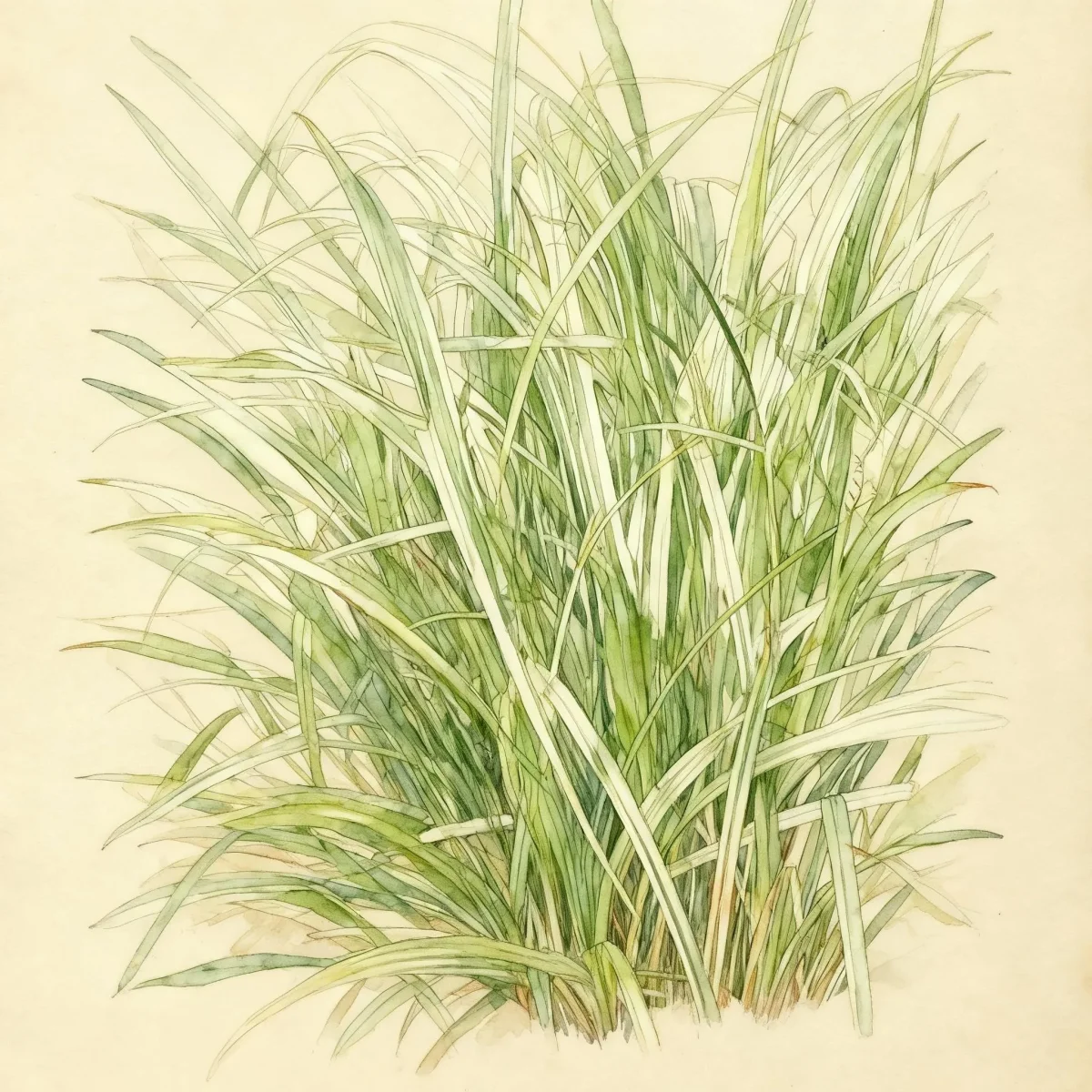
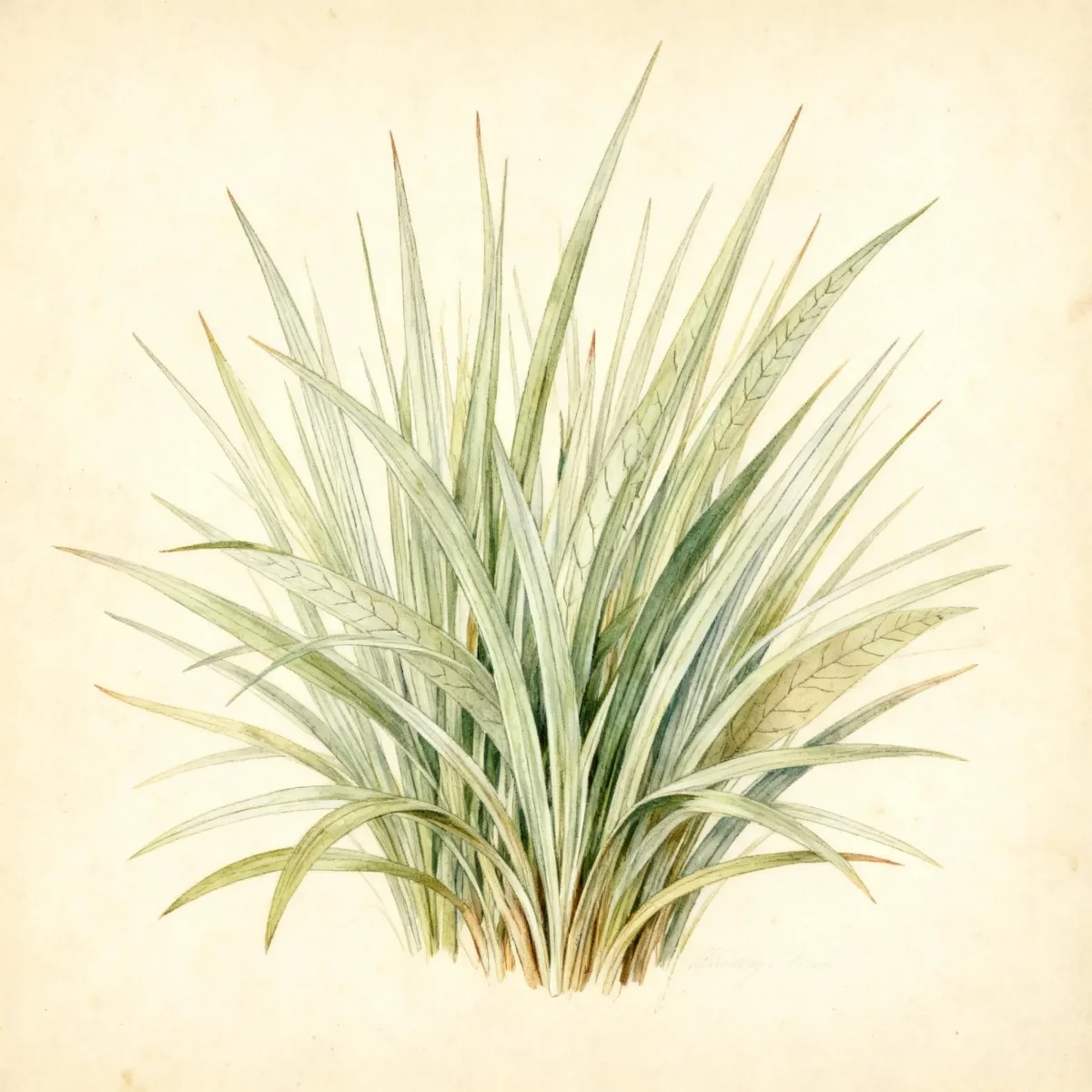
Sedge (Carex oshimensis 'Evergold')
Carex oshimensis 'Evergold' is an evergreen Sedge prized for its arching, variegated foliage, perfect for low-maintenance landscapes.
Scroll down to discover growing tips, care requirements, companion plants, and more
Complete Plant Information
Overview
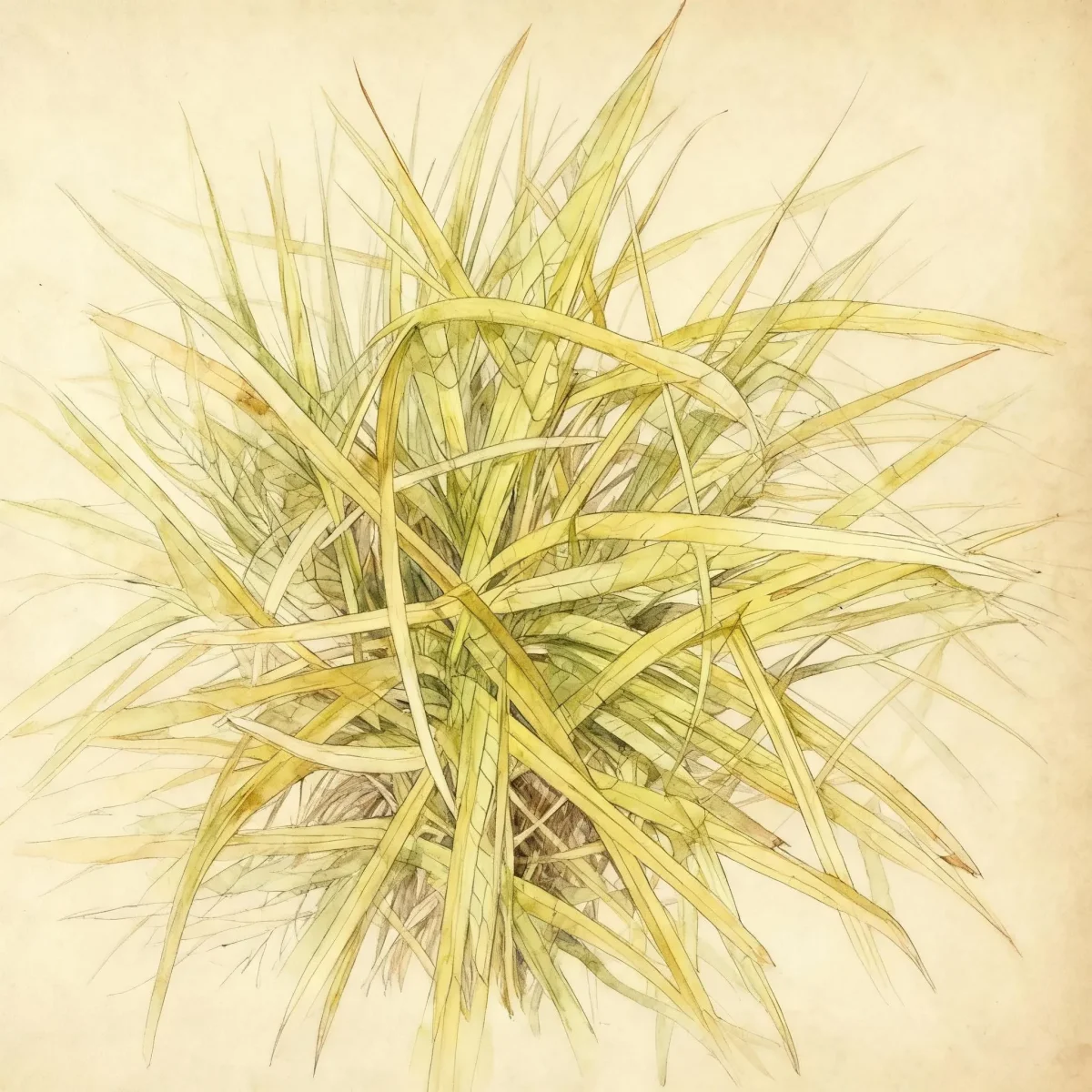
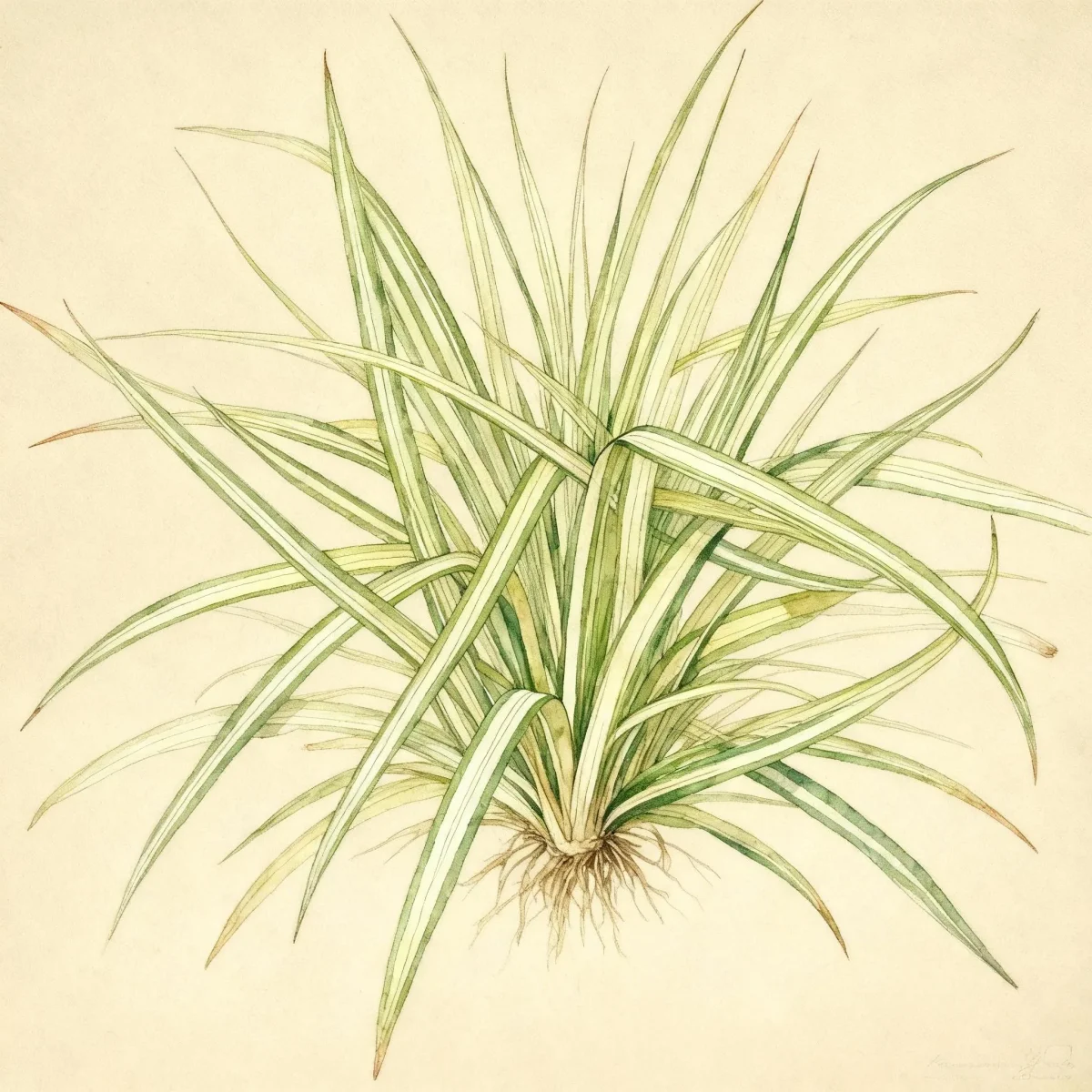
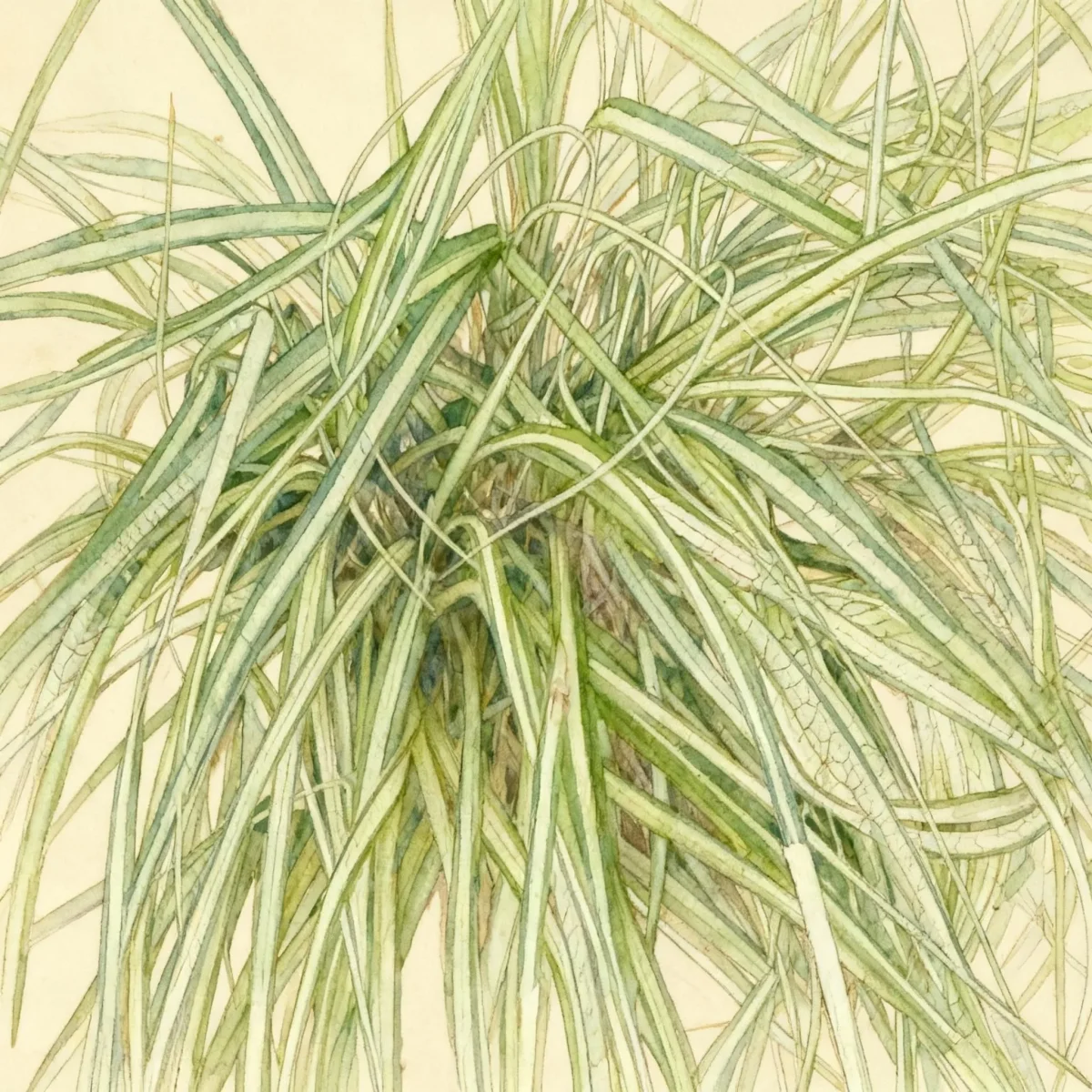
Carex oshimensis ‘Evergold’, a highly sought-after variety of Sedge, adds exceptional texture and year-round interest to shaded landscapes. This cultivar is distinguished by its fine-textured, arching leaves, which boast a striking creamy, yellowish-white center stripe framed by dark green margins. Growing in a neat, grass-like mound, this Sedge provides excellent contrast against bolder foliage plants.
This ornamental grass relative is valued for its low-maintenance nature and adaptability to consistently moist soils, making it an excellent choice for rain gardens or woodland borders. While it performs best in part shade, the intensity of the variegation on the Carex oshimensis ‘Evergold’ foliage is often strongest when shielded from harsh afternoon sun. Gardeners appreciate this evergreen performer for its ability to define borders and offer structure even when other plants go dormant.
Native to Honshu Island, Japan, this specific Sedge cultivar thrives where it receives steady moisture but can tolerate average garden soils better than many other sedges. Its slow spreading habit makes it manageable, forming dense, attractive clumps perfect for mass plantings or as a fine-textured accent in smaller garden spaces.
Fast Facts
- Plant Family: Cyperaceae
- Plant Type: Rush or Sedge
- Hardiness Zones: USDA Zones 5-9
- Size at Maturity:
- Height: 0.75-1 ft
- Spread: 1-1.5 ft
- Bloom Time: May
- Bloom Description: Brown
- Sun Exposure: Part shade
- Water Needs: Medium to wet
- Maintenance Level: Low
How to Grow
Planting Carex oshimensis ‘Evergold’ is best achieved in spring or fall, allowing the plant time to establish roots before facing extreme temperatures. Select a location offering protection from midday sun, as the foliage color is richer and less prone to scorching in part shade. This Sedge thrives in medium to wet soils but is notably tolerant of average garden conditions, provided drainage isn’t perpetually soggy.
Watering should be consistent, especially when establishing the plant, keeping the soil medium to wet as preferred by this Sedge. Once established, it handles brief dry spells better than many other sedges, though consistently moist soil maximizes health. Fertilizing is rarely necessary; this plant generally thrives without heavy amendments.
Maintenance for this ornamental Sedge is minimal. In regions where it remains evergreen, foliage can be left intact through winter. Where plants are not fully evergreen, cut the foliage to the ground in late winter before new growth emerges to facilitate a clean start. Propagation is achieved by division of the short rhizomes during the growing season.
Landscape Uses
The ornamental appeal of Carex oshimensis ‘Evergold’ makes it indispensable for specific landscape roles, particularly where consistent moisture management is required. It excels as a ground cover, forming soft, flowing masses ideal for woodland gardens or under the canopy of larger trees where the light filters through. Its arching, variegated plumes serve as an effective visual anchor along borders.
Due to its moisture preferences, this Sedge is highly recommended for rain gardens and along stream or pond margins, contributing critical texture to water-adjacent plantings. Furthermore, it functions beautifully as an edging plant, providing a neat, low-maintenance border for walkways and paths without encroaching aggressively. Use groups of this Sedge to create dynamic layers in shaded beds, contrasting its delicate form against hostas or ferns.
Standout Features
Flower Qualities
- Insignificant
Noteworthy Characteristics
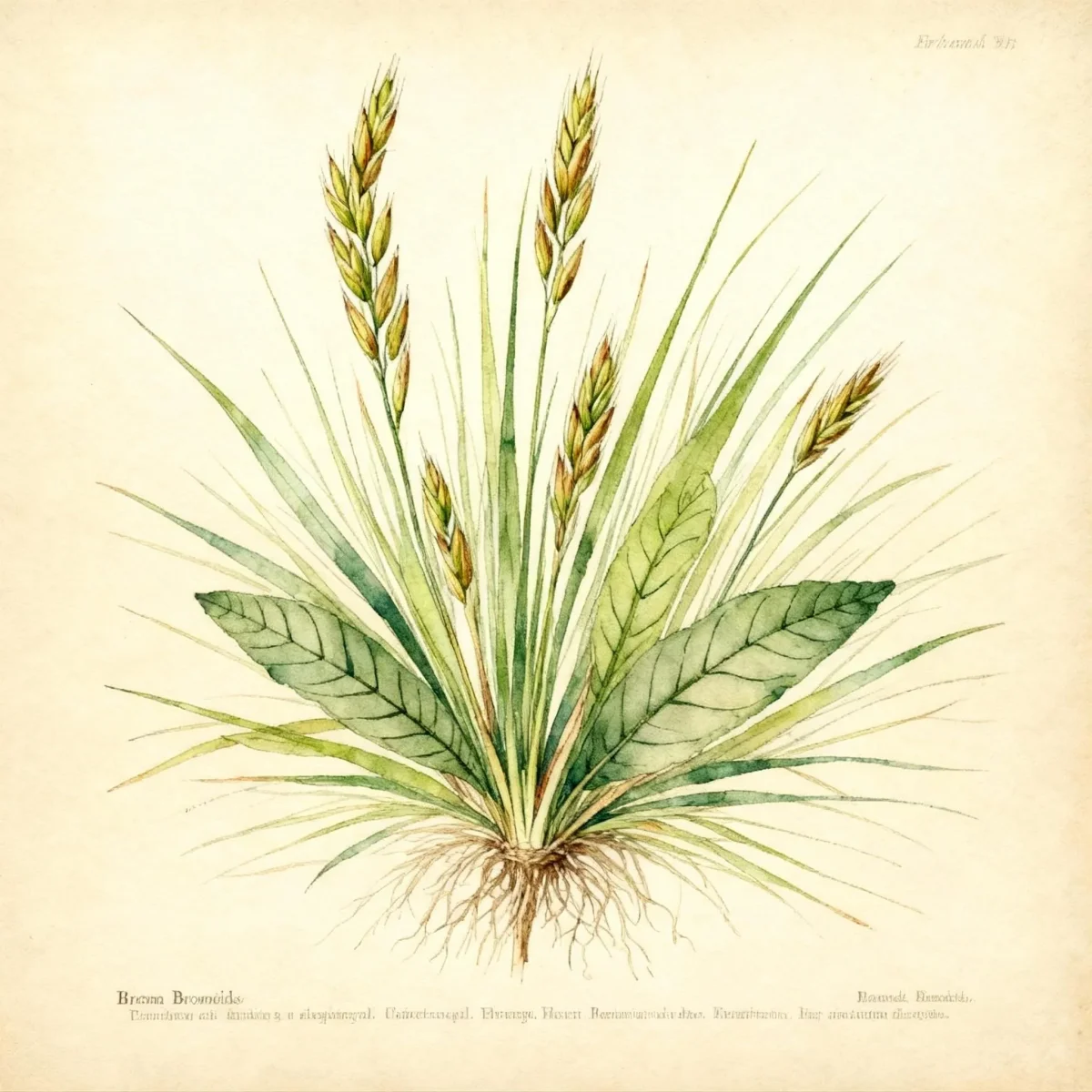
Carex oshimensis, commonly known as Oshima kan suge, is a fine-textured sedge that typically grows in a low, grass-like mounded clump. This sedge features narrow leaves, typically around 16 inches long, and insignificant brownish flower spikes appear on triangular stems in spring. ‘Evergold’ is a popular variegated cultivar ornamentally grown in part shade areas for its arching, attractive foliage, featuring a broad, creamy, yellowish-white center stripe bordered by thin dark green margins.
Tolerances
- Deer
Potential Problems
This Carex oshimensis ‘Evergold’ variety is generally robust and free from serious insect or disease issues, contributing to its overall low-maintenance profile. Gardeners should primarily focus on avoiding overly dry or excessively hot and humid summer conditions, which can cause stress. Ensure planting locations meet the cultural requirement for part shade to maintain leaf vibrancy and prevent burn.
Frequently Asked Questions
What hardiness zones is Sedge suitable for?
Carex oshimensis ‘Evergold’ is suitable for USDA Hardiness Zones 5 through 9.
How large does Sedge grow?
This Sedge typically reaches a mature height between 0.75 to 1 foot tall, with a spread ranging from 1 to 1.5 feet wide, maintaining a neat, mounded habit.
What sun exposure does Carex oshimensis ‘Evergold’ need?
This plant performs best when situated in part shade; excessive sun can negatively affect the foliage quality.
When does Sedge bloom?
The insignificant flowers of Carex oshimensis ‘Evergold’ appear in May and are brown in color.
Conclusion
The striking, evergreen variegation of Carex oshimensis ‘Evergold’ makes it an essential choice for adding persistent color and fine texture to shaded garden areas. Its low requirements for maintenance and preference for moist soils confirm its utility in rain gardens and woodland settings. Before planting, ensure your site provides adequate part shade and consistent moisture to fully appreciate this versatile Sedge.
Companion Planting
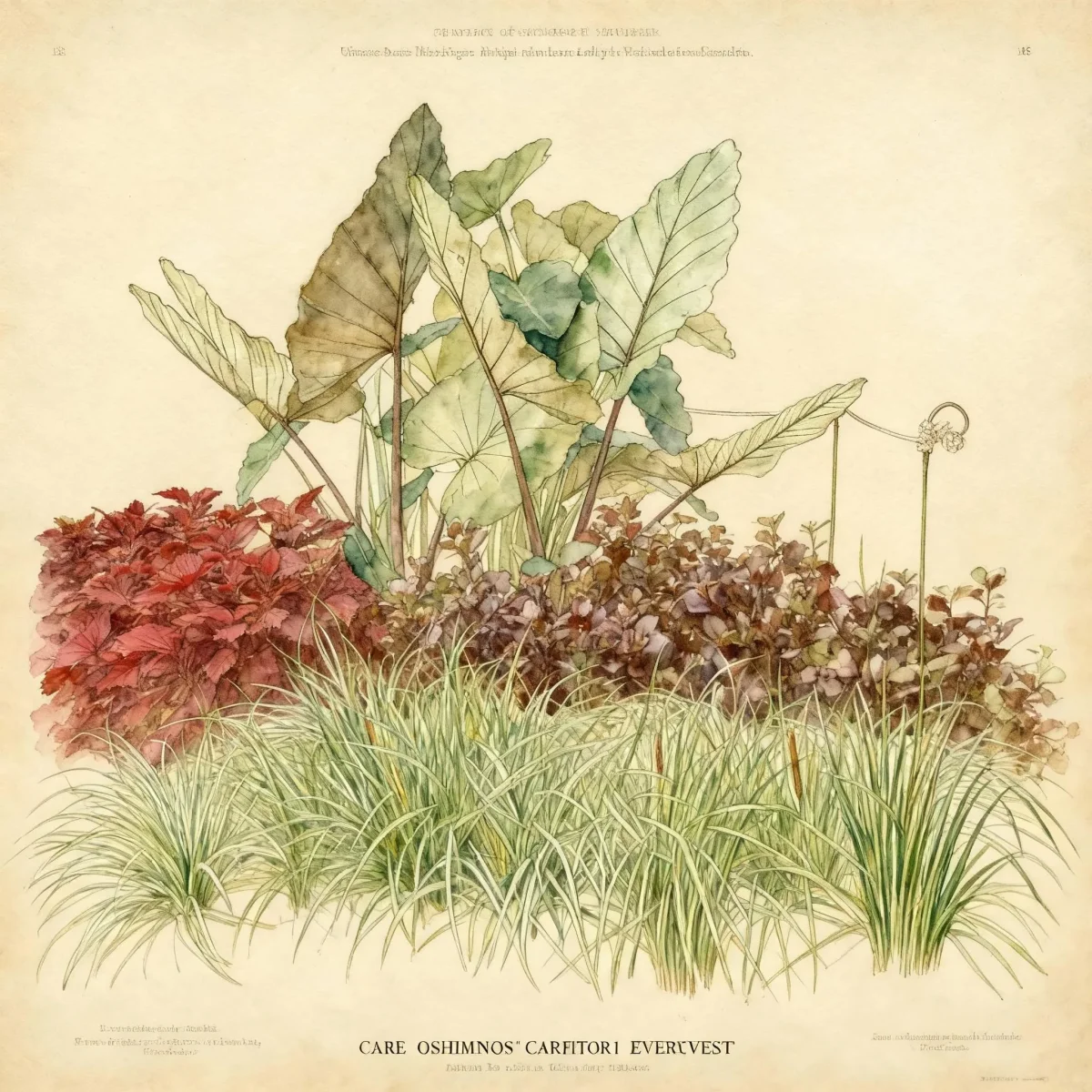
When placing Carex oshimensis ‘Evergold’ in a woodland or shade garden, pair it with plants that share its appreciation for consistently moist soil. Hostas (especially those with blue or deep green, solid leaves) offer a wonderful textural contrast to the fine blades of the Sedge. Ferns, such as Japanese Painted Fern or Autumn Fern, complement the subtle gold tones of the ‘Evergold’ cultivar well, reinforcing the cool, shaded aesthetic.
Consider planting lower-growing woodland ephemerals around the base of the Sedge for seasonal interest before the Carex fully fills out its spring form. Because this Sedge spreads slowly by rhizomes, it serves as an excellent living edge or groundcover that won’t overwhelm slower-growing companions in a mixed border setting.
Design Ideas for Moist Shade
Utilizing Carex oshimensis ‘Evergold’ effectively involves maximizing its bright foliage against a darker backdrop. Plant massings of this Sedge in front of deep green foundation shrubs or beneath the filtered light of Japanese Maples to highlight the creamy centers of the leaves. For contemporary designs, use it as a repeating element along a curved path, providing bright, low-profile linear interest that contrasts with the hardscape.
In rain garden applications, situate this Sedge slightly away from the constantly saturated center areas, placing it where the soil is moist but drains adequately. Its medium water needs allow it to anchor the transition zone between wetter planting pockets and average garden beds, reinforcing the structure of the slope or ditch. The consistent texture provided by Carex oshimensis ‘Evergold’ brings order and polished look to naturalistic, moisture-retentive landscapes.