Bluebeard (Caryopteris × clandonensis 'Blue Mist')
Discover Caryopteris × clandonensis 'Blue Mist', the late-blooming Bluebeard shrub with fragrant foliage and showy powder blue flowers.
Scroll down to discover growing tips, care requirements, companion plants, and more
Complete Plant Information
Overview
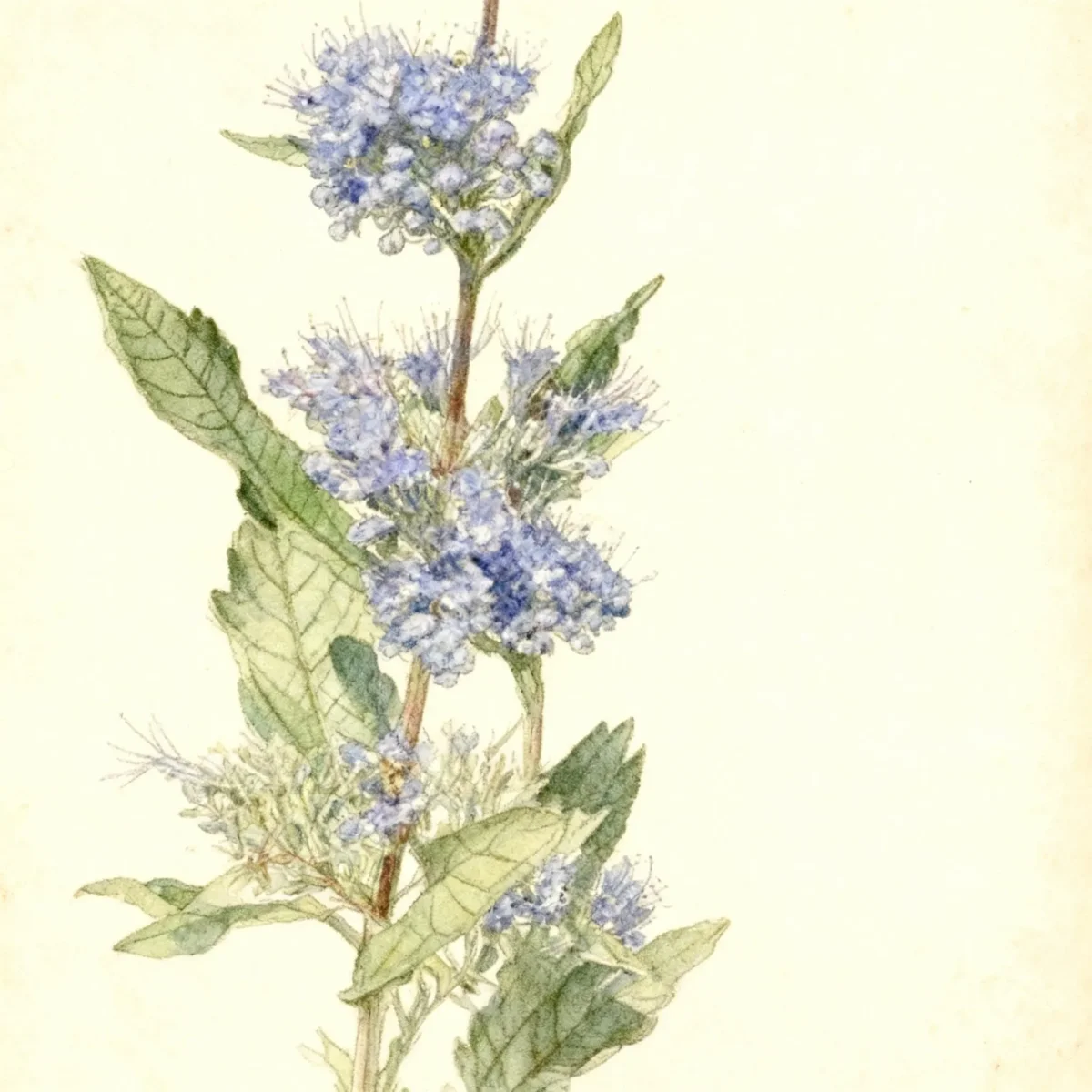
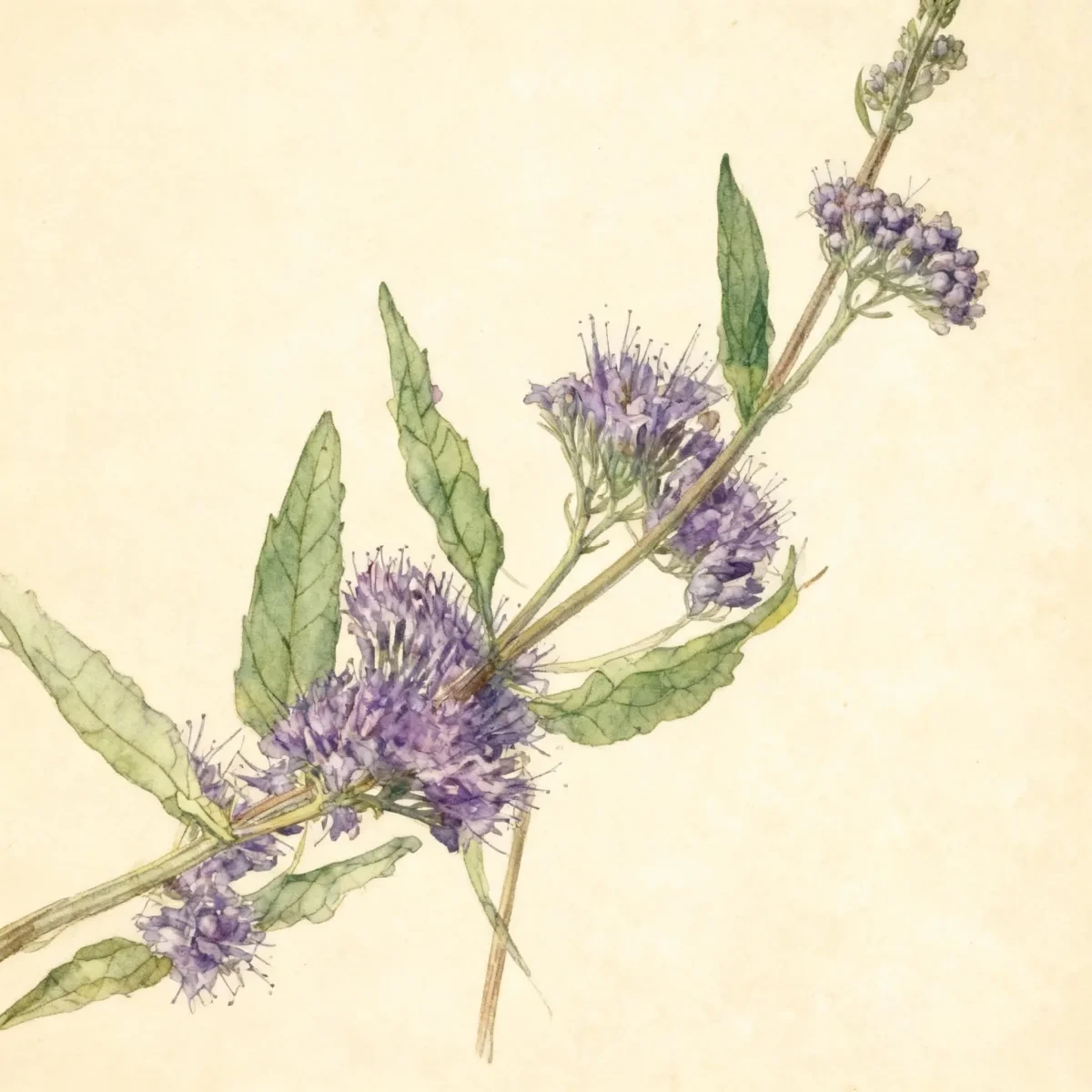
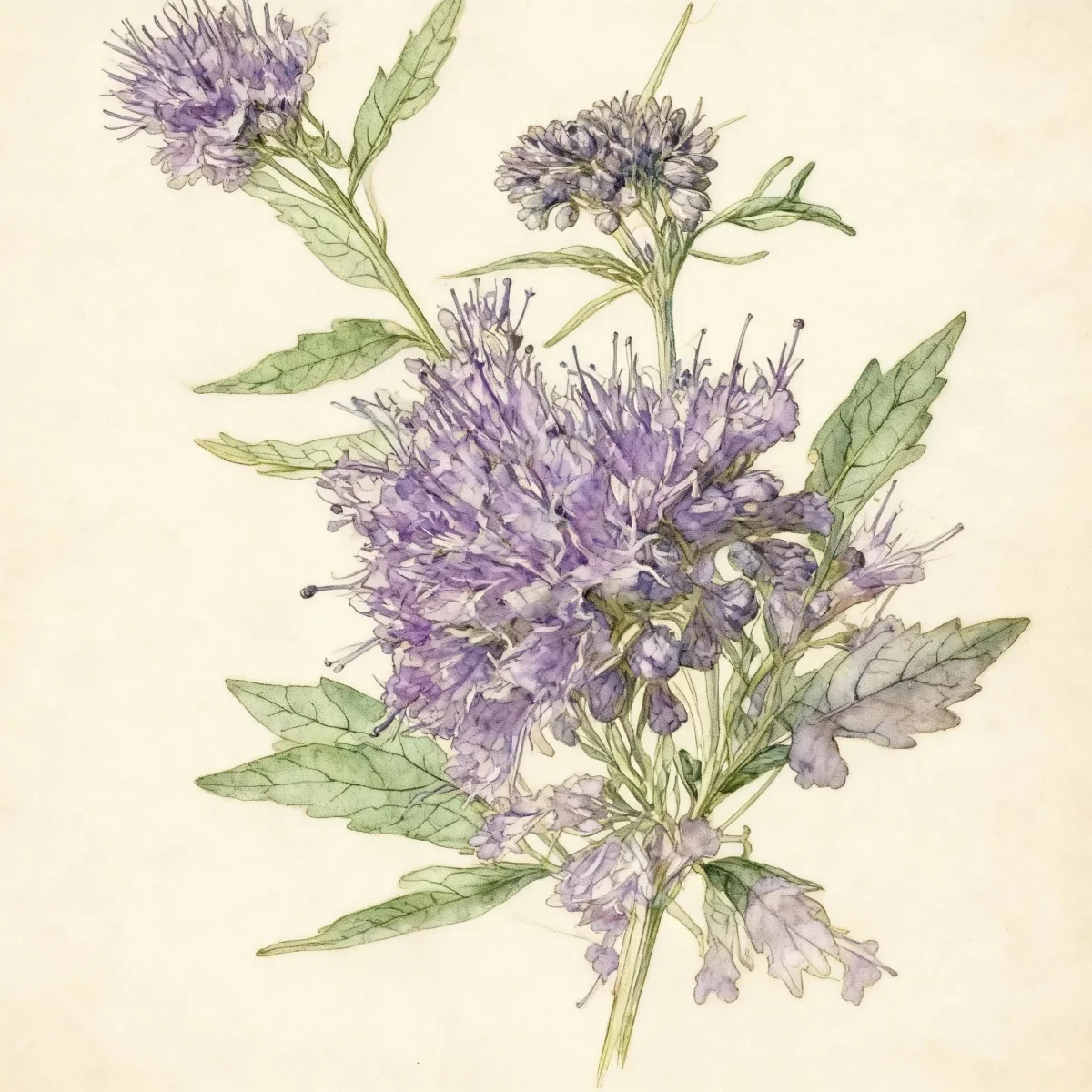
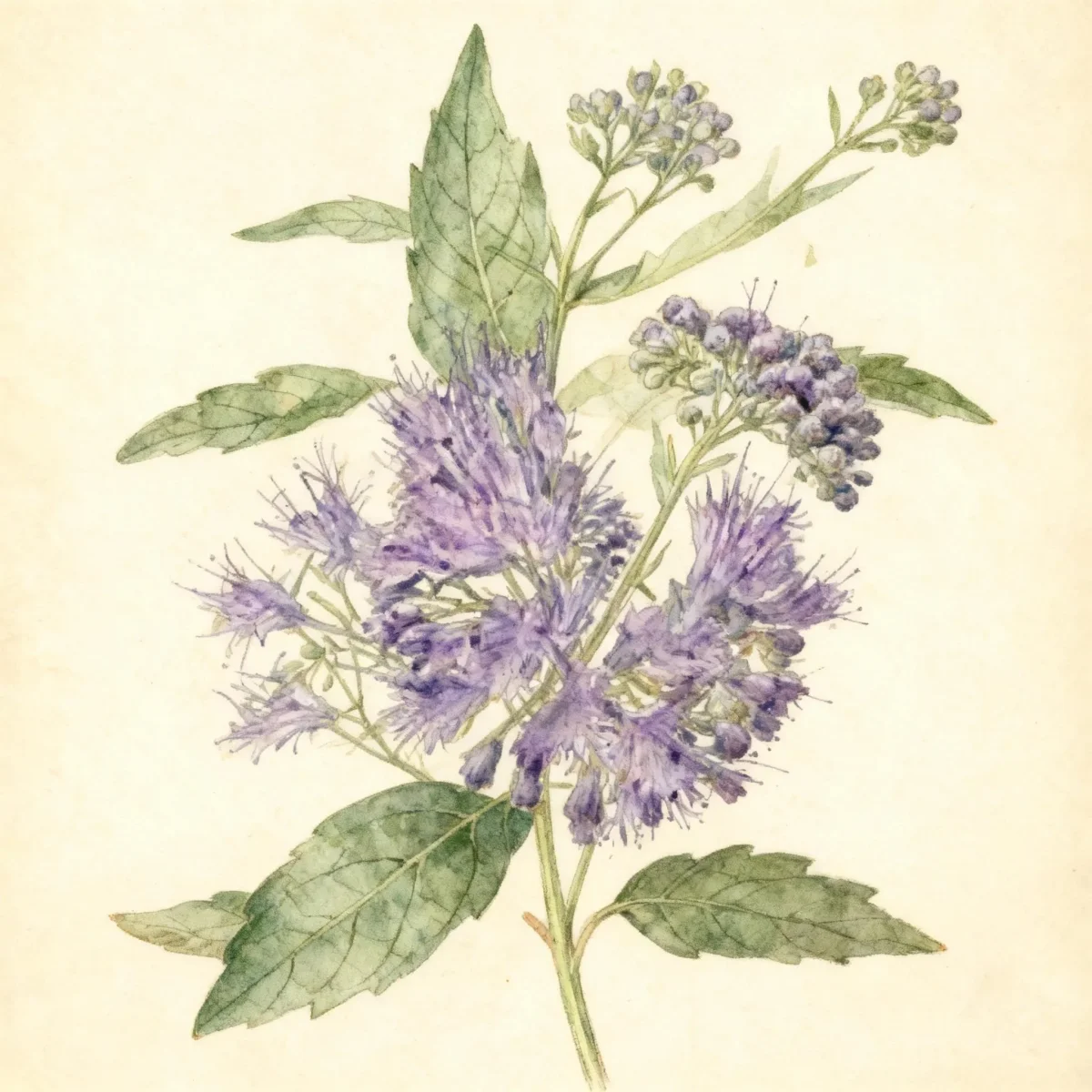
Caryopteris × clandonensis ‘Blue Mist’, commonly known as Bluebeard, fills a crucial gap in the late-season garden when many other shrubs have finished flowering. This low-mounded, deciduous shrub delights gardeners with clouds of powder blue flowers appearing from July right through September. Beyond its aesthetic appeal, the foliage of this hybrid is distinctly aromatic when brushed, adding another sensory layer to the landscape.
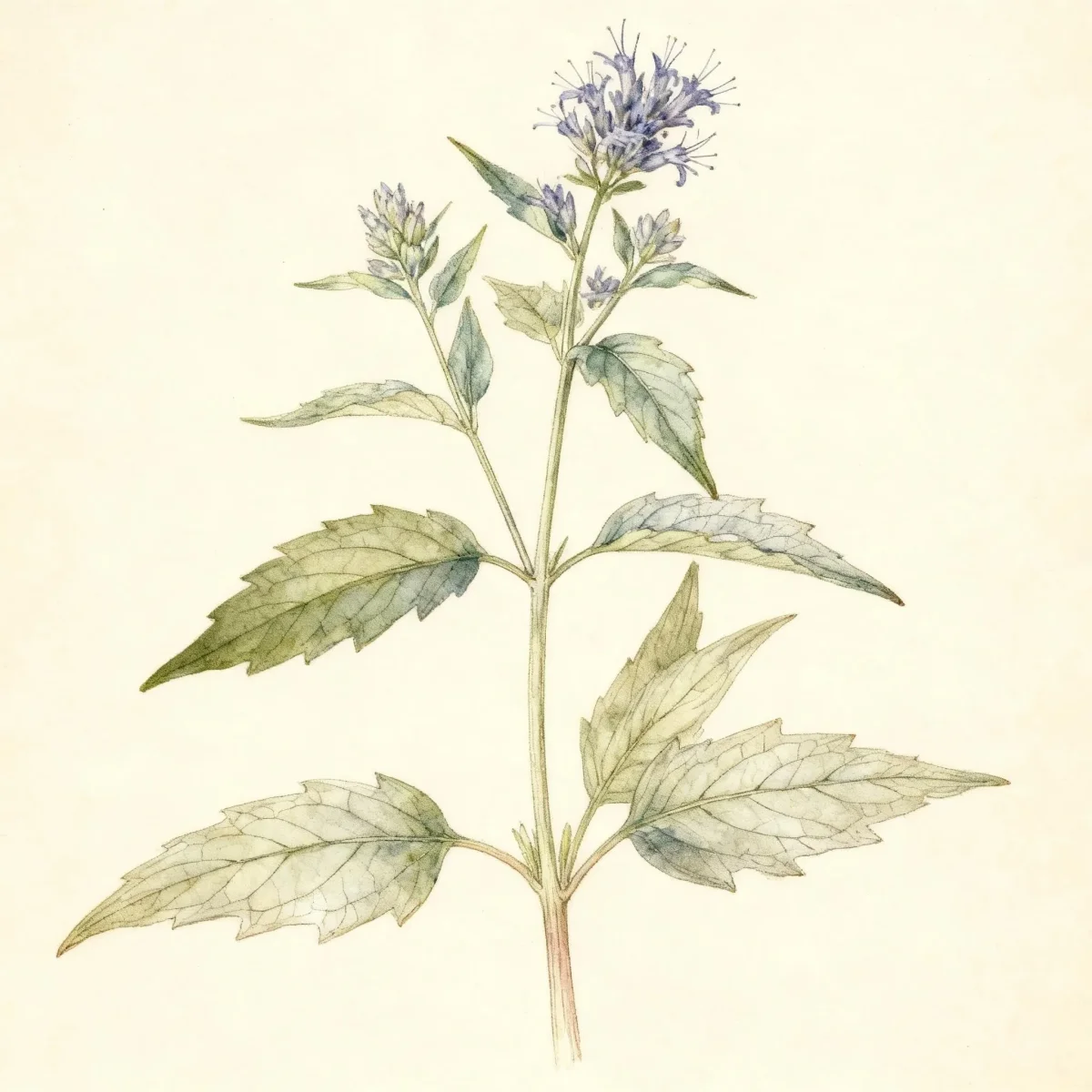
The overall height of this cultivar typically ranges between two and three feet, depending heavily on winter conditions and annual pruning practices. As a hybrid discovered incidentally, it combines the best traits of its parent species, resulting in a reliable performer known for its low maintenance requirements once established.
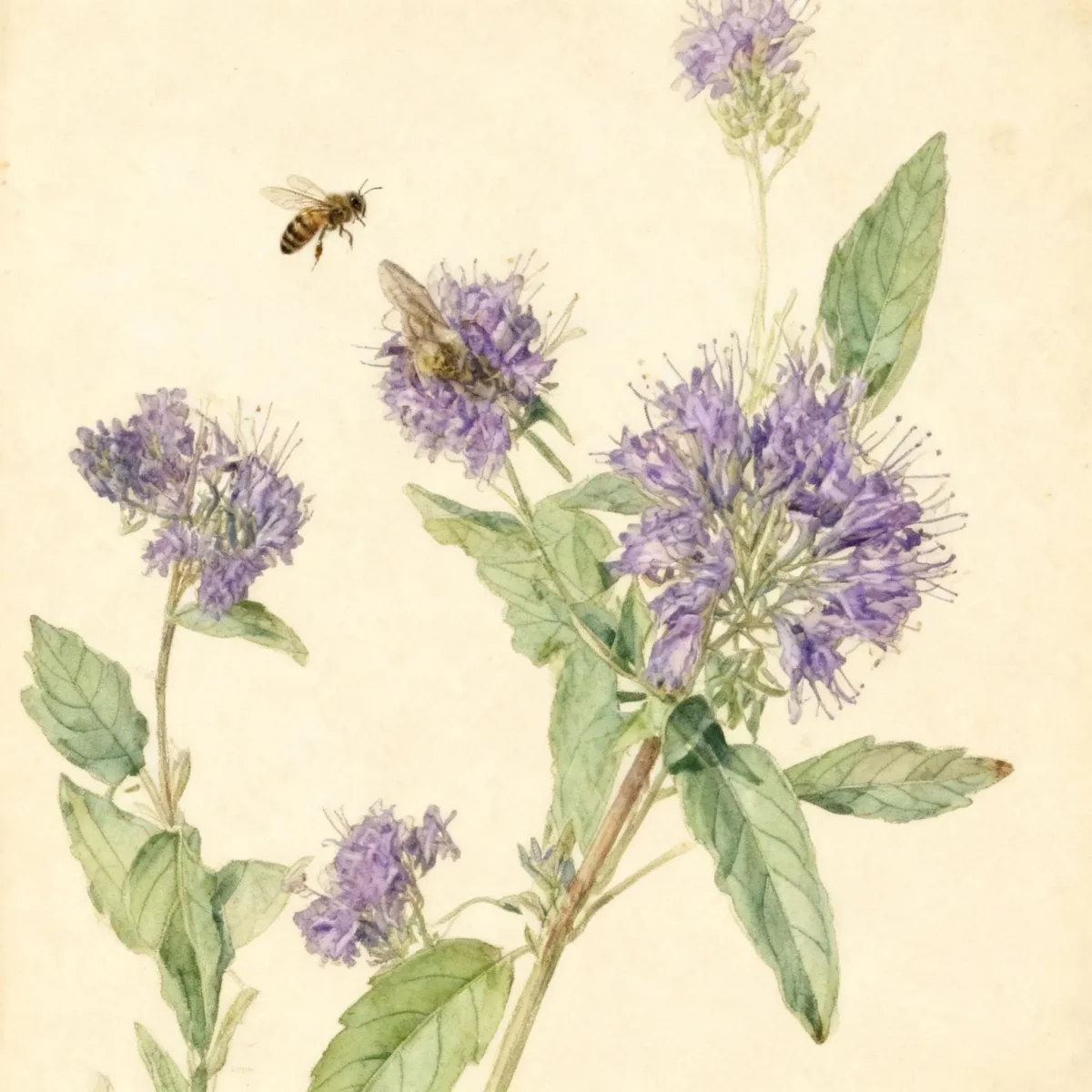
Ornamentally, the late-blooming nature of Caryopteris × clandonensis ‘Blue Mist’ makes it invaluable, providing consistent color when most summer interest is fading. Furthermore, its flowers are highly attractive to essential pollinators like bees and butterflies, increasing its ecological value in any garden setting.
Fast Facts
- Plant Family: Lamiaceae
- Plant Type: Deciduous shrub
- Hardiness Zones: USDA Zones 5-8
- Size at Maturity:
- Height: 2-3 ft
- Spread: 2-3 ft
- Bloom Time: July to September
- Bloom Description: Powder blue
- Sun Exposure: Full sun
- Water Needs: Medium
- Maintenance Level: Low
How to Grow
The best time to establish Caryopteris × clandonensis ‘Blue Mist’ is in the spring, allowing the roots ample time to anchor before the stress of winter. Site this shrub in a location receiving full sun, which is essential for abundant flowering. It requires average, medium moisture, well-drained soil, thriving particularly well in loose loams. It is important to avoid wet, poorly-drained spots, as the crowns are susceptible to rot.
Water deeply but infrequently once established, as this Bluebeard tolerates periods of drought well. Fertilization is rarely necessary if planted in adequate soil; overly rich conditions may encourage excessive leafy growth at the expense of blooms. If growth seems weak or unmanageable, a balanced, slow-release fertilizer in early spring can be applied sparingly.
Pruning is a key cultural practice for Caryopteris × clandonensis ‘Blue Mist’. While the roots are reliably hardy to Zone 5, the top growth often dies back in colder winters (Zones 5 and 6). Gardeners in these zones (and often even further south) should plan to prune all stems back hard in early spring, cutting them down to a few inches above the ground.
Pruning hard in the spring is beneficial across all zones, even when stems survive, as it promotes the vigorous new growth that carries the summer flowers. Since the shrub blooms exclusively on new wood, spring pruning will never compromise the season’s floral display.
Landscape Uses
Bluebeard offers fantastic solutions for late-season color accents in mixed shrub plantings or perennial borders. Because Caryopteris × clandonensis ‘Blue Mist’ reaches a manageable two to three feet in stature and spread, it functions perfectly as a low hedge or as a front-row specimen in a border design.
This plant truly shines when massed or grouped together, creating a striking, unified cloud of powder blue color toward the end of summer. Consider pairing it with late-blooming perennials like Sedum or ornamental grasses that can provide contrasting textures as the Bluebeard prepares for its fall show. Its reliable performance and unique timing make it a must-have component for extending visual interest through the autumn months.
Standout Features
Flower Qualities
- Showy
- Fragrant
Noteworthy Characteristics
Caryopteris × clandonensis, commonly called bluebeard, blue spirea or blue mist, is a low-mounded, deciduous shrub that is valued for its aromatic foliage and late summer flowers which are said to resemble clouds of blue smoke or mist. This hybrid typically produces significant new growth annually, meaning the final height of this cultivar depends heavily on winter dieback and subsequent spring pruning routines. The resulting powder blue flowers, appearing in terminal and axillary clusters, are very attractive to butterflies, bees, and other beneficial insects visiting the garden in late summer.
Tolerances
- Drought
Potential Problems
This shrub generally resists serious insect or disease issues, contributing to its low-maintenance rating. The most significant threat to Caryopteris × clandonensis ‘Blue Mist’ relates to its soil needs. Crowns are highly susceptible to rot if the required well-drained conditions are not met, resulting in plant failure. Ensure planting sites allow water to move away freely; amending heavy clay soil with organic matter is vital for long-term success.
Frequently Asked Questions
What hardiness zones is Bluebeard suitable for?
Caryopteris × clandonensis ‘Blue Mist’ is reliably hardy in USDA Zones 5 through 8, though top growth in Zones 5 and 6 may die back annually.
How large does Caryopteris × clandonensis ‘Blue Mist’ grow?
This cultivar typically matures to a height and spread between 2 to 3 feet.
What sun exposure does Bluebeard need?
This shrub performs best and produces the most prolific blooms when situated in a location receiving full sun throughout the growing season.
When does Bluebeard bloom?
The flowers of this Bluebeard variety appear late in the season, typically starting in July and continuing through September, displaying a lovely powder blue hue.
Conclusion
The Caryopteris × clandonensis ‘Blue Mist’ remains a cornerstone shrub for gardeners seeking dependable, late-season color combined with fragrant foliage. Its low maintenance and strong appeal to pollinators ensure its ongoing popularity. Before purchasing, confirm your planting site offers full sun and excellent drainage to ensure the best performance from your new Bluebeard.
Companion Planting Suggestions
When integrating Caryopteris × clandonensis ‘Blue Mist’ into your landscape, consider companion plants that share similar cultural needs—namely, a preference for well-drained soil and full sun. Plants that bloom earlier in the summer can transition gracefully into the blooming period of the Bluebeard. Good partners include Russian Sage (Perovskia atriplicifolia) or various ornamental grasses like Prairie Dropseed (Sporobolus heterolepis), which offer contrasting textures while appreciating similar moisture levels.
Wildlife Benefits Focus
One of the greatest advantages of planting Bluebeard in the garden is its significant contribution to late-season pollinator support. As many summer flowers fade, the rich supply of nectar in the powder blue blooms of Caryopteris × clandonensis ‘Blue Mist’ becomes a vital food source. Butterflies and native bees rely on this shrub during the transition to autumn, making it an essential addition for ecologically-minded gardeners focused on supporting local insect populations.