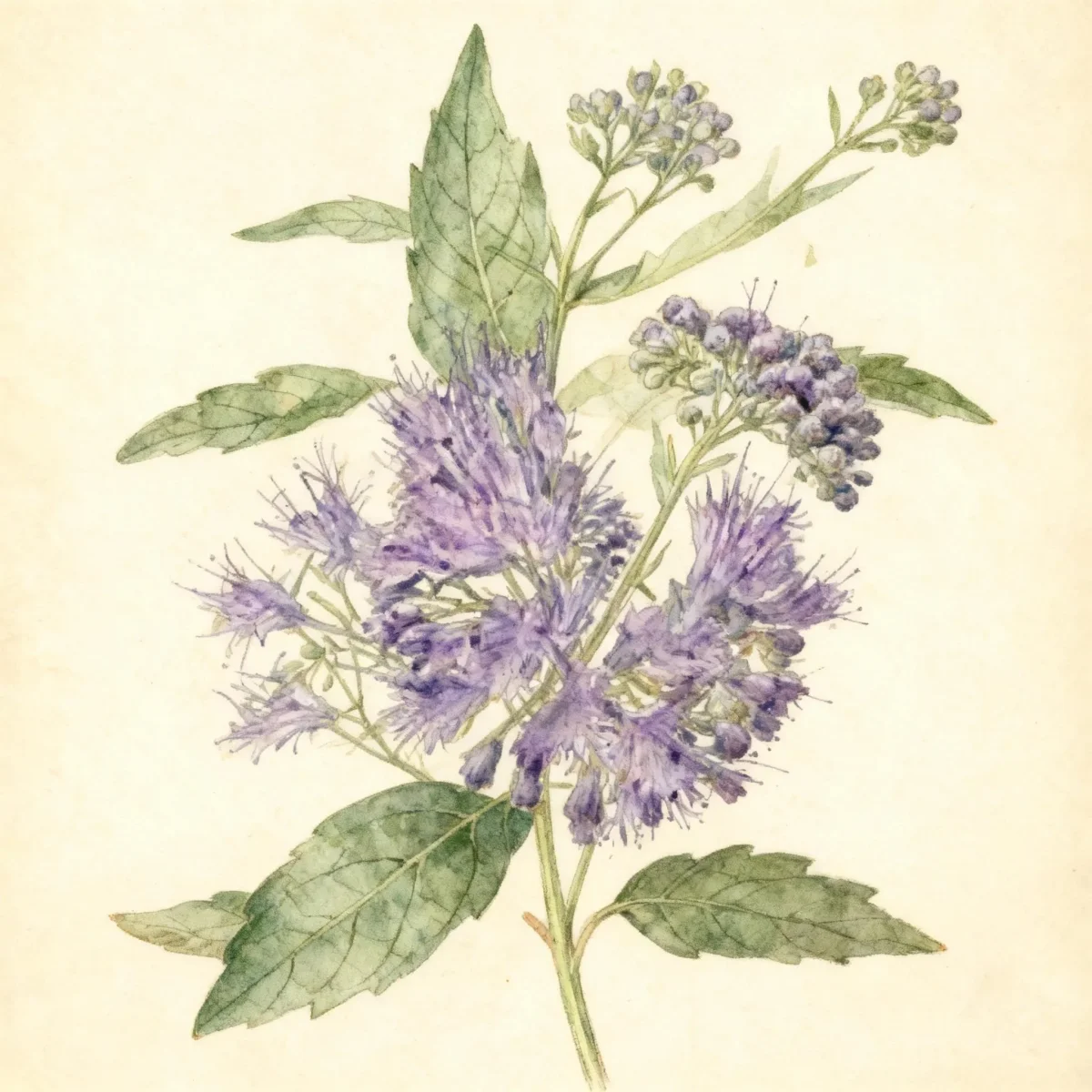
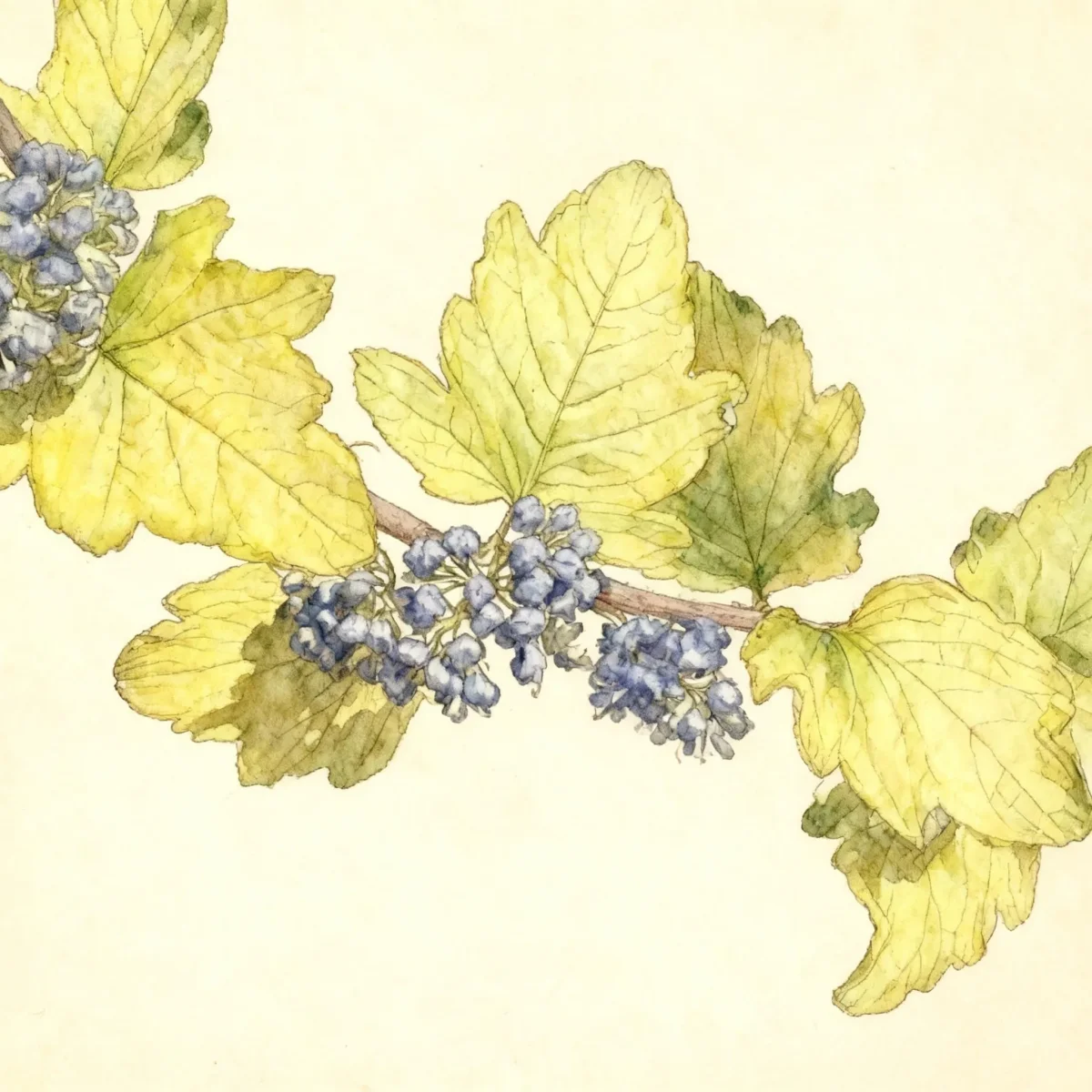
Bluebeard (Caryopteris × clandonensis 'Dark Knight')
Caryopteris × clandonensis 'Dark Knight' (Bluebeard) offers late-season deep blue blooms, low maintenance, and fragrant foliage for sunny borders.
Scroll down to discover growing tips, care requirements, companion plants, and more
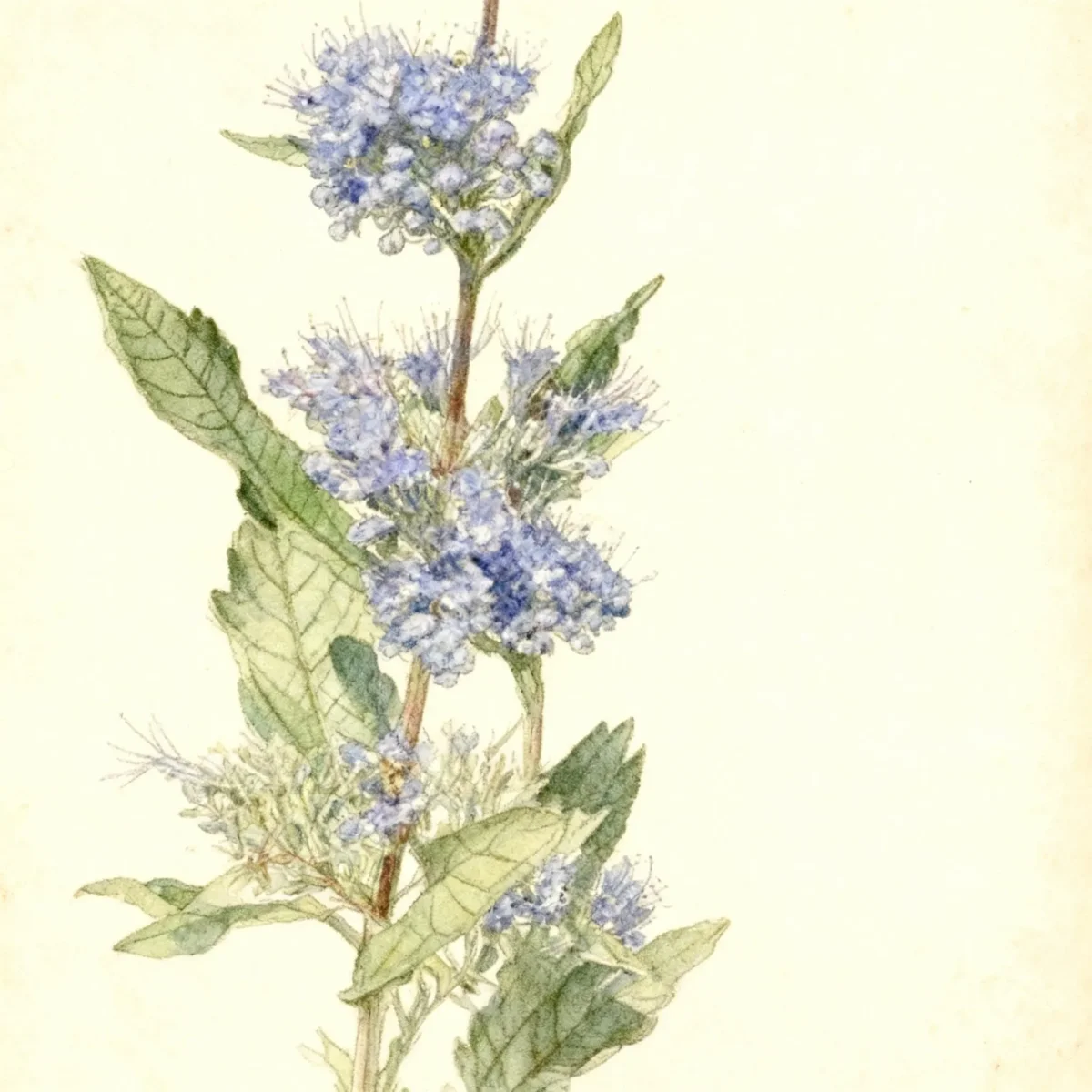
Complete Plant Information
Overview
Caryopteris × clandonensis ‘Dark Knight’, commonly known as Bluebeard, is a highly valued, low-mounded deciduous shrub renowned for filling the late-season garden gap. Its primary attraction is the profusion of deep blue-purple flowers that appear from mid-summer well into fall when few other shrubs are actively blooming. This hybrid blooms vigorously on new growth, ensuring reliable color despite winter dieback challenges in colder zones.
The aromatic foliage further increases the appeal of Bluebeard, releasing a pleasant scent when brushed or lightly cut. It is an excellent, low-maintenance selection for shrub borders, providing structure and excellent pollinator appeal during the dog days of summer and early autumn. Gardeners appreciate the relatively compact size of Caryopteris × clandonensis ‘Dark Knight’ for planting toward the front of borders or massing for a misty blue effect.
This shrub thrives under conditions of full sun and requires only medium water once established, tolerating mild drought. Its overall low maintenance requirement, combined with its late-season performance, makes Caryopteris × clandonensis ‘Dark Knight’ a superb choice for sunny perennial and mixed borders where reliable fall color is desired.
Fast Facts
- Plant Family: Lamiaceae
- Plant Type: Deciduous shrub
- Hardiness Zones: USDA Zones 5-9
- Size at Maturity:
- Height: 2-3 ft
- Spread: 2-3 ft
- Bloom Time: July to September
- Bloom Description: Deep blue
- Sun Exposure: Full sun
- Water Needs: Medium
- Maintenance Level: Low
How to Grow
Plant Caryopteris × clandonensis ‘Dark Knight’ in spring or fall, ensuring the location receives full daily sun exposure for the best flower production. This shrub prefers average, well-drained soil and performs best in loose loams, disliking wet or poorly-drained conditions which can lead to crown rot. Proper siting for drainage is critical for the long-term health of your Bluebeard.
Water moderately, especially during establishment. Once mature, Bluebeard demonstrates some drought tolerance, making it relatively forgiving during dry spells, though consistent, medium moisture is optimal throughout the growing season. Fertilization is rarely needed if the soil quality is adequate.
Pruning is a key aspect of cultivating the best performance from Caryopteris × clandonensis ‘Dark Knight’. Because it flowers entirely on new wood, hard pruning in early spring is highly recommended, particularly in Zones 5 and 6 where stems often die back to the ground anyway. Prune all stems back aggressively, removing dead or damaged wood and shaping the plant. Even in warmer zones where stems survive winter, this spring pruning promotes the vigorous new growth necessary for abundant blooms.
Landscape Uses
Bluebeard is highly versatile, functioning effectively in various landscape settings due to its late bloom period and manageable size of two to three feet tall and wide. It is an outstanding choice for perennial borders where it bridges the gap between summer perennials fading and true fall bloomers starting up. Mass planting large groups of Caryopteris × clandonensis ‘Dark Knight’ creates a striking, low hedge or a substantial block of misty blue color.
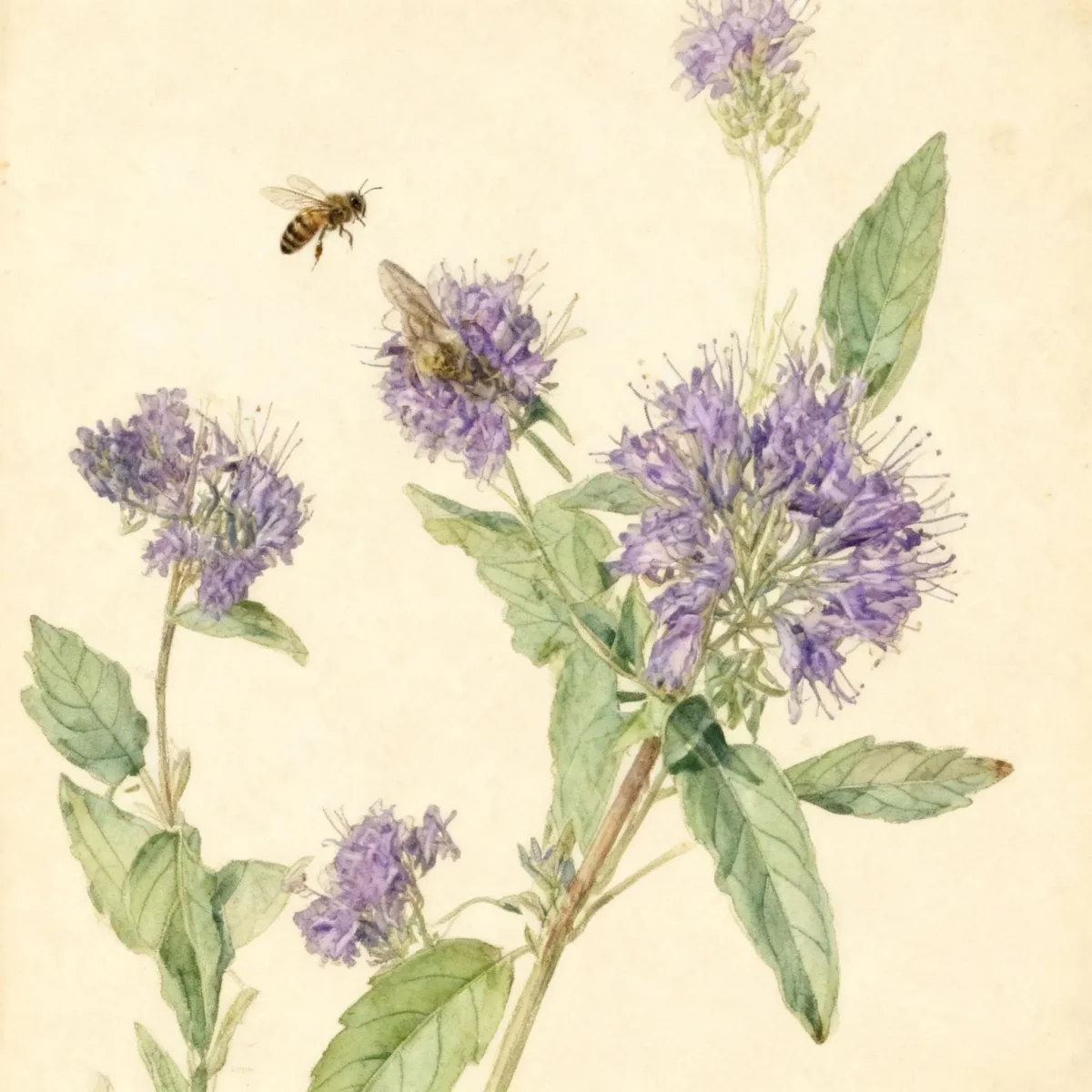
Consider using this shrub as an informal, low hedge bordering a walkway or defining a space in the landscape. Its flowers attract substantial amounts of butterflies and beneficial bees, making it an excellent addition to wildlife gardens or near seating areas where the activity can be enjoyed. The compact nature of the Clandonensis hybrids also allows for integration into larger shrub borders without overwhelming neighboring plants.
Standout Features
Flower Qualities
- Showy
- Fragrant
- Good Cut
Noteworthy Characteristics
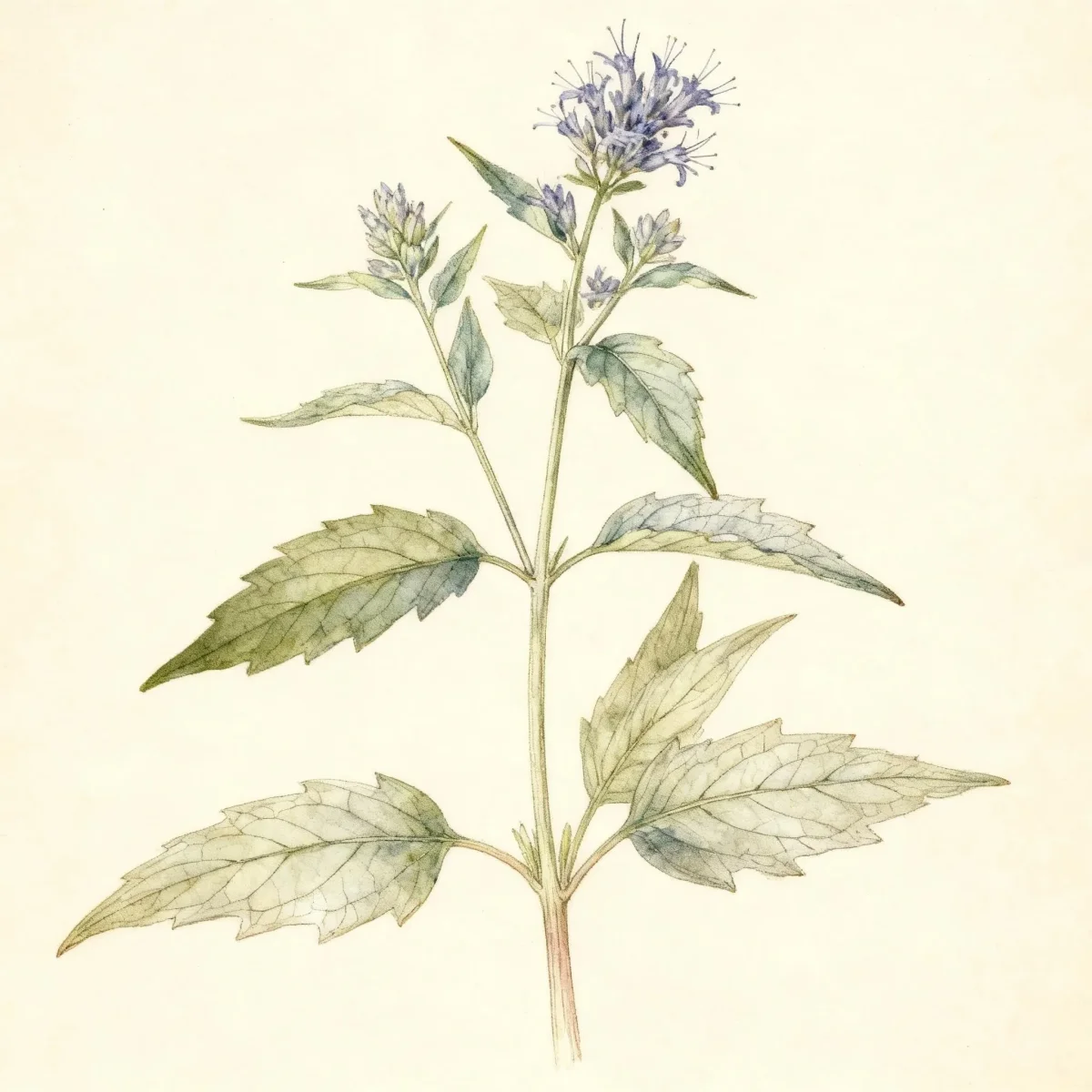
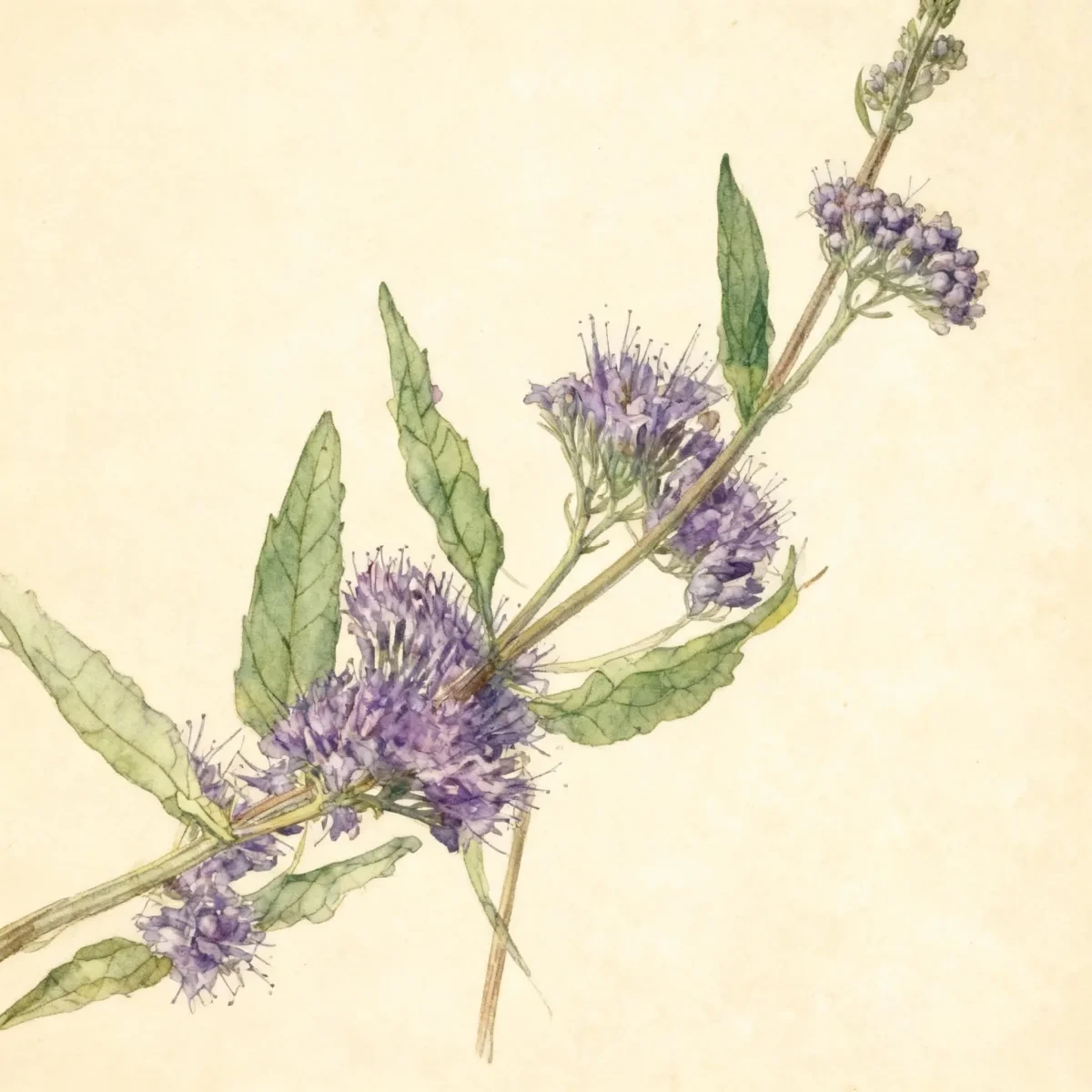
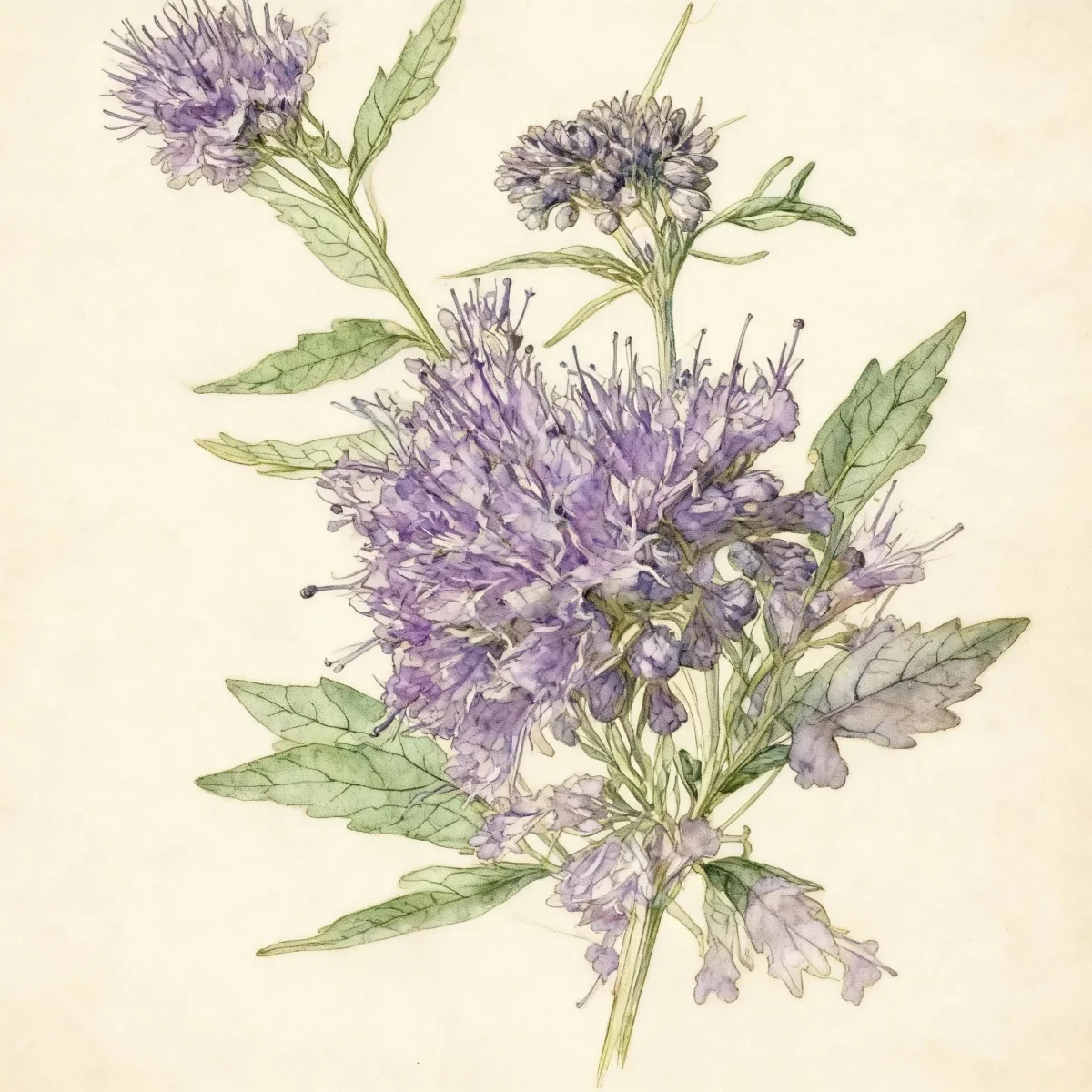
Caryopteris × clandonensis, commonly called bluebeard, blue spirea or blue mist, is a low-mounded, deciduous shrub that is valued for its aromatic foliage and late summer flowers which are said to resemble clouds of blue smoke or mist. This hybrid was discovered in cultivation as an accidental cross between C. Incana and C. Mongholica. ‘Dark Knight’ features a profuse, shrub-covering bloom of fragrant, deep bluish-purple flowers in terminal and axillary clusters (cymes) from late summer into fall, while its dull green leaves are silvery below. Flowers are very attractive to butterflies, bees and other beneficial insects, and the foliage itself is aromatic when brushed with a hand.
Tolerances
- Drought
Potential Problems
Caryopteris × clandonensis ‘Dark Knight’ is generally free from serious insect or disease challenges, allowing for its low-maintenance reputation. The primary cultural issue to avoid is poor drainage, as the crowns of Bluebeard are susceptible to rot if exposed to overly wet or soggy soil conditions, particularly during winter dormancy. Ensure planting sites are well-drained to mitigate this risk, especially in areas prone to heavy spring rains.
Frequently Asked Questions
What hardiness zones is Bluebeard suitable for?
Bluebeard, or Caryopteris × clandonensis ‘Dark Knight’, is reliably winter hardy in USDA Zones 5 through 9.
How large does Caryopteris × clandonensis ‘Dark Knight’ grow?
This deciduous shrub typically matures to a height and spread between 2 and 3 feet.
What sun exposure does Bluebeard need?
For optimal flowering performance, Caryopteris × clandonensis ‘Dark Knight’ requires full sun exposure throughout the day.
When does Bluebeard bloom?
This shrub provides excellent late-season interest, blooming with deep blue flowers from July through September.
Conclusion
The Caryopteris × clandonensis ‘Dark Knight’ stands out by delivering fragrant foliage and an abundance of deep blue flowers precisely when the summer garden begins to wane. This low-maintenance Bluebeard is perfect for gardeners seeking reliable late-season color and pollinator support in sunny, well-drained locations. Ensure you plan for its characteristic spring pruning to maximize the flowering potential of this excellent shrub.
Pollinator Support
The late-season bloom time of Caryopteris × clandonensis ‘Dark Knight’ makes it an indispensable plant for supporting pollinators preparing for winter. The clusters of deep blue flowers are highly attractive to honeybees, native bees, and migrating butterflies when other nectar sources are scarce. Planting Bluebeard near vegetable gardens or patio areas guarantees a steady stream of beneficial insect activity late into the season.
Companion Planting
When designing a border featuring Bluebeard, select companions that appreciate similar sun and soil conditions but bloom at different times to ensure season-long interest. Consider pairing Caryopteris × clandonensis ‘Dark Knight’ with late-blooming perennials like Sedum ‘Autumn Joy’, ornamental grasses such as Little Bluestem, or Russian Sage (Perovskia atriplicifolia). These companions share a preference for full sun and medium moisture while offering contrasting textures and flower colors that complement the blue mist of the shrub beautifully.