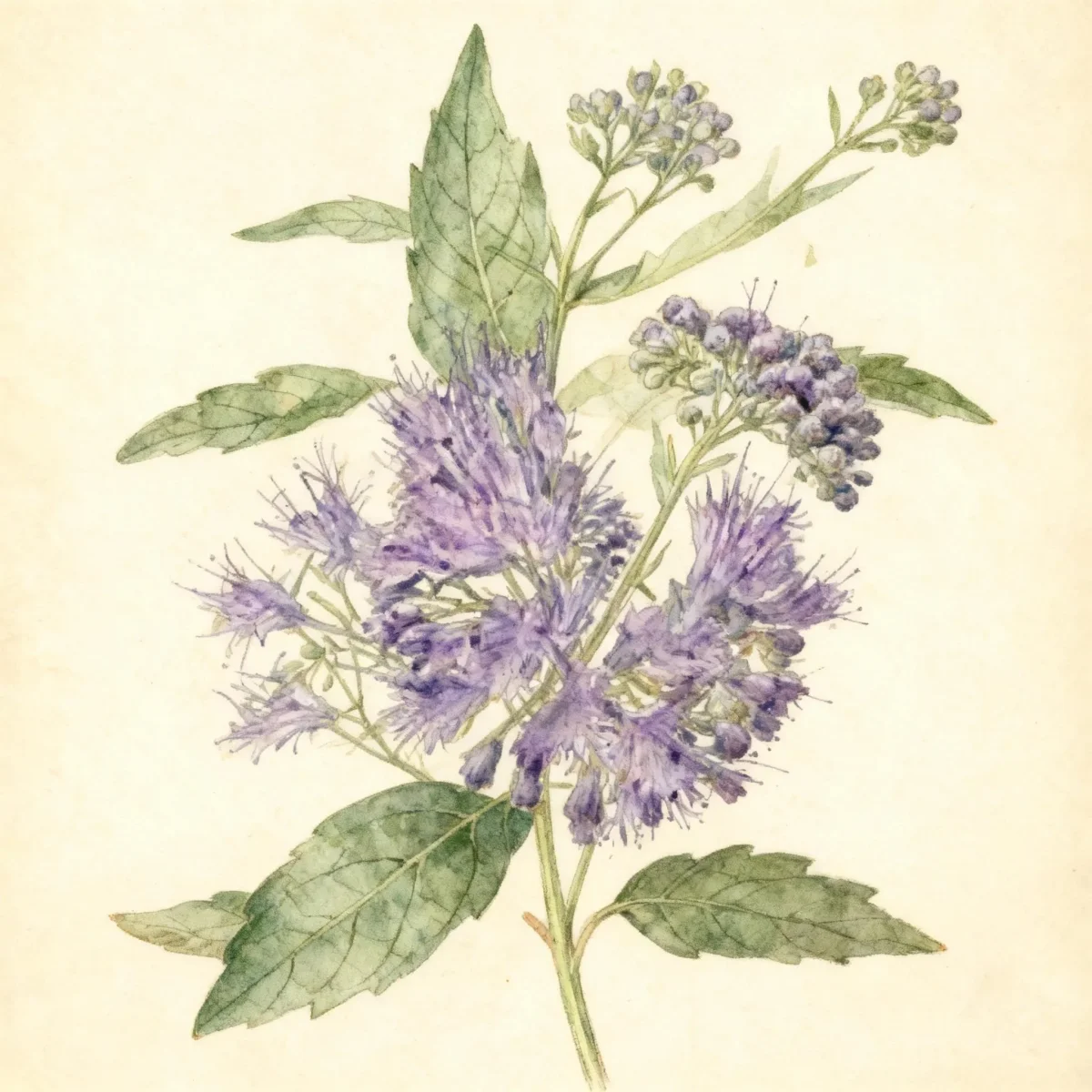
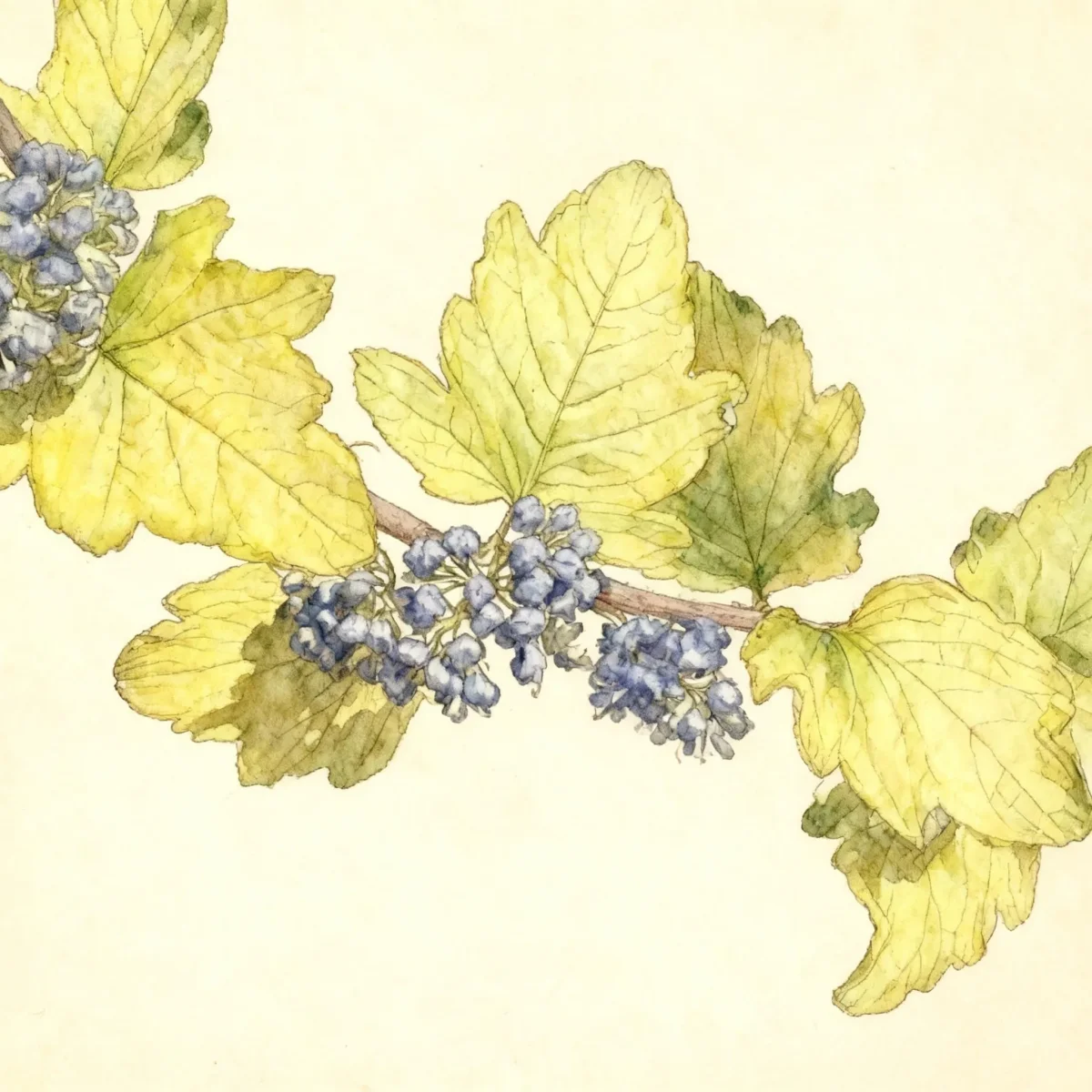
Bluebeard (Caryopteris × clandonensis 'Longwood Blue')
Caryopteris × clandonensis 'Longwood Blue', renowned Bluebeard, offers late summer sky-blue blooms and fragrant foliage in Zones 5-9.
Scroll down to discover growing tips, care requirements, companion plants, and more
Complete Plant Information
Overview
Caryopteris × clandonensis ‘Longwood Blue’, often called Bluebeard, is highly prized by gardeners for its striking late-season color, delivering clouds of fragrant, sky-blue flowers when many other shrubs have finished blooming. This low-mounded, deciduous shrub is a hybrid valued for its aromatic foliage, which releases fragrance when brushed, and its reliable nectar source for late-season pollinators. It thrives in full sun and establishes well in average, well-drained soils, making the Bluebeard a low-maintenance addition that brightens the late summer and fall garden transition.
Fast Facts
- Plant Family: Lamiaceae
- Plant Type: Deciduous shrub
- Hardiness Zones: USDA Zones 5-9
- Size at Maturity:
- Height: 2-4 ft
- Spread: 2-4 ft
- Bloom Time: July to September
- Bloom Description: Sky-blue
- Sun Exposure: Full sun
- Water Needs: Medium
- Maintenance Level: Low
How to Grow
For optimal growth, plant Caryopteris × clandonensis ‘Longwood Blue’ in the spring or fall in a location receiving full sun. The essential requirement is excellent drainage; this shrub is intolerant of wet, poorly-drained soils which can lead to crown rot. Average, medium-moisture, well-drained soil is preferred, though it possesses a tolerance for dry spells once established.
Water needs are medium, requiring consistent moisture until the shrub is established. Fertilization is rarely necessary if the soil quality is adequate. The most critical aspect of care involves annual pruning. While the roots are reliably hardy to Zone 5, the top growth frequently dies back in Zones 5 and 6. Gardeners in these colder areas should plan to prune all stems back hard in early spring. Even in warmer zones where stems survive, hard spring pruning stimulates the vigorous new growth that produces the best flowers, as Bluebeard blooms solely on the current season’s wood.
Landscape Uses
The vibrant, late-season flowers of Caryopteris × clandonensis ‘Longwood Blue’ make it invaluable for extending the garden’s color palette. It functions excellently in perennial borders or shrub borders, providing structure and late interest among slower-to-bloom perennials. This Bluebeard cultivar is particularly effective when massed or planted in large groups, creating a continuous swath of violet-blue color that mimics drifting mist. Furthermore, its manageable size (2-4 feet tall) allows it to serve effectively as a low, informal hedge line where structure is needed without significant height.
Standout Features
Flower Qualities
- Showy
- Fragrant
- Good Cut
Noteworthy Characteristics
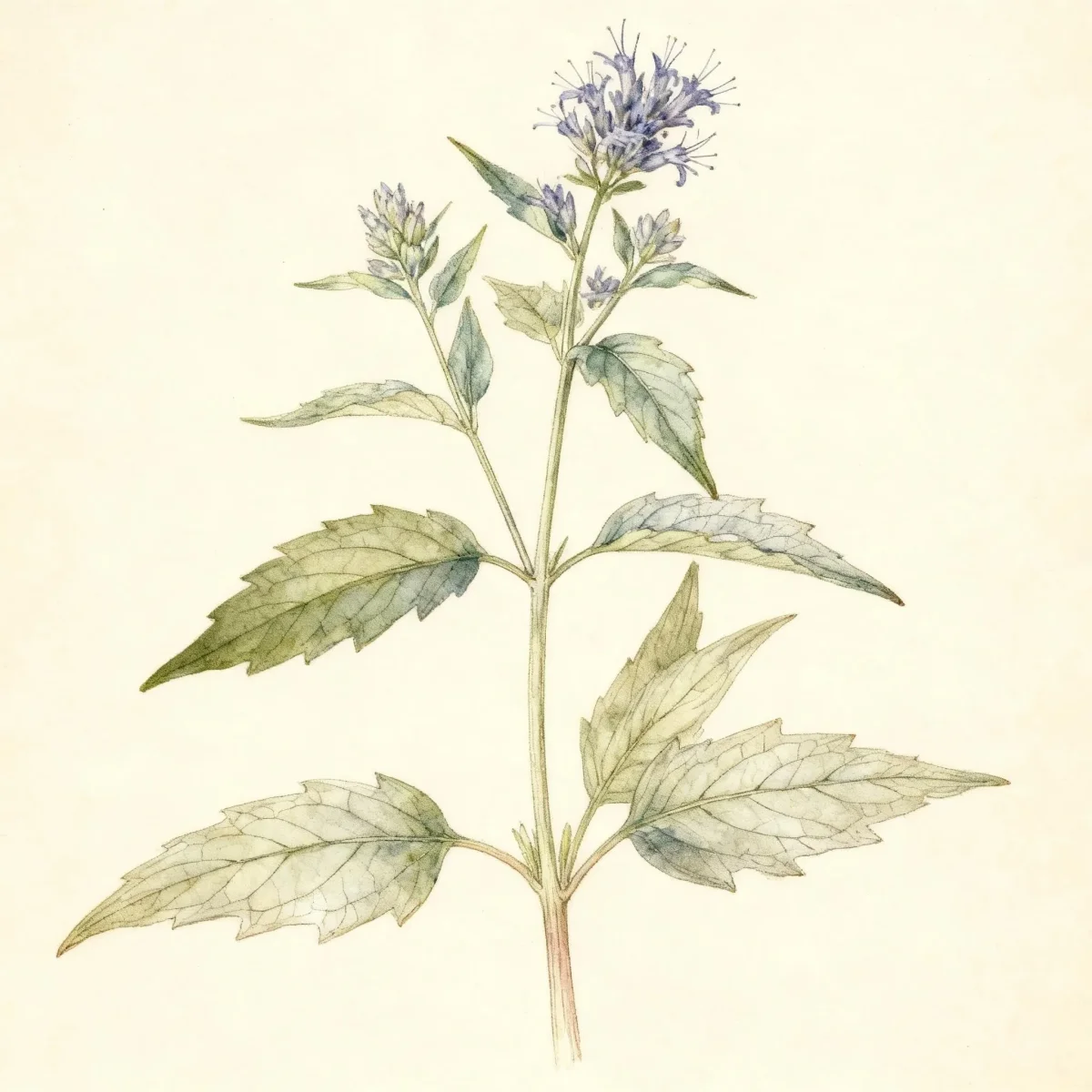
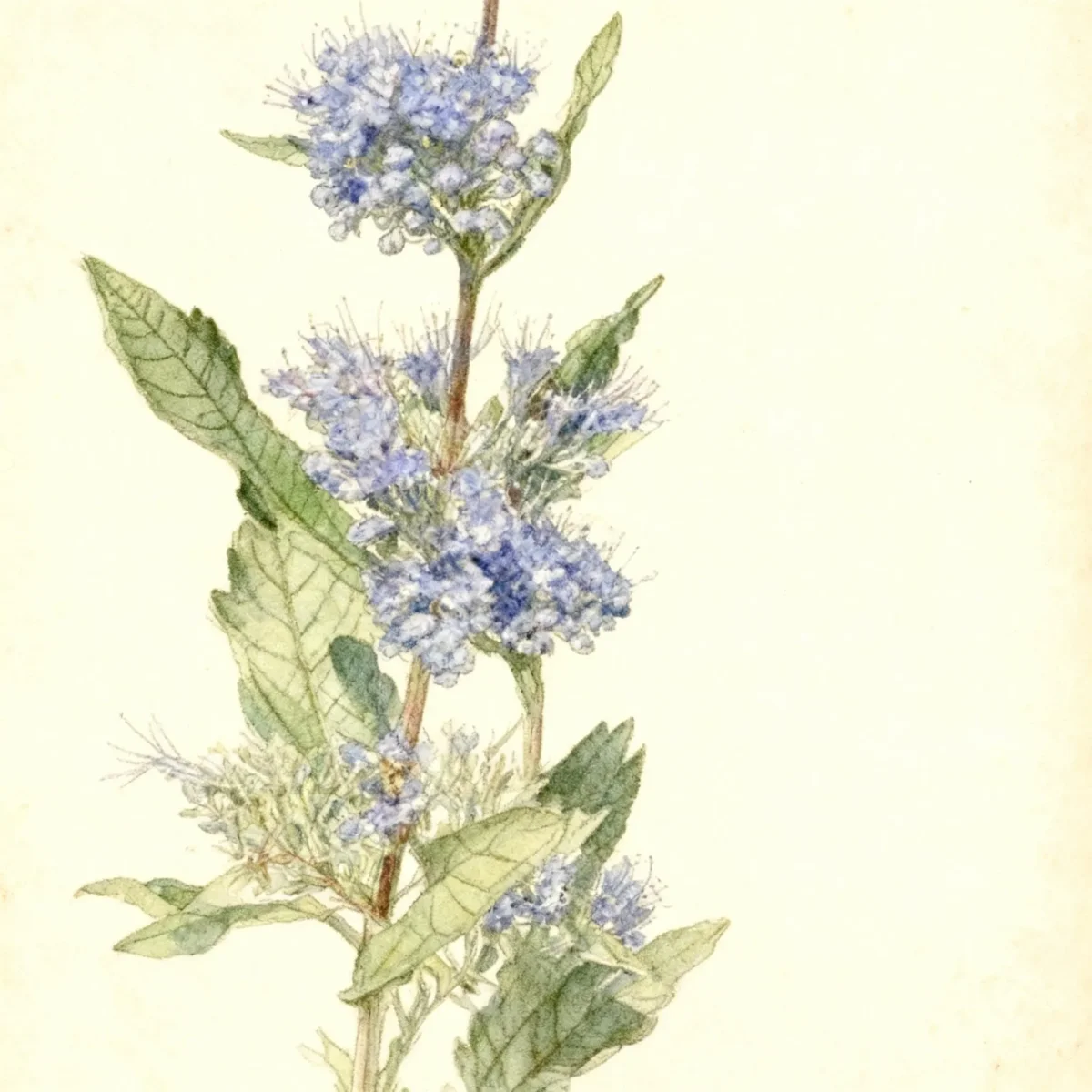
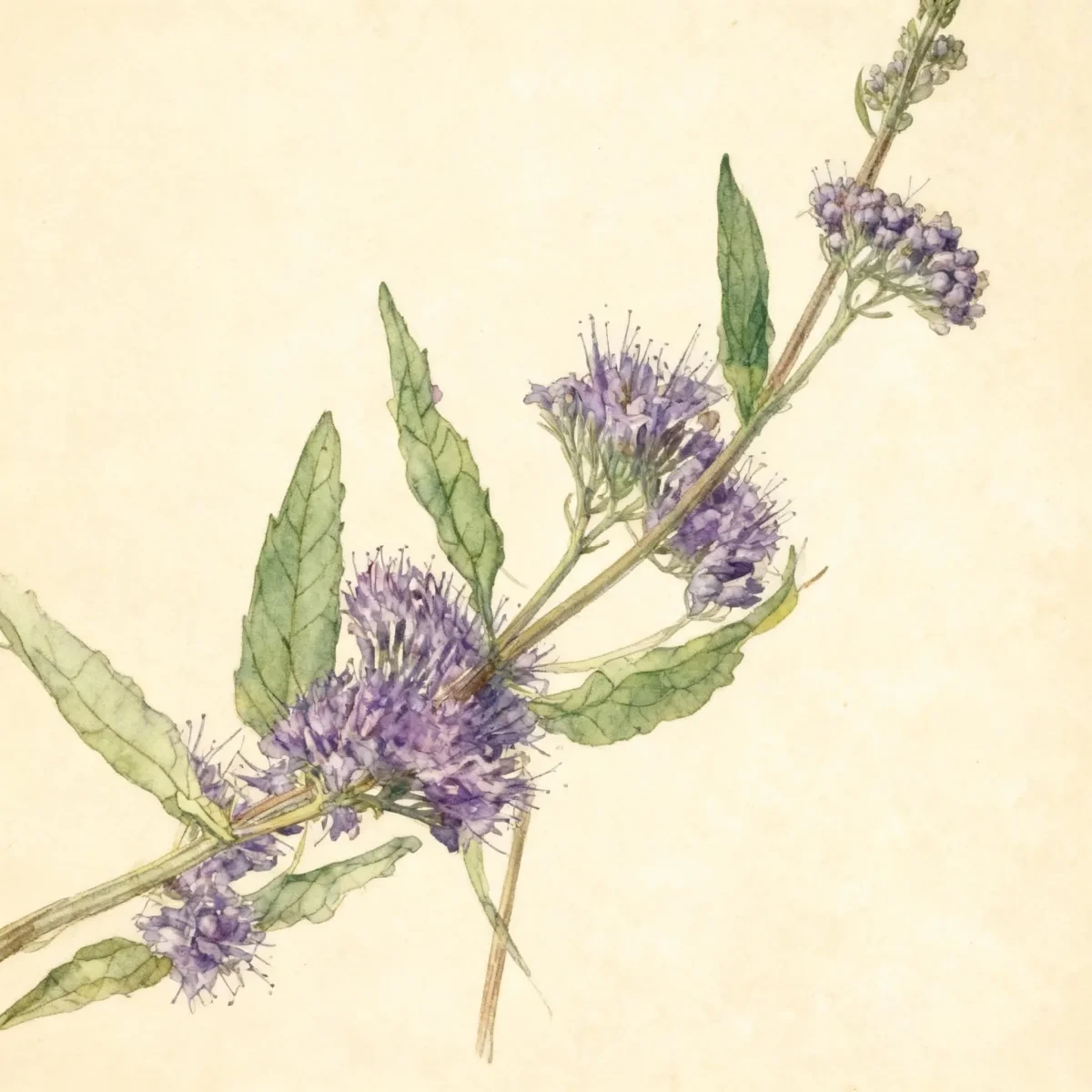
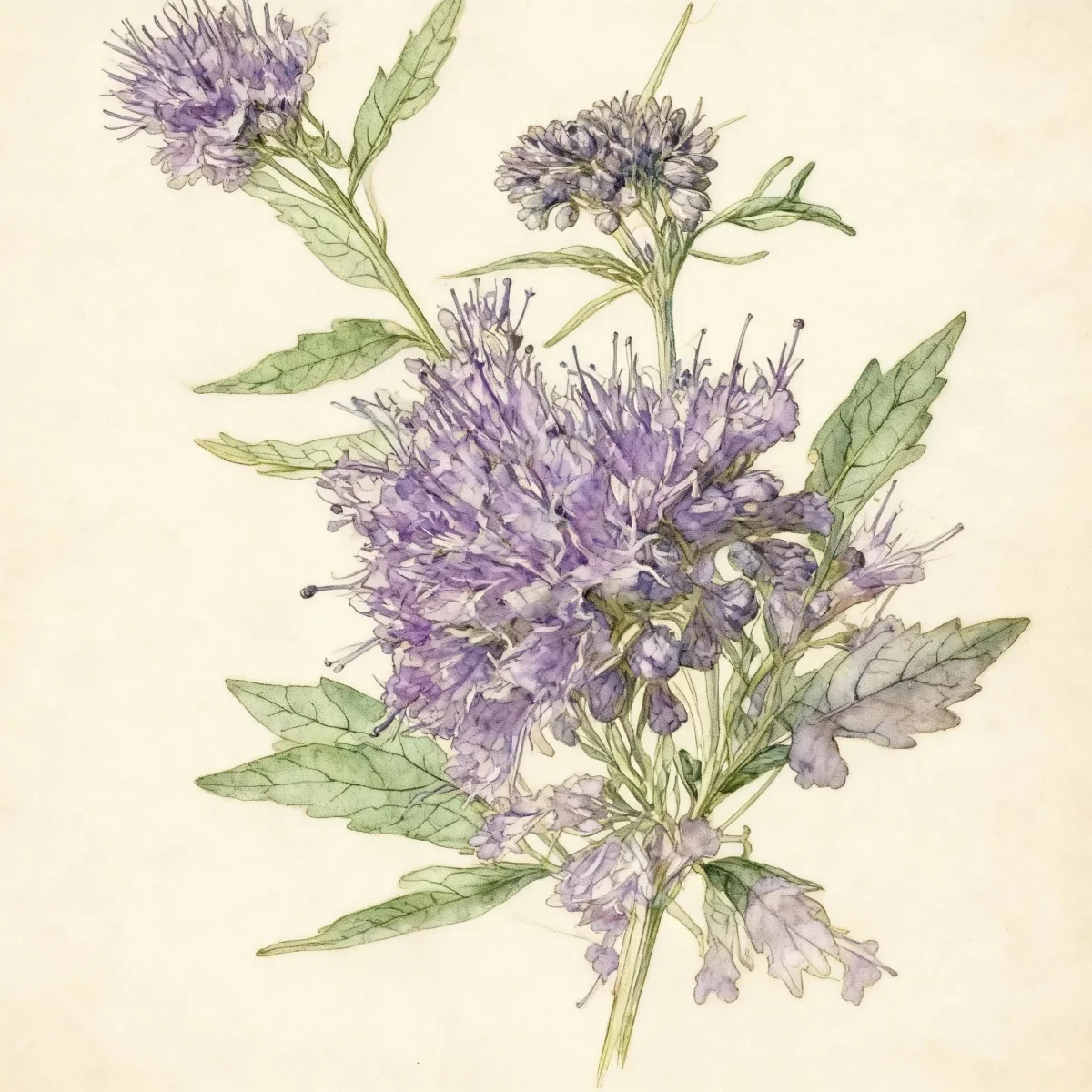
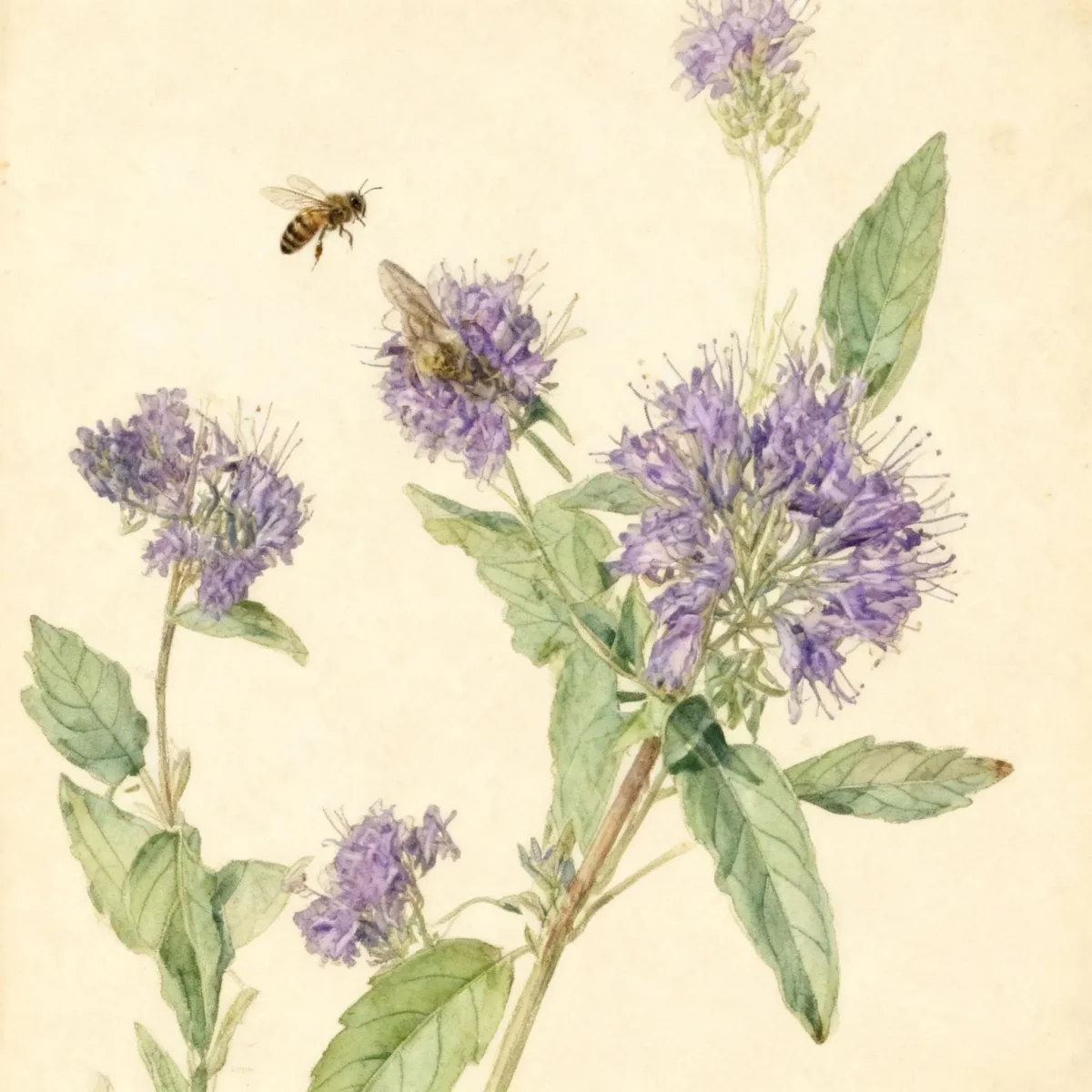
Caryopteris × clandonensis, commonly called bluebeard, blue spirea or blue mist, is a low-mounded, deciduous shrub that is valued for its aromatic foliage and late summer flowers which are said to resemble clouds of blue smoke or mist. This hybrid was discovered in cultivation as an accidental cross between C. Incana and C. Mongholica. ‘Longwood Blue’ is a taller cultivar which may reach a height of 4’, featuring a profuse, shrub-covering bloom of fragrant, violet-blue flowers in terminal and axillary clusters from late summer into fall over silvery-gray leaves. Flowers are very attractive to butterflies, bees and other beneficial insects, and the foliage is aromatic when brushed with a hand.
Tolerances
- Drought
Potential Problems
Serious insect or disease issues are generally uncommon for this robust shrub. The primary cultural threat involves soil conditions; crowns may rot if the plant is situated in wet, poorly-drained soils. Ensuring sharp drainage, particularly in heavier clay sites, is the best method of management to protect your Bluebeard investment.
Frequently Asked Questions
What hardiness zones is Caryopteris × clandonensis ‘Longwood Blue’ suitable for?
This variety is reliably hardy within USDA Zones 5 through 9.
How large does Bluebeard grow?
Caryopteris × clandonensis ‘Longwood Blue’ typically reaches a mature height between 2 and 4 feet, with an equal spread of 2 to 4 feet.
When does Caryopteris × clandonensis ‘Longwood Blue’ bloom?
The bloom time for this shrub is late season, generally running from July straight through September, displaying beautiful sky-blue flowers.
What sun exposure does Bluebeard need?
For the best flowering display and plant health, Caryopteris × clandonensis ‘Longwood Blue’ requires full sun exposure.
Conclusion
The profuse, fragrant, late-summer blooms and aromatic foliage firmly establish the Bluebeard, specifically Caryopteris × clandonensis ‘Longwood Blue’, as a must-have for gardeners seeking late-season color and pollinator support. Its low maintenance profile and drought tolerance make it highly adaptable where soil drainage is optimal. Before planting, always verify that your site offers full sun and well-drained conditions to ensure decades of vibrant blue color.
Wildlife Benefits
The late bloom window of Caryopteris × clandonensis ‘Longwood Blue’ is critically important for supporting local insect populations as summer winds down. Its nectar-rich, showy flowers provide a vital late-season fuel source for beneficial insects. Gardeners actively seeking to boost biodiversity should include Bluebeard near vegetable gardens or butterfly waystations, knowing that the influx of bees and butterflies drawn to the ‘Longwood Blue’ blooms will benefit nearby fruiting or flowering plants as well.
Companion Planting
When placing Bluebeard in the landscape, consider companion plants that share similar light and water requirements but offer contrasting textures or bloom times. Good companions should thrive in full sun and tolerate medium moisture, such as Russian Sage (Perovskia atriplicifolia) or ornamental grasses like Switchgrass (Panicum virgatum). Plant low-growing, silver-leafed perennials like Lamb’s Ears (Stachys byzantina) near the front of the border to complement the silvery-gray foliage of the Caryopteris × clandonensis ‘Longwood Blue’ and enhance the plant’s misty appearance.