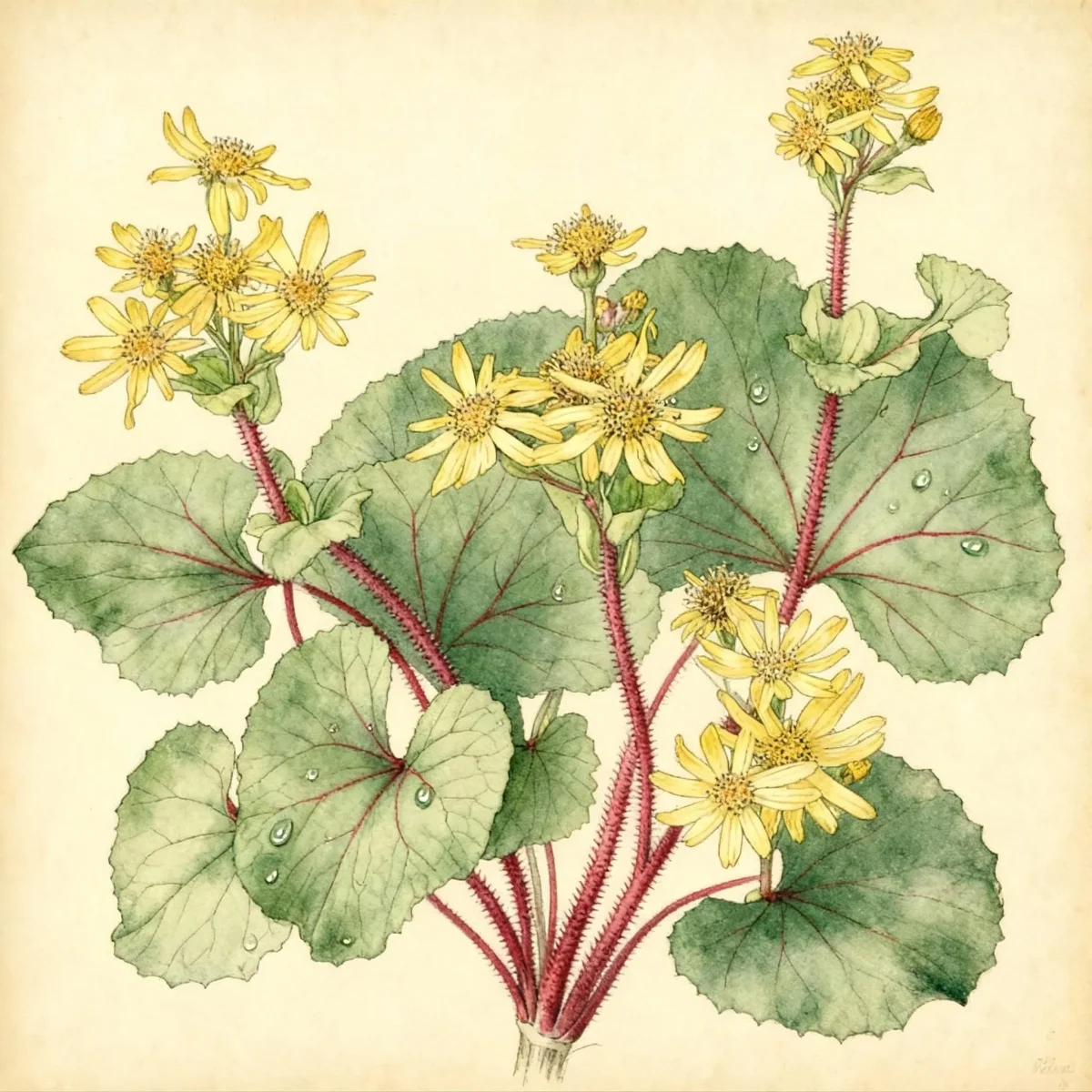
Leopard plant (Ligularia dentata 'Othello')
Ligularia dentata 'Othello', the Leopard plant, is a striking herbaceous perennial prized for deep-colored foliage and bright yellow-orange flowers.
Scroll down to discover growing tips, care requirements, companion plants, and more
Complete Plant Information
Overview
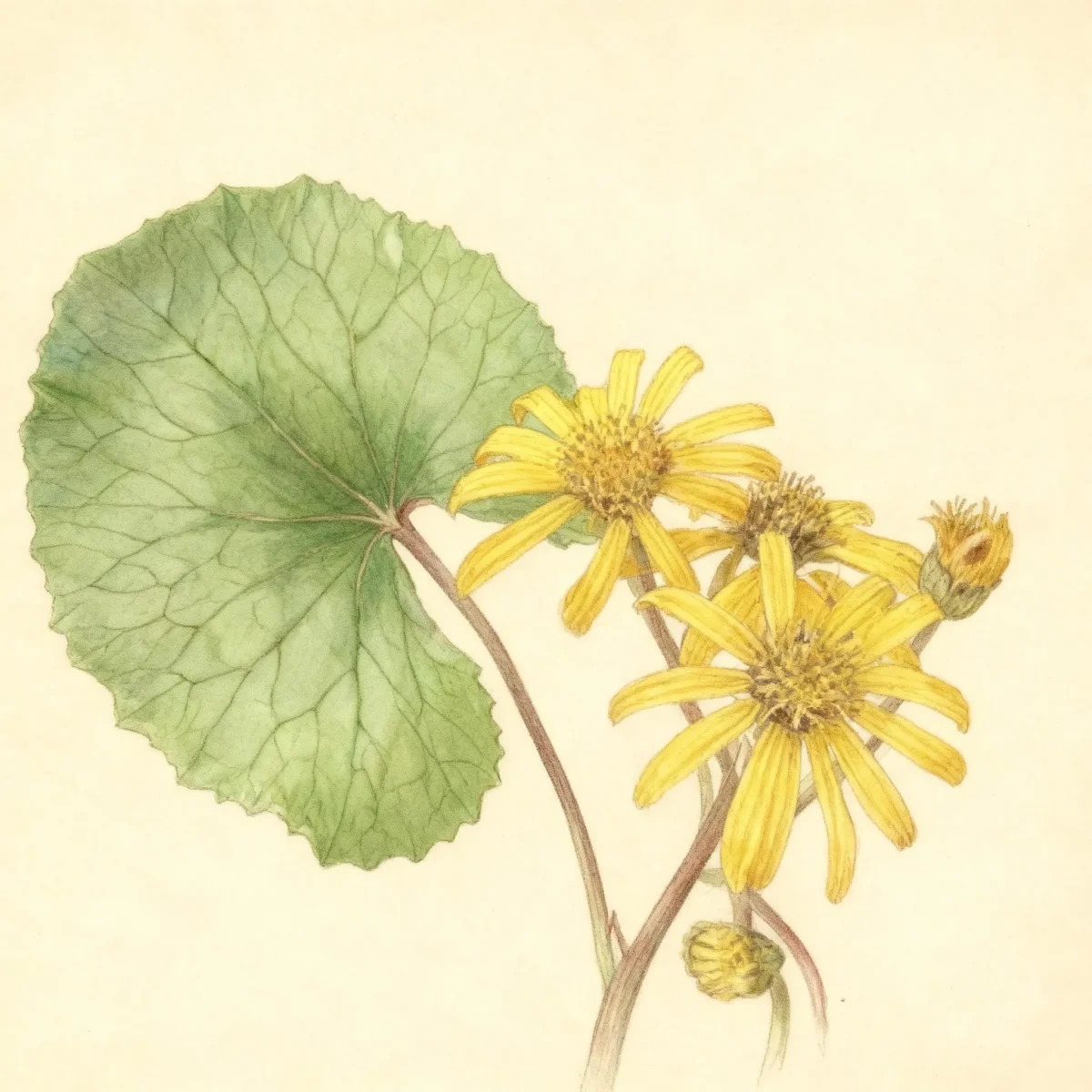
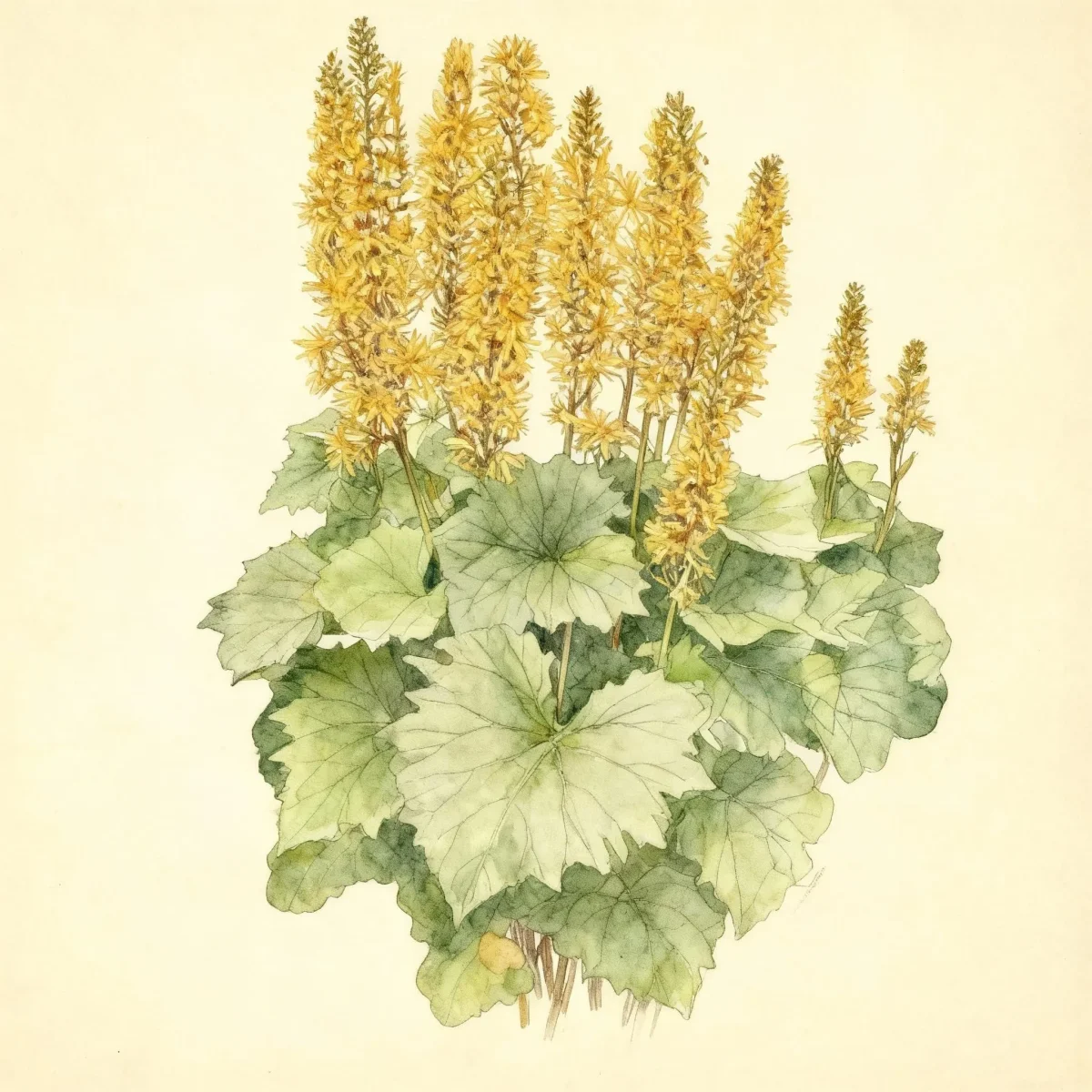
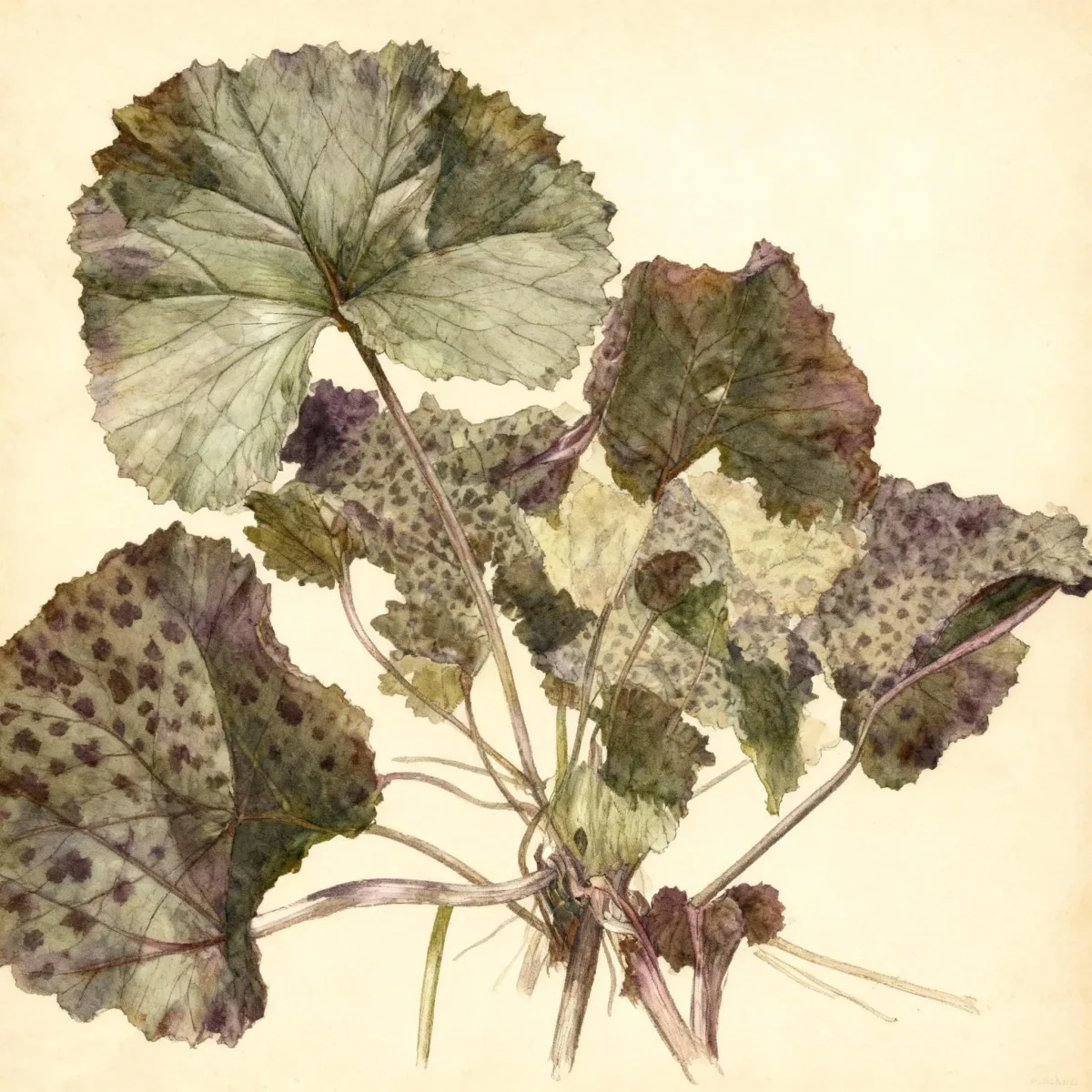
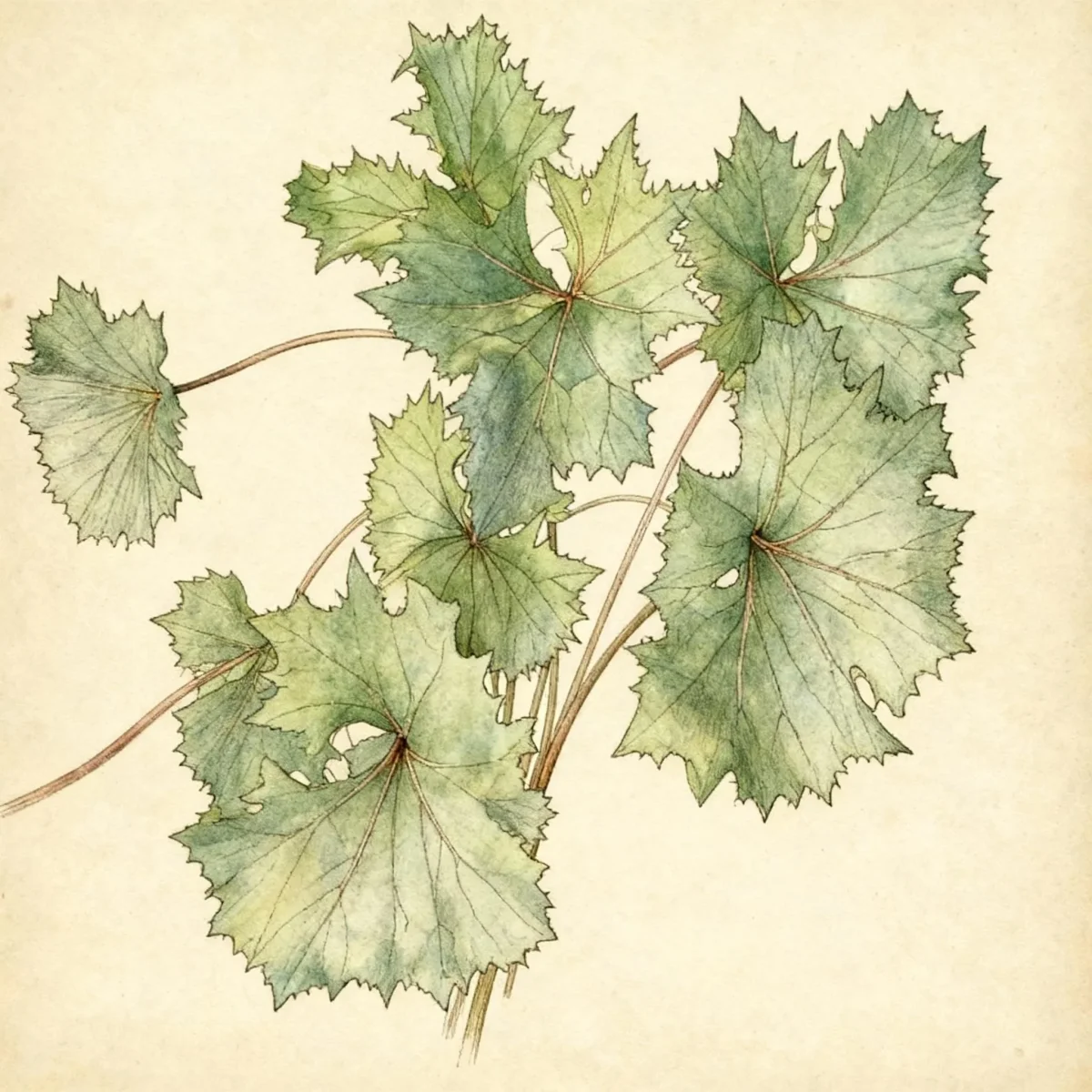
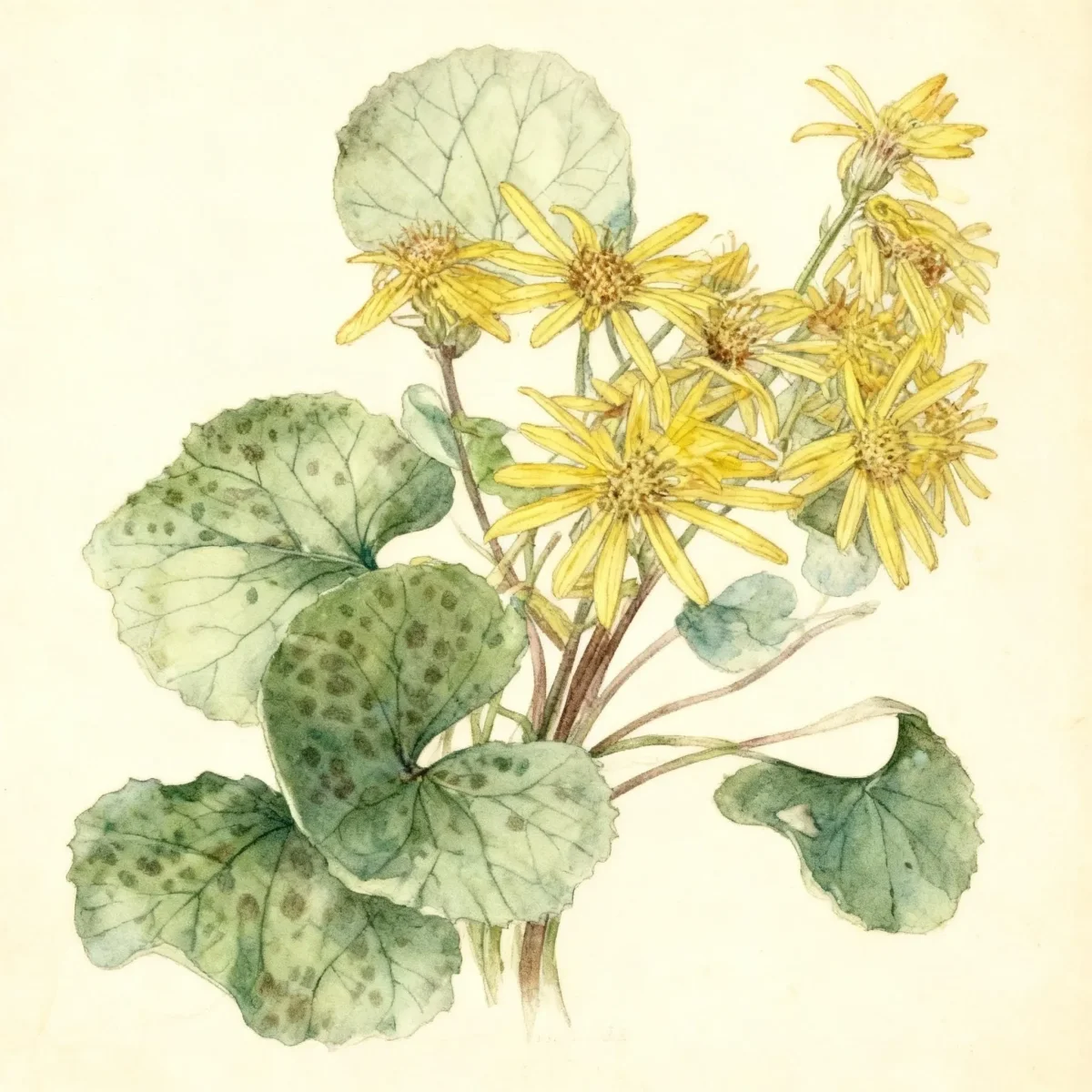
The Leopard plant, Ligularia dentata ‘Othello’, offers dramatic color and texture for shaded garden spots. This imposing, clump-forming perennial shines due to its massive, leathery, cordate leaves that often feature dark green tops with striking purplish undersides—a unique trait that makes Ligularia dentata ‘Othello’ valuable even when not in bloom. In mid to late summer, bright daisy-like, yellow-orange flowers emerge atop thick stems, rising well above the foliage clump.
Cultivating success with the Leopard plant hinges entirely on consistent moisture and appropriate shade. It thrives best in climates that offer cooler summers, as the large leaves of Ligularia dentata ‘Othello’ are prone to wilting dramatically during afternoon heat, even if the soil remains technically moist. Its lush habit and tolerance for heavy shade make it an architectural anchor in woodland or bog garden settings. Gardeners seeking bold, reliable structure in damp, dark corners will find the Leopard plant an indispensable choice.
Fast Facts
- Plant Family: Asteraceae
- Plant Type: Herbaceous perennial
- Hardiness Zones: USDA Zones 3-8
- Size at Maturity:
- Height: 2-3 ft
- Spread: 1.5-2.5 ft
- Bloom Time: July to August
- Bloom Description: Yellow-orange
- Sun Exposure: Part shade to full shade
- Water Needs: Medium to wet
- Maintenance Level: Medium
How to Grow
Ligularia dentata ‘Othello’ should be planted in spring or early fall, ideally in a location that receives afternoon shade, especially in warmer climates. The success of this plant relies heavily on the substrate; ensure the soil is humusy, organically rich, and consistently moist to wet. Dig holes large enough to accommodate the root ball, incorporating compost liberaly to improve structure and water retention before planting the Leopard plant.
Care involves maintaining relentless moisture; these plants absolutely must never dry out between waterings. Regular, deep soaking, particularly during hot summers, is crucial to prevent foliage collapse. While fertilization is often unnecessary in rich garden soils, a spring application of balanced organic matter can support robust growth. Deadheading spent flower stalks is optional but can clean up the appearance after the main bloom cycle of the Ligularia dentata ‘Othello’ fades.
Be vigilant regarding temperature; while hardy in zones 3 through 8, the foliage of the Leopard plant will wilt visibly during sustained hot, humid afternoons, often recovering overnight if moisture is sufficient. If exposure to direct heat or sun leads to persistent flagging, consider moving the plant or increasing surrounding mulch to keep the root zone cool and hydrated.
Landscape Uses
The inherent moisture requirements of the Leopard plant dictate its most suitable locations within the landscape. It excels as a strong vertical accent when grouped or massed along the edges of ponds, streams, retention basins, or in designed rain gardens where wet feet are guaranteed. Its large leaves provide excellent contrast against finer-textured, moisture-loving plants.
For woodland or shaded borders, place Ligularia dentata ‘Othello’ where it provides reliable structure. Consider companion planting it with species that share its love for consistent moisture and shade, such as interrupted fern (Osmunda claytonia) or Japanese sedge (Carex morrowii). It also performs well situated on the north side of buildings where the sun exposure is minimal.
Standout Features
Flower Qualities
- Showy
Noteworthy Characteristics
Ligularia dentata, commonly called leopard plant, is native to China and Japan. It is an imposing, clump-forming perennial that is grown in gardens as much for its foliage as for its flowers. Its best ornamental feature may be the foliage which consists of huge, long-stalked, leathery, rounded, cordate-based, dark green leaves (12” or more long) that form a basal clump to 3-4’ tall. Daisy-like, orange-yellow flowers (2-3” across) with brownish-yellow centers bloom in loose corymbs atop thick, mostly leafless stalks that rise above the foliage in early summer. Sometimes commonly called big leaf ligularia. Synonymous with and formerly known as Senecio clivorum.Genus name comes from the Latin word ligula meaning strap in reference to the shape of the ray flowers.Specific epithet means toothed.‘Othello’ is grown as much for its dark colored foliage as for its flowers. New leaves emerge purplish-red, but mature to brownish-green on top and purplish beneath. Petioles, veins, flower stalks and lower leaf surfaces of this cultivar are distinctively reddish-purple. It is very similar to and somewhat difficult to distinguish from Ligularia dentata ‘Desdemona’, except it is perhaps slightly smaller and produces slightly smaller flowers.
Tolerances
- Heavy Shade
- Wet Soil
Potential Problems
Serious insect or disease issues are infrequent for the Leopard plant. The most common pest nuisance often involves mollusks; slugs and snails are frequently attracted to the large, succulent foliage, causing significant cosmetic damage, particularly on new growth. Using slug baits or monitoring traps can help manage these pests.
A more environmental issue common to Ligularia dentata ‘Othello’ is heat stress. Even when soil moisture is adequate, leaf wilting often occurs during intense summer afternoons. This droop is usually temporary, with the leaves recovering overnight; however, chronic exposure to excessive heat or sun will cause permanent foliage scorching or decline. Ensure that any location chosen offers protection from the hottest afternoon rays to preserve the ornamental quality of the leaves.
Frequently Asked Questions
What hardiness zones is Leopard plant suitable for?
The Leopard plant, Ligularia dentata ‘Othello’, is suitable for USDA Zones 3 through 8.
How large does Leopard plant grow?
This perennial typically reaches a height between 2 to 3 feet and spreads 1.5 to 2.5 feet wide, forming a substantial basal clump.
What sun exposure does Ligularia dentata ‘Othello’ need?
It prefers part shade to full shade. Planting it where it receives afternoon shade is highly recommended to prevent leaf wilting in warmer regions.
When does Leopard plant bloom?
The striking yellow-orange flowers of the Leopard plant typically appear from July into August.
Conclusion
The Ligularia dentata ‘Othello’ provides powerful, contrasting foliage and bright summer blooms perfect for adding drama to shady, damp spaces. Its reliability in heavy shade, combined with its striking leaf coloration, solidifies the Leopard plant’s role as a garden centerpiece. Before planting, carefully assess your site conditions to ensure consistent moisture is available throughout the growing season.
Companion Planting
Selecting companions for Ligularia dentata ‘Othello’ requires focusing on plants that share its aversion to dry soil and full sun. Excellent partners for moist woodland gardens include Brunnera (Siberian Bugloss) for early spring blue contrast, or Astilbe, which offers fine, airy plumes in shades that complement the yellow-orange flowers of the Leopard plant.
Consider groundcovers that thrive in damp shade to help suppress weeds and keep the soil cool around the base of the Ligularia dentata ‘Othello’. Ferns are natural fits; look for moisture-loving varieties like the Royal Fern or Cinnamon Fern, which offer textural harmony with the large, leathery leaves of the Ligularia.
Seasonal Care Calendar
Spring is the critical time to amend the soil around your Ligularia dentata ‘Othello’ with rich compost to prepare for the rapid spring growth phase. Ensure deep watering begins immediately as temperatures start to rise, establishing a pattern that will continue all summer.
In summer, focus exclusively on irrigation management. If wilting occurs during the hottest parts of the day, this signals an immediate need for extra water, regardless of how recently the soil was saturated. Avoid heavy fertilization during the peak heat, as this can stress the already taxed foliage.
Design Ideas for Wet Shade
This plant is ideal for creating focal points in problem areas defined by moisture and low light, such as beneath mature deciduous trees or near downspout runoff areas. Use the mass of the Leopard plant—which can reach 4 feet tall—at the middle or back of a shade border, contrasting its dark foliage against lighter green ferns or silver-leafed hostas that can tolerate the moisture levels.
In contemporary shade gardens, Ligularia dentata ‘Othello’ can be used sparingly as a strong structural element rather than a mass planting, utilizing its architectural shape against clean lines of slate or concrete borders. Remember its tendency to wilt; ensure access is easy for mid-day watering checks if your summer weather is dry or windy.