Privet (Ligustrum × ibolium)
Ligustrum × ibolium is a fast-growing, dense deciduous shrub perfect for hedges and screens, thriving in Zones 4-7.
Scroll down to discover growing tips, care requirements, companion plants, and more
Complete Plant Information
Overview
The Privet, specifically Ligustrum × ibolium, is a highly valued, fast-growing deciduous shrub renowned for its dense structure, making it an exceptional choice for creating boundaries and privacy screens in the landscape. This reliable hybrid offers glossy green foliage throughout the growing season, punctuated by clusters of aromatic white flowers in early summer that attract beneficial pollinators. As a versatile screening plant, Ligustrum × ibolium establishes quickly and responds well to shaping, making it a staple where dependable hedging material is required.
This shrub typically reaches heights between 8 and 12 feet, requiring medium maintenance if kept as a formal hedge but less attention when allowed to grow naturally as a specimen. Successful cultivation of Ligustrum × ibolium requires placement in locations receiving full sun to partial shade, appreciating average soil conditions that are well-drained, though it possesses good drought tolerance once established. Gardeners looking for volume and density in their shrub borders will find the Privet an excellent structural foundation plant.
Fast Facts
- Plant Family: Oleaceae
- Plant Type: Deciduous shrub
- Native Range: Garden origin
- Hardiness Zones: USDA Zones 4-7
- Size at Maturity:
- Height: 8-12 ft
- Spread: 6-8 ft
- Bloom Time: June
- Bloom Description: White
- Sun Exposure: Full sun to part shade
- Water Needs: Dry to medium
- Maintenance Level: Medium
How to Grow
For optimal growth, plant Ligustrum × ibolium in average, well-drained soil during the spring or fall. This tough shrub tolerates a wide spectrum of soil types, provided drainage is adequate, thriving best when sited in full sun, though it will adapt to partial shade conditions. Proper initial watering supports establishment, but once matured, this Privet cultivar demonstrates commendable drought tolerance.
Maintenance for this plant is straightforward. If you are growing the Ligustrum × ibolium as a specimen, pruning is minimal, mostly involving the removal of any dead or crossing branches. However, when utilized for a formal hedge, shear the plants early and often throughout the growing season. This intensive shearing approach promotes the dense, bushy branching necessary for an effective screen.
Cultural adaptability is a major drawing point for the Privet. While it prefers dry to medium moisture levels, avoid overly dry or soggy conditions. Hardiness in USDA Zones 4 through 7 means it can withstand moderately cold winters, but always ensure planting sites are protected from severe winter winds if possible, especially when young.
Landscape Uses
The primary role of Ligustrum × ibolium in landscape design centers around its capacity to form sturdy, vertical barriers. It is highly recommended for creating formal or informal hedges, where its dense habit provides excellent visual blockage and sound dampening. Furthermore, it serves strongly as a robust screen when space allows for its full 8 to 12-foot height, quickly establishing a private area within the yard.
When used in shrub borders, the glossy, deep green foliage provides a fantastic backdrop for flowering perennials or smaller ornamental shrubs that thrive in similar light conditions. Because the flowers attract bees and butterflies, consider placing hedging rows near gardens where pollinator activity is encouraged. Its structure also allows it to transition well with semi-formal borders, providing year-round green presence, even if deciduous.
Standout Features
Flower Qualities
- Showy
- Fragrant
Noteworthy Characteristics
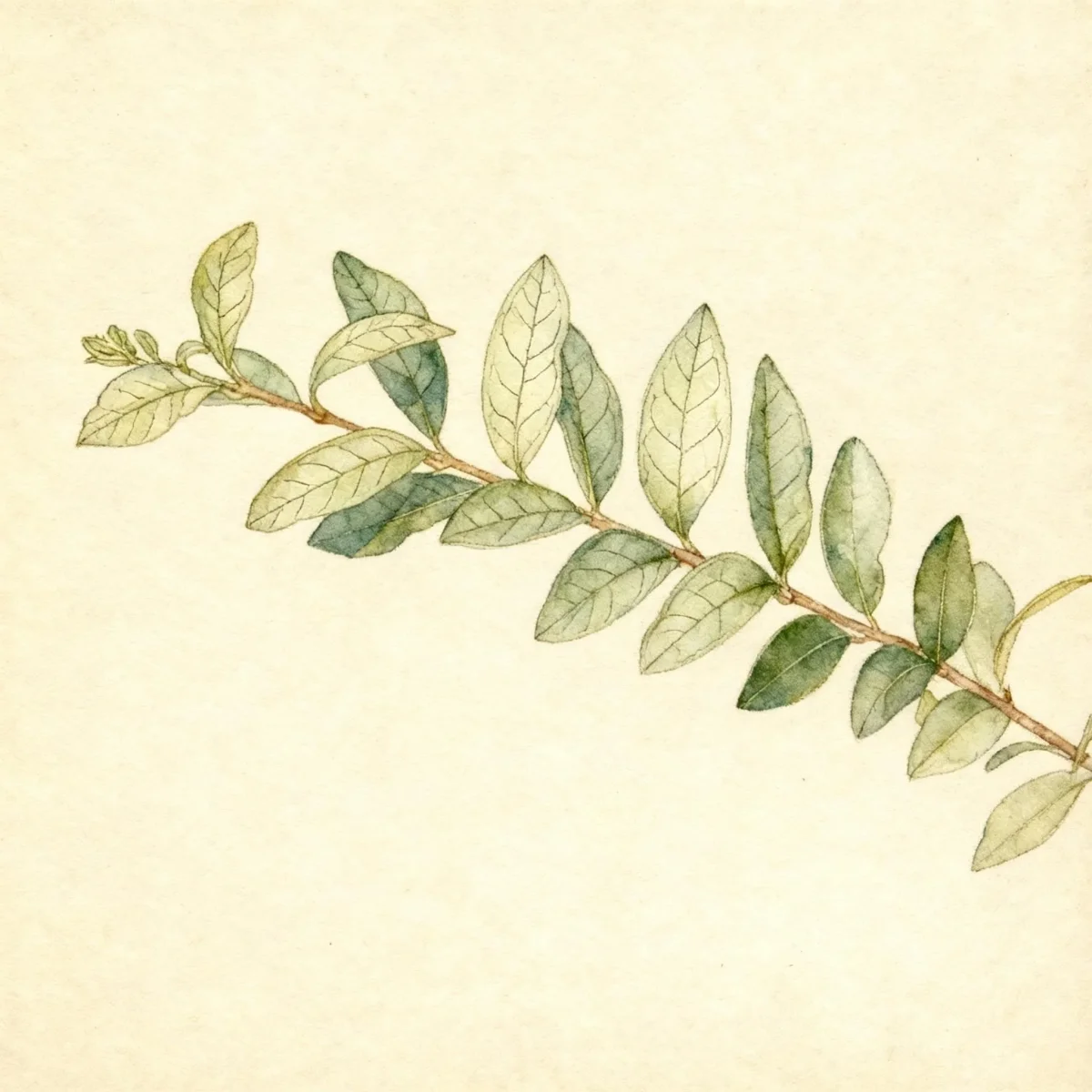
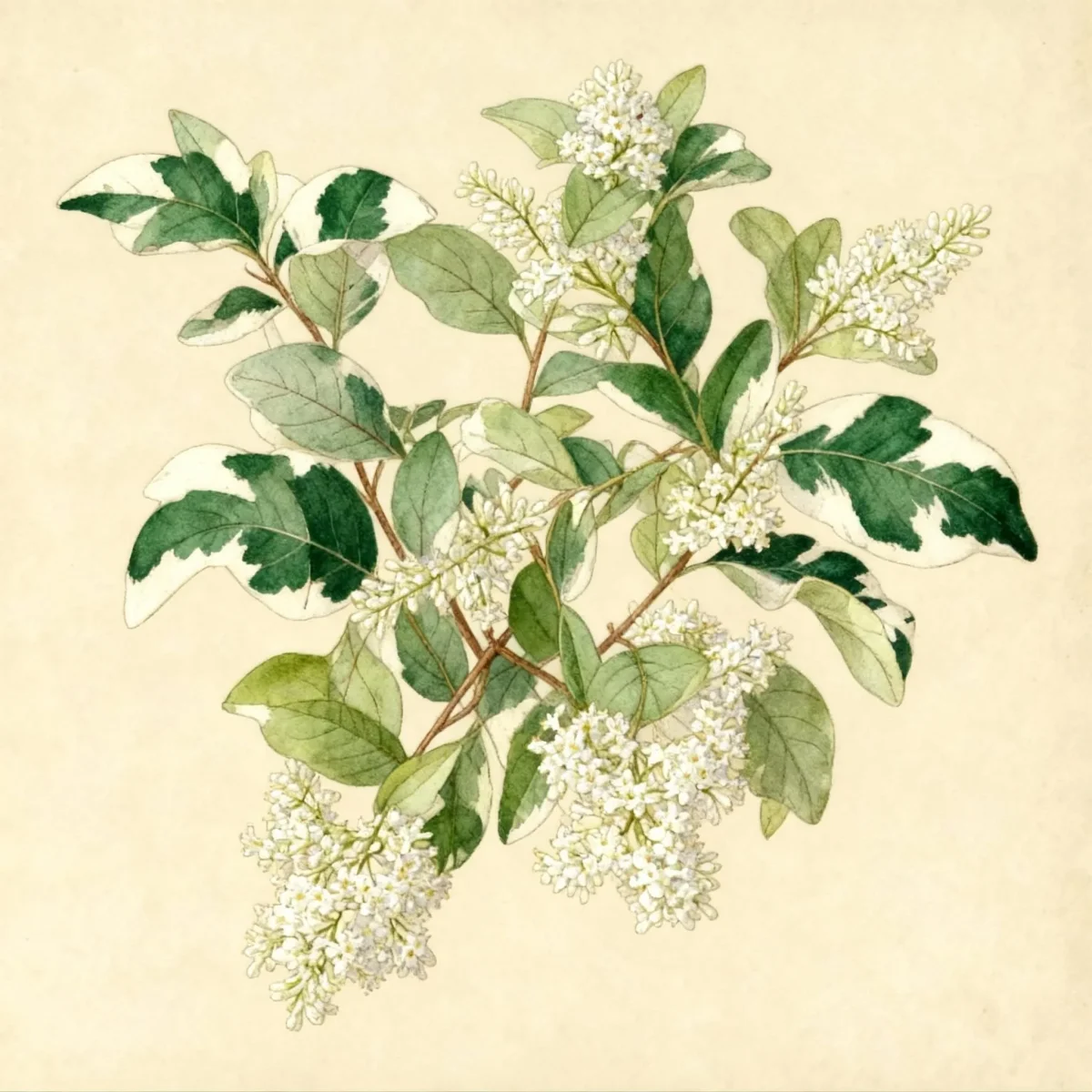
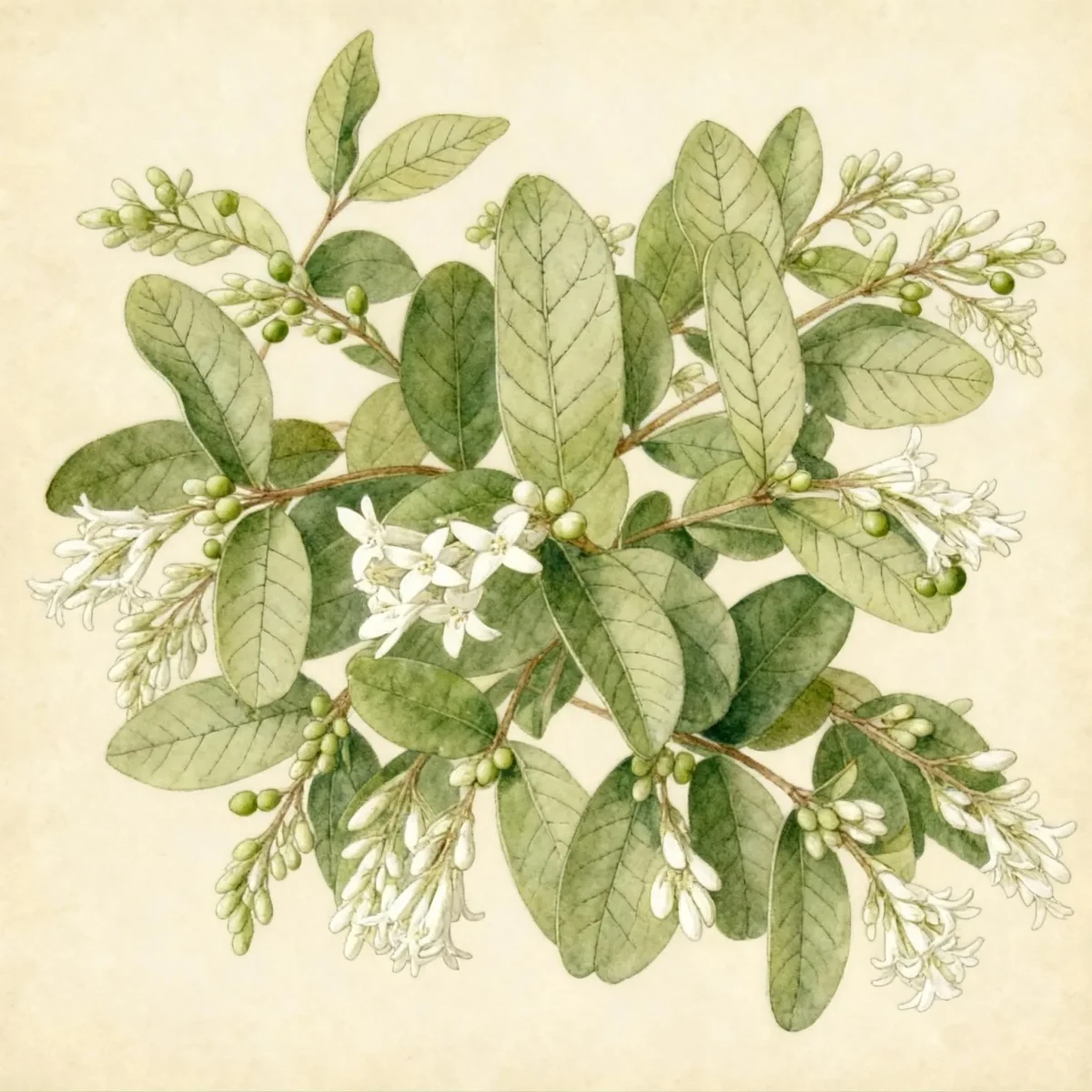
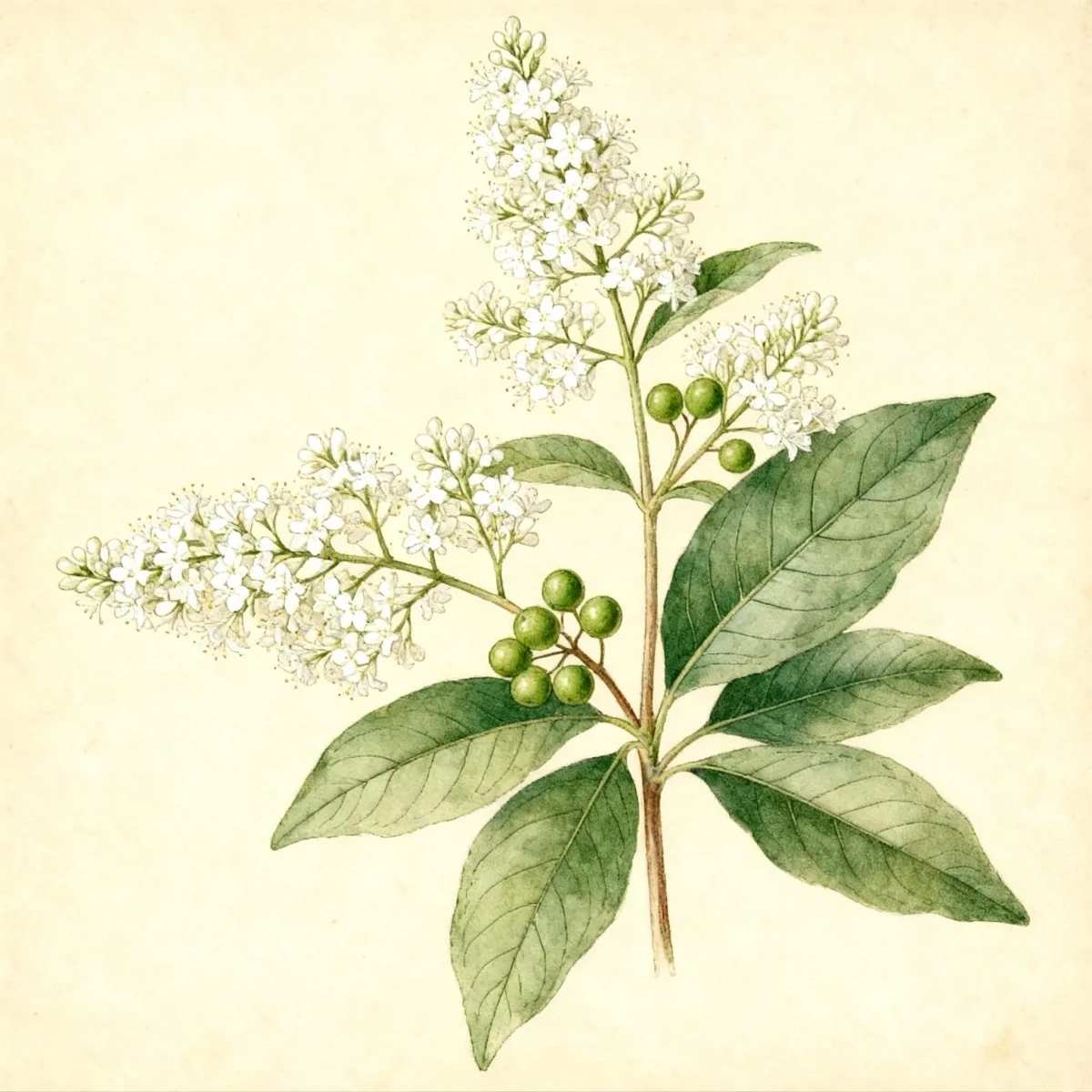
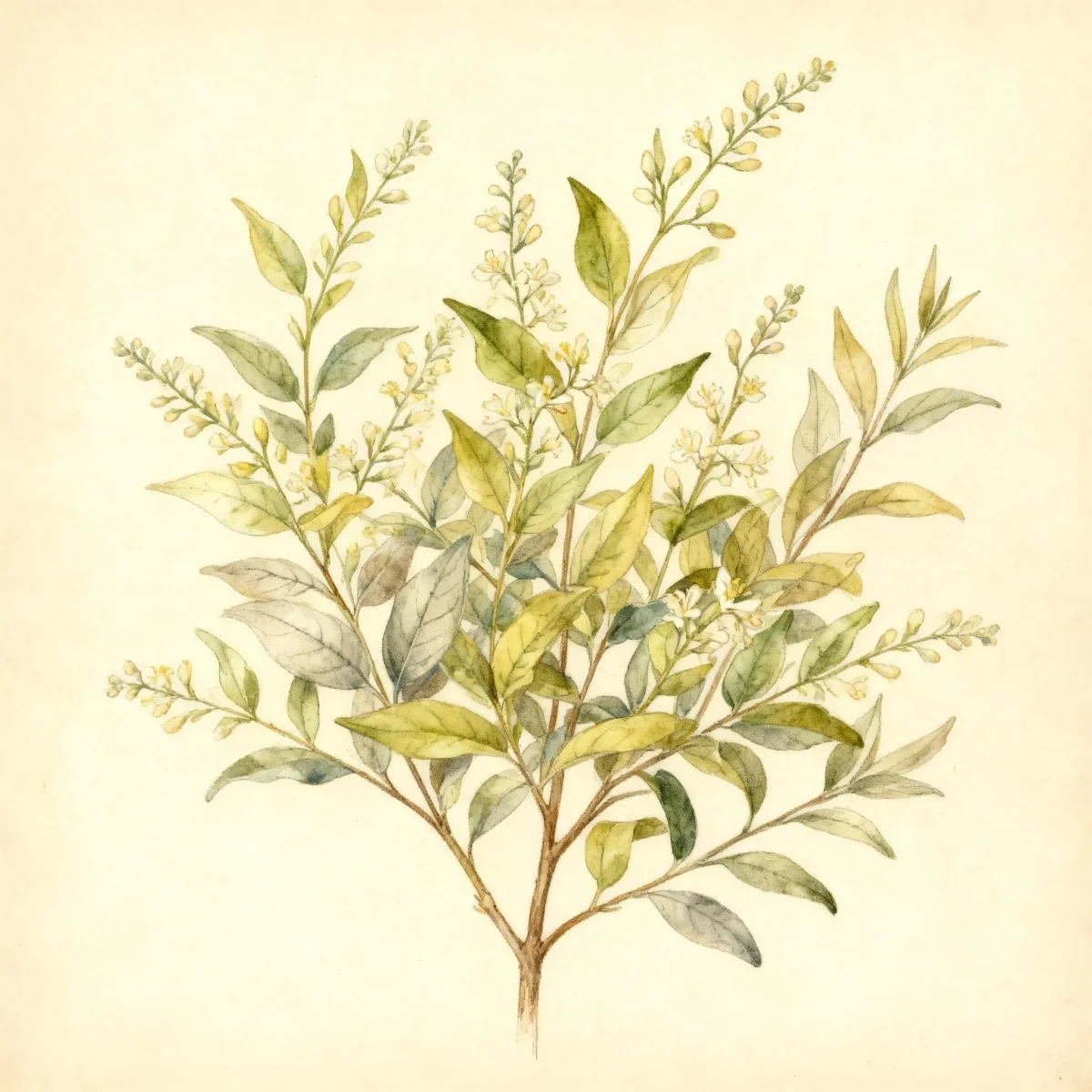
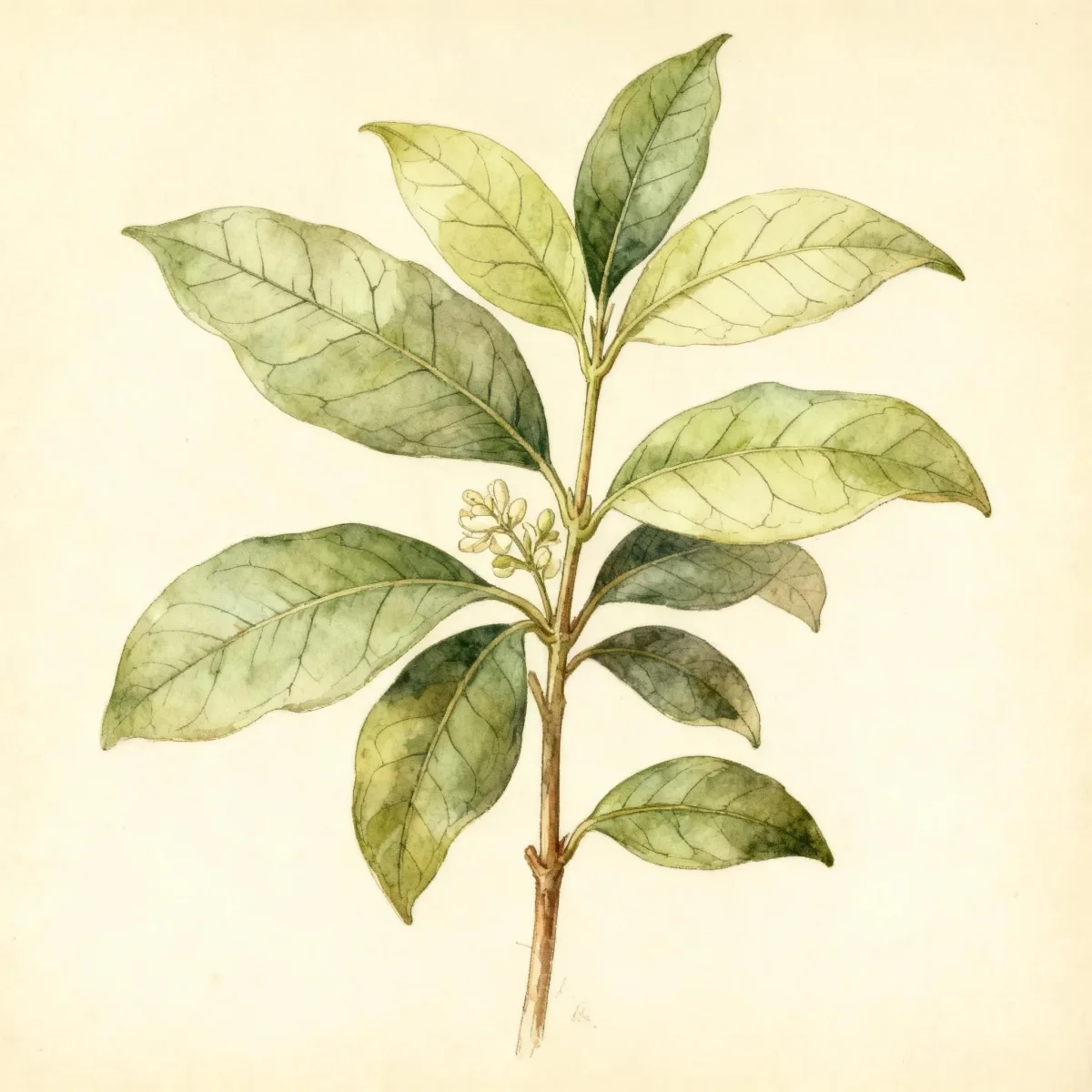
Ligustrum × ibolium is an upright, dense, multi-stemmed, deciduous shrub which grows somewhat rapidly to 8-12’ tall. Features elliptic-ovate, glossy green leaves (to 2.5” long) and dense panicles of aromatic, dull white flowers in late spring, which are attractive to bees and butterflies. Following the bloom, small, dark, somewhat persistent, berry-like fruits appear. This particular Privet is a recognized hybrid, closely resembling L. Ovalifolium but distinguished by pubescent young shoots and leaf undersides.
Tolerances
- Drought
Potential Problems
This hybrid Privet generally experiences no serious insect or disease problems, which contributes significantly to its medium maintenance rating. Gardeners should remain observant for common sap-sucking pests, although infestations rarely cause severe harm. If disease does sporadically occur, ensuring good air circulation through proper pruning is the best preventative measure against fungal issues common to dense plantings.
Frequently Asked Questions
What hardiness zones is Privet suitable for?
Ligustrum × ibolium is reliably hardy across USDA Zones 4 through 7, making it suitable for areas experiencing mild to moderately cold winters.
How large does Ligustrum × ibolium grow?
This plant reaches a mature height between 8 and 12 feet, with a typical spread ranging from 6 to 8 feet wide.
What sun exposure does Privet need?
For the best performance, plant Ligustrum × ibolium where it receives full sun exposure, although it performs well even in areas with part shade.
When does Ligustrum × ibolium bloom?
The Privet produces attractive, fragrant white flowers during the month of June.
Conclusion
The Ligustrum × ibolium stands out as a robust, fast-growing choice for defining property lines or creating swift privacy, owing to its dense structure and tolerance for moderate drought. Whether you seek a functional screen or a backdrop for other plantings, this highly adaptable Privet delivers consistent performance across its hardiness range. Before purchasing, ensure your site offers full sun to partial shade and check your local USDA zone compatibility for successful, long-lived hedging.
Wildlife Benefits
The flowering period of Ligustrum × ibolium in late spring offers significant value to local ecosystems. The panicles of aromatic, tubular white flowers are highly attractive to various beneficial insects, including bees and butterflies, providing an important nectar source when many other plants may not yet be in full bloom. This makes the Privet a functional choice not just as a screen, but as a resource for local pollinator health.
If the small, dark fruits remain on the branches (they can be somewhat persistent), they offer a modest food source for certain bird species as the season progresses into late fall or winter. While not the primary feature, the shrub contributes multi-season interest through foliage, flowers that feed insects, and potential late-season berries for birds, enhancing the overall biodiversity of the garden space where this Privet is sited.