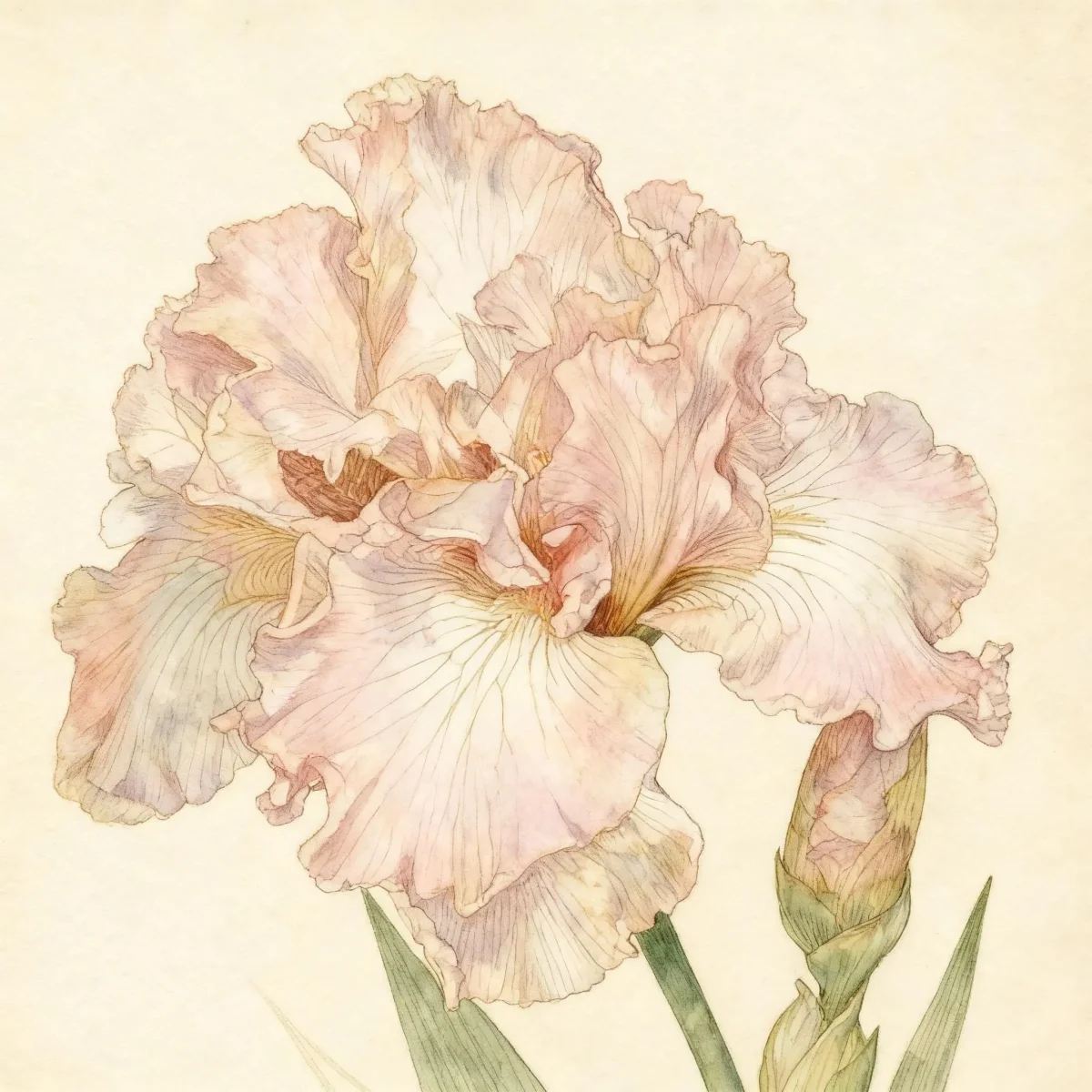
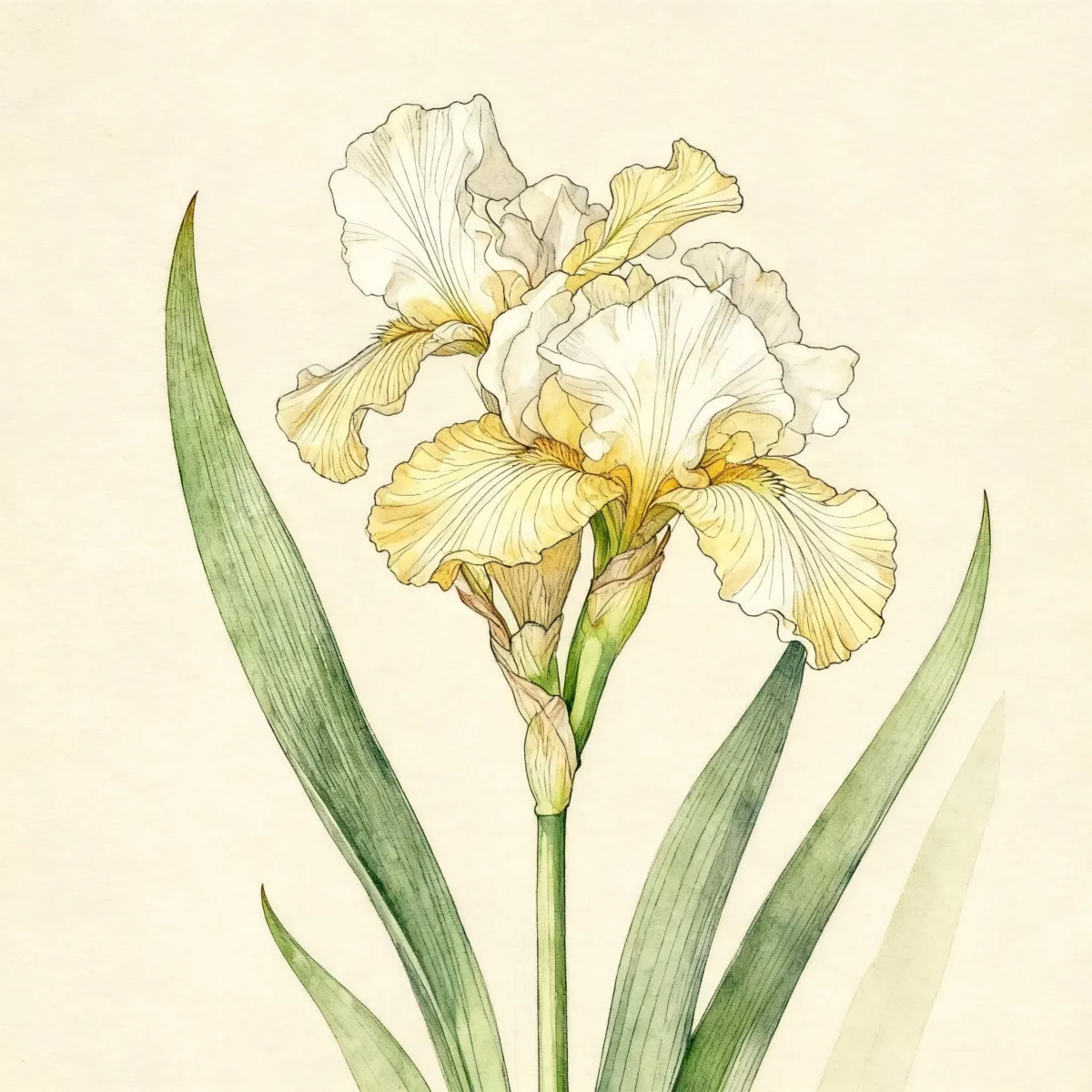
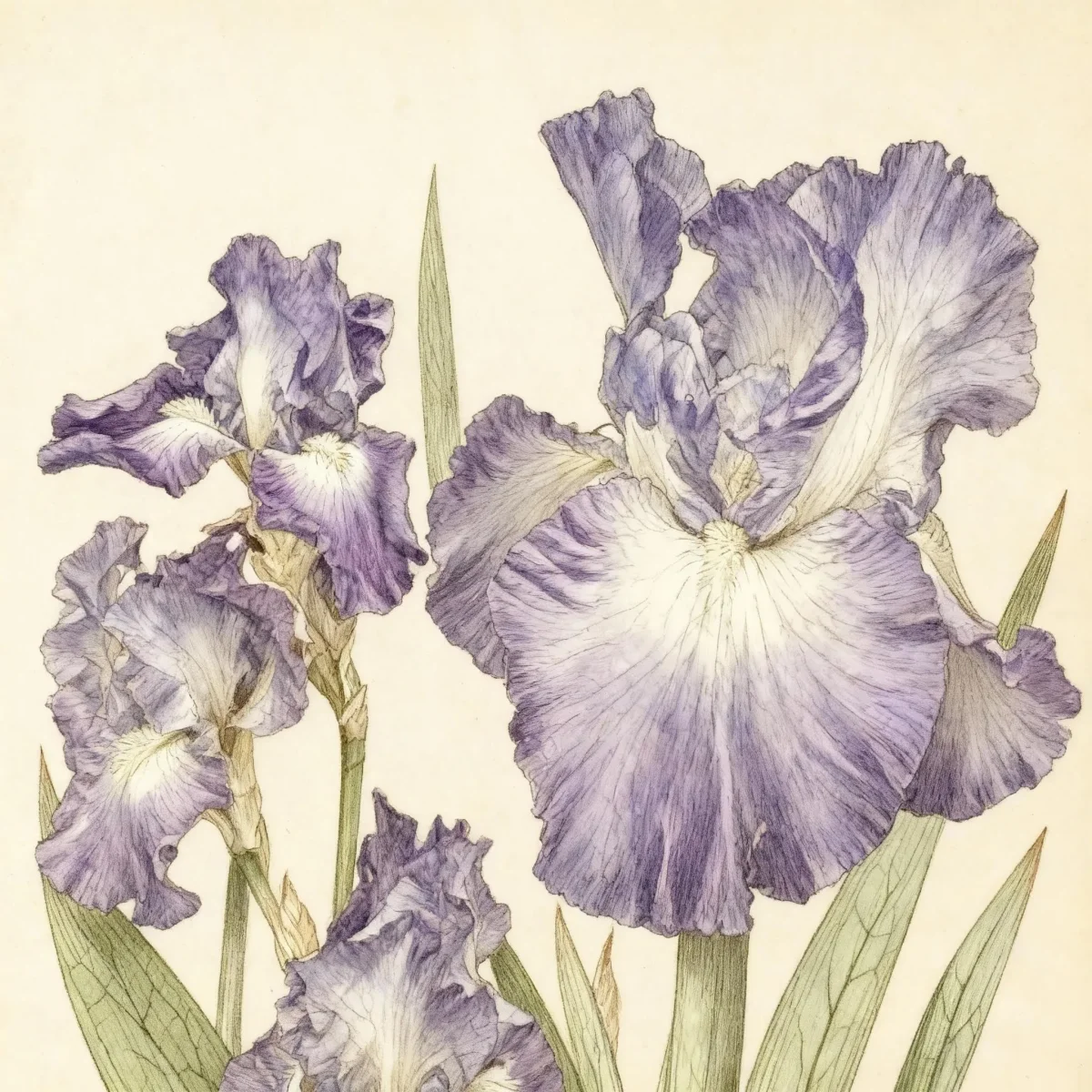
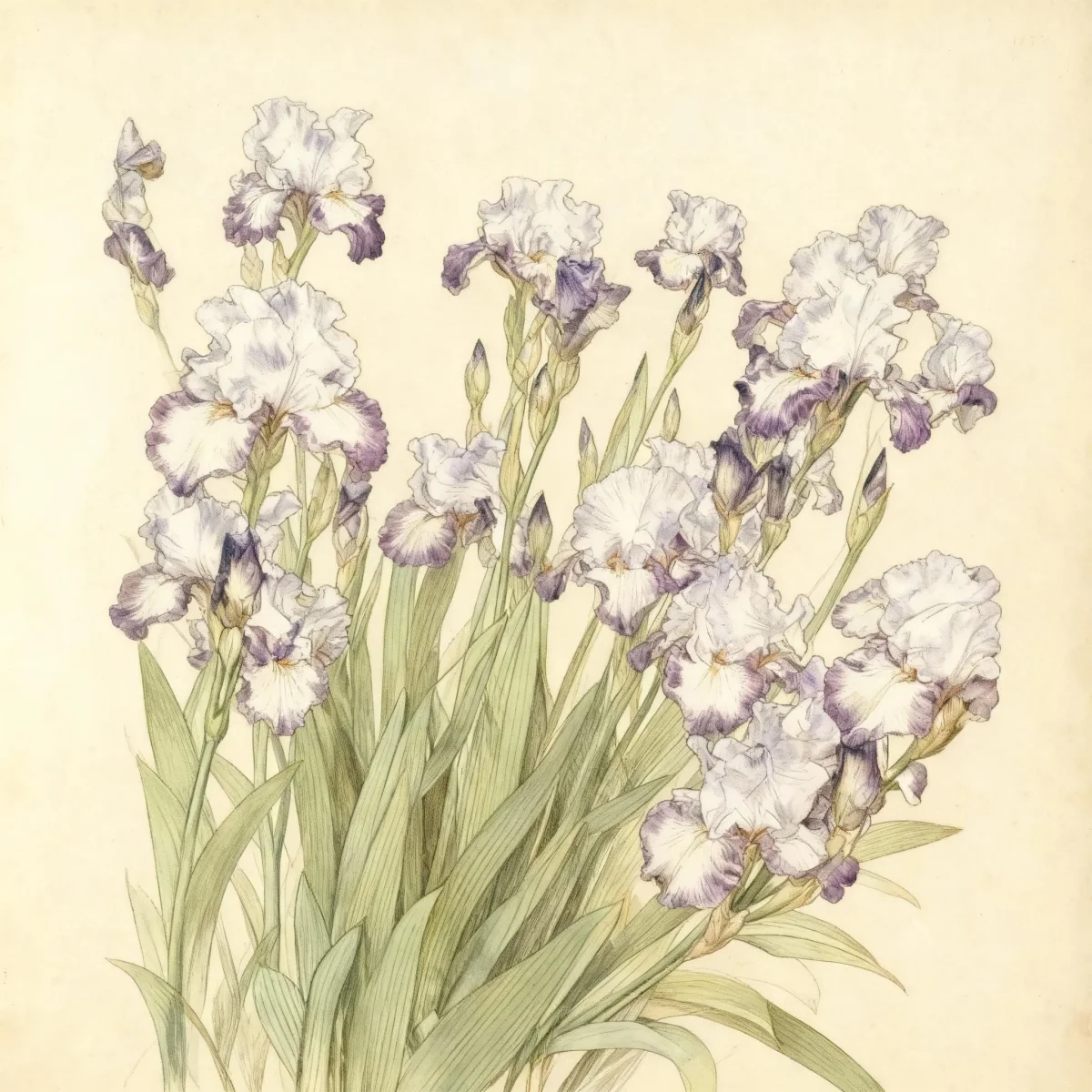
Tall bearded iris (Iris 'Midnight Fragrance')
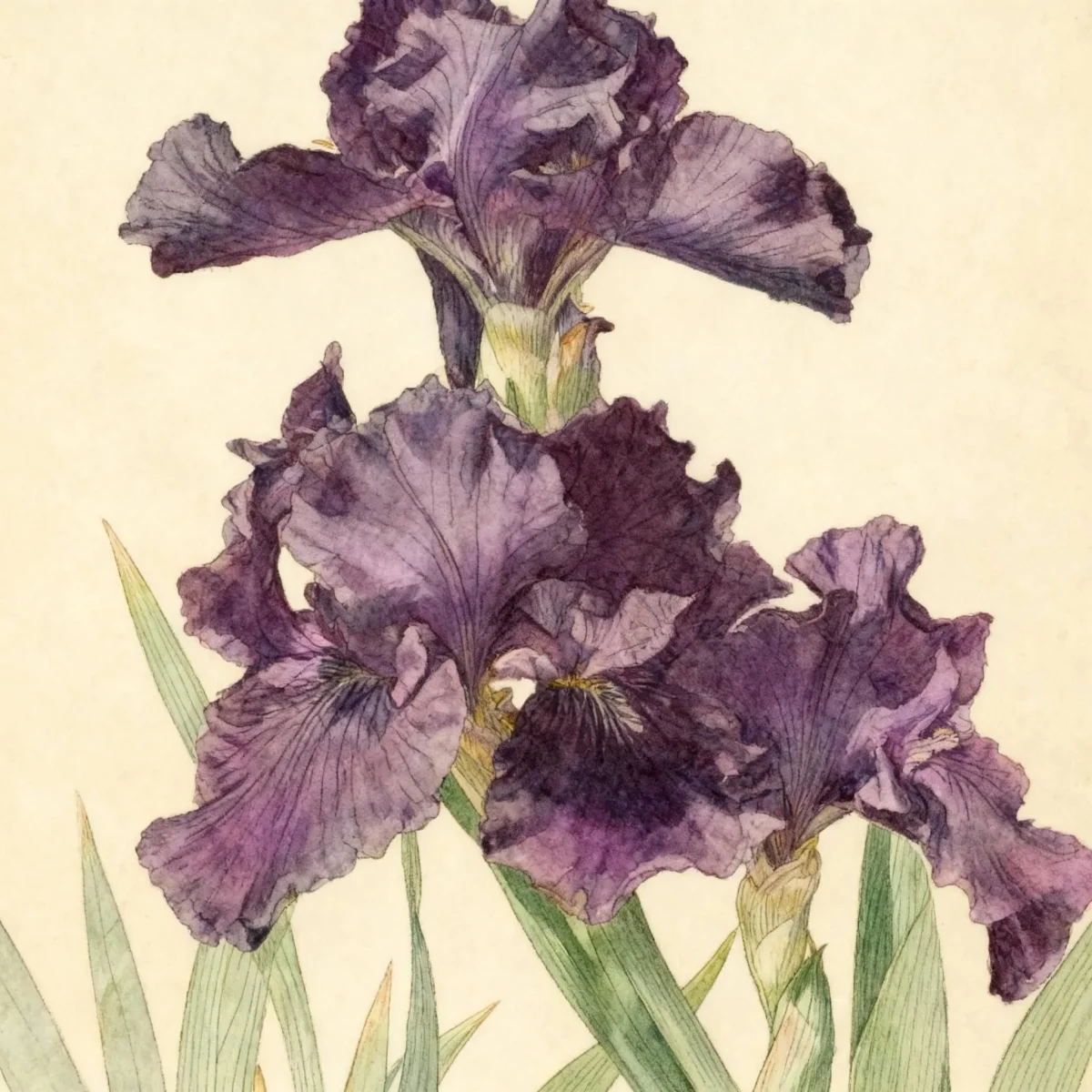
Iris 'Midnight Fragrance' is a showy, fragrant Tall bearded iris producing velvety violet-black blooms. Hardy zones 3-10.
Scroll down to discover growing tips, care requirements, companion plants, and more
Complete Plant Information
Overview
Iris ‘Midnight Fragrance’ is a stunning cultivar within the Tall bearded iris classification, highly valued for its deep, nearly black coloration and delightful scent. This herbaceous perennial brings dramatic vertical interest to the late spring garden with its robust stems crowned by uniquely colored blooms. Gardeners appreciate the reliable clumping nature of this iris, provided its underground rhizomes have optimal drainage.
The aesthetic appeal of the Tall bearded iris is undeniable, offering one of the widest color palettes in the perennial world. Specifically, the rich, violet-black standards and falls of Iris ‘Midnight Fragrance’ create excellent contrast against typical spring greens. While it requires medium maintenance, the visual payoff during its bloom time in May makes the effort worthwhile for any enthusiast cataloging dark-hued flowers.
Growing this variety successfully hinges on providing full sun and ensuring excellent drainage, as these rhizomatous plants are highly susceptible to rot in wet conditions. Once established, Iris ‘Midnight Fragrance’ offers respectable drought tolerance, making it a resilient centerpiece for sunny borders and perennial beds.
Fast Facts
- Plant Family: Iridaceae
- Plant Type: Herbaceous perennial
- Hardiness Zones: USDA Zones 3-10
- Size at Maturity:
- Height: 2.5-3 ft
- Spread: 1-2 ft
- Bloom Time: May
- Bloom Description: Violet-black
- Sun Exposure: Full sun
- Water Needs: Medium
- Maintenance Level: Medium
How to Grow
Planting rhizomes for Iris ‘Midnight Fragrance’ should occur typically from late July through October, depending heavily on local climate; colder winter areas favor planting by early September. Achieve the best performance by planting in average, medium-moisture, well-drained soils, ideally receiving full sun, though they can handle a little afternoon shade in very hot regions. Proper rhizome depth is critical: plant shallowly so that one-third of the rhizome sits above the soil, positioned on a small mound with roots spread horizontally. Space rhizomes about 12 to 20 inches apart to allow room for future spreading.
Watering should be consistent, ensuring medium moisture application from early spring until about six weeks after the flowering period concludes. While the Tall bearded iris develops some drought tolerance once set, consistent moisture supports robust blooming. If using clay soil or planting in areas with heavy rainfall, elevate the planting area by using slopes or raised beds to actively prevent rhizome rot.
Maintenance requires keeping the iris bed meticulously clear of weeds, as competition can weaken the plants. Over time, clumps of this spreading perennial will become crowded, reducing flowering vigor. If this occurs, lift the rhizomes gently with a garden fork in late summer (around August), divide them, and immediately replant the younger sections following the proper shallow planting guidelines.
Landscape Uses
Tall bearded iris cultivars, including Iris ‘Midnight Fragrance’, excel when massed or grouped together in locations where their spring color can be fully appreciated. They function perfectly as the middle layer within traditional perennial borders due to their 2.5 to 3-foot mature height, providing strong upright texture. Avoid planting them too closely to dense shrubs which might shade them or compete heavily for moisture.
These irises look striking when positioned against lighter-colored structures or incorporated into foundation plantings that receive consistent full sun throughout the day. The rich, dark violet-black blooms of Iris ‘Midnight Fragrance’ pair well with silver foliage, pale lavenders, or reliable yellow companions like Coreopsis or Daylilies that bloom later, extending the season of interest.
When designing with them, remember the sword-shaped, upright foliage provides architectural structure even when the plant is not in flower, preventing the garden from looking too flat between the major bloom periods.
Standout Features
Flower Qualities
- Showy
- Fragrant
Noteworthy Characteristics
Tall Bearded Iris is defined by rhizomatous growth, producing cultivars that often exceed 27.5 inches in height, featuring multiple branches and over seven large blossoms per stem. The term “bearded” refers to the visible, fuzzy beard adorning the center of each pendant fall. Iris ‘Midnight Fragrance’ specifically offers sweetly fragrant, ruffled blooms in shades of dark violet black, typically reaching about 36 inches tall with a slow rhizomatous spread.
Tolerances
- Deer
- Drought
Potential Problems
Be vigilant against several potential diseases common to irises, notably bacterial soft rot, crown rot, and fungal leaf spot, alongside viral mosaic issues. Major insect adversaries include iris borers, slugs, snails, aphids, and thrips. The fundamental defense against both pests and diseases is rigorous sanitation. Ensure you promptly remove and destroy any infected or damaged foliage, especially after the season ends in the fall after the first frost.
Cultural issues often cause flowering failure rather than disease; if blooms are sparse, check that rhizomes weren’t planted too deeply or that the clump has not become overcrowded. Conversely, too much fertilizer or insufficient sunlight are also common culprits in poor flower production for the Tall bearded iris.
Frequently Asked Questions
What hardiness zones is Tall bearded iris suitable for?
This resilient variety is suitable for USDA Zones 3 through 10, offering wide adaptability across diverse climates.
How large does Iris ‘Midnight Fragrance’ grow?
Iris ‘Midnight Fragrance’ typically reaches a mature height between 2.5 and 3 feet, with a spread generally ranging from 1 to 2 feet.
What sun exposure does Iris ‘Midnight Fragrance’ need?
For optimal flowering and health, this plant requires full sun exposure in most garden settings.
When does Iris ‘Midnight Fragrance’ bloom?
Blooms usually appear in May, presenting in a deep, velvety violet-black color.
Conclusion
The dark drama and sweet fragrance of Iris ‘Midnight Fragrance’ make it an indispensable addition to any sunny border seeking late spring excitement. As a classic Tall bearded iris, it combines reliable structure with captivating color. Plan your fall planting carefully, ensuring maximum sunlight and perfectly well-drained soil to guarantee stunning violet-black displays next season.
Companion Planting
Choosing appropriate neighbors is vital for moisture management, especially given the intolerance rhizomes have for soggy feet. Pair Iris ‘Midnight Fragrance’ with drought-tolerant companions that share its love for full sun. Consider planting drought-tolerant Salvias, hardy Echinacea (Coneflower), or Artemisia, whose silvery foliage beautifully complements the deep tones of the dark blooms.
Avoid planting this Tall bearded iris directly alongside moisture-loving perennials like Astilbe or Ligularia, as the constant wetness required by those plants will inevitably lead to rhizome rot in the iris clump. Focus on companions that establish roots at different soil depths, minimizing competition while maintaining an aesthetically pleasing layered look in your perennial beds.
Seasonal Care Calendar
Spring preparation involves the early cleanup of any winter debris; once new growth appears on Iris ‘Midnight Fragrance’, apply a balanced, slow-release fertilizer sparingly, avoiding the common mistake of over-fertilizing which encourages soft greenery over flowers. Summer is crucial for observing drainage—if heavy rains occur, monitor developing rhizomes for signs of softening or rot, and gently pull soil away from exposed crowns if necessary.
Fall is the dedicated time for dividing and replanting overcrowded clumps; this practice is best done after the bloom cycle has completely finished and the heat of summer has passed. Before the ground freezes hard in winter, perform a final cleanup, cutting foliage back to a few inches above the ground to reduce overwintering pest and disease habitat around the base of the Tall bearded iris.