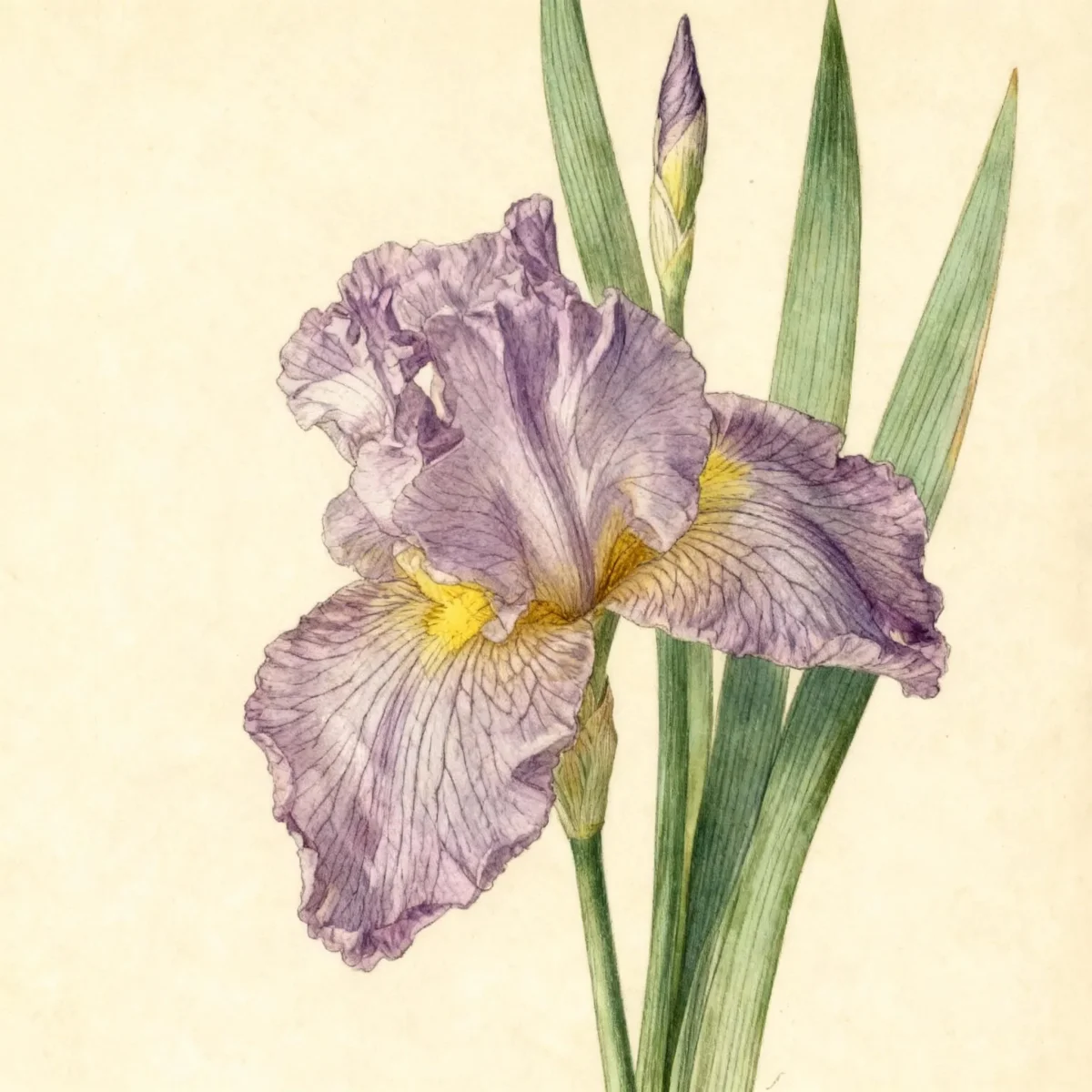
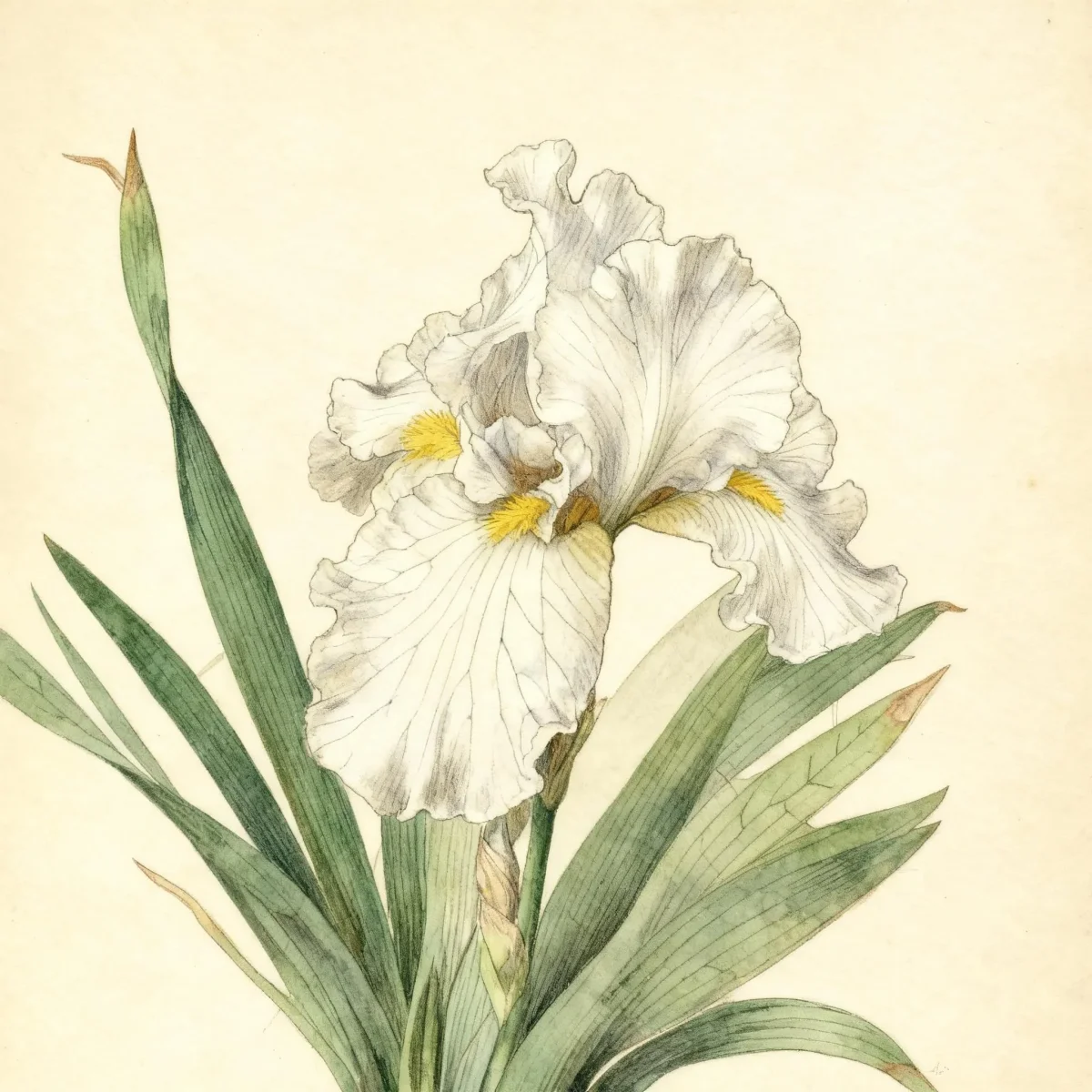
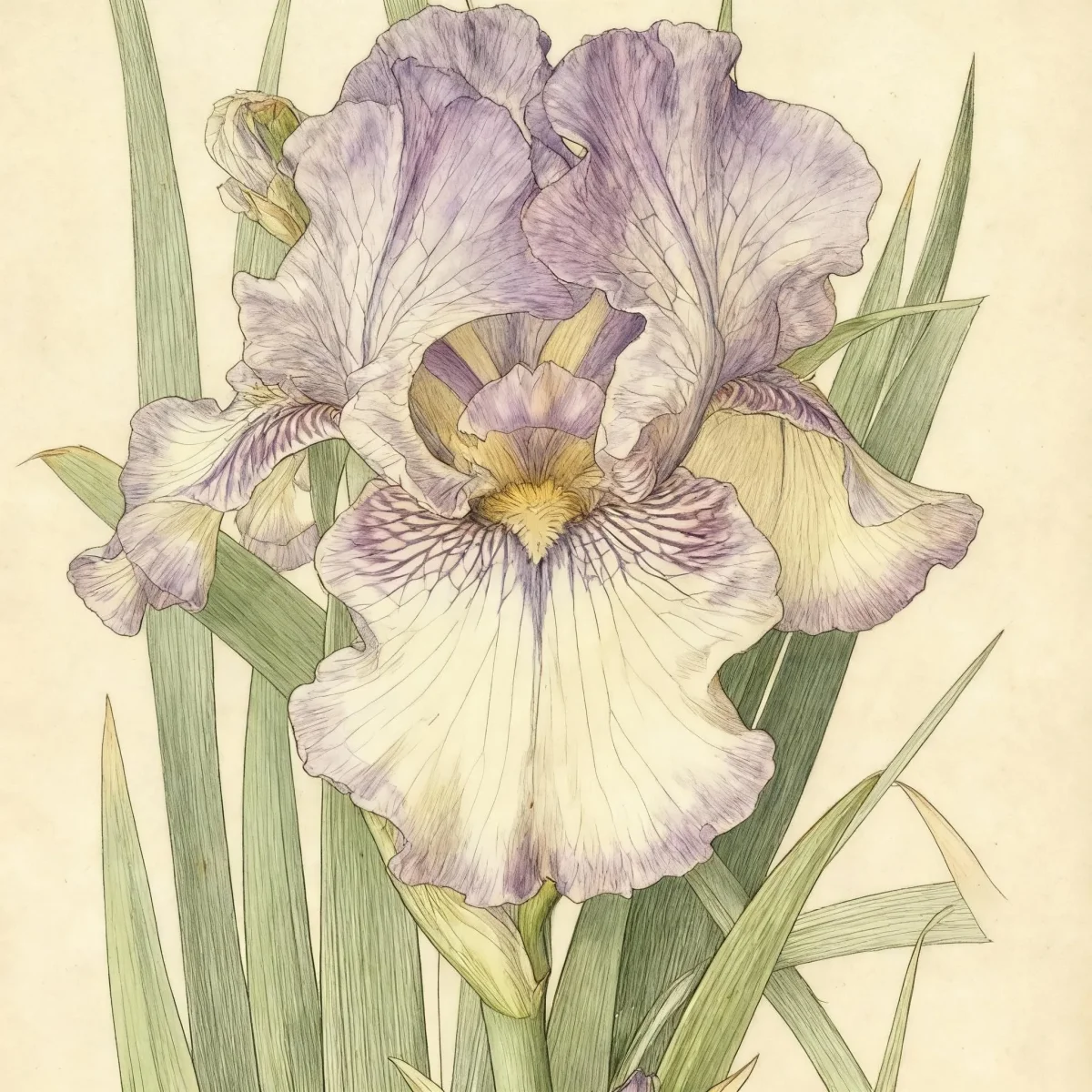
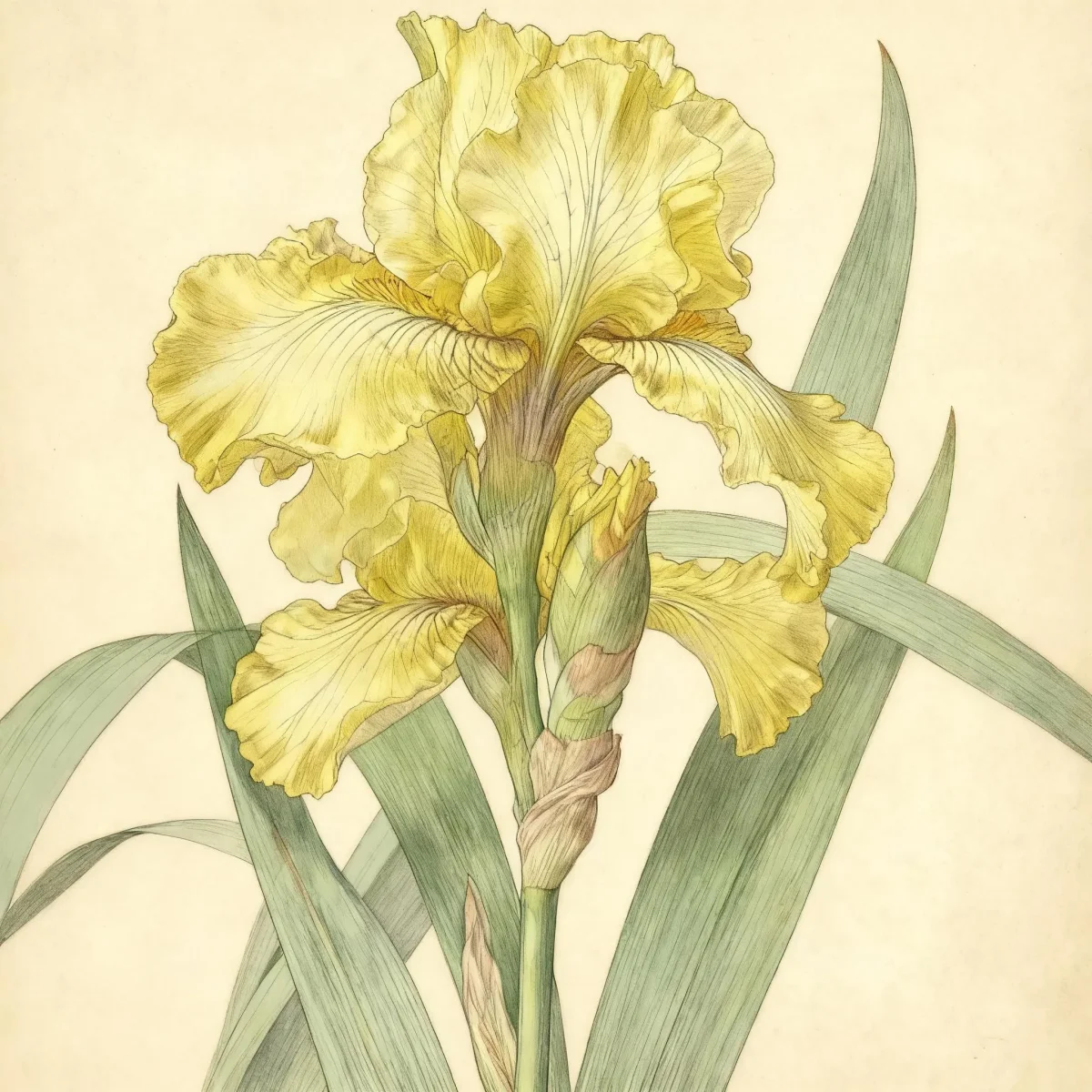
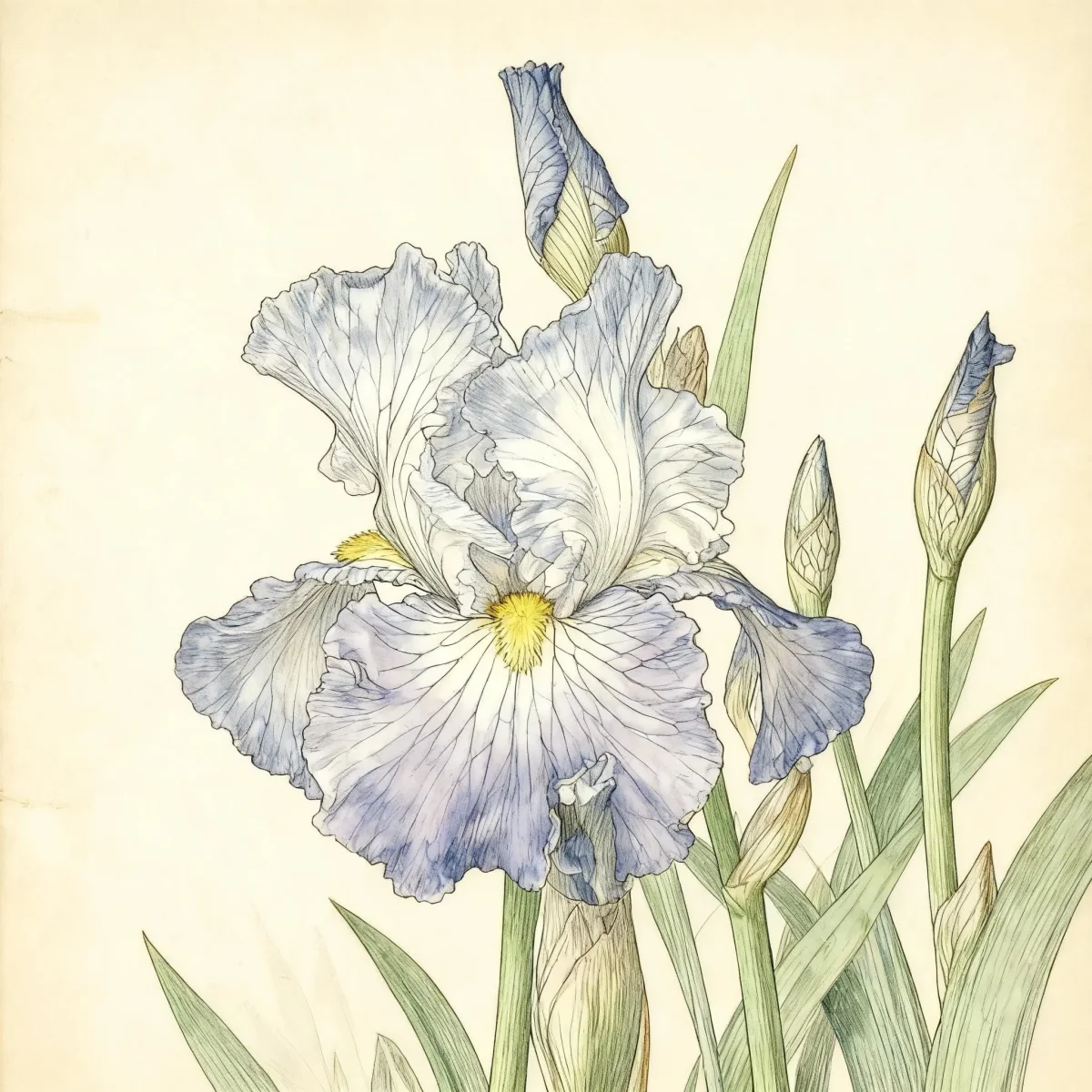
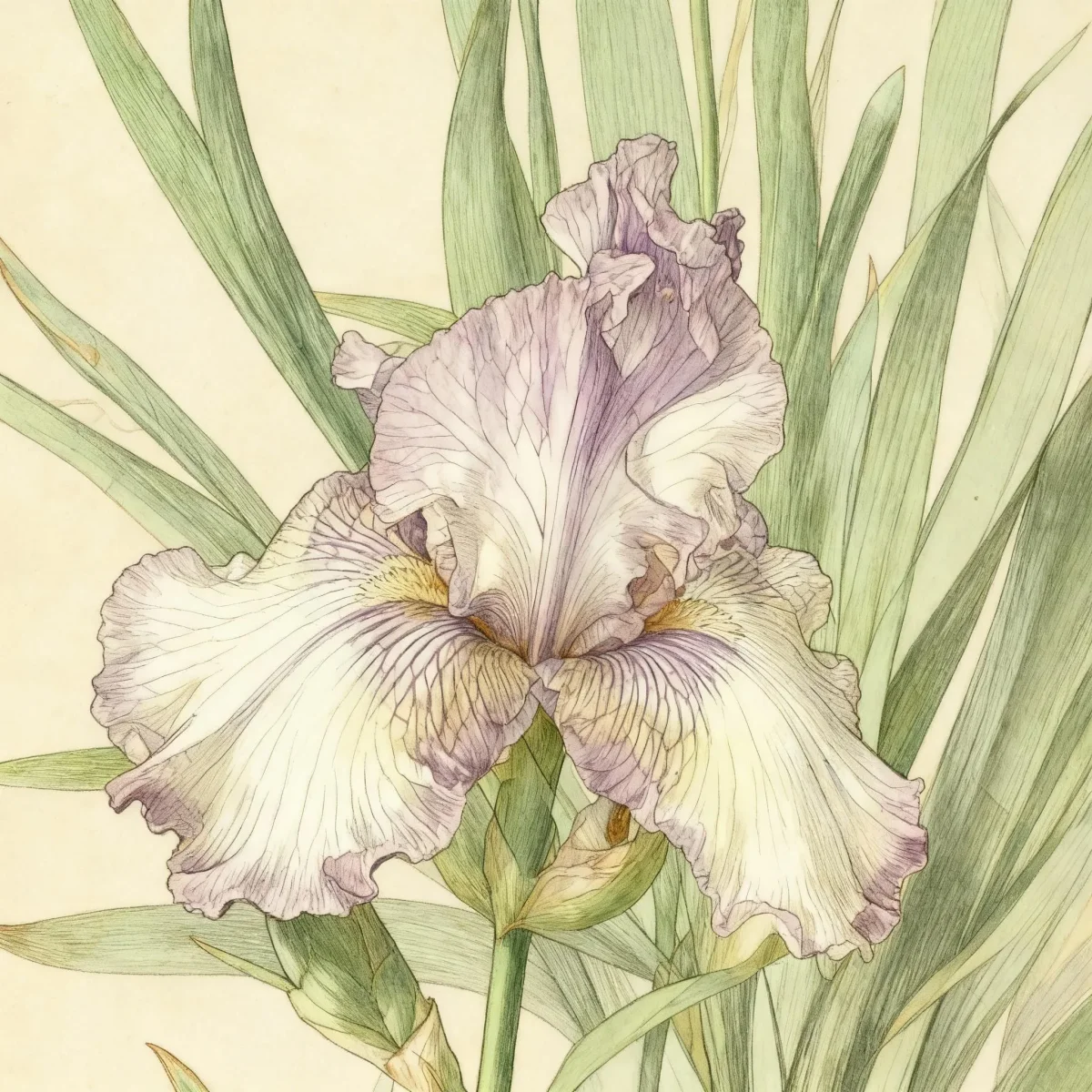
Tall bearded reblooming iris (Iris 'October')
Iris 'October' is a stunning Tall bearded reblooming iris offering bronze-yellow flowers and rebloom potential from zones 3-10.
Scroll down to discover growing tips, care requirements, companion plants, and more
Complete Plant Information
Overview
Iris ‘October’ brings the highly sought-after quality of rebloom to the classic Tall bearded iris form. This variety is prized for its striking bronze-yellow standards and falls, providing extended color interest well past the initial spring flush. As a rhizomatous perennial, it forms satisfying clumps that reward diligent care with reliable performance throughout the growing season.
Gardeners value the Tall bearded reblooming iris not just for its height—reaching up to three feet—but for its ability to potentially offer a second show of flowers in late summer or fall, depending on local climate conditions. The strong, linear foliage provides excellent vertical structure in perennial borders while the flowers themselves are visually impactful with distinct ruffling.
Successfully growing Iris ‘October’ involves ensuring excellent drainage, a non-negotiable requirement for any bearded iris, especially if you wish to encourage that coveted second bloom. Providing full sun and consistent moisture during the growth and rebloom period ensures this handsome Iris remains a vibrant fixture in the sunny perennial landscape.
Fast Facts
- Plant Family: Iridaceae
- Plant Type: Herbaceous perennial
- Hardiness Zones: USDA Zones 3-10
- Size at Maturity:
- Height: 2.5-3 ft
- Spread: 1-2 ft
- Bloom Time: May
- Bloom Description: Bronze-yellow
- Sun Exposure: Full sun
- Water Needs: Medium
- Maintenance Level: Medium
How to Grow
Planting rhizomes of Iris ‘October’ should be timed carefully according to your climate, generally between late July and October. Select a location that receives full sun, though some light afternoon shade is tolerated in intense summer heat. The most critical factor for healthy growth and preventing rhizome rot is drainage; plant in average, well-drained soil. When planting, create a small mound of soil, placing the rhizome shallowly so that approximately one-third is exposed above the soil surface, with roots spread outward and slightly downward. Space rhizomes about 12 to 20 inches apart.
Watering for the Tall bearded reblooming iris requires diligence, particularly compared to standard bearded types. Maintain medium moisture levels from spring until six weeks after the main bloom period concludes, ensuring adequate water supports the potential fall rebloom. Fertilization is also key: apply fertilizer in early spring and again in early July following the first bloom.
If you garden in areas with heavy clay or high rainfall, proactively combat rot potential by planting rhizomes on slopes or within raised beds to guarantee rapid water runoff. Over time, clumps may become overcrowded; address this by lifting, dividing, and replanting the rhizomes in late summer (August). Keep garden beds well-weeded, as competition impacts the performance of Iris ‘October’.
Landscape Uses
The stately height and extended bloom window of Iris ‘October’ make it an excellent structural element in landscape design. Tall bearded reblooming iris varieties perform best when grouped or massed together in sunny borders where their vertical presence can be fully appreciated against lower-growing perennials. They serve effectively at the back of perennial beds or along foundation plantings where they receive ample light exposure.
For design cohesion, pair Iris ‘October’ with plants that share similar sun and drainage requirements but flower at different times. Consider companions like catmint or salvias which bloom later, providing continuous interest once the primary display of the bronze-yellow flowers fades. Their sword-shaped foliage maintains an upright texture throughout the entire season.
The ability of this Tall bearded reblooming iris to return for a second season of bloom means it significantly enhances border continuity. Use them as bold punctuation marks along walkways or in mixed perennial groupings where their reliable structure and distinctive color can be showcased.
Standout Features
Flower Qualities
- Showy
Noteworthy Characteristics
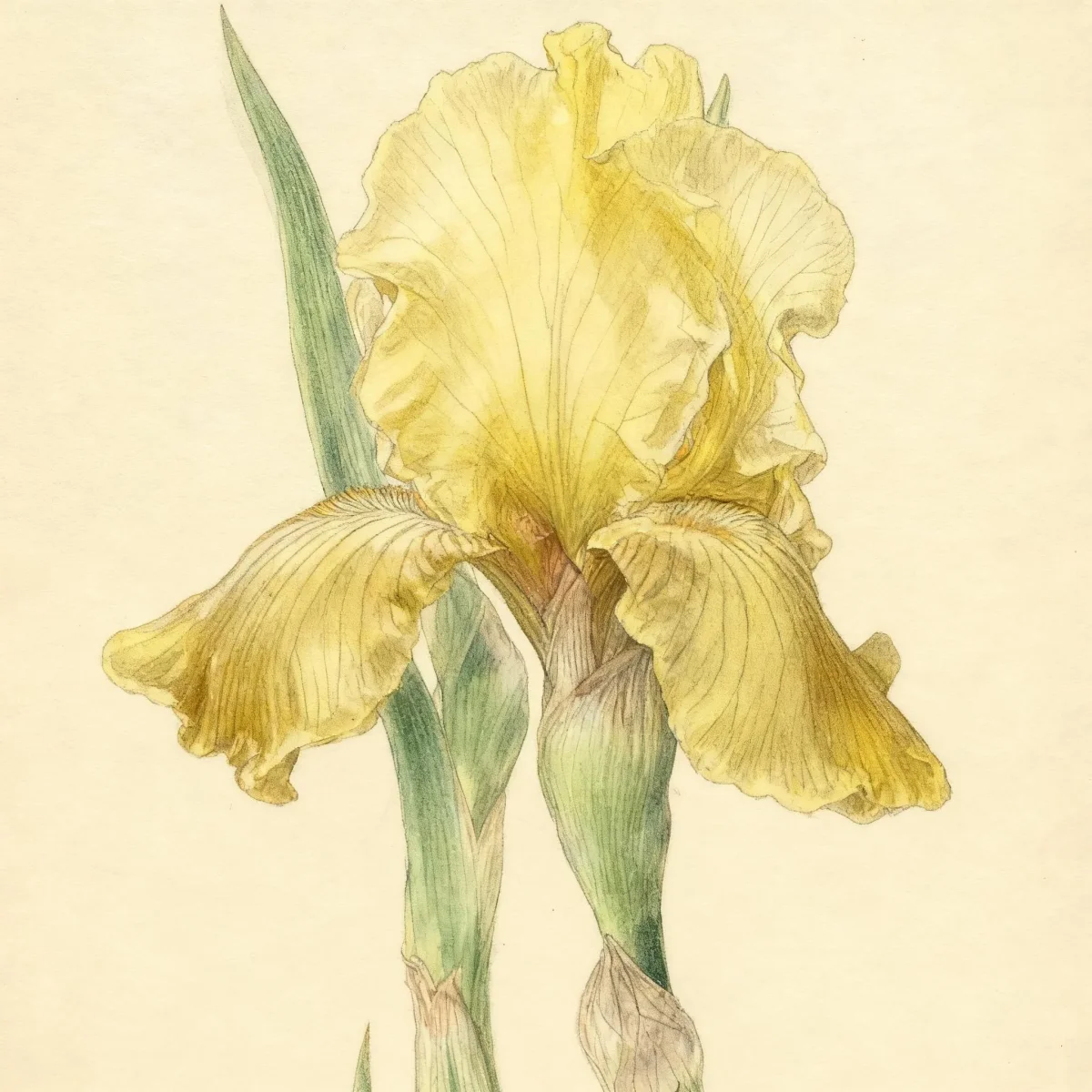
Tall Bearded Iris represents a class of rhizomatous hybrids known for developing stems over 27.5 inches tall, usually bearing seven or more large blossoms. ‘October’ is specifically noted as a remontant, or reblooming, tall bearded iris, typically reaching 36 inches high. Its flowers display appealingly ruffled, bronze-yellow standards and falls, contrasted by a violet beard tipped with yellow.
Tolerances
- Deer
- Drought
Potential Problems
Iris ‘October’ is susceptible to common iris issues including leaf spot, bacterial soft rot, crown rot, and mosaic viruses. Gardeners should also scout for pests such as slugs, snails, aphids, thrips, and particularly iris borers. Disease and pest management hinges on strict cultural cleanliness.
Good sanitation is paramount for controlling problems in your iris patch. Promptly destroy any diseased foliage or rhizomes immediately upon identification, and ensure a thorough annual cleanup of all garden debris in the fall after the first frost occurs. Sparse flowering often results from rhizomes being planted too deep, excessive shade, over-fertilization, or overcrowding, all of which can be corrected through proper maintenance.
Frequently Asked Questions
What hardiness zones is Tall bearded reblooming iris suitable for?
Iris ‘October’ is adaptable and hardy across a wide range, thriving in USDA Zones 3 through 10.
How large does Iris ‘October’ grow?
This variety typically matures to a height between 2.5 and 3 feet tall, spreading to occupy an area 1 to 2 feet wide.
When does Iris ‘October’ bloom?
The primary bloom time for Iris ‘October’ is listed as May, producing distinct bronze-yellow flowers, with the potential for rebloom later in the season.
What sun exposure does Tall bearded reblooming iris need?
For best results, plant Iris ‘October’ in a location receiving full sun, as light is crucial for strong rhizome development and successful reblooming.
Conclusion
Iris ‘October’ is an outstanding choice for gardeners seeking extended color and reliable perennial structure, thanks to its unique reblooming characteristic. This Tall bearded reblooming iris offers beautiful bronze-yellow tones and excellent hardiness across many regions. Evaluate your site conditions, ensuring full sun and superior drainage, then plan to plant your rhizomes in late summer or early fall for stunning displays next season.
Propagation Tips
Division is the primary method for increasing your stock of Iris ‘October’ and is essential for maintaining vigor. As noted in its culture, if clumps become overcrowded—often indicated by fewer blooms—they should be lifted using a garden fork in late summer, typically August. Once lifted, carefully separate the individual rhizomes, ensuring each division carries at least one healthy fan of leaves and a viable root system.
When preparing divisions, inspect the rhizomes thoroughly. Trim back any dead or mushy portions immediately, as this prevents introducing weak stock back into the newly prepared garden bed. Healthy divisions of the Tall bearded reblooming iris should be replanted promptly into fresh, well-drained soil following the specified shallow planting depth.
Replanting divided rhizomes revitalizes the clump, promoting strong flowering and reblooming potential for the following years. While Iris ‘October’ is a complex hybrid typically propagated vegetatively, the division process also helps ensure you are maintaining the desired characteristics of this specific cultivar.
Seasonal Care Calendar
Managing the Tall bearded reblooming iris requires adjusting care throughout the year to optimize for its potential rebloom. Spring care should include early fertilization, focusing on balanced feeding to promote robust initial flowering. Light weeding around the rhizomes helps reduce competition for nutrients and water.
The crucial second feeding occurs in early July, shortly after the first main bloom period concludes; this supports the plant’s energy stores needed to initiate fall buds. Consistent, medium watering should continue through the summer months, supporting vegetative growth and the development of rebloom spikes wherever possible, especially through periods of dry weather.
Finally, the critical fall cleanup involves removing all spent foliage and debris after the autumn cleanup, especially after the first frost. This sharp reduction in garden debris minimizes overwintering sites for pests like iris borers and reduces fungal spore overwintering sites, setting up your Iris ‘October’ for a healthier renewal next spring.