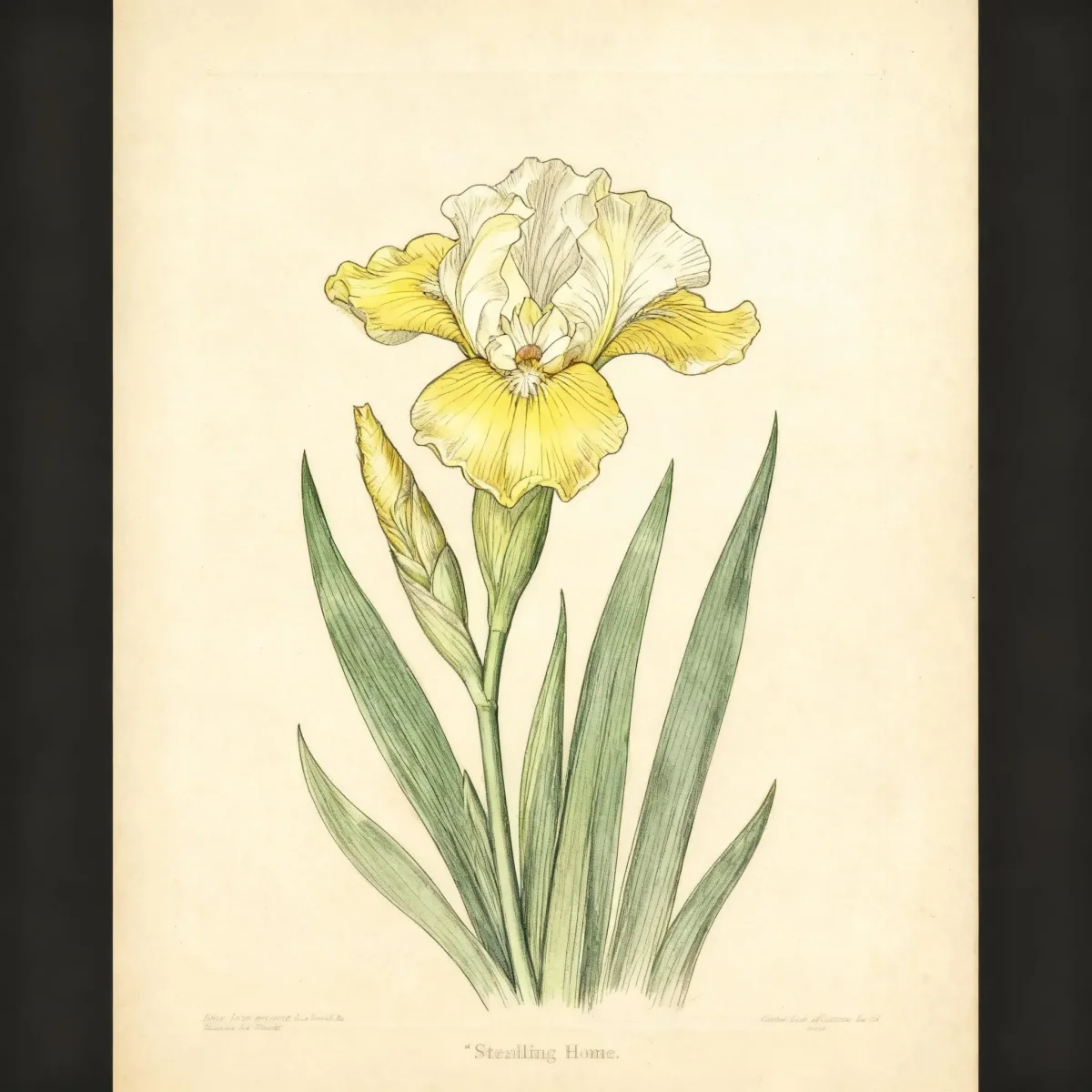
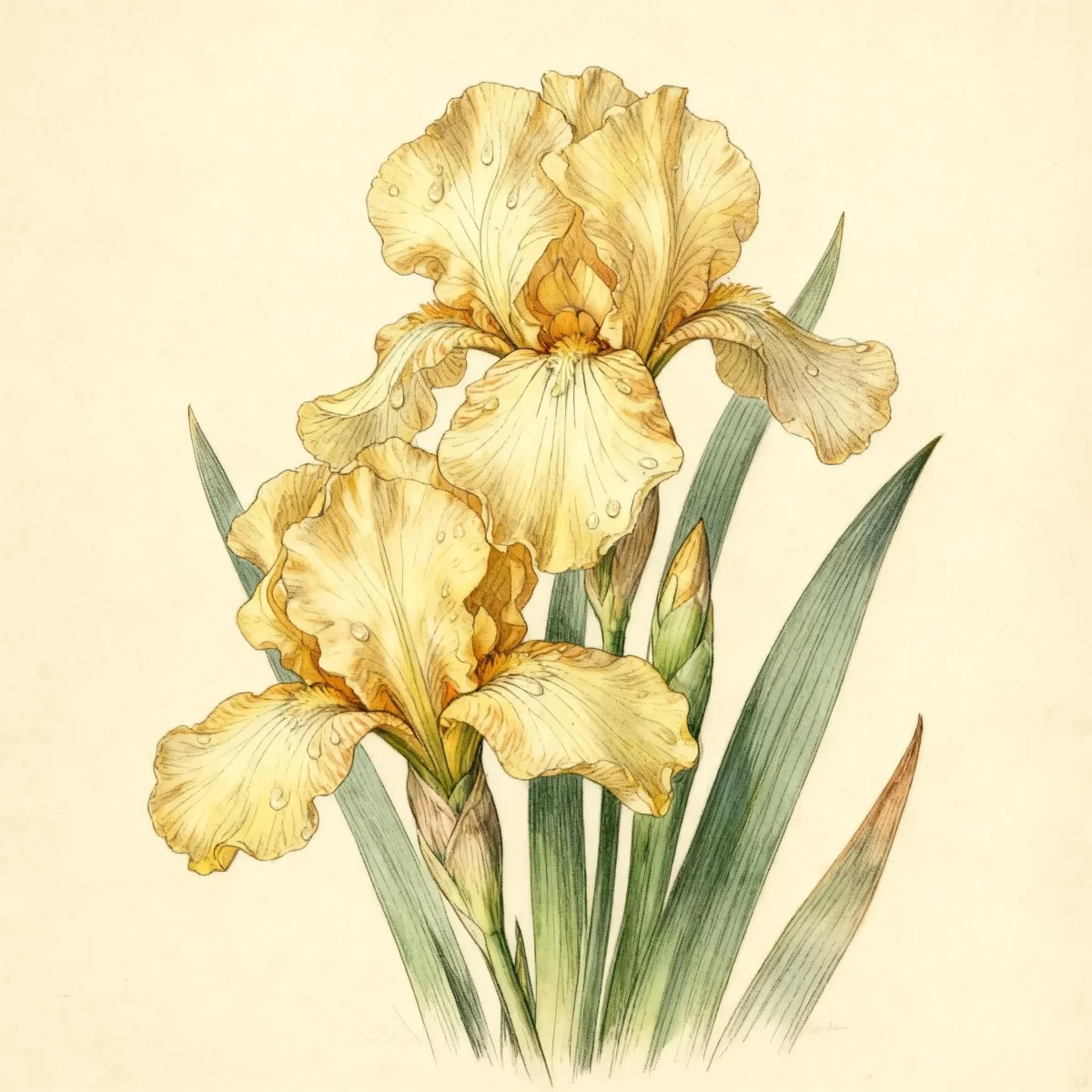
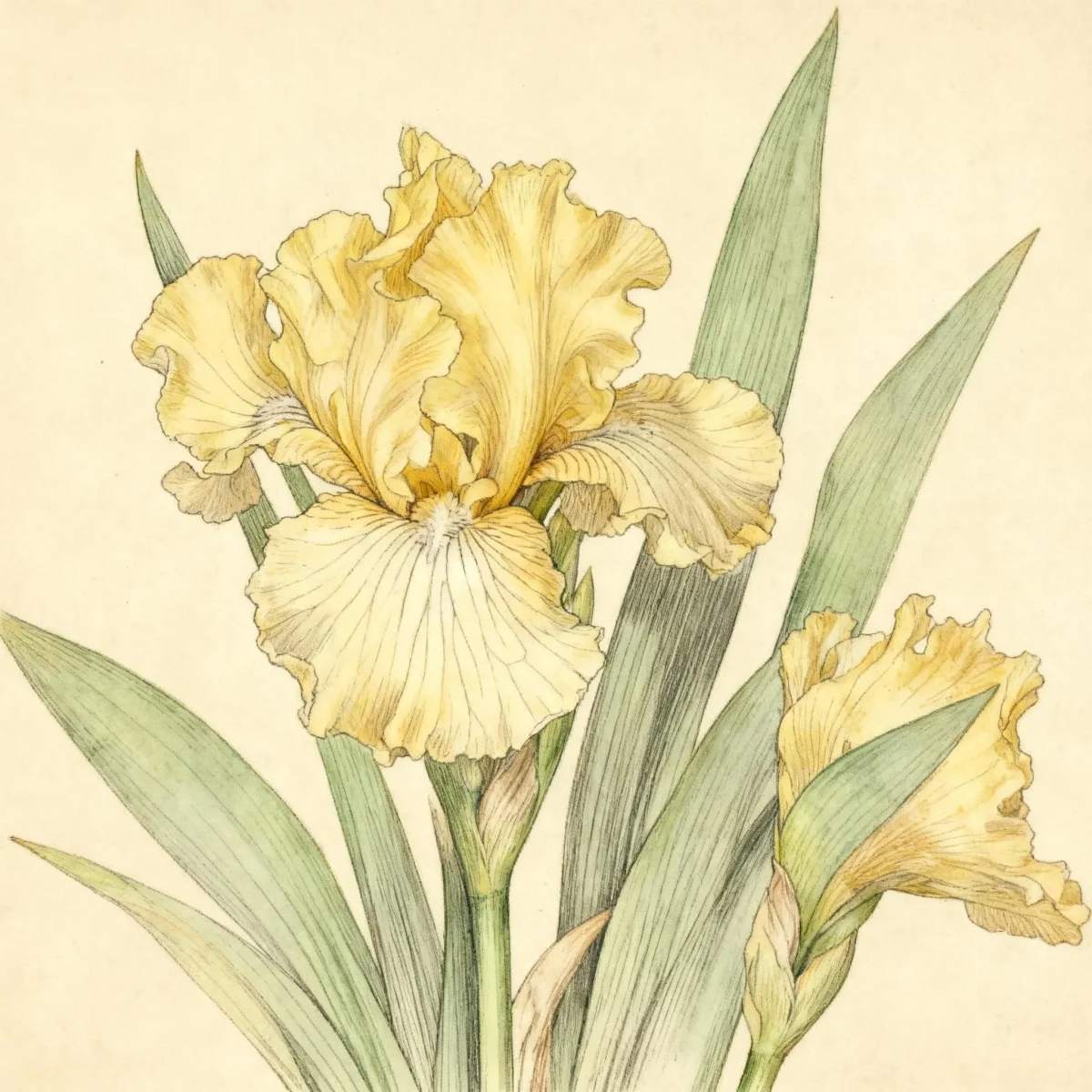
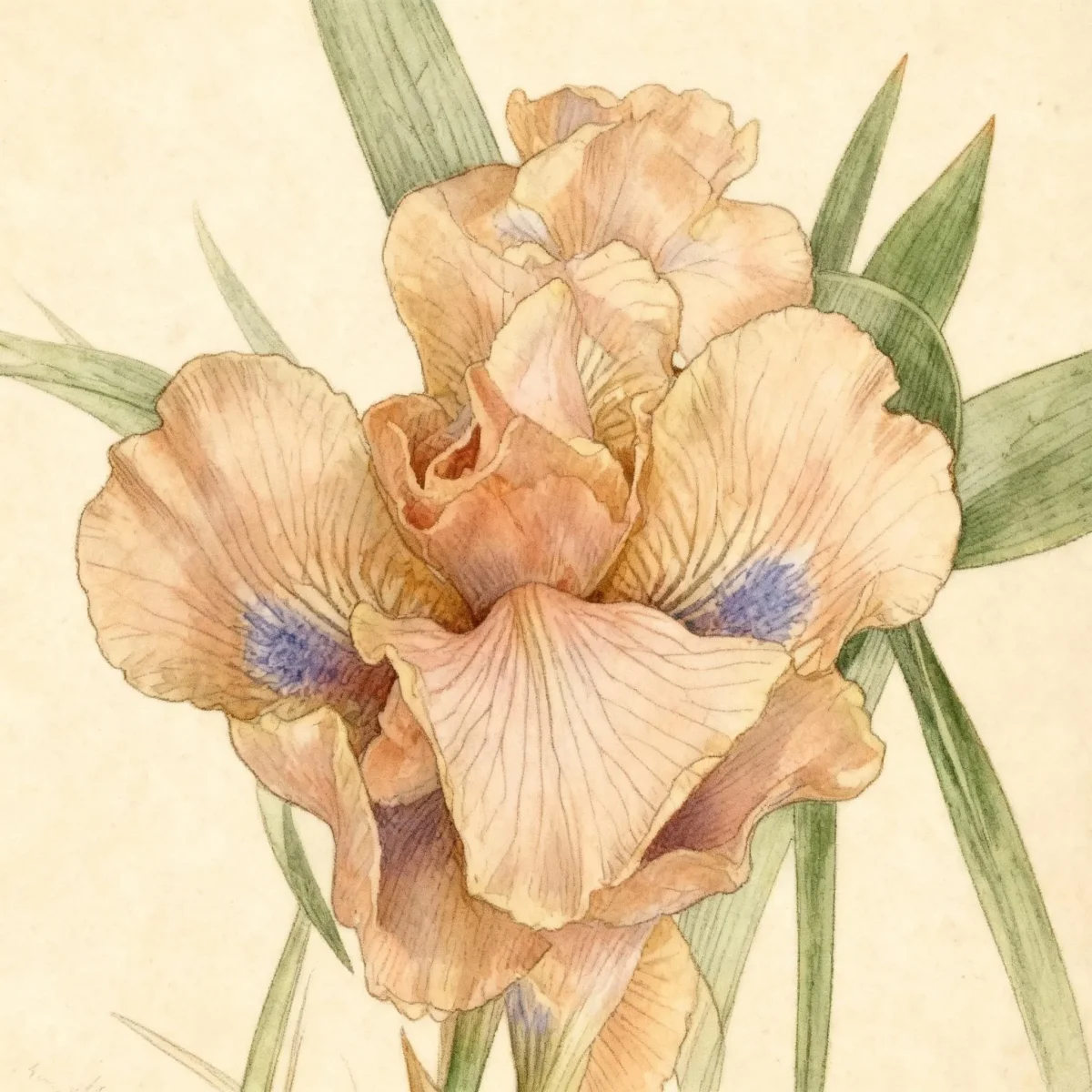
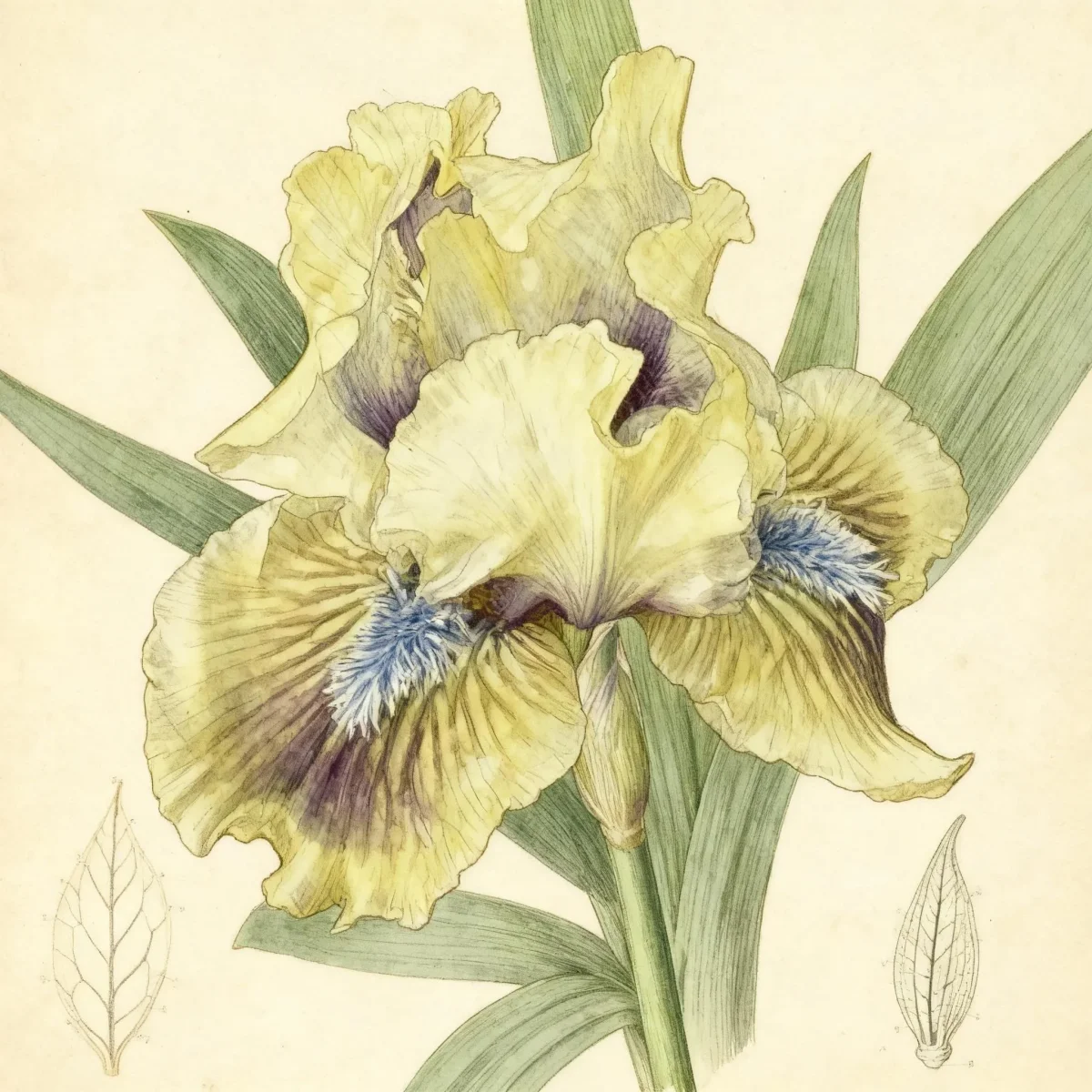
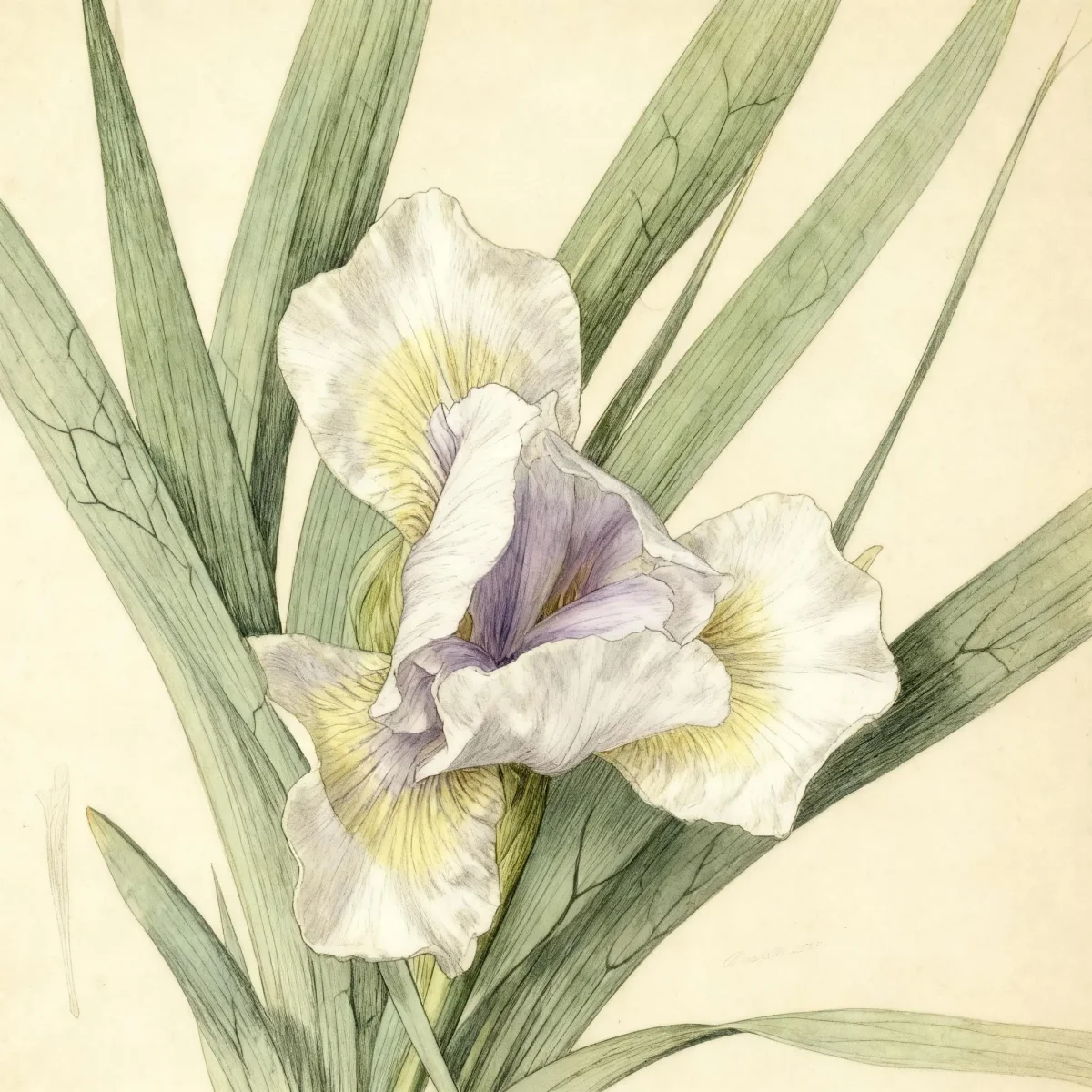
Standard dwarf bearded iris (Iris 'Peach Petal Pie')
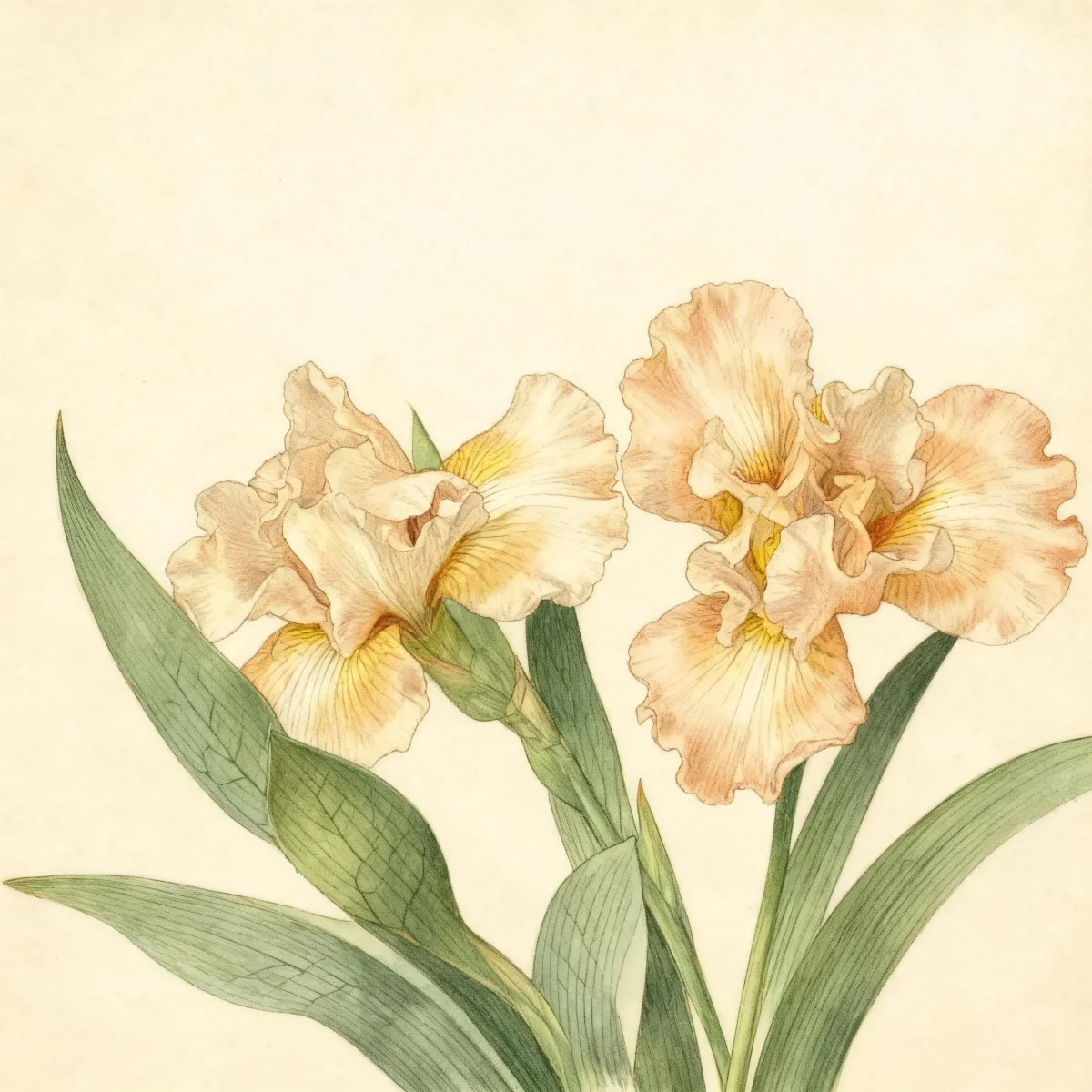
Iris 'Peach Petal Pie' is a striking Standard dwarf bearded iris featuring pale peach flowers. Ideal for sunny borders in zones 3-8.
Scroll down to discover growing tips, care requirements, companion plants, and more
Complete Plant Information
Overview
Iris ‘Peach Petal Pie’ offers gardeners a delightful burst of early season color. As a Standard dwarf bearded iris, it maintains a compact stature, making it perfect for edging beds and rock gardens where larger varieties would tower too much. This herbaceous perennial is cherished for its showy, pale peach blooms appearing reliably in May.
The standard dwarf nature of Iris ‘Peach Petal Pie’ ensures it fits seamlessly into smaller landscape designs. Beyond its visual appeal, this cultivar exhibits moderate adaptability, tolerating both drought once established and browsing pressure from deer. Successful cultivation hinges on providing well-drained conditions, which is crucial for all rhizomatous irises.
For the best display of Iris ‘Peach Petal Pie’, site it where it receives ample sunlight and consistent care during its growing phases. Its relatively tidy, erect foliage provides good structure to the garden even outside of the bloom season, solidifying its value as a dependable border plant.
Fast Facts
- Plant Family: Iridaceae
- Plant Type: Herbaceous perennial
- Hardiness Zones: USDA Zones 3-8
- Size at Maturity:
- Height: 0.5-1 ft
- Spread: 0.5-1 ft
- Bloom Time: May
- Bloom Description: Pale peach
- Sun Exposure: Full sun
- Water Needs: Medium
- Maintenance Level: Medium
How to Grow
Planting rhizomes for Iris ‘Peach Petal Pie’ should be done when the weather cools, typically from late July through October, adjusting based on how severe your winters are (earlier planting in cold regions). For optimal health, these rhizomatous irises require average, medium moisture, but absolutely well-drained soils. Plant each rhizome shallowly on a slight mound, ensuring about one-third of the rhizome sits above the soil line, with roots spread horizontally.
These plants perform best in full sun but can tolerate a bit of afternoon shade, especially in very hot summers. Aim for consistent moisture from spring until about six weeks after the pale peach flowers have finished blooming for the year. While Iris ‘Peach Petal Pie’ possesses some drought tolerance once established, avoiding wet feet is critical to prevent rhizome rot, particularly in clay soils or high-rainfall areas.
If your native soil is heavy clay or drainage is generally poor, amend liberally or elect to plant the rhizomes on slopes or in raised beds with excellent drainage prioritized. Space rhizomes 12 to 20 inches apart. Over time, clumps will thicken; lift, divide, and replant the clumps in late summer (August) to maintain vigor and bloom production. Keep the bed weed-free to reduce competition and pest harboring.
Landscape Uses
The compact size of the standard dwarf bearded iris, specifically Iris ‘Peach Petal Pie’, makes it an indispensable plant for defining spatial lines in the garden. They shine when grouped or massed near the front of sunny flower borders, creating a low, colorful ribbon effect. Their neat, upright foliage offers good texture when masses of later-blooming perennials fill in around them mid-summer.
Consider using Iris ‘Peach Petal Pie’ extensively in rock gardens where excellent drainage mimics their preferred native soil profile. They also perform beautifully when used to line walkways or paths, where gardeners can appreciate the detail of the pale peach blooms up close. Furthermore, this reliable variety adapts well to container gardening, provided the potting mix is fast-draining.
When choosing companions, select plants that share a full sun requirement and thrive in medium moisture when actively growing, while tolerating dryness later on. Avoid placing them immediately next to heavy feeders that might shade out the rhizomes.
Standout Features
Flower Qualities
- Showy
Noteworthy Characteristics
Standard Dwarf Bearded Iris cultivars like ‘Peach Petal Pie’ are rhizomatous types, generally reaching 8 to 16 inches tall. Iris ‘Peach Petal Pie’ specifically reaches about 11 inches high, showcasing pale peach standards and falls with delicate ivory white overtones and distinct white beards. This cultivar was registered in 1992, hybridized by O D Niswonger, and displays the classic structure of upright standards and pendant falls.
Tolerances
- Deer
- Drought
Potential Problems
Gardeners should remain vigilant for fungal issues common to the genus, including leaf spot, iris rust, and various rot problems like bacterial soft rot, crown rot, and root rot, particularly if drainage is compromised. Mosaic viruses are also a concern if planting stock is infected. Pest management should target slugs, snails, aphids, thrips, and especially iris borers, which can cause severe damage where prevalent. Addressing these issues starts with excellent cultural practices, such as ensuring perfect drainage and immediate cleanup of spent foliage.
Frequently Asked Questions
What hardiness zones is Standard dwarf bearded iris suitable for?
Iris ‘Peach Petal Pie’ is hardy across a wide range, thriving in USDA Zones 3 through 8.
How large does Standard dwarf bearded iris grow?
This standard dwarf variety typically reaches a height between 0.5 and 1 foot tall, with a similar spread of 0.5 to 1 foot at maturity.
What sun exposure does Iris ‘Peach Petal Pie’ need?
This plant requires full sun for the most robust blooming performance, though it can manage with some light afternoon shade in the hottest climates.
When does Iris ‘Peach Petal Pie’ bloom?
The bloom time for Iris ‘Peach Petal Pie’ is May, presenting distinctive pale peach flowers.
Conclusion
Iris ‘Peach Petal Pie’ is a highly rewarding choice due to its reliable May bloom time and charming pale peach coloration, offering excellent garden structure as a standard dwarf bearded iris. Its moderate maintenance needs and tolerance for dryness make it a practical addition to many sunny borders. Plan your planting this late summer or fall, ensuring you maximize drainage for years of enjoyment.
Companion Planting
When selecting neighbors for Iris ‘Peach Petal Pie’, focus on plants that appreciate similar sun exposure and soil drainage, but offer contrasting textures or bloom times. Consider pairing them with low-growing Sedum varieties or creeping Thyme, which thrive in well-drained, drier conditions once established and won’t compete heavily for nutrients. Later-blooming perennials like Salvia or Shasta Daisies planted slightly behind the iris will ensure continuous color interest after the May blooms fade.
Seasonal Care Calendar
Spring is key for establishing hydration for Iris ‘Peach Petal Pie’; ensure medium moisture until six weeks after flowering ceases. During the summer heat, focus on weed control and monitor for pests like iris borers. Late summer (August) is the prime time to divide and transplant any overcrowded clumps to rejuvenate the planting. Fall preparation involves ensuring rhizomes are not buried too deeply by accumulating leaf litter, maintaining clear visibility of the rhizome surface for winter survival.