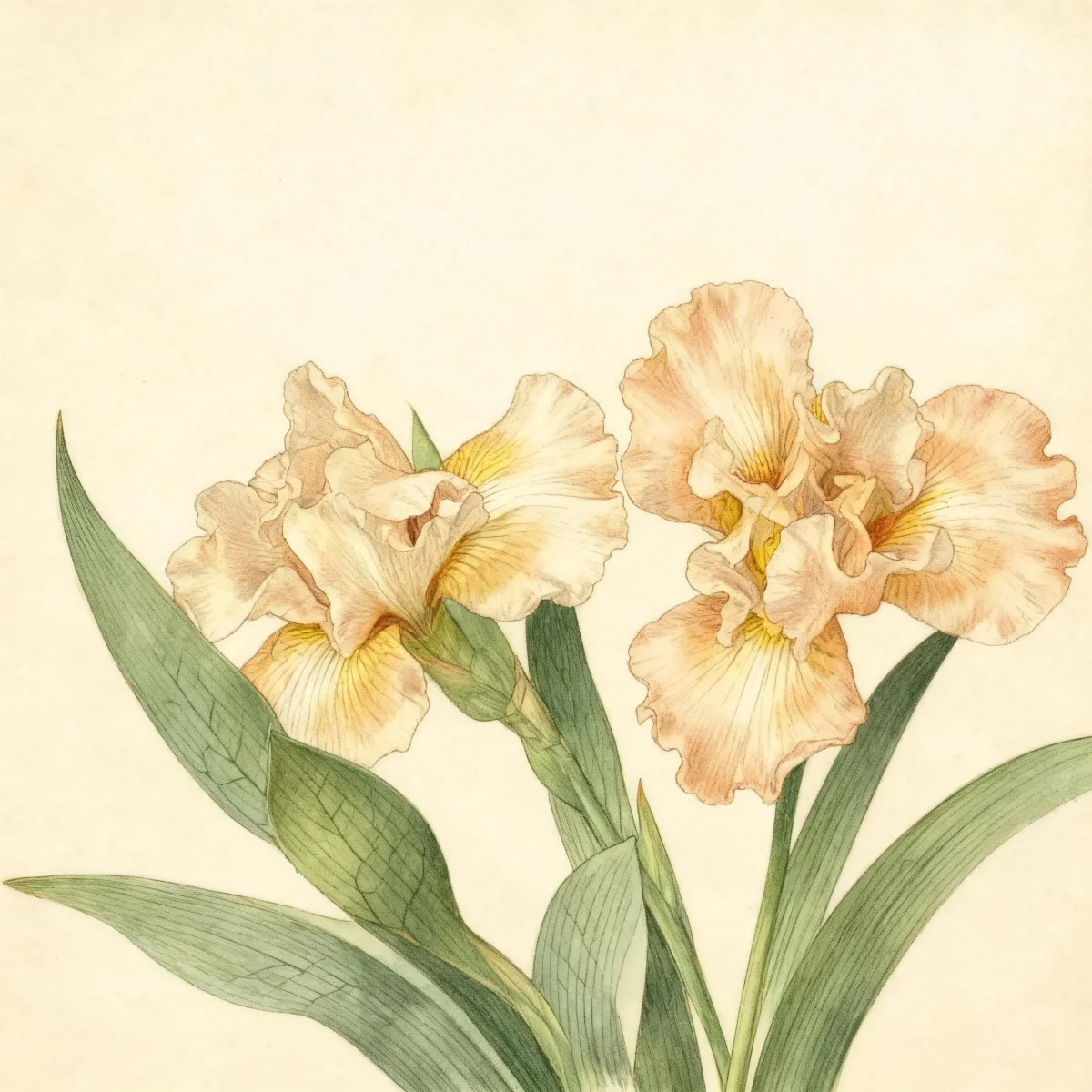
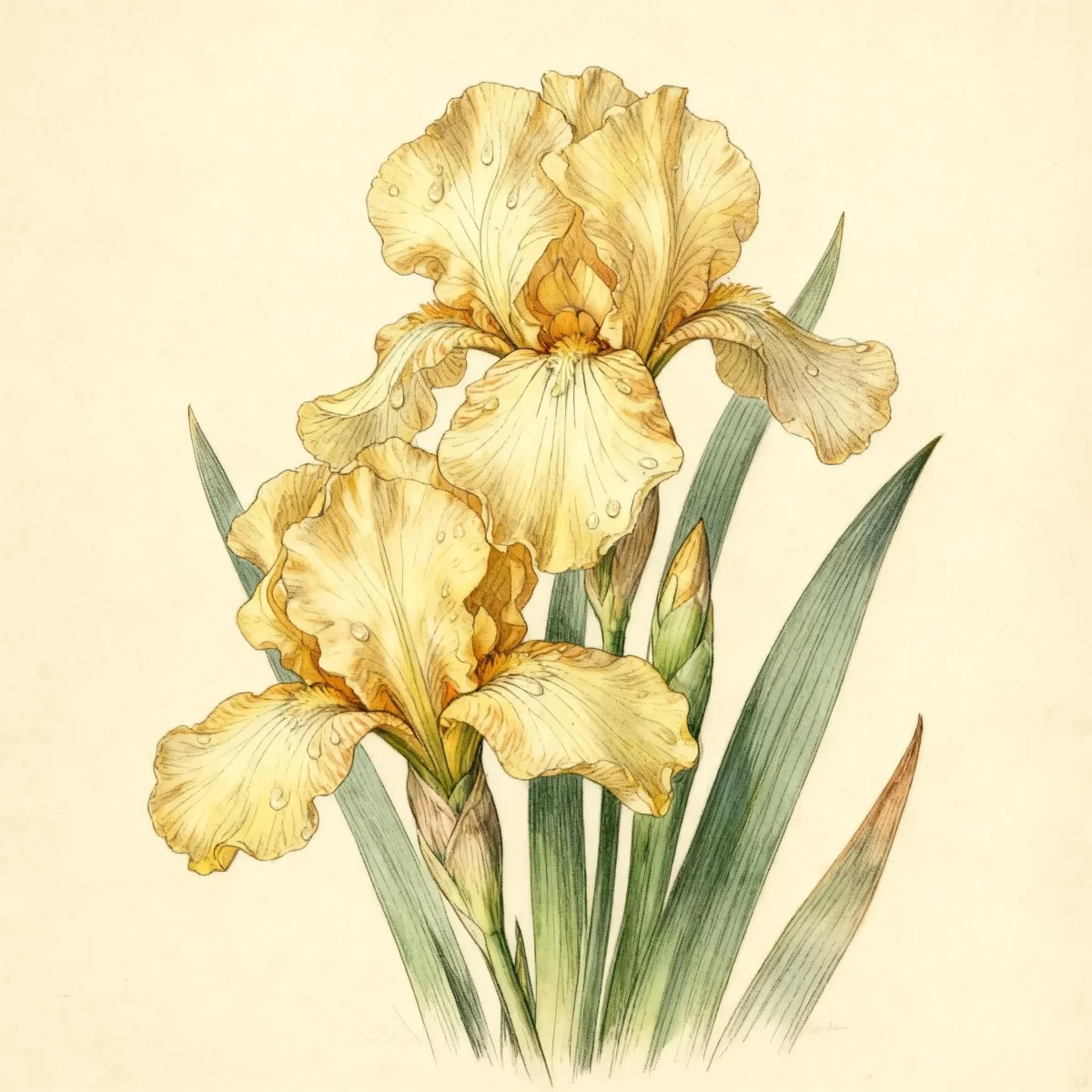
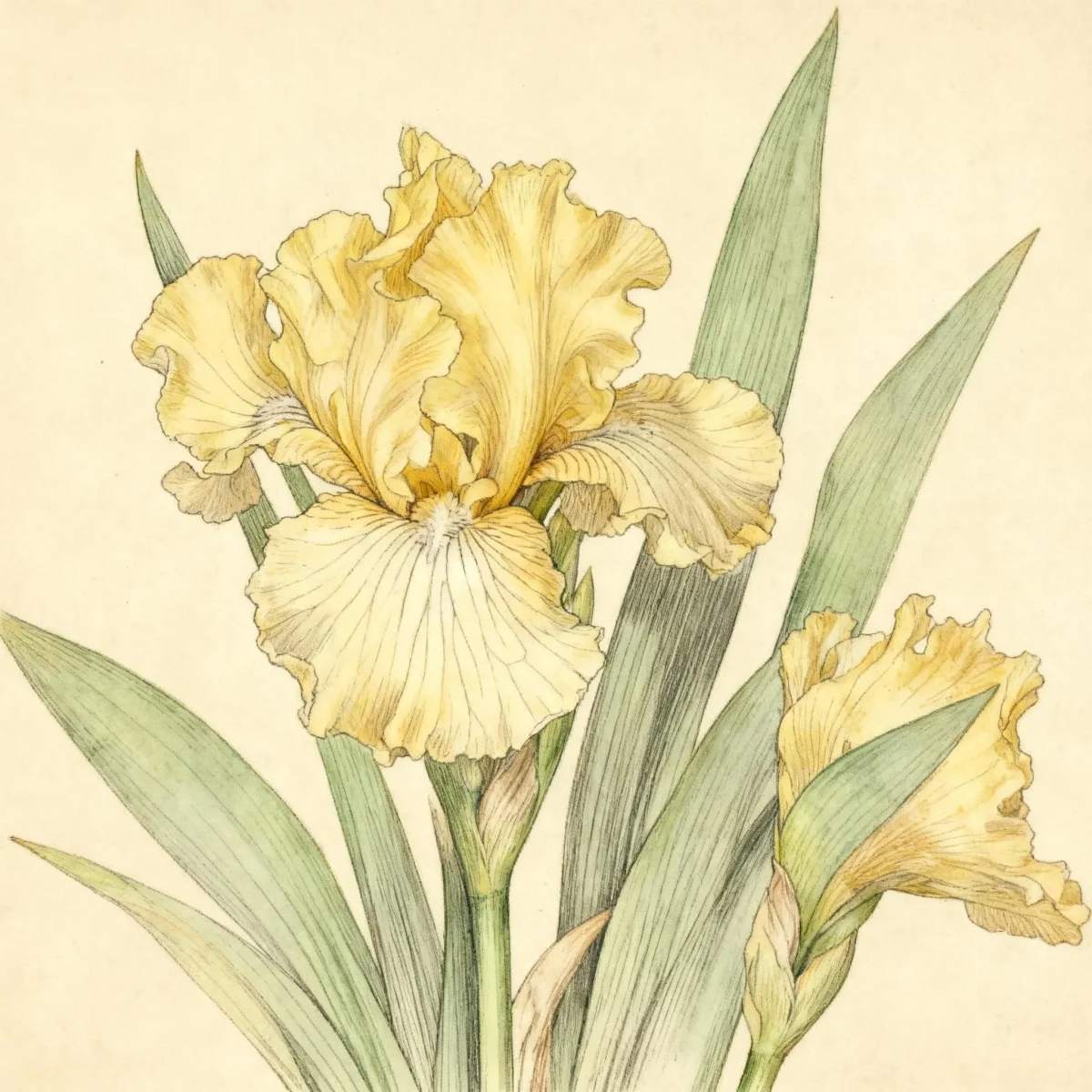
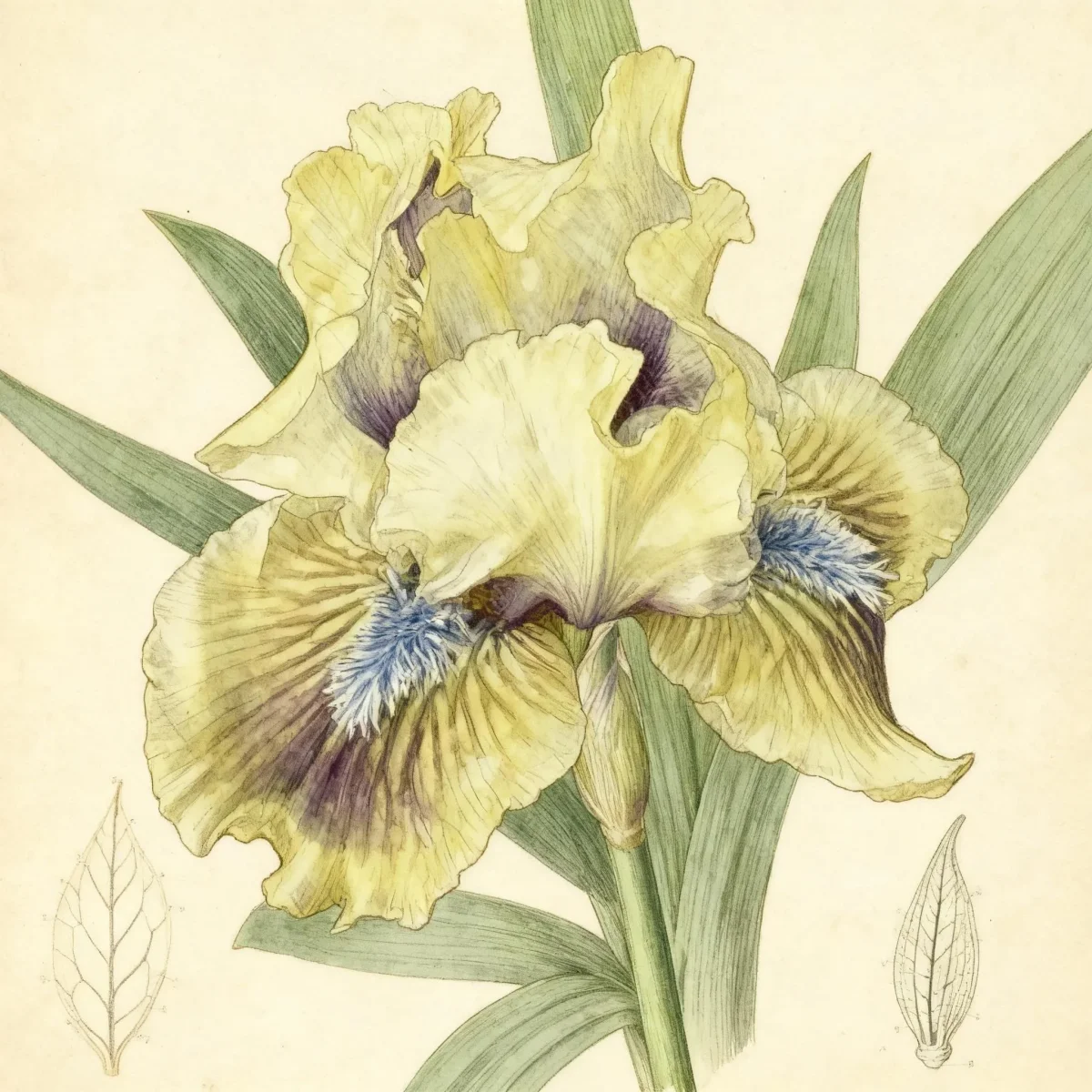
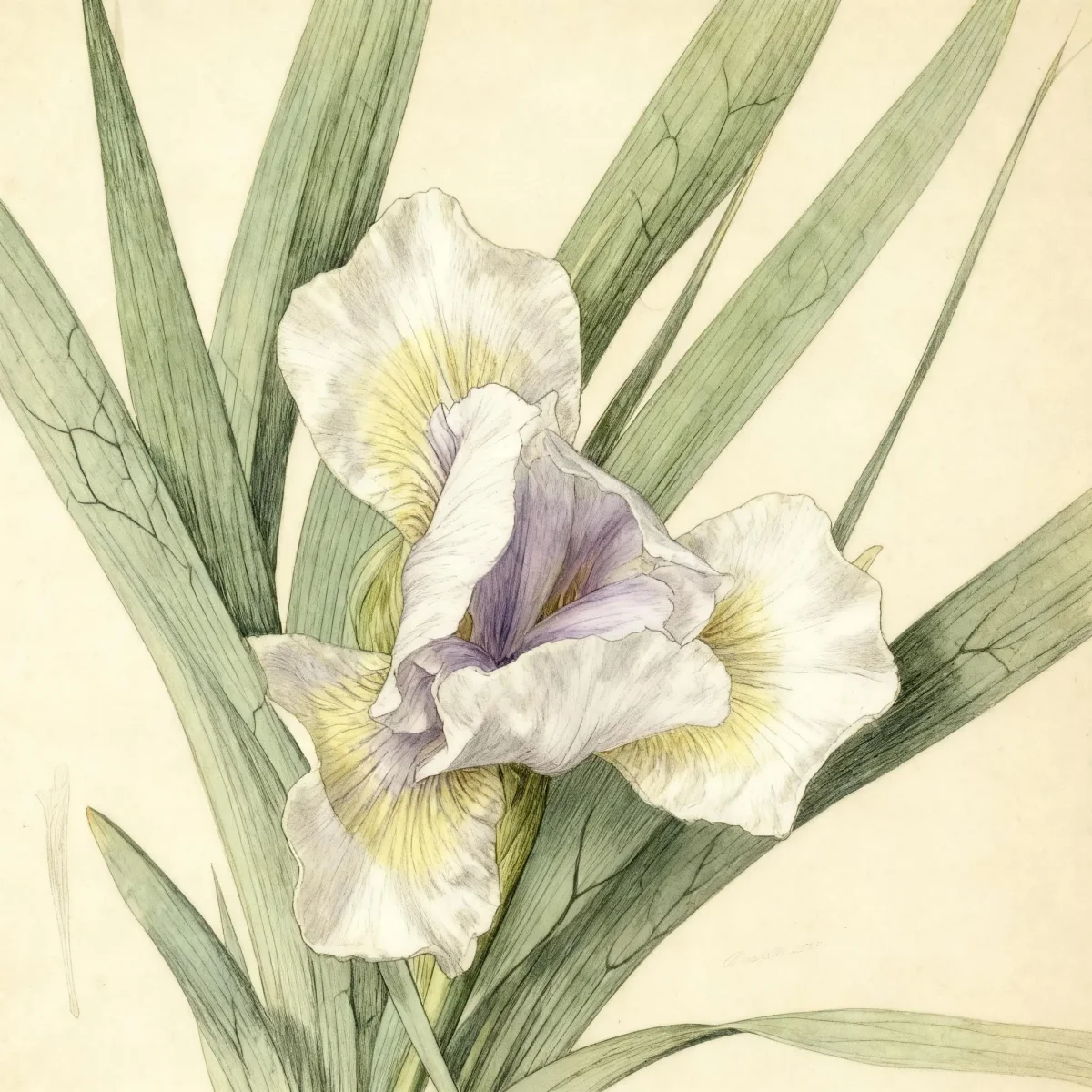
Standard dwarf bearded iris (Iris 'Stealing Home')
Iris 'Stealing Home' is a vibrant Standard dwarf bearded iris with lemon yellow flowers. Thrives in full sun zones 3-8.
Scroll down to discover growing tips, care requirements, companion plants, and more
Complete Plant Information
Overview
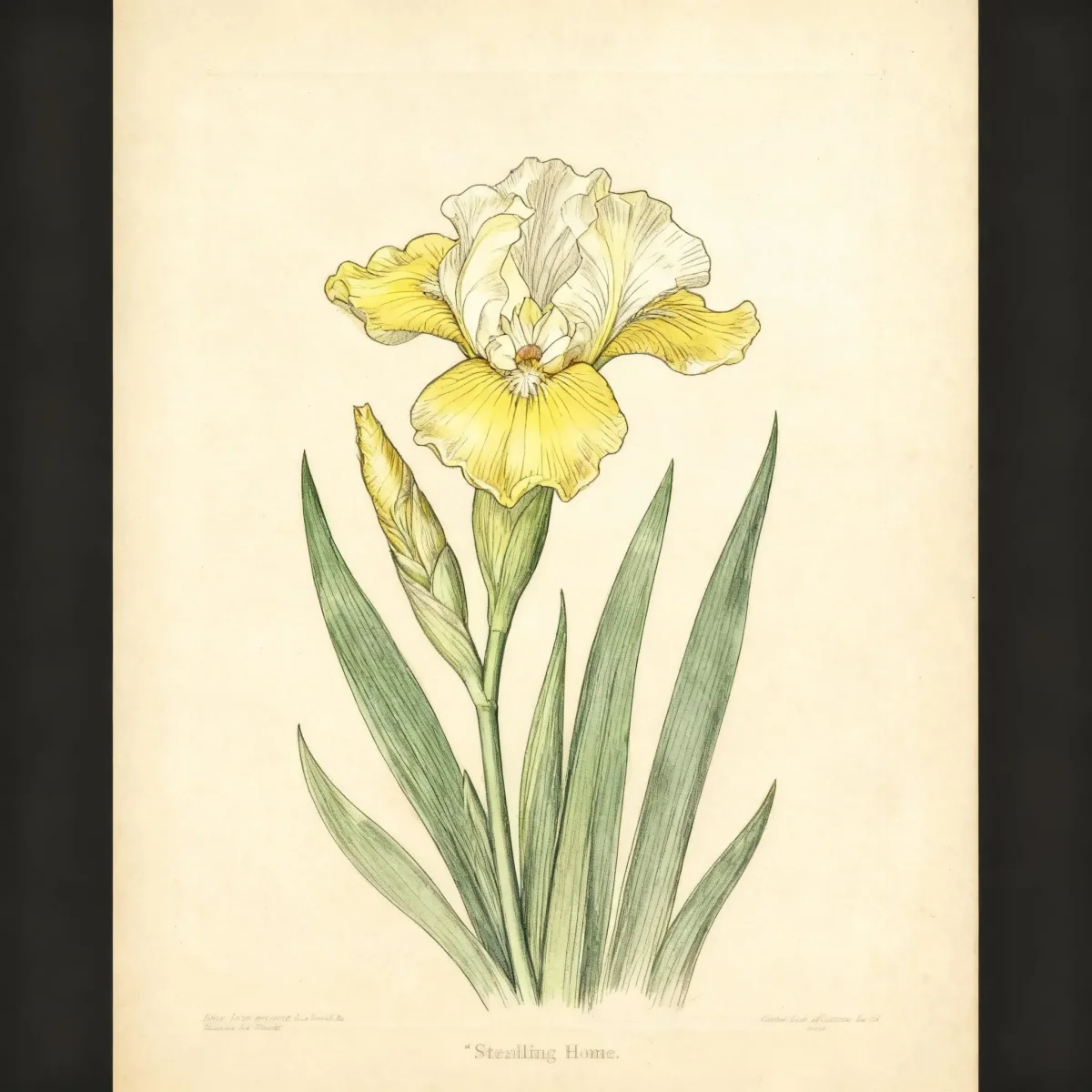
Iris ‘Stealing Home’ offers excellent color and structure to the early-season garden. This Standard dwarf bearded iris cultivar displays cheerful lemon yellow standards and falls accentuated by creamy white throats, making it a standout choice for smaller garden spaces. As a rhizomatous perennial, it reliably forms tidy clumps, providing reliable vertical interest without becoming overly tall or sprawling.
Gardeners value this plant for its medium maintenance requirements and its ability to thrive in sunny borders. The blooms appear in May, typically topping out just under a foot in height, ensuring they integrate well with spring bulbs or provide a foundation for later-season perennials. Proper planting is essential for success with Iris ‘Stealing Home’.
Hardy across a wide range of temperate climates, the Standard dwarf bearded iris provides robust color and architectural form. Its aesthetic appeal, combined with hardiness and drought tolerance once established, makes Iris ‘Stealing Home’ a versatile and rewarding addition to sunny landscape designs.
Fast Facts
- Plant Family: Iridaceae
- Plant Type: Herbaceous perennial
- Hardiness Zones: USDA Zones 3-8
- Size at Maturity:
- Height: 0.5-1 ft
- Spread: 0.5-1 ft
- Bloom Time: May
- Bloom Description: Yellow with white throat
- Sun Exposure: Full sun
- Water Needs: Medium
- Maintenance Level: Medium
How to Grow
The success of your Iris ‘Stealing Home’ hinges on providing excellent drainage. Grow this Standard dwarf bearded iris in average, medium moisture, well-drained soils in full sun. While some part afternoon shade is tolerated, especially in hotter summers, full sun yields the best flowering. Aim to keep the soil consistently moist from spring until about six weeks after the bloom period concludes.
Planting rhizomes should occur from late July through October, depending on your local climate; aim for late summer/early fall to allow root establishment before winter dormancy. When planting Iris ‘Stealing Home’, space the rhizomes 12 to 20 inches apart. It is crucial to plant them shallowly over a small mound of soil, ensuring one-third of the rhizome remains exposed above the soil line, with roots spread horizontally beneath.
Clay soils or areas with heavy, persistent rainfall necessitate special attention to drainage. In such conditions, plant your rhizomes on slopes or use raised beds to effectively mitigate the risk of rhizome rot, a significant threat to iris health. Over time, if clumps become overcrowded, lift the clumps in late summer (August), divide the rhizomes, and replant. Always keep the bed free of weeds to promote good air circulation around the foliage.
Landscape Uses
Standard dwarf bearded iris varieties shine when used near pathways or as a bright foreground element. The manageable size of Iris ‘Stealing Home’ makes it perfect for grouping or massing in sunny rock gardens where good drainage is naturally achieved. Their tidy, erect foliage provides structure throughout the season, even when not in bloom.
Consider using Iris ‘Stealing Home’ along border fronts where they can soften the edge between a walkway and a lawn or garden bed. They also perform admirably when grown in containers, provided the potting mix is fast-draining. Pair these yellow blooms with other early-to-mid-season bloomers that appreciate similar conditions, such as creeping thyme or low-growing sedums, maintaining focus on the full sun requirement.
Standout Features
Flower Qualities
- Showy
Noteworthy Characteristics
Standard Dwarf Bearded Iris is a rhizomatous iris whose numerous hybrid cultivars typically reach 8-16” tall, though Iris ‘Stealing Home’ generally matures closer to 10” high. Each bloom, up to 4” wide, features upright standards and pendant falls, with the characteristic bushy beard clearly visible on the falls. The narrow, erect green leaves usually remain at the same height as, or slightly shorter than, the flower stalks.
Tolerances
- Deer
- Drought
Potential Problems
Several fungal and viral issues can affect iris health, including leaf spot, crown rot, bacterial soft rot, and iris rust. Good cultural practices are the best defense, especially ensuring dry conditions around the rhizomes, as moisture encourages rot. For pests, watch for common garden invaders like slugs, snails, aphids, and thrips.
The most destructive pest to many bearded irises is the iris borer, which can cause significant damage where established. Proactive management of these pests and diseases prevents significant foliage damage and flower loss. Minimize overhead watering to keep foliage dry, which helps reduce the onset of fungal leaf spots.
Frequently Asked Questions
What hardiness zones is Standard dwarf bearded iris suitable for?
This versatile plant, including the Iris ‘Stealing Home’ cultivar, is suitable for USDA Zones 3 through 8, offering broad adaptability across different regions.
How large does Standard dwarf bearded iris grow?
The typical height for this category ranges from 0.5 to 1 foot, with a similar spread of 0.5 to 1 foot, making Iris ‘Stealing Home’ an excellent choice for border fronts.
When does Iris ‘Stealing Home’ bloom?
Iris ‘Stealing Home’ blooms in May, presenting distinctive lemon yellow flowers with creamy white throats.
What sun exposure does Standard dwarf bearded iris need?
This plant requires full sun exposure for optimal flowering and robust growth, although brief periods of light afternoon shade can be tolerated in intense heat.
Conclusion
Iris ‘Stealing Home’ provides reliable structure and bright, cheerful color early in the gardening season. Its resilience, especially its tolerance for drought and deer, makes the Standard dwarf bearded iris a practical favorite. Before planting, confirm your site offers the full sun and, critically, the exceptional drainage required for Iris ‘Stealing Home’ to flourish for years to come.
Propagation Tips
Dividing rhizomes is the standard and most effective method for perpetuating Iris ‘Stealing Home’. Since these plants form dense clumps over time, division helps rejuvenate the plant and prevents overcrowding, which can lead to fewer blooms. This process should be undertaken in late summer, ideally in August, after blooming has finished and the plant has had time to recover.
When dividing, use a garden fork to gently lift the entire clump, ensuring you do not sever the rhizomes unnecessarily. Cut back the foliage to about 6 inches before separating the healthiest sections. Each piece you replant should have at least one healthy fan of leaves and a portion of the rhizome, ready to be planted shallowly following established guidelines.
Companion Planting
Because the Standard dwarf bearded iris thrives in full sun and prefers sharp drainage, select companions that share these high-light, lower-moisture preferences once established. Low-growing, drought-tolerant groundcovers are excellent partners for Iris ‘Stealing Home’ as they won’t compete heavily for soil nutrients or obscure the attractive rhizomes.
Consider pairing these irises with plants that bloom later in the season to extend visual interest in the border. Plants like certain varieties of ornamental grasses (e.g., low Mounds of Blue Fescue) or late-blooming Daylilies that do not require consistently rich, wet soil integrate well culturally. Avoid planting next to moisture-loving perennials that could keep the soil too damp around the iris rhizomes.