Hackberry (Celtis occidentalis)
The tough Hackberry (Celtis occidentalis) is a superb native shade tree thriving in zones 2-9. Tolerant of poor soils and pollution.
Scroll down to discover growing tips, care requirements, companion plants, and more
Complete Plant Information
Overview
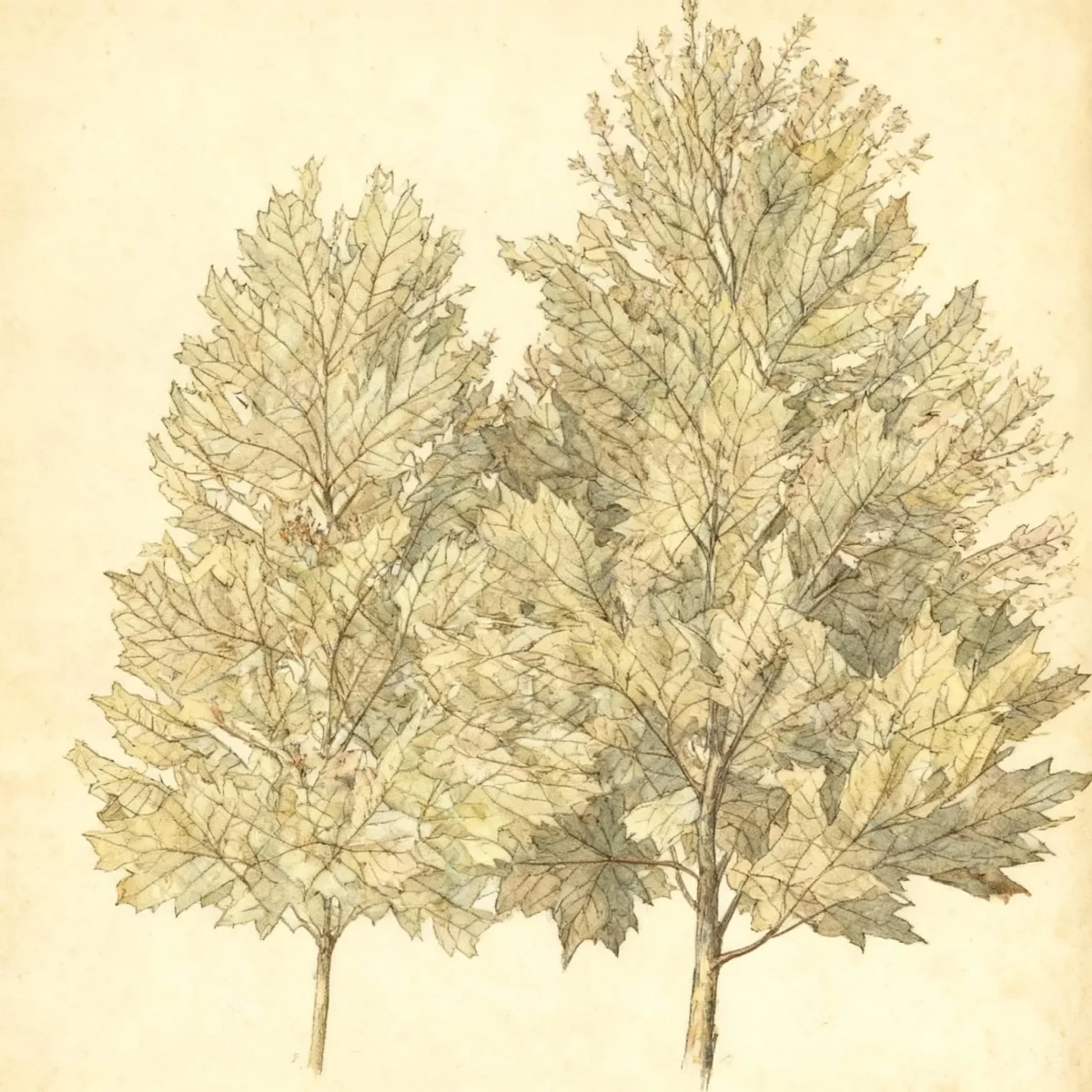
The Hackberry (Celtis occidentalis) is supremely valued by urban horticulturists and landscape designers for its incredible resilience. This medium to large deciduous tree develops a broad, rounded crown ideal for casting significant shade over open areas. As a U.S. Native, the Celtis occidentalis provides essential structure and habitat throughout the central and northeastern regions of the continent.
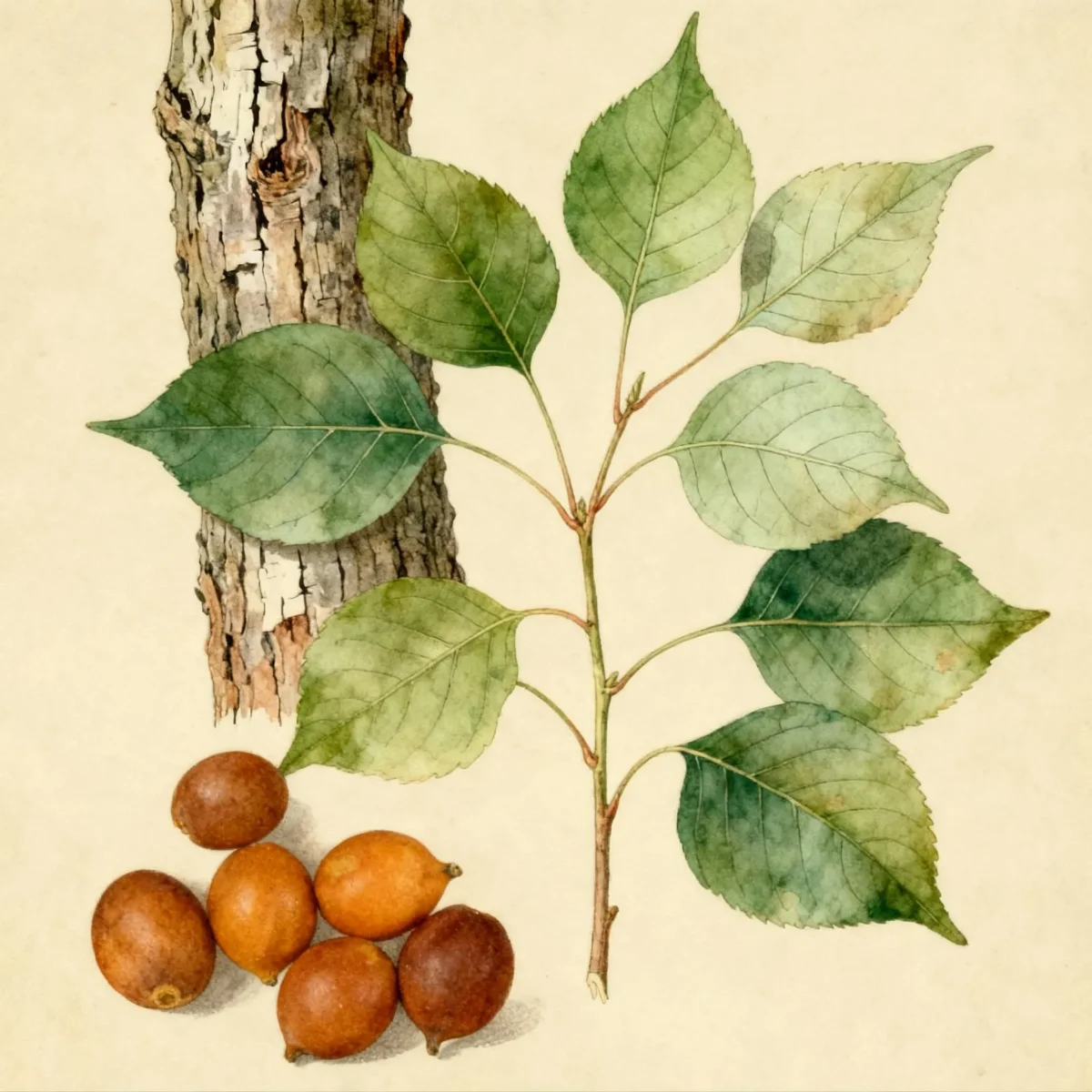
Characterized by mature gray bark that develops a distinctive, warty, corky-ridged texture, the Hackberry offers year-round interest. It grows reliably to heights between 40 and 60 feet, making it a substantial feature in any yard or right-of-way. Its strong constitution allows it to handle the stresses of city life better than many ornamental species.
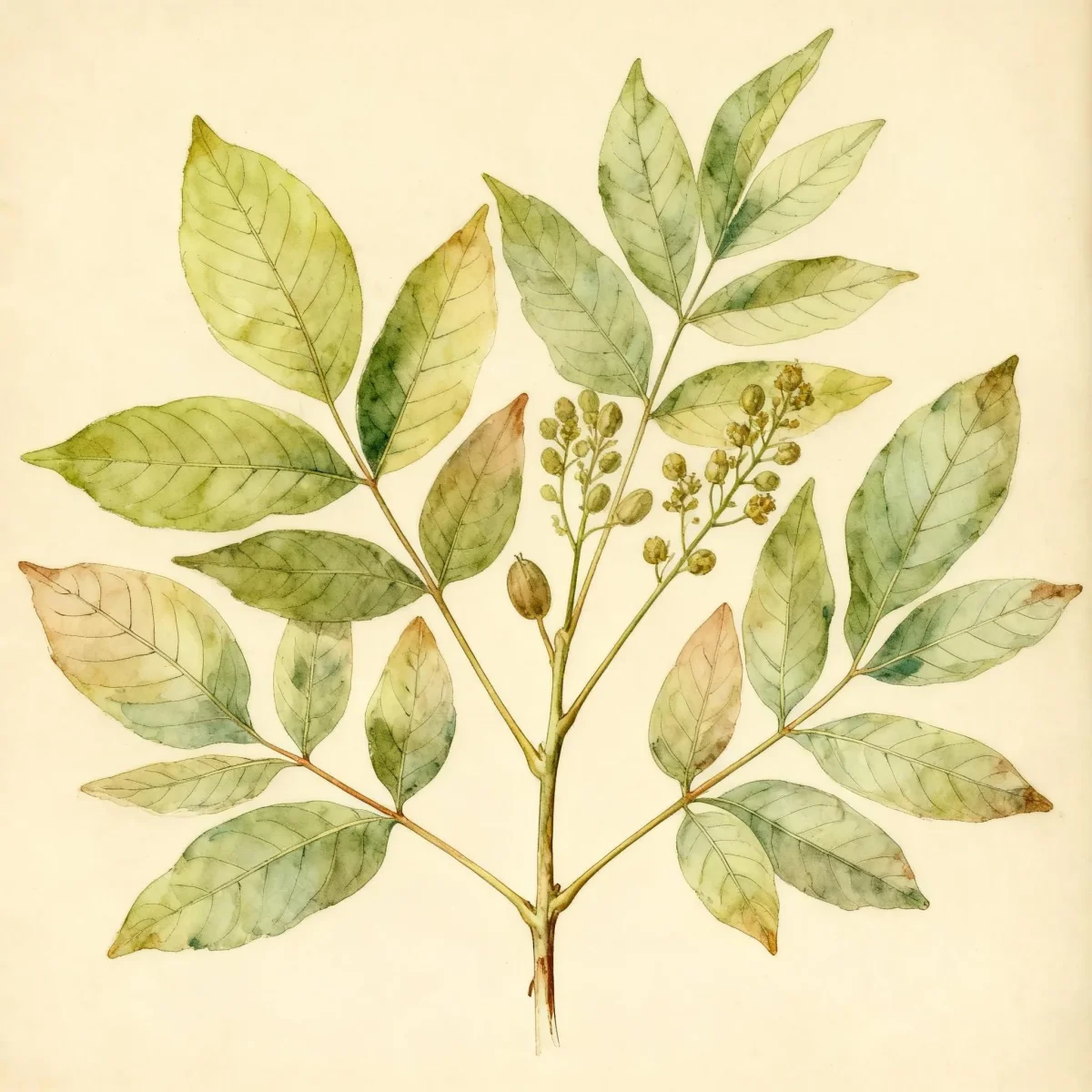
Functionally, this tree is a low-maintenance workhorse, easily enduring tough soil, wind, and pollution. While its small, greenish flowers are generally insignificant, the subsequent purple drupes provide important food for wildlife, cementing the ecological value of the common hackberry in the landscape.
Fast Facts
- Plant Family: Cannabaceae
- Plant Type: Tree
- Native Range: Central and northeastern North America
- Hardiness Zones: USDA Zones 2-9
- Size at Maturity:
- Height: 40-60 ft
- Spread: 40-60 ft
- Bloom Time: April to May
- Bloom Description: Green
- Sun Exposure: Full sun to part shade
- Water Needs: Medium to wet
- Maintenance Level: Low
How to Grow
For optimal establishment, plant the Celtis occidentalis in the spring or fall when conditions are slightly cooler. Location selection requires acknowledging its preference for moist, organically rich, well-drained soils, though its legendary toughness means it will adapt. It performs best in full sun but tolerates partial shade, making it flexible for varied site planning.
Care for the Hackberry is generally minimal once established; its low maintenance level is a major selling point. Ensure newly planted trees receive consistent water, matching its medium to wet needs until the root system develops. Mature specimens handle drought periods exceptionally well thanks to their adaptable nature, which also allows them to thrive in clay soils and poorly drained areas. Specific pruning should focus only on removing damaged or crossing branches, as significant shaping is rarely necessary for this species.
This tree shows remarkable fortitude against challenging environmental factors. It readily accepts urban pollution and wind exposure, making it an excellent street tree candidate. When planting near paved areas, caution is advised as the persistent seed drop can create cleanup issues on sidewalks and patios.
Landscape Uses
The primary utility of the Hackberry lies in its superior performance as a strong shade tree and street tree. Its wide, spreading canopy provides excellent relief from summer sun across large lawns or open park settings. Furthermore, its high tolerance for poor conditions, including wet soil and air pollution, positions it perfectly for use in challenging median strips or rain garden installations where other trees might fail.
When selecting cultivars, landscape professionals often favor varieties specifically bred for resistance to witches’ broom, ensuring a cleaner aesthetic, especially when positioning the Celtis occidentalis near homes or seating areas. While it provides reliable structure, remember the fruit drop. Placing the Hackberry away from immediate pedestrian traffic, patios, or driveways mitigates any potential nuisance caused by ripened drupes.
Because the common hackberry is native to rich low woods, it pairs well with other robust native understory plants that enjoy ample moisture, such as certain ferns or moisture-loving native grasses. Its dense summer foliage provides a solid, reliable green backdrop throughout the growing season.
Standout Features
Flower Qualities
- Insignificant
Fruit Qualities
- Edible
Noteworthy Characteristics
Celtis occidentalis, commonly called common hackberry, is a medium to large sized deciduous tree that typically grows 40-60’ (less frequently to 100’) tall with upright-arching branching and a rounded spreading crown. Mature gray bark develops corky ridges and warty texture, offering excellent winter appeal. Insignificant, mostly monoecious, greenish flowers appear in spring (April-May), with female flowers yielding round, fleshy, purple drupes that are attractive to diverse wildlife.
Tolerances
- Drought
- Clay Soil
- Wet Soil
- Air Pollution
Potential Problems
The most common aesthetic issue for the Hackberry is the Hackberry nipple gall, caused by an insect that forms small bumps on the leaves, often appearing throughout the Midwest. While visually distracting, these galls rarely cause harm to a healthy Celtis occidentalis. Another issue is the presence of witches’ broom, which creates dense, distorted clusters of twigs at branch ends, though this is usually only a cosmetic concern.
Fungal issues like powdery mildew and leaf spot can occasionally appear, particularly in humid conditions. Root rot is a possibility if the soil drainage is exceptionally poor, despite the species’ tolerance for wet conditions. Gardeners should also monitor for minor sap-sucking pests like lacebugs and scale, although systemic infestations are rare in established, well-situated trees.
Frequently Asked Questions
What hardiness zones is Hackberry suitable for?
The Hackberry (Celtis occidentalis) is exceptionally hardy, suitable for planting across USDA Zones 2 through 9.
How large does Hackberry grow?
This robust tree typically matures to a height between 40 and 60 feet, with an equal spread, forming a balanced, rounded crown.
What sun exposure does Celtis occidentalis need?
The Celtis occidentalis performs optimally in full sun but demonstrates good adaptability by tolerating partial shade.
When does Hackberry bloom?
Flowering occurs relatively early, typically between April and May, producing inconspicuous green flowers.
Conclusion
The Hackberry (Celtis occidentalis) stands out as an exceptionally tough, native centerpiece for any landscape needing reliable, low-maintenance shade. Its high tolerance for urban stressors and poor soils makes the common hackberry an indispensable choice for challenging planting sites. Before planting, verify that your site falls within USDA Zones 2-9 and plan placement carefully to accommodate its mature size and potential fruit drop.
Wildlife Benefits
The fruit production of the Hackberry is a significant asset for native ecosystems, providing essential food resources late in the season. The small, round drupes mature to a deep purple and are highly sought after by numerous bird species, including robins, cedar waxwings, and mockingbirds. Birds consume the fleshy outer layer and disperse the single seed, aiding the natural spread of Celtis occidentalis.
Beyond direct food sources, the dense, wide-spreading canopy of the mature Hackberry offers excellent shelter and nesting environments. Its sturdy branching structure supports both small and large nesters, contributing positively to local biodiversity, especially in developed or otherwise sparse residential areas lacking significant mature tree cover.
Companion Planting
Given the Celtis occidentalis prefers medium to wet soils and full sun, pairing it with other robust, moisture-tolerant natives enhances the overall planting scheme. Consider incorporating native shrubs that thrive in similar conditions, such as various species of dogwood (Cornus) if soil moisture is adequate, or native viburnums that appreciate periodic wet feet.
For groundlayers beneath the canopy, prioritize adaptable herbaceous perennials that tolerate periodic competition from the wide-spreading roots of the Hackberry. Plants such as cardinal flower (Lobelia cardinalis) or turtlehead (Chelone spp.) do well in rich, moist soil and will provide color without demanding intense maintenance near the tree base.