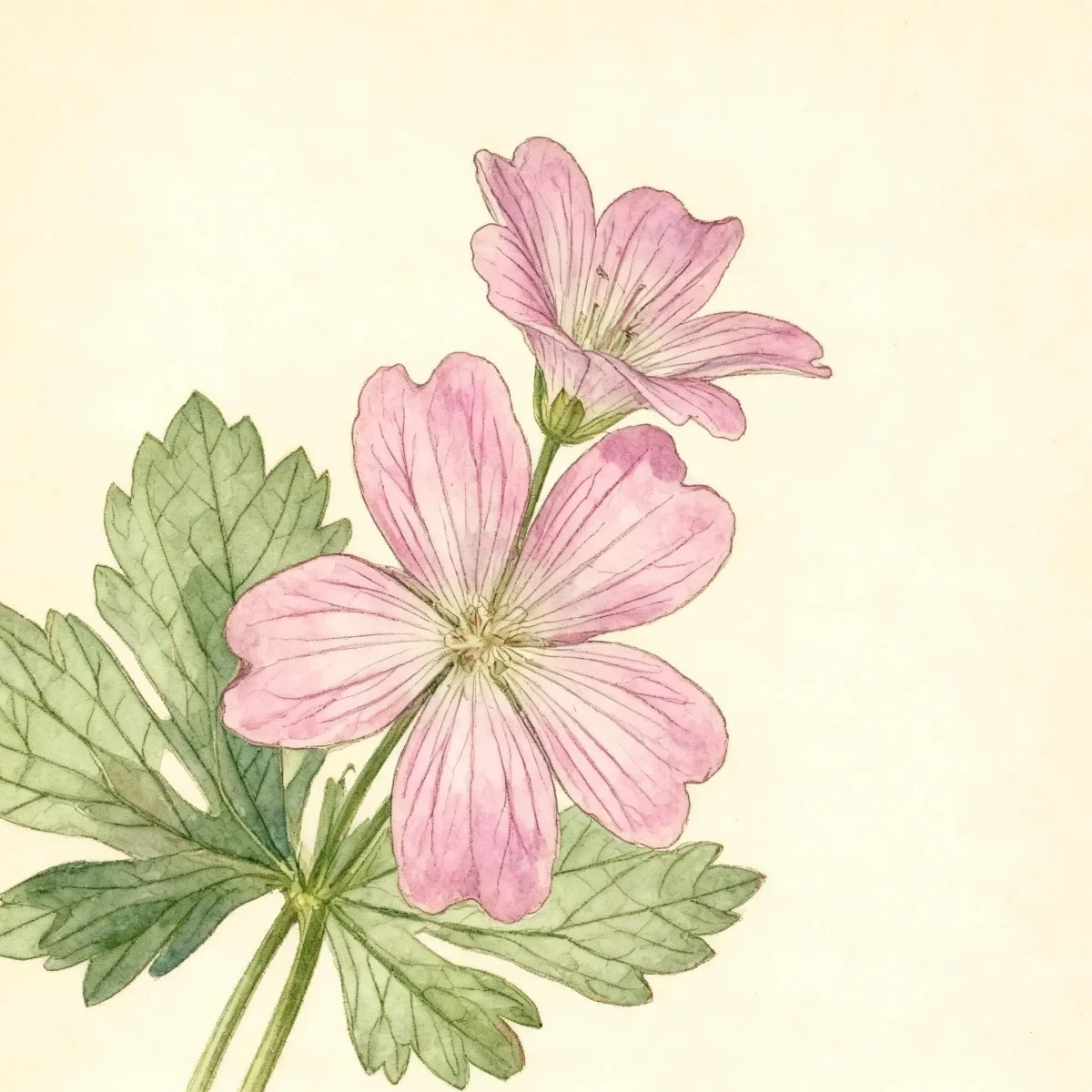
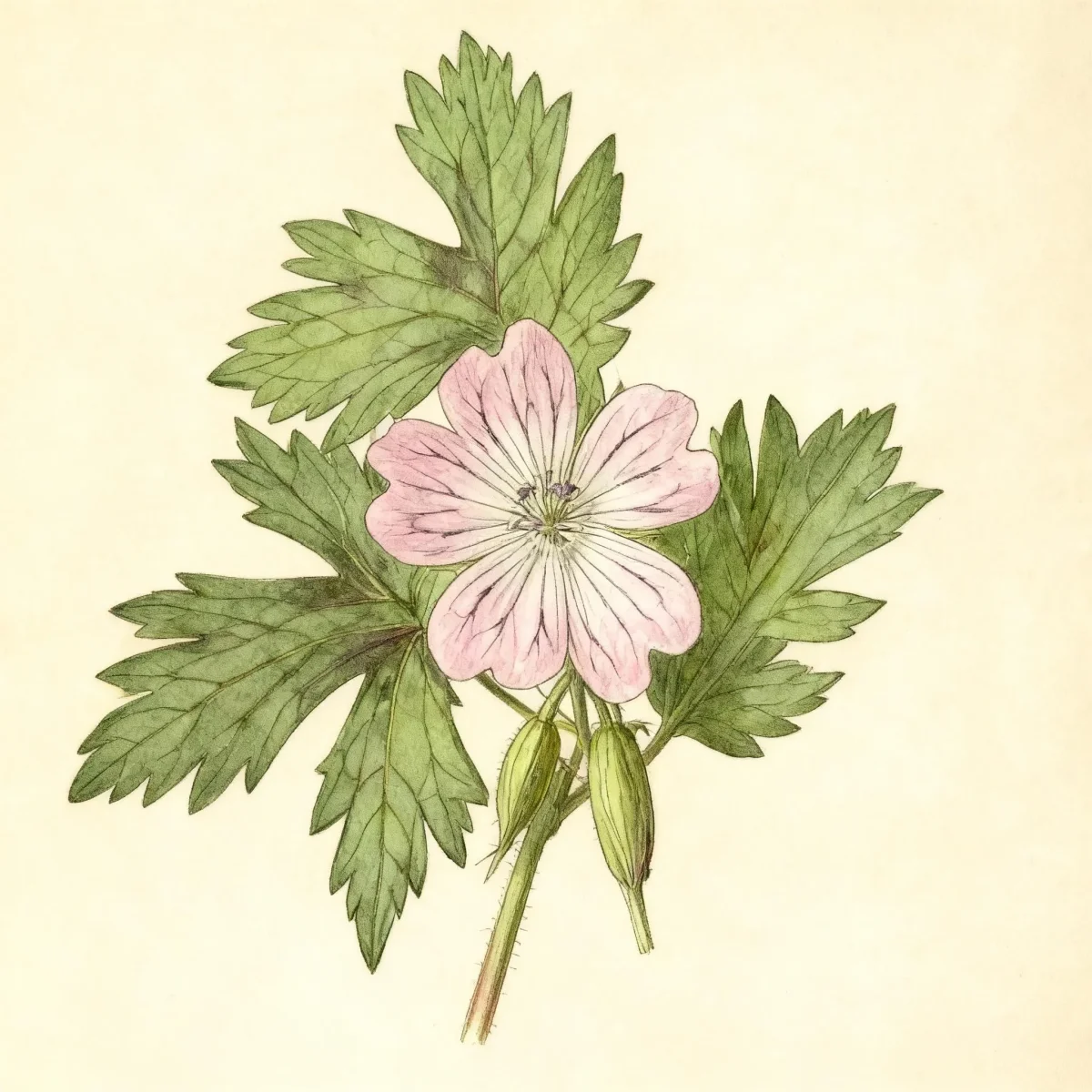
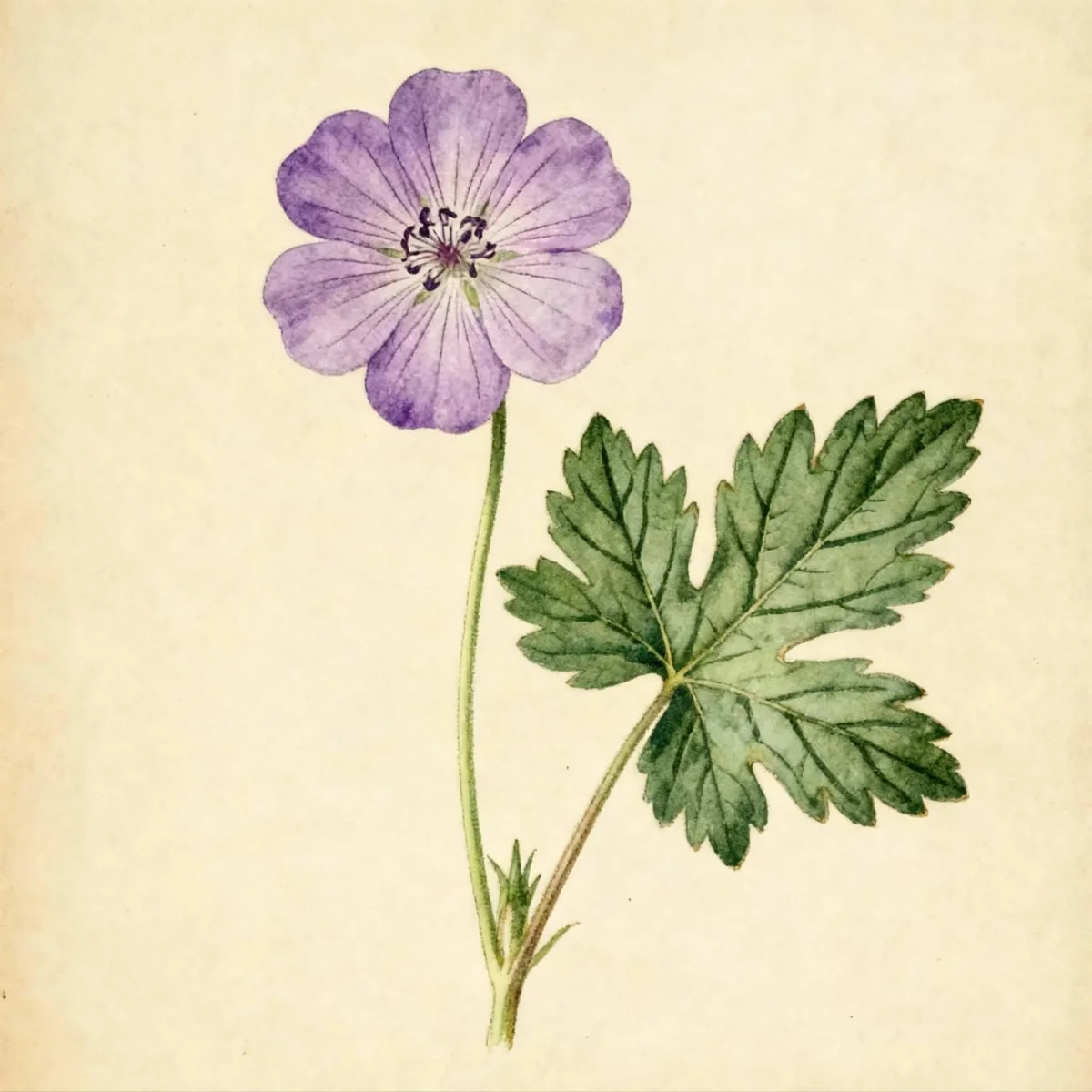
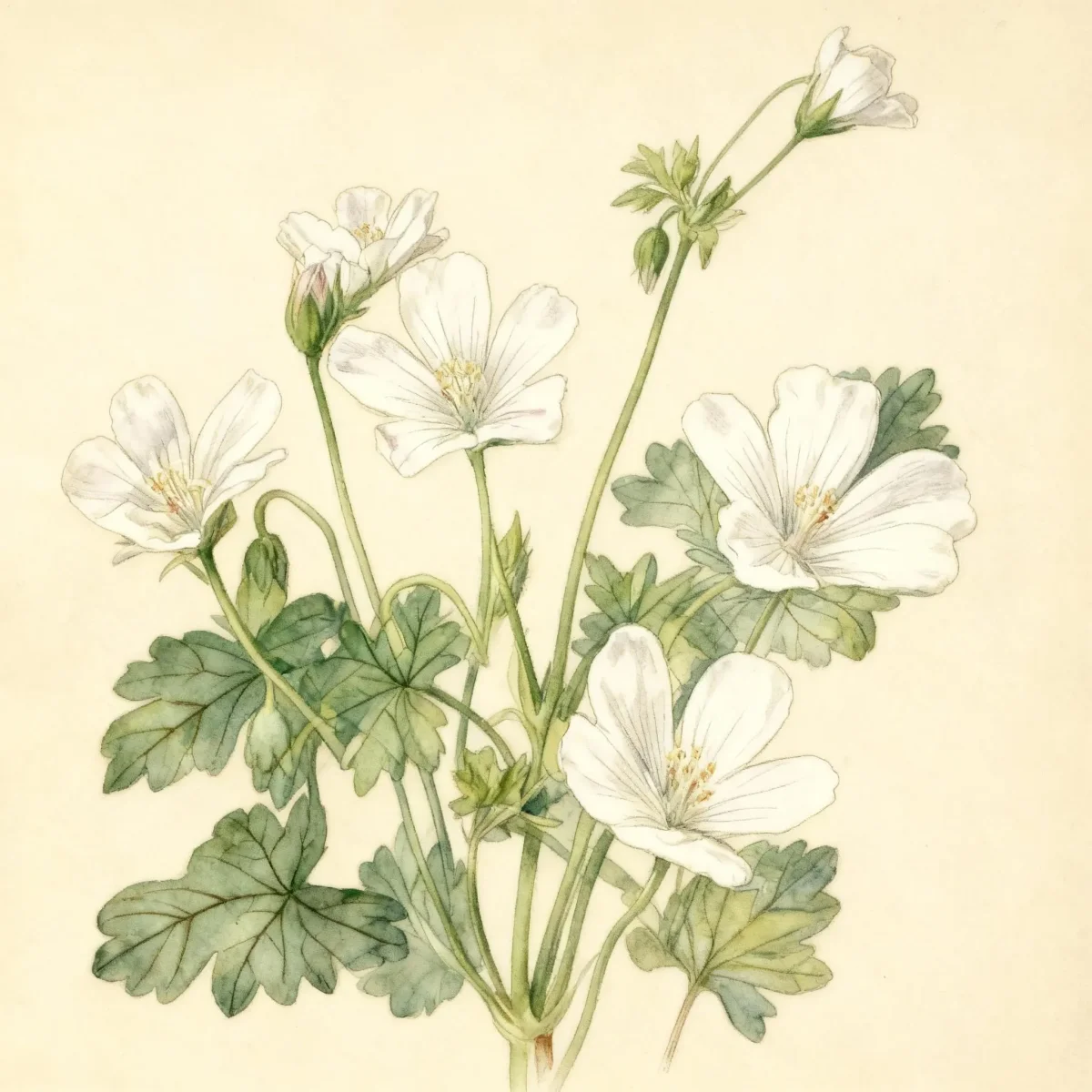
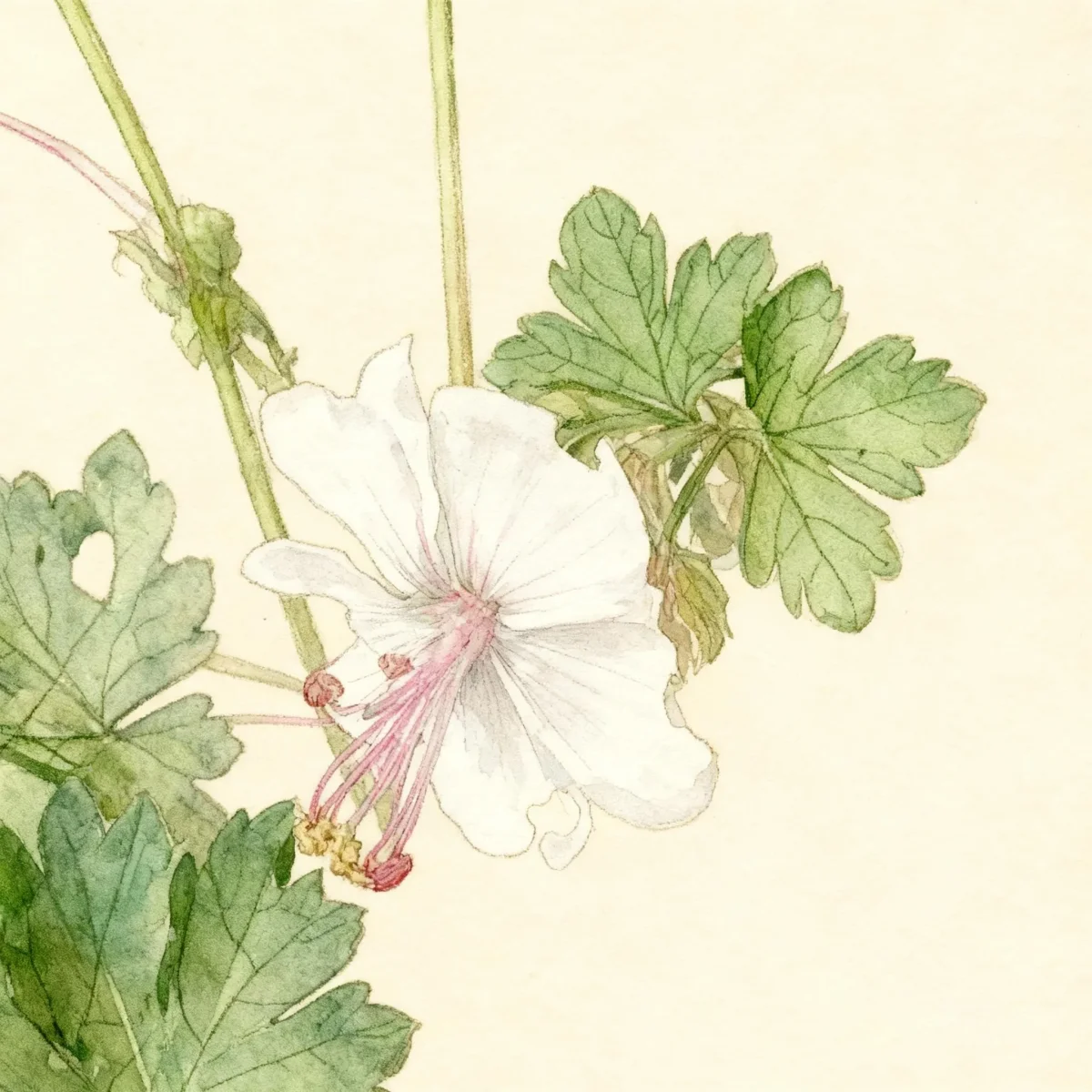
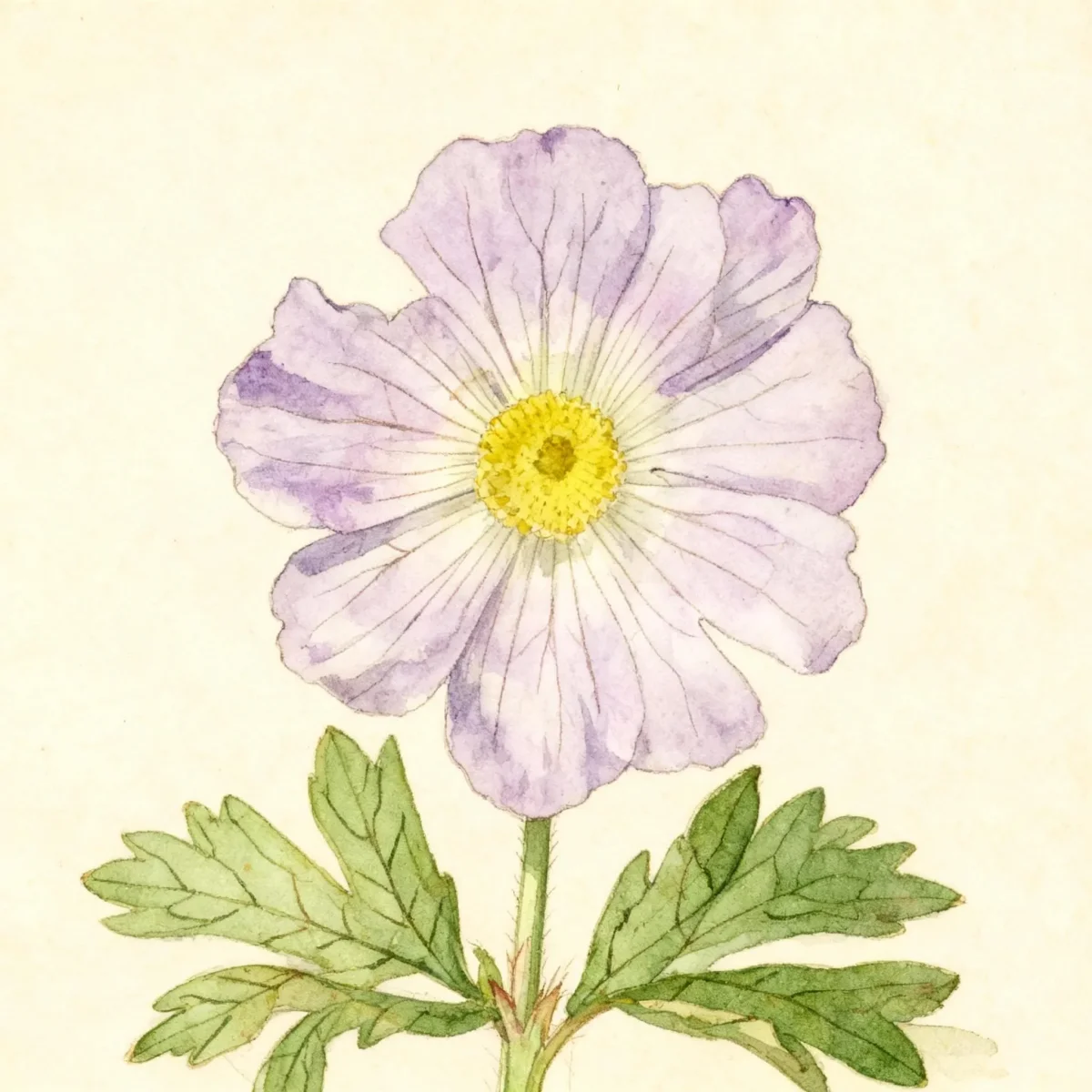
Hardy geranium (Geranium × cantabrigiense 'Karmina')
Geranium × cantabrigiense 'Karmina' is a rugged Hardy geranium creating a dense carmine-red flowering carpet suitable for zones 5-8.
Scroll down to discover growing tips, care requirements, companion plants, and more
Complete Plant Information
Overview
Geranium × cantabrigiense ‘Karmina’ belongs to the Geranium family, offering gardeners a robust and attractive groundcover solution. This specific cultivar is highly valued for its dense habit and the mass of carmine red flowers it produces from late spring into early summer. As a Hardy geranium, it provides reliable texture and color, spreading via trailing stems to form a dense, semi-evergreen carpet.
This sterile hybrid geranium is known for its good performance across various conditions, thriving in average, well-drained soil. Its relatively low stature (under 1 foot) makes it excellent for softening hardscapes or filling in larger beds where low maintenance is desired. The aromatic, glossy foliage adds year-round interest alongside its vibrant performance when Geranium × cantabrigiense ‘Karmina’ is in full bloom.
Gardeners appreciate this specific Hardy geranium for its resilience against common pests like rabbits and deer. When properly sited in full sun to partial shade, Geranium × cantabrigiense ‘Karmina’ establishes quickly, making it an easy choice for filling space or controlling erosion on slopes. Its widespread utility confirms its status as a reliable workhorse in temperate perennial landscapes.
Fast Facts
- Plant Family: Geraniaceae
- Plant Type: Herbaceous perennial
- Hardiness Zones: USDA Zones 5-8
- Size at Maturity:
- Height: 0.5-1 ft
- Spread: 0.5-1 ft
- Bloom Time: May to June
- Bloom Description: Carmine red
- Sun Exposure: Full sun to part shade
- Water Needs: Medium
- Maintenance Level: Medium
How to Grow
The ideal establishment period for Geranium × cantabrigiense ‘Karmina’ is when planted in average, medium moisture, well-drained soil. While it can tolerate some drought once established, this vigorous spreader performs best and spreads most effectively in moist, humusy soils that drain freely. Ensure your site receives either full sun or partial shade to maximize flowering potential for this hardy geranium. Little initial care is needed beyond consistent watering to help the plant settle into its permanent location.
Routine care for Geranium × cantabrigiense ‘Karmina’ involves minimal intervention. Generally, fertilizing is unnecessary; focus instead on ensuring adequate moisture, especially during hot, dry spells. Deadheading the spent blooms is often considered tedious for large masses and is not strictly required for plant health, though removing them can sometimes encourage light rebloom.
A key cultural takeaway is managing its growth habit, especially in hot climates where the foliage may begin to decline after the main flush of bloom. In such cases, lightly shearing the plant back by shaping the side stems will rejuvenate the leaves, helping the Geranium × cantabrigiense ‘Karmina’ maintain a tidier appearance into late summer. This simple shearing technique revitalizes the texture until the next season.
Landscape Uses
The versatile nature of this Hardy geranium makes it an excellent choice in numerous design applications. It excels when massed together to create a dense ground cover, effectively smothering weeds and stabilizing soil across slopes or large areas. Its low, spreading habit is also perfect for softening the edges of walkways or complementing taller perennials when used at border fronts.
For rock gardens, the compact yet flowing nature of Geranium × cantabrigiense ‘Karmina’ provides vital softening elements, contrasting nicely with hard stone textures. Furthermore, its ability to form a mat of semi-evergreen leaves means it can be used as a seasonal edging element. Consider pairing this carmine-flowered plant with lighter green foliage species or cool-toned blue flowers for high-impact color contrast.
Standout Features
Flower Qualities
- Showy
Noteworthy Characteristics
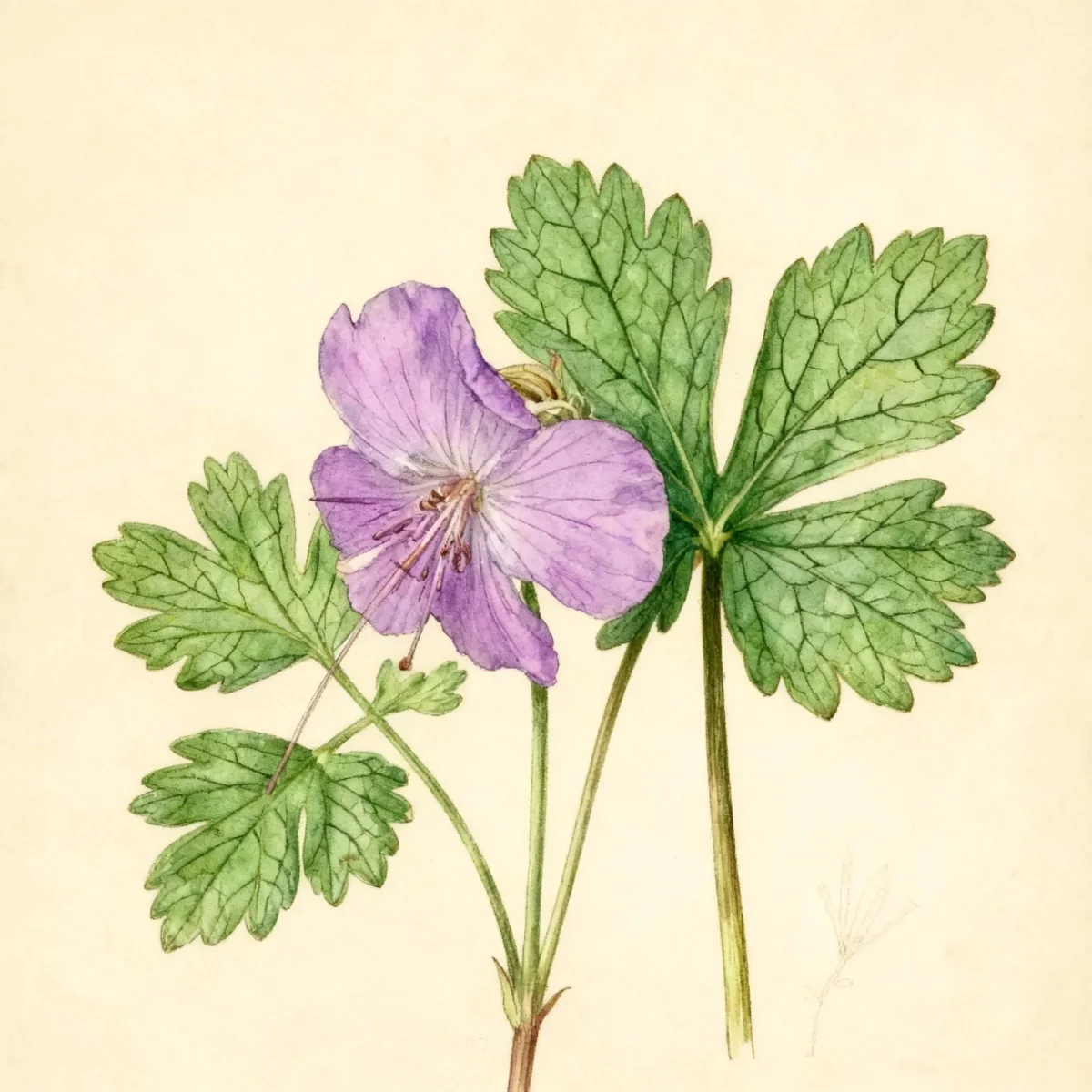
Geranium × cantabrigiense is a sterile hybrid geranium developed in 1974 from a cross between G. Macrorrhizum and G. Dalmaticum. Plants spread by trailing stems to form a foliage carpet, featuring aromatic, deeply-cut, 7-lobed, glossy light green leaves. The cultivar ‘Karmina’ specifically matures to only 6-10” high, showcasing masses of 5-petaled, carmine red flowers, creating a respectable, low-growing carpet quickly.
Tolerances
- Rabbit
- Deer
Potential Problems
This variety of Hardy geranium generally exhibits no serious insect or disease problems, contributing to its low maintenance reputation. However, like many geraniums, it may occasionally show some susceptibility to common fungal issues such as leaf spots and rusts. Prevention centers on good gardening practice, primarily ensuring excellent air circulation around the foliage and avoiding overhead watering late in the day to keep leaves dry. If minor leaf spotting occurs, proper cultural adjustments usually resolve the issue without chemical intervention.
Frequently Asked Questions
What hardiness zones is Hardy geranium suitable for?
Geranium × cantabrigiense ‘Karmina’ is reliably hardy in USDA Zones 5 through 8.
How large does Geranium × cantabrigiense ‘Karmina’ grow?
This plant typically reaches a height between 0.5 and 1 foot tall, spreading out to a similar width of 0.5 to 1 foot.
When does Geranium × cantabrigiense ‘Karmina’ bloom?
This Hardy geranium offers its main display of carmine red flowers between May and June.
What sun exposure does Geranium × cantabrigiense ‘Karmina’ need?
This plant performs best when situated in locations that receive full sun to partial shade.
Conclusion
Geranium × cantabrigiense ‘Karmina’ stands out as an exceptionally useful, durable, and colorful perennial for ground cover duties in temperate gardens. Its reliable pest resistance coupled with vibrant carmine red blooms ensures aesthetic appeal throughout the late spring season. Before incorporating this wonderful Hardy geranium into your landscape, confirm your garden falls within USDA Zones 5-8 to ensure its long-term success.
Companion Planting
When selecting partners for Geranium × cantabrigiense ‘Karmina’, focus on plants that share similar requirements for soil moisture and sun exposure. Since this plant prefers medium moisture and partial shade, consider pairing it with shade-tolerant bulbs like Snowdrops (Galanthus) for early spring interest before the geranium’s foliage fully expands. Hostas, particularly those with fine textures or chartreuse coloring, make excellent companions, providing contrasting leaf shapes as the Hardy geranium flowers fade.
For spots receiving more sun, low-growing Alchemillas (Lady’s Mantle) complement the texture well, while their fuzzy, soft green foliage provides a soft foil to the glossy, deeply lobed leaves of the Geranium × cantabrigiense ‘Karmina’. Avoid planting it near extremely dry-tolerant species, as this variety benefits significantly from consistent moisture for optimal spreading and coverage.
Seasonal Care Calendar
Spring is the primary time for preparing your Geranium × cantabrigiense ‘Karmina’ for its flowering season. After the last hard frost, clear away any heavy leaf debris that may have settled in the foliage, checking for any winter damage. Begin regular watering schedules if the spring proves dry, ensuring soil remains evenly moist as new growth accelerates.
Once the main bloom period ends in mid-summer (July/August), assess the plant’s current appearance. If the foliage looks tired or tattered, especially in hotter climates, perform a light shearing—cutting the stems back by one-third or one-half. This encourages a fresh flush of invigorating, attractive leaves, often resulting in a sporadic rebloom later in the season. Minimal attention is required through fall and winter, as the leaves usually persist partially, offering some evergreen structure.