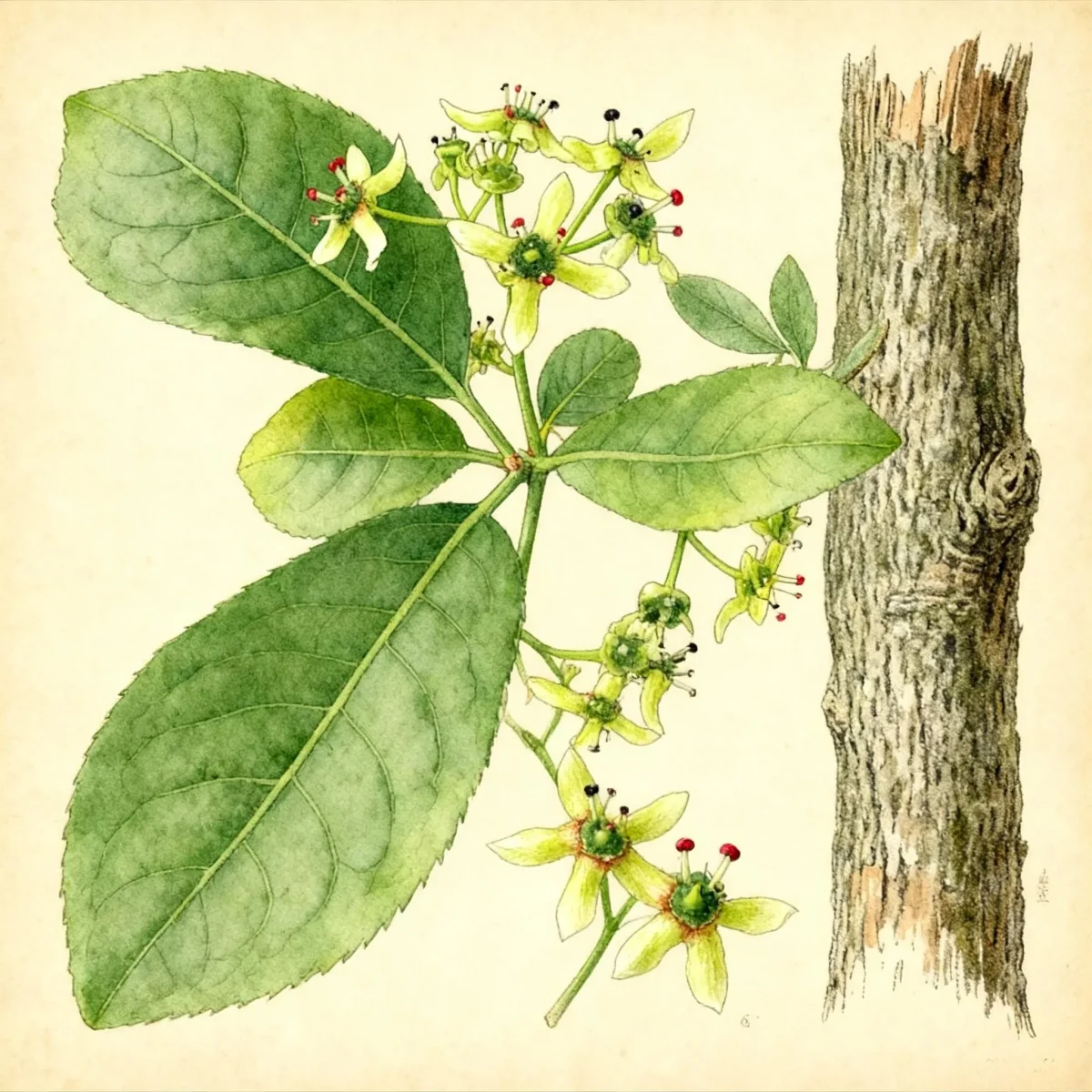
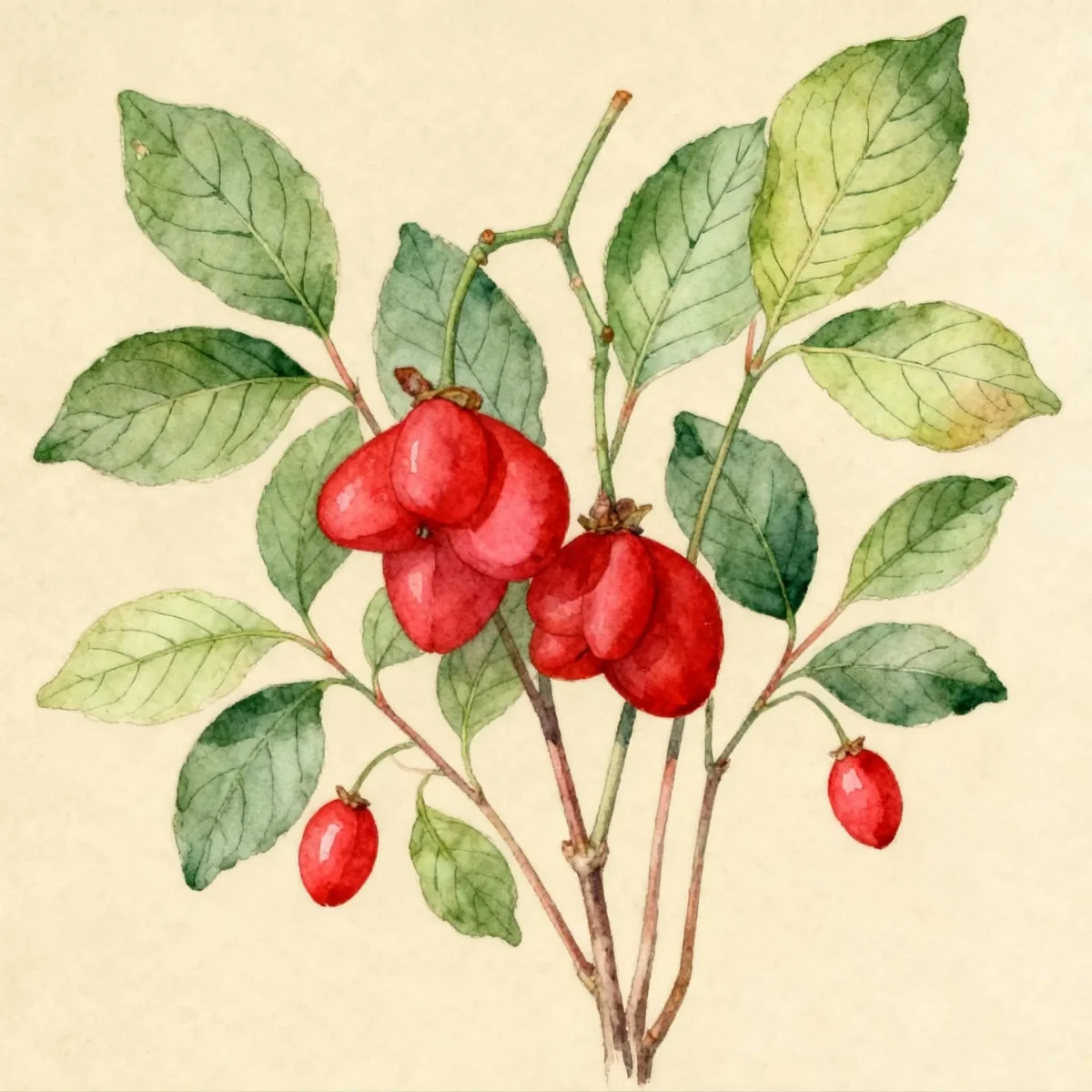
Dwarf-winged burning bush (Euonymus alatus 'Compactus')
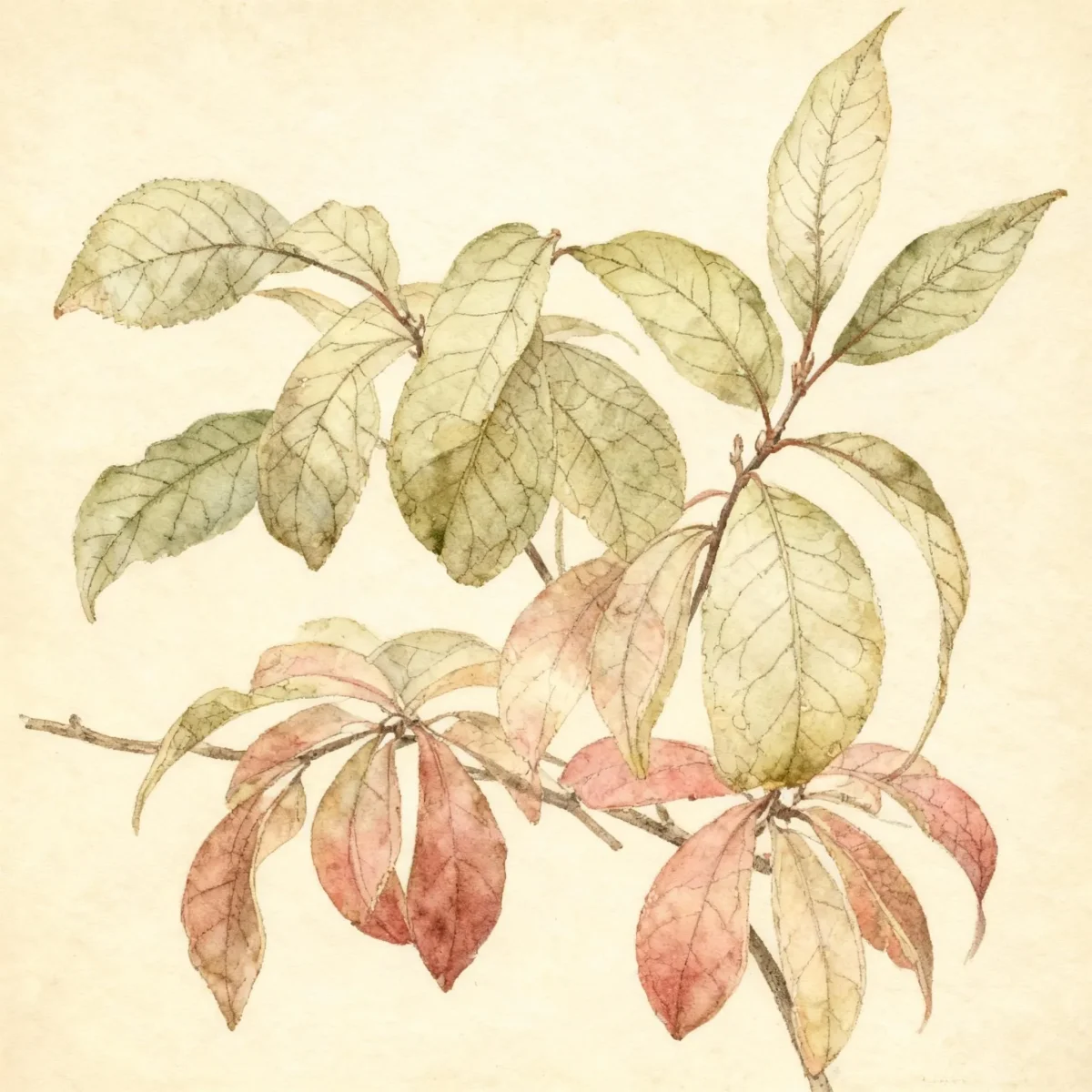
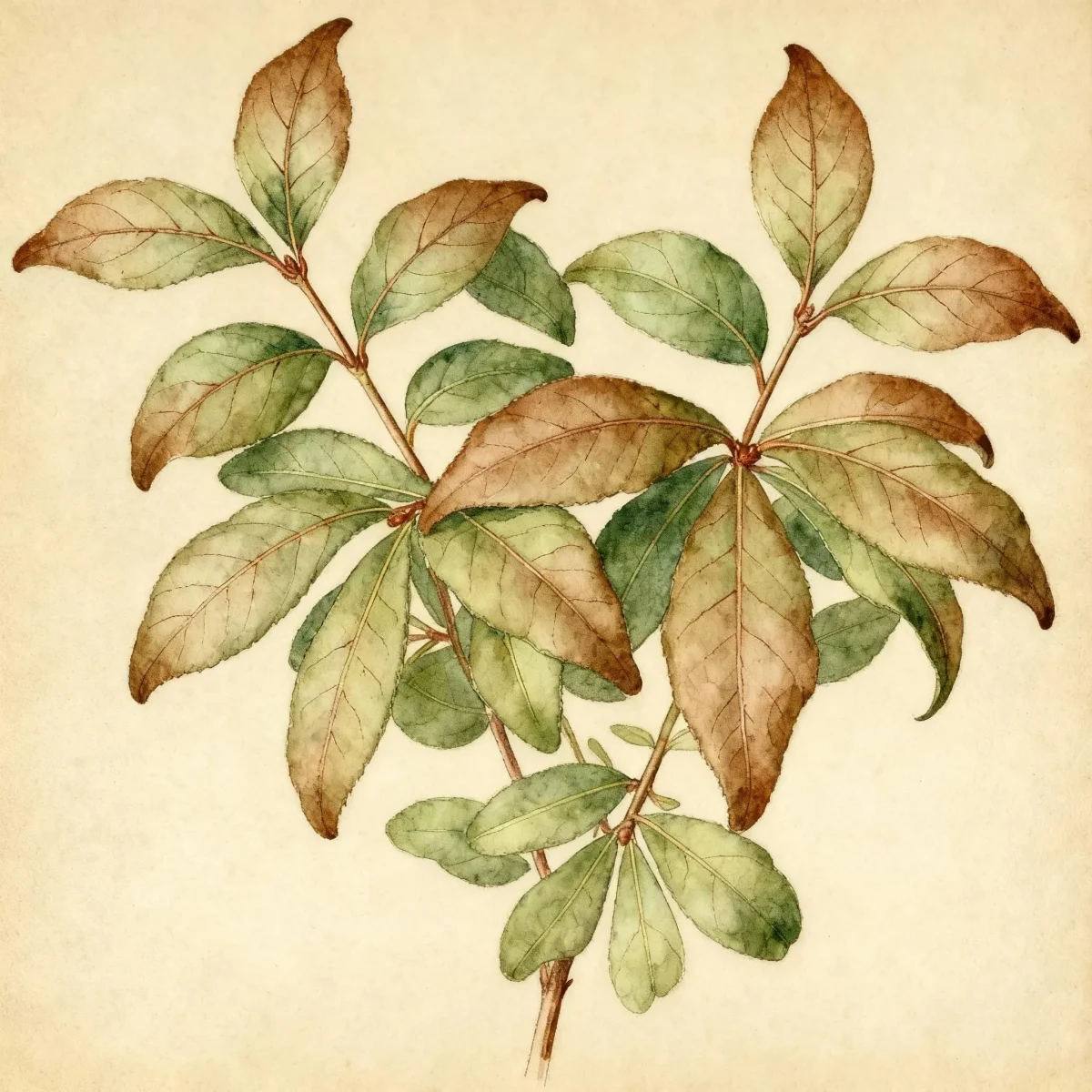
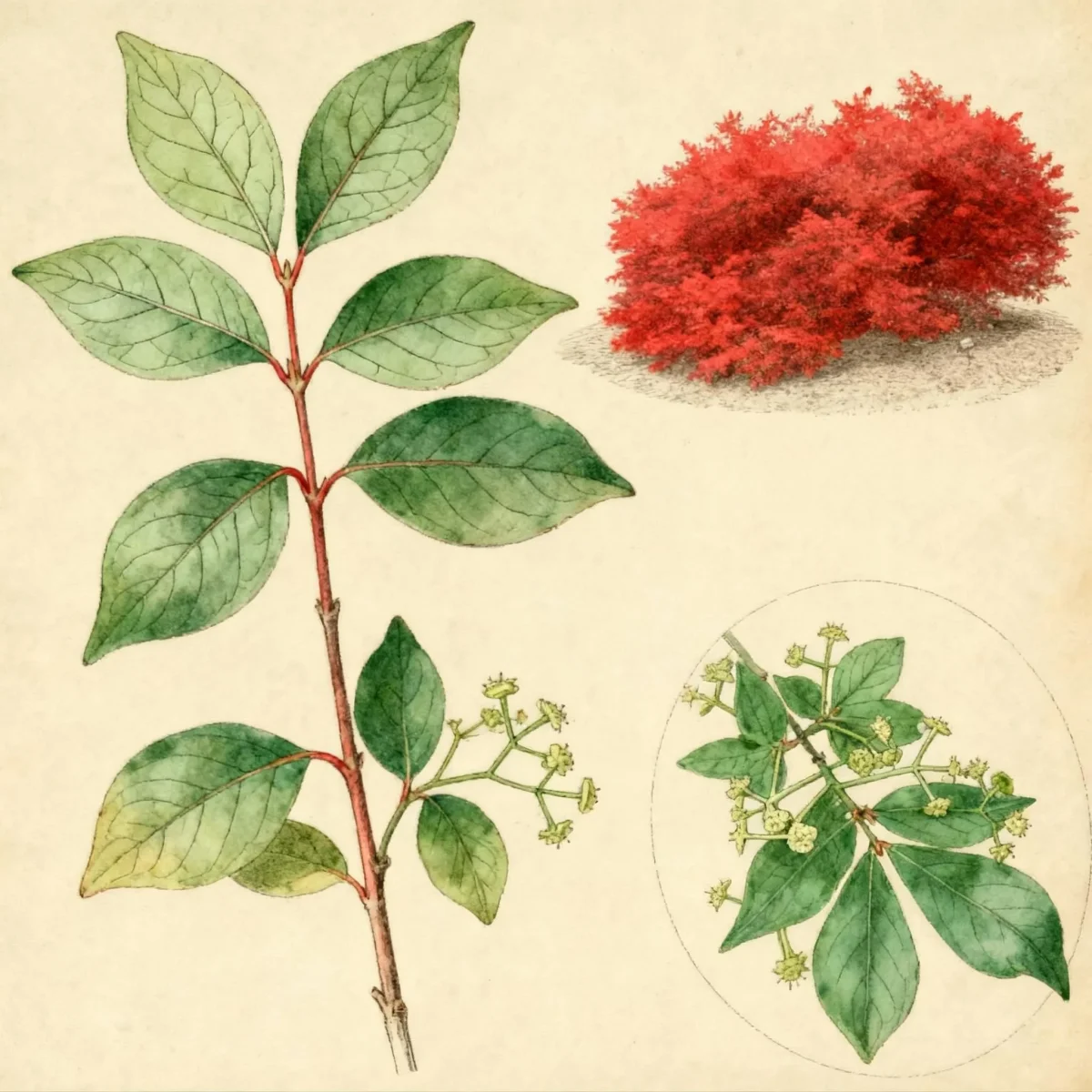
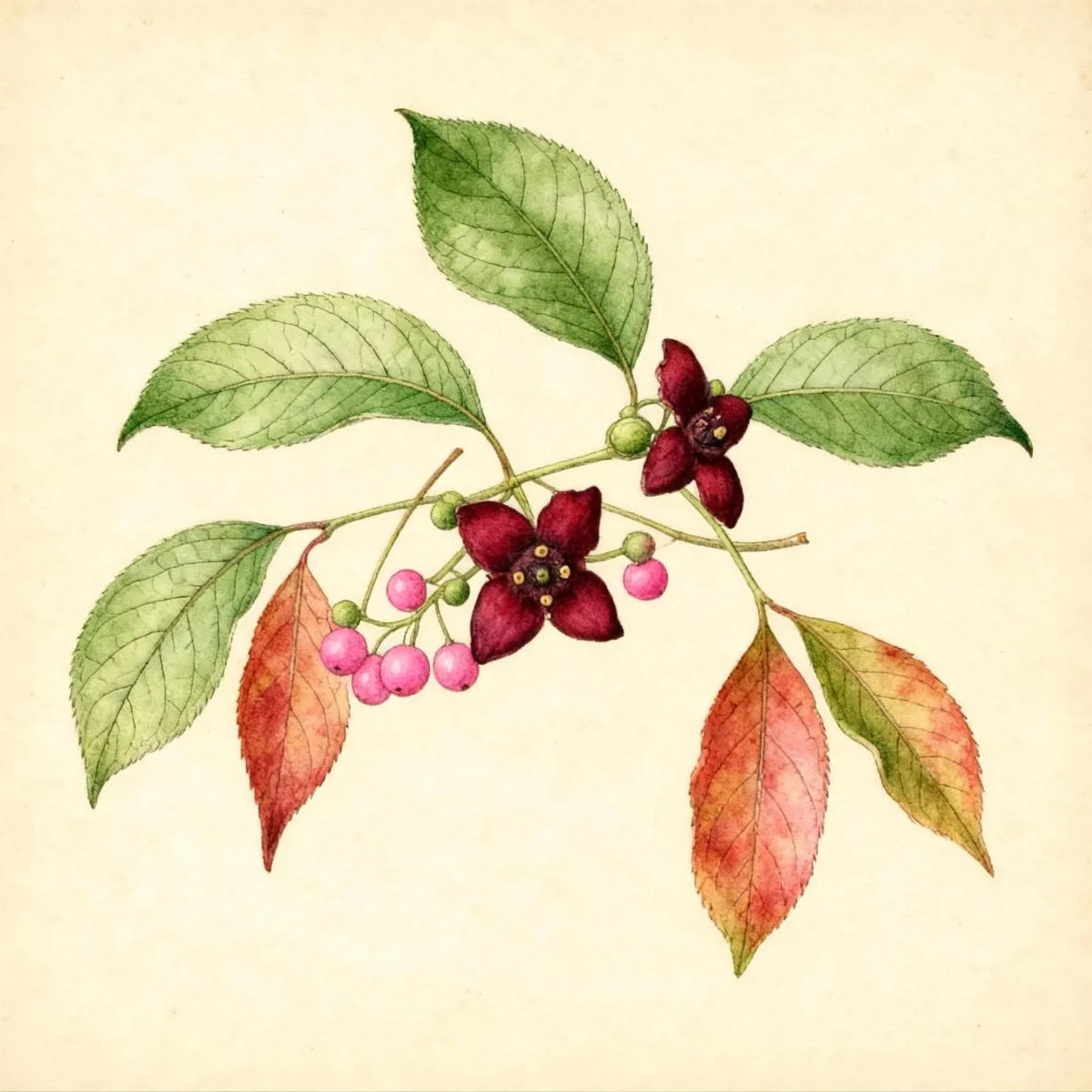
Euonymus alatus 'Compactus' offers spectacular fiery red fall color, making this Dwarf-winged burning bush a low-maintenance landscape favorite.
Scroll down to discover growing tips, care requirements, companion plants, and more
Complete Plant Information
Overview
The Dwarf-winged burning bush, scientifically known as Euonymus alatus ‘Compactus’, is widely cherished for its stunning seasonal transformation. While the standard burning bush can become quite large, this cultivar offers robust growth with the signature blazing scarlet autumn display in a more manageable, dense, mounded form. This deciduous shrub adapts well to various garden conditions, establishing itself as a reliable backbone specimen.
Euonymus alatus ‘Compactus’ is noted for its low maintenance requirements, making it ideal for busy gardeners or large landscape plantings where upkeep needs to be minimized. Beyond the explosive fall color, this shrub provides structure throughout three seasons, offering dense green foliage during summer months. Gardeners value this plant for its adaptability and spectacular performance as an accent or hedge.
Although the specific cultivar name suggests compactness, this variety still achieves significant size, often reaching up to 11 feet tall and wide, requiring adequate space to develop its naturally pleasing flat-topped habit. Ensure proper siting to appreciate the fiery hues of the Dwarf-winged burning bush across your landscape.
Fast Facts
- Plant Family: Celastraceae
- Plant Type: Deciduous shrub
- Hardiness Zones: USDA Zones 4-8
- Size at Maturity:
- Height: 9-11 ft
- Spread: 9-11 ft
- Bloom Time: May to June
- Bloom Description: Yellow/green
- Sun Exposure: Full sun to part shade
- Water Needs: Medium
- Maintenance Level: Low
How to Grow
Planting the Dwarf-winged burning bush is best achieved in the spring or fall when temperatures moderate, allowing the root system to establish before summer stress or winter cold. This adaptable shrub thrives in average, medium moisture, well-drained soils. While it tolerates a wide array of soil types, avoid locations where drainage is poor or water frequently pools, as this can lead to twig blight.
Care for Euonymus alatus ‘Compactus’ is generally straightforward, classifying it as low maintenance. Plants in full sun locations benefit from consistent moisture, especially during establishment, while those sited in partial shade may require less focused watering. No routine fertilization is typically necessary unless the soil report indicates severe nutrient deficiencies.
Pruning, while often minimal for the ‘Compactus’ form compared to its larger cousins, can be employed to maintain specific shapes or hedge lines. Significant pruning should be done carefully, as aggressive cutting can sometimes reduce the intensity of the next season’s fall color. Monitor for occasional spider mite presence, particularly in hot, dry summers.
Landscape Uses
Perhaps the most compelling reason to include Euonymus alatus ‘Compactus’ in a design is for its unparalleled autumn performance. This shrub produces excellent fall color, making it a vital component in any display designed for seasonal impact. Use the Dwarf-winged burning bush as a specimen or accent piece where its fiery color can contrast against evergreen backdrops.
This variety excels when used collectively in mass plantings or as an informal screen where its dense habit provides effective visual barriers. Its ability to be maintained as a formal hedge makes it versatile for defining property lines or garden rooms. Consider planting near structures that benefit from year-round visual interest, such as foundations, ensuring you allow enough space for its mature 9-foot spread.
Standout Features
Flower Qualities
- Insignificant
Noteworthy Characteristics
Euonymus alatus ‘Compactus’ is a dense, mounded, spreading deciduous shrub celebrated primarily for its spectacular fiery red fall foliage. Though related to the larger winged euonymus, the corky ridges (wings) that define the species name are absent or very reduced on the stems of this cultivar. This shrub provides year-round structure and is highly favored in ornamental landscapes, though it requires adequate space to reach its mature size of up to 10 feet tall with a slightly larger spread.
Tolerances
- Clay Soil
- Black Walnut
Potential Problems
This variety generally experiences no serious insect or disease issues, lending to its low maintenance profile. However, gardeners should be aware of potential twig blight, which is most likely to occur if the shrub is growing in wet soil conditions. In very hot, dry periods, a close inspection may reveal spider mites, which can be managed with horticultural oil or targeted sprays if infestations become severe.
Frequently Asked Questions
What hardiness zones is Dwarf-winged burning bush suitable for?
Euonymus alatus ‘Compactus’ is reliably hardy in USDA Zones 4 through 8.
How large does Dwarf-winged burning bush grow?
This cultivar typically matures into a dense mound reaching between 9 and 11 feet in height, with a comparable spread of 9 to 11 feet.
What sun exposure does Euonymus alatus ‘Compactus’ need?
For the best overall performance, including optimal fall color, this shrub performs best in full sun, though it tolerates partial shade conditions.
When does Dwarf-winged burning bush bloom?
The blooms appear between May and June, offering small, inconspicuous yellowish-green flowers that are not considered showy.
Conclusion
The Dwarf-winged burning bush offers an exceptional return on investment for landscape planners, delivering a hardy, adaptable shrub with spectacularly reliable fall performance. Euonymus alatus ‘Compactus’ is a low-maintenance choice perfect for creating structured hedges or vibrant specimen accents. Before planting, confirm that your hardiness zone aligns with USDA Zones 4-8 to ensure this vibrant beauty thrives.
Companion Planting
When integrating Euonymus alatus ‘Compactus’ into a mixed border, select companions that share similar sun and soil needs. Plants that contrast nicely with its blazing fall color earlier in the season are excellent choices. Consider pairing it with late-flowering perennials like Asters or tall ornamental grasses which offer textural contrast throughout the autumn months. For foundation plantings, low-growing evergreens that maintain year-round structure will highlight the fiery deciduous nature of the Dwarf-winged burning bush.
Design Ideas
Utilize the dense, rounded shape of Euonymus alatus ‘Compactus’ to anchor corners in formal garden designs or create defined edges. Because it is marketed for its use as a hedge, consider planting several in a linear arrangement, remembering to grant them ample space to achieve their full 9-foot spread without overcrowding. In woodland edge settings, the shrub can serve as a transitional element, offering much-needed structure when surrounding deciduous trees lose their leaves.